Ακολουθήστε μας

Διεθνή

Οι Κούρδοι της Συρίας νικούν – The Syrian Kurds Are Winning!
Δημοσιεύτηκε στις

Jonathan Steele

steele_1-120315.jpgNewsha Tavakolian/Magnum Photos

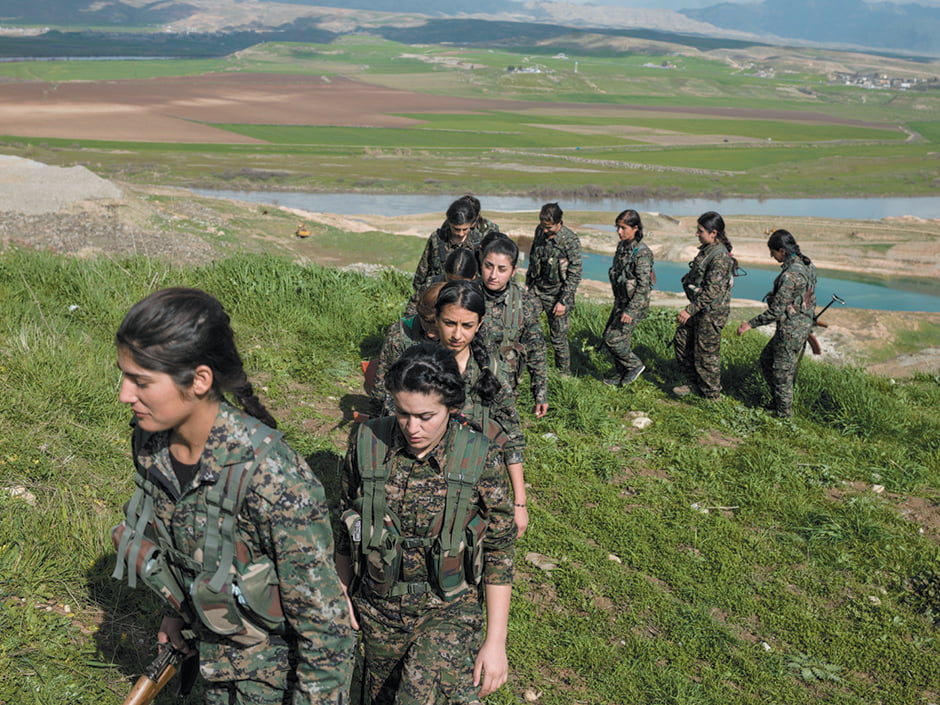
Kurdish fighters in the Women’s Protection Unit during their daily drills at Shilan Camp, in the border region of Andivar, Rojava, Syria, summer 2015

Anyone searching for a sliver of light in the darkness of the Syrian catastrophe has no better place to go than the country’s northeast. There some 2.2 million Kurds have created a quasi state that is astonishingly safe—and strangely unknown abroad. No barrel bombs are dropped by Bashar al-Assad’s warplanes. No ISIS executioners enforce the wearing of the niqab. No Turkish air strikes send civilians running, as Turkish attacks on Kurdish militia bases do across the border in Iraq.
Safety is of course a relative concept. Car bombs and suicide attacks by ISIS assassins regularly take lives in this predominantly Kurdish 250-mile-wide stretch of Syria between the Tigris and Euphrates rivers, but by the standards of the rest of the country it is quiet.
The 2.2 million Kurds make up a tenth of the Syrian population. During the protests of 2011—the Arab Spring—they, like their Arab counterparts in other Syrian cities, publicly demonstrated for reform in Qamishli, the region’s largest city. But Assad was milder toward them than he was to other protesters elsewhere. He gave citizenship to 300,000 stateless Kurds and in July 2012 even withdrew most of his combat troops from the area on the grounds that they were needed more urgently in the Syrian heartland of Aleppo, Damascus, and the cities in between.
Kurdish militias known as the People’s Protection Units (YPG) quickly organized the support of much of the Kurdish adult population under thirty and took control of the region, which they divide into three “cantons” and which they call Rojava (i.e., West, meaning western Kurdistan, from roj, the Kurdish word for sun). The other Kurdish regions are in Turkey, Iran, and Iraq.
Over the next three years the YPG trained and built a well-disciplined, though lightly armed, military force and set up an efficient system of local government. It is a measure of the Assads’ repression that, whereas in Turkey bans on the Kurdish language were lifted in 1991, they were kept in place for another two decades in Syria. As a result most adults in Rojava speak better Arabic than Kurdish. Now in charge of their own statelet, Kurdish leaders are reviving the use of the Kurdish language in schools and onTV and radio stations.
The language, Kurmanji, belongs to the Indo-European family and is akin to Farsi but distinct from Arabic or Turkish. Unlike Arabs and Turks but like Iranians, Kurds celebrate the New Year, Newroz, on the first day of spring.
The Kurds are originally a mountain people, who emerged near Lake Van in eastern Turkey. Their most famous warrior, Saladin, who captured Jerusalem from the Crusaders, was active with his regiments along the Mediterranean in the twelfth century. Many settled in Damascus and Aleppo.
Under the Ottoman Empire Kurdish identity was not threatened, and it was natural that when the empire collapsed at the end of World War I Kurds hoped to create an independent state. In the Treaty of Sèvres in 1920 they were promised a state by the British and other Western powers but Kemal Atatürk, the Turkish leader, refused to implement the treaty and the Western powers changed their line. Kurds were marginalized in Turkey. After several failed rebellions in the 1920s thousands fled to Syria. There, under the French mandate, Kurds were privileged over the Arab majority, particularly in getting jobs in the army and police.
After Syria won its independence in 1946 the public projection of a separate Kurdish culture was repressed by the new Arab rulers, even though other minorities—Armenian, Assyrian, and Druze—were recognized. Syrian Kurds were Arabized and influenced by the modernizing ideology of urban Syria. Today they show few signs of their mountain origins or tribal affiliations. Whereas older men in Iraqi Kurdistan often wear sirwal—baggy trousers held up by a cummerbund—the costume is rarely seen in Rojava.
But the dream of having a state of their own has never faded. With around 32 million people worldwide, they are the largest ethnic group without one. Retaining this aspiration is the key factor that has kept Kurds tough and self-reliant through decades of repression in the four countries where they are numerous. After Iraq, where Kurds have enjoyed autonomy in the north since 1991, and Turkey, where the militant PKKhas been fighting for Kurdish autonomy since 1984, the Kurds of Syria saw their first real opportunity for change as late as 2011. At all levels of Syrian Kurdish society there is now a strong desire to reverse the last half-century of assimilationist pressures and revive their cultural heritage, particularly the Kurdish language and literature and the celebration of Newroz with Kurdish music and dancing. Syrian Kurds put greater store on national identity than organized religion. Most Kurdish clerics are Sufis of the Sunni branch of Islam and, in contrast to the Syrian Arab opposition to Assad, none of the dozen Kurdish political parties in Syria is Islamist.
In spite of the huge attention given to Syria’s war by international media, no foreign diplomats or businesspeople and only a handful of reporters have made the trip to Rojava. The first, albeit brief, coverage came in September of last year, from across the Turkish border. That was after ISIS fighters swept north from Raqqa, the headquarters of their newly declared caliphate, and launched a surprise attack on the Kurdish canton of Kobanî. They captured dozens of Kurdish villages, executed scores of people who didn’t have time to escape, and moved toward the large town of Kobanî, which sits on Syria’s border with Turkey.
The Kurdish YPG forces resisted as best they could with the help of seasoned guerrillas from the PKK. After desperate pleas for help from the YPG as well as from Washington’s allies in the Kurdish Regional Government in northern Iraq, the US started bombing ISIS positions on the approaches to Kobanî. Several dozen Kurdish fighters from Iraq—called peshmerga—also joined the fighting. In spite of the US air strikes the ISIS advance continued and by October its militants were inside the town of Kobanî as they poured reinforcements from Raqqa into the battle.
This was the first sustained engagement between US airpower and ISIS, and reporters from across the world who were camped just inside Turkey filmed ISIS artillery strikes and the much larger plumes of smoke caused by US bombs and missiles. With most of Kobanî’s civilian population fleeing into Turkey, cameras also broadcast the first pictures of vast streams of Kurdish Syrian refugees escaping northward, a harbinger of the broader flight of refugees was to come a year later. Meanwhile, Turkish tanks and armored personnel carriers patrolled the Kobanî border within a few hundred yards of the battle and did nothing to help.
Gradually, the Kurdish fighters prevailed and in January of this year ISIS withdrew, though it took another three months to drive them out of the villages south of Kobanî. As many as a thousand ISIS fighters were thought to have died. The YPG had shown it was the most successful group of fighters with whom the US could ally in Syria and open cooperation now exists. There was a second crucial lesson: using airpower makes little sense without an infantry force, preferably of local people, to follow up on the bombing.
In July of this year the YPG, again with the aid of US airpower, drove ISIS out of Tal Abyad, another town on the border with Turkey. This meant ISIS had lost two of the three crossing points from Turkey through which it could bring foreign volunteers, finance, and weaponry to strengthen the jihad.
Idriss Nassan, the Kurdish spokesperson of the Kobanî canton, told me that the YPGnow plans to liberate the last ISIS border-crossing point into Turkey at the town of Jarabulus. The YPG are dug in on the east bank of the Euphrates and it will be difficult to move forward. But success would be a strategic blow to ISIS, severely limiting its power. It would also upset Turkey, which fears a further strengthening of the statelet that the Kurds have set up along more than half of the Syrian–Turkish border. If the Kurds were to take control of the area from Jarabulus to Azaz, they could link the cantons of Jazira and Kobanî with Rojava’s third canton, the enclave of Afrin, which is largely populated by Kurds, creating a Kurdish zone along almost the entire length of Syria’s northern border. Since the Turks are now taking a hard line toward the KurdishPKK within their own borders, they are anxious to prevent a strong new Kurdish entity emerging in Syria.
The Turks have said they want a no-fly zone, policed by Turkish and US warplanes, to be established in the very area from Jarabulus to Azaz that the Kurds want to take fromISIS and other jihadis. Turkish officials in Ankara claim that the no-fly scheme would block the Syrian air force and create a haven for Syrian civilians escaping Assad’s attacks. The Kurds see the scheme as a device to permit the Turks to bomb any YPGfighters who enter the area.
The US seems to have seen through Turkey’s ruse and refuses to support the no-fly zone idea. Much now depends on whether the US will back a YPG advance to Jarabulus with air strikes. Asked if the US has given the YPG a green light, Nassan, speaking for the Kobanî canton, was upbeat. “Sipan Hamo, the YPG commander, has said we’re going to liberate Jarabulus and, when he says this, he’s coordinated with the US because we’re part of its international coalition,” he said.
In mid-October, US aircraft dropped ammunition and weapons for the Kurds and their allies from local Arab and Turkmen tribes. It was a significant escalation of US military aid, and a few days later Turkey’s Prime Minister Ahmet Davutoǧlu announced that Turkey had struck the YPG twice. He was not specific but the attacks appeared to be from machine guns firing across the border. There were no reports of casualties, and the attacks seemed designed as a political message. Davutoǧlu said Turkey had told Russia and the US that YPG forces would not be permitted to proceed beyond the Euphrates. In an apparent rebuke to the Turkish prime minister, John Kerry told a Washington audience on October 28: “We’re…enhancing our air campaign in order to help drive Da’esh [ISIS], which once dominated the Syria–Turkey border, out of the last seventy-mile stretch that it controls.” Two days later, Obama announced he was ordering up to fifty US special forces into Rojava to help the YPG and allied local militias to fightISIS.
Nassan’s office is in the western sector of Kobanî, in one of the few public buildings that remain intact. Elsewhere the streets are lined with ruins, looking like pancakes of concrete, crushed by US bombs and missiles. Civilian casualties were minimal since most people had fled as soon as ISIS appeared.

Steele-Syria-MAP-120315.jpgMike King

Kobanî and the surrounding canton with its 380 villages had a pre-war population of 300,000, but by the time of the ISIS attack it had swollen to 500,000 thanks to an influx of Arabs, Armenians, Turkmen, and Kurds fleeing from other Syrian cities. Some 150,000 have already returned, according to Nassan, though it was impossible to verify his figure. The town’s bazaar is busy and the streets are full of women and children. Families are back.
The Kobanî refugees escaping ISIS included Alan Kurdi, the three-year-old toddler whose lifeless body, face-down on a Turkish beach, provoked a worldwide wave of sympathy for Syria’s refugees this summer. Few news reports mentioned that he was a Kurd and some Syrian opposition sources used his plight to claim, falsely, that his parents were taking him and his older brother to escape Assad’s barrel bombs, not ISIS.
The child’s remains, along with those of his brother and mother, are buried under gray marble slabs in Kobanî’s cemetery beside small evergreen trees planted in old tins that used to contain cooking oil. His father, Abdullah, got special permission from the Turkish authorities to bring his family’s bodies across the border, but no such allowance was given to the dozens of foreign journalists who accompanied him from Bodrum. Nor does Turkey allow international aid workers to cross into Kobanî for reconstruction and the clearing of unexploded bombs and shells. In order to circumvent this harsh embargo, they have to use the only route available for visiting the region, which goes via a flat-bottom boat or a ride on a narrow pontoon bridge across the Tigris from Iraqi Kurdistan, followed by a long day’s drive on potholed roads.
Since its withdrawal from Kobanî, ISIS has changed tactics. It uses suicide bombings and hit-and-run attacks, which are less liable to be targeted by US air strikes than large groups of fighters and armored vehicles. Shortly before dawn one night in June a group of ISIS fighters slipped into Kobanî, wearing YPG uniforms to avoid detection. They shot and killed nearly two hundred civilians before taking refuge in a city-center school. It took several days to push them out.
Syrian Kurdish militia leaders pride themselves on being not only a secular guerrilla force with no religious ideology but an army with gender equality, with women in combat on the front line. Fidan Zinar, who took command of the YPJ (Women’s Protection Units) in Kobanî a week before the ISIS raid in June, told me that she used to be a housewife in a small Syrian town. She joined the YPJ three years ago, “first of all to defend myself, then my culture, my language, my people, and our homeland.” A veteran of several clashes with ISIS, she said:
In some operations we work as a separate women’s unit, sometimes we are with male units. We can’t say we’re confident that ISIS won’t come back again. They still have agents and sleeper cells here, and there are gaps in our defenses. But they can’t make an all-out attack; [they can] only penetrate in small groups or use car bombs.
In Kobanî’s military hospital I met a young woman with her left arm in a bandage. Asmin Siterk had been wounded in a battle at the end of July to drive ISIS fighters out of Sarrin, a town on the Euphrates some fifty miles south of Kobanî. “We were in a mixed group of soldiers,” she told me. “Several men were wounded as well as me. There were six martyrs in our group, two women and four men.”
On the drive back east there was further evidence of women’s military contributions. Women in combat fatigues shared the job of examining drivers’ credentials at the numerous checkpoints. Photographs of “martyrs”—troops killed in battle—were displayed at every military post, and a good number were women. In Qamishli, Amina Ossi, the deputy minister for foreign relations in the YPG canton of Jazira, estimated the number of YPG and YPJ fighters as 50,000 and the number of martyrs in the last three years as three thousand. Half of each category were women, she said.
It was on the way to Amina’s office that I came across an initially baffling sight. A statue of Hafez al-Assad, the former Syrian president and founder of the Assad dynasty, stood unmolested at a city-center roundabout. Nearby two photographs of his son, Bashar, were on display in the front windows of Syrianair. While Kurds fly their own red, green, and yellow flag throughout the region, the Syrian national flag was hoisted above a lane of concrete blocks leading to the entrance of a small garrison.
Here is one of the complexities of the Syrian war. The regime retains control of roughly one tenth of Qamishli, plus the local airport and the connecting road as well as the Arab part of the town of Hasakah, some fifty miles to the south. This symbolic toehold allows it to claim that it still controls the capitals of all Syrian provinces except Raqqa, which is held by ISIS, and Idlib, which is held by other extreme Islamists, including Jabhat al-Nusra and Ahrar al-Sham. In return the Kurds benefit by having Damascus continuing to pay the salaries of the Kurdish region’s teachers, hospital doctors, and other public-sector workers. Civil aircraft under control of the Assad regime still fly regularly from Qamishli to Damascus and Lattakia. For students enrolled there and for businessmen this provides a useful link, since overground travel has become too dangerous.
Rojava contains some of the most fertile land in Syria, planted with wheat, cotton, and vegetables. It also has oil, although the “nodding donkeys”—the pumps that pull it out of the ground—stand idle now for lack of investment and maintenance. But most basic goods, as well as medicines in the Kurdish region’s pharmacies, are brought from Damascus on trucks that pass through ISIS territory. This is another of Syria’s complexities. ISIS leaders prefer to tax the drivers rather than block them and put the Kurdish region under siege, which could provoke more armed conflict with the Kurds.
Some activists in anti-Assad opposition groups claim that the Assad regime’s presence in Qamishli shows that the Kurds are collaborators. The point is vigorously rejected by Kurdish officials, who say they have two enemies, ISIS and Turkey, that pose a more immediate threat than Assad. ISIS fighters continue to attack them wherever they can. Turkey is a looming presence that might send its troops or aircraft across the border at any time. “War is a matter of strategy and tactics. You can’t fight on too many fronts,” Lawand Rojava, a YPG commander in Hasakah, told me.
The [Assad] regime has aircraft and uses barrel bombs. Why should we risk our people’s lives by attacking the regime’s base here, just to prove to the world that we are not allies of the regime? We have to think about the interests of the people. The regime also thinks strategically. We have had many clashes with the regime but they’re not attacking us now.

Hasakah came under assault from ISIS as recently as June. The ISIS fighters infiltrated the Arab part of town and attacked the regime’s forces. Syrian government aircraft responded, but the YPG held back. Only when ISIS moved into the Kurdish districts did the YPG call in US air strikes. Under the combined weight of YPG ground troops and US airpower ISIS was eventually pushed back but the YPG and YPJ lost fifty people, according to Lawand Rojava. He was not complimentary about the Syrian army’s performance. “There are,” he said, “various militias fighting with the [Syrian] regime. Some are Baathist. Others are from local Arab tribes. There are also the National Defense Forces”—a volunteer militia that Assad created two years ago to supplement the dwindling supply of conscripts. Using the Arabic acronym Da’esh forISIS, he went on: “When Da’esh came into Hasakah, many regime units switched to Da’esh’s side. There are also many Da’esh spies within the regime.”
As with the ISIS counterattack after retreating from Kobanî, ISIS showed that it still has the mobility to cause casualties and terror in Hasakah. A week before my visit to the town an ISIS team in a car full of explosives blew themselves up at a checkpoint outside the front of Lawand Rojava’s headquarters, killing three soldiers. Two days earlier a suicide bomber killed twenty civilians at another checkpoint, and in a separate incident a bomber killed forty-three civilians in a crowded shopping street. Kurdish journalists in Qamishli were unaware of the atrocities, an apparent sign that the Kurdish authorities try to restrict bad news.
In Remelan, a small Syrian town close to the border of Iraq and Turkey, I went to see Saleh Muslim, the copresident of the Democratic Union Party (PYD), the largest Syrian Kurdish party, who is in effect the region’s political leader. The YPG militias are thePYD’s armed wing. As Michael Gunter describes in Out of Nowhere: The Kurds of Syria in Peace and War, the PYD began in 2003 as the Syrian branch of the PKK, the Kurdistan Workers’ Party. (Though completed before ISIS’s emergence and the start of US bombing, the book is an admirably lucid survey of the Syrian Kurds’ history and prospects.) Hafez al-Assad had given the PKK leader Abdullah Öcalan sanctuary in Syria in 1979. The move was partly to have a bargaining chip in dealings with Turkey but also, in Gunter’s words, “in return for…keeping the lid on Syria’s Kurds…. Assad allowed Syrian Kurds to join the PKK in lieu of serving in the Syrian army.”
This modus vivendi lasted until 1998 when Turkey threatened to go to war unless Syria expelled the PKK. Assad gave way and sent Öcalan and his fighters out of the country. Most of Öcalan’s guerrillas moved to northern Iraq. Öcalan himself sought refuge in various countries, eventually flying to Kenya, where he was captured in 1999 in a joint US-Turkish operation. He has been in a Turkish prison ever since.
Saleh Muslim, a native of Kobanî, was in a Syrian prison for a time as an activist after the PYD took part in anti-regime demonstrations in Qamishli in 2004. On release he made his way to a PKK camp in the Qandil mountains of Iraqi Kurdistan, and returned to Syria in April 2011 just as the new wave of anti-regime protests got underway.
The United States and the European Union designate the PKK as a terrorist group but they have been careful not to do the same with the PYD. Saleh Muslim meets regularly with US diplomats and was invited to meet Turkish officials in Istanbul in July 2013, when he assured them that the PYD was not seeking independence from Syria for Rojava.
Saleh Muslim’s soft-spoken manner and modest demeanor belie the steel and determination that have helped him turn the PYD into an unexpectedly powerful political and military force. While supporting Assad’s replacement by a national unity government, he has no doubt that the immediate threat comes from ISIS, and that foreign governments need to give priority to ISIS in defining their objectives in Syria. Asked if the Assad regime was close to being toppled by ISIS, he told me: “If it collapses because of the Salafis [i.e., ISIS], it would be a disaster for everyone. If it collapses by agreement with other forces, it would be all right.”
He argued that there should be talks between the regime and the non-Islamist forces such as the Kurds with the aim of reaching a political deal, since neither side could eliminate the other, but there was no prospect of negotiating with ISIS, since they did not believe in compromise. “For Da’esh and people with their mentality you cannot think of any way of ending them except via military force…. We wouldn’t feel safe in our homes as long as there is one Da’esh person left alive. They are an enemy of humanity.”
Muslim was speaking to me when the Russian military build-up in Lattakia was underway but before the Russian air strikes started and Assad met with Vladimir Putin in Moscow. Saleh Muslim has regular contacts with Russian diplomats, as he has with Americans, and said he had been assured by senior Russian officials on a visit to Moscow in September that Russia would not bring ground troops to fight in Syria. “We and our allies among the Arabs have said many times we don’t agree to have foreign armies in Syria, or any invasion by any side. If the Russians break through on this, it means a kind of invasion and our people won’t agree to it.”
He favored coordination between the US and Russian air forces. As long as it was not designed exclusively to support the Assad regime, he saw no reason why the US should not coordinate with the Syrian army and provide air cover if it launched ground offensives against ISIS since defeating ISIS, in his view, took priority over replacing Assad’s regime.
He foresaw the day when the Syrian Kurdish militias could close the last ISIS crossing point from Turkey at Jarabulus. The YPG could then even move on ISIS’s capital in Raqqa “with the help of others.”
The PYD’s relationship with the other main Kurdish parties in the region is complicated. It denies having organic links to the PKK in Turkey, though it reveres thePKK’s imprisoned leader, Abdullah Öcalan. His picture is prominently displayed in public offices and at military checkpoints, even sometimes on badges on soldiers’ shoulders, and he is referred to as “Apo” (Uncle).
The PYD’s links to the ruling parties in Iraqi Kurdistan are polite but cool, partly for ideological reasons since the PYD is left-wing and the Iraqi parties are center-right but mainly because the PYD insists on monopolizing decision-making in their own region. A recent meeting between Saleh Muslim and the Iraqi Kurdish president, Masoud Barzani, which was organized and attended by Brett McGurk, the US special envoy to the anti-ISIS coalition, was aimed at getting Muslim to agree that a few thousand US-trained peshmerga in Iraq who owe loyalty to smaller Syrian Kurdish parties would be allowed to cross from Iraq and join the struggle. Muslim insisted that they come underYPG command and the meeting failed.
The PYD is facing criticism from some supporters. There is war weariness and anxiety over the long periods of military service for young men and women. I found people grumbling over a new decree that puts under government control properties left empty by those who have fled abroad. Officials insist that this is not expropriation but a measure designed to assess the scale of vacant buildings and rehouse people who have abandoned vulnerable villages for the safety of the main towns. If the owners return, they will get their houses back.
In his book, Gunter points out that the Assads maintained an artificial Arab Belt (al-Hizam al-Arabi) along the Turkish border by settling Arabs in new villages there with the aim of separating Syria’s Kurds from the Kurds of southern Turkey. Arab and Turkmen refugees, now in Turkey, have recently claimed that the Pyd is engaging in ethnic cleansing, forced deportation, and demolition of houses. Some of these charges have been taken up by Amnesty International. PYD officials deny that they are destroying the Arab Belt. They say that some villages had to be abandoned for security reasons because their inhabitants sympathized with ISIS fighters when they infiltrated it; when ISIS left, the Arabs and Turkmen voluntarily fled for fear of being suspected by the Kurds of having helped ISIS and harboring “sleeper cells.”
What is Rojava’s future? Militarily, it seems relatively secure. ISIS has suffered much at the YPG’s hands over the last year and is unlikely to want to repeat the experience of confronting them, although ISIS will fight to retain Jarabulus, its last crossing point to Turkey. Besides, ISIS’s long-term ambition is not focused on the Kurds but on Arab regions, whether in Syria, Iraq, or beyond those two countries, in Jordan and Saudi Arabia.
Turkey is the joker in the deck. The peace talks between Turkey and the PKK broke down this summer and Turkey resumed its air strikes on PKK bases. I asked Saleh Muslim if he was afraid of a Turkish military intervention at some point. After all, Rojava is a long and thin slice of land on Turkey’s borders that is only lightly defended by 50,000 Kurdish militia troops. “Two years ago I was most afraid of a Turkish intervention, but Turkey is not so free to do that now,” he replied, apparently confident that Washington’s alliance with the YPG in the struggle against ISIS has limited Turkey’s options.
Like most Kurds in Rojava—and I heard the same from Iraqi Kurdish officials in Erbil—Saleh Muslim believes that Turkey’s president Recep Tayyip Erdoǧan’s recent attacks on the PKK were designed to win Turkish nationalist support for his party in the parliamentary elections on November 1. If that was Erdoǧan’s strategy, it worked handsomely. The opposition Nationalist Action Party (MHP) lost forty of its eighty seats and Erdoǧan’s Justice and Development Party (AKP) surged to an outright majority in parliament after a campaign in which it insisted that it alone could give Turkey stability and security. The question now is whether Erdoǧan continues his attacks on the PKK and, by extension, the Syrian Kurds, or resumes the peace process with the PKK.
Whatever Erdoǧan decides, there appears to be no chance that Rojava will ever go back under Arab control as fully as it was before 2011. Before the Geneva talks in 2014, the last occasion when the UN brokered negotiations between the Syrian government and its opponents, the Syrian Kurds insisted on coming as a separate delegation and refused to join the opposition coalition when they were told they had to join with others. After almost five years of war Syria is fragmented, and it is unclear whether Damascus will ever be restored as a powerful seat of central government. The best that can be expected is a devolved federal system, either by a formal constitutional change or merely de facto.
Rule from Damascus may be replaced by competing rulers or warlords in different cities. Whoever they are, whether Islamist or secular, no set of Arab rulers will easily be accepted again by Syria’s Kurds. Their language is being revived. They run their own education system and have an authentic local media. They have tasted the benefits of autonomy and will resist any attempt to have all this extinguished.
—November 4, 2015

Αναλύσεις

Η Κίνα βρίσκει δρόμο που παρακάμπτει το Πακιστάν – Ο διάδρομος Ουαχάν αλλάζει τις γεωπολιτικές ισορροπίες

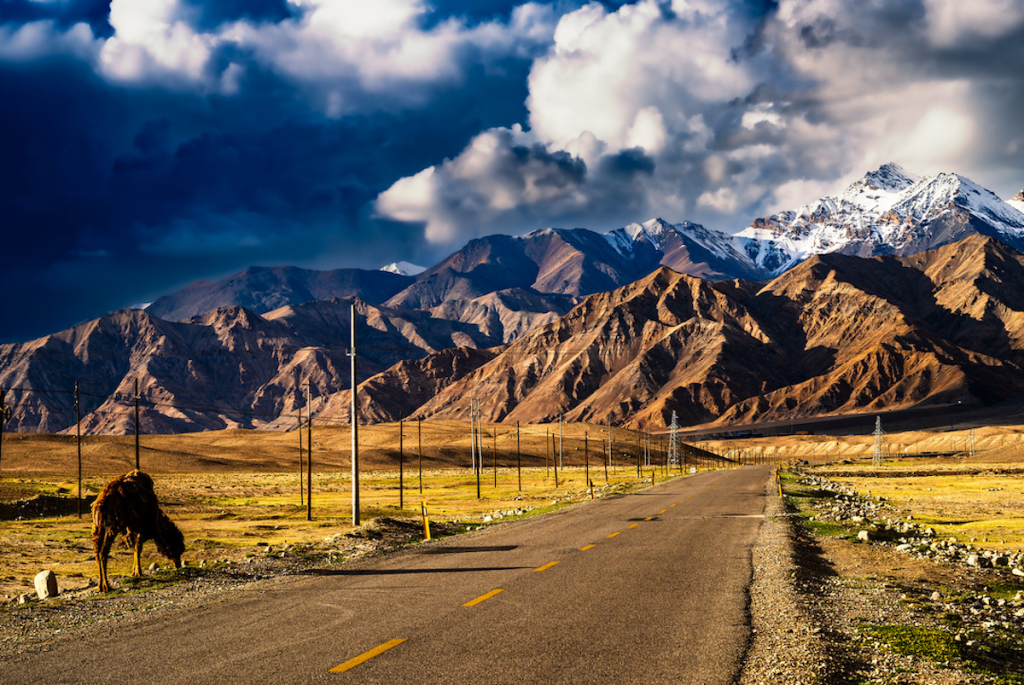
Μία νέα οδική αρτηρία μήκους 121 χιλιομέτρων στο βορειοανατολικό Αφγανιστάν δημιουργεί τις προϋποθέσεις για απευθείας χερσαία σύνδεση με την Κίνα, χωρίς διέλευση από το Πακιστάν. Η ολοκλήρωση του δρόμου στον ιστορικό διάδρομο Ουαχάν αποκτά ιδιαίτερη γεωπολιτική σημασία, καθώς το Πεκίνο αντιμετωπίζει σοβαρά προβλήματα ασφαλείας με τις επενδύσεις του στο Πακιστάν, ενώ η Καμπούλ επιδιώκει να μειώσει την εξάρτησή της από το Ισλαμαμπάντ.
Δημοσιεύτηκε

στις

από τον

Μία σημαντική εξέλιξη στις χερσαίες μεταφορές και στις γεωπολιτικές ισορροπίες της Κεντρικής Ασίας καταγράφεται στο Αφγανιστάν, με την ολοκλήρωση νέου δρόμου στον στρατηγικής σημασίας διάδρομο Ουαχάν.

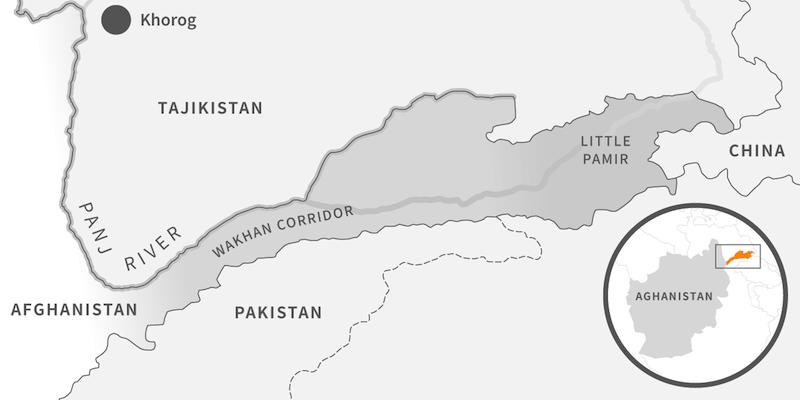
Σύμφωνα με ανάλυση του Imran Khurshid που δημοσιεύθηκε στις 9 Οκτωβρίου 2026 στο Asia Times, οι αφγανικές αρχές εγκαινίασαν οδική διαδρομή 121 χιλιομέτρων, η οποία εκτείνεται από την περιοχή Μπρογκίλ έως τα σύνορα με την Κίνα, στην επαρχία Μπανταχσάν.

Το έργο κόστισε περίπου 365 εκατομμύρια αφγάνι, ποσό που αντιστοιχεί σε περίπου 5,5 εκατομμύρια δολάρια.

Κατά τις αφγανικές ανακοινώσεις, κατασκευάστηκε από ντόπιους μηχανικούς και εργαζομένους, χωρίς τη συμμετοχή ξένων τεχνικών συμβούλων.

Η νέα διαδρομή φθάνει στα σινοαφγανικά σύνορα. Αυτό, ωστόσο, δεν σημαίνει ότι λειτουργεί ήδη πλήρης διεθνής εμπορευματικός διάδρομος, καθώς εξακολουθούν να υπάρχουν σημαντικοί τεχνικοί και συνοριακοί περιορισμοί.

Γιατί ο διάδρομος Ουαχάν έχει στρατηγική σημασία

Ο διάδρομος Ουαχάν αποτελεί μια στενή λωρίδα αφγανικού εδάφους ανάμεσα στο Τατζικιστάν, το Πακιστάν και την Κίνα.

Η γεωγραφική του διαμόρφωση συνδέεται με τον ανταγωνισμό της Βρετανικής και της Ρωσικής Αυτοκρατορίας κατά τον 19ο αιώνα.

Η περιοχή διατηρήθηκε ως ζώνη διαχωρισμού των δύο αυτοκρατορικών σφαιρών επιρροής, αποτελώντας ένα από τα χαρακτηριστικότερα γεωγραφικά κατάλοιπα του λεγόμενου «Μεγάλου Παιχνιδιού».

Σήμερα, η ίδια περιοχή αποκτά νέα σημασία, αυτή τη φορά λόγω της προσπάθειας σύνδεσης της Κίνας με το Αφγανιστάν και ευρύτερα με την Κεντρική Ασία.

Ο δρόμος ανοίγει τη δυνατότητα δημιουργίας μιας εναλλακτικής οδού μεταφορών, περιορίζοντας δυνητικά την ανάγκη διέλευσης από το πακιστανικό έδαφος.
Το πρόβλημα της Κίνας με τον οικονομικό διάδρομο CPEC

Το ενδιαφέρον της εξέλιξης εντοπίζεται κυρίως στην προσπάθεια του Πεκίνου να περιορίσει την εξάρτησή του από ευάλωτες υποδομές.

Ο Οικονομικός Διάδρομος Κίνας–Πακιστάν, γνωστός ως CPEC, αποτελεί ένα από τα σημαντικότερα προγράμματα της κινεζικής πρωτοβουλίας Belt and Road.

Μέσω του συγκεκριμένου σχεδίου, η Κίνα επιχειρεί να ενισχύσει τις εμπορικές και ενεργειακές συνδέσεις της με τη Νότια Ασία και την Αραβική Θάλασσα.

Ωστόσο, η υλοποίηση των έργων έχει αντιμετωπίσει σοβαρές δυσκολίες.

Στην επαρχία Μπαλουχιστάν, οργανώσεις αυτονομιστών έχουν πραγματοποιήσει επανειλημμένες επιθέσεις εναντίον κινεζικών συμφερόντων, εγκαταστάσεων και εργαζομένων.

Οι επιθέσεις αυτές έχουν επιβαρύνει την ασφάλεια των υποδομών και έχουν αυξήσει το κόστος προστασίας των κινεζικών επενδύσεων.

Παράλληλα, έχουν διατυπωθεί καταγγελίες για καθυστερήσεις, κακοδιαχείριση και προβλήματα διαφάνειας σε επιμέρους προγράμματα του CPEC.

Η εδαφική διαμάχη με την Ινδία

Μια επιπλέον γεωπολιτική δυσκολία συνδέεται με τη διέλευση του CPEC από το Γκιλγκίτ–Μπαλτιστάν.

Η περιοχή διοικείται από το Πακιστάν, αλλά διεκδικείται από την Ινδία, στο πλαίσιο της ευρύτερης διαμάχης για το Κασμίρ.

Το Νέο Δελχί έχει αντιταχθεί επανειλημμένα σε έργα που διέρχονται από εδάφη τα οποία θεωρεί τμήμα της δικής του επικράτειας.

Αυτό σημαίνει ότι ο οικονομικός διάδρομος Κίνας–Πακιστάν δεν αποτελεί μόνο αναπτυξιακό πρόγραμμα, αλλά συνδέεται με μία από τις πιο ευαίσθητες εδαφικές αντιπαραθέσεις της Ασίας.

Η δημιουργία εναλλακτικών διαδρομών μέσω του Αφγανιστάν θα μπορούσε μακροπρόθεσμα να προσφέρει στο Πεκίνο μεγαλύτερη ευελιξία.

Δεν υπάρχει, πάντως, ένδειξη ότι ο δρόμος του Ουαχάν μπορεί σήμερα να αντικαταστήσει τις μεγάλες μεταφορικές υποδομές του CPEC.

Η Καμπούλ επιχειρεί να μειώσει την εξάρτησή της από το Ισλαμαμπάντ

Για την κυβέρνηση των Ταλιμπάν, το έργο έχει και μία σαφή πολιτική διάσταση.

Το Αφγανιστάν εξαρτάται σε σημαντικό βαθμό από συνοριακές διαβάσεις και μεταφορικούς άξονες που περνούν από το Πακιστάν.

Οι επανειλημμένες εντάσεις ανάμεσα στις δύο χώρες έχουν προκαλέσει κλείσιμο συνοριακών περασμάτων, διακοπές εμπορικών ροών και επιβάρυνση της αφγανικής οικονομίας.

Μια εναλλακτική χερσαία διέξοδος προς την Κίνα θα μπορούσε, εφόσον αναπτυχθεί και καταστεί λειτουργική, να μειώσει τη δυνατότητα του Πακιστάν να χρησιμοποιεί τη γεωγραφική του θέση ως μέσο πίεσης προς την Καμπούλ.

Η αφγανική πλευρά αντιμετωπίζει το έργο ως σημαντική υποδομή οικονομικής και στρατηγικής αυτονομίας.

Η στάση της Κίνας και της Ρωσίας

Παρά την προοπτική άμεσης σύνδεσης, το Πεκίνο δεν έχει εγκαταλείψει τον οικονομικό διάδρομο CPEC ούτε έχει ανακοινώσει ότι ο Ουαχάν θα τον αντικαταστήσει.

Η Κίνα εξακολουθεί να διατηρεί σημαντικά οικονομικά και στρατηγικά συμφέροντα στο Πακιστάν.

Αντίστοιχα, η Ρωσία ενδιαφέρεται για τη σταθερότητα του Αφγανιστάν και για την ανάπτυξη νέων δικτύων επικοινωνίας στην Κεντρική Ασία.

Η δημιουργία περισσότερων επιλογών διασύνδεσης ενδέχεται να περιορίσει την αποκλειστική σημασία ορισμένων παραδοσιακών μεταφορικών διαδρομών.

Η πραγματική αξία του Ουαχάν θα εξαρτηθεί από τη βελτίωση των οδικών υποδομών, τη λειτουργία συνοριακών και τελωνειακών εγκαταστάσεων, τις καιρικές συνθήκες και τις πολιτικές αποφάσεις της Κίνας.

Το μήνυμα προς το Πακιστάν

Η νέα διαδρομή αναδεικνύει μια σημαντική γεωπολιτική πραγματικότητα: η γεωγραφική θέση ενός κράτους προσφέρει στρατηγικά πλεονεκτήματα, αλλά η αξιοποίησή τους εξαρτάται από την ασφάλεια και την αξιοπιστία των μεταφορικών του δικτύων.

Το Πακιστάν εξακολουθεί να αποτελεί κρίσιμο εταίρο της Κίνας, ιδιαίτερα στο πλαίσιο του CPEC.

Ταυτόχρονα, όμως, η αστάθεια, οι επιθέσεις σε κινεζικά συμφέροντα και οι αντιπαραθέσεις με το Αφγανιστάν δημιουργούν κίνητρα αναζήτησης εναλλακτικών επιλογών.

Ο διάδρομος Ουαχάν δεν έχει ακόμη μετατραπεί σε μεγάλο εμπορικό πέρασμα. Η κατασκευή του δρόμου, ωστόσο, καταδεικνύει ότι το Αφγανιστάν επιχειρεί να αποκτήσει πρόσθετες διεθνείς συνδέσεις και ότι η αποκλειστική εξάρτηση από το Πακιστάν δεν αποτελεί πλέον τη μοναδική γεωγραφική επιλογή.

Για το Ισλαμαμπάντ, η εξέλιξη αποτελεί μια νέα στρατηγική παράμετρο που θα πρέπει να συνυπολογίσει στις σχέσεις του με το Πεκίνο και την Καμπούλ.

Συνέχεια ανάγνωσης

Διεθνή

Γερμανία: Το ρωσικό φυσικό αέριο επιστρέφει έμμεσα μέσω των λιπασμάτων, παρά τους ευρωπαϊκούς δασμούς
Δημοσιεύτηκε

στις

Οι εισαγωγές ρωσικών αζωτούχων λιπασμάτων μειώθηκαν κατά 66% το 2025-2026, αλλά παραμένουν 53% υψηλότερες από τα επίπεδα πριν από τον πόλεμο στην Ουκρανία.

Το υψηλό ενεργειακό κόστος στη Γερμανία διατηρεί ανταγωνιστικά τα ρωσικά προϊόντα, σύμφωνα με στοιχεία που δημοσίευσε η Berliner Zeitung. Η Γερμανία εξακολουθεί να συνδέεται εμπορικά με το ρωσικό φυσικό αέριο, παρά τις ευρωπαϊκές προσπάθειες περιορισμού της ενεργειακής εξάρτησης από τη Μόσχα.

Αυτή τη φορά, η σύνδεση δεν αφορά αποκλειστικά την άμεση προμήθεια φυσικού αερίου, αλλά τις εισαγωγές λιπασμάτων που παράγονται με τη χρήση ρωσικού αερίου ως πρώτης ύλης και πηγής ενέργειας. Σύμφωνα με δημοσίευμα της γερμανικής εφημερίδας, που βασίζεται σε στοιχεία του Γερμανικού Ομοσπονδιακού Στατιστικού Γραφείου και του Συνδέσμου Αγροτικής Βιομηχανίας (IVA), οι εισαγωγές αζώτου μέσω ρωσικών λιπασμάτων μειώθηκαν σημαντικά κατά το 2025-2026. Ωστόσο, εξακολουθούν να βρίσκονται πάνω από τα επίπεδα που καταγράφονταν πριν από τη ρωσική εισβολή στην Ουκρανία.

Τα στοιχεία των εισαγωγών και η σύγκριση με την προπολεμική περίοδο

Το 2025-2026, η Γερμανία εισήγαγε 48.800 τόνους αζώτου μέσω λιπασμάτων ρωσικής προέλευσης. Η ποσότητα αυτή είναι μειωμένη κατά περίπου 66% σε σύγκριση με το προηγούμενο έτος, αλλά παραμένει κατά 53% υψηλότερη από τους 31.800 τόνους που είχαν καταγραφεί το 2020-2021, πριν από τον πόλεμο.

Η εξέλιξη των εισαγωγών δείχνει πόσο έντονη ήταν η αύξηση μετά το 2022. Το 2021-2022 οι εισαγωγές έφτασαν τους 56.800 τόνους αζώτου, ενώ το 2022-2023 εκτοξεύθηκαν στους 185.100 τόνους. Στη συνέχεια καταγράφηκαν 140.200 τόνοι το 2023-2024 και 143.800 τόνοι το 2024-2025, προτού σημειωθεί η μεγάλη υποχώρηση της τελευταίας περιόδου. Τα στοιχεία αφορούν την ποσότητα του αζώτου που περιέχεται στα εισαγόμενα λιπάσματα και όχι το συνολικό βάρος των προϊόντων.

Τα λιπασματικά έτη υπολογίζονται από τον Ιούλιο έως τον Ιούνιο. Η ποσότητα αζώτου που εισήχθη στη Γερμανία μέσω ρωσικής ουρίας μειώθηκε από 71.600 τόνους σε 27.600 τόνους, καταγράφοντας πτώση άνω του 61%. Παρά τη μείωση, η ποσότητα εξακολουθεί να είναι σχεδόν τριπλάσια από τους 9.900 τόνους του 2020-2021. Η συγκεκριμένη εξέλιξη αναδεικνύει το βασικό πρόβλημα της ευρωπαϊκής πολιτικής περιορισμού των εμπορικών δεσμών με τη Ρωσία. Ακόμη και όταν περιορίζονται οι εισαγωγές συγκεκριμένων προϊόντων, οι οικονομικές σχέσεις μπορούν να διατηρούνται μέσω άλλων κατηγοριών αγαθών, ιδιαίτερα όταν αυτά έχουν χαμηλότερο κόστος παραγωγής.

Γιατί οι ρωσικές εισαγωγές παραμένουν ανταγωνιστικές

Καθοριστικός παράγοντας είναι το υψηλό ενεργειακό κόστος στη Γερμανία και στην υπόλοιπη Ευρώπη. Η παραγωγή αζωτούχων λιπασμάτων απαιτεί μεγάλες ποσότητες φυσικού αερίου, το οποίο χρησιμοποιείται τόσο ως πρώτη ύλη όσο και ως πηγή ενέργειας. Σύμφωνα με τον Σύνδεσμο Αγροτικής Βιομηχανίας (IVA), οι ευρωπαϊκοί δασμοί, που τέθηκαν σε ισχύ τον Ιούλιο του 2025, περιόρισαν σημαντικά τις εισαγωγές ρωσικών λιπασμάτων. Ωστόσο, δεν εξάλειψαν το ανταγωνιστικό πλεονέκτημα των ρωσικών προϊόντων. Ο σύνδεσμος επισημαίνει ότι οι υψηλές τιμές ενέργειας δυσκολεύουν τις ευρωπαϊκές επιχειρήσεις να αυξήσουν την εγχώρια παραγωγή και να καλύψουν μεγαλύτερο μέρος των αναγκών της αγοράς. Ως αποτέλεσμα, τα ρωσικά λιπάσματα εξακολουθούν να παραμένουν ελκυστικά, ακόμη και μετά την επιβολή πρόσθετων δασμών.

Παράλληλα, σύμφωνα με τον IVA, είναι πιθανό ορισμένες ποσότητες ρωσικών προϊόντων να φτάνουν στη γερμανική αγορά μέσω άλλων κρατών-μελών της Ευρωπαϊκής Ένωσης. Το μέγεθος αυτών των έμμεσων εισαγωγών, ωστόσο, δεν μπορεί να προσδιοριστεί με ακρίβεια από τα διαθέσιμα στοιχεία.

Δεν αποδίδονται οι αυξήσεις των τιμών αποκλειστικά στους δασμούς

Το ζήτημα έχει άμεση σημασία για τους Γερμανούς αγρότες, καθώς το κόστος των λιπασμάτων επηρεάζει την παραγωγή και, τελικά, την οικονομική βιωσιμότητα των καλλιεργειών. Ο IVA υποστηρίζει ότι η μείωση των ρωσικών εισαγωγών δεν έχει προκαλέσει μέχρι στιγμής σαφή αύξηση των τιμών εξαιτίας των δασμών. Σύμφωνα με τον σύνδεσμο, η εγχώρια παραγωγική δυναμικότητα και οι εισαγωγές από άλλες χώρες, μεταξύ των οποίων η Αίγυπτος, επαρκούν για την κάλυψη των αναγκών της αγοράς. Την ίδια στιγμή, ο σύνδεσμος αποδίδει τις υψηλές τιμές των λιπασμάτων το 2026 στις διεθνείς ενεργειακές αναταράξεις, στον πόλεμο με το Ιράν και στην κρίση γύρω από τα Στενά του Ορμούζ, παράγοντες που επηρεάζουν το κόστος μεταφοράς και τις παγκόσμιες τιμές ενέργειας και λιπασμάτων.

Οι εκτιμήσεις αυτές αποτελούν τις θέσεις του κλαδικού συνδέσμου και δεν συνιστούν από μόνες τους ανεξάρτητη αξιολόγηση όλων των παραγόντων που διαμορφώνουν τις τιμές.

Νέες πιέσεις για περιορισμό των ρωσικών εισαγωγών

Με αφορμή τα στοιχεία, ο IVA ζητά να εξεταστεί η επιβολή πρόσθετων δασμών στις εισαγωγές καλιούχων λιπασμάτων από τη Ρωσία και τη Λευκορωσία. Το κάλιο αποτελεί βασικό θρεπτικό στοιχείο για τις καλλιέργειες και αντιπροσωπεύει μια ακόμη κατηγορία προϊόντων στην οποία η ευρωπαϊκή αγορά διατηρεί εμπορικές σχέσεις με τις δύο χώρες.

Ο σύνδεσμος εκτιμά ότι η ευρωπαϊκή βιομηχανία μπορεί να καλύψει τις ανάγκες της γεωργίας χωρίς να εξαρτάται από τις συγκεκριμένες εισαγωγές και υποστηρίζει ότι πρόσθετοι δασμοί δεν θα πρέπει να οδηγήσουν αναγκαστικά σε αυξήσεις τιμών. Η συζήτηση, ωστόσο, αποτυπώνει το ευρύτερο δίλημμα της ευρωπαϊκής οικονομικής πολιτικής. Η μείωση της εξάρτησης από τη Ρωσία απαιτεί όχι μόνο εμπορικούς περιορισμούς, αλλά και ανταγωνιστική εγχώρια παραγωγή, προσιτό ενεργειακό κόστος και εναλλακτικές πηγές προμήθειας.

Τα δεδομένα της γερμανικής αγοράς δείχνουν ότι οι δασμοί μπορούν να περιορίσουν σημαντικά τις εισαγωγές, χωρίς όμως να εξαλείψουν αυτομάτως τις οικονομικές σχέσεις που στηρίζονται σε διαφορές κόστους παραγωγής. Για τη Γερμανία και την Ευρωπαϊκή Ένωση, η πρόκληση παραμένει η εξισορρόπηση τριών στόχων: της ενεργειακής και οικονομικής ασφάλειας, της στήριξης της εγχώριας βιομηχανίας και της διατήρησης προσιτού κόστους για τον αγροτικό τομέα.

Με πληροφορίες του Συνδέσμου Αγροτικής Βιομηχανίας (IVA) και του Γερμανικού Ομοσπονδιακού Στατιστικού Γραφείου.

Συνέχεια ανάγνωσης

Αναλύσεις

Πακιστάν: Μειώθηκαν οι τρομοκρατικές επιθέσεις, αλλά αυξάνονται οι απειλές – Αντάρτικες οργανώσεις αναπτύσσουν νέες τακτικές και στρατολογούν γυναίκες

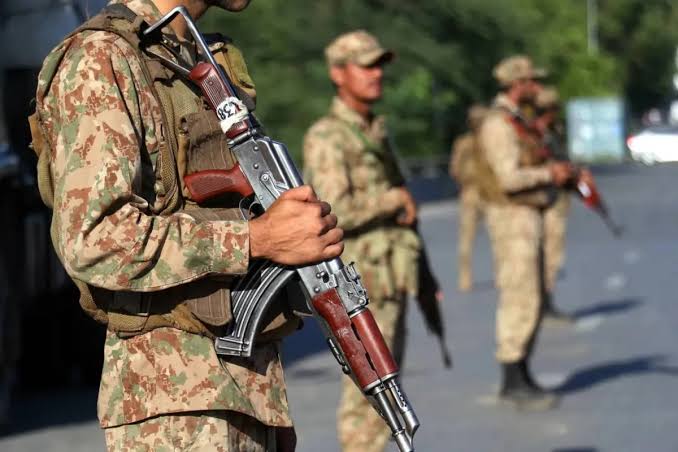
Η νέα έκθεση του Pakistan Institute for Conflict and Security Studies (PICSS) αποκαλύπτει ένα αντιφατικό περιβάλλον ασφαλείας: Λιγότερες επιθέσεις και θύματα, αλλά αναδιοργάνωση ένοπλων ομάδων, χρήση drones, εσωτερικές συγκρούσεις και αυξανόμενη αστάθεια στο Μπαλουχιστάν. Η πολιτική κρίση επιβαρύνει την προσπάθεια αντιμετώπισης της τρομοκρατίας.
Δημοσιεύτηκε

στις

από τον

Μια εξαιρετικά σύνθετη εικόνα για την ασφάλεια στο Πακιστάν αποτυπώνει η νέα εβδομαδιαία ανάλυση του Pakistan Institute for Conflict and Security Studies (PICSS), η οποία δημοσιεύθηκε στις 10 Οκτωβρίου 2026. Παρά τη μείωση των επιθέσεων από ένοπλες οργανώσεις κατά την πρώτη εβδομάδα του μήνα, οι εξελίξεις στο εσωτερικό των εξτρεμιστικών και αυτονομιστικών ομάδων δημιουργούν σοβαρά ερωτήματα για την πραγματική αποτελεσματικότητα των επιχειρήσεων ασφαλείας.

Η έκθεση με τίτλο «Pakistan’s Security Paradox: Militant Attacks Decline as Militant Groups Signal New Developments» καταγράφει υποχώρηση των επιθέσεων, αλλά παράλληλα εντοπίζει ενδείξεις οργανωτικής αναδιάρθρωσης, νέων επιχειρησιακών μεθόδων και εντατικοποίησης της προπαγανδιστικής δραστηριότητας.

Μείωση 18% στις επιθέσεις – Παραμένει σοβαρή η απειλή

Σύμφωνα με το PICSS, από τις 2 έως τις 8 Οκτωβρίου καταγράφηκαν συνολικά 46 επιθέσεις ενόπλων οργανώσεων στο Πακιστάν, έναντι 56 την αμέσως προηγούμενη εβδομάδα.

Η μείωση ανέρχεται στο 18%, ενώ αισθητή είναι και η υποχώρηση του αριθμού των θυμάτων.

Οι νεκροί μειώθηκαν από 52 σε 42 και οι τραυματίες από 53 σε 23.

Ωστόσο, η εικόνα δεν είναι ομοιόμορφη σε ολόκληρη τη χώρα.

Στην επαρχία Μπαλουχιστάν, όπου δραστηριοποιούνται ιδιαίτερα ενεργές αυτονομιστικές οργανώσεις, οι απώλειες αυξήθηκαν παρά τη μείωση του αριθμού των επιθέσεων.

Το στοιχείο αυτό δημιουργεί προβληματισμό για το κατά πόσον οι ένοπλες ομάδες μεταβάλλουν τις τακτικές τους, πραγματοποιώντας λιγότερες αλλά δυνητικά πιο φονικές επιχειρήσεις.

Οι Πακιστανοί Ταλιμπάν αλλάζουν τακτική – Drones και ελεύθεροι σκοπευτές

Ιδιαίτερο ενδιαφέρον παρουσιάζουν οι εξελίξεις στο εσωτερικό της Tehrik-i-Taliban Pakistan (TTP), της οργάνωσης που είναι γνωστή ως Πακιστανοί Ταλιμπάν.

Σύμφωνα με την ανάλυση, η TTP επέβαλε περιορισμούς στη χρήση των μέσων κοινωνικής δικτύωσης από τα μέλη της.

Η συγκεκριμένη απόφαση αποκτά σημασία σε μια περίοδο κατά την οποία οι ένοπλες οργανώσεις χρησιμοποιούν τις ψηφιακές πλατφόρμες τόσο για προπαγάνδα όσο και για την προβολή των επιχειρησιακών τους δυνατοτήτων.

Την ίδια στιγμή, η TTP δημοσιοποίησε οπτικό υλικό στο οποίο υποστηρίζει ότι καταγράφονται επιθέσεις με τετρακόπτερα μη επανδρωμένα αεροσκάφη και ενέργειες ελεύθερων σκοπευτών.

Οι ισχυρισμοί αυτοί δεν συνιστούν ανεξάρτητη επιβεβαίωση της αποτελεσματικότητας ή της έκτασης χρήσης των συγκεκριμένων μέσων.

Παρ’ όλα αυτά, η προβολή τέτοιων επιχειρήσεων εντάσσεται σε μια ευρύτερη προσπάθεια των οργανώσεων να παρουσιάσουν εικόνα τεχνολογικής προσαρμογής και να ενισχύσουν την επιρροή τους.

Εσωτερικές συγκρούσεις στις ένοπλες οργανώσεις

Την ίδια περίοδο, η Jamaat-ul-Ahrar, οργάνωση που έχει συνδεθεί με το δίκτυο των Πακιστανών Ταλιμπάν, ανακοίνωσε ότι πραγματοποίησε 122 επιθέσεις κατά τη διάρκεια του Σεπτεμβρίου.

Πρόκειται για αριθμό που προέρχεται από τους ισχυρισμούς της ίδιας της οργάνωσης και δεν πρέπει να συγχέεται με τα ανεξάρτητα καταγεγραμμένα περιστατικά του PICSS.

Παράλληλα, αναφέρθηκαν αιματηρές συγκρούσεις ανάμεσα σε μαχητές της Jamaat-ul-Ahrar και αντίπαλης φράξιας της TTP στην περιοχή Ορακζάι.

Οι πληροφορίες αυτές αναδεικνύουν ένα επιπλέον πρόβλημα για την ασφάλεια του Πακιστάν: τον κατακερματισμό του περιβάλλοντος των ενόπλων οργανώσεων.

Οι εσωτερικές συγκρούσεις ενδέχεται να αποδυναμώνουν προσωρινά ορισμένα δίκτυα, αλλά μπορούν επίσης να προκαλέσουν νέες αντιπαραθέσεις, ανακατατάξεις και αποσχίσεις.

Μπαλουχιστάν: Ένοπλη γυναικεία μονάδα και κλιμάκωση της προπαγάνδας

Σημαντικές εξελίξεις καταγράφονται και στο Μπαλουχιστάν, την επαρχία του νοτιοδυτικού Πακιστάν που συνορεύει με το Ιράν και το Αφγανιστάν και έχει στρατηγική σημασία λόγω των φυσικών πόρων και της πρόσβασής της στην Αραβική Θάλασσα.

Το Balochistan Liberation Front (BLF), μία από τις οργανώσεις που επιδιώκουν την ανεξαρτησία του Μπαλουχιστάν, δημοσιοποίησε υλικό για τη συγκρότηση νέου γυναικείου ένοπλου σχηματισμού.

Η συγκεκριμένη κίνηση προβάλλεται από την οργάνωση ως οργανωτική εξέλιξη. Δεν υπάρχουν, ωστόσο, επαρκή ανεξάρτητα στοιχεία στο δημόσιο απόσπασμα της έκθεσης για τον αριθμό των μελών ή τις πραγματικές επιχειρησιακές δυνατότητες της νέας μονάδας.

Παράλληλα, ο Balochistan Liberation Army (BLA), άλλη σημαντική αυτονομιστική ένοπλη οργάνωση, απέρριψε κατηγορίες περί συνεργασίας με την TTP.

Ο BLA δημοσιοποίησε επίσης οπτικό υλικό από επιχειρήσεις που ισχυρίζεται ότι πραγματοποίησαν μέλη του.

Άλλες οργανώσεις των Μπαλούχων προχώρησαν σε ανάλογες κινήσεις, προβάλλοντας τη δράση τους και διατυπώνοντας ισχυρισμούς για δραστηριότητες συλλογής πληροφοριών.

Οι εξελίξεις καταδεικνύουν ότι η σύγκρουση στο Μπαλουχιστάν δεν περιορίζεται στις ένοπλες επιθέσεις, αλλά περιλαμβάνει και έναν παράλληλο αγώνα επιρροής, επικοινωνίας και πολιτικής νομιμοποίησης.

Πολιτική κρίση και αντιτρομοκρατία

Πέρα από την ένοπλη βία, η έκθεση του PICSS επισημαίνει ότι η εσωτερική πολιτική αστάθεια δυσχεραίνει τη διαμόρφωση αποτελεσματικής πολιτικής ασφαλείας.

Η κατάρρευση των διαπραγματεύσεων μεταξύ της κυβέρνησης και του Pakistan Tehreek-e-Insaf (PTI), του κόμματος που ίδρυσε ο πρώην πρωθυπουργός Ιμράν Χαν, περιπλέκει τις προσπάθειες συντονισμού στην επαρχία Χάιμπερ Παχτούνχβα.

Η περιοχή αποτελεί ένα από τα σημαντικότερα μέτωπα της δράσης των Πακιστανών Ταλιμπάν, λόγω της εγγύτητάς της με το Αφγανιστάν και της μακρόχρονης παρουσίας ένοπλων δικτύων.

Οι πολιτικές αντιπαραθέσεις μεταξύ κεντρικής κυβέρνησης και αντιπολίτευσης μπορούν να δυσχεράνουν τον συντονισμό, τη διοικητική συνεργασία και τη διαμόρφωση κοινής στρατηγικής για την αντιμετώπιση της τρομοκρατίας.

Το πρόβλημα αποκτά ιδιαίτερη σημασία όταν συνδυάζεται με την ανάγκη προστασίας παραμεθόριων περιοχών και αντιμετώπισης οργανώσεων με διασυνοριακές διασυνδέσεις.

Αφγανιστάν, Ινδία και περιφερειακές αμυντικές συμφωνίες

Οι προκλήσεις που αντιμετωπίζει το Ισλαμαμπάντ δεν περιορίζονται στο εσωτερικό της χώρας.

Οι σχέσεις με το Αφγανιστάν παραμένουν κρίσιμος παράγοντας ασφαλείας, καθώς το Πακιστάν αποδίδει σε ένοπλα δίκτυα που δρουν από αφγανικό έδαφος σημαντικό μέρος των επιθέσεων εναντίον του.

Την ίδια στιγμή, η αντιπαράθεση με την Ινδία εξακολουθεί να επηρεάζει τον στρατηγικό σχεδιασμό των πακιστανικών ενόπλων δυνάμεων.

Στο περιφερειακό περιβάλλον προστίθενται οι νέες αμυντικές διευθετήσεις και οι προσπάθειες του Πακιστάν να διατηρήσει ή να ενισχύσει τις στρατηγικές του συνεργασίες.

Η συνύπαρξη εσωτερικών απειλών, πολιτικής αβεβαιότητας και εξωτερικών δεσμεύσεων δημιουργεί αυξημένες απαιτήσεις για τον στρατιωτικό μηχανισμό και τις υπηρεσίες ασφαλείας.

Οι αριθμοί δεν λένε ολόκληρη την ιστορία

Η εβδομαδιαία έκθεση του PICSS θέτει ένα ουσιαστικό ερώτημα: αποτελεί η μείωση των τρομοκρατικών επιθέσεων ένδειξη βελτίωσης της ασφάλειας ή πρόκειται για προσωρινή υποχώρηση της βίας, ενώ οι οργανώσεις αναπροσαρμόζουν τις τακτικές και τις δομές τους;

Η απάντηση δεν μπορεί να προκύψει αποκλειστικά από την καταμέτρηση των επιθέσεων.

Η χρήση νέων επιχειρησιακών μέσων, οι εσωτερικές διαμάχες, η συγκρότηση νέων ένοπλων σχηματισμών και η αυξημένη προπαγανδιστική δραστηριότητα συνθέτουν μια εικόνα που απαιτεί διαρκή παρακολούθηση.

Άλλωστε, τα στοιχεία του PICSS για ολόκληρο τον Σεπτέμβριο είχαν καταγράψει 225 επιθέσεις, τον υψηλότερο μηνιαίο αριθμό εδώ και δώδεκα χρόνια, γεγονός που αναδεικνύει τη σοβαρότητα της κατάστασης παρά την πρόσφατη εβδομαδιαία υποχώρηση.

Το Πακιστάν βρίσκεται αντιμέτωπο με μια πολυεπίπεδη κρίση ασφαλείας, στην οποία αλληλεπιδρούν τζιχαντιστικές οργανώσεις, αυτονομιστικά κινήματα, πολιτικές αντιπαραθέσεις και περιφερειακοί ανταγωνισμοί.

Η μείωση της συχνότητας των επιθέσεων αποτελεί θετική ένδειξη σε επίπεδο εβδομαδιαίων στατιστικών. Δεν αρκεί, όμως, από μόνη της για να αποδείξει ότι οι απειλές περιορίζονται σε βάθος χρόνου.

Το κρίσιμο ζήτημα για το Ισλαμαμπάντ δεν είναι μόνο πόσες επιθέσεις καταγράφονται, αλλά κατά πόσον το κράτος μπορεί να αντιμετωπίσει τις οργανώσεις που εξακολουθούν να διαθέτουν δυνατότητα στρατολόγησης, προσαρμογής και πραγματοποίησης νέων επιχειρήσεων.

Συνέχεια ανάγνωσης

ΡΟΗ ΕΙΔΗΣΕΩΝ

GEOPOLITICO7 ώρες πριν

Πόλεμος συμφερόντων για το LNG – Το τουρκικό σχέδιο και η ελληνική απάντηση

Στο Direct News, ο Ανδρέας Μουντζουρούλιας παρουσιάζει τις πληροφορίες του για τον GSI, αναλύει τα τουρκικά δημοσιεύματα για την Γκίλφοϊλ...

Ιστορία - Πολιτισμός8 ώρες πριν

Arolsen Archives: Το αρχείο που αναζητά τα ίχνη εκατομμυρίων θυμάτων του ναζισμού

Στη γερμανική πόλη Μπαντ Άρολσεν φυλάσσεται μία από τις σημαντικότερες συλλογές τεκμηρίων για τα θύματα των ναζιστικών διώξεων. Περισσότερα από...

Αναλύσεις8 ώρες πριν

Πού βρίσκεται η Ελλάδα στον σχεδιασμό του IMEC;

Η επίκληση της ελληνικής κληρονομιάς, η κριτική για τις αμερικανικές τοποθετήσεις στα ελληνοτουρκικά και η ανάγκη μιας εθνικής στρατηγικής που...

GEOPOLITICO8 ώρες πριν

Νέα τουρκική πρόκληση νότια του Καστελλόριζου! NAVTEX της Άγκυρας στην περιοχή που θα περάσει το γαλλικό ερευνητικό για το καλώδιο Ελλάδας–Κύπρου

Η Άγκυρα εξέδωσε NAVTEX για περιοχή νότια του Καστελλόριζου, όπου έχει προγραμματιστεί η πολυεθνική άσκηση «EUNOMIA», αμφισβητώντας τη δικαιοδοσία του...

GEOPOLITICO8 ώρες πριν

EurAsia Review: Ποιοι προστατεύουν τα κυκλώματα λαθρεμπορίου στα σύνορα Ιράν, Πακιστάν και Αφγανιστάν – Ο σκοτεινός ρόλος παραγόντων ασφαλείας

Ένα εκτεταμένο σύστημα παράνομου εμπορίου, διαφθοράς και πολιτικής προστασίας περιγράφει σε ανάλυσή του το EurAsia Review. Από τα καύσιμα και...

Δημοφιλή