Διεθνή
Αυτός είναι ο φάκελος της διαπραγμάτευσης Βαρουφάκη στο Eurogroup

Τον πλήρη φάκελο των παρουσιάσεων που έκανε ο υπουργός Οικονομικών, Γιάνης Βαρουφάκης, κατά τις πρόσφατες συνεδριάσεις του Eurogroup, με τα non papers τεκμηρίωσης που παρείχε η διαπραγματευτική ομάδα, έδωσε σήμερα στη δημοσιότητα το υπουργείο Οικονομικών
.
Στον φάκελο περιλαμβάνονται, επίσης, ως παραρτήματα τα προσχέδια
κείμενα των προτάσεων του Επιτρόπου Π.Μοσκοβισί και του επικεφαλής του
Eurogroup Γ. Ντάισελμπλουμ, αναφορικά με την Ελλάδα.
Δείτε το φάκελο της διαπραγμάτευσης εδώ (στα αγγλικά).
11TH FEBRUARY 2015 EUROGROUP MEETING
(Jeroen Dijsselbloem)
honour for me to join this Eurogroup meeting as finance minister in the newly
elected Greek government.
the Greek people strongly mandated us to terminate the cycle of austerity that
has caused economic damage and immense social costs.
government led by Alexis Tsipras has committed to bring back hope, dignity and
pride to Greek citizens and to implement a comprehensive policy agenda to deal
with the roots of Greece’s socio-economic under-performance.
now, many of you have spent endless hours discussing ways and means of dealing
with yet another episode of the endless saga that seems to be the Greek crisis.
your fatigue. I understand that Europe has had enough of Greek dramas. But
believe me: The Greek people themselves have had much more than enough of it
too.
and hope that this meeting, and maybe one or two more, will be the last ones to
feature Greece on the agenda. My government was elected in order to stabilize,
to reform, to grow Greece and thus to take it out of the headlines and off the
Eurogroup’s future agenda.
things first. First, we must earn a very precious currency without depleting an
important capital good: We must earn your trust without losing the trust of our
people – of the voters amongst which we enjoy, for now, sizeable approval
ratings. For such approval is an important capital good in Europe’s struggle to
sort Greece out and to render it stable and, indeed, normal.
change, we hear your concerns about our government’s intentions. We need,
clearly, to put them to rest.
to convey to you a clear message on the new government’s program and
commitments to its Eurogroup partners.
member of the Eurozone, is fully committed to find a solution jointly discussed
between partners, in order to strengthen our monetary union.
committed to cooperate in good faith with all our European and international partners, on an equal footing.
Our government will however maintain dialogue and continue to cooperate fully with
the European Commission, the ECB and the IMF as a member country of the European Union, the Euro Area and the Fund. Our future
cooperation should be based on mutual trust and respect and channelled
primarily through the European Commission while we work with each of our partner
institutions in their specific areas of expertise and competence.
committed to sound public finances. Greece has made a vast adjustment
over the past five years at immense social cost. Its deficit is now below 3% in nominal terms, down
from 15% in 2010. Its primary surplus has reached 1.5% at the end of last year,
its structural balance, as measured by the IMF, has reached a surplus of 1.6%,
the best performance in the EU.
of departure. We wish now to move forward, on the basis of a new mutually
beneficial partnership with our European partners.
committed to deep structural reforms.
agenda aims at re-creating confidence among Greek citizens, growth in the
economy, and credibility in Europe. It recognizes the need for deep reforms to
anchor the long-term prosperity of Greece within the Eurozone.
will be the most reform-oriented government in Greek modern history, and among
the most enthusiastic reformers in Europe. Why? Simply because we are not tied
to any interest groups. We will deliver results for the people, not for friends
or patrons.
only commit to reforms, we will deliver them.
the OECD Secretary General has agreed to assist us in this task. Your help, the Commission’s help, the IMF’s help, will also be
necessary in important areas where powerful opposing interests
are entrenched and the political challenges are especially great. We may be an
inexperienced government but we have sizeable support from a fed up population
to cut through not just red tape but also to cut through the Gordian knot of
vested interests.
to support structural reforms previously agreed with our Eurogroup partners
with regard to tax collection, public financial management, public
administration reform, improvement of the business climate, reform of the
judiciary, spatial planning and fight against rent-seeking. They are fully
consistent with our political mandate, and we will even accelerate them.
unprecedented action to fight corruption, to fight tax evasion and ensure tax
enforceability, with an emphasis on transfer pricing in large corporates active
abroad.
discuss legislative proposals to reinforce the legal framework for an
independent tax authority.
critical, not least because it will enhance trust between us and you.
legislative package will create favourable conditions for the economy, improve
the business climate and undermine rent-seeking, in particular in the oil
sector, procurement, the construction sector, the financial sector, and the
media.
public procurement procedures more transparent thanks to a more centralized
system, efficient monitoring and e-procurement.
the overall efficiency of the public sector to increase the quality of services
delivered to every citizen and tackle administrative burden.
will propose a new set of home-grown reforms to support investment, restart
growth, and improve economic efficiency.
should be revived, in Greece and in the whole Europe.
and private investors and the support of the EU. Indeed, we have some
innovative ideas of our own that may help mobilize idle savings into productive
investments throughout the Continent, in support of the current efforts of the
Commission to enhance investment and of the European Central Bank to stem
deflationary forces.
energy costs for medium and large scale industries, to support innovation,
start-ups and to promote a shift towards sectors with comparative advantages
and export potential such as pharmaceuticals, organic agriculture, light
manufacturing, energy resources, with the emphasis naturally on renewables.
the development of publicly owned assets, the government is utterly undogmatic;
we are ready and willing to evaluate each and every one project on
its merits alone. Media reports that the Pireus port privatisation was reversed
could not be further from the truth. Indeed, quite the opposite holds as
foreign direct investment will be encouraged as long as the state secures a
stream of long term revenues and a say in labour relations and environmental
issues.
asset prices are deeply depressed, is not something that anyone would advocate.
incorporate state assets, enhance their equity value through reforming property
rights and use them as collateral for the purposes of providing, in association
with European investment institutions such as the European Investment Banks,
funding to the Greek private sector.
additional measures to clean-up non-performing loans in the banking sector to
render the banks able to support SMEs and households.
misleading reports have caused misunderstandings with our partners by
insinuating that we have rolled back previous reforms and added to our state
budget. On the contrary, the measures announced by the Prime Minister with
respect to rehiring tax office cleaners, school guards and the staff of the
public broadcasting network: (1) have no adverse effect on competitiveness and
(2) have no fiscal bearing as they will be paid for entirely by other savings
in the state budget. For example, the wrongfully dismissed staff that will be
rehired number 2013 people, a tiny number that must be juxtaposed against the
15 thousand hirings that are already inscribed in the 2015 budget that the
previous government passed.
emotive topics, let me clarify that the restoration of the pension cuts we
announced concern pensioners living at or below the poverty line and comes up
to less than 2 euros per day per eligible pensioner – at a grand total of
around 9.5 million. The reason we made this announcement is one that I shall
return to, as I must, during our discussions: The appalling humanitarian crisis
caused by the debt-deflation.
wage, the government will phase in its restoration to the 2012 level gradually,
from September onwards and after consultation with employers and trades unions.
As it applies only to the private sector, its fiscal impact will be, if
anything, quite positive, as its multiplier effect is large and likely to boost
tax revenues beyond the affected employees. Will it reduce competitiveness of
the private sector? The government commits to reforms, e.g. in social security,
reducing the tax wage that will ensure it does not.
partnership we propose to you should be based on realistic goals and efficient
policies.
that the previous adjustment program reflected commitments made by both Greece
and its Eurogroup partners.
the tremendous efforts made by your countries’ taxpayers to support Greece’s
debt and maintain the integrity of the euro.
have been imposed on our country and population and hence must be revised. A
primary surplus target of 4.5% of GDP year-in-year-out has no historical
precedent in any situation resembling that of Greece today. It will simply not
be possible for our country to grow if we remain on the growth sapping
austerity path imposed on our economy. It is also quite inconsistent with
achieving a sustainably reduced debt-to-GDP ratio.
contract we propose to discuss with you should recognize this evidence.
primary surpluses will remain our mantra. We propose a maximum 1.5% of GDP
primary surplus objective, from as soon as the present disturbed economic
situation has stabilized and for as long as necessary to achieve the
underlying goals. This objective can be shown to be sufficient, under very
reasonable assumptions, to put the debt trajectory on a downward path.
contract will build upon reforms that are ‘owned’ by citizens’ and domestic
institutions, using many elements from the previously agreed policy agenda. This
also means that the hope of shared prosperity must be revived.
discuss with you this home-grown agenda that reflects both our potential and
specific constraints. We wish our growth to be inclusive, based on investment,
and productivity gains. Growth based on further labour cost compression cannot
work in Greece and has been rejected by our people.
our home-grown, wholly owned, reform and growth agenda, the new contract we
propose will restore a sustainable debt trajectory.
sustainability building on the government’s commitments. This new DSA should
reflect the concessional features of Greek debt due to its very long maturity
and low interest charge.
be required to ensure Greece’s capacity to re-access the financial markets.
issue once Greece would post primary surpluses, which was the case in 2014 and
will be the case in 2015 once the current situation stabilizes. This discussion
should be reopened when we will discuss our new contract.
its partners, in due time, on a menu of innovative instruments to reduce the
debt burden efficiently, including debt swaps.
issues in Europe is necessary. We welcome Mr Dijsselbloem’s recent statement in
our joint press conference in Athens that the Eurogroup is the proper forum to
act as a permanent European debt conference, addressing debt problems in Euro
area member States. We therefore propose to create a specific Eurogroup working
group gathering member states’ representatives and experts.
its Eurogroup and international partners will take some time.
over the next months is an immediate concern for all of us.
our government is fully committed to honor these payments, possibly directly to
the IMF.
Eurogroup to disburse to Greece the outstanding €1.9bn SMP bond-related
Eurosystem income, in accordance with its previous commitments. We are, in
fact, open to the idea that the ECB transfers these funds directly to the IMF in
lieu of Greece’ outstanding repayments.
financing mechanism to ensure Greece’s liquidity position over the coming
months.
the ECB (as the holder of SMP bonds), on top of additional payments to the IMF.
These payments create very exceptional pressure on Greece’s funding needs in
2015.
before the summer, notably with the IMF’s input, that would provide solutions
and funding sources to cover these needs.
concerning the existing loan agreement.
existing loan agreement must be moved forward in order to provide stability, to
give time to the discussions, and allow for the disbursement of SMP
bond-related funds and possibly other funds. We remind you that the present deadline
of 28/2/2015 are entirely artificial, and were the product of the previous
government’s electoral strategy and desire to confront us with these
difficulties on taking office. It is time, in good faith, for these maneuvers
to stop and for serious work to begin.
view of the next scheduled Eurogroup meeting next Monday the 16th of February
2015.
asks for this revision of dates on the condition that it is the starting point
for genuine negotiations in good faith for forging a different contract between
us, based a realistic primary surplus effort and efficient as well as socially
just structural policies – including of course many elements of the previous
program that we accept. We need assurances on this point.
towards a new partnership and a necessary condition for the discussion.
However, such an extension cannot be taken as acquiescence to the logic and
parts of the former agenda that have been rejected by our people.
until end-August. This will provide sufficient time to agree on the terms of
our partnership. A partnership that will bind our side to deep reform but also
acknowledge and address Greece’s hideous humanitarian crisis, the
non-availability of credit even for profitable firms, and the urgent need for
investment-led growth.
Greece considers that Greece is a permanent and inseparable member of the
European Union and our monetary union.
will truly nurture and enhance economic growth, maintain fiscal and financial
stability, and address the most pressing needs of the people.
a leftwing, a radical leftwing, party. To them I have this to say: It would be
a lost opportunity to see us as adversaries.
people deeply but we are not populists promising all things to all people.
Moreover, we can carry the Greek people along an agreement that is genuinely
beneficial to the average European. In us you will find trustworthy partners
who do not see these meetings as a means of extracting something out of
nothing, of gaining at anyone’s expense.
spirit of cooperation and partnership, and to write together this new page of
our relationship.
MEETING – FEBRUARY 11, 2015 – BRUSSELS
signal of change and endorsement of the new social contract for political
stability and economic security proposed by SYRIZA.
that will deeply reform Greece’s social economy, reduce rent-seeking, anchor
euro membership and reflect the will of the Greek people. These policies will
address the humanitarian crisis, enhance social cohesion, restore justice and
dignity, put the Greek population back on its feet and restore economic growth.
lives requires macroeconomic, fiscal and financial stability. As such, the
Greek authorities intend to maintain sound public finances and to preserve
financial sector stability. They stand ready to commit to realistic and
reasonable quantitative targets in that regard.
and maintain fiscal stability, while
addressing the most pressing needs of the people. These policies should be part
of a new agreement between Greece and
its Eurogroup partners that focus on economic development, investment, social
conditions and improved public management.
course of the past five years. Its deficit is now below 3% of GDP, down from
15% in 2010. Its primary surplus has reached 1.5%, its structural balance,
adjusting for the output gap as measured by the IMF, has reached a surplus of
1.6%, one of the highest in Europe.
starting point. The task now is to stabilize the Greek economy and society,
which has paid an immense and unsustainable price, and this requires changes to
the previous policies. However, agreeing on a new policy framework between
Greece and its partners will take time.
The government proposes to its Eurogroup partners to agree immediately on a
bridge and stabilization program for the
next seven months (e.g. up to
end-August), with a 90 day-period for negotiations on the terms at the
beginning. These will provide the appropriate time-frames to agree on and to
begin to implement policies that will repair society, restore confidence, and
support growth and development in Greece.
commits to maintain a 1.5% primary fiscal surplus in 2015, when the
domestic situation has stabilized, and to maintain that objective until such
time as normal conditions are restored and the debt ratio is on a clear
downward path.
spending measures that might derail the budget target and it will increase
efforts to improve tax collection.
Increases in spending will focus on investments financed by the European
Investment Bank and other outside sources, and on measures addressing the
humanitarian crisis including a food stamps program, minimum electricity and
heating and basic transport. Insofar as these must rely on domestic resources
they will be balanced by additional revenues or offsetting spending reductions,
as required to maintain the fiscal objectives.
be revised. The primary surplus target of 4.5% of GDP over the medium term and
4% over the long-term was entirely artificial, has no historical precedent
resembling Greece’s circumstances, and has essentially no support from among
reputable economists. In practice pursuit of such a target is also
unsustainable, and the goal of putting debt-to-GDP on a clear downward path
requires that it be revised.
Greece and the ultimate status of Greece with respect to Europe have affected
economic activity and fiscal performance over the last two months. As a first step, it is essential to stabilize
the banking system immediately and to restore confidence in Greece as a full
and permanent member of the Eurozone. The Government of Greece requests
immediate affirmation and assistance from its Eurogroup partners to this end.
utmost importance to the government and an immediate concern for the Euro Area as a whole.
4th, Greek banks will remain fully secured as they rely on Bank of Greece’s
Emergency Liquidity Assistance (ELA).
Eurogroup partners on a bridge program will allow the Governing Council to
renew the waiver for eligibility of Greek paper to Eurosystem refinancing
operations.
support further the banking sector. The government would like to discuss with
its partners the mobilization of remaining unspent resources available to the
Hellenic Financial Stability Fund (app. EUR 8 billion) to further
strengthen the banking system. The
government stands ready to make a concrete proposal on how the remaining HFSF
assets could be used to clean out the banks from their NPLs. Moreover, HFSF
management should be made more transparent and efficient.
for the Greek authorities.
IMF. The government is fully committed to honor these payments. The government
looks forward to a positive discussion with the IMF on renewing a financing
agreement based on an updated DSA.
government asks the Eurogroup to disburse to Greece the outstanding €1.9bn SMP
bonds related Eurosystem income, in accordance with Eurogroup previous
commitments. After June, €6.7bn repayments are scheduled over the summer to the
ECB as the holder of SMP bonds. This repayment creates very exceptional
pressure on Greece’s funding needs in 2015.
issuance of T-bills will be obtained to cover these exceptional needs. This
would not raise the amount of debt, but only change its composition.
objective for the Greek authorities.
Greece’s long-term solvency and to ensure its capacity to borrow in the
financial markets at reasonable cost in the near future. Eurogroup committed in
post primary surpluses, which was the case in 2014 and will be the case in
2015.
team to assist in developing a sustainable debt program, taking full account of
the experience of the recent past.
Buttressed with quantifiable targets audited by unconflicted parties,
such an arrangement could form the type of covenant that the government and the EU partners and bilateral lenders can
accept.
discussion on options that would bring Greece the necessary breathing space and
ultimately the means to restore access to financial markets. These options
would be part of the “new deal” to be sealed between Greece and its partners.
They would be fully consistent with (i) the new more realistic fiscal framework
to be agreed; (ii) an updated IMF Debt
Sustainability Analysis taking stock of these new assumptions, and (iii) a
positive program for growth and social development to which the government and
the Greek people are firmly committed.
partners, in due time, on a menu of instruments to reduce the debt burden
efficiently, including debt swaps.
Reform Agenda
growth and structural reforms. The new agenda will address the causes of Greek
economic decline and help to modernize the Greek socioeconomic model.
cartelsand rent-seeking. Reforms will improve the enforcement of income tax,
VAT, and social contributions, and fight tax evasion with an emphasis on
transfer pricing in large corporates active abroad. The government stands ready
to discuss legislative proposals to reinforce the legal framework for an
independent tax authority within the Ministry of Finance.
business climate and undermine rent-seekers, in particular in the oil
sector, the financial sector, and the media. Public procurement procedures will
be made more transparent and fair thanks to a more centralized system,
efficient monitoring and e-procurement. Reforms will increase the overall
efficiency of the public sector, with an objective to improve the quality of
services delivered to every citizen. Policies undermining social cohesion have
failed and will be dropped.
will support their investments in Greece.
On privatization and the development of public assets, the government is
ready and willing to evaluate each and every project on its merits alone.
recovery, the government will create a national development bank, to which
various public assets will be transferred, and to support the SMEs. The
national development bank will play a leading role in channeling EIB loans
allocated to private projects in Greece.
of the OECD, who has accepted, for technical assistance in devising,
implementing and monitoring this new reform agenda.
policy actions listed in the policy program previously agreed between Greece
and its Eurogroup partners, including tax policy, revenue administration,
public financial management, public administration effectiveness, collection of
social contributions, promotion of business investment, spatial management and
planning, and reform of the judicial system.
will be prepared and negotiated, the government will put a priority on the
implementation of those actions listed in the existing agreements that are
fully consistent with its political mandate. Altogether, they would represent
more than 70% of the whole list of previously-agreed actions. New initiatives
announced by the government will be programmed to take effect after the
completion of successful negotiations.
Greece considers that Greece is a permanent and inseparable member of the
European Union and the Eurogroup. The government is committed to a relationship
between Greece and its partners based on good faith, mutual trust, and a common
commitment to the European project. It is confident that a relationship firmly
built on this basis can work to restore the Greek economy and to anchor
Greece’s future as a prosperous member of the Euro Area.
– YANIS VAROUFAKIS TALK IN THE 16TH FEBRUARY 2015 EUROGROUP MEETING
task is to carry out the deep reforms that Greece needs to arrest the combined
forces of deflation and negative debt dynamics, bring about investment-led
recovery and, thus, maximise the net present value of our debt repayments to our
creditors.
fully respects its commitments to our partners and to the institutions that we
are party to. Our difficulty in declaring a commitment to the current program,
and to its “successful conclusion”, is that in our estimation this program was
not conducive to recovery and, thus, inherently impossible to conclude
successfully.
reluctance to accept the phrase “extend the current program and successfully
complete it” stems from the determination of this government never to issue a
promise that it cannot keep. We fear that if we accept the priorities, the
matrix, of the current program, and only work within its overarching logic, even
if we change some aspects of it, I fear that we shall be giving the debt-deflationary
spiral another boost, we shall lose our people’s support, and, as a result, the
country will be very hard to reform henceforth. As a recently appointed finance
minister of a country that has a credibility deficit in this room, I trust that
you will understand my reluctance to promise that which I do not believe I can
deliver.
is much that we can deliver that is of mutual benefit. To do so, we need a short-term
(three to six month long) agreement that will allow us to establish the “common
ground” mentioned by President JD and Prime Minister AT last Thursday. It is in
no one’s interest if, over the next days and weeks, as a result of a political
failure on our part Greece languishes under a collapse in activity, a collapse
in revenue and continued deposit outflows.
agreement that during this period the Greek state will be funded under a minimalist
menu that solves the short term cash flow problem (e.g. transfer to the IMF, in
lieu of Greece’s repayments, of the €1.9 billion that the Greek government is
due from the ECB ‘profit’-rebate agreement; a flexible ELA, a rise in the
artificial cap of T-bill issues etc.) and commits the Greek government to a
number of conditionalities:
The
Greek government reiterates its commitment to the terms of its loan agreement
to all our creditors
The
Greek government takes no action that threatens to derail the existing budget
framework or that has implications for financial stability
The
Greek government will take no action toward a haircut of its loans’ face value
of non-performing loans on the capacity of Greece’s private banks to extend
credit to firms and households and is, thus, keen to find means, utilising the
unused capacity of the HFSF to cleanse them. Similarly, we are eager to find
ways of writing off the accumulated penalties on taxpayers in arrears that have
mounted up to €70 billion. Naturally, the Greek administration understands that
any such write offs must be designed to avoid rewarding strategic defaulters
and, most certainly, to prevent a long term tendency to delay paying debts and
taxes. Still, we think that the backlog of arrears and NPLs are a major
impediment to recovery. To this end, we shall seek the advice of our partners
before legislating appropriately.
above commitment that the Greek government is prepared to give during the
period of the extension/bridge, our partners ought to agree that, during the
same period:
There
will be no measures that we consider recessionary such as pension cuts or VAT
hikes.
specifics of the short term financing, or of the above conditionalities, we
believe that these technical issues can be resolved within a day or two, as
long as the political will is present. In any case, let me remind you that we
are talking about a short space of a few months of stability that is necessary
to establish the parameters of the longer term framework within which Greece
and Europe and the IMF will establish so as to put Greece on a sustainable
path.
are determined to use these few months effectively, as opposed simply to buying
time for the purpose of doing little. We propose to concentrate on a few
reforms that are essential and which can be implemented immediately, with the
assistance of the institutions plus of the Organization of Economic Cooperation
and Development. Among them, we intend to:
Cut
the Gordian Knot of bureaucracy – through legislation that bans public sector
departments from asking of citizens or business information, certificates or
documents that the state possesses already (and which reside in some other
department)
Tax
authority reforms towards greater independence, propriety and transparency
Create
an efficient and fair tax court system
Modern
bankruptcy system
Judicial
system reforms, in general
Creating
a competitive and sound electronic media environment that enhances transparency
and yields tax revenues for the state
Dismantle
the various cartels
dear colleagues,
governments we shall not make promises which we know we cannot fulfil. I could,
for instance, placate everyone by accepting for example the €5 billion
privatisation target, so as to reach agreement. But I know that I cannot
deliver. Just like previous governments could not deliver in a marketplace of
collapsing asset prices.
foreclosures of non-performing mortgages. Independently of our ideological
differences (and whether you agree with our government that family homes should
not be auctioned off in the midst of a depression on ethical grounds), the fact
remains that it would be non-sensical to throw hundreds of thousands of
families on the street at a time when there are no buyers and, as a result,
such foreclosures will yield no capital for the banks, will fuel the already
hideous humanitarian crisis and, in the end, destroy what is left of the real
estate market.
government is ready and willing to apply for an extension of our loan agreement
till the end of August (or any other duration that Eurogroup may deem fit), to
agree on a number of sensible conditionalities for the duration of this period
and to commit to having a full review complete by the European Commission at
the end of this interim period – a period that will allow Greece and its
partners to design together a new Contract for Greece’s Prosperity and Growth.
any differences, our common ground is solid and such that we can build upon it
a mutually beneficial agreement in the spirit of true European collegiality.
MEETING – FEBRUARY 16, 2015 – BRUSSELS
of Technical Discussions
Greek officials and representatives from the EU Commission, the ECB and the IMF
to identify common ground between the two parties and discuss the content of
the current MoU.
identify areas where the Greek authorities can support the ongoing reform
agenda: tax reform, revenue administration reform, public financial management,
fighting corruption, e-government, public procurement reform, business climate
improvement, judicial system reform, implementation of EU legislation on
network industries and competitive sectors.
government to make a more detailed assessment of ongoing reforms. The Greek
government is fully committed to continue efforts made in these areas. It
considers as an essential part of its political mandate to accelerate
implementation of decisive policy actions the previous government failed to
implement: decisively confronting tax evaders, fighting corruption and
reforming public administration. It stands ready to commit to the short-term
implementation of key policy actions.
logic on a limited number of issues. The Greek government considers current
labor market reform agenda as unfit to the current situation of the economy. It
will promote a different approach, with technical assistance from ILO, to
ensure workers’ protection in a way that is consistent with economic growth.
for managing public assets. Privatizations will not be stopped but assessed on
a case by case basis to ensure that they are consistent with public interest.
Fire sales must be prevented, and a longer time horizon, in particular with
respect to the banking sector, must be considered.
supports the goals to make SoEs more efficient and establish a more efficient
civil service but systematic dismissals will end. On taxation, the government
will review current policies to protect the poorest segments of the population.
It will review the brackets for income tax to increase progressivity and
replace the current property tax by a wealth tax. VAT reform will be reviewed.
where there is a general agreement on broad objectives but where they would
like to discuss new ideas to meet the policy goals of the MoU. On banking
sector reform, the authorities would like to discuss the creation of an Asset
Management Company to address NPLs. To support investment, the government
considers a priority to develop the social sector and create a public
development bank.
there exists sufficient common grounds to constructively discuss with its
European partners, on the basis of fresh views and a forward looking approach,
the terms of a new commonly agreed policy agenda that will fully encapsulate
the government’s views. The government is committed to continue a reform agenda
which takes the best elements of the current program and of its own reform
agenda. These discussions should be held in an appropriate format that builds
on the ECB’s and EU Commission’s specific mandates.
sustainability
primary surpluses over the next decade to ensure sound publics finances.
However, implementing the primary surplus targets envisaged by the MoU would be
counterproductive. A 3% primary surplus in 2015 and 4.5% in 2016 would
jeopardize the current fragile recovery. Moreover, it is not at all necessary
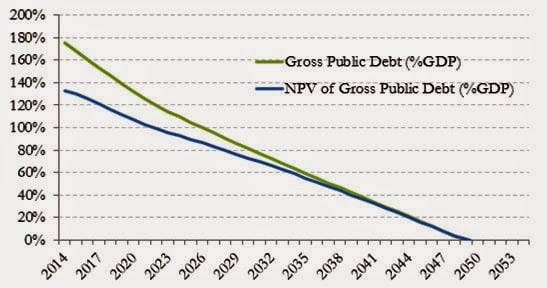
to put the debt on a steady declining path. A 4.5% primary surplus would lead,
according to our projections, to extinguish entirely the debt by 2050. This is
not the standard definition of debt sustainability.
nominal debt-to-GDP ratio in 2020 to ensure sustainability and full
market-access in 2023 when large maturities will have to be refinanced. The
authorities consider this target as artificial and inappropriate. As stated by
the Director General of the ESM in 2013, the structure of the Greek debt is as
important as the debt-to-GDP ratio to assess sustainability. Long term
maturities and reduced interest rates already entail a lower debt ratio in 2015
in net present value terms. In NPV terms, the debt stands at 135% of GDP and
would fall below the bar of 120% if the same 1,5% primary surplus as in 2014
was achieved. The government looks forward to discuss with the IMF and the
other institutions a more accurate assessment of debt sustainability.
debt trajectory. However, past commitments made by the previous Greek
government fell short of the targets. Quantitative objectives should be
realistic. Forcing sales of public assets in a depressed environment is
unjustified. The authorities will stop all sales that are not in the public
interest.
Funding Needs in 2015
months is a pressing and immediate concern.
Balance
the previous period was dominated by political interventions, of varying
intensity and from numerous sources that promoted uncertainty and thus affected
economic activity and tax collection. Revenue
shortfall as of end-January reached €2 billion compared to MoF forecast.
terms of revenue mobilization in 2015. Up to €5.5bn are expected over the year
thanks to a strong effort to (i) fight illegal trading, tax evasion and
corruption (ii) better control transfer pricing in companies active abroad
(iii) reform arrears collection process and (iv) implement a more progressive
taxation on the wealthiest.
primary surplus over the year. This objective depends on economic
stabilization. New spending (humanitarian package) will be financed through
reprioritization of expenditures and cuts in other budgetary items.
Amortization
Payments to the IMF as well as to the ECB and other creditors will amount to c.
€17bn over the year.
to this figure, especially if the SMP profits are incorporated in the
government resources.
proposes to open discussions with its European partners on the terms of a new
contract that will provide the appropriate framework for continued support from
the ECB and Member States. Technical work conducted with the three partner
institutions demonstrated that there is room for a new deal. The government is
confident that a fresh look at DSA will demonstrate that the objectives of the
government are on target. Once an agreement is reached on the desired pattern
of fiscal adjustment, the Greek government believes a holistic agreement will
be on reach on structural reforms.
Term Bridge Funding
foresees an agreement on a combined involvement of the Eurosystem and its ELA
program (in relation to the issuance of T-bills), of the IMF through new
disbursements and of the Eurogroup for allowing the release of the unused HFSF
resources.
such an agreement can be reached on the basis of the sufficient common grounds
identified with the three institutions on the content of the current MoU.
Privatization Receipts
expected to reach €22.3bn by 2020 according to the IMF. However, the Greek
authorities consider this target unrealistic.
Receipts have fallen Short of Expectations since 2011
the Eurogroup expected €50 billion of privatization receipts over the period
2011-2016, with a €5bn target for 2011, €10bn for 2012 and €5bn in 2013 (€20bn
total receipts at the end of 2013 and €35bn at the end of 2014).
was maintained, but over a much longer time horizon. The end-2020 target was
revised down to €22bn in April 2014 considering the “unsatisfactory
privatization process”.
in 2011, zero in 2012, 1bn in 2013 and were expected to reach 1.5bn in 2014 and
2.2bn in 2015.
privatizations to bring sizeable resources to repay public debt in the current
Greek context.
Government’s Intentions
systematic approach to privatizations will result in a shortfall over the short
and medium run, but could ultimately produce higher proceeds over the long run
by avoiding fire sales and/or asset disposals that are not in the interest of
the Greek people.
sustainability over the short run and prevent Greece to reach the arbitrary
target of 124% of nominal debt to GDP ratio by 2020, but it will with no doubt
contribute to improve the debt trajectory over the longer run.
the year 2015 were estimated at €2,2bn by the IMF. The distribution of SMP
profits for 2014 (€1,9bn) would allow to make up for most of this shortfall.
about keeping the debt-to-GDP ratio under control. This typically requires that
the deficit is low enough to guarantee that the debt ratio is falling rather
than rising. To compute this threshold one needs to make assumptions on growth.
An economy with zero (nominal) growth needs a balanced budget. With positive
growth, some deficit is consistent with solvency; all it takes is for the debt
to grow less rapidly than GDP.
with a debt-to-GDP ratio at 175%, the deficit that would stabilize the debt to
GDP ratio at its current level is 7% of GDP (=4%*1.75) assuming a conservative
growth of 4% in nominal term. Greece has already better performed since in
2014, the deficit fell under the Maastricht benchmark of 3%. In structural
terms, correcting the measure of the deficit for the output gap, Greece is
actually engineering a fiscal surplus of 1.6% of GDP (according to IMF).
deficit is well within the boundaries of sustainability as conventionally
defined. Given the interest bill, of about 3% of GDP today and potentially of
4.5% in the future (once the interest deferral on EFSF loans expires), a
primary surplus of 1.5% is up to the task.
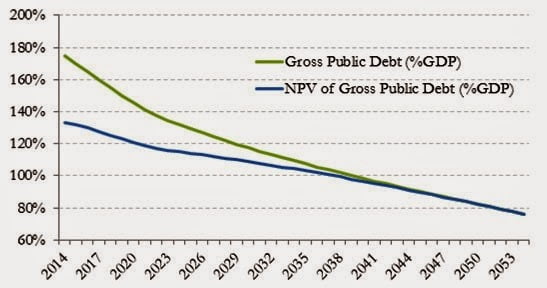
shows the downward debt trajectory until 2054 assuming a constant 1.5% of GDP
primary surplus.
over such DSA-style discussions would be critical. The 4.5% primary target is
only required to bring debt below an arbitrary threshold of 124% by 2020
(according to the latest DSA) and below 120% in 2022. However, the IMF does not
take into account the adverse consequences on growth of the austerity shock
that is required to meet this fiscal target. Yet, GDP growth is as important,
and even more important, than the primary surplus to reduce the debt to GDP
ratio. Besides, any attempt to further squeeze
the budget in the current context of humanitarian crisis and slight resurgence
of economic growth would have a disastrous impact on both the economic and
social fronts.
regarding Greece solvency owes to the fact that the blunt 175% Debt-to-GDP
number does not fully describe the actual burden of public debt over the Greek
economy.
the EFSF c. €142bn (75% of 2015 IMF projected GDP), bearing an interest rate of
c. 2.5%, and having a final maturity of 39yrs (amortizing from year 2023 until
year 2054). This high level of concessionality of the EFSF loans is not
captured in the nominal debt/GDP ratio used by the IMF in the case of
Greece. The same analysis can be made for GLF loans (interest rate at 50bp
above Euribor, i.e. currently 0.65%, and final maturity 2041).
September 2013, head of ESM Klaus Regling strikingly stated that DSA analyses
undertaken by the IMF are “meaningless”. A key argument from Regling is that
the debt parameters are as important to assess debt sustainability as the debt
nominal level itself: EFSF loans are very long term, with very concessional interest rate reduced to EFSF funding cost of approximately 2% plus an
operational margin cost of c. 50bp.
if Greece’s debt was calculated in NPV terms, say with a 5% discount factor,
the Debt-to-GDP ratio would already be as low as 133% of GDP (see below), and
reach 127% in 2020 (as expected by the IMF in nominal term) with a primary
surplus maintained at 1.5% of GDP instead of 4.5%.
show below the debt-to-GDP ratio dynamics under the assumption of a primary
surplus maintained at 1.5% and conservative assumptions of nominal growth at 4%
(below IMF expectations).
this set of assumptions, the NPV of Public debt reaches 120% of GDP in 2020.
the assumption of a long term primary surplus of 4% as requested by the EU.
Under these unjustified assumptions, the debt would dramatically decrease and
totally disappear within the next 30 yrs, which is not the definition of
sustainability.
EUROGROUP MEETING OF 16TH FEBRUARY 2015
negotiations were conducted in a collegial spirit, clearly revealing a unity of
purpose – the purpose being to establish common ground, over the next 4 to 6
months, so as to reach a meaningful, sustainable new long term contract between
Greece, official Europe and the IMF. Moreover, I have no doubt that they will
continue tomorrow and the day after until there is an agreement.
managed to agree on a communiqué, a simple phrase, that will unlock immediately
this period of deliberation?
substantial disagreement on whether the task ahead is to complete a program
that this government was elected to challenge the logic of – or to sit down
with our partners, with an open mind, and re-think this program which, in our
estimation, and in the estimation of most clear-thinking people, has failed to
stabilise Greece, has generated a major humanitarian crisis and has made
reforming Greece, which is absolutely essential, ever so hard. Remember: a
debt-deflationary spiral does not lend itself to successful reforms, of the
form that Greece needs in order to stop being dependent on loans from its
partners and from the institutions.
meeting, we turned down a pressing demand to subscribe to “extending and
successfully concluding the current program”. As a result of that impasse, on
the following afternoon (last Thursday, and prior to the Summit) EG President Jeroen Dijsselbloem and Greek PM Alexis Tsipras agreed on a
joint communiqué to the effect that the two sides would explore “common ground
between the current program and the plans of the new government for a New
Contract with Europe.
and the new contract that we are seeking with our partners.
Mr Moscovici, whom I want to thank for his highly positive role in this
process, who presented me with a draft communiqué (see Annex 3 below) which, as
I told him, I was happy to sign there and then – as it recognised the
humanitarian crisis, and spoke of an extension of the current loan agreement,
which could take the form of a [four-month] intermediate programme, as a
transitional stage to a new contract for growth for Greece, that will be
deliberated and concluded during this period. It also stated that the European
Commission would provide technical assistance to Greece to strengthen and
accelerate the implementation of reforms, effectively replacing the troika.
between us and the Commission, we were more than happy to apply for the loan
agreement to be extended, while we offered the following conditionalities:
Reiterate its commitment to the terms of its loan agreement to all our
creditors
Take no action that threatens to derail the existing budget framework or
that has implications for financial stability
only condition for the other side was that we should not be asked to impose
measures that are recessionary – such as pension cuts or VAT hikes.
replaced by the Eurogroup President, minutes before the Eurogroup meeting, with
another document that took us back not even to last Thursday – but indeed to
last Wednesday, when we were pressurised to sign up to an extension not of the
loan agreement but of the programme itself, being offered only the nebulous two
word phrase ‘some flexibility’. When asked what that meant, we got no concrete
answer. Did it mean that, over the next few months, pensions would be cut but not
as much as originally prescribed? By none at all?
impossible for the Greek government, despite our infinite good will, to sign
the offered communiqué.
are ready and willing to do whatever it takes to reach an honourable agreement
over the next few days. Our government will accept all the conditions that it
can deliver upon and which do not reinforce our society’s long crisis.
mutually detrimental to the people of Europe.
draft
here)
Moscovici
business
Eurogroup took stock of the current situation in Greece, based on intensive
dialogue between the new Greek authorities and the Institutions.
authorities have expressed their commitment to a broader, socially just and
stronger reform process aimed at durably improving growth prospects. In
particular, the Hellenic Government commits to implementing long overdue
reforms to tackle corruption and tax evasion, and upgrade the public
administration. It announced its intention to take urgent action to ensure a
fairer and more effective tax system and to contain the humanitarian crisis. It
will ensure that any new measures do not reverse existing commitments and are
fully funded. It will refrain from unilateral action and will work in close
agreement with its European and international partners.
respect its commitments to partners to ensure sound and sustainable public
finances, by reaching and then sustaining sizeable primary balances. The
feasibility of reaching the fiscal target for 2015 will be considered in light
of evolving economic circumstances. Measures for reducing the debt burden and
achieving a further credible and sustainable reduction of the Greek debt-to-GDP
ratio should be considered in line with the commitment of the Eurogroup in
November 2012.
the Greek authorities reiterated their unequivocal commitment to the financial
obligations to all their creditors.
basis for an extension of the current loan agreement, which could take the form
of a [four-month] intermediate programme, as a transitional stage to a new
contract for growth for Greece, that will be deliberated and concluded during
this period.
the European Commission will provide technical assistance to Greece to
strengthen and accelerate the implementation of reforms.
invites the Institutions to continue technical work with the Greek authorities,
including to identify intermediate financing needs, how they will be covered
and the appropriate conditionalities. The Institutions will report to the
Eurogroup by [21] February.
Eurogroup reiterates its appreciation for the remarkable adjustment efforts
undertaken by Greece and the Greek people
over the last years. Over the last week, the Eurogroup and the
institutions have engaged in an intensive dialogue with the new Greek
authorities.
Greek authorities have expressed their strong commitment to a broader and
deeper reform process aimed at durably improving growth and employment,
prospects, [enhancing social fairness] and ensuring stability and resilience of
the financial sector. In particular, the Greek authorities commit to
implementing long overdue reforms to tackle corruption and tax evasion, and
improving the efficiency of the public administration. At the same time, the
Greek authorities reiterated their
unequivocal commitment to honour their financial obligations towards all their
creditors. The Greek authorities will make the most efficient use of the
continued provision of the technical assistance.
discussed the policy priorities of the new government on the basis of work
undertaken by the institutions and the Greek authorities. We welcomed that in a
number of areas the Greek policy priorities can contribute to a strengthening
and better implementation of the current financial assistance programme. The
Greek authorities have indicated that they intend to successfully conclude the
programme, taking into account the new government’s plans. In this context, we
intend to make the best use of the existing built-in flexibility in the current
programme. The Greek authorities gave their firm commitment to refrain from
unilateral action and will work in close agreement with its European and international
partners, especially in the filed of the tax policy, privatization, labour
market reforms, financial sectors, and pensions.
Greek authorities committed to ensure appropriate primary fiscal surpluses and
financing in order to guarantee debt sustainability in line with the targets
agreed in the November 2012 Eurogroup statement. Moreover, any new measures
should be funded, and not endanger financial stability.
this basis, the Greek authorities expressed their intention to request a six
months technical extension of the current programme as an intermediate step. .
This would bridge the time for the Greek authorities and the Eurogroup to work
on a follow-up arrangement. We also
agreed that the IMF would continue to play its role in this new arrangement.
The Eurogoup is favourable disposed to such a request by the Greek authorities.
we were informed by the EC, the ECB and the IMF that it would be prudent to
extend the availability period of the EFSF bonds in the HFSF buffer for six months,
in parallel to the extension of the EFSF programme. The Eurogroup looks
favourably at such an extension. Following a request by Greece, the EFSF can
make the necessary arrangements. The
Eurogroup emphasizes that these funds can be
used for bank recapitalization and resolution costs and will only be
released on the basis of an assessment by the institutions and a decision of
the Eurogroup.
remain committed to provide adequate support to Greece until it has regained
full market access as long as it honours its commitments within the agreed
framework.






Αναλύσεις
Η Κίνα βρίσκει δρόμο που παρακάμπτει το Πακιστάν – Ο διάδρομος Ουαχάν αλλάζει τις γεωπολιτικές ισορροπίες
Μία νέα οδική αρτηρία μήκους 121 χιλιομέτρων στο βορειοανατολικό Αφγανιστάν δημιουργεί τις προϋποθέσεις για απευθείας χερσαία σύνδεση με την Κίνα, χωρίς διέλευση από το Πακιστάν. Η ολοκλήρωση του δρόμου στον ιστορικό διάδρομο Ουαχάν αποκτά ιδιαίτερη γεωπολιτική σημασία, καθώς το Πεκίνο αντιμετωπίζει σοβαρά προβλήματα ασφαλείας με τις επενδύσεις του στο Πακιστάν, ενώ η Καμπούλ επιδιώκει να μειώσει την εξάρτησή της από το Ισλαμαμπάντ.
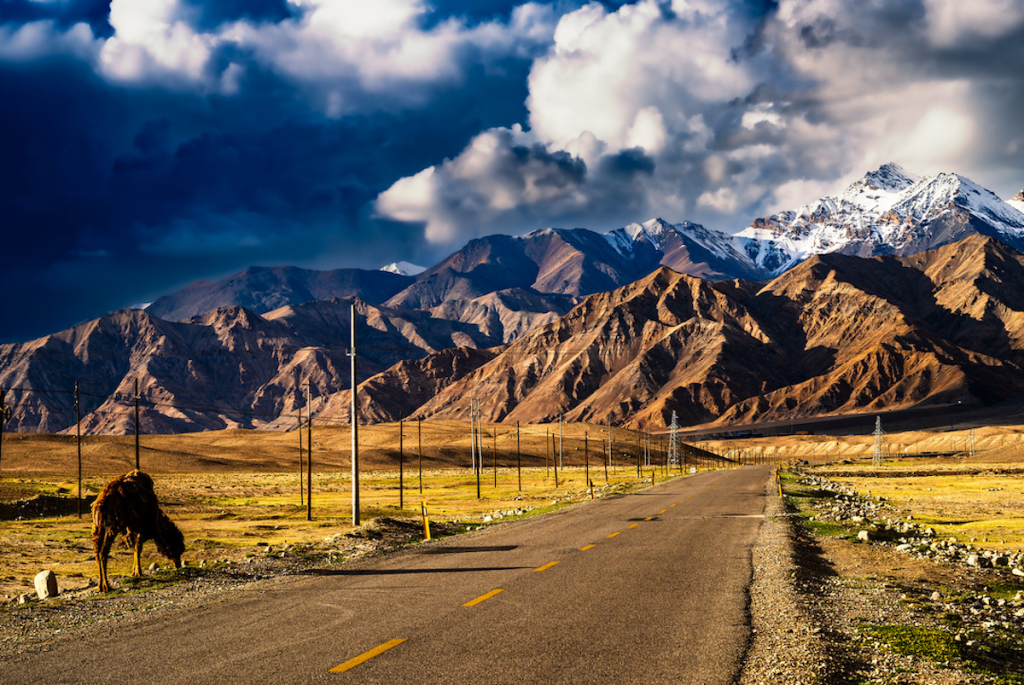
Μία σημαντική εξέλιξη στις χερσαίες μεταφορές και στις γεωπολιτικές ισορροπίες της Κεντρικής Ασίας καταγράφεται στο Αφγανιστάν, με την ολοκλήρωση νέου δρόμου στον στρατηγικής σημασίας διάδρομο Ουαχάν.
Σύμφωνα με ανάλυση του Imran Khurshid που δημοσιεύθηκε στις 9 Οκτωβρίου 2026 στο Asia Times, οι αφγανικές αρχές εγκαινίασαν οδική διαδρομή 121 χιλιομέτρων, η οποία εκτείνεται από την περιοχή Μπρογκίλ έως τα σύνορα με την Κίνα, στην επαρχία Μπανταχσάν.
Το έργο κόστισε περίπου 365 εκατομμύρια αφγάνι, ποσό που αντιστοιχεί σε περίπου 5,5 εκατομμύρια δολάρια.
Κατά τις αφγανικές ανακοινώσεις, κατασκευάστηκε από ντόπιους μηχανικούς και εργαζομένους, χωρίς τη συμμετοχή ξένων τεχνικών συμβούλων.
Η νέα διαδρομή φθάνει στα σινοαφγανικά σύνορα. Αυτό, ωστόσο, δεν σημαίνει ότι λειτουργεί ήδη πλήρης διεθνής εμπορευματικός διάδρομος, καθώς εξακολουθούν να υπάρχουν σημαντικοί τεχνικοί και συνοριακοί περιορισμοί.
Γιατί ο διάδρομος Ουαχάν έχει στρατηγική σημασία
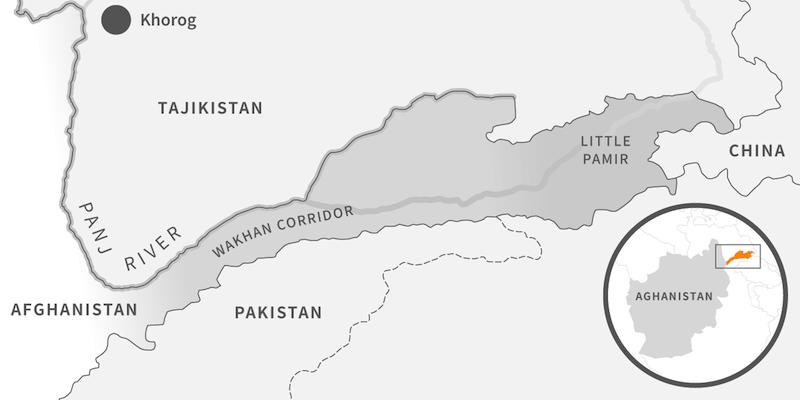
Ο διάδρομος Ουαχάν αποτελεί μια στενή λωρίδα αφγανικού εδάφους ανάμεσα στο Τατζικιστάν, το Πακιστάν και την Κίνα.
Η γεωγραφική του διαμόρφωση συνδέεται με τον ανταγωνισμό της Βρετανικής και της Ρωσικής Αυτοκρατορίας κατά τον 19ο αιώνα.
Η περιοχή διατηρήθηκε ως ζώνη διαχωρισμού των δύο αυτοκρατορικών σφαιρών επιρροής, αποτελώντας ένα από τα χαρακτηριστικότερα γεωγραφικά κατάλοιπα του λεγόμενου «Μεγάλου Παιχνιδιού».
Σήμερα, η ίδια περιοχή αποκτά νέα σημασία, αυτή τη φορά λόγω της προσπάθειας σύνδεσης της Κίνας με το Αφγανιστάν και ευρύτερα με την Κεντρική Ασία.
Ο δρόμος ανοίγει τη δυνατότητα δημιουργίας μιας εναλλακτικής οδού μεταφορών, περιορίζοντας δυνητικά την ανάγκη διέλευσης από το πακιστανικό έδαφος.
Το πρόβλημα της Κίνας με τον οικονομικό διάδρομο CPEC
Το ενδιαφέρον της εξέλιξης εντοπίζεται κυρίως στην προσπάθεια του Πεκίνου να περιορίσει την εξάρτησή του από ευάλωτες υποδομές.
Ο Οικονομικός Διάδρομος Κίνας–Πακιστάν, γνωστός ως CPEC, αποτελεί ένα από τα σημαντικότερα προγράμματα της κινεζικής πρωτοβουλίας Belt and Road.
Μέσω του συγκεκριμένου σχεδίου, η Κίνα επιχειρεί να ενισχύσει τις εμπορικές και ενεργειακές συνδέσεις της με τη Νότια Ασία και την Αραβική Θάλασσα.
Ωστόσο, η υλοποίηση των έργων έχει αντιμετωπίσει σοβαρές δυσκολίες.
Στην επαρχία Μπαλουχιστάν, οργανώσεις αυτονομιστών έχουν πραγματοποιήσει επανειλημμένες επιθέσεις εναντίον κινεζικών συμφερόντων, εγκαταστάσεων και εργαζομένων.
Οι επιθέσεις αυτές έχουν επιβαρύνει την ασφάλεια των υποδομών και έχουν αυξήσει το κόστος προστασίας των κινεζικών επενδύσεων.
Παράλληλα, έχουν διατυπωθεί καταγγελίες για καθυστερήσεις, κακοδιαχείριση και προβλήματα διαφάνειας σε επιμέρους προγράμματα του CPEC.
Η εδαφική διαμάχη με την Ινδία
Μια επιπλέον γεωπολιτική δυσκολία συνδέεται με τη διέλευση του CPEC από το Γκιλγκίτ–Μπαλτιστάν.
Η περιοχή διοικείται από το Πακιστάν, αλλά διεκδικείται από την Ινδία, στο πλαίσιο της ευρύτερης διαμάχης για το Κασμίρ.
Το Νέο Δελχί έχει αντιταχθεί επανειλημμένα σε έργα που διέρχονται από εδάφη τα οποία θεωρεί τμήμα της δικής του επικράτειας.
Αυτό σημαίνει ότι ο οικονομικός διάδρομος Κίνας–Πακιστάν δεν αποτελεί μόνο αναπτυξιακό πρόγραμμα, αλλά συνδέεται με μία από τις πιο ευαίσθητες εδαφικές αντιπαραθέσεις της Ασίας.
Η δημιουργία εναλλακτικών διαδρομών μέσω του Αφγανιστάν θα μπορούσε μακροπρόθεσμα να προσφέρει στο Πεκίνο μεγαλύτερη ευελιξία.
Δεν υπάρχει, πάντως, ένδειξη ότι ο δρόμος του Ουαχάν μπορεί σήμερα να αντικαταστήσει τις μεγάλες μεταφορικές υποδομές του CPEC.
Η Καμπούλ επιχειρεί να μειώσει την εξάρτησή της από το Ισλαμαμπάντ
Για την κυβέρνηση των Ταλιμπάν, το έργο έχει και μία σαφή πολιτική διάσταση.
Το Αφγανιστάν εξαρτάται σε σημαντικό βαθμό από συνοριακές διαβάσεις και μεταφορικούς άξονες που περνούν από το Πακιστάν.
Οι επανειλημμένες εντάσεις ανάμεσα στις δύο χώρες έχουν προκαλέσει κλείσιμο συνοριακών περασμάτων, διακοπές εμπορικών ροών και επιβάρυνση της αφγανικής οικονομίας.
Μια εναλλακτική χερσαία διέξοδος προς την Κίνα θα μπορούσε, εφόσον αναπτυχθεί και καταστεί λειτουργική, να μειώσει τη δυνατότητα του Πακιστάν να χρησιμοποιεί τη γεωγραφική του θέση ως μέσο πίεσης προς την Καμπούλ.
Η αφγανική πλευρά αντιμετωπίζει το έργο ως σημαντική υποδομή οικονομικής και στρατηγικής αυτονομίας.
Η στάση της Κίνας και της Ρωσίας
Παρά την προοπτική άμεσης σύνδεσης, το Πεκίνο δεν έχει εγκαταλείψει τον οικονομικό διάδρομο CPEC ούτε έχει ανακοινώσει ότι ο Ουαχάν θα τον αντικαταστήσει.
Η Κίνα εξακολουθεί να διατηρεί σημαντικά οικονομικά και στρατηγικά συμφέροντα στο Πακιστάν.
Αντίστοιχα, η Ρωσία ενδιαφέρεται για τη σταθερότητα του Αφγανιστάν και για την ανάπτυξη νέων δικτύων επικοινωνίας στην Κεντρική Ασία.
Η δημιουργία περισσότερων επιλογών διασύνδεσης ενδέχεται να περιορίσει την αποκλειστική σημασία ορισμένων παραδοσιακών μεταφορικών διαδρομών.
Η πραγματική αξία του Ουαχάν θα εξαρτηθεί από τη βελτίωση των οδικών υποδομών, τη λειτουργία συνοριακών και τελωνειακών εγκαταστάσεων, τις καιρικές συνθήκες και τις πολιτικές αποφάσεις της Κίνας.
Το μήνυμα προς το Πακιστάν
Η νέα διαδρομή αναδεικνύει μια σημαντική γεωπολιτική πραγματικότητα: η γεωγραφική θέση ενός κράτους προσφέρει στρατηγικά πλεονεκτήματα, αλλά η αξιοποίησή τους εξαρτάται από την ασφάλεια και την αξιοπιστία των μεταφορικών του δικτύων.
Το Πακιστάν εξακολουθεί να αποτελεί κρίσιμο εταίρο της Κίνας, ιδιαίτερα στο πλαίσιο του CPEC.
Ταυτόχρονα, όμως, η αστάθεια, οι επιθέσεις σε κινεζικά συμφέροντα και οι αντιπαραθέσεις με το Αφγανιστάν δημιουργούν κίνητρα αναζήτησης εναλλακτικών επιλογών.
Ο διάδρομος Ουαχάν δεν έχει ακόμη μετατραπεί σε μεγάλο εμπορικό πέρασμα. Η κατασκευή του δρόμου, ωστόσο, καταδεικνύει ότι το Αφγανιστάν επιχειρεί να αποκτήσει πρόσθετες διεθνείς συνδέσεις και ότι η αποκλειστική εξάρτηση από το Πακιστάν δεν αποτελεί πλέον τη μοναδική γεωγραφική επιλογή.
Για το Ισλαμαμπάντ, η εξέλιξη αποτελεί μια νέα στρατηγική παράμετρο που θα πρέπει να συνυπολογίσει στις σχέσεις του με το Πεκίνο και την Καμπούλ.
Διεθνή
Γερμανία: Το ρωσικό φυσικό αέριο επιστρέφει έμμεσα μέσω των λιπασμάτων, παρά τους ευρωπαϊκούς δασμούς
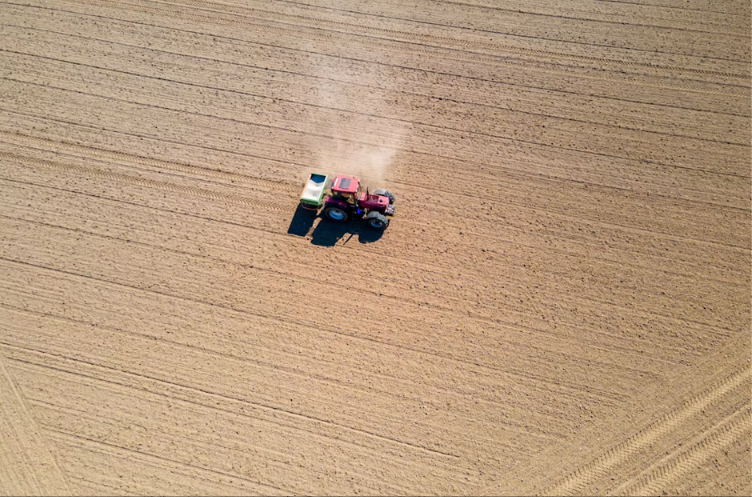
Οι εισαγωγές ρωσικών αζωτούχων λιπασμάτων μειώθηκαν κατά 66% το 2025-2026, αλλά παραμένουν 53% υψηλότερες από τα επίπεδα πριν από τον πόλεμο στην Ουκρανία.
Το υψηλό ενεργειακό κόστος στη Γερμανία διατηρεί ανταγωνιστικά τα ρωσικά προϊόντα, σύμφωνα με στοιχεία που δημοσίευσε η Berliner Zeitung. Η Γερμανία εξακολουθεί να συνδέεται εμπορικά με το ρωσικό φυσικό αέριο, παρά τις ευρωπαϊκές προσπάθειες περιορισμού της ενεργειακής εξάρτησης από τη Μόσχα.
Αυτή τη φορά, η σύνδεση δεν αφορά αποκλειστικά την άμεση προμήθεια φυσικού αερίου, αλλά τις εισαγωγές λιπασμάτων που παράγονται με τη χρήση ρωσικού αερίου ως πρώτης ύλης και πηγής ενέργειας. Σύμφωνα με δημοσίευμα της γερμανικής εφημερίδας, που βασίζεται σε στοιχεία του Γερμανικού Ομοσπονδιακού Στατιστικού Γραφείου και του Συνδέσμου Αγροτικής Βιομηχανίας (IVA), οι εισαγωγές αζώτου μέσω ρωσικών λιπασμάτων μειώθηκαν σημαντικά κατά το 2025-2026. Ωστόσο, εξακολουθούν να βρίσκονται πάνω από τα επίπεδα που καταγράφονταν πριν από τη ρωσική εισβολή στην Ουκρανία.
Τα στοιχεία των εισαγωγών και η σύγκριση με την προπολεμική περίοδο
Το 2025-2026, η Γερμανία εισήγαγε 48.800 τόνους αζώτου μέσω λιπασμάτων ρωσικής προέλευσης. Η ποσότητα αυτή είναι μειωμένη κατά περίπου 66% σε σύγκριση με το προηγούμενο έτος, αλλά παραμένει κατά 53% υψηλότερη από τους 31.800 τόνους που είχαν καταγραφεί το 2020-2021, πριν από τον πόλεμο.
Η εξέλιξη των εισαγωγών δείχνει πόσο έντονη ήταν η αύξηση μετά το 2022. Το 2021-2022 οι εισαγωγές έφτασαν τους 56.800 τόνους αζώτου, ενώ το 2022-2023 εκτοξεύθηκαν στους 185.100 τόνους. Στη συνέχεια καταγράφηκαν 140.200 τόνοι το 2023-2024 και 143.800 τόνοι το 2024-2025, προτού σημειωθεί η μεγάλη υποχώρηση της τελευταίας περιόδου. Τα στοιχεία αφορούν την ποσότητα του αζώτου που περιέχεται στα εισαγόμενα λιπάσματα και όχι το συνολικό βάρος των προϊόντων.
Τα λιπασματικά έτη υπολογίζονται από τον Ιούλιο έως τον Ιούνιο. Η ποσότητα αζώτου που εισήχθη στη Γερμανία μέσω ρωσικής ουρίας μειώθηκε από 71.600 τόνους σε 27.600 τόνους, καταγράφοντας πτώση άνω του 61%. Παρά τη μείωση, η ποσότητα εξακολουθεί να είναι σχεδόν τριπλάσια από τους 9.900 τόνους του 2020-2021. Η συγκεκριμένη εξέλιξη αναδεικνύει το βασικό πρόβλημα της ευρωπαϊκής πολιτικής περιορισμού των εμπορικών δεσμών με τη Ρωσία. Ακόμη και όταν περιορίζονται οι εισαγωγές συγκεκριμένων προϊόντων, οι οικονομικές σχέσεις μπορούν να διατηρούνται μέσω άλλων κατηγοριών αγαθών, ιδιαίτερα όταν αυτά έχουν χαμηλότερο κόστος παραγωγής.
Γιατί οι ρωσικές εισαγωγές παραμένουν ανταγωνιστικές
Καθοριστικός παράγοντας είναι το υψηλό ενεργειακό κόστος στη Γερμανία και στην υπόλοιπη Ευρώπη. Η παραγωγή αζωτούχων λιπασμάτων απαιτεί μεγάλες ποσότητες φυσικού αερίου, το οποίο χρησιμοποιείται τόσο ως πρώτη ύλη όσο και ως πηγή ενέργειας. Σύμφωνα με τον Σύνδεσμο Αγροτικής Βιομηχανίας (IVA), οι ευρωπαϊκοί δασμοί, που τέθηκαν σε ισχύ τον Ιούλιο του 2025, περιόρισαν σημαντικά τις εισαγωγές ρωσικών λιπασμάτων. Ωστόσο, δεν εξάλειψαν το ανταγωνιστικό πλεονέκτημα των ρωσικών προϊόντων. Ο σύνδεσμος επισημαίνει ότι οι υψηλές τιμές ενέργειας δυσκολεύουν τις ευρωπαϊκές επιχειρήσεις να αυξήσουν την εγχώρια παραγωγή και να καλύψουν μεγαλύτερο μέρος των αναγκών της αγοράς. Ως αποτέλεσμα, τα ρωσικά λιπάσματα εξακολουθούν να παραμένουν ελκυστικά, ακόμη και μετά την επιβολή πρόσθετων δασμών.
Παράλληλα, σύμφωνα με τον IVA, είναι πιθανό ορισμένες ποσότητες ρωσικών προϊόντων να φτάνουν στη γερμανική αγορά μέσω άλλων κρατών-μελών της Ευρωπαϊκής Ένωσης. Το μέγεθος αυτών των έμμεσων εισαγωγών, ωστόσο, δεν μπορεί να προσδιοριστεί με ακρίβεια από τα διαθέσιμα στοιχεία.
Δεν αποδίδονται οι αυξήσεις των τιμών αποκλειστικά στους δασμούς
Το ζήτημα έχει άμεση σημασία για τους Γερμανούς αγρότες, καθώς το κόστος των λιπασμάτων επηρεάζει την παραγωγή και, τελικά, την οικονομική βιωσιμότητα των καλλιεργειών. Ο IVA υποστηρίζει ότι η μείωση των ρωσικών εισαγωγών δεν έχει προκαλέσει μέχρι στιγμής σαφή αύξηση των τιμών εξαιτίας των δασμών. Σύμφωνα με τον σύνδεσμο, η εγχώρια παραγωγική δυναμικότητα και οι εισαγωγές από άλλες χώρες, μεταξύ των οποίων η Αίγυπτος, επαρκούν για την κάλυψη των αναγκών της αγοράς. Την ίδια στιγμή, ο σύνδεσμος αποδίδει τις υψηλές τιμές των λιπασμάτων το 2026 στις διεθνείς ενεργειακές αναταράξεις, στον πόλεμο με το Ιράν και στην κρίση γύρω από τα Στενά του Ορμούζ, παράγοντες που επηρεάζουν το κόστος μεταφοράς και τις παγκόσμιες τιμές ενέργειας και λιπασμάτων.
Οι εκτιμήσεις αυτές αποτελούν τις θέσεις του κλαδικού συνδέσμου και δεν συνιστούν από μόνες τους ανεξάρτητη αξιολόγηση όλων των παραγόντων που διαμορφώνουν τις τιμές.
Νέες πιέσεις για περιορισμό των ρωσικών εισαγωγών
Με αφορμή τα στοιχεία, ο IVA ζητά να εξεταστεί η επιβολή πρόσθετων δασμών στις εισαγωγές καλιούχων λιπασμάτων από τη Ρωσία και τη Λευκορωσία. Το κάλιο αποτελεί βασικό θρεπτικό στοιχείο για τις καλλιέργειες και αντιπροσωπεύει μια ακόμη κατηγορία προϊόντων στην οποία η ευρωπαϊκή αγορά διατηρεί εμπορικές σχέσεις με τις δύο χώρες.
Ο σύνδεσμος εκτιμά ότι η ευρωπαϊκή βιομηχανία μπορεί να καλύψει τις ανάγκες της γεωργίας χωρίς να εξαρτάται από τις συγκεκριμένες εισαγωγές και υποστηρίζει ότι πρόσθετοι δασμοί δεν θα πρέπει να οδηγήσουν αναγκαστικά σε αυξήσεις τιμών. Η συζήτηση, ωστόσο, αποτυπώνει το ευρύτερο δίλημμα της ευρωπαϊκής οικονομικής πολιτικής. Η μείωση της εξάρτησης από τη Ρωσία απαιτεί όχι μόνο εμπορικούς περιορισμούς, αλλά και ανταγωνιστική εγχώρια παραγωγή, προσιτό ενεργειακό κόστος και εναλλακτικές πηγές προμήθειας.
Τα δεδομένα της γερμανικής αγοράς δείχνουν ότι οι δασμοί μπορούν να περιορίσουν σημαντικά τις εισαγωγές, χωρίς όμως να εξαλείψουν αυτομάτως τις οικονομικές σχέσεις που στηρίζονται σε διαφορές κόστους παραγωγής. Για τη Γερμανία και την Ευρωπαϊκή Ένωση, η πρόκληση παραμένει η εξισορρόπηση τριών στόχων: της ενεργειακής και οικονομικής ασφάλειας, της στήριξης της εγχώριας βιομηχανίας και της διατήρησης προσιτού κόστους για τον αγροτικό τομέα.
Με πληροφορίες του Συνδέσμου Αγροτικής Βιομηχανίας (IVA) και του Γερμανικού Ομοσπονδιακού Στατιστικού Γραφείου.
Αναλύσεις
Πακιστάν: Μειώθηκαν οι τρομοκρατικές επιθέσεις, αλλά αυξάνονται οι απειλές – Αντάρτικες οργανώσεις αναπτύσσουν νέες τακτικές και στρατολογούν γυναίκες
Η νέα έκθεση του Pakistan Institute for Conflict and Security Studies (PICSS) αποκαλύπτει ένα αντιφατικό περιβάλλον ασφαλείας: Λιγότερες επιθέσεις και θύματα, αλλά αναδιοργάνωση ένοπλων ομάδων, χρήση drones, εσωτερικές συγκρούσεις και αυξανόμενη αστάθεια στο Μπαλουχιστάν. Η πολιτική κρίση επιβαρύνει την προσπάθεια αντιμετώπισης της τρομοκρατίας.
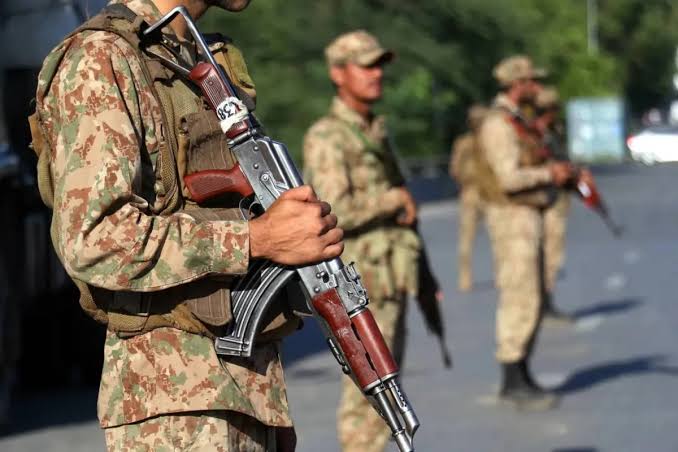
Μια εξαιρετικά σύνθετη εικόνα για την ασφάλεια στο Πακιστάν αποτυπώνει η νέα εβδομαδιαία ανάλυση του Pakistan Institute for Conflict and Security Studies (PICSS), η οποία δημοσιεύθηκε στις 10 Οκτωβρίου 2026. Παρά τη μείωση των επιθέσεων από ένοπλες οργανώσεις κατά την πρώτη εβδομάδα του μήνα, οι εξελίξεις στο εσωτερικό των εξτρεμιστικών και αυτονομιστικών ομάδων δημιουργούν σοβαρά ερωτήματα για την πραγματική αποτελεσματικότητα των επιχειρήσεων ασφαλείας.
Η έκθεση με τίτλο «Pakistan’s Security Paradox: Militant Attacks Decline as Militant Groups Signal New Developments» καταγράφει υποχώρηση των επιθέσεων, αλλά παράλληλα εντοπίζει ενδείξεις οργανωτικής αναδιάρθρωσης, νέων επιχειρησιακών μεθόδων και εντατικοποίησης της προπαγανδιστικής δραστηριότητας.
Μείωση 18% στις επιθέσεις – Παραμένει σοβαρή η απειλή
Σύμφωνα με το PICSS, από τις 2 έως τις 8 Οκτωβρίου καταγράφηκαν συνολικά 46 επιθέσεις ενόπλων οργανώσεων στο Πακιστάν, έναντι 56 την αμέσως προηγούμενη εβδομάδα.
Η μείωση ανέρχεται στο 18%, ενώ αισθητή είναι και η υποχώρηση του αριθμού των θυμάτων.
Οι νεκροί μειώθηκαν από 52 σε 42 και οι τραυματίες από 53 σε 23.
Ωστόσο, η εικόνα δεν είναι ομοιόμορφη σε ολόκληρη τη χώρα.
Στην επαρχία Μπαλουχιστάν, όπου δραστηριοποιούνται ιδιαίτερα ενεργές αυτονομιστικές οργανώσεις, οι απώλειες αυξήθηκαν παρά τη μείωση του αριθμού των επιθέσεων.
Το στοιχείο αυτό δημιουργεί προβληματισμό για το κατά πόσον οι ένοπλες ομάδες μεταβάλλουν τις τακτικές τους, πραγματοποιώντας λιγότερες αλλά δυνητικά πιο φονικές επιχειρήσεις.
Οι Πακιστανοί Ταλιμπάν αλλάζουν τακτική – Drones και ελεύθεροι σκοπευτές
Ιδιαίτερο ενδιαφέρον παρουσιάζουν οι εξελίξεις στο εσωτερικό της Tehrik-i-Taliban Pakistan (TTP), της οργάνωσης που είναι γνωστή ως Πακιστανοί Ταλιμπάν.
Σύμφωνα με την ανάλυση, η TTP επέβαλε περιορισμούς στη χρήση των μέσων κοινωνικής δικτύωσης από τα μέλη της.
Η συγκεκριμένη απόφαση αποκτά σημασία σε μια περίοδο κατά την οποία οι ένοπλες οργανώσεις χρησιμοποιούν τις ψηφιακές πλατφόρμες τόσο για προπαγάνδα όσο και για την προβολή των επιχειρησιακών τους δυνατοτήτων.
Την ίδια στιγμή, η TTP δημοσιοποίησε οπτικό υλικό στο οποίο υποστηρίζει ότι καταγράφονται επιθέσεις με τετρακόπτερα μη επανδρωμένα αεροσκάφη και ενέργειες ελεύθερων σκοπευτών.
Οι ισχυρισμοί αυτοί δεν συνιστούν ανεξάρτητη επιβεβαίωση της αποτελεσματικότητας ή της έκτασης χρήσης των συγκεκριμένων μέσων.
Παρ’ όλα αυτά, η προβολή τέτοιων επιχειρήσεων εντάσσεται σε μια ευρύτερη προσπάθεια των οργανώσεων να παρουσιάσουν εικόνα τεχνολογικής προσαρμογής και να ενισχύσουν την επιρροή τους.
Εσωτερικές συγκρούσεις στις ένοπλες οργανώσεις
Την ίδια περίοδο, η Jamaat-ul-Ahrar, οργάνωση που έχει συνδεθεί με το δίκτυο των Πακιστανών Ταλιμπάν, ανακοίνωσε ότι πραγματοποίησε 122 επιθέσεις κατά τη διάρκεια του Σεπτεμβρίου.
Πρόκειται για αριθμό που προέρχεται από τους ισχυρισμούς της ίδιας της οργάνωσης και δεν πρέπει να συγχέεται με τα ανεξάρτητα καταγεγραμμένα περιστατικά του PICSS.
Παράλληλα, αναφέρθηκαν αιματηρές συγκρούσεις ανάμεσα σε μαχητές της Jamaat-ul-Ahrar και αντίπαλης φράξιας της TTP στην περιοχή Ορακζάι.
Οι πληροφορίες αυτές αναδεικνύουν ένα επιπλέον πρόβλημα για την ασφάλεια του Πακιστάν: τον κατακερματισμό του περιβάλλοντος των ενόπλων οργανώσεων.
Οι εσωτερικές συγκρούσεις ενδέχεται να αποδυναμώνουν προσωρινά ορισμένα δίκτυα, αλλά μπορούν επίσης να προκαλέσουν νέες αντιπαραθέσεις, ανακατατάξεις και αποσχίσεις.
Μπαλουχιστάν: Ένοπλη γυναικεία μονάδα και κλιμάκωση της προπαγάνδας
Σημαντικές εξελίξεις καταγράφονται και στο Μπαλουχιστάν, την επαρχία του νοτιοδυτικού Πακιστάν που συνορεύει με το Ιράν και το Αφγανιστάν και έχει στρατηγική σημασία λόγω των φυσικών πόρων και της πρόσβασής της στην Αραβική Θάλασσα.
Το Balochistan Liberation Front (BLF), μία από τις οργανώσεις που επιδιώκουν την ανεξαρτησία του Μπαλουχιστάν, δημοσιοποίησε υλικό για τη συγκρότηση νέου γυναικείου ένοπλου σχηματισμού.
Η συγκεκριμένη κίνηση προβάλλεται από την οργάνωση ως οργανωτική εξέλιξη. Δεν υπάρχουν, ωστόσο, επαρκή ανεξάρτητα στοιχεία στο δημόσιο απόσπασμα της έκθεσης για τον αριθμό των μελών ή τις πραγματικές επιχειρησιακές δυνατότητες της νέας μονάδας.
Παράλληλα, ο Balochistan Liberation Army (BLA), άλλη σημαντική αυτονομιστική ένοπλη οργάνωση, απέρριψε κατηγορίες περί συνεργασίας με την TTP.
Ο BLA δημοσιοποίησε επίσης οπτικό υλικό από επιχειρήσεις που ισχυρίζεται ότι πραγματοποίησαν μέλη του.
Άλλες οργανώσεις των Μπαλούχων προχώρησαν σε ανάλογες κινήσεις, προβάλλοντας τη δράση τους και διατυπώνοντας ισχυρισμούς για δραστηριότητες συλλογής πληροφοριών.
Οι εξελίξεις καταδεικνύουν ότι η σύγκρουση στο Μπαλουχιστάν δεν περιορίζεται στις ένοπλες επιθέσεις, αλλά περιλαμβάνει και έναν παράλληλο αγώνα επιρροής, επικοινωνίας και πολιτικής νομιμοποίησης.
Πολιτική κρίση και αντιτρομοκρατία
Πέρα από την ένοπλη βία, η έκθεση του PICSS επισημαίνει ότι η εσωτερική πολιτική αστάθεια δυσχεραίνει τη διαμόρφωση αποτελεσματικής πολιτικής ασφαλείας.
Η κατάρρευση των διαπραγματεύσεων μεταξύ της κυβέρνησης και του Pakistan Tehreek-e-Insaf (PTI), του κόμματος που ίδρυσε ο πρώην πρωθυπουργός Ιμράν Χαν, περιπλέκει τις προσπάθειες συντονισμού στην επαρχία Χάιμπερ Παχτούνχβα.
Η περιοχή αποτελεί ένα από τα σημαντικότερα μέτωπα της δράσης των Πακιστανών Ταλιμπάν, λόγω της εγγύτητάς της με το Αφγανιστάν και της μακρόχρονης παρουσίας ένοπλων δικτύων.
Οι πολιτικές αντιπαραθέσεις μεταξύ κεντρικής κυβέρνησης και αντιπολίτευσης μπορούν να δυσχεράνουν τον συντονισμό, τη διοικητική συνεργασία και τη διαμόρφωση κοινής στρατηγικής για την αντιμετώπιση της τρομοκρατίας.
Το πρόβλημα αποκτά ιδιαίτερη σημασία όταν συνδυάζεται με την ανάγκη προστασίας παραμεθόριων περιοχών και αντιμετώπισης οργανώσεων με διασυνοριακές διασυνδέσεις.
Αφγανιστάν, Ινδία και περιφερειακές αμυντικές συμφωνίες
Οι προκλήσεις που αντιμετωπίζει το Ισλαμαμπάντ δεν περιορίζονται στο εσωτερικό της χώρας.
Οι σχέσεις με το Αφγανιστάν παραμένουν κρίσιμος παράγοντας ασφαλείας, καθώς το Πακιστάν αποδίδει σε ένοπλα δίκτυα που δρουν από αφγανικό έδαφος σημαντικό μέρος των επιθέσεων εναντίον του.
Την ίδια στιγμή, η αντιπαράθεση με την Ινδία εξακολουθεί να επηρεάζει τον στρατηγικό σχεδιασμό των πακιστανικών ενόπλων δυνάμεων.
Στο περιφερειακό περιβάλλον προστίθενται οι νέες αμυντικές διευθετήσεις και οι προσπάθειες του Πακιστάν να διατηρήσει ή να ενισχύσει τις στρατηγικές του συνεργασίες.
Η συνύπαρξη εσωτερικών απειλών, πολιτικής αβεβαιότητας και εξωτερικών δεσμεύσεων δημιουργεί αυξημένες απαιτήσεις για τον στρατιωτικό μηχανισμό και τις υπηρεσίες ασφαλείας.
Οι αριθμοί δεν λένε ολόκληρη την ιστορία
Η εβδομαδιαία έκθεση του PICSS θέτει ένα ουσιαστικό ερώτημα: αποτελεί η μείωση των τρομοκρατικών επιθέσεων ένδειξη βελτίωσης της ασφάλειας ή πρόκειται για προσωρινή υποχώρηση της βίας, ενώ οι οργανώσεις αναπροσαρμόζουν τις τακτικές και τις δομές τους;
Η απάντηση δεν μπορεί να προκύψει αποκλειστικά από την καταμέτρηση των επιθέσεων.
Η χρήση νέων επιχειρησιακών μέσων, οι εσωτερικές διαμάχες, η συγκρότηση νέων ένοπλων σχηματισμών και η αυξημένη προπαγανδιστική δραστηριότητα συνθέτουν μια εικόνα που απαιτεί διαρκή παρακολούθηση.
Άλλωστε, τα στοιχεία του PICSS για ολόκληρο τον Σεπτέμβριο είχαν καταγράψει 225 επιθέσεις, τον υψηλότερο μηνιαίο αριθμό εδώ και δώδεκα χρόνια, γεγονός που αναδεικνύει τη σοβαρότητα της κατάστασης παρά την πρόσφατη εβδομαδιαία υποχώρηση.
Το Πακιστάν βρίσκεται αντιμέτωπο με μια πολυεπίπεδη κρίση ασφαλείας, στην οποία αλληλεπιδρούν τζιχαντιστικές οργανώσεις, αυτονομιστικά κινήματα, πολιτικές αντιπαραθέσεις και περιφερειακοί ανταγωνισμοί.
Η μείωση της συχνότητας των επιθέσεων αποτελεί θετική ένδειξη σε επίπεδο εβδομαδιαίων στατιστικών. Δεν αρκεί, όμως, από μόνη της για να αποδείξει ότι οι απειλές περιορίζονται σε βάθος χρόνου.
Το κρίσιμο ζήτημα για το Ισλαμαμπάντ δεν είναι μόνο πόσες επιθέσεις καταγράφονται, αλλά κατά πόσον το κράτος μπορεί να αντιμετωπίσει τις οργανώσεις που εξακολουθούν να διαθέτουν δυνατότητα στρατολόγησης, προσαρμογής και πραγματοποίησης νέων επιχειρήσεων.


Πόλεμος συμφερόντων για το LNG – Το τουρκικό σχέδιο και η ελληνική απάντηση
Στο Direct News, ο Ανδρέας Μουντζουρούλιας παρουσιάζει τις πληροφορίες του για τον GSI, αναλύει τα τουρκικά δημοσιεύματα για την Γκίλφοϊλ...


Arolsen Archives: Το αρχείο που αναζητά τα ίχνη εκατομμυρίων θυμάτων του ναζισμού
Στη γερμανική πόλη Μπαντ Άρολσεν φυλάσσεται μία από τις σημαντικότερες συλλογές τεκμηρίων για τα θύματα των ναζιστικών διώξεων. Περισσότερα από...


Πού βρίσκεται η Ελλάδα στον σχεδιασμό του IMEC;
Η επίκληση της ελληνικής κληρονομιάς, η κριτική για τις αμερικανικές τοποθετήσεις στα ελληνοτουρκικά και η ανάγκη μιας εθνικής στρατηγικής που...

Νέα τουρκική πρόκληση νότια του Καστελλόριζου! NAVTEX της Άγκυρας στην περιοχή που θα περάσει το γαλλικό ερευνητικό για το καλώδιο Ελλάδας–Κύπρου
Η Άγκυρα εξέδωσε NAVTEX για περιοχή νότια του Καστελλόριζου, όπου έχει προγραμματιστεί η πολυεθνική άσκηση «EUNOMIA», αμφισβητώντας τη δικαιοδοσία του...


EurAsia Review: Ποιοι προστατεύουν τα κυκλώματα λαθρεμπορίου στα σύνορα Ιράν, Πακιστάν και Αφγανιστάν – Ο σκοτεινός ρόλος παραγόντων ασφαλείας
Ένα εκτεταμένο σύστημα παράνομου εμπορίου, διαφθοράς και πολιτικής προστασίας περιγράφει σε ανάλυσή του το EurAsia Review. Από τα καύσιμα και...
-
 Αναλύσεις4 εβδομάδες πριν
Το τελεσίγραφο Καλίν την ώρα που η Τουρκία προετοιμάζεται για πόλεμο!
-
 Άμυνα3 μήνες πριν
Ρωσσικό ΜΜΕ: Ελληνικό «μπλόκο» στην απαίτηση για Patriot – Πώς γνωρίζει το Κίεβο απόρρητα στοιχεία για τους πυραύλους μας;
-

 ΑΝΑΡΤΗΣΕΙΣ ΜΕ ΣΗΜΑΣΙΑ3 μήνες πριν
Πακιστανός με καναδική υπηκοότητα ο υπαίτιος της πυρκαγιάς στον Έβρο! Πιθανόν να μετέφερε μετανάστες
-

 GEOPOLITICO1 μήνα πριν
Το διέρρευσε ο Παπαχελάς! Έφεραν τον Καλίν στο Μαξίμου – Τί συζήτησε με τον Μητσοτάκη;
-
 Αναλύσεις2 μήνες πριν
Καραγκιούλ: «Αν Ελλάδα, Κύπρος και Ισραήλ επιτεθούν στην Τουρκία, ο χάρτης του Αιγαίου θα αλλάξει»
-

 ΑΝΑΡΤΗΣΕΙΣ ΜΕ ΣΗΜΑΣΙΑ2 μήνες πριν
Ξέσπασμα της μητέρας της Μυρτούς για την υπόθεση Τζαβέντ Ασλάμ: «Δεν ξεχνώ ποτέ» – «Δήμαρχος των Πακιστανών ο Δούκας»
-

 GEOPOLITICO4 εβδομάδες πριν
Τί λέει Τούρκος δημοσιογράφος για Σάββα Καλεντερίδη; «Έκανε πολύ καλά τη δουλειά του για τη χώρα του – Δεν μπορούσε να τον στριμώξει η ΜİΤ»
-

 Αναλύσεις3 μήνες πριν
Εάν η Τουρκία απορρίψει τη συμφωνία αποχώρησης από την Κύπρο θα απομακρυνθεί δια της βίας