Διεθνή
Baku QAnon: The New High Armenophobia

“Today, Armenians must understand one thing clearly: they are at the end of the road, and they have brought blood to the region with every step. They must either go back the way they came, or jump into the abyss in front of them. The choice is theirs.”
Aziz Alakbarli, Director of the Western Azerbaijan Community, August 4, 2023
Before 2020, Aziz Alakbarli lived a life that seemed destined for marginalia. An eccentric, radically nationalist academic and purveyor of historical theories that are baroque in their internal logics and outlandish in their claims, Alakbarli has spent over two decades at the extreme vanguard of Azerbaijani nationalist pseudoscholarship.
Today, however, Aziz Alakbarli is the chair of the Western Azerbaijan Community and an MP for the ruling New Azerbaijan Party, and his theories, together with those of his fellow pseudoscholars, are near-omnipresent on Azerbaijani social media.
The theories in Armenophobic pseudoscholarship are various, often intersecting and contradicting both themselves and related conspiracies: “Hays,” the Armenian endonym, are unrelated to the historic Armenians (who were Turks) and are from Syria, India, Italy, Iran, or Turkey; The Armenians have no roots in the modern Republic of Armenia, and have no authentic heritage there, or possibly anywhere; The great Armenian churches and monasteries were actually built by Caucasian Albanians, who themselves were Turks; The contemporary Republic of Armenia is in fact the “Ancient Turkish-Oghuz Land Armenia,” to borrow the title of Alakbarli’s first published work.
While conspiracy theories and nationalist, even racist, pseudohistories are a common phenomenon across the postsocialist space, something peculiar has happened in Azerbaijan; the eccentric ultranationalists, who might be called “The Radicals,” have proven triumphant. Their ideas are popular among the regime-aligned elite, are explicitly sponsored by the state, and flourish on the internet. An agglomeration formed of conspiracy theory and pseudohistory has congealed into a gestalt whole, a world view that increasingly functions as state ideology, and, through networks of GONGOs and community organizations, is disseminated through the patrimonial networks that define the Azerbaijani state and society. This ideology, this “High Armenophobia,” has already begun to transform the region.
The Young Custodians
One can imagine a place for the commemoration, perhaps even the reconstruction or revival, of lost cultural heritage in the Caucasus. There should be serious conversations on the fate of all those displaced during the Soviet and Imperial periods — Circassians, Meskhetian Turks, the Poles of Ukraine, Crimean Tatars, ethnic Germans, and the Armenians of Baku, Nakhchivan, or Karabakh; or the ethnic Azerbaijanis of what’s now Armenia.
A “serious conversation,” however, was unlikely to occur naturally in the hothouse atmosphere of the collapse of communism, which saw a generation of nationalist, sometimes ultranationalist, artists and intellectuals vie for political power with the remnants of the communist elite. The underlying social dynamics that led to the radicalization of an entire generation of late communist cultural activists are best described by sociologist Georgi Derluguian:
The radicals were found in the departments of history and philology. They were the custodians of (the) nation’s past and the national language and culture. This, however, was a local past and a local culture preserved in the museums and academic research institutes, both- respectable but low-paying institutions. The young custodians vaguely yearned for a better appreciation of their symbolic value but those remained merely dreams as long as nationalism remained a political taboo.
What makes a discussion of this period difficult is that these “dreams” varied from legitimate concerns, such as Moscow’s essentially colonial relationship with Azerbaijan, to the utterly fantastical, such as pseudo-scholar Davud Akhundov’s claims regarding the Caucasian Albanian origins of Armenian churches in Karabakh. When The Radicals found themselves in power across the entire region, they attempted to establish new nationalist orders in the void left by communism. Russophone, cosmopolitan Soviet Baku quickly became, under the presidency of Abulfaz Elchibey (himself a philologist of “Oriental languages” by training) the center of Turkic pan-nationalism and Azerbaijani irredentism. The historians and philologists had radicalized, and taken power briefly thereafter, though their reign was short-lived. Heydar Aliyev’s coup saw a return, in a new form, of the Soviet elite, and much of the pan-Turkism of the Elchibey years relegated to the background where The Radicals continued their work.
The Radicals
Much of the literature written on the subject of Azerbaijani pseudoscholarship, especially by Armenian authors, tends to stress continuities between Turkish and Azerbaijani literature, but a detailed analysis points to major discontinuities and differences in discourse. The relevant pseudo-scholarly theories are clearly Soviet in both form and content, with only superficial similarities to those espoused by ultranationalists in Turkey. Many of the core assertions of Azerbaijani pseudoscholarship would shock the ülkücüler, literally “idealists,” Turkish ultranationalists in the tradition of author Nihal Atsız and Turkey’s Nationalist Movement Party (MHP) founder Alparslan Türkeş. Two of the leading theorists of the early post-Soviet period were Firudin Celilov and Aziz Alakbarli.
Both Celilov and Alakbarli were philologists working on Oriental languages at Baku State University in the late Soviet period from outside the traditional Baku clientelistic networks, only to find major prominence in an independent Azerbaijan with an appetite for nationalist discourse. Both Celilov and Alakbarli are what are called Yeraz, ethnic Azerbaijanis from what is now the Republic of Armenia. The displacement, sometimes violent, of ethnic Azerbaijanis and the continuing degradation or mistreatment of Azerbaijani heritage are serious topics worthy of serious scholarship and thoughtful activism, neither of which the Azerbaijani state seems interested in sponsoring.
Celilov was born in 1947 in what is now Ararat region, within the borders of Soviet Armenia. His career began much as many other philologists in the Soviet Union, with works on serious topics such as Azerbaijani syntax and morphology, but by the time he served as education minister in the Elchibey government, his intellectual interests had begun to run toward the exotic. Celilov argues that Turkic languages have their origin near Lake Urmia, in the provinces of West and East Azerbaijan, Iran, a theory without any meaningful evidence that was likely inspired by the importance of irredentist Bütöv Azərbaycan, “Whole Azerbaijan” territorial claims on Iran en vogue during the Elchibey years. Ancient Armenians were in fact Turks (“Armans” from the Turkic ”ar-man,” or “brave I am”), Artsakh was originally Turkic (from ”ar-sak,” or ‘“brave man”), Caucasian Albanians and Scythians were also Turkic, and the Arman-Turks were replaced by “Hays” (the Armenian endonym, here meaning non-Turkic Armenians) only through a process of colonization. Celilov lost his position in government with the fall of Elchibey and the rise of the ex-communist Aliyev, but many of his theories, most notably the bizarre dichotomy between “Hay-Armenian” and “Arman-Turk” and his continued insistence that “Hay” is an insult remained influential and reappeared in much subsequent pseudoscholarship.
Alakbarli’s career has followed a different path, far more closely resembling Derluguian’s trajectory of “Young Custodian” or this article’s “Radical.” He was born in 1960 in Aralez, a town called Qaralar in Azerbaijani, also in modern Ararat region. Like all of the major figures mentioned in this article, Alakbarli was a philologist by training, working on Oriental languages, though unlike Firudin he appears to only have had the equivalent of an undergraduate degree before 1991. Although Celilov achieved some success in more serious scholarship relating to Turkish linguistics, and appears to occasionally be willing to criticize the Aliyev regime, much of Alakbarli’s relationship to the government appears to be at once obsequious, solicitous and strident. His first book, The Ancient Turkish-Oghuz Homeland Armenia, despite its outlandish title, was a modest, innocuous work published in 1994, and focused primarily on the relatively laudable subject of recording Turkic toponymy in Armenia. By the middle of the 2000s, however, Alakbarli was clearly beginning to see professional benefits from Aliyev’s early flirtations with sponsoring pseudoscholarship.
The Dictionary of the Western Azerbaijanis
The Monuments of Western Azerbaijan, Alakbarli’s 2007 work, which has been translated into several major languages including English, is a bizarre book. Assertions such as the following are quite common:
“Being of Turkish origin, Gregory Enlightener [sic] carried out this job with great will and belief.”
The logic here appears to be that Saint Gregory the Illuminator was a Turk because the Parthians (the ethnic origin of Saint Gregory the Illuminator’s father Anak) were Turks, and that his racial strength as a Turk was somehow instrumental in the Christianization of Armenia. The Arman-Turks stand in direct contrast with the “Hay-Armenians,” who only arrived in the region in the 15th century. Alakbarli’s hostility to the Hay-Armenians is explicitly racial:
“‘Hayk [presumably Alakbarli’s Hay-Armenians; his terminology is inconsistent] girls and brides, connected with the moral of disgrace, try to be stitched to bold Turkish fellows, to want to get married to Oghuz boys, in other words, to share our properties and goods’ he warned the shah. ‘I am afraid of mixed marriage, oh my shah!’”
From the perspective of the ülkücü Turkish ultranationalists, there are several major heresies here. First, many ultranationalist intellectuals in Turkey, starting with Atsız, have argued (correctly) that Scythians and Parthians were Iranian-speaking peoples, not Turkic. Second, most ülkücü intellectuals stress the Central Asian heritage of Turkic peoples, and after Türkeş and the Turkish right’s turn toward Islam with the Turkish-Islamic synthesis, laying claim to Christian heritage in Western Asia would prove problematic. One of the few consistencies seen here between Azerbaijani and Turkish pseudoscholarship is the characterization of Armenian women, who are at once desperately attracted to Turkish men and also a moral and racial threat to them due to the “moral of disgrace.”
While going through Alakbarli’s work, it is hard not to think one has accidentally found an unintended sequel to Serbian postmodern novelist Milorad Pavić’s Dictionary of the Khazars; bizarre claims are made off-handedly, and terms and names are used awkwardly or simply inappropriately in ways that are surreal, even humorous. The English-language translation is awkward, but most of the major factual and terminological errors (which are in absolute abundance even apart from the Armenophobic mythmaking) are consistent in the Russian and German translations of the work. While many scholars of the post-Soviet space would be quick to relegate this nationalist pseudoscholarship to esoterica, perhaps an Azerbaijani answer to Anatoly Fomenko’s new chronology or Pavle Ingorokva’s bizarre theories on Abkhazian ethnogenesis, these specific Armenophobic ideas have a great deal in common with late Soviet antisemitism and deserve careful analysis.
Bullshit, Bad Faith, and Ax Murderers
Valery Yemelyanov was, like Alakbarli, Celilov and Elchibey, a Soviet-trained philologist specializing in Oriental languages. Like Celilov and Alakbarli, his work appears to have begun with more traditional linguistics before venturing into racialized pseudohistory and parascience. In Yemelyanov’s history, the “Aryan-Veneti,” ancestors to the Slavs, were autochthonous to Europe and the Levant, where they (the somehow Aryan Phoenicians) invented the first alphabet. Jews, rootless wanderers, came to Aryan-dominated Palestine (from the Russian опалённый стан, or “burned field”), where they subverted the noble rule of the Aryan-Veneti through mischief, eventually inventing both Christianity and Islam as a way of destroying the naturally superior Aryan-Veneti beliefs, reflected in both Slavic paganism and Hinduism.
Yemelyanov has a dark reputation, and deservedly so; even apart from his noxious theories, which are recently en vogue among the most online segment of the radical right, he was also imprisoned for murdering his wife and dismembering her with an ax. With that said, the similarities here are obvious: the entire history of a region, perhaps even the world, is made malleable by conspiracy. Entire ethnicities—the Aryan-Veneti and the Arman-Turks—are invented to populate a mytho-history wherein the racial elect dwell in a harmony ultimately despoiled by an intruding race of merchant schemers with no connection to the land, or any land.
These are, at base, conspiracy theories. Crumbs of unrelated, esoteric facts are collected and baked together as arcane refutations of thousands of years of history. It is a mistake to even regard these as lies; they are what philosopher Harry G. Frankfurt calls “Bullshit.” A lie exists in relation to the truth, while Bullshit exists outside of it and all relationship to truth or falsity is incidental; Bullshit is meant to convey something different. “Gregory the Illuminator was willful because he was a racial Turk,” as a claim, is not truth-apt, a statement that can be verified as either true or false because it is liberated from all pretense of historiographic constraint. This is a claim made in bad faith in the Sartrean sense, and the only meaningful internal logic of the claim is conspiratorial racial hatred. The outrageousness is the point; as the feeling of outrage inspired in the heart of honest interlocutors is core to the appeal of such statements.
Jean-Paul Sartre’s Anti-Semite and Jew was written during the Nazi occupation of France, and it is clear that the philosopher had thought seriously on the topic and encountered many forms of antisemitism in his life. To Sartre, antisemites have abandoned sincerity to pursue a life of passion, namely, passionate hate. Azerbaijani PhD Candidate at Charles University Bahruz Samadov has tied this to the Lacanian concept of jouissance in which enjoyment is derived from transgression. In this case, jouissance is “the desire for complete destruction that emerges during such events as the 2020 war or any interaction on social media. During such interactions, the subjects receive enjoyment through the accelerated desire for the destruction of the enemy.” One could easily add here the production, dissemination, and argument for conspiratorial pseudohistory. High Armenophobia, like the most radical forms of antisemitism, renders all epistemologies subject to the demands of hatred: all organizations can be discredited if an Armenian was involved at any level, all ethics secondary to animosity to the mənfur düşmən, or “hateful enemy.”
While many observers hoped that Azerbaijan would continue to exist as a “normal” post-Soviet autocracy, or perhaps even liberalize, the Aliyev regime began to enshrine racial and historical grievance and irredentism as state ideology. By the time Ramil Safarov, an Azerbaijani soldier who nearly beheaded a sleeping Armenian soldier with an ax ( somehow this article’s second ax murderer) returned to Baku to a hero’s welcome, the writing was on the wall. NGOs were targeted, dissidents kidnapped off the streets of Tbilisi. However, a curious thing began to happen around this time, as social media was widely adopted in the Azerbiajani cultural space; pseudohistories and conspiracies began inventing themselves without the involvement of The Radicals.
Hay Baking
A ubiquitous claim on Azerbaijani Twitter is that the “Hays,” the contemporary Armenians distinct from the ancient Turkic Armenians, are from India. This theory does not seem to have an obvious origin in either Turkish or post-Soviet pseudohistorical literature. After exhaustive research, there does not even appear to be an obvious pre-social media Azerbaijani work of pseudoscholarship that suggests a South Asian origin of Armenians. The idea seems to have arisen either from a misunderstanding of the term Indo-European, or, more likely, simple conflation of Armenophobia with Antiziganism, as many of the specific claims or themes of Armenophobia are borrowed from other hatreds. Azerbaijani social media, however, takes this idea quite seriously. For instance, the comments of a YouTube clip from the film Sohni Mahiwal, starring the Soviet Armenian actor Frunzik Mkrtchyan, see multiple Azerbaijanis commenting that this is somehow a hint at the Indian origins of Armenians. A fictional movie with a minor role played by a single Armenian actor is given as evidence for a totally unsubstantiated theory that would alter the entire history of Western and South Asia. Stochastic facts are made to correlate and are presented as evidence of a systemic whole. This, in the terminology of QAnon, is baking.
This process is best explained by Annie Kelly, a postdoctoral researcher and journalist who researches conspiracy theories and the far right: “‘Baking,’ in QAnon terms, means decoding the cryptic messages posted by Q, which are the ‘crumbs.’ Different ‘bakers’ will interpret these messages in different ways, meaning there tends to be a multiplicity of readings for any one Q post.”
QAnon is a conspiratorial belief system based around a series of posts on the internet message board 4Chan from someone—the titular Q—claiming to be a “white hat” patriot working in the U.S. government. Q brought together a number of conspiracy theories that were already emerging, such the pedophilia-related Pizzagate and elements of the Satanic panic of the late 20th century. New ideas based on Q posts are combined with preexisting ideas (Pizzagate) and sometimes spontaneously spawn new ideas, such as that John F. Kennedy Jr. survived a plane crash in 1999 and will lead a violent fascist revolution in the United States called the Great Awakening that will execute all of Donald Trump’s enemies in military tribunals.
Plana Sadık Kal
The parallels between QAnon and state-sponsored Armenophobia in Azerbaijan are often quite exact. During the Second Karabakh War, a persistent rumor on the Azerbaijani side was that advancing Azerbaijani forces had found an imprisoned soldier, Imran Shamkhalov, from the First Nagorno-Karabakh War who was kept in an underground bunker as a slave. No pictures were ever found of this soldier or his liberation, but the rumor spread far enough that Azerbaijani dissident Khadija Ismailova, who had received substantial support from Armenians during her politically-motivated imprisonment, had to issue an apology for her repeated references to the outlandish claim. This was, ironically, the same month that much of the QAnon world was obsessed with theories about “mole children” living in tunnels below New York who were about to be liberated by the Great Awakening. Occasionally, the exact same language is used: ethnic Azerbaijani, Turkish ultranationalist politician Sinan Oğan campaigned in the 2023 Turkish presidential election on the slogan “Plana Sadık Kal,” literally “Remain Loyal to the Plan,” itself more than similar to one of the most famous QAnon slogans: “Trust the Plan.”
An interesting feature of both QAnon and High Armenophobia is that they are both conspiracy theories meant to foster loyalty to the existing social order—a novel conspiratorial weltanschauung intended to mollify rather than mobilize.
According to Annie Kelly, “QAnon has often struck me as somewhat unusual for a modern American conspiracy theory because of its relationship to countersubversion, mobilization and the state. The narrative of QAnon assures its believers that a secret battle is being waged and won against the malevolent ‘deep state’ by the ‘whitehats’’ in government, and all QAnon users need to do is ‘trust the plan’ … Most conspiracy theorists understand themselves as subversives, but in this case QAnon users are actually invited to adopt the position of the countersubversive.”
The social function of High Armenophobia is to control the pace of politicization and radicalization of Azerbaijani state and society. The support of Turkish ülkücü organizations for Azerbaijani causes is appreciated, and their activities are sponsored in Turkey, but politicization and radicalization are intended to happen strictly within the patrimonialist framework of Azerbaijan. According to Azerbaijani political dissident and anti-war activist Giyas Ibrahim, Azerbaijani Nationalists lost some interest in Turkish ultranationalist intellectuals such as Nihal Atsız after 2016 “because the entire country became fascist.”
To paraphrase the Turkish ultranationalist journalist and politician Agah Oktay Güner, The Radicals and their Elchibey-era Turkic pan-nationalism, once disgraced, were now in power.
Hybridity
The past three years have seen a shift in how academics and analysts discuss the Azerbaijani state. Prior to the 2020 war, much of the scholarship on the country focused on the regime as a post-Soviet authoritarian, neo-patrimonial authoritarian state fundamentally similar to Nazarbayev’s Kazakhstan. Between the return of Ramil Safarov and the Second Nagorno-Karabakh conflict, however, the conversation began shifting. To quote analyst Laurence Broers:
“In Azerbaijan, the elite previously relied most heavily on co-optation given the availability of resource rents. In the long-term, however, this would not be a stable formula as rents are finite. One way to read the Second Karabakh War in terms of its domestic importance is as a bid for legitimacy, on the one issue which does unite Azerbaijanis. This signifies the transformation of leadership away from a de-politicizing paternalism and towards a more politicizing strongman image. Nationalism is the new currency, and specifically its Turcophile orientation, which was in significant ways tempered in Azerbaijanism.”
Broers characterizes the current moment as one of “performative hybridity” in which the authorities in Azerbaijan are able to make usage of various, contradictory discourses simultaneously. The Armenians are Hay-Armen “Gujarati” racial degenerates who will be chased out of the “sacred Oghuz land of Western Azerbaijan.” Simultaneously, Armenians are insensitive, reprobate Islamophobes, Turcophobes and “Azerbaijanophobes” who were bent on the annihilation of the perfect multiculturalism of pre-war Karabakh under Azerbaijani domination. Both narratives are useful, both are used, and the seeming tension between the two is not only unresolved but utterly irrelevant; these are both Bullshit statements, so all concerns of veracity and internal consistency are moot.
This “hybridity” is obvious in Alakbarli’s recent work. For the past several years, Alakbarli has found himself in increasingly prestigious positions, which has already been the subject of scrutiny. In 2019, Rahim Shaliyev wrote “Libraries Full of Hate: From Azerbaijan to Georgia” for OC Media, which focused at length on copies of The Monuments of Western Azerbaijan appearing in Azerbaijani-language libraries in Azerbaijani communities in Georgia. This international scrutiny either did nothing or actively benefitted his career, as he became an MP from Azerbaijan’s ruling New Azerbaijan Party. Always involved in the various government-sponsored refugee organizations and publications, Alakbarli was a natural fit for the position of director of the newly formed Western Azerbaijan Community, a continuation of some of these same organizations he had worked with since the 1990s.
Several articles have already been written on the Western Azerbaijan Community, but most seem to fundamentally misunderstand its means, if not its purpose. It is relatively clear that the Western Azerbaijan Community is an attempt to enshrine Yeraz grievance at the same level as Karabakh Azerbaijani grievance in order to perpetuate the ethnic conflict that keeps the Aliyevs in power, but the “means” here are what Broers calls “characteristic hybridity,” as the organization releases one statement in English and a very different type of statement in Russian or Azerbaijani. In English, the official spokeswoman of the Western Azerbaijan Community, Ulviyya Zulfikar, makes statements such as the following:
“We (the Western Azerbaijan Community) are not making a territorial claim. We don’t have an army, we are not calling a special area of a sovereign country “republic.’ We just want to return to our homes which we were forced to leave in Armenia in 1987–91, in a peaceful (sic), safe and dignified way and reintegrate into their society.”
To return to the language of philosopher Harry Frankfurt, this is Bullshit. The Western Azerbaijani Community will simultaneously use UNHCR language while agglomerating to itself previous irredentist organizations such as the Goycha-Zangezur Republic, will accuse Armenia of Turcophobia, Azerbaijanophobia and Islamophobia while simultaneously giving pride of place to racist pseudoscholars. All internal contradictions and factual discrepancies are part of the appeal; the outrage they inspire are the point.
Working Towards the Senpai
Yaqub Mahmudov, the former Head of the History Institute of the National Academy of Sciences, once stated that “we Azerbaijani historians are the soldiers of President Ilham Aliyev.” It would be easy to regard this as the drastic, self-aggrandizing hyperbole of a major academic in a militarized society, a deeper truth is reached accidentally. All of these pseudoscholars — Mahmudov, Alakbarli, Celilov, Akhundov, even grandees such as Suleyman Aliyarli — are cogs in an apparatus, honored officiants in a vast political economy of hateful conspiracy and pseudoscholarship. Their purpose is to transform Armenophobia from, to borrow the terminology of wartime German psychologist Michael Müller-Claudius, a “latent, static” hatred to a “dynamic” one — a new, High Armenophobia; the casual Armenophobia of a given Azerbaijani is transformed into a worldview for those closely connected to the regime.
This political economy is described at some length by independent Azerbaijani researcher Cavid Aga. “University deans, rectors often offer their ‘services’ to the government. They employ students with promises of good grades or exemption from exams to troll during some campaigns. For example, the Justice for Khojaly campaign included one such farming event. However, the dean of the university didn’t get anything in return from the government, because he just offered, and didn’t ask anything in return.”
Within this political economy, many function on what Cavid called “Notice Me Senpai” syndrome. All actors work to be noticed within the system through increasingly radical, often independent-minded action, and within it there are no incentives to appear as an ermənipərəst, an Armenophile. The sole constraint is maintaining both the primacy of the Aliyev-Pasheva dynastic interests and the coherence and proper function of extant patrimonial networks. Turkey lacks these constraints; Turkish ultranationalist politics are greatly more agonistic than the entire Azerbaijani political spectrum, which means that Turkey is likely to play a greater and greater role in the radicalization of Azerbaijani society as Turkey itself radicalizes, possibly complicating Ankara-Baku relations.
What is witnessed here is “cumulative radicalization,” in the terminology of German historian Hans Mommsen. All incentives push in one direction, leading to greater and greater radicalization at every strata of society. The Azerbaijani internet troll searches for more and more offensive content to post, in search of the next great jolt of jouissance. The pseudoscholars posit greater and greater absurdities, which the younger generations fervently believe and begin to ‘bake’ by themselves. All Azerbaijan begins to use a concept conceived by the historian Ian Kershaw, to ‘Work Towards the Führer;’ Ilham sets the agenda, Ilham sets the pace, and those below him, everyone, works toward what they believe to be his goals, and all those under the leader look for more and more radical ways to gain praise.
Much of the extant scholarship and activism on radicalization and counter extremism in the Caucasus has focused either on Russia-funded right wing organizations, such as the Georgian Alt-Info, or else possible Iranian influence in the Shia clergy in Azerbaijan. Nationalist radicalization and pseudoscholarship in Azerbaijan has, by contrast, been held back by the insistence on equivocations between Armenian nationalism and Azerbaijani nationalism and a disinterested insistence that Azerbaijani and Turkish Armenophobia were essentially similar. Some major scholars and activists have worked diligently on this topic, notably Viktor Shnirelman, Laurence Broers and Azerbaijanis such as Bahruz Samadov, Cavid Aga, Giyas Ibrahim, and Altay Goyusov and the Baku Research Institute have all added greatly to the understanding of this phenomenon. Coming from the perspective of the study of Turkish and Russian nationalism, however, it is difficult not to find gaps in the literature; there is no exact equivalent of Jenny White’s pioneering work on the Turkish right, or Selim Koru’s continued coverage of the ülkücüler, Ryan Gingeras or Sinem Adar’s work on Turkish security policy, or Nick Ashdown’s tremendously insightful piece “A Political Murder Reflects the Rise and Fracture of Turkey’s Far Right” for New Lines Magazine. The few exceptions to this trend have been Azerbaijani dissidents or Armenians, both of whom are regularly dismissed as biased.
The unfortunate truth of the situation is that the entirety of the South Caucasus is now set to be remade by an ideology few have even attempted to understand. The continued insistence that the Azerbaijani government is too rational, too cynical to believe outlandish conspiracies should be taken as seriously as claims on February 23, 2022, that Putin was too clever to believe Russian pseudoscholarship on Ukraine. People like Alakbarli either earnestly believe what they are saying, or are so warped by hatred that they do not care about the reality of their conspiracy theories; possibly both. Cynicism and conspiracy theory are not antithetical; the latter requires the former, the former the latter, so the relationship is near-syllogistic and mutually reinforcing.
Collective disinterest and ignorance have stood as midwives to the emergence of this violent new weltanschauung, this High Armenophobia. The region has already seen a half-decade of cataclysm because of this ideology, and now anxiously awaits future catastrophes.
Source: evnreport.com

Αναλύσεις
Η Κίνα βρίσκει δρόμο που παρακάμπτει το Πακιστάν – Ο διάδρομος Ουαχάν αλλάζει τις γεωπολιτικές ισορροπίες
Μία νέα οδική αρτηρία μήκους 121 χιλιομέτρων στο βορειοανατολικό Αφγανιστάν δημιουργεί τις προϋποθέσεις για απευθείας χερσαία σύνδεση με την Κίνα, χωρίς διέλευση από το Πακιστάν. Η ολοκλήρωση του δρόμου στον ιστορικό διάδρομο Ουαχάν αποκτά ιδιαίτερη γεωπολιτική σημασία, καθώς το Πεκίνο αντιμετωπίζει σοβαρά προβλήματα ασφαλείας με τις επενδύσεις του στο Πακιστάν, ενώ η Καμπούλ επιδιώκει να μειώσει την εξάρτησή της από το Ισλαμαμπάντ.
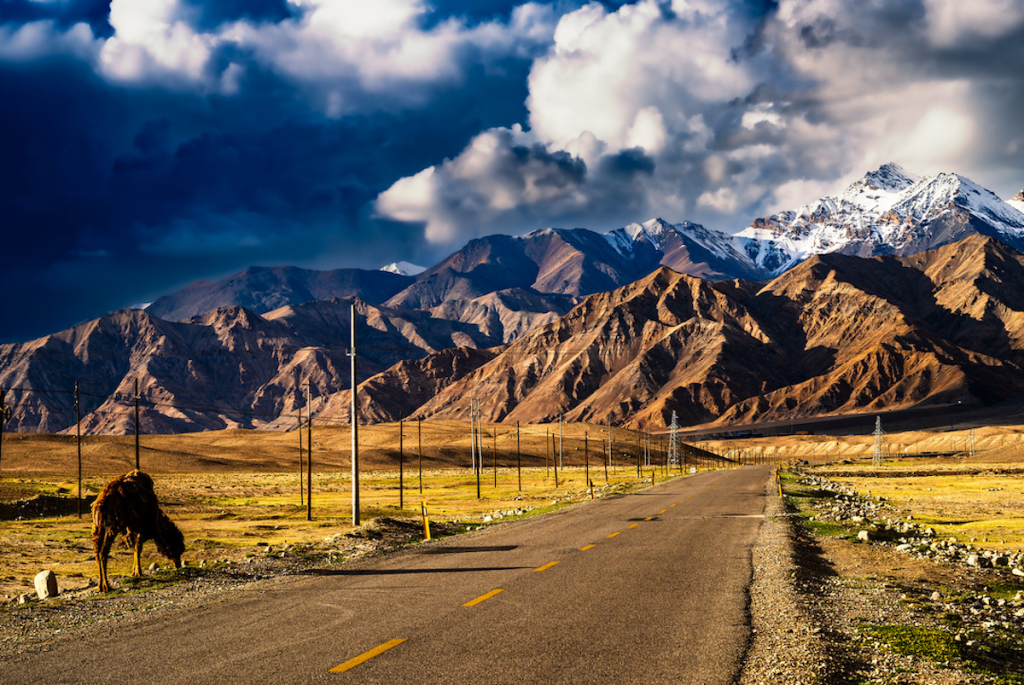
Μία σημαντική εξέλιξη στις χερσαίες μεταφορές και στις γεωπολιτικές ισορροπίες της Κεντρικής Ασίας καταγράφεται στο Αφγανιστάν, με την ολοκλήρωση νέου δρόμου στον στρατηγικής σημασίας διάδρομο Ουαχάν.
Σύμφωνα με ανάλυση του Imran Khurshid που δημοσιεύθηκε στις 9 Οκτωβρίου 2026 στο Asia Times, οι αφγανικές αρχές εγκαινίασαν οδική διαδρομή 121 χιλιομέτρων, η οποία εκτείνεται από την περιοχή Μπρογκίλ έως τα σύνορα με την Κίνα, στην επαρχία Μπανταχσάν.
Το έργο κόστισε περίπου 365 εκατομμύρια αφγάνι, ποσό που αντιστοιχεί σε περίπου 5,5 εκατομμύρια δολάρια.
Κατά τις αφγανικές ανακοινώσεις, κατασκευάστηκε από ντόπιους μηχανικούς και εργαζομένους, χωρίς τη συμμετοχή ξένων τεχνικών συμβούλων.
Η νέα διαδρομή φθάνει στα σινοαφγανικά σύνορα. Αυτό, ωστόσο, δεν σημαίνει ότι λειτουργεί ήδη πλήρης διεθνής εμπορευματικός διάδρομος, καθώς εξακολουθούν να υπάρχουν σημαντικοί τεχνικοί και συνοριακοί περιορισμοί.
Γιατί ο διάδρομος Ουαχάν έχει στρατηγική σημασία
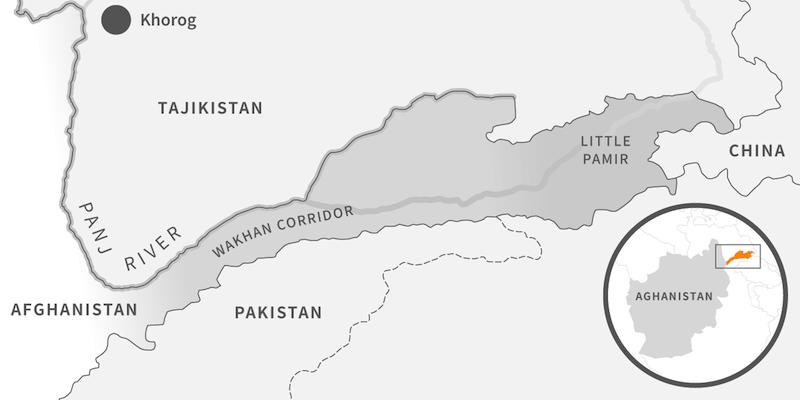
Ο διάδρομος Ουαχάν αποτελεί μια στενή λωρίδα αφγανικού εδάφους ανάμεσα στο Τατζικιστάν, το Πακιστάν και την Κίνα.
Η γεωγραφική του διαμόρφωση συνδέεται με τον ανταγωνισμό της Βρετανικής και της Ρωσικής Αυτοκρατορίας κατά τον 19ο αιώνα.
Η περιοχή διατηρήθηκε ως ζώνη διαχωρισμού των δύο αυτοκρατορικών σφαιρών επιρροής, αποτελώντας ένα από τα χαρακτηριστικότερα γεωγραφικά κατάλοιπα του λεγόμενου «Μεγάλου Παιχνιδιού».
Σήμερα, η ίδια περιοχή αποκτά νέα σημασία, αυτή τη φορά λόγω της προσπάθειας σύνδεσης της Κίνας με το Αφγανιστάν και ευρύτερα με την Κεντρική Ασία.
Ο δρόμος ανοίγει τη δυνατότητα δημιουργίας μιας εναλλακτικής οδού μεταφορών, περιορίζοντας δυνητικά την ανάγκη διέλευσης από το πακιστανικό έδαφος.
Το πρόβλημα της Κίνας με τον οικονομικό διάδρομο CPEC
Το ενδιαφέρον της εξέλιξης εντοπίζεται κυρίως στην προσπάθεια του Πεκίνου να περιορίσει την εξάρτησή του από ευάλωτες υποδομές.
Ο Οικονομικός Διάδρομος Κίνας–Πακιστάν, γνωστός ως CPEC, αποτελεί ένα από τα σημαντικότερα προγράμματα της κινεζικής πρωτοβουλίας Belt and Road.
Μέσω του συγκεκριμένου σχεδίου, η Κίνα επιχειρεί να ενισχύσει τις εμπορικές και ενεργειακές συνδέσεις της με τη Νότια Ασία και την Αραβική Θάλασσα.
Ωστόσο, η υλοποίηση των έργων έχει αντιμετωπίσει σοβαρές δυσκολίες.
Στην επαρχία Μπαλουχιστάν, οργανώσεις αυτονομιστών έχουν πραγματοποιήσει επανειλημμένες επιθέσεις εναντίον κινεζικών συμφερόντων, εγκαταστάσεων και εργαζομένων.
Οι επιθέσεις αυτές έχουν επιβαρύνει την ασφάλεια των υποδομών και έχουν αυξήσει το κόστος προστασίας των κινεζικών επενδύσεων.
Παράλληλα, έχουν διατυπωθεί καταγγελίες για καθυστερήσεις, κακοδιαχείριση και προβλήματα διαφάνειας σε επιμέρους προγράμματα του CPEC.
Η εδαφική διαμάχη με την Ινδία
Μια επιπλέον γεωπολιτική δυσκολία συνδέεται με τη διέλευση του CPEC από το Γκιλγκίτ–Μπαλτιστάν.
Η περιοχή διοικείται από το Πακιστάν, αλλά διεκδικείται από την Ινδία, στο πλαίσιο της ευρύτερης διαμάχης για το Κασμίρ.
Το Νέο Δελχί έχει αντιταχθεί επανειλημμένα σε έργα που διέρχονται από εδάφη τα οποία θεωρεί τμήμα της δικής του επικράτειας.
Αυτό σημαίνει ότι ο οικονομικός διάδρομος Κίνας–Πακιστάν δεν αποτελεί μόνο αναπτυξιακό πρόγραμμα, αλλά συνδέεται με μία από τις πιο ευαίσθητες εδαφικές αντιπαραθέσεις της Ασίας.
Η δημιουργία εναλλακτικών διαδρομών μέσω του Αφγανιστάν θα μπορούσε μακροπρόθεσμα να προσφέρει στο Πεκίνο μεγαλύτερη ευελιξία.
Δεν υπάρχει, πάντως, ένδειξη ότι ο δρόμος του Ουαχάν μπορεί σήμερα να αντικαταστήσει τις μεγάλες μεταφορικές υποδομές του CPEC.
Η Καμπούλ επιχειρεί να μειώσει την εξάρτησή της από το Ισλαμαμπάντ
Για την κυβέρνηση των Ταλιμπάν, το έργο έχει και μία σαφή πολιτική διάσταση.
Το Αφγανιστάν εξαρτάται σε σημαντικό βαθμό από συνοριακές διαβάσεις και μεταφορικούς άξονες που περνούν από το Πακιστάν.
Οι επανειλημμένες εντάσεις ανάμεσα στις δύο χώρες έχουν προκαλέσει κλείσιμο συνοριακών περασμάτων, διακοπές εμπορικών ροών και επιβάρυνση της αφγανικής οικονομίας.
Μια εναλλακτική χερσαία διέξοδος προς την Κίνα θα μπορούσε, εφόσον αναπτυχθεί και καταστεί λειτουργική, να μειώσει τη δυνατότητα του Πακιστάν να χρησιμοποιεί τη γεωγραφική του θέση ως μέσο πίεσης προς την Καμπούλ.
Η αφγανική πλευρά αντιμετωπίζει το έργο ως σημαντική υποδομή οικονομικής και στρατηγικής αυτονομίας.
Η στάση της Κίνας και της Ρωσίας
Παρά την προοπτική άμεσης σύνδεσης, το Πεκίνο δεν έχει εγκαταλείψει τον οικονομικό διάδρομο CPEC ούτε έχει ανακοινώσει ότι ο Ουαχάν θα τον αντικαταστήσει.
Η Κίνα εξακολουθεί να διατηρεί σημαντικά οικονομικά και στρατηγικά συμφέροντα στο Πακιστάν.
Αντίστοιχα, η Ρωσία ενδιαφέρεται για τη σταθερότητα του Αφγανιστάν και για την ανάπτυξη νέων δικτύων επικοινωνίας στην Κεντρική Ασία.
Η δημιουργία περισσότερων επιλογών διασύνδεσης ενδέχεται να περιορίσει την αποκλειστική σημασία ορισμένων παραδοσιακών μεταφορικών διαδρομών.
Η πραγματική αξία του Ουαχάν θα εξαρτηθεί από τη βελτίωση των οδικών υποδομών, τη λειτουργία συνοριακών και τελωνειακών εγκαταστάσεων, τις καιρικές συνθήκες και τις πολιτικές αποφάσεις της Κίνας.
Το μήνυμα προς το Πακιστάν
Η νέα διαδρομή αναδεικνύει μια σημαντική γεωπολιτική πραγματικότητα: η γεωγραφική θέση ενός κράτους προσφέρει στρατηγικά πλεονεκτήματα, αλλά η αξιοποίησή τους εξαρτάται από την ασφάλεια και την αξιοπιστία των μεταφορικών του δικτύων.
Το Πακιστάν εξακολουθεί να αποτελεί κρίσιμο εταίρο της Κίνας, ιδιαίτερα στο πλαίσιο του CPEC.
Ταυτόχρονα, όμως, η αστάθεια, οι επιθέσεις σε κινεζικά συμφέροντα και οι αντιπαραθέσεις με το Αφγανιστάν δημιουργούν κίνητρα αναζήτησης εναλλακτικών επιλογών.
Ο διάδρομος Ουαχάν δεν έχει ακόμη μετατραπεί σε μεγάλο εμπορικό πέρασμα. Η κατασκευή του δρόμου, ωστόσο, καταδεικνύει ότι το Αφγανιστάν επιχειρεί να αποκτήσει πρόσθετες διεθνείς συνδέσεις και ότι η αποκλειστική εξάρτηση από το Πακιστάν δεν αποτελεί πλέον τη μοναδική γεωγραφική επιλογή.
Για το Ισλαμαμπάντ, η εξέλιξη αποτελεί μια νέα στρατηγική παράμετρο που θα πρέπει να συνυπολογίσει στις σχέσεις του με το Πεκίνο και την Καμπούλ.
Διεθνή
Γερμανία: Το ρωσικό φυσικό αέριο επιστρέφει έμμεσα μέσω των λιπασμάτων, παρά τους ευρωπαϊκούς δασμούς
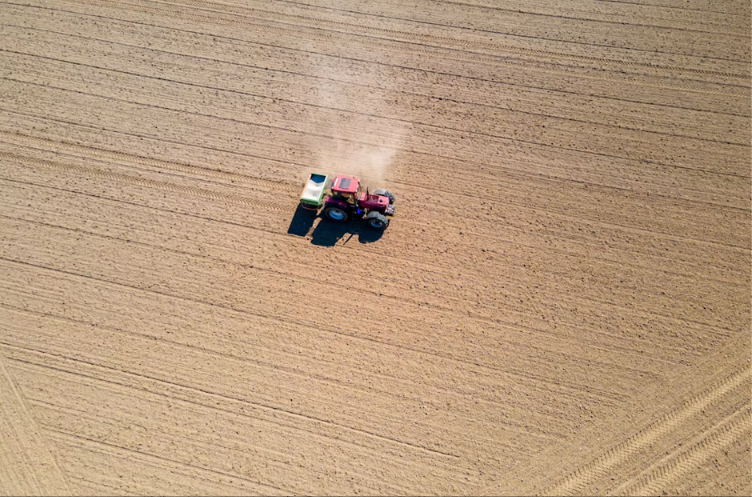
Οι εισαγωγές ρωσικών αζωτούχων λιπασμάτων μειώθηκαν κατά 66% το 2025-2026, αλλά παραμένουν 53% υψηλότερες από τα επίπεδα πριν από τον πόλεμο στην Ουκρανία.
Το υψηλό ενεργειακό κόστος στη Γερμανία διατηρεί ανταγωνιστικά τα ρωσικά προϊόντα, σύμφωνα με στοιχεία που δημοσίευσε η Berliner Zeitung. Η Γερμανία εξακολουθεί να συνδέεται εμπορικά με το ρωσικό φυσικό αέριο, παρά τις ευρωπαϊκές προσπάθειες περιορισμού της ενεργειακής εξάρτησης από τη Μόσχα.
Αυτή τη φορά, η σύνδεση δεν αφορά αποκλειστικά την άμεση προμήθεια φυσικού αερίου, αλλά τις εισαγωγές λιπασμάτων που παράγονται με τη χρήση ρωσικού αερίου ως πρώτης ύλης και πηγής ενέργειας. Σύμφωνα με δημοσίευμα της γερμανικής εφημερίδας, που βασίζεται σε στοιχεία του Γερμανικού Ομοσπονδιακού Στατιστικού Γραφείου και του Συνδέσμου Αγροτικής Βιομηχανίας (IVA), οι εισαγωγές αζώτου μέσω ρωσικών λιπασμάτων μειώθηκαν σημαντικά κατά το 2025-2026. Ωστόσο, εξακολουθούν να βρίσκονται πάνω από τα επίπεδα που καταγράφονταν πριν από τη ρωσική εισβολή στην Ουκρανία.
Τα στοιχεία των εισαγωγών και η σύγκριση με την προπολεμική περίοδο
Το 2025-2026, η Γερμανία εισήγαγε 48.800 τόνους αζώτου μέσω λιπασμάτων ρωσικής προέλευσης. Η ποσότητα αυτή είναι μειωμένη κατά περίπου 66% σε σύγκριση με το προηγούμενο έτος, αλλά παραμένει κατά 53% υψηλότερη από τους 31.800 τόνους που είχαν καταγραφεί το 2020-2021, πριν από τον πόλεμο.
Η εξέλιξη των εισαγωγών δείχνει πόσο έντονη ήταν η αύξηση μετά το 2022. Το 2021-2022 οι εισαγωγές έφτασαν τους 56.800 τόνους αζώτου, ενώ το 2022-2023 εκτοξεύθηκαν στους 185.100 τόνους. Στη συνέχεια καταγράφηκαν 140.200 τόνοι το 2023-2024 και 143.800 τόνοι το 2024-2025, προτού σημειωθεί η μεγάλη υποχώρηση της τελευταίας περιόδου. Τα στοιχεία αφορούν την ποσότητα του αζώτου που περιέχεται στα εισαγόμενα λιπάσματα και όχι το συνολικό βάρος των προϊόντων.
Τα λιπασματικά έτη υπολογίζονται από τον Ιούλιο έως τον Ιούνιο. Η ποσότητα αζώτου που εισήχθη στη Γερμανία μέσω ρωσικής ουρίας μειώθηκε από 71.600 τόνους σε 27.600 τόνους, καταγράφοντας πτώση άνω του 61%. Παρά τη μείωση, η ποσότητα εξακολουθεί να είναι σχεδόν τριπλάσια από τους 9.900 τόνους του 2020-2021. Η συγκεκριμένη εξέλιξη αναδεικνύει το βασικό πρόβλημα της ευρωπαϊκής πολιτικής περιορισμού των εμπορικών δεσμών με τη Ρωσία. Ακόμη και όταν περιορίζονται οι εισαγωγές συγκεκριμένων προϊόντων, οι οικονομικές σχέσεις μπορούν να διατηρούνται μέσω άλλων κατηγοριών αγαθών, ιδιαίτερα όταν αυτά έχουν χαμηλότερο κόστος παραγωγής.
Γιατί οι ρωσικές εισαγωγές παραμένουν ανταγωνιστικές
Καθοριστικός παράγοντας είναι το υψηλό ενεργειακό κόστος στη Γερμανία και στην υπόλοιπη Ευρώπη. Η παραγωγή αζωτούχων λιπασμάτων απαιτεί μεγάλες ποσότητες φυσικού αερίου, το οποίο χρησιμοποιείται τόσο ως πρώτη ύλη όσο και ως πηγή ενέργειας. Σύμφωνα με τον Σύνδεσμο Αγροτικής Βιομηχανίας (IVA), οι ευρωπαϊκοί δασμοί, που τέθηκαν σε ισχύ τον Ιούλιο του 2025, περιόρισαν σημαντικά τις εισαγωγές ρωσικών λιπασμάτων. Ωστόσο, δεν εξάλειψαν το ανταγωνιστικό πλεονέκτημα των ρωσικών προϊόντων. Ο σύνδεσμος επισημαίνει ότι οι υψηλές τιμές ενέργειας δυσκολεύουν τις ευρωπαϊκές επιχειρήσεις να αυξήσουν την εγχώρια παραγωγή και να καλύψουν μεγαλύτερο μέρος των αναγκών της αγοράς. Ως αποτέλεσμα, τα ρωσικά λιπάσματα εξακολουθούν να παραμένουν ελκυστικά, ακόμη και μετά την επιβολή πρόσθετων δασμών.
Παράλληλα, σύμφωνα με τον IVA, είναι πιθανό ορισμένες ποσότητες ρωσικών προϊόντων να φτάνουν στη γερμανική αγορά μέσω άλλων κρατών-μελών της Ευρωπαϊκής Ένωσης. Το μέγεθος αυτών των έμμεσων εισαγωγών, ωστόσο, δεν μπορεί να προσδιοριστεί με ακρίβεια από τα διαθέσιμα στοιχεία.
Δεν αποδίδονται οι αυξήσεις των τιμών αποκλειστικά στους δασμούς
Το ζήτημα έχει άμεση σημασία για τους Γερμανούς αγρότες, καθώς το κόστος των λιπασμάτων επηρεάζει την παραγωγή και, τελικά, την οικονομική βιωσιμότητα των καλλιεργειών. Ο IVA υποστηρίζει ότι η μείωση των ρωσικών εισαγωγών δεν έχει προκαλέσει μέχρι στιγμής σαφή αύξηση των τιμών εξαιτίας των δασμών. Σύμφωνα με τον σύνδεσμο, η εγχώρια παραγωγική δυναμικότητα και οι εισαγωγές από άλλες χώρες, μεταξύ των οποίων η Αίγυπτος, επαρκούν για την κάλυψη των αναγκών της αγοράς. Την ίδια στιγμή, ο σύνδεσμος αποδίδει τις υψηλές τιμές των λιπασμάτων το 2026 στις διεθνείς ενεργειακές αναταράξεις, στον πόλεμο με το Ιράν και στην κρίση γύρω από τα Στενά του Ορμούζ, παράγοντες που επηρεάζουν το κόστος μεταφοράς και τις παγκόσμιες τιμές ενέργειας και λιπασμάτων.
Οι εκτιμήσεις αυτές αποτελούν τις θέσεις του κλαδικού συνδέσμου και δεν συνιστούν από μόνες τους ανεξάρτητη αξιολόγηση όλων των παραγόντων που διαμορφώνουν τις τιμές.
Νέες πιέσεις για περιορισμό των ρωσικών εισαγωγών
Με αφορμή τα στοιχεία, ο IVA ζητά να εξεταστεί η επιβολή πρόσθετων δασμών στις εισαγωγές καλιούχων λιπασμάτων από τη Ρωσία και τη Λευκορωσία. Το κάλιο αποτελεί βασικό θρεπτικό στοιχείο για τις καλλιέργειες και αντιπροσωπεύει μια ακόμη κατηγορία προϊόντων στην οποία η ευρωπαϊκή αγορά διατηρεί εμπορικές σχέσεις με τις δύο χώρες.
Ο σύνδεσμος εκτιμά ότι η ευρωπαϊκή βιομηχανία μπορεί να καλύψει τις ανάγκες της γεωργίας χωρίς να εξαρτάται από τις συγκεκριμένες εισαγωγές και υποστηρίζει ότι πρόσθετοι δασμοί δεν θα πρέπει να οδηγήσουν αναγκαστικά σε αυξήσεις τιμών. Η συζήτηση, ωστόσο, αποτυπώνει το ευρύτερο δίλημμα της ευρωπαϊκής οικονομικής πολιτικής. Η μείωση της εξάρτησης από τη Ρωσία απαιτεί όχι μόνο εμπορικούς περιορισμούς, αλλά και ανταγωνιστική εγχώρια παραγωγή, προσιτό ενεργειακό κόστος και εναλλακτικές πηγές προμήθειας.
Τα δεδομένα της γερμανικής αγοράς δείχνουν ότι οι δασμοί μπορούν να περιορίσουν σημαντικά τις εισαγωγές, χωρίς όμως να εξαλείψουν αυτομάτως τις οικονομικές σχέσεις που στηρίζονται σε διαφορές κόστους παραγωγής. Για τη Γερμανία και την Ευρωπαϊκή Ένωση, η πρόκληση παραμένει η εξισορρόπηση τριών στόχων: της ενεργειακής και οικονομικής ασφάλειας, της στήριξης της εγχώριας βιομηχανίας και της διατήρησης προσιτού κόστους για τον αγροτικό τομέα.
Με πληροφορίες του Συνδέσμου Αγροτικής Βιομηχανίας (IVA) και του Γερμανικού Ομοσπονδιακού Στατιστικού Γραφείου.
Αναλύσεις
Πακιστάν: Μειώθηκαν οι τρομοκρατικές επιθέσεις, αλλά αυξάνονται οι απειλές – Αντάρτικες οργανώσεις αναπτύσσουν νέες τακτικές και στρατολογούν γυναίκες
Η νέα έκθεση του Pakistan Institute for Conflict and Security Studies (PICSS) αποκαλύπτει ένα αντιφατικό περιβάλλον ασφαλείας: Λιγότερες επιθέσεις και θύματα, αλλά αναδιοργάνωση ένοπλων ομάδων, χρήση drones, εσωτερικές συγκρούσεις και αυξανόμενη αστάθεια στο Μπαλουχιστάν. Η πολιτική κρίση επιβαρύνει την προσπάθεια αντιμετώπισης της τρομοκρατίας.
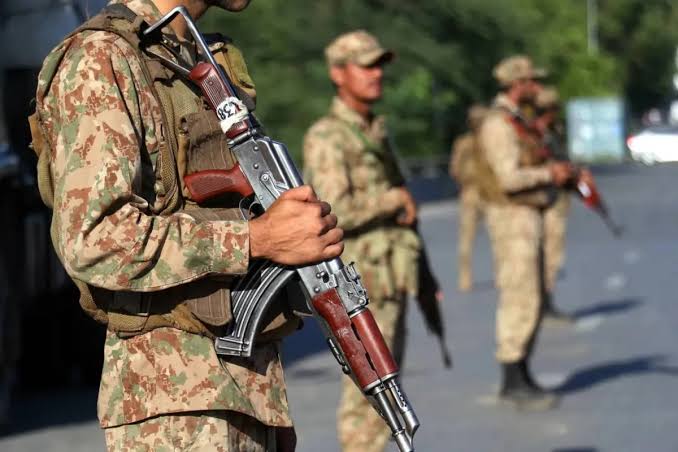
Μια εξαιρετικά σύνθετη εικόνα για την ασφάλεια στο Πακιστάν αποτυπώνει η νέα εβδομαδιαία ανάλυση του Pakistan Institute for Conflict and Security Studies (PICSS), η οποία δημοσιεύθηκε στις 10 Οκτωβρίου 2026. Παρά τη μείωση των επιθέσεων από ένοπλες οργανώσεις κατά την πρώτη εβδομάδα του μήνα, οι εξελίξεις στο εσωτερικό των εξτρεμιστικών και αυτονομιστικών ομάδων δημιουργούν σοβαρά ερωτήματα για την πραγματική αποτελεσματικότητα των επιχειρήσεων ασφαλείας.
Η έκθεση με τίτλο «Pakistan’s Security Paradox: Militant Attacks Decline as Militant Groups Signal New Developments» καταγράφει υποχώρηση των επιθέσεων, αλλά παράλληλα εντοπίζει ενδείξεις οργανωτικής αναδιάρθρωσης, νέων επιχειρησιακών μεθόδων και εντατικοποίησης της προπαγανδιστικής δραστηριότητας.
Μείωση 18% στις επιθέσεις – Παραμένει σοβαρή η απειλή
Σύμφωνα με το PICSS, από τις 2 έως τις 8 Οκτωβρίου καταγράφηκαν συνολικά 46 επιθέσεις ενόπλων οργανώσεων στο Πακιστάν, έναντι 56 την αμέσως προηγούμενη εβδομάδα.
Η μείωση ανέρχεται στο 18%, ενώ αισθητή είναι και η υποχώρηση του αριθμού των θυμάτων.
Οι νεκροί μειώθηκαν από 52 σε 42 και οι τραυματίες από 53 σε 23.
Ωστόσο, η εικόνα δεν είναι ομοιόμορφη σε ολόκληρη τη χώρα.
Στην επαρχία Μπαλουχιστάν, όπου δραστηριοποιούνται ιδιαίτερα ενεργές αυτονομιστικές οργανώσεις, οι απώλειες αυξήθηκαν παρά τη μείωση του αριθμού των επιθέσεων.
Το στοιχείο αυτό δημιουργεί προβληματισμό για το κατά πόσον οι ένοπλες ομάδες μεταβάλλουν τις τακτικές τους, πραγματοποιώντας λιγότερες αλλά δυνητικά πιο φονικές επιχειρήσεις.
Οι Πακιστανοί Ταλιμπάν αλλάζουν τακτική – Drones και ελεύθεροι σκοπευτές
Ιδιαίτερο ενδιαφέρον παρουσιάζουν οι εξελίξεις στο εσωτερικό της Tehrik-i-Taliban Pakistan (TTP), της οργάνωσης που είναι γνωστή ως Πακιστανοί Ταλιμπάν.
Σύμφωνα με την ανάλυση, η TTP επέβαλε περιορισμούς στη χρήση των μέσων κοινωνικής δικτύωσης από τα μέλη της.
Η συγκεκριμένη απόφαση αποκτά σημασία σε μια περίοδο κατά την οποία οι ένοπλες οργανώσεις χρησιμοποιούν τις ψηφιακές πλατφόρμες τόσο για προπαγάνδα όσο και για την προβολή των επιχειρησιακών τους δυνατοτήτων.
Την ίδια στιγμή, η TTP δημοσιοποίησε οπτικό υλικό στο οποίο υποστηρίζει ότι καταγράφονται επιθέσεις με τετρακόπτερα μη επανδρωμένα αεροσκάφη και ενέργειες ελεύθερων σκοπευτών.
Οι ισχυρισμοί αυτοί δεν συνιστούν ανεξάρτητη επιβεβαίωση της αποτελεσματικότητας ή της έκτασης χρήσης των συγκεκριμένων μέσων.
Παρ’ όλα αυτά, η προβολή τέτοιων επιχειρήσεων εντάσσεται σε μια ευρύτερη προσπάθεια των οργανώσεων να παρουσιάσουν εικόνα τεχνολογικής προσαρμογής και να ενισχύσουν την επιρροή τους.
Εσωτερικές συγκρούσεις στις ένοπλες οργανώσεις
Την ίδια περίοδο, η Jamaat-ul-Ahrar, οργάνωση που έχει συνδεθεί με το δίκτυο των Πακιστανών Ταλιμπάν, ανακοίνωσε ότι πραγματοποίησε 122 επιθέσεις κατά τη διάρκεια του Σεπτεμβρίου.
Πρόκειται για αριθμό που προέρχεται από τους ισχυρισμούς της ίδιας της οργάνωσης και δεν πρέπει να συγχέεται με τα ανεξάρτητα καταγεγραμμένα περιστατικά του PICSS.
Παράλληλα, αναφέρθηκαν αιματηρές συγκρούσεις ανάμεσα σε μαχητές της Jamaat-ul-Ahrar και αντίπαλης φράξιας της TTP στην περιοχή Ορακζάι.
Οι πληροφορίες αυτές αναδεικνύουν ένα επιπλέον πρόβλημα για την ασφάλεια του Πακιστάν: τον κατακερματισμό του περιβάλλοντος των ενόπλων οργανώσεων.
Οι εσωτερικές συγκρούσεις ενδέχεται να αποδυναμώνουν προσωρινά ορισμένα δίκτυα, αλλά μπορούν επίσης να προκαλέσουν νέες αντιπαραθέσεις, ανακατατάξεις και αποσχίσεις.
Μπαλουχιστάν: Ένοπλη γυναικεία μονάδα και κλιμάκωση της προπαγάνδας
Σημαντικές εξελίξεις καταγράφονται και στο Μπαλουχιστάν, την επαρχία του νοτιοδυτικού Πακιστάν που συνορεύει με το Ιράν και το Αφγανιστάν και έχει στρατηγική σημασία λόγω των φυσικών πόρων και της πρόσβασής της στην Αραβική Θάλασσα.
Το Balochistan Liberation Front (BLF), μία από τις οργανώσεις που επιδιώκουν την ανεξαρτησία του Μπαλουχιστάν, δημοσιοποίησε υλικό για τη συγκρότηση νέου γυναικείου ένοπλου σχηματισμού.
Η συγκεκριμένη κίνηση προβάλλεται από την οργάνωση ως οργανωτική εξέλιξη. Δεν υπάρχουν, ωστόσο, επαρκή ανεξάρτητα στοιχεία στο δημόσιο απόσπασμα της έκθεσης για τον αριθμό των μελών ή τις πραγματικές επιχειρησιακές δυνατότητες της νέας μονάδας.
Παράλληλα, ο Balochistan Liberation Army (BLA), άλλη σημαντική αυτονομιστική ένοπλη οργάνωση, απέρριψε κατηγορίες περί συνεργασίας με την TTP.
Ο BLA δημοσιοποίησε επίσης οπτικό υλικό από επιχειρήσεις που ισχυρίζεται ότι πραγματοποίησαν μέλη του.
Άλλες οργανώσεις των Μπαλούχων προχώρησαν σε ανάλογες κινήσεις, προβάλλοντας τη δράση τους και διατυπώνοντας ισχυρισμούς για δραστηριότητες συλλογής πληροφοριών.
Οι εξελίξεις καταδεικνύουν ότι η σύγκρουση στο Μπαλουχιστάν δεν περιορίζεται στις ένοπλες επιθέσεις, αλλά περιλαμβάνει και έναν παράλληλο αγώνα επιρροής, επικοινωνίας και πολιτικής νομιμοποίησης.
Πολιτική κρίση και αντιτρομοκρατία
Πέρα από την ένοπλη βία, η έκθεση του PICSS επισημαίνει ότι η εσωτερική πολιτική αστάθεια δυσχεραίνει τη διαμόρφωση αποτελεσματικής πολιτικής ασφαλείας.
Η κατάρρευση των διαπραγματεύσεων μεταξύ της κυβέρνησης και του Pakistan Tehreek-e-Insaf (PTI), του κόμματος που ίδρυσε ο πρώην πρωθυπουργός Ιμράν Χαν, περιπλέκει τις προσπάθειες συντονισμού στην επαρχία Χάιμπερ Παχτούνχβα.
Η περιοχή αποτελεί ένα από τα σημαντικότερα μέτωπα της δράσης των Πακιστανών Ταλιμπάν, λόγω της εγγύτητάς της με το Αφγανιστάν και της μακρόχρονης παρουσίας ένοπλων δικτύων.
Οι πολιτικές αντιπαραθέσεις μεταξύ κεντρικής κυβέρνησης και αντιπολίτευσης μπορούν να δυσχεράνουν τον συντονισμό, τη διοικητική συνεργασία και τη διαμόρφωση κοινής στρατηγικής για την αντιμετώπιση της τρομοκρατίας.
Το πρόβλημα αποκτά ιδιαίτερη σημασία όταν συνδυάζεται με την ανάγκη προστασίας παραμεθόριων περιοχών και αντιμετώπισης οργανώσεων με διασυνοριακές διασυνδέσεις.
Αφγανιστάν, Ινδία και περιφερειακές αμυντικές συμφωνίες
Οι προκλήσεις που αντιμετωπίζει το Ισλαμαμπάντ δεν περιορίζονται στο εσωτερικό της χώρας.
Οι σχέσεις με το Αφγανιστάν παραμένουν κρίσιμος παράγοντας ασφαλείας, καθώς το Πακιστάν αποδίδει σε ένοπλα δίκτυα που δρουν από αφγανικό έδαφος σημαντικό μέρος των επιθέσεων εναντίον του.
Την ίδια στιγμή, η αντιπαράθεση με την Ινδία εξακολουθεί να επηρεάζει τον στρατηγικό σχεδιασμό των πακιστανικών ενόπλων δυνάμεων.
Στο περιφερειακό περιβάλλον προστίθενται οι νέες αμυντικές διευθετήσεις και οι προσπάθειες του Πακιστάν να διατηρήσει ή να ενισχύσει τις στρατηγικές του συνεργασίες.
Η συνύπαρξη εσωτερικών απειλών, πολιτικής αβεβαιότητας και εξωτερικών δεσμεύσεων δημιουργεί αυξημένες απαιτήσεις για τον στρατιωτικό μηχανισμό και τις υπηρεσίες ασφαλείας.
Οι αριθμοί δεν λένε ολόκληρη την ιστορία
Η εβδομαδιαία έκθεση του PICSS θέτει ένα ουσιαστικό ερώτημα: αποτελεί η μείωση των τρομοκρατικών επιθέσεων ένδειξη βελτίωσης της ασφάλειας ή πρόκειται για προσωρινή υποχώρηση της βίας, ενώ οι οργανώσεις αναπροσαρμόζουν τις τακτικές και τις δομές τους;
Η απάντηση δεν μπορεί να προκύψει αποκλειστικά από την καταμέτρηση των επιθέσεων.
Η χρήση νέων επιχειρησιακών μέσων, οι εσωτερικές διαμάχες, η συγκρότηση νέων ένοπλων σχηματισμών και η αυξημένη προπαγανδιστική δραστηριότητα συνθέτουν μια εικόνα που απαιτεί διαρκή παρακολούθηση.
Άλλωστε, τα στοιχεία του PICSS για ολόκληρο τον Σεπτέμβριο είχαν καταγράψει 225 επιθέσεις, τον υψηλότερο μηνιαίο αριθμό εδώ και δώδεκα χρόνια, γεγονός που αναδεικνύει τη σοβαρότητα της κατάστασης παρά την πρόσφατη εβδομαδιαία υποχώρηση.
Το Πακιστάν βρίσκεται αντιμέτωπο με μια πολυεπίπεδη κρίση ασφαλείας, στην οποία αλληλεπιδρούν τζιχαντιστικές οργανώσεις, αυτονομιστικά κινήματα, πολιτικές αντιπαραθέσεις και περιφερειακοί ανταγωνισμοί.
Η μείωση της συχνότητας των επιθέσεων αποτελεί θετική ένδειξη σε επίπεδο εβδομαδιαίων στατιστικών. Δεν αρκεί, όμως, από μόνη της για να αποδείξει ότι οι απειλές περιορίζονται σε βάθος χρόνου.
Το κρίσιμο ζήτημα για το Ισλαμαμπάντ δεν είναι μόνο πόσες επιθέσεις καταγράφονται, αλλά κατά πόσον το κράτος μπορεί να αντιμετωπίσει τις οργανώσεις που εξακολουθούν να διαθέτουν δυνατότητα στρατολόγησης, προσαρμογής και πραγματοποίησης νέων επιχειρήσεων.


Πόλεμος συμφερόντων για το LNG – Το τουρκικό σχέδιο και η ελληνική απάντηση
Στο Direct News, ο Ανδρέας Μουντζουρούλιας παρουσιάζει τις πληροφορίες του για τον GSI, αναλύει τα τουρκικά δημοσιεύματα για την Γκίλφοϊλ...


Arolsen Archives: Το αρχείο που αναζητά τα ίχνη εκατομμυρίων θυμάτων του ναζισμού
Στη γερμανική πόλη Μπαντ Άρολσεν φυλάσσεται μία από τις σημαντικότερες συλλογές τεκμηρίων για τα θύματα των ναζιστικών διώξεων. Περισσότερα από...


Πού βρίσκεται η Ελλάδα στον σχεδιασμό του IMEC;
Η επίκληση της ελληνικής κληρονομιάς, η κριτική για τις αμερικανικές τοποθετήσεις στα ελληνοτουρκικά και η ανάγκη μιας εθνικής στρατηγικής που...

Νέα τουρκική πρόκληση νότια του Καστελλόριζου! NAVTEX της Άγκυρας στην περιοχή που θα περάσει το γαλλικό ερευνητικό για το καλώδιο Ελλάδας–Κύπρου
Η Άγκυρα εξέδωσε NAVTEX για περιοχή νότια του Καστελλόριζου, όπου έχει προγραμματιστεί η πολυεθνική άσκηση «EUNOMIA», αμφισβητώντας τη δικαιοδοσία του...


EurAsia Review: Ποιοι προστατεύουν τα κυκλώματα λαθρεμπορίου στα σύνορα Ιράν, Πακιστάν και Αφγανιστάν – Ο σκοτεινός ρόλος παραγόντων ασφαλείας
Ένα εκτεταμένο σύστημα παράνομου εμπορίου, διαφθοράς και πολιτικής προστασίας περιγράφει σε ανάλυσή του το EurAsia Review. Από τα καύσιμα και...
-
 Αναλύσεις4 εβδομάδες πριν
Το τελεσίγραφο Καλίν την ώρα που η Τουρκία προετοιμάζεται για πόλεμο!
-
 Άμυνα3 μήνες πριν
Ρωσσικό ΜΜΕ: Ελληνικό «μπλόκο» στην απαίτηση για Patriot – Πώς γνωρίζει το Κίεβο απόρρητα στοιχεία για τους πυραύλους μας;
-

 ΑΝΑΡΤΗΣΕΙΣ ΜΕ ΣΗΜΑΣΙΑ3 μήνες πριν
Πακιστανός με καναδική υπηκοότητα ο υπαίτιος της πυρκαγιάς στον Έβρο! Πιθανόν να μετέφερε μετανάστες
-

 GEOPOLITICO1 μήνα πριν
Το διέρρευσε ο Παπαχελάς! Έφεραν τον Καλίν στο Μαξίμου – Τί συζήτησε με τον Μητσοτάκη;
-
 Αναλύσεις2 μήνες πριν
Καραγκιούλ: «Αν Ελλάδα, Κύπρος και Ισραήλ επιτεθούν στην Τουρκία, ο χάρτης του Αιγαίου θα αλλάξει»
-

 ΑΝΑΡΤΗΣΕΙΣ ΜΕ ΣΗΜΑΣΙΑ2 μήνες πριν
Ξέσπασμα της μητέρας της Μυρτούς για την υπόθεση Τζαβέντ Ασλάμ: «Δεν ξεχνώ ποτέ» – «Δήμαρχος των Πακιστανών ο Δούκας»
-

 GEOPOLITICO4 εβδομάδες πριν
Τί λέει Τούρκος δημοσιογράφος για Σάββα Καλεντερίδη; «Έκανε πολύ καλά τη δουλειά του για τη χώρα του – Δεν μπορούσε να τον στριμώξει η ΜİΤ»
-

 Αναλύσεις3 μήνες πριν
Εάν η Τουρκία απορρίψει τη συμφωνία αποχώρησης από την Κύπρο θα απομακρυνθεί δια της βίας