Οικονομία
Economist Paul Craig Roberts: Greece Must Leave the Eurozone to Regain Its Sovereignty
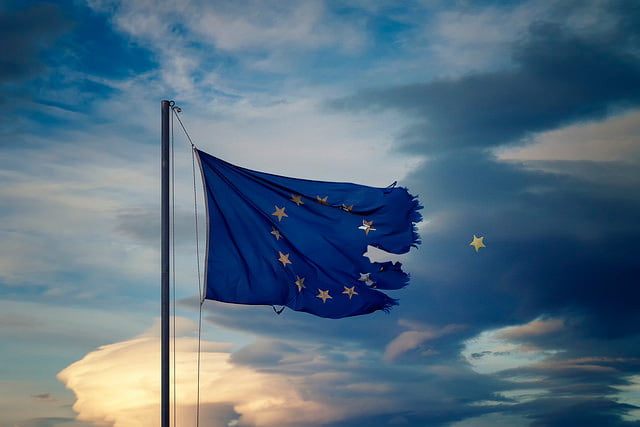
 If
IfGreece remains in the EU and continues using the euro, there is no
prospect of the country seeing a real economic recovery. (Photo: Theophilos Papadopoulos)
In Greece, the Syriza-led coalition government is now set to agree to
new rounds of cuts and privatizations demanded by the country’s
lenders. Prior to its initial election in January 2015, Syriza had
promised to abolish the country’s loan agreements and austerity
policies. Now, unemployment remains at record levels, and the young and
educated continue to leave the country, while recent large-scale
privatizations such as the sell-off of the port of Piraeus have been
pushed through.
Paul Craig Roberts, a former undersecretary of the US Treasury and
former Wall Street Journal editor, agreed to share his thoughts on the
recent developments in Greece. The author of over a dozen books and
numerous journal articles, Roberts regularly analyzes global economic
conditions and geopolitics in his writing. In this interview, which has
been lightly edited, he discusses how countries are indebted and forced
to accept austerity, as well as current US economic conditions and the
presidential election.
Michael Nevradakis: You have written that Greece is under foreign occupation. Explain why you believe this is the case.
Paul Craig Roberts: Greece is being looted like a
colony of the private banks, which is what it is. Previous Greek
governments accepted bribes to indebt Greece to private banks. For
example, someone would come from Germany and say, “Let us make you this
nice loan so you can buy German submarines, and here’s a bag full of
money for agreeing.” This is the way much of the Greek debt was built
up.
“By remaining in the EU and using the euro, there is no prospect whatsoever of Greece recovering.”
Normally in the past, when governments had excessive debt that they
couldn’t service, the debt was written down to an amount that could be
serviced. For example, when Mexico couldn’t pay in the 1980s, the debt
was written down, and the US government came up with Brady bonds, which
was a way of writing down the debt. But now that looting is completely
unleashed; the rule is that if a government can’t pay, the people have
to pay, and the way they have to pay is to accept cuts in their
pensions, cuts in employment, lower wages, cuts in social services. And
they have to sell off their municipal water companies, their ports, the
state lottery. This money is then used to pay the private bankers that
lent the governments money that did not really benefit the people very
much, but benefited the foreign recipients of the loans.
This is a looting process; it’s the way that the colonialists looted
the colonies in Africa and Asia, and now what we see is that the West is
looting itself, and this all happens because the people accept it. Even
when they protest, they don’t go far enough. We have here a situation
where the Greek people don’t even understand what they have to do to
save themselves and to be independent … [They accept] EU [European
Union] domination, which means you have no national sovereignty. If
you’re a member of the EU and you use the euro, you have no financial
independence.
You have written a lot about privatization and how it is used
as a strategy to destabilize or weaken countries. How are
privatizations used as a weapon?
When a national resource is privatized, the revenues from that
resource pass outside the hands of the government to private parties. So
it depletes the government of revenues. For example, if the Greek
national lottery is privatized, then those profits from the lottery go
to the private owners. They’re no longer feeding into the government’s
budget. Now, if these private owners are foreigners, as will be the case
for almost all the Greek privatizations, the revenues not only leave
the government budget, [but] they leave the country. Privatization is a
way of diverting Greek revenue sources into foreign, private hands. To
agree to this is to accept being a colony.
In your view, is Greece’s debt sustainable or even
legitimate, and how do the IMF and Western powers use debt as a means to
loot these countries?
Governments are given debt, often with bribes and false promises. There’s a famous book by John Perkins, titled Confessions of an Economic Hit Man,
and in this book, he describes the process, as he was part of it. You
take a development plan, for example, to a foreign government, [but]
these promises are always grossly overstated. The purpose is to get the
government in debt.
“There is no such thing as an independent, sovereign country that cannot create its own money.”
The government falls for the development scheme, contracts the debt,
and when this game doesn’t succeed in servicing the debt, the private
banks say, “You owe us this money, you’ve got to pay it”; the government
says, “We can’t”; and the International Monetary Fund (IMF) comes along
and says, “We’ll protect your credit rating by lending you the money to
pay off the private banks.” This is often described as aid, but it’s
not aid; it’s simply the IMF taking over the private debts and leaving
the government indebted to the IMF.
Then, the IMF says, “Now you have to have these austerity programs,
such as the ones imposed on Greece, so you can pay us back, and also,
you will have to supplement these austerity programs by selling off your
national assets.” Whatever the country has passes into foreign hands,
the revenue streams associated with those assets pass to foreigners, and
it leaves the country more impoverished.
Often, [these countries] still can’t pay the debt, and part of the
deal is you have to accept American military bases, you have to vote
with us in the UN. All sorts of political conditions are put on the
loan, and all of it is done in the name of protecting the country’s
credit rating so that it can continue to borrow. Well, of course, it
can’t borrow anyhow; it’s already over its head in debt, and yet,
government after government continues to fall for this, or is bribed
into it.
Would Greece have any chance of recovery remaining within the eurozone and the European Union?
By remaining in the EU and using the euro, there is no prospect
whatsoever of Greece recovering. In fact, [Greece has] given up so much
now that probably [it] can never recover, even if [it] left the EU. They
had an opportunity to leave and they should have seized it, and the
Russians offered to finance them, but either the government had no
vision, or was intimidated by threats, or felt that it did not have the
public support. So I think now Greece is history. It’s a colony of
Northern European banks.
How could Greece manage an exit from the euro?
They just have their own currency! Every government that joined the
euro gave up their financial sovereignty, because they no longer had a
central bank that could create money to finance the government. So they
became dependent on private banks. These are looting mechanisms. The
minute Greece joined the euro, it gave up its sovereignty. The only way
it can get its sovereignty back is to leave the euro and to bring back
its own currency and use its own central bank to provide the country’s
money, and not rely on German and Dutch banks or on Goldman Sachs. There
is no such thing as an independent, sovereign country that cannot
create its own money.
Shifting to what is happening in the United States, you have
argued that the economic figures provided by the Obama administration
are phony. Why do you argue this is the case, and what do the real
figures show?
First of all, let’s take the consumer price level. That measures
inflation. Over time, the way the government has measured inflation has
fundamentally been altered. Formerly, there was a fixed basket of goods;
items in the basket were weighted according to an estimate of their
percentage of consumer expenditures, and so if an item went up, then the
index would go up by the weight of that item in the basket of goods, so
that you had a measure of a constant standard of living.
What they did was, they introduced the “substitution effect.” They
argued that when the price of something goes up, consumers substitute a
less expensive alternative. What they started doing, when the price of
something went up, they threw it out of the index and stuck something in
there that was less expensive. In that way, they changed the index from
measuring a constant standard of living to one that measures a
declining standard of living. They do this in order to avoid having to
pay cost of living adjustments on social security. That is one way they
understate inflation.
“It’s impossible for democracy in the US to bring any change, because there’s really not any democracy. There’s an oligarchy.”
The other way they understate inflation is they say not all price
rises are price rises; some are quality improvements. That’s of course
true. On the other hand, the consumer is still faced with a price rise,
and therefore it does cut in to the consumer’s real income. Furthermore,
once you start this, once you say it’s a quality improvement, you can
spread it to everything. All of a sudden, every price increase becomes a
“quality improvement,” and this is the other way they understate the
inflation. So the inflation measures no longer measure inflation. For
example, we’re told we have zero, even negative inflation, but if you
measure the inflation the way the US government previously measured it,
before the so-called reforms, the current rate of inflation in the US is
between 8 and 9 percent. So you see a rapid deterioration, year over
year, in the real incomes of the American people.
How do they measure employment? We now have, according to the
government, a 4.9 [percent] unemployment rate [in the US]. This does not
count any discouraged workers. Discouraged workers who are not
currently searching for jobs are no longer counted in the unemployment
figure.
The government has a second measure of unemployment that is never
reported in the headline news or emphasized in the financial press. This
measure, U6, counts short-term discouraged workers, and if you add the
short-term discouraged workers — and “short-term” means less than one
year — that measure of unemployment is 10 percent. If you add in the
long-term discouraged workers, which no longer [is done in] … any
government measure, the current rate of unemployment in the US right now
is 23 percent. We know this because economic analyst John Williams, who
runs the website ShadowStats.com,
continues to measure long-term unemployment according to the
methodology that the US government used to measure it before abandoning
it. Those are the ways that they create the image of economic success,
when really, there is serious economic deterioration.
With the upcoming presidential election in the US, do you
believe any of the candidates offer any hope for a change of political,
economic or foreign policy direction?
The government is not run by presidents. It’s run by several hundred
assistant secretaries, and they have nominal bosses called cabinet
secretaries … when you get elected, you’re excited and want to get
going and you’ve got to get all of these appointees through the Senate,
you end up having to appoint the people the Senate’s going to confirm.
Otherwise, you never have a government. So unless the revolution also
changed the Senate, so that they were to say, “Yes, let’s appoint all of
these people who will bring change, and undermine all of our
relationships with the power structure, the people who give the
political contributions to keep us in office, let’s wreck all that and
appoint somebody who’s going to make change,” that’s not going to
happen!
As far as I’m concerned, it’s impossible for democracy in the United
States to bring any change, because there’s really not any democracy.
There’s an oligarchy. These are the powerful interest groups that
provide the campaign contributions that elect the House, the Senate and
the president.
Recently, scholars produced a study in which they concluded that the
American people had zero input into the policies of the US government.
That is a fact. So for change to come to US politics, I think it will
come from failure and collapse, from outside the system, from the
system’s failures, from a deep and long-lasting depression, from a
massive military defeat or a massive foreign policy failure that cannot
be disguised, such as the one neoconservatives may be creating for
themselves with the conflict that they are trying to bring to Russia and
China. This is a conflict that could cause the type of failure in
Washington that would bring change, and an economic collapse can cause
the sort of failure that would bring change in Washington. But it’s not
going to happen from domestic politics or the rise of an indigenous
leader.
Copyright, Truthout. May not be reprinted without permission.
Michael Nevradakis
University of Texas at Austin and a US Fulbright Scholar presently based
in Athens, Greece. Michael is also the host of Dialogos Radio, a weekly
radio program featuring interviews and coverage of current events in
Greece.



Οικονομία
Η Ινδία στρέφεται σε Κατάρ και Κόλπο για την ενεργειακή της μετάβαση – Στόχος κεφάλαια για διυλιστήρια και ασφάλεια εφοδιασμού
Το Νέο Δελχί αναζητά συμμετοχή κρατικών επενδυτικών ταμείων του Κόλπου σε ενεργειακές υποδομές – Στο επίκεντρο το Κατάρ, η Saudi Arabia και τα ΗΑΕ
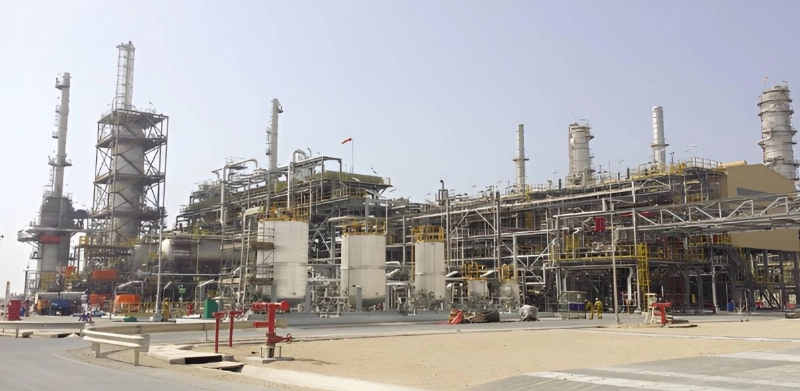
Η Ινδία επιταχύνει την προσπάθειά της να προσελκύσει κεφάλαια από το Κατάρ και άλλες χώρες του Κόλπου για τη χρηματοδότηση της μεγάλης αναβάθμισης του ενεργειακού της τομέα, με βασικό στόχο την επέκταση της διυλιστικής ικανότητας και τη μακροπρόθεσμη ενίσχυση της ενεργειακής ασφάλειας της χώρας.
Σύμφωνα με στοιχεία που παρουσιάζει η Gulf Times, οι ινδικές αρχές επιδιώκουν μεγαλύτερη συμμετοχή κρατικών επενδυτικών ταμείων της Μέσης Ανατολής σε έργα του downstream τομέα, δηλαδή σε διύλιση, επεξεργασία και υποδομές που βρίσκονται στο τελικό στάδιο της ενεργειακής αλυσίδας.
Η κίνηση εντάσσεται στον ευρύτερο σχεδιασμό του Νέου Δελχί να αυξήσει τη συνολική εθνική διυλιστική ικανότητα από περίπου 5,4 εκατομμύρια βαρέλια ημερησίως σε περισσότερα από 6,2 εκατομμύρια βαρέλια, προκειμένου να καλυφθεί η αυξανόμενη εγχώρια ζήτηση καυσίμων.
Ενδιαφέρον από Σαουδική Αραβία και ΗΑΕ
Ο Ινδός υπουργός Πετρελαίου και Φυσικού Αερίου Hardeep Singh Puri είχε δηλώσει ήδη τον προηγούμενο μήνα ότι μεγάλοι ενεργειακοί παραγωγοί της περιοχής, μεταξύ των οποίων η Σαουδική Αραβία και τα Ηνωμένα Αραβικά Εμιράτα, έχουν εκφράσει ισχυρό ενδιαφέρον για επενδύσεις στον ινδικό τομέα διύλισης.
Η σημασία αυτών των κεφαλαίων είναι διπλή.
Από τη μία πλευρά, η Ινδία αποκτά πρόσβαση σε μακροπρόθεσμη χρηματοδότηση για έργα πολύ μεγάλης κλίμακας.
Από την άλλη, οι χώρες του Κόλπου αποκτούν άμεση συμμετοχή σε μία από τις ταχύτερα αναπτυσσόμενες αγορές ενέργειας στον κόσμο.
Το Κατάρ μπαίνει βαθύτερα στην εξίσωση
Παράλληλα με τη Σαουδική Αραβία και τα ΗΑΕ, το Νέο Δελχί διευρύνει την οικονομική και ενεργειακή προσέγγισή του με το Κατάρ.
Τον Απρίλιο του 2026, κατά τη διάρκεια διήμερης επίσκεψής του στη Ντόχα, ο Hardeep Singh Puri συναντήθηκε με τον υπουργό Επικρατείας για Ενεργειακές Υποθέσεις και διευθύνοντα σύμβουλο της QatarEnergy, Saad Sherida al-Kaabi.
Οι συνομιλίες επικεντρώθηκαν στις στρατηγικές ενεργειακές σχέσεις, στο εμπόριο, στις επενδύσεις και στην ασφάλεια των θαλάσσιων εφοδιαστικών αλυσίδων.
Ιδιαίτερη έμφαση δόθηκε στη σταθερότητα των παγκόσμιων ενεργειακών ροών και στη διατήρηση της απρόσκοπτης θαλάσσιας εμπορικής δραστηριότητας σε περιόδους περιφερειακών κρίσεων.
Από τις αγορές LNG στις κοινές επενδύσεις
Η σχέση Ινδίας–Κατάρ στηριζόταν παραδοσιακά στις μακροχρόνιες συμφωνίες για προμήθεια υγροποιημένου φυσικού αερίου.
Αυτή η σχέση, όμως, φαίνεται ότι διευρύνεται.
Ο διμερής διάλογος μετατοπίζεται σταδιακά από μια απλή σχέση αγοραστή–προμηθευτή προς ένα μοντέλο αμοιβαίας συμμετοχής σε ενεργειακά περιουσιακά στοιχεία.
Χαρακτηριστικό παράδειγμα αποτελεί η συμφωνία της Petronet LNG με την QatarEnergy για προμήθεια 7,5 εκατομμυρίων τόνων LNG ετησίως, στο πλαίσιο μακροχρόνιας συνεργασίας που παραμένει βασικός πυλώνας των ενεργειακών σχέσεων των δύο χωρών.
Το Νέο Δελχί επιδιώκει πλέον το επόμενο βήμα: όχι μόνο να αγοράζει καταριανό αέριο, αλλά να προσελκύσει καταριανά κεφάλαια σε ινδικά διυλιστήρια, δίκτυα και ενεργειακές υποδομές.
Ο ρόλος της Qatar Investment Authority
Η παρουσία του Κατάρ στην ινδική ενεργειακή αγορά δεν ξεκινά τώρα.
Η Qatar Investment Authority (QIA) έχει ήδη πραγματοποιήσει σημαντικές επενδύσεις σε ινδικές εταιρείες ενέργειας και κοινής ωφέλειας.
Τον Φεβρουάριο του 2020 απέκτησε ποσοστό 25,1% στην Adani Electricity Mumbai Limited έναντι περίπου 450 εκατ. δολαρίων.
Τον Αύγουστο του 2023 προχώρησε σε νέα επένδυση, αποκτώντας 2,68% της Adani Green Energy Limited έναντι περίπου 500 εκατ. δολαρίων.
Οι κινήσεις αυτές δείχνουν ότι το καταριανό κρατικό επενδυτικό ταμείο έχει ήδη αποκτήσει επιχειρησιακή παρουσία σε κρίσιμα τμήματα της ινδικής ενεργειακής αγοράς.
Τον Απρίλιο του 2026, ο διοικητής της Κεντρικής Τράπεζας του Κατάρ και πρόεδρος της QIA, Sheikh Bandar bin Mohammed bin Saoud al-Thani, είχε συνάντηση με τον εκτελεστικό διευθυντή της Adani Green Energy, Sagar Adani, με αντικείμενο τις εξελίξεις στις διεθνείς αγορές και τις επενδυτικές προοπτικές.
Θεσμική θωράκιση των επενδύσεων
Ινδία και Κατάρ έχουν ήδη δημιουργήσει μηχανισμούς που διευκολύνουν πιο οργανωμένες επενδυτικές ροές.
Η Joint Task Force on Investment έχει συσταθεί για να εξετάζει επενδυτικές ευκαιρίες σε υποδομές, τεχνολογία και ενέργεια.
Η πρώτη συνεδρίαση της κοινής ομάδας πραγματοποιήθηκε στο Νέο Δελχί τον Ιούνιο του 2024.
Παράλληλα, οι δύο χώρες διαθέτουν εδώ και χρόνια φορολογικό πλαίσιο μέσω της συμφωνίας αποφυγής διπλής φορολογίας, στοιχείο που μειώνει τα εμπόδια για διασυνοριακές επενδύσεις.
Εμπόριο άνω των 13 δισ. δολαρίων
Η οικονομική σχέση είναι ήδη σημαντική.
Το διμερές εμπόριο είχε φτάσει περίπου τα 13,46 δισ. δολάρια το 2023, με την Ινδία να αποτελεί τον δεύτερο μεγαλύτερο εμπορικό εταίρο του Κατάρ.
Οι καταριανές εξαγωγές προς την Ινδία περιλαμβάνουν κυρίως LNG, LPG, χημικά, πετροχημικά, πλαστικά και αλουμίνιο.
Αντίστοιχα, η Ινδία εξάγει προς το Κατάρ δημητριακά, προϊόντα χαλκού, σίδηρο και χάλυβα, λαχανικά, μπαχαρικά, ηλεκτρολογικό εξοπλισμό, δομικά υλικά και κλωστοϋφαντουργικά προϊόντα.
Γιατί η Ινδία χρειάζεται τον Κόλπο
Το πραγματικό βάθος της στρατηγικής φαίνεται από τις προβλέψεις για τη μελλοντική ενεργειακή ζήτηση της Ινδίας.
Η χώρα αναμένεται να ευθύνεται για περίπου το 25% της αύξησης της παγκόσμιας ενεργειακής ζήτησης μέσα στις επόμενες δύο δεκαετίες.
Αυτό σημαίνει ότι το Νέο Δελχί δεν μπορεί να στηρίζεται αποκλειστικά σε παραδοσιακές εμπορικές σχέσεις εισαγωγής πετρελαίου και φυσικού αερίου.
Χρειάζεται κεφάλαια, υποδομές, πρόσβαση σε παραγωγούς και μακροχρόνιες στρατηγικές συμμαχίες.
Οι χώρες του Κόλπου διαθέτουν ακριβώς αυτά τα χαρακτηριστικά: τεράστια επενδυτικά αποθέματα, ενεργειακή ισχύ και μακρά εμπειρία στην πετρελαϊκή και αεριοπαραγωγική αλυσίδα.
Μια νέα ενεργειακή γεωοικονομία
Η κίνηση της Ινδίας δείχνει ότι η ενεργειακή μετάβαση δεν σημαίνει απαραίτητα απομάκρυνση από τα συμβατικά καύσιμα.
Αντιθέτως, για μια οικονομία του μεγέθους και της ταχύτητας ανάπτυξης της Ινδίας, η μετάβαση απαιτεί ταυτόχρονα περισσότερη διύλιση, περισσότερες υποδομές, σταθερές προμήθειες LNG και μεγαλύτερη διαφοροποίηση των επενδυτικών πηγών.
Σε αυτό το πλαίσιο, το Κατάρ και ο ευρύτερος Κόλπος μετατρέπονται όχι μόνο σε προμηθευτές ενέργειας, αλλά και σε μετόχους της ίδιας της ενεργειακής ανάπτυξης της Ινδίας.
Και αυτό δημιουργεί μια βαθύτερη στρατηγική αλληλεξάρτηση ανάμεσα στο Νέο Δελχί και τις μοναρχίες του Κόλπου, με επιπτώσεις που ξεπερνούν την ενέργεια και αγγίζουν πλέον την οικονομία, τη ναυσιπλοΐα και τη γεωπολιτική της ευρύτερης περιοχής.
Οικονομία
Ινδικός κολοσσός επενδύει 18 δισ. δολάρια στις ΗΠΑ – Ο Τραμπ ανακοίνωσε το μεγαλύτερο χαλυβουργείο στην αμερικανική ιστορία
Μία από τις μεγαλύτερες ινδικές βιομηχανικές επενδύσεις που έχουν πραγματοποιηθεί στις Ηνωμένες Πολιτείες ανακοίνωσε ο Ντόναλντ Τραμπ, παρουσιάζοντας σχέδιο του ομίλου Essar για επενδύσεις συνολικού ύψους 18 δισ. δολαρίων, με επίκεντρο την κατασκευή γιγαντιαίου χαλυβουργείου στην Αϊόβα.
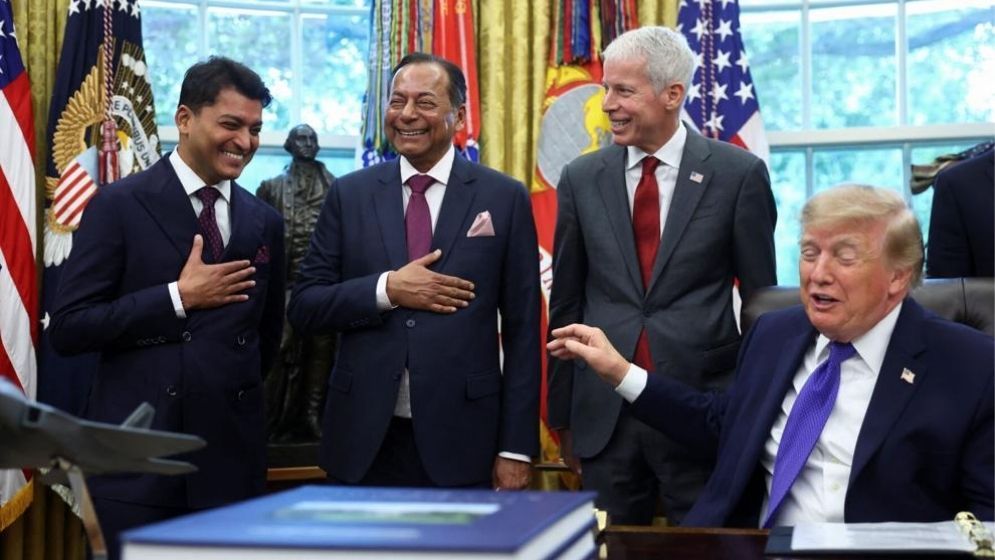
Το νέο εργοστάσιο, προϋπολογισμού περίπου 15 δισ. δολαρίων, θα αναπτυχθεί από την Mesabi Metallics, αμερικανική θυγατρική του ινδικού ομίλου Essar, και σύμφωνα με τον Αμερικανό πρόεδρο φιλοδοξεί να αποτελέσει το μεγαλύτερο συγκρότημα παραγωγής χάλυβα στην ιστορία των Ηνωμένων Πολιτειών.
Η ανακοίνωση έγινε στον Λευκό Οίκο, παρουσία στελεχών της οικογένειας Ruia, που ελέγχει τον όμιλο Essar.
Ο Τραμπ χαρακτήρισε το έργο «το μεγαλύτερο εργοστάσιο χάλυβα στην αμερικανική ιστορία», υποστηρίζοντας ότι θα αποτελέσει ακόμη ένα δείγμα επιστροφής της βαριάς βιομηχανίας στις ΗΠΑ.
Παραγωγή έως 10 εκατ. τόνους χάλυβα τον χρόνο
Σύμφωνα με τον σχεδιασμό, η παραγωγή αναμένεται να ξεκινήσει το 2030.
Το συγκρότημα προβλέπεται αρχικά να παράγει περίπου 7,5 εκατομμύρια τόνους χάλυβα ετησίως, με τελικό στόχο δυναμικότητας που θα φθάνει τα 10 εκατομμύρια τόνους τον χρόνο.
Ιδιαίτερη σημασία έχει το γεγονός ότι το σχέδιο βασίζεται στη δημιουργία μιας σχεδόν πλήρως καθετοποιημένης αμερικανικής αλυσίδας παραγωγής.
Το σιδηρομετάλλευμα θα προέρχεται από τις εγκαταστάσεις της Mesabi Metallics στη Μινεσότα και θα μεταφέρεται στην Αϊόβα για την παραγωγή χάλυβα, ενισχύοντας τη σύνδεση εξόρυξης, επεξεργασίας και τελικής βιομηχανικής παραγωγής εντός των Ηνωμένων Πολιτειών.
Η Mesabi έχει ήδη επενδύσει περισσότερα από 2,5 δισ. δολάρια στις δραστηριότητές της στη Μινεσότα.
Χιλιάδες θέσεις εργασίας
Το έργο αναμένεται να δημιουργήσει τουλάχιστον 1.750 μόνιμες θέσεις εργασίας, ενώ κατά τη διάρκεια της κατασκευής υπολογίζεται ότι θα υποστηριχθούν έως και 6.000 θέσεις εργασίας.
Σύμφωνα με τις εκτιμήσεις που παρουσιάστηκαν κατά την ανακοίνωση, η συνολική οικονομική επίδραση του έργου μπορεί να φτάσει περίπου τα 95 δισ. δολάρια κατά την πρώτη δεκαετία λειτουργίας του.
Τραμπ: Οι δασμοί φέρνουν τα εργοστάσια πίσω στις ΗΠΑ
Ο Αμερικανός πρόεδρος συνέδεσε άμεσα την επένδυση με την εμπορική πολιτική της κυβέρνησής του και ειδικότερα με τους υψηλούς δασμούς στις εισαγωγές χάλυβα.
Η κυβέρνηση Τραμπ παρουσιάζει τις επενδύσεις αυτές ως απόδειξη ότι οι εμπορικοί φραγμοί ωθούν ξένες εταιρείες να μεταφέρουν παραγωγική δραστηριότητα στο αμερικανικό έδαφος.
Ο Τραμπ υποστήριξε ότι η αμερικανική χαλυβουργία «επιστρέφει δυναμικά», αποδίδοντας σημαντικό μέρος αυτής της εξέλιξης στην πολιτική προστασίας της εγχώριας παραγωγής.
Η ανακοίνωση πραγματοποιείται παράλληλα με ευρύτερες αμερικανικές πρωτοβουλίες για την αντιμετώπιση της παγκόσμιας υπερπαραγωγής χάλυβα, με την Ουάσιγκτον να πιέζει και άλλες χώρες να υιοθετήσουν αυστηρότερα εμπορικά μέτρα απέναντι σε παραγωγούς με μεγάλη πλεονάζουσα παραγωγική ικανότητα.
Κρίσιμος ο χάλυβας για άμυνα και βιομηχανία
Η επένδυση έχει ευρύτερη στρατηγική σημασία, καθώς ο χάλυβας αποτελεί βασικό υλικό για μια σειρά κρίσιμων τομέων της αμερικανικής οικονομίας και εθνικής ασφάλειας.
Η παραγωγή του νέου εργοστασίου προορίζεται μεταξύ άλλων να καλύψει ανάγκες:
- της αμυντικής βιομηχανίας,
- της ναυπηγικής,
- της αυτοκινητοβιομηχανίας,
- του ενεργειακού τομέα,
- των κατασκευών και μεγάλων υποδομών,
- καθώς και της βιομηχανίας μηχανημάτων και οικιακού εξοπλισμού.
Ο διευθύνων σύμβουλος της Mesabi Metallics, Joe Broking, χαρακτήρισε το σχέδιο σημαντικό βήμα για τον αμερικανικής παραγωγής χάλυβα, δίνοντας ιδιαίτερη έμφαση στην ανάγκη εγχώριας τροφοδοσίας στρατηγικών βιομηχανιών.
Η Essar και η διεθνής επέκταση
Ο όμιλος Essar ιδρύθηκε στην Ινδία το 1969 από τους αδελφούς Shashi και Ravi Ruia και εξελίχθηκε σε έναν από τους σημαντικούς βιομηχανικούς ομίλους της χώρας, με δραστηριότητες στους τομείς της ενέργειας, των μετάλλων, των εξορύξεων, της τεχνολογίας και των υποδομών.
Ο όμιλος έχει αναπτύξει μεγάλα βιομηχανικά περιουσιακά στοιχεία στην Ινδία, ενώ έχει πραγματοποιήσει σημαντικές επενδύσεις και εκτός χώρας.
Στις Ηνωμένες Πολιτείες, η Mesabi Metallics έχει παρουσία στη Μινεσότα από το 2007 και ελέγχει σημαντικά αποθέματα σιδηρομεταλλεύματος.
Το σχέδιο των 18 δισ. δολαρίων σηματοδοτεί πλέον μία σαφή αναβάθμιση της παρουσίας του ινδικού ομίλου στις ΗΠΑ, αλλά ταυτόχρονα εντάσσεται και στη γενικότερη αμερικανική προσπάθεια επαναφοράς κρίσιμων παραγωγικών αλυσίδων στο εσωτερικό της χώρας.
Και πολιτική διάσταση ενόψει ενδιάμεσων εκλογών
Η επιλογή της Αϊόβα έχει και πολιτική βαρύτητα, καθώς η ανακοίνωση έρχεται λίγες εβδομάδες πριν από τις αμερικανικές ενδιάμεσες εκλογές του Νοεμβρίου.
Στην παρουσίαση συμμετείχαν στελέχη των Ρεπουμπλικανών από την Αϊόβα, ενώ ο Τραμπ δήλωσε ότι σχεδιάζει να πραγματοποιήσει προεκλογική συγκέντρωση στην Πολιτεία.
Το Reuters σημειώνει ότι η κυβέρνηση προβάλλει το έργο ως σημαντική επιτυχία της βιομηχανικής της πολιτικής, σε μια περίοδο κατά την οποία η οικονομία και η εγχώρια παραγωγή βρίσκονται ψηλά στην ατζέντα της προεκλογικής αντιπαράθεσης.
Το μέγεθος πάντως της σχεδιαζόμενης επένδυσης υπερβαίνει την άμεση πολιτική συγκυρία: εφόσον το έργο υλοποιηθεί στον προβλεπόμενο χρόνο και στην ανακοινωθείσα κλίμακα, η Essar και η Mesabi Metallics θα αποκτήσουν κομβικό ρόλο στην αμερικανική εφοδιαστική αλυσίδα χάλυβα, από την εξόρυξη του μεταλλεύματος μέχρι την τελική παραγωγή.
Αναλύσεις
CPEC 2.0 and Pakistan’s Digital Dependency on China
The second phase of the China-Pakistan Economic Corridor is no longer just an infrastructure story. As Chinese technology becomes embedded in Pakistan’s telecom, AI, surveillance and cloud ecosystems, CPEC 2.0 is emerging as a test case for a wider geopolitical question: can a state modernise digitally without surrendering strategic control over its data and technological architecture?
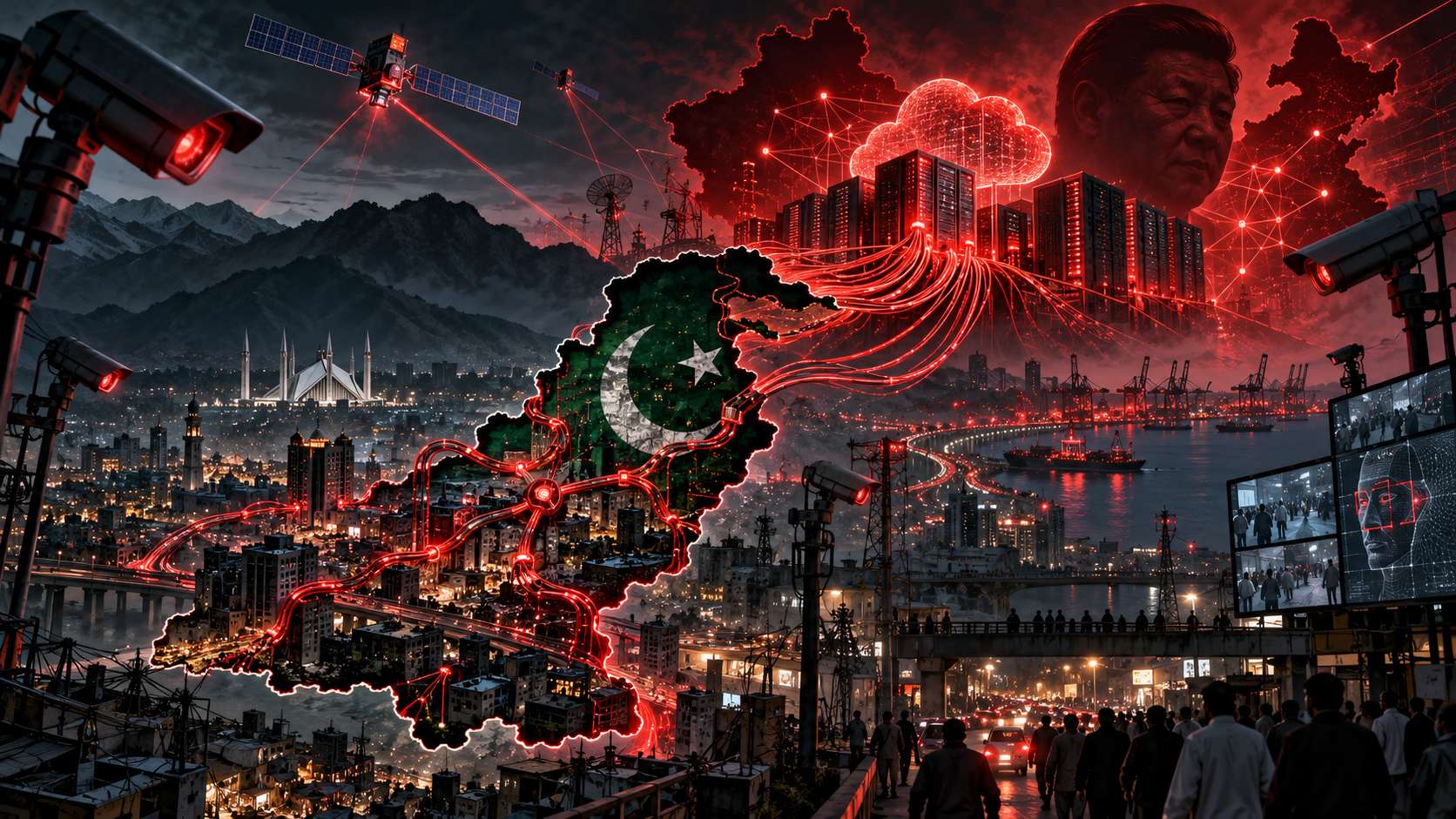
The China-Pakistan Economic Corridor entered a new stage in 2025. Known as CPEC 2.0, the second phase represents a significant departure from the original model, which was dominated by roads, energy projects, ports and other large-scale physical infrastructure.
The new agenda places greater emphasis on industrial development, agriculture and digital integration. Of these three pillars, the digital component may prove the most strategically consequential.
Pakistan’s planned transformation now extends into artificial intelligence, cloud services, data centres, 5G connectivity, smart-energy systems, agricultural technologies and urban surveillance networks. This evolution offers Islamabad access to technologies that would otherwise require major domestic investment and years of development.
But it also raises a more difficult question: who will ultimately control the technological architecture on which Pakistan’s digital economy depends?
China’s wider Digital Silk Road strategy has long focused not only on exporting hardware but also on expanding Chinese technological standards, platforms and infrastructure abroad. Under this model, physical connectivity — fibre-optic cables, satellite links, servers, data centres and telecom equipment — becomes inseparable from questions of data governance, software ecosystems and long-term strategic influence.
For Pakistan, this creates both opportunity and risk.
Chinese technology companies, particularly Huawei, have become increasingly involved in Pakistan’s telecommunications, cloud-computing, smart-city and artificial-intelligence sectors. Training programmes have also been established for Pakistani students and young professionals in areas such as AI, cybersecurity and cloud technology.
On the surface, such initiatives strengthen Pakistan’s human capital and accelerate digital readiness. Yet critics argue that they can also create a form of technological lock-in.
If engineers, government agencies and private companies are trained primarily on proprietary Chinese systems, future switching costs rise considerably. Once a country’s databases, cloud infrastructure, telecom equipment and cybersecurity architecture are built around one technological ecosystem, diversification becomes both expensive and operationally difficult.
The result could be a progressively deeper dependence on Chinese platforms, expertise and technical standards.
The question of digital sovereignty
This dependence becomes especially sensitive when technology moves from the commercial sector into critical national infrastructure.
As Pakistan develops national databases, cybersecurity systems and digital-governance platforms in close cooperation with Chinese institutions and companies, it may also be adopting, implicitly or explicitly, Chinese technical norms and data-management standards.
That matters because technological sovereignty is not simply about owning computers, servers or fibre-optic cables. It is also about maintaining control over software, code, access permissions, encryption standards, data storage and the ability to replace one supplier with another.
A country that cannot easily alter its technological architecture without external assistance may possess digital infrastructure without enjoying full digital autonomy.
This is where the debate over what some analysts describe as “digital colonialism” begins.
The term is controversial, but it captures a real strategic concern: that dependency on a foreign technology provider can eventually influence policy choices, procurement decisions, data access and national security.
In Pakistan’s case, the concern is amplified by the scale of Chinese involvement.
Western pressure could expose Pakistan’s vulnerabilities
Heavy integration into Chinese technology supply chains could also complicate Pakistan’s relationship with Western markets.
The United States and several allied governments have tightened restrictions on Chinese technology companies over concerns related to cybersecurity, data protection and national security.
If further sanctions or export controls are imposed on components, software or services linked to Chinese digital platforms, Pakistani companies deeply integrated into those ecosystems could face indirect consequences.
This could affect everything from software compatibility and equipment upgrades to access to international cloud platforms, financial systems and Western technology partnerships.
The deeper Pakistan becomes embedded in one technological sphere, the greater the potential cost of geopolitical fragmentation between China and the West.
Surveillance and the legal vacuum
The most sensitive dimension of Pakistan’s digital transformation concerns surveillance.
Pakistan still lacks a fully developed and comprehensive framework for personal-data protection. At the same time, large-scale surveillance systems are expanding through projects such as Safe City, which combine cameras, monitoring systems, databases and digital policing technologies.
Human-rights organisations have warned that sophisticated surveillance tools operating without strong institutional safeguards can facilitate privacy violations, censorship and political monitoring.
This concern is particularly serious because Pakistan has already faced international criticism regarding internet restrictions, censorship and state surveillance.
The country’s evolving digital-control architecture has at times been described as a “Great Digital Firewall of Pakistan”, reflecting the increasing technological capacity to filter communications, monitor users and restrict online activity.
Research by Amnesty International has also highlighted the international nature of Pakistan’s surveillance ecosystem, which includes technology originating not only from China but also from companies based in Europe, the United Arab Emirates and North America.
Therefore, the problem cannot be reduced simply to Chinese involvement.
However, China remains central to the wider debate because of the scale and strategic depth of its technological partnership with Islamabad.
Modernisation without ownership
Pakistan faces a genuine structural problem.
Its limited fiscal capacity, recurring economic crises and shortage of domestic capital make it extremely difficult to finance next-generation infrastructure independently.
CPEC 2.0 therefore offers something highly attractive: rapid access to digital systems, capital, expertise and technology.
But speed can carry strategic costs.
Importing ready-made digital infrastructure is easier than building a domestic technological base. Yet over time, excessive dependence on imported systems can weaken incentives to develop indigenous alternatives.
If Pakistan’s most important AI platforms, data centres, telecom systems, cybersecurity architecture and surveillance technologies remain dependent on foreign vendors, the country may modernise without becoming technologically independent.
In that scenario, Pakistan would possess advanced infrastructure but remain dependent on external suppliers for upgrades, maintenance, security patches, technical standards and specialised expertise.
From physical infrastructure to data dependence
The first phase of CPEC was largely about physical assets: highways, energy plants, logistics corridors and connectivity.
CPEC 2.0 introduces something much more intangible — and potentially more consequential.
Data itself becomes a strategic resource.
Historically, colonial powers extracted raw materials and economic resources from territories under their control. Critics of modern technological dependency argue that data, algorithms and digital infrastructure can now create comparable asymmetries of power.
Pakistan is not a colony of China, and describing the relationship literally in colonial terms would oversimplify a complex strategic partnership.
Yet the analogy highlights an important concern.
If one side provides subsidised or preferential access to digital infrastructure while also supplying the software, technical standards, hardware and institutional architecture governing that infrastructure, dependence can become structural rather than temporary.
The key question is therefore not whether Pakistan should cooperate with China.
It is whether Pakistan can cooperate while preserving the ability to control, modify and ultimately replace the systems it adopts.
Pakistan needs safeguards
To protect its long-term strategic autonomy, Islamabad would need to accompany Chinese investment with stronger domestic safeguards.
That would include strict data-localisation rules, robust personal-data legislation, domestic access to source code where national-security systems are concerned, diversified suppliers and serious investment in indigenous research and development.
Pakistan would also need to avoid building critical infrastructure around a single technological ecosystem.
The objective should be interoperability rather than dependence.
CPEC 2.0 could undoubtedly accelerate Pakistan’s digital transformation. But technological progress should not be measured solely by how quickly infrastructure is deployed.
The more important question is who controls the system once it is built.
If Pakistan’s data, AI infrastructure and surveillance networks become inseparable from Chinese technological architecture, the country may find that the short-term benefits of rapid modernisation come with a long-term strategic price.
That would not necessarily amount to colonialism in the traditional sense.
But it could create something increasingly important in the 21st century: technological path dependence powerful enough to constrain national sovereignty.

Μηνύματα Αναγνωστών: Ήρθε η ώρα για έμπρακτες αποδείξεις συμμαχίας
Στρατηγικός σύμμαχος ή απλώς χρήσιμος εταίρος; Η σημερινή συγκυρία ίσως είναι η στιγμή που θα δώσει την απάντηση.


Κίνδυνος και… έγκλημα!
Ο πρόεδρος του ΕΛΙΣΜΕ επικρίνει τους χειρισμούς στην ηλεκτρική διασύνδεση Ελλάδας–Κύπρου, εκτιμά ότι η επίσκεψη Ρούμπιο θα συνοδευτεί από εξοπλιστικές...

Κειμήλια αντί λειψάνων Σαμουήλ: Τα ερωτήματα για τη συμφωνία με τη Βουλγαρία και τη Συνθήκη του Νεϊγύ
Ο Γιώργος Καρανίκας, με άρθρο του στον «Χρόνο», θέτει ζήτημα αντιμετώπισης των λεηλατημένων ελληνικών θησαυρών ως αντικειμένων ανταλλαγής. Η υποχρέωση...


Μουντζουρούλιας: «Πού είναι η ελληνική αντίδραση;» – Μακεδονικό, γαλλοτουρκική προσέγγιση και αποτροπή στο Αιγαίο
Αιχμές για τις αναφορές της Ούρσουλα φον ντερ Λάιεν, ερωτήματα για τη στάση του Παρισιού απέναντι στην Άγκυρα και ανάλυση...

Η Nexans διαψεύδει το σχέδιο ενημέρωσης της Τουρκίας για το καλώδιο Ελλάδας–Κύπρου
Η γαλλική εταιρεία ξεκαθαρίζει ότι δεν είχε ούτε σχεδιάζει επαφές με την Άγκυρα για τις έρευνες βυθού. Η επιστολή στην...
-
 Αναλύσεις3 εβδομάδες πριν
Το τελεσίγραφο Καλίν την ώρα που η Τουρκία προετοιμάζεται για πόλεμο!
-
 Άμυνα3 μήνες πριν
Ρωσσικό ΜΜΕ: Ελληνικό «μπλόκο» στην απαίτηση για Patriot – Πώς γνωρίζει το Κίεβο απόρρητα στοιχεία για τους πυραύλους μας;
-

 ΑΝΑΡΤΗΣΕΙΣ ΜΕ ΣΗΜΑΣΙΑ2 μήνες πριν
Πακιστανός με καναδική υπηκοότητα ο υπαίτιος της πυρκαγιάς στον Έβρο! Πιθανόν να μετέφερε μετανάστες
-

 GEOPOLITICO1 μήνα πριν
Το διέρρευσε ο Παπαχελάς! Έφεραν τον Καλίν στο Μαξίμου – Τί συζήτησε με τον Μητσοτάκη;
-
 Αναλύσεις1 μήνα πριν
Καραγκιούλ: «Αν Ελλάδα, Κύπρος και Ισραήλ επιτεθούν στην Τουρκία, ο χάρτης του Αιγαίου θα αλλάξει»
-

 ΑΝΑΡΤΗΣΕΙΣ ΜΕ ΣΗΜΑΣΙΑ2 μήνες πριν
Ξέσπασμα της μητέρας της Μυρτούς για την υπόθεση Τζαβέντ Ασλάμ: «Δεν ξεχνώ ποτέ» – «Δήμαρχος των Πακιστανών ο Δούκας»
-

 GEOPOLITICO3 εβδομάδες πριν
Τί λέει Τούρκος δημοσιογράφος για Σάββα Καλεντερίδη; «Έκανε πολύ καλά τη δουλειά του για τη χώρα του – Δεν μπορούσε να τον στριμώξει η ΜİΤ»
-

 Αναλύσεις3 μήνες πριν
Εάν η Τουρκία απορρίψει τη συμφωνία αποχώρησης από την Κύπρο θα απομακρυνθεί δια της βίας