Αναλύσεις
The Cognitive Triangle: How Pakistan, China & Turkey Export Disinformation; Why India Is Their Biggest Test
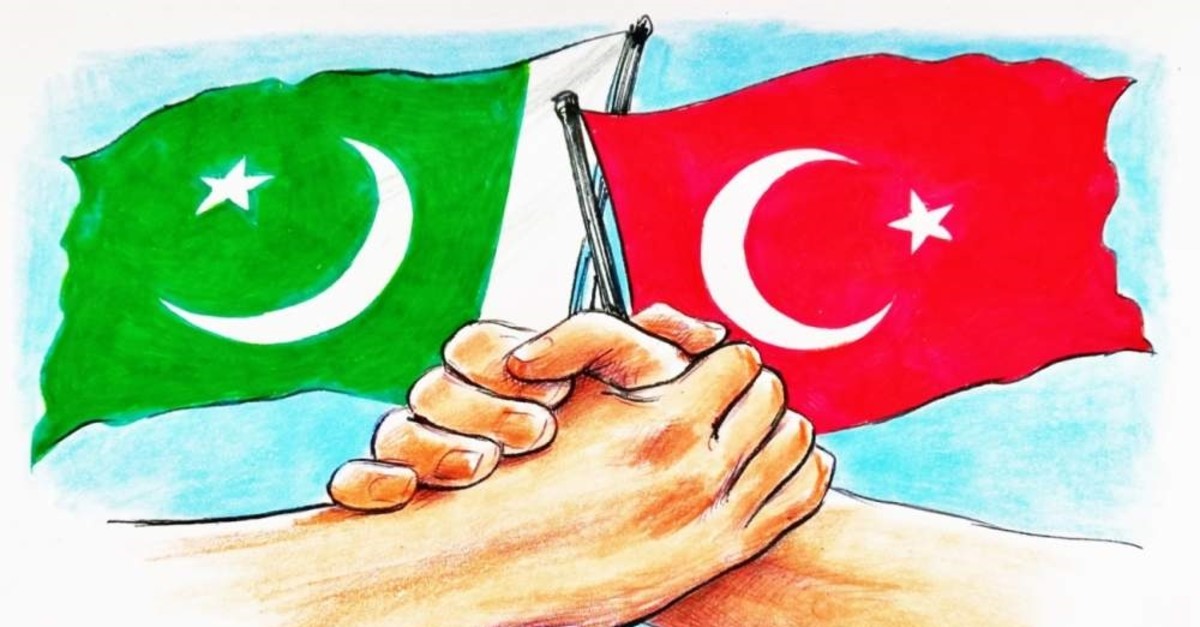
New Delhi had to block both Chinese state media and Turkey’s TRT World on X, even as India’s military leadership publicly flagged Beijing’s “live inputs” to Pakistan and Ankara’s support to Islamabad’s information line.

By Shay Gal, Eurasian Times
In 2025, India faced not three separate propaganda machines but a single, interoperable pressure system. China provided industrial-scale amplification. Pakistan manufactured emotive claims and operational rumours. Turkey laundered and internationalised talking points through its English and Urdu-facing megaphones.
This division of labour became visible during Operation Sindoor.
New Delhi had to block both Chinese state media and Turkey’s TRT World on X, even as India’s military leadership publicly flagged Beijing’s “live inputs” to Pakistan and Ankara’s support to Islamabad’s information line.
It was a rare on-the-record glimpse of the triad at work.
What makes this triad distinctive is that each node also runs the same playbook far from the India front and then ports those techniques back. Beijing’s Spamouflage/Dragonbridge complex does not merely push propaganda. It prototyped market-shaping disinformation against Australia’s rare-earths champion Lynas, aiming to spook investors and policy circles.
This showed how “cognitive operations” are keyed to supply chains, not just sentiment. Later, Microsoft and independent researchers tracked the shift to AI-generated personas and synthetic media aimed at polarising elections across democracies – India included.
Turkey’s hub is structurally different but functionally aligned. Under the Presidency’s Communications Directorate, the DMM packages “fact-checks” in multiple languages while RTÜK and allied levers punish dissenting media at home.
These tools increasingly show up abroad via exportable content kits. When Azerbaijani outlets complained in September–October 2025 about a wave of Turkish “fake news” targeting Baku, that “friendly-fire” was not an anomaly but evidence that the machine now manages alliances as well as adversaries.
The same discipline India sees when Turkish coverage mass-replicates unvetted frames about South Asia.
Pakistan, for its part, has professionalised narrative warfare. ISPR-adjacent networks seed fabricated battlefield claims, communal triggers, and identity-based incitement.
They then outsource reach to partner ecosystems. Platform threat reports and open-source forensics have repeatedly documented Pakistan-linked covert networks and cyber-enabled persona operations spanning the subcontinent and beyond.
Crucially, these states do not confine their anti-India narratives to South Asia. They export them outward – targeting diasporas, regional rivals, and Western publics – to reshape perceptions of India in multiple theatres.
In Canada and Australia, Beijing-backed Spamouflage campaigns recycled tropes of Indian minority suppression and Kashmir “disappeared persons”.
Turkey’s TRT and Anadolu English streams push India–Pakistan narratives in Africa and the Middle East. Pakistan operatives have issued “global alerts” about alleged Indian interference, disguised through Western pseudo-media channels.
These campaigns amplify tensions even in Europe. Together, these export operations sharpen global pressure on India’s image. Domestic response alone is no longer enough. The fight must also be waged on foreign battlefields of reputation.
India’s informational battlespace is therefore unique – not because three states target it, but because the target itself is unlike any other.
It is a continental-scale democracy with 22 constitutionally recognised languages, dense digital rails, and one of the world’s fastest-moving attention economies. That combination makes it both the hardest to overwhelm and the most attractive for wedge-narrative experimentation.
Adversaries accordingly micro-segment by language and state, lace rumours with hyper-local cues, and time campaigns to electoral cycles, procurement decisions, and crisis windows.
In response, the Modi government has built a layered, operational deterrent – not just a rhetorical one. On the cyber side, CERT-In’s six-hour incident-reporting rule, NCIIPC’s CII posture, and the I4C grid have tightened tempo and attribution pathways across government and critical sectors.
On the narrative side, the Press Information Bureau’s fact-check architecture and wartime communication drills moved from reactive debunks to real-time triage during Sindoor. They explicitly called out “massive” foreign-origin fake-news barrages and paired them with calibrated platform restrictions.
Where India can now shift from strength to supremacy is in weaponising its language advantage for pre-bunking on a national scale.
Cambridge-led research with Google Jigsaw shows that short inoculation videos can meaningfully harden populations against manipulation techniques.
India already runs the world’s most ambitious multilingual AI stack in BHASHINI. Fusing these two capabilities – automated, language-localised pre-bunks cued to threat telemetry – would let New Delhi pre-empt, not chase, triad narratives.
That same design logic explains why the China–Turkey–Pakistan toolchains matter beyond India. The Lynas case in Australia proved that disinformation can be an industrial policy weapon.
Beijing’s election-season spam networks in Europe and North America show how synthetic personas can chase context rather than truth. Ankara’s DMM-plus-RTÜK model shows how “anti-disinformation” brands can enforce perception rather than verify reality.
Pakistan’s persona-led amplifiers show how a mid-tier actor can scale reach by riding partner platforms.
For India, the lesson is to formalise “narrative load-sharing” in reverse. State, industry, and civil society must each carry a lane.
Information threats should be measured with the same dashboards used for cyber and supply-chain risk, so every major programme—from defence to critical minerals—carries a rumour-control surface, triaged in the languages people actually consume.
In a decisive marker of maturity, India should also turn its multilingual rails outward, offering partners pre-bunk kits in their own languages. When the triad shifts theatres—from Kashmir to the South China Sea, from Rafale rumours to rare-earth panics—the inoculation should arrive before the infection.
The piece extends insights from the author’s research for the International Institute of Strategy (IIS, Greece), tracing how Turkey’s domestic information control has become part of a wider China–Pakistan–Turkey nexus.


GEOPOLITICO
Πόλεμος συμφερόντων για το LNG – Το τουρκικό σχέδιο και η ελληνική απάντηση
Στο Direct News, ο Ανδρέας Μουντζουρούλιας παρουσιάζει τις πληροφορίες του για τον GSI, αναλύει τα τουρκικά δημοσιεύματα για την Γκίλφοϊλ και εξετάζει τη σύγκρουση συμφερόντων γύρω από το LNG και τον Κάθετο Διάδρομο.
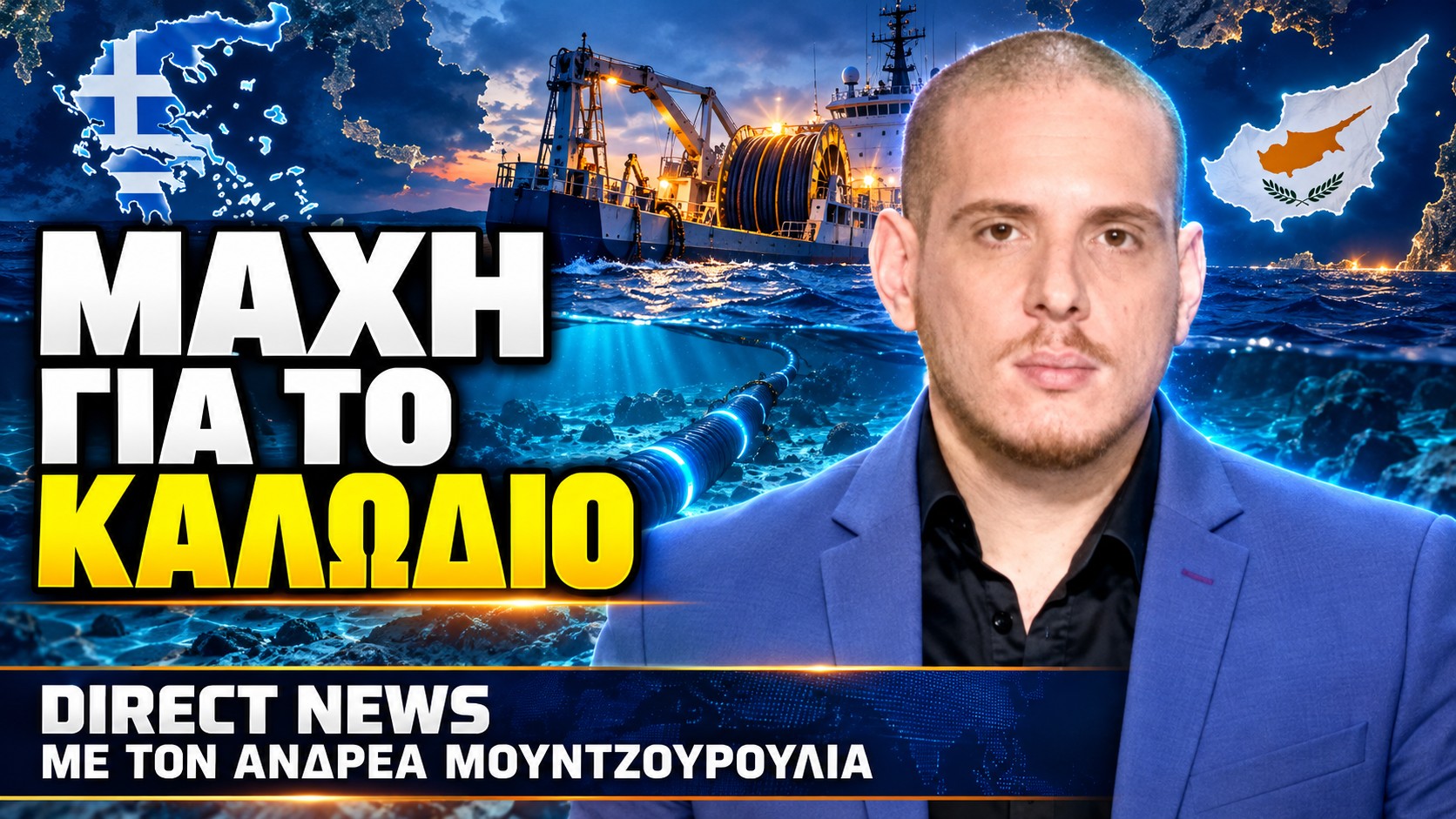
Τις εξελίξεις γύρω από την ηλεκτρική διασύνδεση Ελλάδας–Κύπρου, τον ανταγωνισμό για τη διακίνηση φυσικού αερίου προς την Ευρώπη και την ενίσχυση της συνεργασίας με την Ινδία ανέδειξε ο Ανδρέας Μουντζουρούλιας στην εκπομπή «Direct News». Στο επίκεντρο της ανάλυσής του βρέθηκε η ανάγκη η Αθήνα να προχωρήσει τους ενεργειακούς και αμυντικούς σχεδιασμούς της, απέναντι στην προσπάθεια της Άγκυρας να ενισχύσει τον περιφερειακό της ρόλο.
Κεντρικό θέμα αποτέλεσε η πληροφορία που μετέφερε ο παρουσιαστής για την υποβολή αιτήματος από τη Nexans προς τις ελληνικές αρχές, προκειμένου να κινηθεί η διαδικασία έκδοσης NAVTEX για τις εργασίες του Great Sea Interconnector.
Σύμφωνα με όσα ανέφερε, ακολουθεί η εξέταση του αιτήματος από την αρμόδια διυπουργική επιτροπή, η εισήγηση προς τον υπουργό Εξωτερικών και, μετά την έγκριση, η προώθησή του στο υπουργείο Εθνικής Άμυνας για την έκδοση της σχετικής αναγγελίας. Ο ίδιος τοποθέτησε τις πιθανές εξελίξεις στα τέλη Οκτωβρίου ή στις αρχές Νοεμβρίου, επικαλούμενος πληροφορίες από πηγές του.
Ο Ανδρέας Μουντζουρούλιας υποστήριξε επίσης ότι, βάσει της ενημέρωσης που διαθέτει, δεν έχει υποβληθεί αντίστοιχο αίτημα αδειοδότησης προς την Τουρκία. Περιέγραψε ως διαφορετικό ζήτημα την ενημέρωση των χωρών της περιοχής για τις εργασίες και κάλεσε την ελληνική κυβέρνηση να προχωρήσει στο επόμενο βήμα, χωρίς να αφήσει περιθώριο επιβολής τουρκικών απαιτήσεων.
Η ενεργειακή σύγκρουση πίσω από τη διπλωματία
Μεγάλο μέρος της εκπομπής αφιερώθηκε στην αναφερόμενη απομάκρυνση της Κίμπερλι Γκίλφοϊλ από την αμερικανική πρεσβεία στην Αθήνα και στον τρόπο με τον οποίο την παρουσίασαν τουρκικά μέσα ενημέρωσης.
Ο παρουσιαστής μετέφερε δημοσιεύματα της Hürriyet και του Haber Global, επισημαίνοντας ότι επιχειρούν να συνδέσουν την εξέλιξη με ενδεχόμενη υποβάθμιση της Ελλάδας και αλλαγή των ισορροπιών στην Ανατολική Μεσόγειο. Διευκρίνισε, ωστόσο, ότι αυτή αποτελεί τουρκική ανάγνωση και δεν αποδεικνύει από μόνη της μεταστροφή της αμερικανικής πολιτικής.
Στη δική του ανάλυση, το ουσιαστικό διακύβευμα βρίσκεται στον ανταγωνισμό για το LNG και στις υποδομές μεταφοράς φυσικού αερίου προς την ευρωπαϊκή αγορά. Συνέδεσε τον ελληνικό Κάθετο Διάδρομο με τις κινήσεις της τουρκικής BOTAŞ και τις συνεργασίες της με αμερικανικές ενεργειακές εταιρείες, εκτιμώντας ότι η Άγκυρα επιδιώκει μεγαλύτερο μερίδιο στη διακίνηση και εμπορία αερίου.
Η Τουρκία, όπως ανέφερε, επιχειρεί να αξιοποιήσει αγωγούς, εγκαταστάσεις LNG, αποθηκευτικούς χώρους και διασυνδέσεις, ώστε να εξελιχθεί σε περιφερειακό κέντρο αναδιανομής ενέργειας. Κατά τον ίδιο, αυτή η επιδίωξη δημιουργεί ανταγωνιστικές πιέσεις προς τους ελληνικούς σχεδιασμούς.
Παράλληλα, εξέφρασε ανησυχία για το ενδεχόμενο παρατεταμένης μεταβατικής περιόδου στην αμερικανική πρεσβεία. Αντιπαρέβαλε την πολιτική πρόσβαση που αποδίδει στον Τομ Μπάρακ στην Άγκυρα με την ανάγκη η Αθήνα να διαθέτει συνομιλητή με εμπειρία και επιρροή στην Ουάσιγκτον.
Στο πλαίσιο της συζήτησης για πιθανή διαδοχή, αναφέρθηκε στα ονόματα των Γκας Μπιλιράκη, Τζον Κατσιματίδη και Τζον Τζορτζ, παρουσιάζοντάς τα ως ονόματα που ακούγονται και εκφράζοντας προτίμηση για τον Μπιλιράκη.
Ελλάδα, Κύπρος και Ινδία: Από τις επαφές στη βιομηχανική συνεργασία
Ξεχωριστή θέση είχε η προσέγγιση Ελλάδας–Ινδίας, με αφορμή τις επαφές του Ινδού αξιωματούχου Ρατζές Κουμάρ Σινγκ στην Αθήνα, έπειτα από την παρουσία του στην Κύπρο.
Ο Ανδρέας Μουντζουρούλιας αναφέρθηκε στη συνάντηση με τον Θανάση Δαβάκη και στην επίσκεψη στον Ναύσταθμο Σαλαμίνας, δίνοντας έμφαση στις συζητήσεις για την αμυντική βιομηχανία και την ανάπτυξη κοινών πρωτοβουλιών. Εκτίμησε ότι η συνεργασία μπορεί να αποκτήσει συγκεκριμένο τεχνολογικό και βιομηχανικό περιεχόμενο, ακόμη και μέσα από συμπαραγωγές οπλικών συστημάτων.
Για την κυπριακή διάσταση, στάθηκε στην επίσκεψη του Ινδού αξιωματούχου στην Πράσινη Γραμμή και στην προβολή εικόνων από τη διχοτομημένη Λευκωσία σε ινδικά μέσα. Κατά την εκτίμησή του, η ανάδειξη των συνεπειών της τουρκικής εισβολής έχει ιδιαίτερη πολιτική σημασία.
Συνέδεσε, επίσης, τις αμυντικές επαφές με τον οικονομικό διάδρομο Ινδίας–Μέσης Ανατολής–Ευρώπης, τον IMEC. Υποστήριξε ότι το Νέο Δελχί αντιμετωπίζει την Ελλάδα και την Κύπρο ως κρίσιμους εταίρους για την πρόσβασή του στην ευρωπαϊκή αγορά, μέσα από ένα πλέγμα λιμενικών, εμπορικών και στρατηγικών συνεργασιών.
Ιδιαίτερη αναφορά έκανε στη Θεσσαλονίκη, την οποία παρουσίασε ως λιμάνι που διεκδικεί σημαντικό ρόλο στη μεταφορά ινδικών εμπορευμάτων προς τα Βαλκάνια. Τόνισε, πάντως, ότι ένας τέτοιος σχεδιασμός προϋποθέτει αναβάθμιση των υποδομών και αξιόπιστη εμπορευματική σιδηροδρομική σύνδεση.
Τριβές ανάμεσα σε Άγκυρα και Μπακού
Η εκπομπή εξέτασε ακόμη τις εντάσεις που, σύμφωνα με τον παρουσιαστή, καταγράφονται στις σχέσεις Τουρκίας–Αζερμπαϊτζάν, με αφορμή το ζήτημα της μαντίλας στα σχολεία.
Ο ίδιος περιέγραψε αντιδράσεις από τουρκικούς κυβερνητικούς κύκλους και απαντήσεις από την αζερική πλευρά, η οποία επικαλείται τον κοσμικό χαρακτήρα του κράτους και απορρίπτει παρεμβάσεις στα εσωτερικά της. Εκτίμησε ότι η αντιπαράθεση αναδεικνύει όρια στην τουρκική επιρροή επί του Μπακού.
Ταυτόχρονα, απέρριψε τις αναφορές περί πραξικοπήματος και καθόδου στρατού στους δρόμους, αναφέροντας ότι σχετικά βίντεο που κυκλοφόρησαν ήταν προϊόντα τεχνητής νοημοσύνης. Οι τριβές που περιέγραψε παρουσιάστηκαν ως ένδειξη πίεσης στη σχέση των δύο χωρών, χωρίς να τεκμηριώνουν από μόνες τους οριστική στρατηγική ρήξη.
Ο Καπετανίδης στην Israel Hayom και η αμυντική σχέση με το Ισραήλ
Ο Ανδρέας Μουντζουρούλιας στάθηκε ιδιαίτερα στο άρθρο του αρχισυντάκτη του Geopolitico.gr, Χρήστου Κωνσταντινίδη, στην Israel Hayom, με αναφορά στη Γενοκτονία των Ελλήνων του Πόντου και στην ιστορία του Νίκου Καπετανίδη.
Ανέδειξε τη σημασία της παρουσίασης σε ισραηλινό μέσο της δράσης του Πόντιου δημοσιογράφου, ο οποίος κατέγραφε τις διώξεις και τις σφαγές και οδηγήθηκε στην αγχόνη από το κεμαλικό καθεστώς. Αναφέρθηκε επίσης στην παρουσία του Τοπάλ Οσμάν στο άρθρο και στη σύνδεσή του με τη βία σε βάρος ελληνικών και αρμενικών πληθυσμών.
Στη συνέχεια παρουσίασε βασικά σημεία ανάλυσης του Σάι Γκαλ για την αμυντική συνεργασία Ελλάδας–Ισραήλ, δίνοντας έμφαση στην εκτίμηση ότι η Ελλάδα αποκτά ευρύτερο στρατηγικό και βιομηχανικό ρόλο, πέρα από την αγορά εξοπλισμών.
Χρήστος Κωνσταντινίδης: Η Τουρκία αρνείται να λογοδοτήσει για τα δικά της εγκλήματα
Λιβύη και «Γαλάζια Πατρίδα»
Στο κλείσιμο, ο παρουσιαστής εξέφρασε ανησυχία για τις εξελίξεις στη Λιβύη και το ενδεχόμενο περαιτέρω κινήσεων γύρω από το τουρκολιβυκό μνημόνιο. Κάλεσε την Αθήνα να αξιοποιήσει τη διπλωματική της επιρροή και τον ρόλο της στην Ευρωπαϊκή Ένωση.
Τέλος, μετέφερε πληροφορίες για χρονική μετάθεση του τουρκικού νομοσχεδίου περί «Γαλάζιας Πατρίδας», συνδέοντάς την με την αναμονή των ελληνικών αποφάσεων για τον GSI. Κατά την εκτίμησή του, η αναβολή αποτελεί τακτικό χειρισμό της Άγκυρας, η οποία παρακολουθεί τις επόμενες κινήσεις της Αθήνας.
Αναλύσεις
Πού βρίσκεται η Ελλάδα στον σχεδιασμό του IMEC;
Η επίκληση της ελληνικής κληρονομιάς, η κριτική για τις αμερικανικές τοποθετήσεις στα ελληνοτουρκικά και η ανάγκη μιας εθνικής στρατηγικής που θα συνδέει πολιτισμό, παραγωγή, υποδομές και αποτροπή βρέθηκαν στο επίκεντρο της συζήτησης.
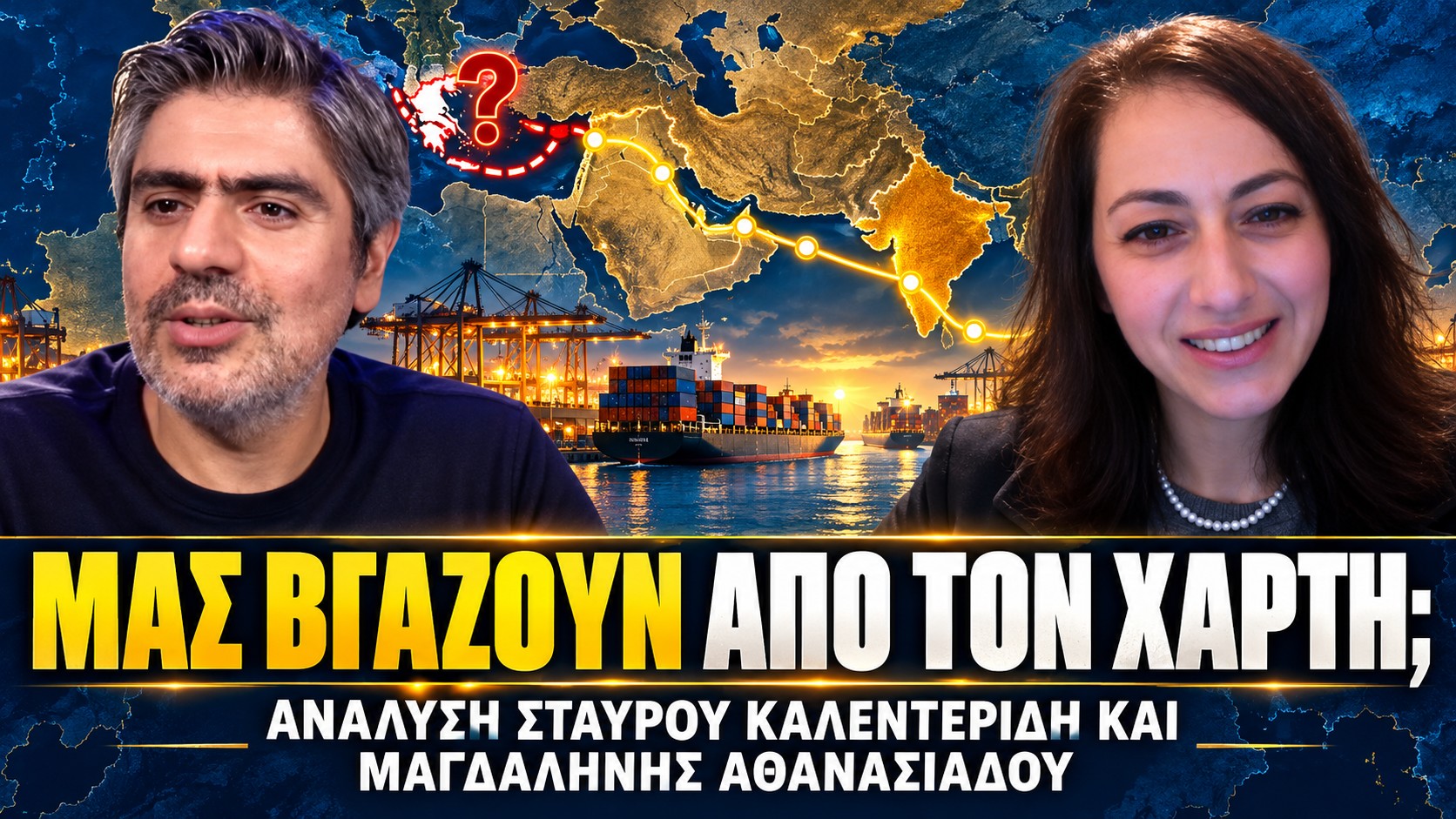
Την απόσταση ανάμεσα στους επαίνους για τον ελληνικό πολιτισμό και στην έμπρακτη υποστήριξη των ελληνικών θέσεων ανέδειξαν ο Σταύρος Καλεντερίδης και η Μάγδα Αθανασιάδου στην εκπομπή της 14ης Οκτωβρίου. Με αφετηρία την ομιλία του Μάρκο Ρούμπιο στην Πνύκα, η συζήτηση επεκτάθηκε στον ανταγωνισμό για τους εμπορικούς και ενεργειακούς διαδρόμους και στον κίνδυνο η Ελλάδα να περιοριστεί σε έναν δευτερεύοντα μεταφορικό ρόλο στον IMEC.
Η Αθανασιάδου, εκπαιδευτικός και υποψήφια διδάκτωρ του Τμήματος Ιστορίας και Αρχαιολογίας του ΑΠΘ, υποστήριξε ότι η πολιτιστική κληρονομιά αποτελεί συντελεστή εθνικής ισχύος. Η αξιοποίησή της, όμως, προϋποθέτει ένα κράτος που μπορεί να τη συνδέσει με συγκεκριμένες πολιτικές, παραγωγική οικονομία και υπεράσπιση της κυριαρχίας του.
Η ελληνική κληρονομιά ως εργαλείο πολιτικής
Αναλύοντας την ομιλία Ρούμπιο, η προσκεκλημένη επισήμανε ότι η επίκληση της αρχαίας Ελλάδας από ξένες δυνάμεις υπηρετεί συχνά σύγχρονες πολιτικές επιδιώξεις. Στη δική της ανάγνωση, ο Αμερικανός υπουργός αξιοποίησε έννοιες όπως η δημοκρατία, η αριστεία, η φιλοπατρία και η θυσία, συνδέοντάς τες με τον διεθνή ρόλο των ΗΠΑ.
Ιδιαίτερη έμφαση έδωσε στη σημασία της αριστείας στην αρχαία ελληνική πόλη. Όπως εξήγησε, οι ξεχωριστές ικανότητες ενός ανθρώπου αποκτούσαν αξία μέσα από την υπηρεσία προς την κοινότητα. Η διάκριση αυτή, κατά την ίδια, είναι απαραίτητη για να κατανοηθεί το περιεχόμενο των αρχαιοελληνικών αναφορών και να αποφεύγεται η προσαρμογή τους στις εκάστοτε πολιτικές σκοπιμότητες.
Ο Καλεντερίδης συνέδεσε τη συζήτηση με τη χρήση του όρου «αριστεία» στην ελληνική πολιτική ζωή, ασκώντας έντονη κριτική στην κυβέρνηση για την απόσταση που, όπως υποστήριξε, χωρίζει τη σχετική ρητορική από την πραγματικότητα.
Η κριτική για Κύπρο και ελληνοτουρκικά
Το βασικό σημείο της κριτικής της Αθανασιάδου ήταν ότι οι αναφορές στην εθνική ταυτότητα και στην υπεράσπιση των συμφερόντων των κρατών δεν συνοδεύτηκαν, κατά την εκτίμησή της, από αντίστοιχες σαφείς τοποθετήσεις υπέρ των ελληνικών θέσεων.
Η ίδια χαρακτήρισε τις απαντήσεις Ρούμπιο στα ελληνοτουρκικά ως τήρηση ίσων αποστάσεων και επέκρινε την απουσία σαφούς αναφοράς στη στρατιωτική κατοχή στην Κύπρο και στα θαλάσσια δικαιώματα των νησιών. Υποστήριξε ότι η γενική προτροπή για αποφυγή σύγκρουσης αφήνει εκτός συζήτησης ήδη συντελεσμένες παραβιάσεις και τις συνέπειές τους.
Ο Καλεντερίδης συμφώνησε με αυτή την αποτίμηση, τονίζοντας την αντίφαση που εντοπίζει ανάμεσα στην αξιοποίηση του ελληνικού πολιτιστικού συμβολισμού και στην αντιμετώπιση των ελληνικών ζητημάτων κυριαρχίας.
Η Αθανασιάδου έστρεψε, πάντως, το βάρος στην ελληνική ευθύνη. Η στάση των ξένων δυνάμεων πρέπει να οδηγεί τη χώρα σε καλύτερη οργάνωση της δικής της στρατηγικής. Η ιστορική κληρονομιά, όπως σημείωσε, οφείλει να λειτουργεί ως οδηγός για το παρόν και το μέλλον, αποφεύγοντας την προγονοπληξία και την αυτάρκεια των επαίνων.
IMEC: Το κρίσιμο ζήτημα είναι ποιος σχεδιάζει
Στο δεύτερο μεγάλο σκέλος της εκπομπής, οι δύο συνομιλητές συζήτησαν τον διάδρομο διασύνδεσης Ινδίας–Μέσης Ανατολής–Ευρώπης και τη θέση που μπορεί να διεκδικήσει η Ελλάδα.
Ο Καλεντερίδης εξέφρασε ανησυχία για αναλύσεις και σχεδιασμούς που, όπως ανέφερε, αναδεικνύουν την Ιταλία και την Τεργέστη, παραμερίζοντας την ελληνική διαδρομή. Συνέδεσε αυτόν τον κίνδυνο με την κατάσταση του ελληνικού σιδηροδρόμου, επιρρίπτοντας βαριές πολιτικές ευθύνες στην κυβέρνηση για τις ελλείψεις του δικτύου και την τραγωδία των Τεμπών.
Η Αθανασιάδου επικεντρώθηκε στο περιεχόμενο της ελληνικής συμμετοχής. Με βάση τις αναλύσεις που επικαλέστηκε, ο IMEC αφορά ένα σύνθετο σύστημα μεταφορών, τεχνολογίας, ψηφιακών υποδομών και ασφάλειας. Συνεπώς, το ζητούμενο για μια χώρα είναι να έχει λόγο στις υπηρεσίες, στα πρότυπα και στις τεχνολογικές συνεργασίες που θα καθορίζουν τη λειτουργία του.
«Αν γίνουμε το γαϊδουράκι του IMEC», ανέφερε χαρακτηριστικά, περιγράφοντας τον κίνδυνο μιας συμμετοχής περιορισμένης στη μεταφορά φορτίων. Στην ανάλυσή της, η γεωγραφική θέση χρειάζεται υποδομές, τεχνογνωσία και δυνατότητα προστασίας τους για να αποδώσει ουσιαστικό στρατηγικό όφελος.
Οι επιφυλάξεις για τα σενάρια γύρω από την Γκίλφοϊλ
Η συζήτηση επεκτάθηκε στον Κάθετο Διάδρομο και στα σενάρια που ο Καλεντερίδης συνέδεσε με την Κίμπερλι Γκίλφοϊλ και ανταγωνιστικά συμφέροντα στην περιοχή.
Η Αθανασιάδου διατύπωσε ρητή επιφύλαξη ως προς την εξαγωγή συμπερασμάτων για παρασκηνιακές μεθοδεύσεις. Επισήμανε ότι δεν διαθέτει πρόσβαση στα κέντρα αποφάσεων και ότι ούτε τα δημοσιεύματα που συζητούν τέτοια ενδεχόμενα επιτρέπουν βεβαιότητες. Έθεσε ως ουσιαστικό ερώτημα το πώς δρα η ίδια η Ελλάδα μέσα σε αυτόν τον ανταγωνισμό.
Πολιτισμός, παραγωγή και αποτροπή
Επικαλούμενη τη σκέψη του Παναγιώτη Κονδύλη, η προσκεκλημένη υποστήριξε ότι η οικονομία, η πολιτική και η στρατιωτική ισχύς συνδέονται στενά. Έδωσε έμφαση στην παραγωγική ανασυγκρότηση, στην αμυντική βιομηχανία, στην έρευνα και στην καινοτομία, καθώς και στην ανάγκη ενός κράτους ικανού να αποτρέπει τον πόλεμο.
Παράλληλα, ανέδειξε τη διδασκαλία της ελληνικής γλώσσας, τη συνεργασία με την ομογένεια, τα θερινά σχολεία και τις πανεπιστημιακές ανταλλαγές ως πεδία άσκησης πολιτιστικής πολιτικής. Ο Καλεντερίδης μετέφερε σχετικές εμπειρίες από τη Βοστόνη, περιγράφοντας ενδιαφέρον ακαδημαϊκών για συνεργασίες στην Ελλάδα και εμπόδια στην υλοποίησή τους.
Ξεχωριστή αναφορά έγινε στη Θεσσαλονίκη και στις δυνατότητές της ως βαλκανικού κέντρου εκπαίδευσης και συνεργασίας. Η Αθανασιάδου συνέδεσε αυτές τις προοπτικές με τη λειτουργία των μεταφορικών υποδομών και την αξιοποίηση των νέων επιστημόνων. Η θέση που διατύπωσε ήταν σαφής: ο πολιτισμός αποτελεί οργανικό μέρος της εθνικής στρατηγικής και χρειάζεται θεσμούς, ανθρώπους και υποδομές για να μετατραπεί σε ισχύ.
GEOPOLITICO
EurAsia Review: Ποιοι προστατεύουν τα κυκλώματα λαθρεμπορίου στα σύνορα Ιράν, Πακιστάν και Αφγανιστάν – Ο σκοτεινός ρόλος παραγόντων ασφαλείας
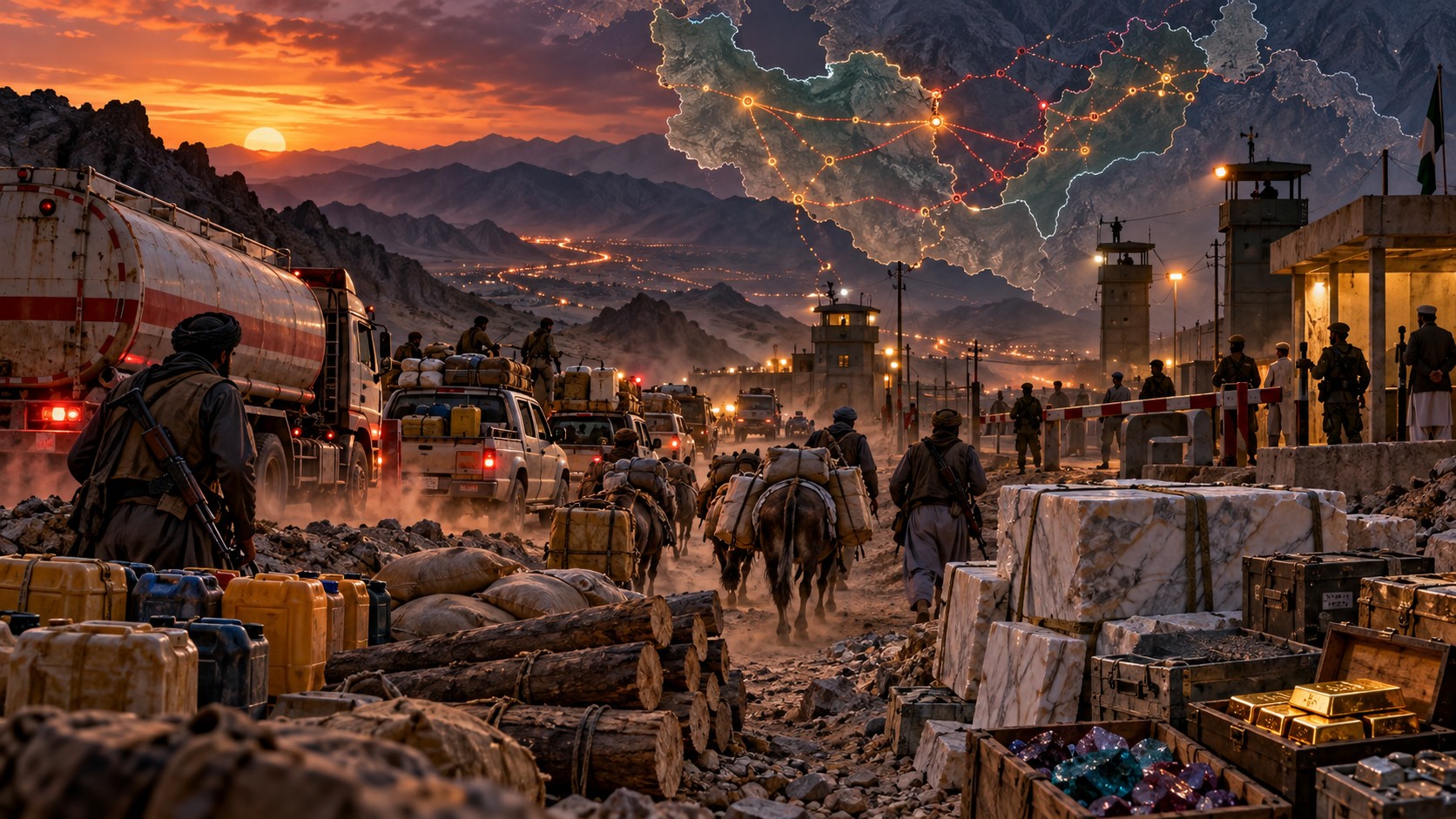
Ένα εκτεταμένο σύστημα παράνομου εμπορίου, διαφθοράς και πολιτικής προστασίας περιγράφει σε ανάλυσή του το EurAsia Review. Από τα καύσιμα και τα ναρκωτικά μέχρι τον χρυσό, τους πολύτιμους λίθους και τα όπλα, τα δίκτυα λαθρεμπορίου στις παραμεθόριες περιοχές Ιράν, Πακιστάν και Αφγανιστάν φέρονται να λειτουργούν με την ανοχή ή και τη συμμετοχή παραγόντων των κρατικών μηχανισμών. Η παράνομη οικονομία δεν αποτελεί απλώς εγκληματική δραστηριότητα, αλλά μηχανισμό επιβίωσης, πολιτικής επιρροής και ελέγχου ολόκληρων περιοχών.
Μια διαφορετική διάσταση του λαθρεμπορίου στα σύνορα Ιράν, Πακιστάν και Αφγανιστάν αναδεικνύει ο αναλυτής πληροφοριών και ειδικός σε ζητήματα αντιτρομοκρατίας Ajmal Sohail, σε άρθρο γνώμης που δημοσιεύθηκε στις 14 Οκτωβρίου 2026 στο EurAsia Review.
Με τίτλο «Why Powerful Interests Continue To Protect Smuggling Networks Across Iran, Pakistan, And Afghanistan», ο Sohail υποστηρίζει ότι το λαθρεμπόριο στην περιοχή δεν επιβιώνει μόνο εξαιτίας της αδυναμίας των κρατών να ελέγξουν τα σύνορά τους. Αντιθέτως, σύμφωνα με την ανάλυσή του, έχει εξελιχθεί σε μια παραοικονομία που εξυπηρετεί οικονομικά, πολιτικά και στρατηγικά συμφέροντα ισχυρών παραγόντων.
Το σημαντικότερο στοιχείο της προσέγγισής του είναι ότι αμφισβητεί την παραδοσιακή αντίληψη σύμφωνα με την οποία τα κράτη επιθυμούν να καταπολεμήσουν το λαθρεμπόριο, αλλά δεν διαθέτουν τα απαραίτητα μέσα.
Όπως υποστηρίζει, σε αρκετές περιπτώσεις τμήματα της κρατικής διοίκησης, των τελωνειακών υπηρεσιών και των μηχανισμών ασφαλείας αποκομίζουν οφέλη από τη διατήρηση αυτής της κατάστασης.
Βαλουχιστάν: Η καρδιά μιας τεράστιας παράνομης οικονομίας
Στο επίκεντρο βρίσκεται το Βαλουχιστάν, η εκτεταμένη περιοχή που συνδέει γεωγραφικά το Πακιστάν με το Ιράν και το Αφγανιστάν.
Πρόκειται για έναν χώρο ιδιαίτερης στρατηγικής σημασίας, ο οποίος χαρακτηρίζεται από οικονομική υπανάπτυξη, περιορισμένη κρατική παρουσία, εθνοτικές και φυλετικές αντιπαραθέσεις και μακροχρόνια δράση ένοπλων οργανώσεων.
Σύμφωνα με το EurAsia Review, μέσα σε αυτό το περιβάλλον έχουν δημιουργηθεί δίκτυα που διακινούν καύσιμα, ναρκωτικά, όπλα, ξυλεία, πολύτιμους λίθους, χρυσό, μάρμαρο και άλλα εμπορεύματα.
Ιδιαίτερη αναφορά γίνεται στο Bahramcha, στην αφγανική επαρχία Χελμάντ, καθώς και στον διάδρομο Shin Nari, στην περιοχή Arghistan του Αφγανιστάν. Τα συγκεκριμένα σημεία περιγράφονται ως σημαντικοί κόμβοι που συνδέουν τοπικούς διακινητές με μεγαλύτερα περιφερειακά και διεθνή εμπορικά δίκτυα.
Η ιδιαιτερότητα αυτών των κυκλωμάτων είναι η δυνατότητά τους να προσαρμόζονται στις επιχειρήσεις καταστολής.
Όταν οι αρχές ενισχύουν τους ελέγχους στο λαθρεμπόριο καυσίμων, οι διακινητές μπορούν να στραφούν σε άλλες πηγές κέρδους, όπως οι πολύτιμοι λίθοι ή τα μεταλλεύματα. Όταν αυξάνεται η πίεση στη διακίνηση ναρκωτικών, ενισχύεται η δραστηριότητα σε διαφορετικούς τομείς του παράνομου εμπορίου.
Αυτή η διαφοροποίηση, επισημαίνει ο αναλυτής, καθιστά τα δίκτυα εξαιρετικά ανθεκτικά.
Οι καταγγελίες για εμπλοκή στρατιωτικών και υπηρεσιών ασφαλείας
Το πλέον αιχμηρό σημείο του δημοσιεύματος αφορά τον ρόλο κρατικών παραγόντων στην προστασία του λαθρεμπορίου.
Ο Sohail υποστηρίζει ότι η διακίνηση μεγάλων φορτίων καυσίμων, ξυλείας, χρυσού και άλλων εμπορευμάτων μέσα από αυστηρά επιτηρούμενες παραμεθόριες ζώνες δύσκολα θα μπορούσε να πραγματοποιείται σε τέτοια κλίμακα χωρίς κάποιο επίπεδο θεσμικής ανοχής.
Κατά την εκτίμησή του, τμήματα τοπικών διοικήσεων, συνοριακών δυνάμεων, τελωνείων, υπηρεσιών πληροφοριών και παραγόντων που συνδέονται με στρατιωτικούς μηχανισμούς ενδέχεται να αποκομίζουν οφέλη από τη συγκεκριμένη οικονομική δραστηριότητα.
Οι μηχανισμοί που περιγράφει περιλαμβάνουν τη διαφθορά, την επιλεκτική εφαρμογή της νομοθεσίας, την άτυπη φορολόγηση παράνομων φορτίων και την πολιτική προστασία συγκεκριμένων δικτύων.
Ιδιαίτερα στο πακιστανικό Βαλουχιστάν, ο αναλυτής υποστηρίζει ότι ορισμένοι παράγοντες ασφαλείας μπορεί να αντιμετωπίζουν το λαθρεμπόριο όχι μόνο ως πηγή οικονομικού κέρδους, αλλά και ως εργαλείο διαχείρισης των σχέσεων με τοπικές φυλές και ομάδες επιρροής.
Με αυτόν τον τρόπο διαμορφώνεται μια αντίφαση: ενώ επισήμως το πακιστανικό κράτος χαρακτηρίζει το λαθρεμπόριο απειλή για την εθνική ασφάλεια, ορισμένοι παράγοντες φέρονται να θεωρούν ότι η παράνομη οικονομία συμβάλλει στη διατήρηση τοπικών ισορροπιών.
Πρέπει να σημειωθεί ότι το άρθρο αποτελεί ανάλυση γνώμης και δεν παραθέτει συγκεκριμένες δικαστικές αποφάσεις ή ονομαστικά στοιχεία αξιωματούχων που να αποδεικνύουν κάθε επιμέρους ισχυρισμό περί εμπλοκής κρατικών υπηρεσιών.
Γιατί οι επιχειρήσεις καταστολής δεν έχουν μόνιμο αποτέλεσμα
Σύμφωνα με τον Sohail, η διατήρηση αυτών των συμφερόντων εξηγεί γιατί πολλές επιχειρήσεις κατά του λαθρεμπορίου αποδεικνύονται προσωρινές.
Οι αρχές ανακοινώνουν συλλήψεις, κατασχέσεις και εντατικοποίηση των συνοριακών ελέγχων, ωστόσο οι υποδομές και οι σχέσεις που επιτρέπουν στο παράνομο εμπόριο να λειτουργεί συχνά παραμένουν άθικτες.
Οι διακινητές αλλάζουν διαδρομές, χρησιμοποιούν νέους μεσάζοντες και μεταφέρουν τις δραστηριότητές τους σε γειτονικές περιοχές.
Κατά τον αναλυτή, αυτό το φαινόμενο μπορεί να υποδηλώνει ότι σε ορισμένες περιπτώσεις ο πραγματικός στόχος δεν είναι η πλήρης εξάλειψη του λαθρεμπορίου, αλλά ο έλεγχος και η ρύθμισή του από όσους διαθέτουν ισχύ στο τοπικό σύστημα.
Ιρανικά καύσιμα, χρυσός και πολύτιμοι λίθοι
Σημαντικό οικονομικό σκέλος της παράνομης δραστηριότητας αποτελεί η διακίνηση ιρανικών καυσίμων προς το Πακιστάν.
Η διαφορά στις τιμές και οι ιδιαίτερες συνθήκες της περιφερειακής αγοράς δημιουργούν κίνητρα για τη μεταφορά καυσίμων εκτός των νόμιμων εμπορικών μηχανισμών.
Ο Sohail επισημαίνει ότι η δραστηριότητα αυτή υπονομεύει την επίσημη αγορά ενέργειας του Πακιστάν, ενώ δημιουργεί σημαντικά έσοδα για τα δίκτυα των διακινητών.
Παράλληλα, ο χρυσός και οι πολύτιμοι λίθοι προσφέρουν δυνατότητες αποθήκευσης πλούτου και μεταφοράς αξίας έξω από το τραπεζικό σύστημα.
Αυτή η πρακτική έχει ιδιαίτερη σημασία για οικονομικούς παράγοντες που επιδιώκουν να παρακάμψουν χρηματοπιστωτικούς περιορισμούς ή κυρώσεις.
Το παράνομο εμπόριο ξυλείας, μαρμάρου και όνυχα συμπληρώνει την εικόνα μιας οικονομίας που λειτουργεί σε μεγάλο βαθμό εκτός των επίσημων φορολογικών και ρυθμιστικών μηχανισμών.
Η σύνδεση του λαθρεμπορίου με τις ένοπλες οργανώσεις
Η ανάλυση προχωρά πέρα από το οικονομικό επίπεδο και εξετάζει τις επιπτώσεις στην περιφερειακή ασφάλεια.
Οι ίδιοι διάδρομοι που χρησιμοποιούνται για τη μεταφορά εμπορευμάτων μπορούν να αξιοποιηθούν για τη διακίνηση όπλων, χρημάτων και προσώπων που σχετίζονται με ένοπλες ή εξτρεμιστικές οργανώσεις.
Σύμφωνα με τον Sohail, τα εγκληματικά κυκλώματα και οι βίαιοι μη κρατικοί δρώντες δεν λειτουργούν πάντοτε ανεξάρτητα μεταξύ τους.
Μπορούν να χρησιμοποιούν κοινές υποδομές μεταφορών, άτυπα χρηματοπιστωτικά συστήματα, μεσάζοντες και διεφθαρμένους κρατικούς παράγοντες.
Αυτό σημαίνει ότι η παράνομη οικονομία μπορεί να δημιουργεί ένα περιβάλλον από το οποίο επωφελούνται οργανώσεις που επιδιώκουν την αποσταθεροποίηση της περιοχής.
Δεν συνεπάγεται, πάντως, ότι κάθε διακινητής ή κάθε τοπική κοινότητα που εξαρτάται από το άτυπο εμπόριο συνδέεται με την τρομοκρατία. Η ανάλυση αναδεικνύει κυρίως την ύπαρξη κοινών διαδρομών και μηχανισμών που μπορούν να αξιοποιηθούν από διαφορετικούς παράνομους δρώντες.
Το μεγάλο παράδοξο: Το λαθρεμπόριο ως μέσο επιβίωσης
Μία από τις σημαντικότερες επισημάνσεις του άρθρου αφορά την κοινωνική διάσταση του φαινομένου.
Σε πολλές παραμεθόριες περιοχές, η επίσημη οικονομία δεν μπορεί να προσφέρει επαρκείς θέσεις εργασίας ή σταθερά εισοδήματα.
Ως αποτέλεσμα, χιλιάδες οικογένειες εξαρτώνται άμεσα ή έμμεσα από το διασυνοριακό εμπόριο, τις μεταφορές, τις αποθήκες, τις υπηρεσίες προστασίας και τα άτυπα χρηματοπιστωτικά δίκτυα.
Η ξαφνική εξάλειψη αυτών των δραστηριοτήτων, χωρίς τη δημιουργία νόμιμων οικονομικών εναλλακτικών, θα μπορούσε να προκαλέσει σοβαρές κοινωνικές αντιδράσεις.
Κατά τον Sohail, αυτή η εξάρτηση αποτελεί ακόμη έναν λόγο για τον οποίο κρατικοί και τοπικοί παράγοντες αποφεύγουν την πλήρη σύγκρουση με το παράνομο οικονομικό σύστημα.
Μία εκτεταμένη καταστολή θα μπορούσε να στερήσει το εισόδημα από ολόκληρες κοινότητες και να ενισχύσει τις δυνατότητες στρατολόγησης εγκληματικών ή ένοπλων οργανώσεων.
Το πρόβλημα δεν είναι μόνο τα σύνορα, αλλά η διακυβέρνηση
Το βασικό συμπέρασμα της ανάλυσης είναι ότι το λαθρεμπόριο στη μεθόριο Ιράν, Πακιστάν και Αφγανιστάν δεν μπορεί να αντιμετωπιστεί αποκλειστικά με περισσότερες περιπολίες, συνοριακούς φράχτες και συλλήψεις.
Ο αναλυτής θεωρεί αναγκαία τη δημιουργία πραγματικών μηχανισμών λογοδοσίας, την αντιμετώπιση των σχέσεων διαφθοράς και πολιτικής προστασίας, καθώς και την ανάπτυξη νόμιμων οικονομικών δραστηριοτήτων στις παραμεθόριες περιοχές.
Η γεωπολιτική σημασία αυτής της προσέγγισης είναι ιδιαίτερη.
Σε μια περιοχή όπου συνυπάρχουν μακροχρόνιες συγκρούσεις, αδύναμοι διοικητικοί μηχανισμοί, ισχυρές τοπικές δομές εξουσίας και διεθνή οικονομικά συμφέροντα, το λαθρεμπόριο μπορεί να λειτουργεί ως παράλληλο σύστημα διακυβέρνησης.
Δεν αποτελεί απλώς μια παρανομία που διαπράττεται εναντίον του κράτους. Σύμφωνα με τον Sohail, σε ορισμένες περιπτώσεις συντηρείται ακριβώς επειδή εξυπηρετεί συμφέροντα ανθρώπων που βρίσκονται κοντά στους μηχανισμούς κρατικής εξουσίας.
Το κεντρικό ερώτημα που θέτει το δημοσίευμα δεν είναι γιατί οι κυβερνήσεις αδυνατούν να σταματήσουν τα κυκλώματα, αλλά ποιοι ωφελούνται από τη διατήρησή τους.
Και όσο οι οικονομικές και πολιτικές συνθήκες που τα προστατεύουν παραμένουν αναλλοίωτες, το τρίγωνο Ιράν–Πακιστάν–Αφγανιστάν θα εξακολουθεί, κατά την εκτίμηση του αναλυτή, να αποτελεί χώρο όπου το οργανωμένο έγκλημα, η τοπική εξουσία και οι ανάγκες επιβίωσης των πληθυσμών διαπλέκονται.
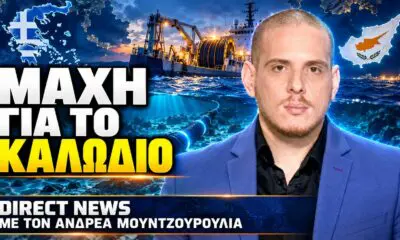

Πόλεμος συμφερόντων για το LNG – Το τουρκικό σχέδιο και η ελληνική απάντηση
Στο Direct News, ο Ανδρέας Μουντζουρούλιας παρουσιάζει τις πληροφορίες του για τον GSI, αναλύει τα τουρκικά δημοσιεύματα για την Γκίλφοϊλ...

Arolsen Archives: Το αρχείο που αναζητά τα ίχνη εκατομμυρίων θυμάτων του ναζισμού
Στη γερμανική πόλη Μπαντ Άρολσεν φυλάσσεται μία από τις σημαντικότερες συλλογές τεκμηρίων για τα θύματα των ναζιστικών διώξεων. Περισσότερα από...
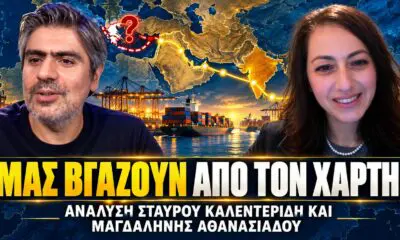

Πού βρίσκεται η Ελλάδα στον σχεδιασμό του IMEC;
Η επίκληση της ελληνικής κληρονομιάς, η κριτική για τις αμερικανικές τοποθετήσεις στα ελληνοτουρκικά και η ανάγκη μιας εθνικής στρατηγικής που...

Νέα τουρκική πρόκληση νότια του Καστελλόριζου! NAVTEX της Άγκυρας στην περιοχή που θα περάσει το γαλλικό ερευνητικό για το καλώδιο Ελλάδας–Κύπρου
Η Άγκυρα εξέδωσε NAVTEX για περιοχή νότια του Καστελλόριζου, όπου έχει προγραμματιστεί η πολυεθνική άσκηση «EUNOMIA», αμφισβητώντας τη δικαιοδοσία του...

EurAsia Review: Ποιοι προστατεύουν τα κυκλώματα λαθρεμπορίου στα σύνορα Ιράν, Πακιστάν και Αφγανιστάν – Ο σκοτεινός ρόλος παραγόντων ασφαλείας
Ένα εκτεταμένο σύστημα παράνομου εμπορίου, διαφθοράς και πολιτικής προστασίας περιγράφει σε ανάλυσή του το EurAsia Review. Από τα καύσιμα και...
-
 Αναλύσεις4 εβδομάδες πριν
Το τελεσίγραφο Καλίν την ώρα που η Τουρκία προετοιμάζεται για πόλεμο!
-
 Άμυνα3 μήνες πριν
Ρωσσικό ΜΜΕ: Ελληνικό «μπλόκο» στην απαίτηση για Patriot – Πώς γνωρίζει το Κίεβο απόρρητα στοιχεία για τους πυραύλους μας;
-

 ΑΝΑΡΤΗΣΕΙΣ ΜΕ ΣΗΜΑΣΙΑ3 μήνες πριν
Πακιστανός με καναδική υπηκοότητα ο υπαίτιος της πυρκαγιάς στον Έβρο! Πιθανόν να μετέφερε μετανάστες
-

 GEOPOLITICO1 μήνα πριν
Το διέρρευσε ο Παπαχελάς! Έφεραν τον Καλίν στο Μαξίμου – Τί συζήτησε με τον Μητσοτάκη;
-
 Αναλύσεις2 μήνες πριν
Καραγκιούλ: «Αν Ελλάδα, Κύπρος και Ισραήλ επιτεθούν στην Τουρκία, ο χάρτης του Αιγαίου θα αλλάξει»
-

 ΑΝΑΡΤΗΣΕΙΣ ΜΕ ΣΗΜΑΣΙΑ2 μήνες πριν
Ξέσπασμα της μητέρας της Μυρτούς για την υπόθεση Τζαβέντ Ασλάμ: «Δεν ξεχνώ ποτέ» – «Δήμαρχος των Πακιστανών ο Δούκας»
-
 GEOPOLITICO4 εβδομάδες πριν
Τί λέει Τούρκος δημοσιογράφος για Σάββα Καλεντερίδη; «Έκανε πολύ καλά τη δουλειά του για τη χώρα του – Δεν μπορούσε να τον στριμώξει η ΜİΤ»
-

 Αναλύσεις3 μήνες πριν
Εάν η Τουρκία απορρίψει τη συμφωνία αποχώρησης από την Κύπρο θα απομακρυνθεί δια της βίας