Διεθνή
Cyprus and Kissinger: Following the truth

With reference to the Eastern Mediterranean Policy Note titled “CYPRUS AND KISSINGER: KILLING THE MYTH” by Mr. William Mallinson posted on the University of Nicosia website on July 2024. No 100c, ISSN (online): 2547-8702.
Mr. Mallinson, referring to Dr. Kissinger’s role over the 1974 Cyprus tragedy with the two Turkish invasions 20 July and 14 August 1974 respectively, sited 16 points in his endeavour to substantiate his “myth” against Kissinger over Cyprus.
Brushing aside his ironic remarks in his Abstract, our research focuses solely on the facts. British declassified documents at the British National Archives, conclude that besides Turkey, who is the perpetrator of multiple crimes in Cyprus against humanity still enjoying impunity, it was the British Labour Government of Harold Wilson/James Callaghan (British Prime Minister and Foreign Secretary respectively in 1974) that carries the blame for what the Republic of Cyprus and its people suffered during the two Turkish invasions in 1974 and the 50 years ongoing Turkish occupation of 37% of its territory.
James Callaghan in February 1976 finally explained the reasons why Britain did not intervene to stop the Turkish invasions in 1974, to the House of Commons Select Committee set up to investigate the Turkish invasions and Britain’s Treaty of Guarantee obligations.
Callaghan stated: “I dare say legally we had (an obligation). In political practical terms we had none because the constitution had not been working since the early 1960s… The consequences of our going in are really not a legal matter… I am a politician and I simply do not believe it is possible to restore that constitution which has failed to work for the last 15 to 16 years…”
The Americans during the crisis served as “collaborators”, “associates” or even “useful idiots” in what the British policy instigated. Dr. Henry Kissinger followed the British Policy over Cyprus for various reasons just as other American Governments did and do to this day. Hence the British, were the policy makers on Cyprus of the Western Alliance and at the UN and not the Americans or the French or any other country albeit with the tolerance of successive Cypriot Governments.
The 16 points raised by Mr Mallinson against Henry Kissinger:
1) “When the coup against President Makarios of Cyprus took place, Kissinger told the British Foreign Minister, Callaghan, that he wished to ‘avoid legitimizing the new regime in Cyprus’ for as long as possible, while not denouncing it immediately” and
2) “He did not wish ‘to precipitate the downfall of the de facto situation”.
3) “He questioned Britain’s moving quickly to support Makarios”.
Our response
Dr. Kissinger telephoned James Callaghan on 16 July 1974 and based on the information he had received he agreed with the line London had taken. He wanted to avoid legitimizing the new regime in Cyprus (Nicos Sampson) as long as possible. He was anxious to keep other powers from getting involved (Soviet Union). The American Government would not support proposals for Enosis (union of Cyprus with Greece) or ‘Sampson’s Government’. Callaghan asked him to think seriously how to handle Makarios. They agreed to keep in touch.
The reason the British rescued Archbishop Makarios and got him out of their Sovereign Bases and Cyprus in record time, (as per a TOP SECRET PLAN devised back in November 1967 and executed to the letter on the 16 July 1974) was because they didn’t expect Nikos Sampson to fall and they didn’t want their relations strained with the claims that the bases were being used in support of Makarios. Statement by Foreign Office official A. C. Goodison 6.8.1974.
4) According to Mr Mallinson, Kissinger questioned Britain’s wish to apply pressure on the Greek junta to withdraw their officers from Cyprus, thus giving Turkey the excuse it needed to intervene.
Our response
Exactly the opposite. On 18 July 1974 Kissinger telephoned Callaghan with a warning and asked him to pass the message to his Prime Minister (who was in Paris). Callaghan telegraphed Wilson accordingly and wrote:
«…Kissinger reiterated that to press for their withdrawal (Greek Officers) in the existing situation, could produce a dangerous shift in the power balance in Cyprus. Without the stiffening presence of some Greek Officers, the chance of disorder spilling over into inter communal strife would be increased. I said there was some force in that argument though it was not the point he had made to me yesterday. Kissinger said he was not against trying for the withdrawal of the officers, but this should only be after some constitutional solution had been reached. Kissinger said he did not want to see a resolution at the UN that day at all. He was quite happy to have a meeting of the Council tomorrow (19 July) at which Makarios could make a statement. But before any substantive move in the Council, he hoped you would agree to get the Greeks and Turks together in London perhaps on Sunday, and try to work out a constitutional solution on the basis of the 1960 Treaty. The United States would give its full support… I asked what kind of constitutional solution he had in mind. He thought we might try to shape it so that an acceptable alternative both to Sampson and Makarios could be agreed upon. For instance, Clerides. In fact this might mean the Greeks giving up Sampson and ourselves and the Turks abandoning Makarios. For the Turks this should be no great sacrifice as they had never trusted him.
Kissinger doubted whether the Cypriots would really welcome Makarios back in the present circumstances, in the guise of a Turkish stooge. Nor would Makarios himself relish that role, and he might well, in due course, seek to adjust his position by turning to the Russians.
Kissinger was clearly troubled that we might be committing ourselves too far without being able to calculate the longer-term consequences…» (PREM 16/19)
(Note. Kissinger called Makarios a Turkish stooge because the Archbishop believed the Turkish Prime Minister B. Ecevit that the Turkish army would ‘go to Cyprus’ to restore him as President and that the Turks preferred him rather than Sampson. Makarios before his speech at the UN on 19 July 1974 saw the Turkish delegation at the UN and thanked them for their understanding and help. Agreeing with him for the removal of the Greek Officers. All these were not known to the Greeks in Cyprus at the time. Nor that Makarios had given his ”consent” to James Callaghan on the 17 July 1974 for the British to work with Turkey” i.e. invasion.)
On the 19 July 1974 when Lord Bridges, Harold Wilson’s foreign affairs adviser at 10 Downing Street, received Kissinger’s message wrote confidentially:
“There have been some slight differences between us and the Americans about Makarios and his treatment. In a sense, this is a side issue, though an important one. What Dr. Kissinger does not seem to realise at present is that the Putsch in Cyprus has removed what stability there remained in the London and Zurich Agreements. That stability has been fragile enough over the past ten years. The basic questions now are: can we patch up the old treaties? Or must we now move to some new arrangements? If so, who would be the participants and guarantors of the successor treaties? It seems to me that, from what I have heard of his views over the past few days, Dr. Kissinger may be looking at the situation superficially. If he wishes to bandage the present treaties, he will have to act much more forcefully with the Greeks than he has done to date. The fact is that there is now a new major source of instability, and the administration of first aid will soon become impossible. I am not sure how far you will want to go into all this in the present message, but you may like to consider these thoughts together with the FCO comments when they arrive”.
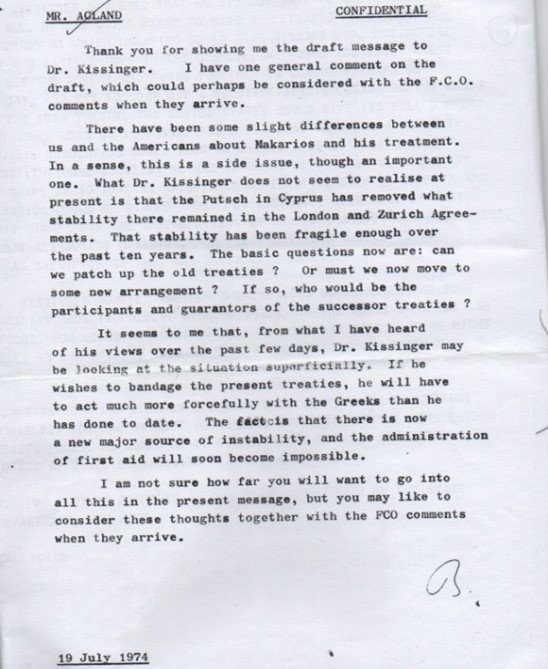
Lord Bridges note 19 July 1974.
5) According to Mr Mallinson, “He (Kissinger) speciously using communism as an excuse to delay supporting international law”.
Our response
The American Secretary of State was not judge and jury, simply saw things from an American point of view vis-à-vis their interests and the American bases in Turkey… The British were ruling the waves on Cyprus as they do to this very day.
6) “He (Kissinger) refused to support Britain’s military obligations in Cyprus following the anti-Makarios coup”.
Our response
a) Britain never had the intention of fulfilling its military obligations towards Cyprus since December 1963. Prime Minister Sir Alec Douglas-Home on 31.12.1963 informed Duncan-Sandys the Commonwealth Secretary who had rushed to Cyprus,” we do not have the intention of using our forces even if Turkey invades…”
b) James Callaghan on 19 July 1974 informed the British High Commissioner in Nicosia that there was not going to be any British action (repeating No action) for the time being…
c) Rear Admiral A. D. Cassidi at Akrotiri base in charge of Task Force 321 between 20-31 July 1974 wrote that the Chief of the British Middle East Forces at Akrotiri had emphasised to him that the UK policy was for British forces not to take part in any fighting hence the British forces had kept a low profile. The immediate interest was the safety of the British families and if anything to withdraw to their bases.
d) The UK Government had already given the Green light to Bulent Ecevit to proceed with the invasion during their discussions on the evening of the 17 July 1974, as long as the Turkish army kept away from the British Bases. Ecevit on the same night had also made Wilson and Callaghan privy as to the boundaries of the Attila line i.e. Limnitis–Nicosia–Famagusta.
e) The UK did not need American support to help Cyprus militarily, since it had an obligation to do so, as a signatory to the 1960 Treaty of Guarantee along with Greece and Turkey. The USA was not.
7) “He (Kissinger) illogically stated that pressure to restore Makarios would strengthen the Athens Junta, when the opposite was true”.
Our response – that is Mr. Mallinson’s point of view.
8)“He (Kissinger) refused to have a NATO ministerial meeting while Turkey was attacking”
Our response – a) That was a decision taken by both Callaghan and Kissinger on 20 July 1974. B) On 14 August 1974 during the discussion between James Callaghan Foreign and Commonwealth Secretary, American Secretary Henry Kissinger and American President Gerald Ford:
Dr Kissinger asked James Callaghan: “Do you think a NATO ministerial would be a good framework, or would be a possible framework to get them started again?
James Callaghan replied: “Henry, I do not want to be negative because it’s not my approach, but I really don’t. I think NATO would get itself embroiled in it with even more dire consequences for its future without being able to solve it because at the moment no Greek Cypriot can sit down with a Turkish Cypriot, or with a Turk. And by rushing into this, the Turks have made a settlement impossible. My own very strong view is that if I reproach myself with one thing it is that I didn’t put more pressure on the Greeks earlier than I did”. (PREM 16/20).
9) “He (Kissinger) suggested to Callaghan on 20 July, just after Turkey was ‘cutting loose’ that one sit on ‘the thing’ (the invasion) for a day”. (The source that Mr Mallinson adds as ref 11 does not refer to this point but to a meeting of 14 August 1974 between James Callaghan, Secretary Kissinger and President Ford.)
Our response
The British Government expected Turkey to achieve its goal with 48 hours. The British Foreign Office on same day of first invasion, 20 July 1974, informed the Australian High Commission in London that “Britain secretly would not object if Turkish Military Forces occupied about 1/3 of the island before agreeing to a ceasefire (please protect)”. (Australian Archives).
Source (Australian telegram included) – https://simerini.sigmalive.com/article/2024/7/23/zoume-gia-50-khronia-mia-bretano-tourkike-dizonike-trela/
10)“He (Kissinger) had instructed Tasca (his envoy) to tell the Greek Government that if they attacked Turkey and announced enosis, the US would immediately cut off military aid. Yet despite the Turkish invasion, he then fought tooth and nail against Congress to keep Turkey supplied with American arms. This was simply double-track diplomacy at best, or two-faced, at worst”.
Our response
The Greek Government (junta) did not attack Turkey and did not announce enosis, which Kissinger did not support. His support on keeping Turkey supplied with American arms was his decision as he saw the American interests and was defeated by Congress imposing the arms embargo against Turkey, which was lifted after Kissinger left office.
11) “According to a British Athens embassy official in Athens, the Greeks believed that the Americans had convinced them that the coup was acceptable to them, and that Turkey would not invade Cyprus”.
Our response
Which British official, which document and when? The Foreign Office Planning Department statement on 20 August 1964 is worth having in mind. (See supplementary information 5).
12) “During the negotiations, Kissinger avoided seeing the new Greek Foreign Minister, Mavros, until ‘after the Geneva negotiations were over’. Obviously, a visit would have bedevilled Turkey’s invasion plan”.
Our response
This does not prove anything and is a naïve observation. Dr. Kissinger had already seen Archbishop Makarios twice. First on the 22 July 1974 Kissinger met privately with Makarios for 1 hour and 20 minutes at which time Ambassador Dimitriou and McCloskey joined them. Makarios handed to Kissinger a six handwritten proposals for resolving the Cyprus issue. Kissinger then briefed the Ambassadors on the private conversation and remained noncommittal on who should lead Cyprus. (American released documents).
Second meeting on 29 July 1974 again in the presence of Ambassador Dimitriou and Ambassador Robert J. McCloskey. Makarios asked Kissinger to take over the negotiations and Kissinger replied “There are still too many cooks”. Makarios insisted saying “I prefer an American cook ”. Makarios would have never asked Kissinger to get directly involved if he believed that the Foreign Secretary of the USA was working with the Turks.
13) “When, at the Geneva negotiations, Kissinger’s advisers urged him to cut off military assistance to Turkey, he said that on no account must this be done, adding that he was not prepared to jeopardise the American position with Turkey”.
Our response
That was expected from any American politician who sworn to protect the American interests. But was not expected from the British ‘guarantors’ to give the green light to Ecevit to invade Cyprus in order to change the status quo of the Republic they created in 1960 and signed the “Guarantee” of its integrity on 16 August 1960 in Nicosia. The British Government had and still has an obligation to intervene military to stop both invasions and restore constitutional order.
14) “The British knew very well that the US would not prevent a Turkish invasion: On 14 August, the day of the big Turkish breakout, the British Ambassador in Washington wrote that while the Turks could not justifiably claim to have American approval for their position, particularly now that they have started fighting again, they could reasonably gamble that American disapproval would not be so forceful as to compel them to stop”.
Our response
The British also knew that they themselves would not prevent both Turkish invasions and used as a ridiculous excuse the fact that the Americans would not, simply to cover up their own collusion with Ecevit. The Americans did not have any obligations towards the security of Cyprus, the British did.
The following extract from Professor Francis Anderson’s historical research “The Division of Cyprus” re-published 23 December 2016, outlines clearly Britain’s failed obligations and the dramatic consequences and outcome of those failures.
“…But the coup was undoubtedly a breach of the Treaty of Guarantee, and within 48 hours the Turkish premier, Ecevit, was at the door of Downing Street, flanked by ministers and generals, demoing that Britain join Turkey in taking immediate action to reverse it. The meeting that ensued settled the fate of the island. It was a talk between social-democrats: Wilson, Callaghan and Ecevit, fellow members of the Socialist International. Although Britain had not only a core of well –equipped troops, but overwhelming air-power on the island – fighter – bombers capable of shattering forces far more formidable than Sampson and his minders – Wilson and Callaghan refused to lift a finger. The next day, Turkey readied a naval landing. Britain had warships off the coast, and could have deterred a unilateral Turkish invasion with equal ease. Again, London did nothing. The result was the catastrophe that shapes Cyprus to this day… After a few weeks’ ceasefire, during which Turkey made clear it had no interest in the treaty whose violation had been the technical grounds for its invasion, but wanted partition forthwith, its generals unleashed an all-out blitz – tanks, jets, artillery and warships- on the now restored legal government of Cyprus. In less than 72 hours, Turkey seized two-fifths of the island…»
15) “When Britain tried to give up its bases, Kissinger pressurised Britain not to do so, saying that Cyprus, an important part of the world chessboard, was important in the Arab/Israel dispute”.
Our response
This is another irrelevant point for “demonising” Kissinger. Yes, Kissinger pressurised Britain when in September 1974 had decided for financial reasons to consider abandoning their bases in Cyprus. However according to Callaghan they couldn’t do it because they would have had a problem with the Turks who in such a case wanted Dhekelia base to be given to them. However, the British could not do so because of their obligation, agreed in 1960 with Makarios, if and when they would not be needing their “sovereign bases” to return them to the Republic of Cyprus.
The British Government had since the end of 1973 agreed for the American U2 spy planes to use Akrotiri for their reconnaissance flights over the Middle East. And U2 had been operating from Akrotiri during 1974 before the Turkish invasions.
Furthermore, the Americans and NATO had bases in Cyprus since 1960. With the full knowledge and acquaintance of Archbishop Makarios and others in the Cyprus government. British base Cape Greco was a NATO base and under the supervision of Turkish NATO military personnel who visited once a year the base for maintenance! Due to AKEL the Communist party of Cyprus and USSR, the British covered it up as British base to help Makarios overcome any reaction from AKEL and Moscow.
16) “Kissinger claimed that the Greeks had rejected the Turkish five/six canton proposal at Geneva, when in fact, Clerides, the Greek Cypriot negotiator, had asked for thirty six hours to consider the proposal. Rather than give him the time, Turkey simply consolidated its invasion. Worse, Kissinger refuted Makarios’ claim that the US could persuade Turkey to accept a multi-regional solution. Despite what Kissinger has written, British documents confirm that it was the Americans themselves who had ‘fed the Turkish delegation with the cantonal idea’”.
Our response
At Geneva II James Callaghan (presiding both conferences Geneva I and Geneva II) did his utmost to get Gl. Clerides and G. Mavros to accept geographical federation as per the Turkish demand but Clerides told them he would be shot if he did there and then. But Callaghan believed that had they been allowed the extension of time Clerides would sign on his return.
The cantonal proposal according to Kissinger was not an official proposal (by him) simply an idea to buy some time. Besides during his second meeting with Kissinger on 29 July 1974 when he begged him to take over as negotiator (preferring as he said “an American cook” to the British), Makarios told him “you are in a position to play a positive role. You can make some proposals”. Kissinger who knew Makarios’ position told him he would send his six points to the Turkish Government. The multi-regional solution which Makarios had asked for, implied cantons. Kissinger told Makarios the truth about the impossibility of the Turks accepting a multi-regional solution. James Callaghan’s drafts in Geneva were drawn up on a geographical federation, separation of the two communities.
Makarios, having made his blunders on the 17 July 1974 with his “saviours” (the British), two days after the first Turkish invasion ran to Dr. Kissinger for help.
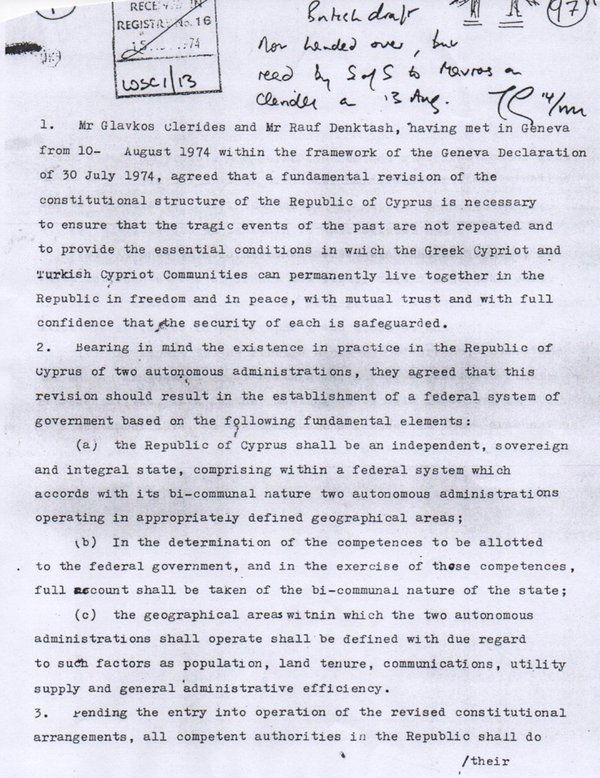
(Above a page from the last of James Callaghan’s drafts 13.8.1974 to secure acceptance from Clerides at Geneva II for a geographical federation).
The British had already decided the fate of Cyprus. Nothing short of their Planning Department (headed by late Sir Crispin Tickell) preparations since 3.1.1964 for the re-construction of the Republic of Cyprus into two federal constituent states, one Greek and one Turkish.
Looking ten years ahead… finally the Foreign Office sealed the fate of Cyprus on the 16 August 1974. The solution would be a bicommunal, bizonal federation (BBF) as the Turks wanted, signed Foreign Office official A. C. Goodison…
On 27 August 1974 at a meeting in Washington where Callaghan had sent his top men at the Foreign Office for a face to face discussion with Kissinger to ask for his support for their BBF solution, the first thing Kissinger intercepted saying was that “the great diplomatic feat had already been achieved of pointing him as the villain of their negotiations”. The delegation headed by Sir John Killick said “Callaghan was deliberately maintaining a low profile…”
The delegation after a very long discussion asked Kissinger if they could depend on his support for their solution of BBF. Kissinger told them the Greeks would never accept it. After consulting his President, he gave them his OK the day after. 50 years on this proposed solution is unacceptable to the majority of the Greeks of Cyprus.
Supplementary
Two meetings on 14 August 1974.
1) Harold Wilson with UN SG Kurt Waldheim at 10 Downing Street.
British Prime Minister “instructed” the Secretary General and the latter
agreed that NO Resolution for Cyprus would be passed under Article 7 of the UN Charter unless the Turks went beyond their present apparent objectives and sought to overrun the whole island or to encourage any full-scale slaughter of members of the Greek Cypriot community.
2) Same day (14.8.1974) telephone conversation between James Callaghan, Henry Kissinger and President Ford. The discussion confirms that Kissinger followed British Policy and not vice versa. As adequately explained by Dr. Klearchos A. Kyriakides in his article published in “Simerini” 18.8.2018, James Callaghan was in the driving seat and not Henry Kissinger.
3) “What we learn from this document (wrote Dr. Kyriakides), is that in this drama, Mr. Callaghan was the rider and Kissinger the horse. Even more important, we learn that both knew that Turkey followed a provocative strategy “too jingoistic, indeed too close to Hitler for my liking” as Callaghan put it, yet they did nothing”.
(Source PREM 16/20 British National Archive).
https://simerini.sigmalive.com/article/2018/8/18/abola-konta-ston-khitler/
4) On 9 August 1974 British Intelligence Services sent a top secret assessment to James Callaghan in Geneva II informing also the Americans as follows:
“Military Turkish plans in Cyprus.
The plan is in conformity with what we knew of Turkish planning prior to the intervention. We think the Turks always hoped to secure Famagusta … the plan will be carried out irrespective of the outcome of the Geneva talks and not later than 20 August (1974)”.
5) Finally an extract from a document, written on 20 August 1964 by Sir Crispin Tickell’s Planning Department of the Foreign Office (signed R. L. Wade-Gery) raises many questions and answers a lot of others:
“Obviously a coup would be politically impossible for the Greeks to justify or the Turks to tolerate… but there may be a moment when a successful coup could open the way to a reason solution… This could only be achieved by the Americans and ourselves. We need know nothing about the coup in advance (it would indeed be very undesirable if we did), but we should have to be ready to act fast once it had taken place. What we should need to do would be to extract the necessary minimum of secret unilateral promises from each side to prevent their forces from engaging each other”.
Conclusions
During the 1974 Cyprus crisis USA’s Foreign Secretary Dr. Henry Kissinger was not innocent of the island’s misfortune suffering two Turkish invasions, executions, human rights violations, ethnic cleansing and the occupation of its northern part. Kissinger, however, was not the main policy maker. He followed the British policy over Cyprus for various reasons, just as all American governments before and after him. He could have decided not to do so. However he did stay faithful to the American/British special relationship besides other reasons related to how he perceived serving the American interests.
The undisputed fact remains that the British Government of Harold Wilson and James Callaghan bear the blame for allowing both Turkish invasions to go ahead, knowing very well the consequences, and for colluding with Ecevit to change the constitutional legal status of the Republic of Cyprus.
It is unacceptable that 50 years on from the two bloody invasions of 1974, the Foreign Office continues the same unproductive policy based on the unworkable and racist BBF, which is in line with the Turkish demands and Dr. Nihat Erim’s plan of November 1956 of how to “recapture the whole of Cyprus”.
Fanoulla Argyrou
Researcher/journalist/author
Reader in the British National Archives since 1985 and Associate writer in Simerini newspaper in Cyprus since 1988. Associate writer also in “Eleftheria” in London.
Author of 10 books 9 on Cyprus based mostly on material from the British National Archives and 1 book on the Pontiac Greek Genocide. (Archival references to the above included in two of the writer’s books «Διζωνική Εκτέλεση της Κυπριακής Δημοκρατίας 1955-2011» Λεμεσός, and «Διζωνική vs Δημοκρατία» Λεμεσός 2019.
Leonidas Leonidou
Researcher/author
Official biographer of General Georgios Grivas Dhigenis and reader in the British National Archives. Author of 23 books (www.leonidasleonidou.org) related to the modern History of Cyprus.
Source: Simerini

Διεθνή
Προειδοποίηση της Ελβετίας: Το υψηλό ευρωπαϊκό χρέος θα μπορούσε να πυροδοτήσει μια κρίση του ευρώ
Τα αυξανόμενα επίπεδα δημόσιου χρέους στην Ευρώπη και πέραν αυτής εγκυμονούν κινδύνους για την οικονομική σταθερότητα και θα μπορούσαν να πυροδοτήσουν μια κρίση του ευρώ, δήλωσε την Παρασκευή η Ελβετίδα υπουργός Οικονομικών, Κάριν Κέλερ-Σούτερ.
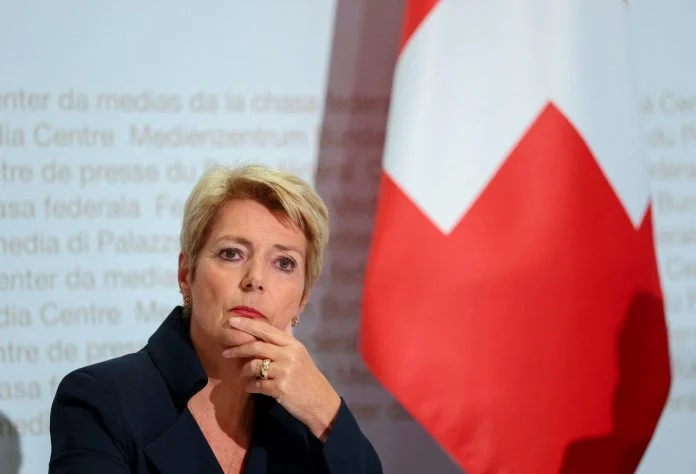
Τα αυξανόμενα επίπεδα δημόσιου χρέους στην Ευρώπη και πέραν αυτής εγκυμονούν κινδύνους για την οικονομική σταθερότητα και θα μπορούσαν να πυροδοτήσουν μια κρίση του ευρώ, δήλωσε την Παρασκευή η Ελβετίδα υπουργός Οικονομικών, Κάριν Κέλερ-Σούτερ.
Μιλώντας στον ελβετικό δημόσιο ραδιοτηλεοπτικό φορέα SRF, στην Μπανγκόκ —στο περιθώριο των ετήσιων συναντήσεων του Διεθνούς Νομισματικού Ταμείου και της Παγκόσμιας Τράπεζας—, η Κέλερ-Σούτερ ανέφερε ότι και οι τιμές της ενέργειας εντείνουν τις ανησυχίες μεταξύ των υπευθύνων χάραξης πολιτικής.
Η Ελβετία διαθέτει ένα από τα χαμηλότερα επίπεδα δημόσιου χρέους στην Ευρώπη, ωστόσο η Κέλερ-Σούτερ τόνισε ότι, στο τρέχον περιβάλλον, είναι σημαντικό να εξετάζεται η ευρύτερη εικόνα.
«Είμαστε τόσο στενά διασυνδεδεμένοι σε διεθνές επίπεδο, ώστε καθιστάμεθα επίσης ευάλωτοι, για παράδειγμα, στην περίπτωση που προκύψει κρίση χρέους εξαιτίας του δημόσιου χρέους μεγάλων χωρών. Σκέφτομαι συγκεκριμένα τις Ηνωμένες Πολιτείες, αλλά και την Ευρώπη. Υπάρχει η περίπτωση της Γαλλίας — κάτι που θα μπορούσε να οδηγήσει σε κρίση του ευρώ», δήλωσε η Κέλερ-Σούτερ στο δίκτυο SRF.
Το δημόσιο χρέος της Γαλλίας, τα δημοσιονομικά ελλείμματα και η υποτονική οικονομική ανάπτυξη έχουν εντείνει τις ανησυχίες για την κατάσταση των δημόσιων οικονομικών της, καθώς ο πολιτικός κατακερματισμός έχει καταστήσει πιο περίπλοκες τις προσπάθειες δημοσιονομικής εξυγίανσης.

Αναλύσεις
Η Κίνα βρίσκει δρόμο που παρακάμπτει το Πακιστάν – Ο διάδρομος Ουαχάν αλλάζει τις γεωπολιτικές ισορροπίες
Μία νέα οδική αρτηρία μήκους 121 χιλιομέτρων στο βορειοανατολικό Αφγανιστάν δημιουργεί τις προϋποθέσεις για απευθείας χερσαία σύνδεση με την Κίνα, χωρίς διέλευση από το Πακιστάν. Η ολοκλήρωση του δρόμου στον ιστορικό διάδρομο Ουαχάν αποκτά ιδιαίτερη γεωπολιτική σημασία, καθώς το Πεκίνο αντιμετωπίζει σοβαρά προβλήματα ασφαλείας με τις επενδύσεις του στο Πακιστάν, ενώ η Καμπούλ επιδιώκει να μειώσει την εξάρτησή της από το Ισλαμαμπάντ.
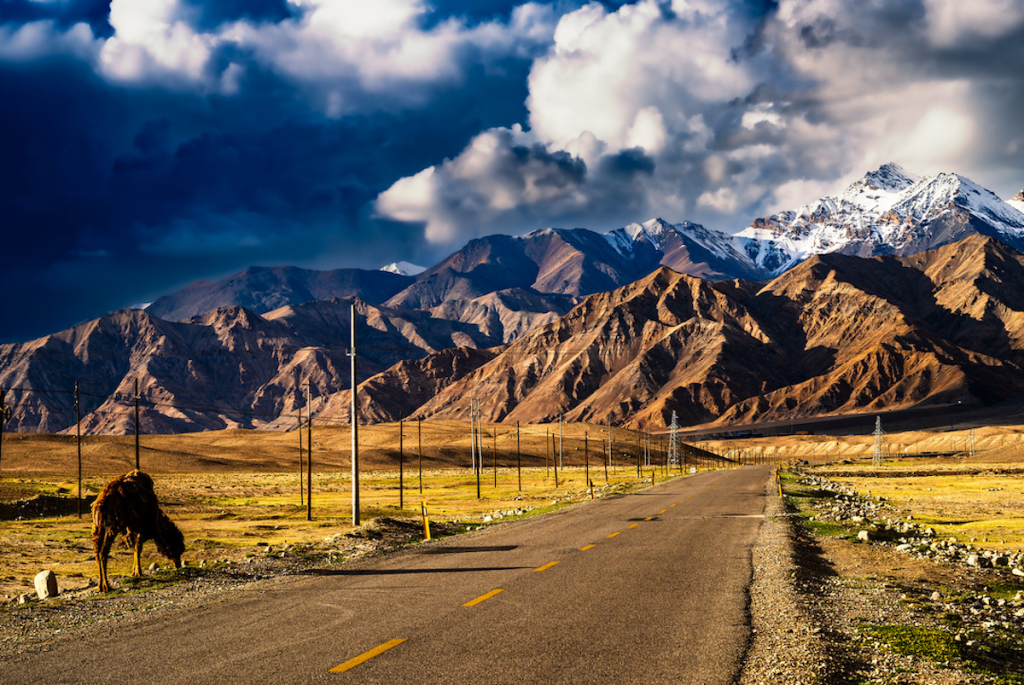
Μία σημαντική εξέλιξη στις χερσαίες μεταφορές και στις γεωπολιτικές ισορροπίες της Κεντρικής Ασίας καταγράφεται στο Αφγανιστάν, με την ολοκλήρωση νέου δρόμου στον στρατηγικής σημασίας διάδρομο Ουαχάν.
Σύμφωνα με ανάλυση του Imran Khurshid που δημοσιεύθηκε στις 9 Οκτωβρίου 2026 στο Asia Times, οι αφγανικές αρχές εγκαινίασαν οδική διαδρομή 121 χιλιομέτρων, η οποία εκτείνεται από την περιοχή Μπρογκίλ έως τα σύνορα με την Κίνα, στην επαρχία Μπανταχσάν.
Το έργο κόστισε περίπου 365 εκατομμύρια αφγάνι, ποσό που αντιστοιχεί σε περίπου 5,5 εκατομμύρια δολάρια.
Κατά τις αφγανικές ανακοινώσεις, κατασκευάστηκε από ντόπιους μηχανικούς και εργαζομένους, χωρίς τη συμμετοχή ξένων τεχνικών συμβούλων.
Η νέα διαδρομή φθάνει στα σινοαφγανικά σύνορα. Αυτό, ωστόσο, δεν σημαίνει ότι λειτουργεί ήδη πλήρης διεθνής εμπορευματικός διάδρομος, καθώς εξακολουθούν να υπάρχουν σημαντικοί τεχνικοί και συνοριακοί περιορισμοί.
Γιατί ο διάδρομος Ουαχάν έχει στρατηγική σημασία
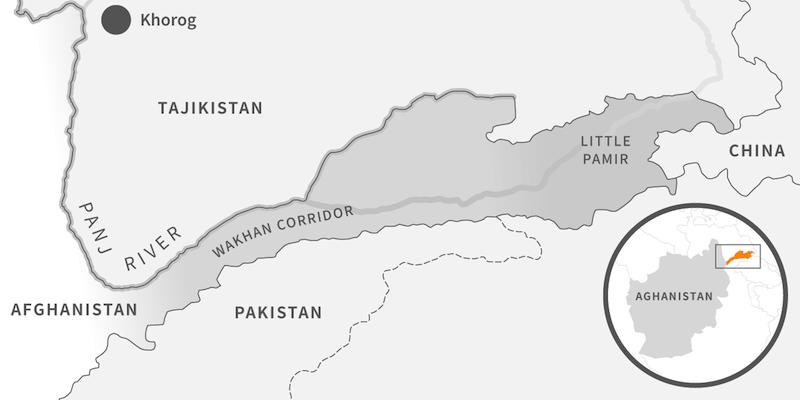
Ο διάδρομος Ουαχάν αποτελεί μια στενή λωρίδα αφγανικού εδάφους ανάμεσα στο Τατζικιστάν, το Πακιστάν και την Κίνα.
Η γεωγραφική του διαμόρφωση συνδέεται με τον ανταγωνισμό της Βρετανικής και της Ρωσικής Αυτοκρατορίας κατά τον 19ο αιώνα.
Η περιοχή διατηρήθηκε ως ζώνη διαχωρισμού των δύο αυτοκρατορικών σφαιρών επιρροής, αποτελώντας ένα από τα χαρακτηριστικότερα γεωγραφικά κατάλοιπα του λεγόμενου «Μεγάλου Παιχνιδιού».
Σήμερα, η ίδια περιοχή αποκτά νέα σημασία, αυτή τη φορά λόγω της προσπάθειας σύνδεσης της Κίνας με το Αφγανιστάν και ευρύτερα με την Κεντρική Ασία.
Ο δρόμος ανοίγει τη δυνατότητα δημιουργίας μιας εναλλακτικής οδού μεταφορών, περιορίζοντας δυνητικά την ανάγκη διέλευσης από το πακιστανικό έδαφος.
Το πρόβλημα της Κίνας με τον οικονομικό διάδρομο CPEC
Το ενδιαφέρον της εξέλιξης εντοπίζεται κυρίως στην προσπάθεια του Πεκίνου να περιορίσει την εξάρτησή του από ευάλωτες υποδομές.
Ο Οικονομικός Διάδρομος Κίνας–Πακιστάν, γνωστός ως CPEC, αποτελεί ένα από τα σημαντικότερα προγράμματα της κινεζικής πρωτοβουλίας Belt and Road.
Μέσω του συγκεκριμένου σχεδίου, η Κίνα επιχειρεί να ενισχύσει τις εμπορικές και ενεργειακές συνδέσεις της με τη Νότια Ασία και την Αραβική Θάλασσα.
Ωστόσο, η υλοποίηση των έργων έχει αντιμετωπίσει σοβαρές δυσκολίες.
Στην επαρχία Μπαλουχιστάν, οργανώσεις αυτονομιστών έχουν πραγματοποιήσει επανειλημμένες επιθέσεις εναντίον κινεζικών συμφερόντων, εγκαταστάσεων και εργαζομένων.
Οι επιθέσεις αυτές έχουν επιβαρύνει την ασφάλεια των υποδομών και έχουν αυξήσει το κόστος προστασίας των κινεζικών επενδύσεων.
Παράλληλα, έχουν διατυπωθεί καταγγελίες για καθυστερήσεις, κακοδιαχείριση και προβλήματα διαφάνειας σε επιμέρους προγράμματα του CPEC.
Η εδαφική διαμάχη με την Ινδία
Μια επιπλέον γεωπολιτική δυσκολία συνδέεται με τη διέλευση του CPEC από το Γκιλγκίτ–Μπαλτιστάν.
Η περιοχή διοικείται από το Πακιστάν, αλλά διεκδικείται από την Ινδία, στο πλαίσιο της ευρύτερης διαμάχης για το Κασμίρ.
Το Νέο Δελχί έχει αντιταχθεί επανειλημμένα σε έργα που διέρχονται από εδάφη τα οποία θεωρεί τμήμα της δικής του επικράτειας.
Αυτό σημαίνει ότι ο οικονομικός διάδρομος Κίνας–Πακιστάν δεν αποτελεί μόνο αναπτυξιακό πρόγραμμα, αλλά συνδέεται με μία από τις πιο ευαίσθητες εδαφικές αντιπαραθέσεις της Ασίας.
Η δημιουργία εναλλακτικών διαδρομών μέσω του Αφγανιστάν θα μπορούσε μακροπρόθεσμα να προσφέρει στο Πεκίνο μεγαλύτερη ευελιξία.
Δεν υπάρχει, πάντως, ένδειξη ότι ο δρόμος του Ουαχάν μπορεί σήμερα να αντικαταστήσει τις μεγάλες μεταφορικές υποδομές του CPEC.
Η Καμπούλ επιχειρεί να μειώσει την εξάρτησή της από το Ισλαμαμπάντ
Για την κυβέρνηση των Ταλιμπάν, το έργο έχει και μία σαφή πολιτική διάσταση.
Το Αφγανιστάν εξαρτάται σε σημαντικό βαθμό από συνοριακές διαβάσεις και μεταφορικούς άξονες που περνούν από το Πακιστάν.
Οι επανειλημμένες εντάσεις ανάμεσα στις δύο χώρες έχουν προκαλέσει κλείσιμο συνοριακών περασμάτων, διακοπές εμπορικών ροών και επιβάρυνση της αφγανικής οικονομίας.
Μια εναλλακτική χερσαία διέξοδος προς την Κίνα θα μπορούσε, εφόσον αναπτυχθεί και καταστεί λειτουργική, να μειώσει τη δυνατότητα του Πακιστάν να χρησιμοποιεί τη γεωγραφική του θέση ως μέσο πίεσης προς την Καμπούλ.
Η αφγανική πλευρά αντιμετωπίζει το έργο ως σημαντική υποδομή οικονομικής και στρατηγικής αυτονομίας.
Η στάση της Κίνας και της Ρωσίας
Παρά την προοπτική άμεσης σύνδεσης, το Πεκίνο δεν έχει εγκαταλείψει τον οικονομικό διάδρομο CPEC ούτε έχει ανακοινώσει ότι ο Ουαχάν θα τον αντικαταστήσει.
Η Κίνα εξακολουθεί να διατηρεί σημαντικά οικονομικά και στρατηγικά συμφέροντα στο Πακιστάν.
Αντίστοιχα, η Ρωσία ενδιαφέρεται για τη σταθερότητα του Αφγανιστάν και για την ανάπτυξη νέων δικτύων επικοινωνίας στην Κεντρική Ασία.
Η δημιουργία περισσότερων επιλογών διασύνδεσης ενδέχεται να περιορίσει την αποκλειστική σημασία ορισμένων παραδοσιακών μεταφορικών διαδρομών.
Η πραγματική αξία του Ουαχάν θα εξαρτηθεί από τη βελτίωση των οδικών υποδομών, τη λειτουργία συνοριακών και τελωνειακών εγκαταστάσεων, τις καιρικές συνθήκες και τις πολιτικές αποφάσεις της Κίνας.
Το μήνυμα προς το Πακιστάν
Η νέα διαδρομή αναδεικνύει μια σημαντική γεωπολιτική πραγματικότητα: η γεωγραφική θέση ενός κράτους προσφέρει στρατηγικά πλεονεκτήματα, αλλά η αξιοποίησή τους εξαρτάται από την ασφάλεια και την αξιοπιστία των μεταφορικών του δικτύων.
Το Πακιστάν εξακολουθεί να αποτελεί κρίσιμο εταίρο της Κίνας, ιδιαίτερα στο πλαίσιο του CPEC.
Ταυτόχρονα, όμως, η αστάθεια, οι επιθέσεις σε κινεζικά συμφέροντα και οι αντιπαραθέσεις με το Αφγανιστάν δημιουργούν κίνητρα αναζήτησης εναλλακτικών επιλογών.
Ο διάδρομος Ουαχάν δεν έχει ακόμη μετατραπεί σε μεγάλο εμπορικό πέρασμα. Η κατασκευή του δρόμου, ωστόσο, καταδεικνύει ότι το Αφγανιστάν επιχειρεί να αποκτήσει πρόσθετες διεθνείς συνδέσεις και ότι η αποκλειστική εξάρτηση από το Πακιστάν δεν αποτελεί πλέον τη μοναδική γεωγραφική επιλογή.
Για το Ισλαμαμπάντ, η εξέλιξη αποτελεί μια νέα στρατηγική παράμετρο που θα πρέπει να συνυπολογίσει στις σχέσεις του με το Πεκίνο και την Καμπούλ.
Διεθνή
Γερμανία: Το ρωσικό φυσικό αέριο επιστρέφει έμμεσα μέσω των λιπασμάτων, παρά τους ευρωπαϊκούς δασμούς
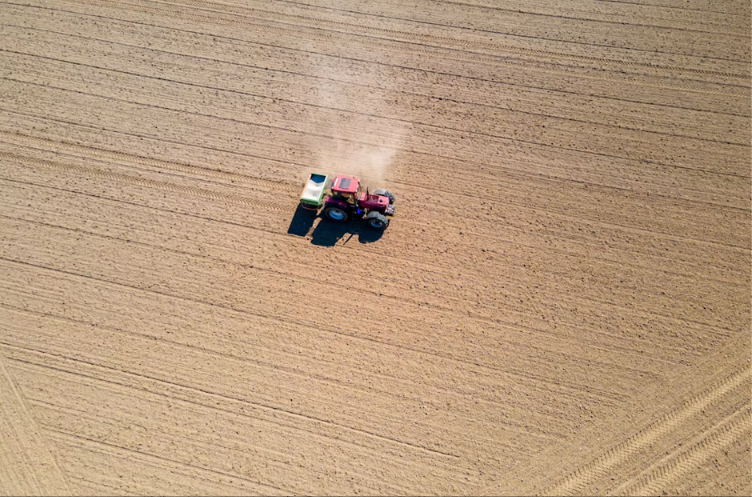
Οι εισαγωγές ρωσικών αζωτούχων λιπασμάτων μειώθηκαν κατά 66% το 2025-2026, αλλά παραμένουν 53% υψηλότερες από τα επίπεδα πριν από τον πόλεμο στην Ουκρανία.
Το υψηλό ενεργειακό κόστος στη Γερμανία διατηρεί ανταγωνιστικά τα ρωσικά προϊόντα, σύμφωνα με στοιχεία που δημοσίευσε η Berliner Zeitung. Η Γερμανία εξακολουθεί να συνδέεται εμπορικά με το ρωσικό φυσικό αέριο, παρά τις ευρωπαϊκές προσπάθειες περιορισμού της ενεργειακής εξάρτησης από τη Μόσχα.
Αυτή τη φορά, η σύνδεση δεν αφορά αποκλειστικά την άμεση προμήθεια φυσικού αερίου, αλλά τις εισαγωγές λιπασμάτων που παράγονται με τη χρήση ρωσικού αερίου ως πρώτης ύλης και πηγής ενέργειας. Σύμφωνα με δημοσίευμα της γερμανικής εφημερίδας, που βασίζεται σε στοιχεία του Γερμανικού Ομοσπονδιακού Στατιστικού Γραφείου και του Συνδέσμου Αγροτικής Βιομηχανίας (IVA), οι εισαγωγές αζώτου μέσω ρωσικών λιπασμάτων μειώθηκαν σημαντικά κατά το 2025-2026. Ωστόσο, εξακολουθούν να βρίσκονται πάνω από τα επίπεδα που καταγράφονταν πριν από τη ρωσική εισβολή στην Ουκρανία.
Τα στοιχεία των εισαγωγών και η σύγκριση με την προπολεμική περίοδο
Το 2025-2026, η Γερμανία εισήγαγε 48.800 τόνους αζώτου μέσω λιπασμάτων ρωσικής προέλευσης. Η ποσότητα αυτή είναι μειωμένη κατά περίπου 66% σε σύγκριση με το προηγούμενο έτος, αλλά παραμένει κατά 53% υψηλότερη από τους 31.800 τόνους που είχαν καταγραφεί το 2020-2021, πριν από τον πόλεμο.
Η εξέλιξη των εισαγωγών δείχνει πόσο έντονη ήταν η αύξηση μετά το 2022. Το 2021-2022 οι εισαγωγές έφτασαν τους 56.800 τόνους αζώτου, ενώ το 2022-2023 εκτοξεύθηκαν στους 185.100 τόνους. Στη συνέχεια καταγράφηκαν 140.200 τόνοι το 2023-2024 και 143.800 τόνοι το 2024-2025, προτού σημειωθεί η μεγάλη υποχώρηση της τελευταίας περιόδου. Τα στοιχεία αφορούν την ποσότητα του αζώτου που περιέχεται στα εισαγόμενα λιπάσματα και όχι το συνολικό βάρος των προϊόντων.
Τα λιπασματικά έτη υπολογίζονται από τον Ιούλιο έως τον Ιούνιο. Η ποσότητα αζώτου που εισήχθη στη Γερμανία μέσω ρωσικής ουρίας μειώθηκε από 71.600 τόνους σε 27.600 τόνους, καταγράφοντας πτώση άνω του 61%. Παρά τη μείωση, η ποσότητα εξακολουθεί να είναι σχεδόν τριπλάσια από τους 9.900 τόνους του 2020-2021. Η συγκεκριμένη εξέλιξη αναδεικνύει το βασικό πρόβλημα της ευρωπαϊκής πολιτικής περιορισμού των εμπορικών δεσμών με τη Ρωσία. Ακόμη και όταν περιορίζονται οι εισαγωγές συγκεκριμένων προϊόντων, οι οικονομικές σχέσεις μπορούν να διατηρούνται μέσω άλλων κατηγοριών αγαθών, ιδιαίτερα όταν αυτά έχουν χαμηλότερο κόστος παραγωγής.
Γιατί οι ρωσικές εισαγωγές παραμένουν ανταγωνιστικές
Καθοριστικός παράγοντας είναι το υψηλό ενεργειακό κόστος στη Γερμανία και στην υπόλοιπη Ευρώπη. Η παραγωγή αζωτούχων λιπασμάτων απαιτεί μεγάλες ποσότητες φυσικού αερίου, το οποίο χρησιμοποιείται τόσο ως πρώτη ύλη όσο και ως πηγή ενέργειας. Σύμφωνα με τον Σύνδεσμο Αγροτικής Βιομηχανίας (IVA), οι ευρωπαϊκοί δασμοί, που τέθηκαν σε ισχύ τον Ιούλιο του 2025, περιόρισαν σημαντικά τις εισαγωγές ρωσικών λιπασμάτων. Ωστόσο, δεν εξάλειψαν το ανταγωνιστικό πλεονέκτημα των ρωσικών προϊόντων. Ο σύνδεσμος επισημαίνει ότι οι υψηλές τιμές ενέργειας δυσκολεύουν τις ευρωπαϊκές επιχειρήσεις να αυξήσουν την εγχώρια παραγωγή και να καλύψουν μεγαλύτερο μέρος των αναγκών της αγοράς. Ως αποτέλεσμα, τα ρωσικά λιπάσματα εξακολουθούν να παραμένουν ελκυστικά, ακόμη και μετά την επιβολή πρόσθετων δασμών.
Παράλληλα, σύμφωνα με τον IVA, είναι πιθανό ορισμένες ποσότητες ρωσικών προϊόντων να φτάνουν στη γερμανική αγορά μέσω άλλων κρατών-μελών της Ευρωπαϊκής Ένωσης. Το μέγεθος αυτών των έμμεσων εισαγωγών, ωστόσο, δεν μπορεί να προσδιοριστεί με ακρίβεια από τα διαθέσιμα στοιχεία.
Δεν αποδίδονται οι αυξήσεις των τιμών αποκλειστικά στους δασμούς
Το ζήτημα έχει άμεση σημασία για τους Γερμανούς αγρότες, καθώς το κόστος των λιπασμάτων επηρεάζει την παραγωγή και, τελικά, την οικονομική βιωσιμότητα των καλλιεργειών. Ο IVA υποστηρίζει ότι η μείωση των ρωσικών εισαγωγών δεν έχει προκαλέσει μέχρι στιγμής σαφή αύξηση των τιμών εξαιτίας των δασμών. Σύμφωνα με τον σύνδεσμο, η εγχώρια παραγωγική δυναμικότητα και οι εισαγωγές από άλλες χώρες, μεταξύ των οποίων η Αίγυπτος, επαρκούν για την κάλυψη των αναγκών της αγοράς. Την ίδια στιγμή, ο σύνδεσμος αποδίδει τις υψηλές τιμές των λιπασμάτων το 2026 στις διεθνείς ενεργειακές αναταράξεις, στον πόλεμο με το Ιράν και στην κρίση γύρω από τα Στενά του Ορμούζ, παράγοντες που επηρεάζουν το κόστος μεταφοράς και τις παγκόσμιες τιμές ενέργειας και λιπασμάτων.
Οι εκτιμήσεις αυτές αποτελούν τις θέσεις του κλαδικού συνδέσμου και δεν συνιστούν από μόνες τους ανεξάρτητη αξιολόγηση όλων των παραγόντων που διαμορφώνουν τις τιμές.
Νέες πιέσεις για περιορισμό των ρωσικών εισαγωγών
Με αφορμή τα στοιχεία, ο IVA ζητά να εξεταστεί η επιβολή πρόσθετων δασμών στις εισαγωγές καλιούχων λιπασμάτων από τη Ρωσία και τη Λευκορωσία. Το κάλιο αποτελεί βασικό θρεπτικό στοιχείο για τις καλλιέργειες και αντιπροσωπεύει μια ακόμη κατηγορία προϊόντων στην οποία η ευρωπαϊκή αγορά διατηρεί εμπορικές σχέσεις με τις δύο χώρες.
Ο σύνδεσμος εκτιμά ότι η ευρωπαϊκή βιομηχανία μπορεί να καλύψει τις ανάγκες της γεωργίας χωρίς να εξαρτάται από τις συγκεκριμένες εισαγωγές και υποστηρίζει ότι πρόσθετοι δασμοί δεν θα πρέπει να οδηγήσουν αναγκαστικά σε αυξήσεις τιμών. Η συζήτηση, ωστόσο, αποτυπώνει το ευρύτερο δίλημμα της ευρωπαϊκής οικονομικής πολιτικής. Η μείωση της εξάρτησης από τη Ρωσία απαιτεί όχι μόνο εμπορικούς περιορισμούς, αλλά και ανταγωνιστική εγχώρια παραγωγή, προσιτό ενεργειακό κόστος και εναλλακτικές πηγές προμήθειας.
Τα δεδομένα της γερμανικής αγοράς δείχνουν ότι οι δασμοί μπορούν να περιορίσουν σημαντικά τις εισαγωγές, χωρίς όμως να εξαλείψουν αυτομάτως τις οικονομικές σχέσεις που στηρίζονται σε διαφορές κόστους παραγωγής. Για τη Γερμανία και την Ευρωπαϊκή Ένωση, η πρόκληση παραμένει η εξισορρόπηση τριών στόχων: της ενεργειακής και οικονομικής ασφάλειας, της στήριξης της εγχώριας βιομηχανίας και της διατήρησης προσιτού κόστους για τον αγροτικό τομέα.
Με πληροφορίες του Συνδέσμου Αγροτικής Βιομηχανίας (IVA) και του Γερμανικού Ομοσπονδιακού Στατιστικού Γραφείου.

Γιατί το Πεντάγωνο ανησύχησε τόσο πολύ για τα βομβαρδιστικά B-1 στην Αγγλία
Το περιστατικό συμβολίζει τη σταδιακή υποχώρηση της αμερικανικής επιρροής και την αυξανόμενη αβεβαιότητα στο διεθνές περιβάλλον, όπου αντίπαλοι όπως το...

Παρέλαση από το μέλλον: Τα υπερσύγχρονα συστήματα «Spyder» και «David’s Sling»
Η φετινή παρέλαση της 28ης Οκτωβρίου δεν θα έχει σχέση με τις προηγούμενες, αναφέρουν από το υπουργείο Εθνικής Αμυνας, καθώς...

Αντι-NAVTEX της Τουρκίας ανοιχτά της Καρπάθου μετά την ελληνική οδηγία για άσκηση
Η Άγκυρα απάντησε στην ελληνική NAVTEX για πολυεθνική άσκηση με αντι-οδηγία, αξιώνοντας δικαιοδοσία στην περιοχή ανοιχτά της Καρπάθου. Η Αθήνα...

Εγκολφόπουλος: «Δεν χρειάζεται καμία ενημέρωση της Τουρκίας για το καλώδιο»
Την πεποίθηση ότι η ηλεκτρική διασύνδεση Ελλάδας–Κύπρου θα προχωρήσει στην προβλεπόμενη διαδρομή, χωρίς να απαιτείται ενημέρωση ή συναίνεση της Τουρκίας,...

Η «σύγκρουση» στην κορυφή της ΕΕ και «Made in Europe» στην Τουρκία
Όταν όμως και σήμερα, πολιτειακοί αξιωματούχοι (Κυβέρνησης και Βουλής) σε Κύπρο κι Ελλάδα προωθούν την «θετική ατζέντα» προς την Τουρκία,...
-
 Αναλύσεις1 μήνα πριν
Το τελεσίγραφο Καλίν την ώρα που η Τουρκία προετοιμάζεται για πόλεμο!
-
 Άμυνα3 μήνες πριν
Ρωσσικό ΜΜΕ: Ελληνικό «μπλόκο» στην απαίτηση για Patriot – Πώς γνωρίζει το Κίεβο απόρρητα στοιχεία για τους πυραύλους μας;
-

 ΑΝΑΡΤΗΣΕΙΣ ΜΕ ΣΗΜΑΣΙΑ3 μήνες πριν
Πακιστανός με καναδική υπηκοότητα ο υπαίτιος της πυρκαγιάς στον Έβρο! Πιθανόν να μετέφερε μετανάστες
-

 GEOPOLITICO1 μήνα πριν
Το διέρρευσε ο Παπαχελάς! Έφεραν τον Καλίν στο Μαξίμου – Τί συζήτησε με τον Μητσοτάκη;
-
 Αναλύσεις2 μήνες πριν
Καραγκιούλ: «Αν Ελλάδα, Κύπρος και Ισραήλ επιτεθούν στην Τουρκία, ο χάρτης του Αιγαίου θα αλλάξει»
-

 ΑΝΑΡΤΗΣΕΙΣ ΜΕ ΣΗΜΑΣΙΑ2 μήνες πριν
Ξέσπασμα της μητέρας της Μυρτούς για την υπόθεση Τζαβέντ Ασλάμ: «Δεν ξεχνώ ποτέ» – «Δήμαρχος των Πακιστανών ο Δούκας»
-

 GEOPOLITICO4 εβδομάδες πριν
Τί λέει Τούρκος δημοσιογράφος για Σάββα Καλεντερίδη; «Έκανε πολύ καλά τη δουλειά του για τη χώρα του – Δεν μπορούσε να τον στριμώξει η ΜİΤ»
-

 Αναλύσεις3 μήνες πριν
Εάν η Τουρκία απορρίψει τη συμφωνία αποχώρησης από την Κύπρο θα απομακρυνθεί δια της βίας