Ακολουθήστε μας

Γενικά θέματα

GETTING BIN LADEN ( Αρθρο του περιοδικού New Yorker )

Δημοσιεύτηκε στις

What happened that night in Abbottabad.

Shortly after eleven o’clock on the night of May 1st, two MH-60 Black Hawk helicopters lifted off from Jalalabad Air Field, in eastern Afghanistan, and embarked on a covert mission into Pakistan to kill Osama bin Laden. Inside the aircraft were twenty-three Navy SEALs from Team Six, which is officially known as the Naval Special Warfare Development Group, or DEVGRU. A Pakistani-American translator, whom I will call Ahmed, and a dog named Cairo—a Belgian Malinois—were also aboard. It was a moonless evening, and the helicopters’ pilots, wearing night-vision goggles, flew without lights over mountains that straddle the border with Pakistan. Radio communications were kept to a minimum, and an eerie calm settled inside the aircraft.

Fifteen minutes later, the helicopters ducked into an alpine valley and slipped, undetected, into Pakistani airspace. For more than sixty years, Pakistan’s military has maintained a state of high alert against its eastern neighbor, India. Because of this obsession, Pakistan’s “principal air defenses are all pointing east,” Shuja Nawaz, an expert on the Pakistani Army and the author of “Crossed Swords: Pakistan, Its Army, and the Wars Within,” told me. Senior defense and Administration officials concur with this assessment, but a Pakistani senior military official, whom I reached at his office, in Rawalpindi, disagreed. “No one leaves their borders unattended,” he said. Though he declined to elaborate on the location or orientation of Pakistan’s radars—“It’s not where the radars are or aren’t”—he said that the American infiltration was the result of “technological gaps we have vis-à-vis the U.S.” The Black Hawks, each of which had two pilots and a crewman from the 160th Special Operations Aviation Regiment, or the Night Stalkers, had been modified to mask heat, noise, and movement; the copters’ exteriors had sharp, flat angles and were covered with radar-dampening “skin.”
The SEALs’ destination was a house in the small city of Abbottabad, which is about a hundred and twenty miles across the Pakistan border. Situated north of Islamabad, Pakistan’s capital, Abbottabad is in the foothills of the Pir Panjal Range, and is popular in the summertime with families seeking relief from the blistering heat farther south. Founded in 1853 by a British major named James Abbott, the city became the home of a prestigious military academy after the creation of Pakistan, in 1947. According to information gathered by the Central Intelligence Agency, bin Laden was holed up on the third floor of a house in a one-acre compound just off Kakul Road in Bilal Town, a middle-class neighborhood less than a mile from the entrance to the academy. If all went according to plan, the SEALs would drop from the helicopters into the compound, overpower bin Laden’s guards, shoot and kill him at close range, and then take the corpse back to Afghanistan.
The helicopters traversed Mohmand, one of Pakistan’s seven tribal areas, skirted the north of Peshawar, and continued due east. The commander of DEVGRU’s Red Squadron, whom I will call James, sat on the floor, squeezed among ten other SEALs, Ahmed, and Cairo. (The names of all the covert operators mentioned in this story have been changed.) James, a broad-chested man in his late thirties, does not have the lithe swimmer’s frame that one might expect of a SEAL—he is built more like a discus thrower. That night, he wore a shirt and trousers in Desert Digital Camouflage, and carried a silenced Sig Sauer P226 pistol, along with extra ammunition; a CamelBak, for hydration; and gel shots, for endurance. He held a short-barrel, silenced M4 rifle. (Others SEALs had chosen the Heckler & Koch MP7.) A “blowout kit,” for treating field trauma, was tucked into the small of James’s back. Stuffed into one of his pockets was a laminated gridded map of the compound. In another pocket was a booklet with photographs and physical descriptions of the people suspected of being inside. He wore a noise-cancelling headset, which blocked out nearly everything besides his heartbeat.
During the ninety-minute helicopter flight, James and his teammates rehearsed the operation in their heads. Since the autumn of 2001, they had rotated through Afghanistan, Iraq, Yemen, and the Horn of Africa, at a brutal pace. At least three of the SEALs had participated in the sniper operation off the coast of Somalia, in April, 2009, that freed Richard Phillips, the captain of the Maersk Alabama, and left three pirates dead. In October, 2010, a DEVGRU team attempted to rescue Linda Norgrove, a Scottish aid worker who had been kidnapped in eastern Afghanistan by the Taliban. During a raid of a Taliban hideout, a SEAL tossed a grenade at an insurgent, not realizing that Norgrove was nearby. She died from the blast. The mistake haunted the SEALs who had been involved; three of them were subsequently expelled from DEVGRU.
The Abbottabad raid was not DEVGRU’s maiden venture into Pakistan, either. The team had surreptitiously entered the country on ten to twelve previous occasions, according to a special-operations officer who is deeply familiar with the bin Laden raid. Most of those missions were forays into North and South Waziristan, where many military and intelligence analysts had thought that bin Laden and other Al Qaeda leaders were hiding. (Only one such operation—the September, 2008, raid of Angoor Ada, a village in South Waziristan—has been widely reported.) Abbottabad was, by far, the farthest that DEVGRU had ventured into Pakistani territory. It also represented the team’s first serious attempt since late 2001 at killing “Crankshaft”—the target name that the Joint Special Operations Command, or JSOC, had given bin Laden. Since escaping that winter during a battle in the Tora Bora region of eastern Afghanistan, bin Laden had defied American efforts to trace him. Indeed, it remains unclear how he ended up living in Abbottabad.
Forty-five minutes after the Black Hawks departed, four MH-47 Chinooks launched from the same runway in Jalalabad. Two of them flew to the border, staying on the Afghan side; the other two proceeded into Pakistan. Deploying four Chinooks was a last-minute decision made after President Barack Obama said he wanted to feel assured that the Americans could “fight their way out of Pakistan.” Twenty-five additional SEALs from DEVGRU, pulled from a squadron stationed in Afghanistan, sat in the Chinooks that remained at the border; this “quick-reaction force” would be called into action only if the mission went seriously wrong. The third and fourth Chinooks were each outfitted with a pair of M134 Miniguns. They followed the Black Hawks’ initial flight path but landed at a predetermined point on a dry riverbed in a wide, unpopulated valley in northwest Pakistan. The nearest house was half a mile away. On the ground, the copters’ rotors were kept whirring while operatives monitored the surrounding hills for encroaching Pakistani helicopters or fighter jets. One of the Chinooks was carrying fuel bladders, in case the other aircraft needed to refill their tanks.
Meanwhile, the two Black Hawks were quickly approaching Abbottabad from the northwest, hiding behind the mountains on the northernmost edge of the city. Then the pilots banked right and went south along a ridge that marks Abbottabad’s eastern perimeter. When those hills tapered off, the pilots curled right again, toward the city center, and made their final approach.
During the next four minutes, the interior of the Black Hawks rustled alive with the metallic cough of rounds being chambered. Mark, a master chief petty officer and the ranking noncommissioned officer on the operation, crouched on one knee beside the open door of the lead helicopter. He and the eleven other SEALs on “helo one,” who were wearing gloves and had on night-vision goggles, were preparing to fast-rope into bin Laden’s yard. They waited for the crew chief to give the signal to throw the rope. But, as the pilot passed over the compound, pulled into a high hover, and began lowering the aircraft, he felt the Black Hawk getting away from him. He sensed that they were going to crash.
One month before the 2008 Presidential election, Obama, then a senator from Illinois, squared off in a debate against John McCain in an arena at Belmont University, in Nashville. A woman in the audience asked Obama if he would be willing to pursue Al Qaeda leaders inside Pakistan, even if that meant invading an ally nation. He replied, “If we have Osama bin Laden in our sights and the Pakistani government is unable, or unwilling, to take them out, then I think that we have to act and we will take them out. We will kill bin Laden. We will crush Al Qaeda. That has to be our biggest national-security priority.” McCain, who often criticized Obama for his naïveté on foreign-policy matters, characterized the promise as foolish, saying, “I’m not going to telegraph my punches.”
Four months after Obama entered the White House, Leon Panetta, the director of the C.I.A., briefed the President on the agency’s latest programs and initiatives for tracking bin Laden. Obama was unimpressed. In June, 2009, he drafted a memo instructing Panetta to create a “detailed operation plan” for finding the Al Qaeda leader and to “ensure that we have expended every effort.” Most notably, the President intensified the C.I.A.’s classified drone program; there were more missile strikes inside Pakistan during Obama’s first year in office than in George W. Bush’s eight. The terrorists swiftly registered the impact: that July, CBS reported that a recent Al Qaeda communiqué had referred to “brave commanders” who had been “snatched away” and to “so many hidden homes [which] have been levelled.” The document blamed the “very grave” situation on spies who had “spread throughout the land like locusts.” Nevertheless, bin Laden’s trail remained cold.
In August, 2010, Panetta returned to the White House with better news. C.I.A. analysts believed that they had pinpointed bin Laden’s courier, a man in his early thirties named Abu Ahmed al-Kuwaiti. Kuwaiti drove a white S.U.V. whose spare-tire cover was emblazoned with an image of a white rhino. The C.I.A. began tracking the vehicle. One day, a satellite captured images of the S.U.V. pulling into a large concrete compound in Abbottabad. Agents, determining that Kuwaiti was living there, used aerial surveillance to keep watch on the compound, which consisted of a three-story main house, a guesthouse, and a few outbuildings. They observed that residents of the compound burned their trash, instead of putting it out for collection, and concluded that the compound lacked a phone or an Internet connection. Kuwaiti and his brother came and went, but another man, living on the third floor, never left. When this third individual did venture outside, he stayed behind the compound’s walls. Some analysts speculated that the third man was bin Laden, and the agency dubbed him the Pacer.
Obama, though excited, was not yet prepared to order military action. John Brennan, Obama’s counterterrorism adviser, told me that the President’s advisers began an “interrogation of the data, to see if, by that interrogation, you’re going to disprove the theory that bin Laden was there.” The C.I.A. intensified its intelligence-collection efforts, and, according to a recent report in the Guardian, a physician working for the agency conducted an immunization drive in Abbottabad, in the hope of acquiring DNA samples from bin Laden’s children. (No one in the compound ultimately received any immunizations.)
In late 2010, Obama ordered Panetta to begin exploring options for a military strike on the compound. Panetta contacted Vice-Admiral Bill McRaven, the SEAL in charge of JSOC. Traditionally, the Army has dominated the special-operations community, but in recent years the SEALs have become a more prominent presence; McRaven’s boss at the time of the raid, Eric Olson—the head of Special Operations Command, or SOCOM—is a Navy admiral who used to be a commander of DEVGRU. In January, 2011, McRaven asked a JSOC official named Brian, who had previously been a DEVGRU deputy commander, to present a raid plan. The next month, Brian, who has the all-American look of a high-school quarterback, moved into an unmarked office on the first floor of the C.I.A.’s printing plant, in Langley, Virginia. Brian covered the walls of the office with topographical maps and satellite images of the Abbottabad compound. He and half a dozen JSOC officers were formally attached to the Pakistan/Afghanistan department of the C.I.A.’s Counterterrorism Center, but in practice they operated on their own. A senior counterterrorism official who visited the JSOC redoubt described it as an enclave of unusual secrecy and discretion. “Everything they were working on was closely held,” the official said.
The relationship between special-operations units and the C.I.A. dates back to the Vietnam War. But the line between the two communities has increasingly blurred as C.I.A. officers and military personnel have encountered one another on multiple tours of Iraq and Afghanistan. “These people grew up together,” a senior Defense Department official told me. “We are in each other’s systems, we speak each other’s languages.” (Exemplifying this trend, General David H. Petraeus, the former commanding general in Iraq and Afghanistan, is now the incoming head of the C.I.A., and Panetta has taken over the Department of Defense.) The bin Laden mission—plotted at C.I.A. headquarters and authorized under C.I.A. legal statutes but conducted by Navy DEVGRU operators—brought the coöperation between the agency and the Pentagon to an even higher level. John Radsan, a former assistant general counsel at the C.I.A., said that the Abbottabad raid amounted to “a complete incorporation of JSOC into a C.I.A. operation.”
On March 14th, Obama called his national-security advisers into the White House Situation Room and reviewed a spreadsheet listing possible courses of action against the Abbottabad compound. Most were variations of either a JSOC raid or an airstrike. Some versions included coöperating with the Pakistani military; some did not. Obama decided against informing or working with Pakistan. “There was a real lack of confidence that the Pakistanis could keep this secret for more than a nanosecond,” a senior adviser to the President told me. At the end of the meeting, Obama instructed McRaven to proceed with planning the raid.
Brian invited James, the commander of DEVGRU’s Red Squadron, and Mark, the master chief petty officer, to join him at C.I.A. headquarters. They spent the next two and a half weeks considering ways to get inside bin Laden’s house. One option entailed flying helicopters to a spot outside Abbottabad and letting the team sneak into the city on foot. The risk of detection was high, however, and the SEALs would be tired by a long run to the compound. The planners had contemplated tunnelling in—or, at least, the possibility that bin Laden might tunnel out. But images provided by the National Geospatial-Intelligence Agency showed that there was standing water in the vicinity, suggesting that the compound sat in a flood basin. The water table was probably just below the surface, making tunnels highly unlikely. Eventually, the planners agreed that it made the most sense to fly directly into the compound. “Special operations is about doing what’s not expected, and probably the least expected thing here was that a helicopter would come in, drop guys on the roof, and land in the yard,” the special-operations officer said.
On March 29th, McRaven brought the plan to Obama. The President’s military advisers were divided. Some supported a raid, some an airstrike, and others wanted to hold off until the intelligence improved. Robert Gates, the Secretary of Defense, was one of the most outspoken opponents of a helicopter assault. Gates reminded his colleagues that he had been in the Situation Room of the Carter White House when military officials presented Eagle Claw—the 1980 Delta Force operation that aimed at rescuing American hostages in Tehran but resulted in a disastrous collision in the Iranian desert, killing eight American soldiers. “They said that was a pretty good idea, too,” Gates warned. He and General James Cartwright, the vice-chairman of the Joint Chiefs, favored an airstrike by B-2 Spirit bombers. That option would avoid the risk of having American boots on the ground in Pakistan. But the Air Force then calculated that a payload of thirty-two smart bombs, each weighing two thousand pounds, would be required to penetrate thirty feet below ground, insuring that any bunkers would collapse. “That much ordnance going off would be the equivalent of an earthquake,” Cartwright told me. The prospect of flattening a Pakistani city made Obama pause. He shelved the B-2 option and directed McRaven to start rehearsing the raid.
Brian, James, and Mark selected a team of two dozen SEALs from Red Squadron and told them to report to a densely forested site in North Carolina for a training exercise on April 10th. (Red Squadron is one of four squadrons in DEVGRU, which has about three hundred operators in all.) None of the SEALs, besides James and Mark, were aware of the C.I.A. intelligence on bin Laden’s compound until a lieutenant commander walked into an office at the site. He found a two-star Army general from JSOC headquarters seated at a conference table with Brian, James, Mark, and several analysts from the C.I.A. This obviously wasn’t a training exercise. The lieutenant commander was promptly “read in.” A replica of the compound had been built at the site, with walls and chain-link fencing marking the layout of the compound. The team spent the next five days practicing maneuvers.
On April 18th, the DEVGRU squad flew to Nevada for another week of rehearsals. The practice site was a large government-owned stretch of desert with an elevation equivalent to the area surrounding Abbottabad. An extant building served as bin Laden’s house. Aircrews plotted out a path that paralleled the flight from Jalalabad to Abbottabad. Each night after sundown, drills commenced. Twelve SEALs, including Mark, boarded helo one. Eleven SEALs, Ahmed, and Cairo boarded helo two. The pilots flew in the dark, arrived at the simulated compound, and settled into a hover while the SEALs fast-roped down. Not everyone on the team was accustomed to helicopter assaults. Ahmed had been pulled from a desk job for the mission and had never descended a fast rope. He quickly learned the technique.
The assault plan was now honed. Helo one was to hover over the yard, drop two fast ropes, and let all twelve SEALs slide down into the yard. Helo two would fly to the northeast corner of the compound and let out Ahmed, Cairo, and four SEALs, who would monitor the perimeter of the building. The copter would then hover over the house, and James and the remaining six SEALs would shimmy down to the roof. As long as everything was cordial, Ahmed would hold curious neighbors at bay. The SEALs and the dog could assist more aggressively, if needed. Then, if bin Laden was proving difficult to find, Cairo could be sent into the house to search for false walls or hidden doors. “This wasn’t a hard op,” the special-operations officer told me. “It would be like hitting a target in McLean”—the upscale Virginia suburb of Washington, D.C.
A planeload of guests arrived on the night of April 21st. Admiral Mike Mullen, the chairman of the Joint Chiefs, along with Olson and McRaven, sat with C.I.A. personnel in a hangar as Brian, James, Mark, and the pilots presented a brief on the raid, which had been named Operation Neptune’s Spear. Despite JSOC’s lead role in Neptune’s Spear, the mission officially remained a C.I.A. covert operation. The covert approach allowed the White House to hide its involvement, if necessary. As the counterterrorism official put it recently, “If you land and everybody is out on a milk run, then you get the hell out and no one knows.” After describing the operation, the briefers fielded questions: What if a mob surrounded the compound? Were the SEALs prepared to shoot civilians? Olson, who received the Silver Star for valor during the 1993 “Black Hawk Down” episode, in Mogadishu, Somalia, worried that it could be politically catastrophic if a U.S. helicopter were shot down inside Pakistani territory. After an hour or so of questioning, the senior officers and intelligence analysts returned to Washington. Two days later, the SEALs flew back to Dam Neck, their base in Virginia.
On the night of Tuesday, April 26th, the SEAL team boarded a Boeing C-17 Globemaster at Naval Air Station Oceana, a few miles from Dam Neck. After a refuelling stop at Ramstein Air Base, in Germany, the C-17 continued to Bagram Airfield, north of Kabul. The SEALs spent a night in Bagram and moved to Jalalabad on Wednesday.
That day in Washington, Panetta convened more than a dozen senior C.I.A. officials and analysts for a final preparatory meeting. Panetta asked the participants, one by one, to declare how confident they were that bin Laden was inside the Abbottabad compound. The counterterrorism official told me that the percentages “ranged from forty per cent to ninety or ninety-five per cent,” and added, “This was a circumstantial case.”
Panetta was mindful of the analysts’ doubts, but he believed that the intelligence was better than anything that the C.I.A. had gathered on bin Laden since his flight from Tora Bora. Late on Thursday afternoon, Panetta and the rest of the national-security team met with the President. For the next few nights, there would be virtually no moonlight over Abbottabad—the ideal condition for a raid. After that, it would be another month until the lunar cycle was in its darkest phase. Several analysts from the National Counterterrorism Center were invited to critique the C.I.A.’s analysis; their confidence in the intelligence ranged between forty and sixty per cent. The center’s director, Michael Leiter, said that it would be preferable to wait for stronger confirmation of bin Laden’s presence in Abbottabad. Yet, as Ben Rhodes, a deputy national-security adviser, put it to me recently, the longer things dragged on, the greater the risk of a leak, “which would have upended the thing.” Obama adjourned the meeting just after 7 P.M. and said that he would sleep on it.
The next morning, the President met in the Map Room with Tom Donilon, his national-security adviser, Denis McDonough, a deputy adviser, and Brennan. Obama had decided to go with a DEVGRU assault, with McRaven choosing the night. It was too late for a Friday attack, and on Saturday there was excessive cloud cover. On Saturday afternoon, McRaven and Obama spoke on the phone, and McRaven said that the raid would occur on Sunday night. “Godspeed to you and your forces,” Obama told him. “Please pass on to them my personal thanks for their service and the message that I personally will be following this mission very closely.”
On the morning of Sunday, May 1st, White House officials cancelled scheduled visits, ordered sandwich platters from Costco, and transformed the Situation Room into a war room. At eleven o’clock, Obama’s top advisers began gathering around a large conference table. A video link connected them to Panetta, at C.I.A. headquarters, and McRaven, in Afghanistan. (There were at least two other command centers, one inside the Pentagon and one inside the American Embassy in Islamabad.)
Brigadier General Marshall Webb, an assistant commander of JSOC, took a seat at the end of a lacquered table in a small adjoining office and turned on his laptop. He opened multiple chat windows that kept him, and the White House, connected with the other command teams. The office where Webb sat had the only video feed in the White House showing real-time footage of the target, which was being shot by an unarmed RQ 170 drone flying more than fifteen thousand feet above Abbottabad. The JSOC planners, determined to keep the operation as secret as possible, had decided against using additional fighters or bombers. “It just wasn’t worth it,” the special-operations officer told me. The SEALs were on their own.
Obama returned to the White House at two o’clock, after playing nine holes of golf at Andrews Air Force Base. The Black Hawks departed from Jalalabad thirty minutes later. Just before four o’clock, Panetta announced to the group in the Situation Room that the helicopters were approaching Abbottabad. Obama stood up. “I need to watch this,” he said, stepping across the hall into the small office and taking a seat alongside Webb. Vice-President Joseph Biden, Secretary Gates, and Secretary of State Hillary Clinton followed him, as did anyone else who could fit into the office. On the office’s modestly sized LCD screen, helo one—grainy and black-and-white—appeared above the compound, 
then promptly ran into trouble.
When the helicopter began getting away from the pilot, he pulled back on the cyclic, which controls the pitch of the rotor blades, only to find the aircraft unresponsive. The high walls of the compound and the warm temperatures had caused the Black Hawk to descend inside its own rotor wash—a hazardous aerodynamic situation known as “settling with power.” In North Carolina, this potential problem had not become apparent, because the chain-link fencing used in rehearsals had allowed air to flow freely. A former helicopter pilot with extensive special-operations experience said of the pilot’s situation, “It’s pretty spooky—I’ve been in it myself. The only way to get out of it is to push the cyclic forward and fly out of this vertical silo you’re dropping through. That solution requires altitude. If you’re settling with power at two thousand feet, you’ve got plenty of time to recover. If you’re settling with power at fifty feet, you’re going to hit the ground.”
The pilot scrapped the plan to fast-rope and focussed on getting the aircraft down. He aimed for an animal pen in the western section of the compound. The SEALs on board braced themselves as the tail rotor swung around, scraping the security wall. The pilot jammed the nose forward to drive it into the dirt and prevent his aircraft from rolling onto its side. Cows, chickens, and rabbits scurried. With the Black Hawk pitched at a forty-five-degree angle astride the wall, the crew sent a distress call to the idling Chinooks.
James and the SEALs in helo two watched all this while hovering over the compound’s northeast corner. The second pilot, unsure whether his colleagues were taking fire or experiencing mechanical problems, ditched his plan to hover over the roof. Instead, he landed in a grassy field across the street from the house.
No American was yet inside the residential part of the compound. Mark and his team were inside a downed helicopter at one corner, while James and his team were at the opposite end. The teams had barely been on target for a minute, and the mission was already veering off course.
“Eternity is defined as the time be tween when you see something go awry and that first voice report,” the special-operations officer said. The officials in Washington viewed the aerial footage and waited anxiously to hear a military communication. The senior adviser to the President compared the experience to watching “the climax of a movie.”
After a few minutes, the twelve SEALs inside helo one recovered their bearings and calmly relayed on the radio that they were proceeding with the raid. They had conducted so many operations over the past nine years that few things caught them off guard. In the months after the raid, the media have frequently suggested that the Abbottabad operation was as challenging as Operation Eagle Claw and the “Black Hawk Down” incident, but the senior Defense Department official told me that “this was not one of three missions. This was one of almost two thousand missions that have been conducted over the last couple of years, night after night.” He likened the routine of evening raids to “mowing the lawn.” On the night of May 1st alone, special-operations forces based in Afghanistan conducted twelve other missions; according to the official, those operations captured or killed between fifteen and twenty targets. “Most of the missions take off and go left,” he said. “This one took off and went right.”
Minutes after hitting the ground, Mark and the other team members began streaming out the side doors of helo one. Mud sucked at their boots as they ran alongside a ten-foot-high wall that enclosed the animal pen. A three-man demolition unit hustled ahead to the pen’s closed metal gate, reached into bags containing explosives, and placed C-4 charges on the hinges. After a loud bang, the door fell open. The nine other SEALs rushed forward, ending up in an alleylike driveway with their backs to the house’s main entrance. They moved down the alley, silenced rifles pressed against their shoulders. Mark hung toward the rear as he established radio communications with the other team. At the end of the driveway, the Americans blew through yet another locked gate and stepped into a courtyard facing the guesthouse, where Abu Ahmed al-Kuwaiti, bin Laden’s courier, lived with his wife and four children.
Three SEALs in front broke off to clear the guesthouse as the remaining nine blasted through another gate and entered an inner courtyard, which faced the main house. When the smaller unit rounded the corner to face the doors of the guesthouse, they spotted Kuwaiti running inside to warn his wife and children. The Americans’ night-vision goggles cast the scene in pixellated shades of emerald green. Kuwaiti, wearing a white shalwar kameez, had grabbed a weapon and was coming back outside when the SEALs opened fire and killed him.
The nine other SEALs, including Mark, formed three-man units for clearing the inner courtyard. The Americans suspected that several more men were in the house: Kuwaiti’s thirty-three-year-old brother, Abrar; bin Laden’s sons Hamza and Khalid; and bin Laden himself. One SEAL unit had no sooner trod on the paved patio at the house’s front entrance when Abrar—a stocky, mustachioed man in a cream-colored shalwar kameez—appeared with an AK-47. He was shot in the chest and killed, as was his wife, Bushra, who was standing, unarmed, beside him.
Outside the compound’s walls, Ahmed, the translator, patrolled the dirt road in front of bin Laden’s house, as if he were a plainclothes Pakistani police officer. He looked the part, wearing a shalwar kameez atop a flak jacket. He, the dog Cairo, and four SEALs were responsible for closing off the perimeter of the house while James and six other SEALs—the contingent that was supposed to have dropped onto the roof—moved inside. For the team patrolling the perimeter, the first fifteen minutes passed without incident. Neighbors undoubtedly heard the low-flying helicopters, the sound of one crashing, and the sporadic explosions and gunfire that ensued, but nobody came outside. One local took note of the tumult in a Twitter post: “Helicopter hovering above Abbottabad at 1 AM (is a rare event).”
Eventually, a few curious Pakistanis approached to inquire about the commotion on the other side of the wall. “Go back to your houses,” Ahmed said, in Pashto, as Cairo stood watch. “There is a security operation under way.” The locals went home, none of them suspecting that they had talked to an American. When journalists descended on Bilal Town in the coming days, one resident told a reporter, “I saw soldiers emerging from the helicopters and advancing toward the house. Some of them instructed us in chaste Pashto to turn off the lights and stay inside.”
Meanwhile, James, the squadron commander, had breached one wall, crossed a section of the yard covered with trellises, breached a second wall, and joined up with the SEALs from helo one, who were entering the ground floor of the house. What happened next is not precisely clear. “I can tell you that there was a time period of almost twenty to twenty-five minutes where we really didn’t know just exactly what was going on,” Panetta said later, on “PBS NewsHour.”
Until this moment, the operation had been monitored by dozens of defense, intelligence, and Administration officials watching the drone’s video feed. The SEALs were not wearing helmet cams, contrary to a widely cited report by CBS. None of them had any previous knowledge of the house’s floor plan, and they were further jostled by the awareness that they were possibly minutes away from ending the costliest manhunt in American history; as a result, some of their recollections—on which this account is based—may be imprecise and, thus, subject to dispute.
As Abrar’s children ran for cover, the SEALs began clearing the first floor of the main house, room by room. Though the Americans had thought that the house might be booby-trapped, the presence of kids at the compound suggested otherwise. “You can only be hyper-vigilant for so long,” the special-operations officer said. “Did bin Laden go to sleep every night thinking, The next night they’re coming? Of course not. Maybe for the first year or two. But not now.” Nevertheless, security precautions were in place. A locked metal gate blocked the base of the staircase leading to the second floor, making the downstairs room feel like a cage.
After blasting through the gate with C-4 charges, three SEALs marched up the stairs. Midway up, they saw bin Laden’s twenty-three-year-old son, Khalid, craning his neck around the corner. He then appeared at the top of the staircase with an AK-47. Khalid, who wore a white T-shirt with an overstretched neckline and had short hair and a clipped beard, fired down at the Americans. (The counterterrorism official claims that Khalid was unarmed, though still a threat worth taking seriously. “You have an adult male, late at night, in the dark, coming down the stairs at you in an Al Qaeda house—your assumption is that you’re encountering a hostile.”) At least two of the SEALs shot back and killed Khalid. According to the booklets that the SEALs carried, up to five adult males were living inside the compound. Three of them were now dead; the fourth, bin Laden’s son Hamza, was not on the premises. The final person was bin Laden.
Before the mission commenced, the SEALs had created a checklist of code words that had a Native American theme. Each code word represented a different stage of the mission: leaving Jalalabad, entering Pakistan, approaching the compound, and so on. “Geronimo” was to signify that bin Laden had been found.
Three SEALs shuttled past Khalid’s body and blew open another metal cage, which obstructed the staircase leading to the third floor. Bounding up the unlit stairs, they scanned the railed landing. On the top stair, the lead SEAL swivelled right; with his night-vision goggles, he discerned that a tall, rangy man with a fist-length beard was peeking out from behind a bedroom door, ten feet away. The SEAL instantly sensed that it was Crankshaft. (The counterterrorism official asserts that the SEAL first saw bin Laden on the landing, and fired but missed.)
The Americans hurried toward the bedroom door. The first SEAL pushed it open. Two of bin Laden’s wives had placed themselves in front of him. Amal al-Fatah, bin Laden’s fifth wife, was screaming in Arabic. She motioned as if she were going to charge; the SEAL lowered his sights and shot her once, in the calf. Fearing that one or both women were wearing suicide jackets, he stepped forward, wrapped them in a bear hug, and drove them aside. He would almost certainly have been killed had they blown themselves up, but by blanketing them he would have absorbed some of the blast and potentially saved the two SEALs behind him. In the end, neither woman was wearing an explosive vest.
A second SEAL stepped into the room and trained the infrared laser of his M4 on bin Laden’s chest. The Al Qaeda chief, who was wearing a tan shalwar kameez and a prayer cap on his head, froze; he was unarmed. “There was never any question of detaining or capturing him—it wasn’t a split-second decision. No one wanted detainees,” the special-operations officer told me. (The Administration maintains that had bin Laden immediately surrendered he could have been taken alive.) Nine years, seven months, and twenty days after September 11th, an American was a trigger pull from ending bin Laden’s life. The first round, a 5.56-mm. bullet, struck bin Laden in the chest. As he fell backward, the SEAL fired a second round into his head, just above his left eye. On his radio, he reported, “For God and country—Geronimo, Geronimo, Geronimo.” After a pause, he added, “Geronimo E.K.I.A.”—“enemy killed in action.”
Hearing this at the White House, Obama pursed his lips, and said solemnly, to no one in particular, “We got him.”
Relaxing his hold on bin Laden’s two wives, the first SEAL placed the women in flex cuffs and led them downstairs. Two of his colleagues, meanwhile, ran upstairs with a nylon body bag. They unfurled it, knelt down on either side of bin Laden, and placed the body inside the bag. Eighteen minutes had elapsed since the DEVGRU team landed. For the next twenty minutes, the mission shifted to an intelligence-gathering operation.
Four men scoured the second floor, plastic bags in hand, collecting flash drives, CDs, DVDs, and computer hardware from the room, which had served, in part, as bin Laden’s makeshift media studio. In the coming weeks, a C.I.A.-led task force examined the files and determined that bin Laden had remained far more involved in the operational activities of Al Qaeda than many American officials had thought. He had been developing plans to assassinate Obama and Petraeus, to pull off an extravagant September 11th anniversary attack, and to attack American trains. The SEALs also found an archive of digital pornography. “We find it on all these guys, whether they’re in Somalia, Iraq, or Afghanistan,” the special-operations officer said. Bin Laden’s gold-threaded robes, worn during his video addresses, hung behind a curtain in the media room.
Outside, the Americans corralled the women and children—each of them bound in flex cuffs—and had them sit against an exterior wall that faced the second, undamaged Black Hawk. The lone fluent Arabic speaker on the assault team questioned them. Nearly all the children were under the age of ten. They seemed to have no idea about the tenant upstairs, other than that he was “an old guy.” None of the women confirmed that the man was bin Laden, though one of them kept referring to him as “the sheikh.” When the rescue Chinook eventually arrived, a medic stepped out and knelt over the corpse. He injected a needle into bin Laden’s body and extracted two bone-marrow samples. More DNA was taken with swabs. One of the bone-marrow samples went into the Black Hawk. The other went into the Chinook, along with bin Laden’s body.
Next, the SEALs needed to destroy the damaged Black Hawk. The pilot, armed with a hammer that he kept for such situations, smashed the instrument panel, the radio, and the other classified fixtures inside the cockpit. Then the demolition unit took over. They placed explosives near the avionics system, the communications gear, the engine, and the rotor head. “You’re not going to hide the fact that it’s a helicopter,” the special-operations officer said. “But you want to make it unusable.” TheSEALs placed extra C-4 charges under the carriage, rolled thermite grenades inside the copter’s body, and then backed up. Helo one burst into flames while the demolition team boarded the Chinook.
 The women and children, who were being left behind for the Pakistani authorities, looked puzzled, scared, and shocked as they watched the SEALs board the helicopters. Amal, bin Laden’s wife, continued her harangue. Then, as a giant fire burned inside the compound walls, the Americans flew away.
In the Situation Room, Obama said, “I’m not going to be happy until those guys get out safe.” After thirty-eight minutes inside the compound, the two SEAL teams had to make the long flight back to Afghanistan. The Black Hawk was low on gas, and needed to rendezvous with the Chinook at the refuelling point that was near the Afghan border—but still inside Pakistan. Filling the gas tank took twenty-five minutes. At one point, Biden, who had been fingering a rosary, turned to Mullen, the Joint Chiefs chairman. “We should all go to Mass tonight,” he said.
The helicopters landed back in Jalalabad around 3 A.M.; McRaven and the C.I.A. station chief met the team on the tarmac. A pair of SEALs unloaded the body bag and unzipped it so that McRaven and the C.I.A. officer could see bin Laden’s corpse with their own eyes. Photographs were taken of bin Laden’s face and then of his outstretched body. Bin Laden was believed to be about six feet four, but no one had a tape measure to confirm the body’s length. So one SEAL, who was six feet tall, lay beside the corpse: it measured roughly four inches longer than the American. Minutes later, McRaven appeared on the teleconference screen in the Situation Room and confirmed that bin Laden’s body was in the bag. The corpse was sent to Bagram.
All along, the SEALs had planned to dump bin Laden’s corpse into the sea—a blunt way of ending the bin Laden myth. They had successfully pulled off a similar scheme before. During a DEVGRU helicopter raid inside Somalia in September, 2009, SEALs had killed Saleh Ali Saleh Nabhan, one of East Africa’s top Al Qaeda leaders; Nabhan’s corpse was then flown to a ship in the Indian Ocean, given proper Muslim rites, and thrown overboard. Before taking that step for bin Laden, however, John Brennan made a call. Brennan, who had been a C.I.A. station chief in Riyadh, phoned a former counterpart in Saudi intelligence. Brennan told the man what had occurred in Abbottabad and informed him of the plan to deposit bin Laden’s remains at sea. As Brennan knew, bin Laden’s relatives were still a prominent family in the Kingdom, and Osama had once been a Saudi citizen. Did the Saudi government have any interest in taking the body? “Your plan sounds like a good one,” the Saudi replied.
At dawn, bin Laden was loaded into the belly of a flip-wing V-22 Osprey, accompanied by a JSOC liaison officer and a security detail of military police. The Osprey flew south, destined for the deck of the U.S.S. Carl Vinson—a thousand-foot-long nuclear-powered aircraft carrier sailing in the Arabian Sea, off the Pakistani coast. The Americans, yet again, were about to traverse Pakistani airspace without permission. Some officials worried that the Pakistanis, stung by the humiliation of the unilateral raid in Abbottabad, might restrict the Osprey’s access. The airplane ultimately landed on the Vinson without incident.
Bin Laden’s body was washed, wrapped in a white burial shroud, weighted, and then slipped inside a bag. The process was done “in strict conformance with Islamic precepts and practices,” Brennan later told reporters. The JSOC liaison, the military-police contingent, and several sailors placed the shrouded body on an open-air elevator, and rode down with it to the lower level, which functions as a hangar for airplanes. From a height of between twenty and twenty-five feet above the waves, they heaved the corpse into the water.
Back in Abbottabad, residents of Bilal Town and dozens of journalists converged on bin Laden’s compound, and the morning light clarified some of the confusion from the previous night. Black soot from the detonated Black Hawk charred the wall of the animal pen. Part of the tail hung over the wall. It was clear that a military raid had taken place there. “I’m glad no one was hurt in the crash, but, on the other hand, I’m sort of glad we left the helicopter there,” the special-operations officer said. “It quiets the conspiracy mongers out there and instantly lends credibility. You believe everything else instantly, because there’s a helicopter sitting there.”
After the raid, Pakistan’s political leadership engaged in frantic damage control. In the Washington Post, President Asif Ali Zardari wrote that bin Laden “was not anywhere we had anticipated he would be, but now he is gone,” adding that “a decade of cooperation and partnership between the United States and Pakistan led up to the elimination of Osama bin Laden.”
Pakistani military officials reacted more cynically. They arrested at least five Pakistanis for helping the C.I.A., including the physician who ran the immunization drive in Abbottabad. And several Pakistani media outlets, including the Nation—a jingoistic English-language newspaper that is considered a mouthpiece for Pakistan’s Inter-Services Intelligence agency, or I.S.I.—published what they claimed was the name of the C.I.A.’s station chief in Islamabad. (Shireen Mazari, a former editor of the Nation, once told me, “Our interests and the Americans’ interests don’t coincide.”) The published name was incorrect, and the C.I.A. officer opted to stay.
The proximity of bin Laden’s house to the Pakistan Military Academy raised the possibility that the military, or the I.S.I., had helped protect bin Laden. How could Al Qaeda’s chief live so close to the academy without at least some officers knowing about it? Suspicion grew after the Times reported that at least one cell phone recovered from bin Laden’s house contained contacts for senior militants belonging to Harakat-ul-Mujahideen, a jihadi group that has had close ties to the I.S.I. Although American officials have stated that Pakistani officials must have helped bin Laden hide in Abbottabad, definitive evidence has not yet been presented.
Bin Laden’s death provided the White House with the symbolic victory it needed to begin phasing troops out of Afghanistan. Seven weeks later, Obama announced a timetable for withdrawal. Even so, U.S. counterterrorism activities inside Pakistan—that is, covert operations conducted by the C.I.A. and JSOC—are not expected to diminish anytime soon. Since May 2nd, there have been more than twenty drone strikes in North and South Waziristan, including one that allegedly killed Ilyas Kashmiri, a top Al Qaeda leader, while he was sipping tea in an apple orchard.
The success of the bin Laden raid has sparked a conversation inside military and intelligence circles: Are there other terrorists worth the risk of another helicopter assault in a Pakistani city? “There are people out there that, if we could find them, we would go after them,” Cartwright told me. He mentioned Ayman al-Zawahiri, the new leader of Al Qaeda, who is believed to be in Pakistan, and Anwar al-Awlaki, the American-born cleric in Yemen. Cartwright emphasized that “going after them” didn’t necessarily mean another DEVGRU raid. The special-operations officer spoke more boldly. He believes that a precedent has been set for more unilateral raids in the future. “Folks now realize we can weather it,” he said. The senior adviser to the President said that “penetrating other countries’ sovereign airspace covertly is something that’s always available for the right mission and the right gain.” Brennan told me, “The confidence we have in the capabilities of the U.S. military is, without a doubt, even stronger after this operation.”
On May 6th, Al Qaeda confirmed bin Laden’s death and released a statement congratulating “the Islamic nation” on “the martyrdom of its good son Osama.” The authors promised Americans that “their joy will turn to sorrow and their tears will mix with blood.” That day, President Obama travelled to Fort Campbell, Kentucky, where the 160th is based, to meet the DEVGRU unit and the pilots who pulled off the raid. The SEALs, who had returned home from Afghanistan earlier in the week, flew in from Virginia. Biden, Tom Donilon, and a dozen other national-security advisers came along.
McRaven greeted Obama on the tarmac. (They had met at the White House a few days earlier—the President had presented McRaven with a tape measure.) McRaven led the President and his team into a one-story building on the other side of the base. They walked into a windowless room with shabby carpets, fluorescent lights, and three rows of metal folding chairs. McRaven, Brian, the pilots from the 160th, and James took turns briefing the President. They had set up a three-dimensional model of bin Laden’s compound on the floor and, waving a red laser pointer, traced their maneuvers inside. A satellite image of the compound was displayed on a wall, along with a map showing the flight routes into and out of Pakistan. The briefing lasted about thirty-five minutes. Obama wanted to know how Ahmed had kept locals at bay; he also inquired about the fallen Black Hawk and whether above-average temperatures in Abbottabad had contributed to the crash. (The Pentagon is conducting a formal investigation of the accident.)
When James, the squadron commander, spoke, he started by citing all the forward operating bases in eastern Afghanistan that had been named for SEALs killed in combat. “Everything we have done for the last ten years prepared us for this,” he told Obama. The President was “in awe of these guys,” Ben Rhodes, the deputy national-security adviser, who travelled with Obama, said. “It was an extraordinary base visit,” he added. “They knew he had staked his Presidency on this. He knew they staked their lives on it.”
As James talked about the raid, he mentioned Cairo’s role. “There was a dog?” Obama interrupted. James nodded and said that Cairo was in an adjoining room, muzzled, at the request of the Secret Service.
“I want to meet that dog,” Obama said.
“If you want to meet the dog, Mr. President, I advise you to bring treats,” James joked. Obama went over to pet Cairo, but the dog’s muzzle was left on.
Afterward, Obama and his advisers went into a second room, down the hall, where others involved in the raid—including logisticians, crew chiefs, and SEAL alternates—had assembled. Obama presented the team with a Presidential Unit Citation and said, “Our intelligence professionals did some amazing work. I had fifty-fifty confidence that bin Laden was there, but I had one-hundred-per-cent confidence in you guys. You are, literally, the finest small-fighting force that has ever existed in the world.” The raiding team then presented the President with an American flag that had been on board the rescue Chinook. Measuring three feet by five, the flag had been stretched, ironed, and framed. The SEALs and the pilots had signed it on the back; an inscription on the front read, “From the Joint Task Force Operation Neptune’s Spear, 01 May 2011: ‘For God and country. Geronimo.’ ” Obama promised to put the gift “somewhere private and meaningful to me.” Before the President returned to Washington, he posed for photographs with each team member and spoke with many of them, but he left one thing unsaid. He never asked who fired the kill shot, and the SEALs never volunteered to tell him. ♦

NEW YORKER

Γενικά θέματα

Η πετρελαϊκή «μάχη» που ενώνει Τραμπ-Πούτιν και δισεκατομμυριούχους του Κόλπου

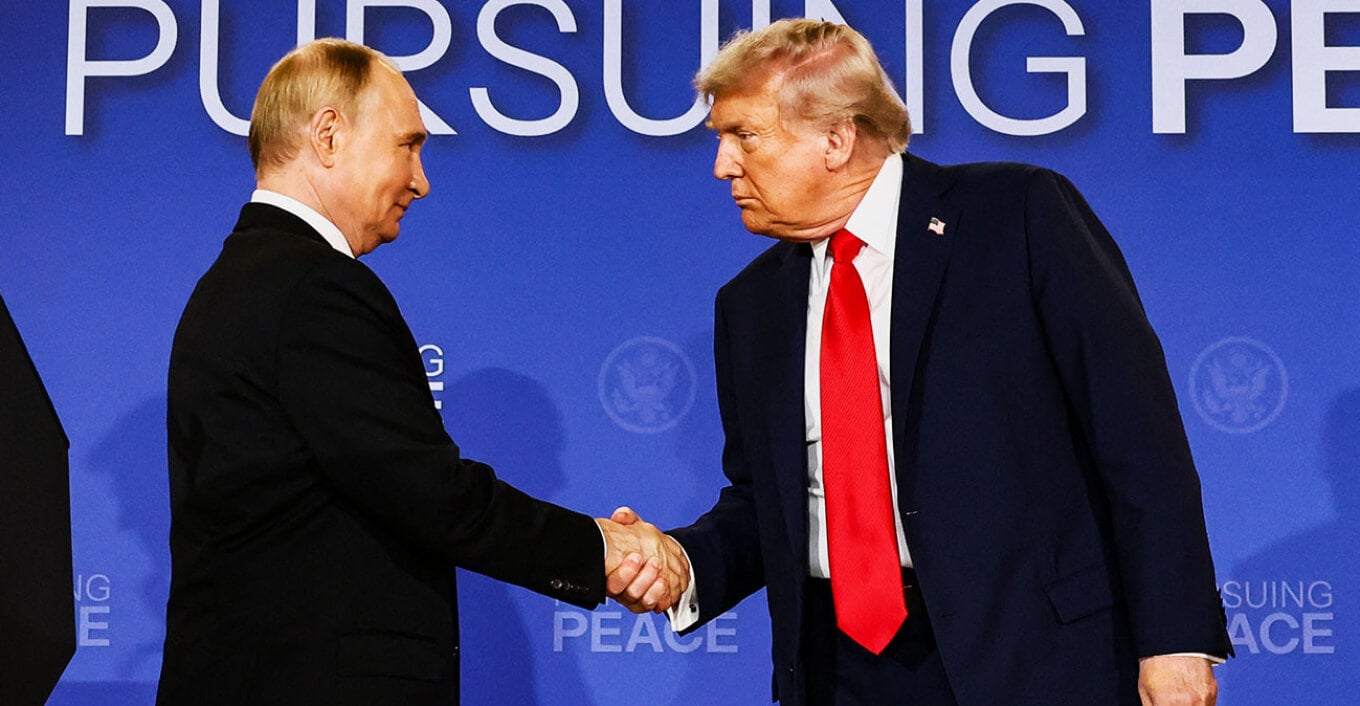
Οι συνομιλίες της κυβέρνησης του Ντόναλντ Τραμπ με τη Ρωσία για τον τερματισμό του πολέμου στην Ουκρανία έχουν διευρυνθεί και περιλαμβάνουν πλέον μια υπό διαπραγμάτευση συμφωνία δισεκατομμυρίων δολαρίων για την εξαγορά διεθνών περιουσιακών στοιχείων της ρωσικής πετρελαϊκής εταιρείας Lukoil, σύμφωνα με δημοσίευμα των «New York Times».
Δημοσιεύτηκε

στις

από τον

Οι συνομιλίες της κυβέρνησης του Ντόναλντ Τραμπ με τη Ρωσία για τον τερματισμό του πολέμου στην Ουκρανία έχουν διευρυνθεί και περιλαμβάνουν πλέον μια υπό διαπραγμάτευση συμφωνία δισεκατομμυρίων δολαρίων για την εξαγορά διεθνών περιουσιακών στοιχείων της ρωσικής πετρελαϊκής εταιρείας Lukoil, σύμφωνα με δημοσίευμα των «New York Times».

Η συμφωνία, η οποία δεν έχει ακόμη οριστικοποιηθεί και τελεί υπό την αίρεση της έγκρισης της αμερικανικής κυβέρνησης και του Κρεμλίνου, αφορά ένα εκτεταμένο χαρτοφυλάκιο πετρελαιοπηγών, διυλιστηρίων και πρατηρίων καυσίμων της Lukoil σε διάφορες χώρες.

Σύμφωνα με τους «New York Times», στο επίκεντρο της υπόθεσης βρίσκεται κοινοπραξία με επικεφαλής τον Αμερικανό επενδυτή Τοντ Μπόελι, στην οποία συμμετέχουν επίσης επενδυτικοί όμιλοι από τη Μέση Ανατολή. Στην προτεινόμενη συμφωνία συμμετέχει και η αμερικανική κυβέρνηση, μέσω της U.S. International Development Finance Corporation (DFC).

 Στο τραπέζι των συνομιλιών Τραμπ-Πούτιν

Οι πολύμηνες διαπραγματεύσεις, σύμφωνα με οκτώ πρόσωπα με γνώση της υπόθεσης που επικαλούνται οι «New York Times», συνδέονται με την ευρύτερη προσπάθεια της κυβέρνησης Τραμπ να αποκαταστήσει οικονομικούς δεσμούς με τη Ρωσία στο πλαίσιο των συνομιλιών για τον τερματισμό του πολέμου στην Ουκρανία.

Το ζήτημα της Lukoil φέρεται να τέθηκε από τον Βλαντιμίρ Πούτιν κατά τη συνάντησή του με τους Αμερικανούς διαπραγματευτές Στιβ Γουίτκοφ και Τζάρεντ Κούσνερ στο Κρεμλίνο, στις 5 Σεπτεμβρίου. Σύμφωνα με πηγή που επικαλείται η αμερικανική εφημερίδα, ο Ρώσος πρόεδρος πρότεινε την προώθηση της συμφωνίας ως ένδειξη ότι η Ρωσία και οι Ηνωμένες Πολιτείες μπορούν να συνεργαστούν επιχειρηματικά.

Οι Αμερικανοί διαπραγματευτές φέρεται να απάντησαν ότι θα εργαστούν για την προώθηση της συμφωνίας, τόσο ως ένδειξη «καλής θέλησης» προς το Κρεμλίνο όσο και με στόχο τη μείωση των διεθνών τιμών ενέργειας.

Η ενδεχόμενη συμφωνία παρουσιάζει ιδιαίτερο οικονομικό ενδιαφέρον για τους υποψήφιους αγοραστές. Η έγκρισή της από τις Ηνωμένες Πολιτείες θα μπορούσε να οδηγήσει στην απελευθέρωση των ρωσικών περιουσιακών στοιχείων από τις αμερικανικές κυρώσεις, αυξάνοντας παράλληλα την αξία τους.

 Οι διασυνδέσεις των επενδυτών

Στην κορυφή της κοινοπραξίας βρίσκεται ο Αμερικανός επενδυτής Τοντ Μπόελι, συνιδιοκτήτης των Los Angeles Dodgers και γνωστός υποστηρικτής του Τραμπ. Στο επενδυτικό σχήμα συμμετέχουν επίσης επιχειρηματικοί όμιλοι από το Κατάρ και τα Ηνωμένα Αραβικά Εμιράτα.

Οι «New York Times» επισημαίνουν ότι ορισμένοι από τους επενδυτές διατηρούν επιχειρηματικές σχέσεις με πρόσωπα που βρίσκονται κοντά στην κυβέρνηση Τραμπ.

Μεταξύ αυτών είναι οι αδελφοί Μουτάζ και Ράμεζ αλ-Χαγιάτ από το Κατάρ, οι οποίοι έχουν συνεργαστεί με τον Τζάρεντ Κούσνερ και την Ιβάνκα Τραμπ για τη χρηματοδότηση επενδυτικού σχεδίου στην Αλβανία.

Στην κοινοπραξία συμμετέχει επίσης επενδυτικό ταμείο με έδρα το Αμπού Ντάμπι, το οποίο ελέγχεται από τον σεΐχη Ταχνούν μπιν Ζαγιέντ Αλ Ναχιάν, σύμβουλο εθνικής ασφάλειας των Ηνωμένων Αραβικών Εμιράτων. Ο ίδιος συνδέεται με επενδύσεις στην World Liberty Financial, την εταιρεία κρυπτονομισμάτων της οικογένειας Τραμπ.

Παράλληλα, επενδυτικό ταμείο που συνδέεται με τον σεΐχη Ταχνούν αποτελεί σημαντικό μέτοχο της εταιρείας private equity που ίδρυσε ο Κούσνερ μετά την αποχώρησή του από τον Λευκό Οίκο.

 Τα ερωτήματα για πιθανές συγκρούσεις συμφερόντων

Οι διασυνδέσεις αυτές έχουν προκαλέσει ερωτήματα σχετικά με το κατά πόσο προσωπικές επιχειρηματικές σχέσεις μπορεί να διασταυρώνονται με τη διαδικασία λήψης αποφάσεων για μια συμφωνία που συνδέεται με την αμερικανική εξωτερική πολιτική.

Οι «New York Times» αναφέρουν ότι δεν υπάρχει ένδειξη πως ο Γουίτκοφ ή ο Κούσνερ πρόκειται να αποκομίσουν προσωπικό οικονομικό όφελος από τη συμφωνία. Ωστόσο, η υπόθεση έχει εγείρει ζητήματα σχετικά με τις σχέσεις μεταξύ των εμπλεκόμενων επιχειρηματιών και προσώπων του στενού περιβάλλοντος του Τραμπ.

Η Χούι Τσεν, πρώην εισαγγελέας και σύμβουλος σε θέματα οικονομικού εγκλήματος και δεοντολογίας, χαρακτήρισε τις διασυνδέσεις «ανησυχητικές» και έθεσε το ερώτημα κατά πόσο προσωπικά συμφέροντα θα μπορούσαν να επηρεάσουν την αξιολόγηση των υποψήφιων αγοραστών.

Από την πλευρά του, εκπρόσωπος του Γουίτκοφ απέρριψε οποιοδήποτε ζήτημα σύγκρουσης συμφερόντων, υποστηρίζοντας ότι ο Αμερικανός διαπραγματευτής δεν λαμβάνει μισθό και καλύπτει ο ίδιος τα έξοδα των ταξιδιών του στο πλαίσιο της αποστολής του για λογαριασμό του Τραμπ.

Η κούρσα για τα περιουσιακά στοιχεία της Lukoil

Η Lukoil είχε θέσει προς πώληση τα διεθνή περιουσιακά της στοιχεία μετά την επιβολή αμερικανικών κυρώσεων. Αρκετοί υποψήφιοι αγοραστές είχαν εκδηλώσει ενδιαφέρον, μεταξύ των οποίων και μεγάλοι αμερικανικοί ενεργειακοί όμιλοι.

Τον Ιανουάριο, η επενδυτική εταιρεία Carlyle είχε καταλήξει σε προκαταρκτική συμφωνία για την εξαγορά σημαντικού μέρους του διεθνούς χαρτοφυλακίου της Lukoil. Η συμφωνία, ωστόσο, δεν ολοκληρώθηκε, καθώς απαιτούσε την έγκριση της αμερικανικής κυβέρνησης.

Στη συνέχεια, ο όμιλος υπό τον Μπόελι εμφανίστηκε ως ένας από τους βασικούς διεκδικητές των περιουσιακών στοιχείων.

Η αξία των διεθνών περιουσιακών στοιχείων της Lukoil είχε υπολογιστεί από την ίδια την εταιρεία σε περίπου 20 δισ. δολάρια στις αρχές του έτους. Ωστόσο, οι οικονομικοί όροι της υπό διαπραγμάτευση συμφωνίας δεν έχουν γίνει γνωστοί.

 Ο ρόλος της αμερικανικής κυβέρνησης

Η αμερικανική κυβέρνηση συμμετέχει στην προτεινόμενη συμφωνία μέσω της U.S. International Development Finance Corporation, η οποία επενδύει και παρέχει χρηματοδότηση για έργα στο εξωτερικό.

Αμερικανός αξιωματούχος δήλωσε ότι μια ενδεχόμενη συμφωνία για τη Lukoil θα μπορούσε να ενισχύσει την οικονομική ασφάλεια των ΗΠΑ, να εξυπηρετήσει στόχους της αμερικανικής εξωτερικής πολιτικής και να συμβάλει στη μείωση του ενεργειακού κόστους για τους Αμερικανούς.

Η συμφωνία, ωστόσο, χρειάζεται την έγκριση του αμερικανικού υπουργείου Οικονομικών, το οποίο είναι αρμόδιο για την εφαρμογή των κυρώσεων κατά της Ρωσίας.

 Η ενεργειακή διάσταση

Στο υπό διαπραγμάτευση χαρτοφυλάκιο περιλαμβάνονται διυλιστήρια της Lukoil στην Ολλανδία, τη Βουλγαρία και τη Ρουμανία, καθώς και άλλες ενεργειακές υποδομές και πρατήρια καυσίμων σε διάφορες χώρες.

Η ενεργειακή διάσταση αποκτά ιδιαίτερη σημασία καθώς η κυβέρνηση Τραμπ έχει επανειλημμένα υποστηρίξει ότι η αποκατάσταση οικονομικών σχέσεων με τη Ρωσία θα μπορούσε να λειτουργήσει ως κίνητρο για τη Μόσχα ώστε να προχωρήσει σε συμβιβασμούς για τον τερματισμό του πολέμου στην Ουκρανία.

Ο Ρώσος οικονομικός απεσταλμένος Κίριλ Ντμίτριεφ έχει επίσης εμπλακεί στη διαδικασία, ενώ, σύμφωνα με τους «New York Times», έχει δηλώσει ότι ο διάλογος ΗΠΑ-Ρωσίας συνεχίζεται σε πολλούς τομείς, μεταξύ των οποίων και η ενέργεια.

Η συμφωνία για τη Lukoil παραμένει, πάντως, ανοικτή και δεν έχει οριστικοποιηθεί. Η τελική απόφαση θα εξαρτηθεί από τις απαιτούμενες εγκρίσεις των αμερικανικών αρχών και της ρωσικής πλευράς.

skpress.gr

Συνέχεια ανάγνωσης

Γενικά θέματα

Πώς μια «Ελληνίδα» έγινε το «θεμέλιο» της Εθνικής Πινακοθήκης της Ουγγαρίας

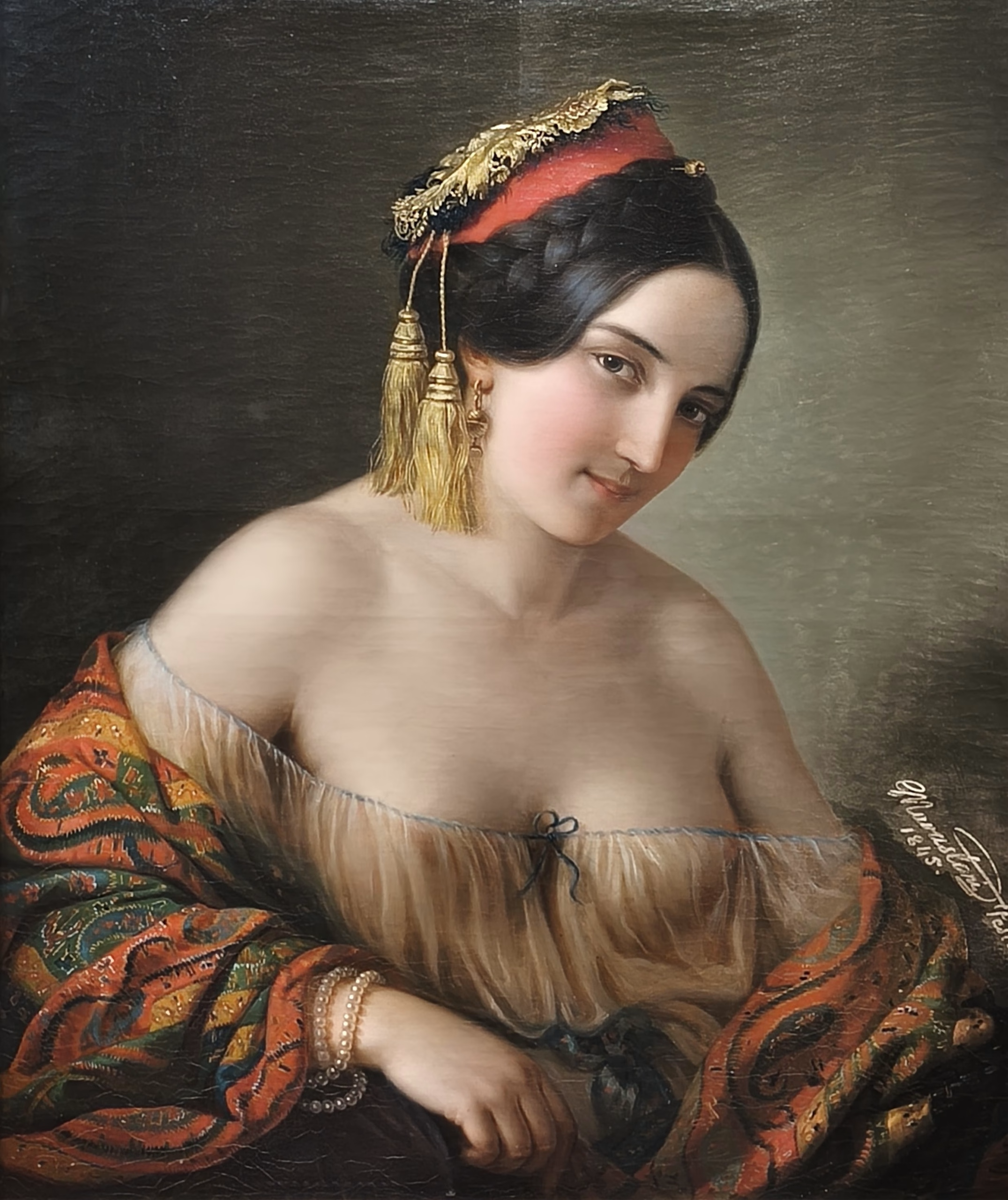
Στον πρώτο όροφο της Πινακοθήκης συναντήσαμε την «Ελληνίδα». Πρόκειται για ένα έργο του Jakob Marastoni (1804-1860), ενός ζωγράφου ιταλικής καταγωγής που εγκαταστάθηκε και εργάστηκε στην Πέστη και έγινε μία από τις σημαντικότερες μορφές στην ιστορία της ουγγρικής τέχνης.
Δημοσιεύτηκε

στις

από τον

Πριν λίγο καιρό επισκεφθήκαμε την Εθνική Πινακοθήκη της Ουγγαρίας στη Βουδαπέστη, ένα από τα πλέον σημαντικά μουσεία της χώρας, στο οποίο παρουσιάζεται με μοναδικό τρόπο η εξέλιξη της ουγγρικής εικαστικής τέχνης από τον 11ο αιώνα μέχρι σήμερα. Βρίσκεται στο Βασιλικό Ανάκτορο του Κάστρου της Βούδας και ιδρύθηκε το 1957 με βάση κυρίως τις ουγγρικές συλλογές του Μουσείου Καλών Τεχνών. Η συλλογή της περιλαμβάνει περίπου 110.00 έργα.

Στον πρώτο όροφο της Πινακοθήκης συναντήσαμε την «Ελληνίδα». Πρόκειται για ένα έργο του Jakob Marastoni (1804-1860), ενός ζωγράφου ιταλικής καταγωγής που εγκαταστάθηκε και εργάστηκε στην Πέστη και έγινε μία από τις σημαντικότερες μορφές στην ιστορία της ουγγρικής τέχνης.

Το έργο του με τίτλο «Ελληνίδα», φιλοτεχνημένο το 1845, θεωρείται εξαιρετικά σημαντικό για τη δημιουργία της συλλογής της Ουγγρικής Εθνικής Πινακοθήκης. Είναι το πρώτο έργο που σηματοδότησε την έναρξη της συστηματικής συλλογής ουγγρικής ζωγραφικής στα εθνικά ιδρύματα.⁠ Είναι επίσης το πιο γνωστό και εμβληματικό έργο του ζωγράφου.

Οι διαστάσεις του είναι 77Χ61,5 cm περίπου. Το μοντέλο δεν είναι Ελληνίδα, αλλά η σύζυγος του Marastoni, η Giovanna Bianchi, με καταγωγή από τη Βενετία. Ο ζωγράφος την απεικόνισε με παραδοσιακή (ή φανταστική) ελληνική φορεσιά της εποχής, σύμφωνα με τη μόδα του ρομαντισμού. Η εικόνα συνδυάζει εξωτισμό, ελαφρύ ερωτισμό και ιδανική ομορφιά.

Η ιστορία

Το 1845 η Pest Art Society — η πρώτη καλλιτεχνική εταιρεία στην Ουγγαρία — αγόραζε κάθε χρόνο ένα έργο από την ετήσια έκθεσή της για να το δωρίσει στο Ουγγρικό Εθνικό Μουσείο, το οποίο τότε περιλάμβανε και την πινακοθήκη.

Η «Ελληνίδα» του Marastoni ήταν αυτό που επέλεξαν και δώρισαν τον Νοέμβριο του 1845. Έτσι, καταγράφηκε ως το πρώτο έργο στη συλλογή ζωγραφικής του μουσείου.⁠ Το Εθνικό Μουσείο είχε ήδη κάποιες δωρεές, αλλά η συστηματική συλλογή ουγγρικής τέχνης ξεκινάει ουσιαστικά με αυτό το έργο. Η Εθνική Πινακοθήκη κληρονόμησε αυτή τη συλλογή από το Εθνικό Μουσείο.

Η επιλογή του προκάλεσε έντονες συζητήσεις και αποτέλεσε το «πρώτο καλλιτεχνικό σκάνδαλο» της εποχής, λόγω του ερωτισμού που απέπνεε το μοντέλο. Ωστόσο ο πίνακας αυτός ήταν και ιδιαίτερα δημοφιλής, κάτι που ενίσχυσε την εθνική συζήτηση για την τέχνη.⁠

Σήμερα, το έργο παραμένει εμβληματικό και εκτίθεται συχνά ως αφετηρία της συλλογής ζωγραφικής του 19ου αιώνα στην Πινακοθήκη. Συμβολίζει το πώς η ουγγρική τέχνη χτίστηκε με συνεισφορές από ξένους καλλιτέχνες που ενσωματώθηκαν στη χώρα, όπως ο Marastoni.

Η δημιουργία της Πινακοθήκης

Αν κάνετε περίπατο στην οδό Deák Ferenc στο κέντρο της πόλης ίσως αξίζει κάποιες φορές να σηκώσετε το βλέμμα πάνω από τις βιτρίνες των καταστημάτων. Το βλέμμα σας θα συναντήσει όχι μόνο κλασικές προσόψεις, αλλά και αναμνηστικές πλάκες, όπως για παράδειγμα εκείνη στον αριθμό 21, όπου αναγράφεται: «Η Πρώτη Ουγγρική Ακαδημία Ζωγραφικής – ιδρυθείσα από τον Jakab Marastoni».

Η Πέστη του 19ου αιώνα ήταν μια πραγματικά πολυπολιτισμική πόλη. Γερμανοί, Ούγγροι, Έλληνες, Ιταλοί, Σέρβοι και πολλές άλλες μικρότερες εθνότητες ζούσαν εδώ δίπλα-δίπλα ειρηνικά. Ο καθένας καλλιεργούσε τον δικό του πολιτισμό, αλλά ένα πράγμα τους ένωνε: όλοι ήθελαν να είναι και Ούγγροι και επιδίωκαν να υπηρετήσουν τον ουγγρικό πολιτισμό με τις δραστηριότητές τους.

Εκείνη την εποχή ο Marastoni υπέβαλε την αίτησή του για την ακαδημία ζωγραφικής στο Βασιλικό Συμβούλιο των Κυβερνητών, όταν ιδρύθηκε εντός του Ουγγρικού Εθνικού Μουσείου ο Σύλλογος Εθνικής Πινακοθήκης, ένα «τμήμα που συνέλεγε αποκλειστικά ουγγρική ζωγραφική».

Όλα αυτά συνέβησαν το 1845 και αυτή η μεγάλη πολιτιστική δραστηριότητα μπορεί να ήταν αποτέλεσμα του γεγονότος ότι εκείνη τη χρονιά το Εθνικό Μουσείο ήθελε να τιμήσει δεόντως την πεντηκοστή επέτειο της ανάληψης καθηκόντων του αρχιδούκα Ιωσήφ της Αυστρίας.

Ο σύλλογος που έφερε το όνομα του αρχιδούκα εγκρίθηκε τελικά από το Βασιλικό Συμβούλιο των Κυβερνητών τον Σεπτέμβριο του 1845. Η Εθνική Πινακοθήκη του αρχιδούκα Ιωσήφ μπορεί, επομένως, να θεωρηθεί ως το πρώτο εθνικό ίδρυμα που συνέλεγε ουγγρικούς πίνακες.

Η πινακοθήκη δέχθηκε δωρεές έργων τόσο από συλλόγους, όσο και από ιδιώτες, και ανάμεσά τους το σημαντικότερο ήταν το έργο του Jakab Marastoni «H Ελληνίδα», το οποίο δωρήθηκε στην πινακοθήκη τον Νοέμβριο του 1845 από την Καλλιτεχνική Εταιρεία της Πέστης. Έτσι, μπορεί να πει κανείς ότι η ιστορία της μουσειακής συλλογής ουγγρικής ζωγραφικής ξεκίνησε με την «Ελληνίδα».

Αλλά γιατί μια Ελληνίδα; Το σύγχρονο (όχι αρχαίο) ελληνικό θέμα εμφανίστηκε στην ευρωπαϊκή ζωγραφική με την Ελληνική Επανάσταση ενάντια στην Οθωμανική Αυτοκρατορία τη δεκαετία του 1820. Φυσικά, οι συμπάθειες του ευρωπαϊκού ρομαντισμού προς τους Έλληνες άσκησαν επιρροή και στην ουγγρική τέχνη.

Οι Έλληνες, και ιδιαίτερα οι Ελληνίδες, αποτελούσαν συχνά θέμα στην ουγγρική ζωγραφική του 19ου αιώνα, και κατά μία έννοια η «Ελληνίδα» κατέληξε να αντιπροσωπεύει ένα εξωτικό θέμα αρωματισμένο με ερωτισμό.

Και αν σήμερα βρίσκουμε την «Ελληνίδα» να αποκαλύπτει ανοιχτά την ομορφιά και τη γοητεία της, δεν πρέπει να ξεχνάμε ότι επρόκειτο για θέμα μόδας. Και όσο κι αν μας γνέφει σαγηνευτικά αυτή η όμορφη γυναίκα, με την ιστορική έννοια το έργο αυτό είναι ένα από τα σημαντικότερα της ουγγρικής μουσειολογίας.

Ο ζωγράφος

Ο Jakab Marastoni (Giacomo Marastoni) γεννήθηκε το 1804 στη Βενετία και σπούδασε στην περίφημη Ακαδημία Καλών Τεχνών.

Ταξίδεψε στη Βιέννη στις αρχές της δεκαετίας του 1830, πέρασε από τη σημερινή Μπρατισλάβα το 1833 και εγκαταστάθηκε οριστικά στην Πέστη το 1836. Έγινε περιζήτητος πορτρετίστας μεταξύ αριστοκρατικών και αστικών οικογενειών, αλλά και κατά τη διάρκεια κοινοβουλευτικών συνεδριάσεων.⁠

Το 1846 ίδρυσε την Πρώτη Ουγγρική Ακαδημία Ζωγραφικής στην Πέστη – την πρώτη ιδιωτική σχολή αποκλειστικά για ζωγραφική στην Ουγγαρία. Ανάμεσα στους μαθητές του περιλαμβάνονται σημαντικοί Ούγγροι καλλιτέχνες όπως ο Károly Lotz, ο Mihály Zichy, ο Soma Orlai Petrich κ.ά. Το 1846 έγινε Επίτιμος Πολίτης της Πέστης.

Στα τελευταία χρόνια της ζωής του ασχολήθηκε με την δαγκεροτυπία ήταν ο πρώτος επαγγελματίας αυτής της τεχνικής στην Ουγγαρία. Πέθανε σε ψυχιατρική κλινική και η σχολή του έκλεισε λίγο μετά.

tovima.gr

Συνέχεια ανάγνωσης

Γενικά θέματα

Ούμαρ Κρέμλεφ: Ο άνθρωπος του Πούτιν που «εισέβαλε» στον αμερικανικό αθλητισμό

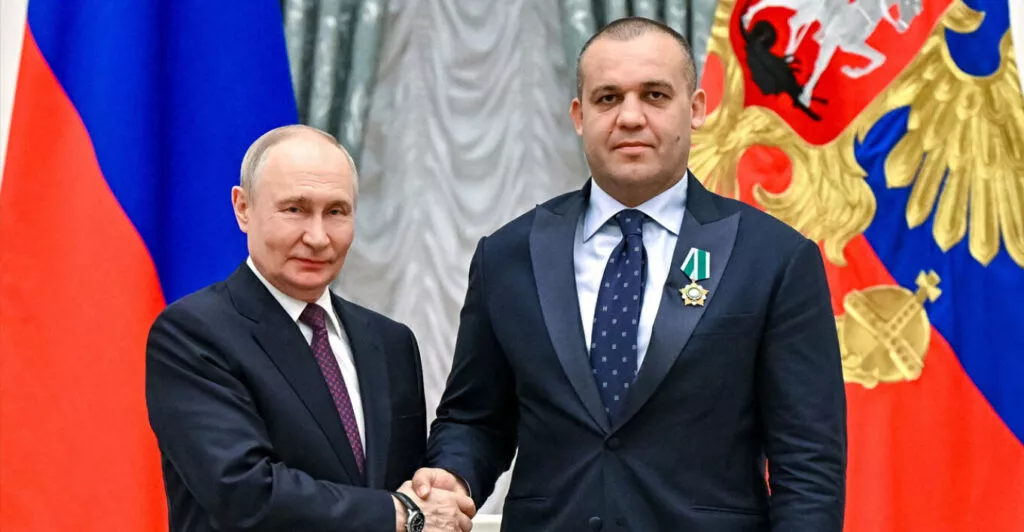
Πριν γίνει γνωστός ως Ούμαρ Κρέμλεφ, ο 43χρονος που χρόνια αργότερα θα συνδεόταν ακόμη και με το πολυτελές πάρτι του Ντόναλντ Τραμπ Τζούνιορ στις Μπαχάμες, ήταν γνωστός με το όνομα Ούμαρ Λουτφουλόεφ. Μέχρι τον Μάρτιο του 2010, το όνομα Κρέμλεφ παρέμενε ουσιαστικά άγνωστο
Δημοσιεύτηκε

στις

από τον

Πριν γίνει γνωστός ως Ούμαρ Κρέμλεφ, ο 43χρονος που χρόνια αργότερα θα συνδεόταν ακόμη και με το πολυτελές πάρτι του Ντόναλντ Τραμπ Τζούνιορ στις Μπαχάμες, ήταν γνωστός με το όνομα Ούμαρ Λουτφουλόεφ. Μέχρι τον Μάρτιο του 2010, το όνομα Κρέμλεφ παρέμενε ουσιαστικά άγνωστο.

Όταν «πάτησε» τα 28 κι έχοντας, σύμφωνα με δημοσιεύματα της εποχής, καταδίκες για εκβιασμό και ξυλοδαρμό, είδε τις φιλοδοξίες του για καριέρα στην πυγμαχία να σβήνουν εξαιτίας της έλλειψης πειθαρχίας και θέλησε να κάνει μια νέα αρχή για να ανεβεί τα σκαλοπάτια της ρωσικής κοινωνίας.

Και για να πετύχει αυτή του την επιδίωξη, δεν θα μπορούσε να διαλέξει καταλληλότερο επώνυμο από το Κρεμλέφ – ουσιαστικά, «ο άνθρωπος του Κρεμλίνου». Όπως και στην περίπτωση του Ντόναλντ Τραμπ Τζούνιορ, αυτό ήταν ένα όνομα που έμελλε να συνδεθεί με φήμη, πλούτο και αντιπαραθέσεις.
Ο Ρόμπερτ Γκαρσία, ο κορυφαίος Δημοκρατικός στην Επιτροπή Εποπτείας της Βουλής των Αντιπροσώπων, έθεσε το εύλογο ερώτημα: «Τι πήρε ως αντάλλαγμα; Χρειαζόμαστε απαντήσεις» και το ζευγάρι των νεόνυμφων έσπευσε να απαντήσει: «Η φιλία δεν προϋποθέτει πολιτικά κίνητρα. Η γενναιοδωρία δεν συνοδεύεται αυτομάτως από κάποια ατζέντα. Και μερικές φορές ένα γαμήλιο δώρο είναι απλώς ένα γαμήλιο δώρο», προσφέροντας στη συνέχεια να επιστρέψει τα χρήματα.

Ο 43χρονος μεγάλωσε στο Σερπούχοφ, μια πόλη περίπου 120.000 κατοίκων, 60 μίλια νότια της Μόσχας και 5.729 μίλια ανατολικά του Little Pipe Cay, του νησιού στις Μπαχάμες που νοίκιασε για τον γιο του Αμερικανού προέδρου. Γεννημένος από μητέρα Τατζίκα σε μουσουλμανική οικογένεια, «παντρεύτηκε» αρχή τον ρόλο του αουτσάιντερ.

Στράφηκε από μικρός στην πυγμαχία, όμως έχει παραδεχτεί σε συνέντευξή του ότι σταμάτησε στα 19 του, επειδή δεν διέθετε την απαιτούμενη πειθαρχία. Ακόμη και την ημέρα ενός αγώνα μπορούσε να βρεθεί σε νυχτερινό κέντρο ως τις τέσσερις τα ξημερώματα. Με μεγάλα χέρια και τη σωματική διάπλαση πυγμάχου βαρέων βαρών, ο Κρεμλέφ πέρασε τα επόμενα χρόνια αναζητώντας τον δρόμο που του ταίριαζε. Παρέμεινε, πάντως, στον κόσμο της πυγμαχίας, εργαζόμενος ως διοργανωτής αγώνων.

Σύμφωνα με το ρωσικό ερευνητικό μέσο Proekt, καταδικάστηκε για εκβιασμό το 2004 και για ξυλοδαρμό το 2007, αν και οι ακριβείς συνθήκες των υποθέσεων παραμένουν ασαφείς. Ο ίδιος δεν έχει αρνηθεί τις καταδίκες.

Οι Night Wolves εμφανίστηκαν την περίοδο της Περεστρόικα, της οικονομικής αναδιάρθρωσης της δεκαετίας του 1980, ως μια ομάδα μοτοσικλετιστών και φίλων της ροκ μουσικής. Επικεφαλής τους ήταν ο Αλεξάντερ Ζαλντοστάνοφ, γνωστός ως «Χειρουργός», στενός φίλος του Βλαντίμιρ Πούτιν.

Μέσα σε αυτόν τον ετερόκλητο κόσμο που ο Κρεμλέφ άρχισε να καλλιεργεί τις σχέσεις που θα τον μετέτρεπαν από πυγμάχο σε ισχυρό παράγοντα της ρωσικής κοινωνίας. Η σημαντικότερη από αυτές ήταν με τον Αλεξέι Ρουμπέζνι, υποστράτηγο της Ομοσπονδιακής Υπηρεσίας Προστασίας (FSO) ψηλόβαθμων κρατικών αξιωματούχων, με τον οποίο έγιναν αχώριστοι.

Το 2016, ο Ρουμπέζνι ήταν πλέον επικεφαλής της Υπηρεσίας Ασφαλείας του Προέδρου και ο Κρεμλέφ είχε αποκτήσει, με αυτό τον τρόπο, πρόσβαση στον Πούτιν. Έκτοτε, η καριέρα του απογειώθηκε.

Ανέβηκε γρήγορα στην ιεραρχία και το 2017 ανέλαβε την ηγεσία της Ρωσικής Ομοσπονδίας Πυγμαχίας. Όμως η ορεξη του Κρεμλέφ είχε ανοίξει και δεν χόρταινε. Η Association Internationale de Boxe Amateur (AIBA – Διεθνής Ομοσπονδία Ερασιτεχνικής Πυγμαχίας) βρισκόταν τότε σε βαθιά κρίση, αντιμέτωπη με καταγγελίες διαφθοράς που οδήγησαν το 2019 στην αρχική αναστολή της από τους Ολυμπιακούς Αγώνες ως φορέα που είχε την ευθύνη της ολυμπιακής πυγμαχίας.

Ο Κρεμλέφ υποσχέθηκε σαρωτικές μεταρρυθμίσεις και την εξόφληση χρέους που υπολογιζόταν στα 16 εκατ. δολάρια, με στόχο ο οργανισμός να ανακτήσει τον έλεγχο της ολυμπιακής πυγμαχίας. Έτσι, το 2020 κέρδισε με άνεση την ψηφοφορία για την προεδρία, ενώ το γεγονός ότι μιλούσε από ελάχιστα έως καθόλου αγγλικά δεν αποτέλεσε εμπόδιο. Και όπως έκανε με τον ίδιο του τον εαυτό, και σε αυτή την περίπτωση έκανε το restart με τον ίδιο τρόπο: άλλαξε το όνομα του οργανισμού σε International Boxing Association (IBA).

Ακολούθησε συνεργασία της IBA με την Gazprom, τον ρωσικό κρατικό ενεργειακό κολοσσό, με συνέπεια το χρέος να μηδενιστεί και τα χρηματικά έπαθλα να αυξηθούν. «Γιατί να μην μπορούν οι ερασιτέχνες πυγμάχοι να πληρώνουν τα στεγαστικά τους δάνεια και να στηρίζουν τις οικογένειές τους;» είχε δηλώσει τότε ο Κρεμλέφ.

Το 2022, η IBA ήρε περιορισμούς που είχαν επιβληθεί νωρίτερα την ίδια χρονιά και επέτρεψε σε Ρώσους και Λευκορώσους πυγμάχους να αγωνίζονται με τις εθνικές σημαίες και τους ύμνους τους, ενώ απέκλεισε από τις τάξεις της την Ουκρανική Ομοσπονδία Πυγμαχίας. Την επόμενη χρονιά, ωστόσο, η Διεθνής Ολυμπιακή Επιτροπή (ΔΟΕ) ψήφισε – με αφορμή τον πόλεμο της Ρωσίας στην Ουκρανία – υπέρ της αφαίρεσης από την IBA της ιδιότητας της παγκόσμιας ομοσπονδίας του αθλήματος.

Ο Κρεμλέφ γίνεται ο «σκιώδης δήμαρχος»

Ωστόσο, δεν ήταν μόνο οι πυγμάχοι του Κρεμλέφ που πληρώνονταν καλά. Το 2019, μια εταιρεία του απέκτησε το δικαίωμα να γίνει ο μοναδικός διαχειριστής της εθνικής λοταρίας της Ρωσίας. Σε ένα μοτίβο που θα επαναλαμβανόταν αρκετές φορές, η λοταρία έγινε σύντομα χορηγός της IBA.

Τα επόμενα χρόνια, ο Κρεμλέφ απέκτησε μερίδια σε τρεις από τις μεγαλύτερες στοιχηματικές εταιρείες της Ρωσίας, τις Fonbet, Liga Stavok και Pari. Ρωσικά μέσα ενημέρωσης έχουν αναφέρει ότι οι συμφωνίες αυτές είχαν την υποστήριξη του Αντρέι Κόστιν, του υπό κυρώσεις χρηματοδότη και προέδρου της συνδεδεμένης με το Κρεμλίνο τράπεζας VTB, ο οποίος έχει χαρακτηριστεί «τραπεζίτης-κουμπαράς του Πούτιν».

Οι εταιρείες αυτές φαίνεται ότι είχαν συνολικά έσοδα περίπου 625 δισ. ρούβλια (5,5 δισ. λίρες) το 2023, ενώ η Liga Stavok αποτελεί πλέον βασικό εταίρο της IBA.

Ο Κρεμλέφ είχε επίσης αποκτήσει σταδιακά τον έλεγχο της Tsupis, μιας εταιρείας πληρωμών που συνδέει τους παίκτες με τις στοιχηματικές εταιρείες και εισπράττει προμήθεια από κάθε ποντάρισμα. Το 2021, ο Πούτιν εξέδωσε διάταγμα κατά της απάτης, το οποίο παραχώρησε στην Tsupis μονοπώλιο σε αυτή την εξαιρετικά επικερδή δραστηριότητα. Την ίδια περίοδο, οι φορείς που ρύθμιζαν την αγορά στοιχημάτων πέρασαν επίσης υπό τον έλεγχο του Κρεμλέφ και ενοποιήθηκαν σε έναν κοινό εποπτικό οργανισμό, με αρκετά μέλη του διοικητικού συμβουλίου να προέρχονται, σύμφωνα με δημοσιεύματα, από το δίκτυό του στον χώρο της πυγμαχίας.

Στη γενέτειρά του, το Σερπούχοφ, καθώς εξελισσόταν σε ολιγάρχη, ο Κρεμλέφ απέκτησε το προσωνύμιο «σκιώδης δήμαρχος», έχοντας συγκεντρώσει ένα εντυπωσιακό χαρτοφυλάκιο ακινήτων. Κάποια από αυτά φέρεται να περιήλθαν στην κατοχή του μετά την αναδιανομή περιουσιακών στοιχείων του φυλακισμένου πρώην δημάρχου Αλεξάντερ Σεστούν.

Πηγές αναφέρουν ότι απέκτησε γεωργικές εκτάσεις, βιομηχανικές εγκαταστάσεις, ένα λιμάνι, ένα εμπορικό κέντρο και ένα ξενοδοχείο, ενώ το 2024, ο Κρεμλέφ φέρεται να επωφελήθηκε και από απαλλοτρίωση. Τον Φεβρουάριο, το Κρεμλίνο κατέσχεσε τη Rolf, τη μεγαλύτερη αντιπροσωπεία αυτοκινήτων της Ρωσίας, από τον Σεργκέι Πετρόφ, τον εξόριστο ιδιοκτήτη της και πρώην βουλευτή της αντιπολίτευσης και μέχρι τον Σεπτέμβριο, η εταιρεία είχε περάσει στον Κρεμλέφ μέσω συμφωνίας ύψους 35 δισ. ρουβλίων.

Σε ανακοίνωσή της, η Rolf παρουσίασε τον Κρεμλέφ ως νέο ιδιοκτήτη της, χαρακτηρίζοντάς τον «στρατηγικό επενδυτή, ο οποίος θα επιτρέψει στην εταιρεία να διατηρήσει τη μοναδική εταιρική κουλτούρα της και να διευρύνει το φάσμα των δραστηριοτήτων της, με έμφαση στην αύξηση της αποτελεσματικότητας και την προσέλκυση νέων συνεργατών και πελατών».

Ένας από αυτούς τους νέους συνεργάτες, σύμφωνα με μεταγενέστερα δημοσιεύματα του Proekt, ήταν η IBA.

Η πίστη στον Πούτιν

Έχοντας συγκεντρώσει προσωπική περιουσία που υπολογίζεται έως και σε 300 εκατ. λίρες και αναλαμβάνοντας παράλληλα και άλλα αξιώματα – μεταξύ αυτών την προεδρία της Διεθνούς Ομοσπονδίας Ταβλιού – ο Κρεμλέφ δεν έκρυβε ποτέ τις πολιτικές του συμπάθειες.

«Χάρη σε έναν άνθρωπο, σήμερα υπάρχουν πραγματικά κάθε είδους ευκαιρίες να κερδίσεις χρήματα και να επιδιώξεις περισσότερα», είχε δηλώσει σε βιντεοσκοπημένη συνέντευξη το 2024, την οποία εντόπισε ο Guardian. «Αυτός ο άνθρωπος, φυσικά, είναι ο πρόεδρός μας, Βλαντίμιρ Βλαντιμίροβιτς Πούτιν».

Λίγους μήνες αργότερα, η Ουκρανία του επέβαλε κυρώσεις, χωρίς να βρίσκεται, ωστόσο, υπό κυρώσεις από τη Βρετανία, τις ΗΠΑ ή την Ευρωπαϊκή Ένωση.

Τον Απρίλιο, ο Πούτιν απένειμε στον Κρεμλέφ το Παράσημο της Φιλίας, ενώ λίγες ημέρες πριν από τον γάμο του Τραμπ Τζούνιορ, ο Κρεμλέφ συνόδευσε τον Ρώσο πρόεδρο σε επίσκεψη στην Κίνα, επιμένοντας πάντως ότι δεν βρισκόταν εκεί με επίσημη ιδιότητα.

Τα οφέλη για την οικογένειά του

Όπως συμβαίνει συχνά με τις οικογένειες ισχυρών και εύπορων πατριαρχών, και οι συγγενείς του Κρεμλέφ φαίνεται ότι επωφελήθηκαν από την άνοδό του. Το 2024, η ρωσική Novaya Gazeta ανέφερε ότι είχε παραχωρήσει στην τότε 21χρονη σύζυγό του, Αναστάσια Λεστσίνσκαγια, ένα κουρείο και ένα καφέ στο Σερπούχοφ, καθώς και πολυτελή αυτοκίνητα. Μάλιστα, αψηφώντας πλήρως τους νόμους, οι Porsche, Lamborghini και Aston Martin που φέρεται να της ανήκαν έχουν, σύμφωνα με δημοσιεύματα, συγκεντρώσει περίπου 50 κλήσεις από την τροχαία της περιφέρειας της Μόσχας.

Η Λεστσίνσκαγια ήταν γνωστή δημιουργός στο TikTok και το ένα από τα δύο μέλη του διδύμου «twinsrussian».

Ωστόσο, η δίδυμη αδελφή της είναι εκείνη που έχει προσελκύσει ακόμη μεγαλύτερο ενδιαφέρον. Η Εκατερίνα Λεστσίνσκαγια διευθύνει τη φιλοπουτινική οργάνωση Healthy Fatherland, ένα αθλητικό και πατριωτικό κίνημα στο οποίο το Κίεβο έχει επιβάλει κυρώσεις για τον φερόμενο ρόλο του στην απαγωγή, την απέλαση και την αναγκαστική μεταφορά παιδιών από την Ουκρανία. Η ίδια έχει επίσης συναντηθεί επανειλημμένα με τον Ρώσο πρόεδρο.

Και φαίνεται πως αυτή ακριβώς η σύνδεση του Τζούνιορ με τον Κρεμλέφ ήταν που ώθησε τη Μελάνια Τραμπ – η οποία έχει μεσολαβήσει σε συμφωνίες με Ρώσους αξιωματούχους για την επιστροφή Ουκρανών παιδιών – να πάρει αποστάσεις από τον γάμο του θετού γιου της, με εκπρόσωπό της να δηλώνει: «Η κυρία Τραμπ δεν έχει και δεν είχε ποτέ καμία σχέση με τον κ. Κρεμλέφ».

Ασαφής ο τρόπος σύνδεσης του Τραμπ Τζούνιορ με τον Κρεμλέφ
Ο Τραμπ Τζούνιορ, όμως, έχει. Το πώς ακριβώς ο γιος του Αμερικανού προέδρου μπήκε στον κύκλο του Κρεμλέφ παραμένει ασαφές. Εκπρόσωπος του γιου του Αμερικανού προέδρου δήλωσε ότι οι δύο άνδρες, αμφότεροι λάτρεις του κυνηγιού, γνωρίστηκαν μέσω κοινού φίλου και «δέθηκαν χάρη στην αγάπη τους για την πυγμαχία και τις δραστηριότητες στη φύση».

Επιπλέον, ο Τραμπ Τζούνιορ είχε επαφή με την πυγμαχία από μικρή ηλικία, λόγω της δραστηριότητας του πατέρα του ως διοργανωτή αγώνων. Στα δέκα του χρόνια είχε παρακολουθήσει από κοντά τον Μάικ Τάισον να διαλύει τον Μάικλ Σπινκς μέσα σε μόλις 91 δευτερόλεπτα στο Trump Plaza Hotel του Ατλάντικ Σίτι.

Ο κοινός φίλος μέσω του οποίου γνωρίστηκαν δεν έχει κατονομαστεί, ωστόσο αμφότεροι διατηρούν στενές σχέσεις με έναν Τούρκο επιχειρηματία, τον Κάαν Καρακάγια. Ο Καρακάγια φέρεται, μάίστα, να ήταν παρών σε ένα αμφιλεγόμενο κυνηγετικό ταξίδι στη Μογγολία το 2019, κατά το οποίο ο Τραμπ Τζούνιορ πυροβόλησε και σκότωσε ένα απειλούμενο πρόβατο.

Τον Σεπτέμβριο του περασμένου έτους, σε εκδήλωση της IBA στην Κωνσταντινούπολη, στην οποία παρευρέθηκε και ο Μάνι Πακιάο, παγκόσμιος πρωταθλητής σε οκτώ διαφορετικές κατηγορίες βάρους, ο Κρεμλέφ ανακοίνωσε τον διορισμό του Καρακάγια ως εκπροσώπου της οργάνωσης στην Τουρκία.

«Ο Κάαν υπήρξε μια γέφυρα ανάμεσα σε διαφορετικούς κόσμους, ένας φίλος που φέρνει τους ανθρώπους κοντά», είχε δηλώσει ο Κρεμλέφ.

«Ηγέτης και φίλος»

Ο Τραμπ Τζούνιορ παρευρέθηκε στην ίδια εκδήλωση της IBA και κάθισε δίπλα στον Κρεμλέφ πάνω στη σκηνή. Οι δύο άνδρες φαίνεται ότι διατηρούσαν ήδη τότε φιλική σχέση, παρά τα περιορισμένα αγγλικά του Ρώσου, ενώ ο Κρεμλέφ, σε μια ιδιαίτερα θερμή αναφορά, δήλωσε ότι ήταν «υπερήφανος που βρίσκεται εδώ με τον φίλο μου» και υποσχέθηκε ότι εκείνος και ο Τραμπ Τζούνιορ θα «προστατεύσουν τη διαφάνεια στην πυγμαχία και θα ανοίξουν τον δρόμο για την επόμενη γενιά».

Από την πλευρά του, ο Τραμπ Τζούνιορ επαίνεσε τον 43χρονο για το γεγονός ότι «επανέφερε την καθαρότητα της πυγμαχίας» και «αποκατέστησε την πραγματική δικαιοσύνη» στο άθλημα – μια αναφορά, όπως φαίνεται, στην πολιτική της IBA να μην επιτρέπει σε βιολογικούς άνδρες να αγωνίζονται στη γυναικεία πυγμαχία. «Είμαι υπερήφανος που αποκαλώ τον Ούμαρ όχι μόνο ηγέτη αλλά και φίλο», είχε δηλώσει, σύμφωνα με δελτίο Τύπου της IBA που είχε τον χαρακτηριστικό τίτλο: «Ούμαρ Κρεμλέφ και Ντόναλντ Τραμπ Τζούνιορ ενώνουν τις δυνάμεις τους».

Η θέση του για την πυγμάχο Ιμάν Κελίφ

Η IBA βρέθηκε ακόμη περισσότερο στο επίκεντρο της διεθνούς προσοχής κατά τη διάρκεια των Ολυμπιακών Αγώνων του Παρισιού το 2024, γεγονός που δημιούργησε μια ευκαιρία την οποία ο Κρεμλέφ μπορούσε να αξιοποιήσει.

Στους Αγώνες, η ΔΟΕ χρησιμοποίησε δική της μονάδα πυγμαχίας για τη διοργάνωση του τουρνουά, καθώς η IBA είχε ήδη αποβληθεί. Η διοργάνωση, ωστόσο, βρέθηκε στο επίκεντρο έντονης αντιπαράθεσης όταν επετράπη στην Αλγερινή πυγμάχος Ιμάν Κελίφ να αγωνιστεί στην κατηγορία των 66 κιλών γυναικών, μολονότι είχε αποκλειστεί από το Παγκόσμιο Πρωτάθλημα της προηγούμενης χρονιάς επειδή δεν είχε περάσει εξετάσεις επαλήθευσης φύλου.

Κι ενώ η IBA του Κρεμλέφ είχε αποκλείσει την Κελίφ από τις διοργανώσεις της, η ΔΟΕ της επέτρεψε να αγωνιστεί στους Ολυμπιακούς Αγώνες με βάση το γεγονός ότι στο διαβατήριό της αναγράφεται ως γυναίκα. Ακολούθησε διεθνής αντιπαράθεση, με την Κελίφ να κερδίζει ομόφωνα όλους τους αγώνες της και να κατακτά τελικά το χρυσό μετάλλιο.

«Είναι ξεκάθαρα καθορισμένο: ο γυναικείος αθλητισμός είναι για γυναίκες, ο ανδρικός αθλητισμός για άνδρες. Ο γυναικείος αθλητισμός είναι για γυναίκες», είχε δηλώσει ο Κρεμλέφ στο TalkSPORT, μεταφέροντας, μάλιστα, το μήνυμα αυτό στο υψηλότερο δυνατό επίπεδο, στέλνοντας ανοιχτή επιστολή 1.100 λέξεων στον Ντόναλντ Τραμπ, ο οποίος είχε πρόσφατα υπογράψει εκτελεστικό διάταγμα που απαγόρευε στις τρανς γυναίκες να αγωνίζονται στις γυναικείες κατηγορίες αθλημάτων.

Στην επιστολή, ο Κρεμλέφ έγραφε: «Είναι ζωτικής σημασίας όλοι οι αθλητές να αγωνίζονται επί ίσοις όροις και η θέση σας στο ζήτημα αποτελεί σημαντικό βήμα προς την επίτευξη αυτού του στόχου», ενώ επιτέθηκε και στη ΔΟΕ, λέγοντας: «Η Διεθνής Ολυμπιακή Επιτροπή και η σημερινή ηγεσία της έχουν, δυστυχώς, οδηγήσει το Ολυμπιακό Κίνημα σε παρακμή με τις κοντόφθαλμες ενέργειές τους και την κακή διοίκηση».

Ο Κρεμλέφ έριξε επίσης στον Αμερικανό πρόεδρο άλλο ένα «τυράκι». «Το τελευταίο Παγκόσμιο Πρωτάθλημα Πυγμαχίας της IBA στις Ηνωμένες Πολιτείες πραγματοποιήθηκε το 2007 στο Σικάγο. Ενδιαφερόμαστε πολύ να επαναφέρουμε τη διοργάνωση στη χώρα σας και είμαστε περισσότερο από έτοιμοι να συνεργαστούμε προς αυτή την κατεύθυνση» έγραψε, ενώ έκλεισε την επιστολή του παραλλάσσοντας δύο από τις αγαπημένες φράσεις του Τραμπ: «Σας ευχαριστώ για την προσοχή σας σε αυτά τα σημαντικά ζητήματα. Προσβλέπουμε με μεγάλη αισιοδοξία στην πιθανότητα να συνεργαστούμε για να κάνουμε ξανά σπουδαίο το Ολυμπιακό Κίνημα, να προωθήσουμε το άθλημα της πυγμαχίας και να υπερασπιστούμε τα δικαιώματα των αθλητών σε ολόκληρο τον κόσμο».

Η αντιπαράθεση με τους Σαουδάραβες

Το 2025, η IBA ανέβασε ακόμη περισσότερο στροφές. Σύμφωνα με πληροφορίες της Telegraph, στην Κωνσταντινούπολη η ομάδα του Κρεμλέφ προσέφερε στον γνωστό Βρετανό πυγμάχο Τάισον Φιούρι αμοιβή 50 εκατ. λιρών προκειμένου να αγωνιστεί σε μία από τις διοργανώσεις της IBA. Ο Φιούρι, ωστόσο, επέλεξε να υπογράψει συμφωνία τριών αγώνων με τον Τούρκι Αλ-Σέιχ, αξιωματούχο της κυβέρνησης της Σαουδικής Αραβίας.

Ο Κρεμλέφ αποτελεί, ουσιαστικά, τον ισχυρότερο promoter του αθλήματος στην Ανατολική Ευρώπη, αποτελώντας άμεση πρόκληση για την επιρροή του Αλ-Σέιχ και των Σαουδαράβων στην πυγμαχία και για τον έλεγχό τους σε ορισμένους από τους σημαντικότερους αγώνες του αθλήματος.

Άνθρωποι από τον χώρο της πυγμαχίας περιγράφουν τον Κρεμλέφ ως «μια χαρισματική προσωπικότητα που εμφανίζεται σε εκδηλώσεις και διοργανώσεις περιστοιχισμένος από μια πολυάριθμη ομάδα συνεργατών, σχεδόν σαν αρχηγός κράτους». Οι ομιλίες του είναι συχνά φορτισμένες συναισθηματικά και δυναμικές, με επαναλαμβανόμενες αναφορές στον τρόπο με τον οποίο η πυγμαχία μπορεί να αλλάξει τις ζωές των νέων ανθρώπων.

«Συχνά δεν έχει ιδιαίτερη έκφραση στο πρόσωπό του, κι όμως αποπνέει μια ευγένεια και μια ταπεινότητα», δήλωσε άνθρωπος του χώρου.

Το περασμένο καλοκαίρι, η IBA λάνσαρε και δικό της πρωτάθλημα πυγμαχίας χωρίς γάντια. Οι πρώτοι αγώνες πραγματοποιήθηκαν στη Μόσχα, όμως ήταν το ντεμπούτο στις ΗΠΑ, στο Μαϊάμι, το φετινό καλοκαίρι που τράβηξε την προσοχή.

Συμπαρουσιαστής της εκδήλωσης ήταν ο Άντριου Τέιτ, ο Βρετανός πρώην kickboxer και αυτοαποκαλούμενος μισογύνης, ο οποίος δεν ανέβηκε ποτέ στη σκηνή, καθώς συνελήφθη έξω από τον χώρο της διοργάνωσης. Ο Τέιτ και ο αδελφός του, Τρίσταν, βρίσκονται αντιμέτωποι με έκδοση στη Βρετανία, όπου αντιμετωπίζουν συνολικά 59 κατηγορίες, μεταξύ των οποίων βιασμό, αδικήματα που συνδέονται με εμπορία ανθρώπων για σεξουαλική εκμετάλλευση και άσεμνες εικόνες παιδιού. Και οι δύο αρνούνται οποιαδήποτε παρανομία.

Γλυκάθηκε με το Παγκόσμιο Κύπελλο και το UFC Freedom στον Λευκό Οίκο

Ωστόσο, δύο άλλες διοργανώσεις του καλοκαιριού φαίνεται ότι ενέπνευσαν περισσότερο τον Κρεμλέφ: το Παγκόσμιο Κύπελλο της FIFA υπό τον Τζάνι Ινφαντίνο και το UFC Freedom 250 του Ντέινα Γουάιτ, που φιλοξενήθηκε σε κήπο του Λευκού Οίκου.

«Ο Κρεμλέφ είδε πώς ο Ντέινα και ο Ινφαντίνο κατάφεραν να πάρουν αυτό που ήθελαν», δήλωσε παράγοντας του αθλητισμού. «Θέλει κι αυτός ένα κομμάτι από αυτή την πίτα».

«Και το να έχεις πρόσβαση στον Ντον Τζούνιορ είναι μια καλή αρχή», πρόσθεσε η ίδια πηγή.

Μάλλον πέρασε τα όρια και το «πληρώνει»

Στην προσπάθειά του, όμως, να αποκτήσει κυρίαρχη θέση στον παγκόσμιο αθλητισμό, ο Κρεμλέφ ίσως να πέρασε τα όρια. Η Ομοσπονδπια της οποίας ηγείται, απέχει πολύ από το να ανακτήσει τον έλεγχο της ολυμπιακής πυγμαχίας, καθώς τι χάσμα με τη ΔΟΕ δεν γεφυρώνεται, και η ζημιά που προκάλεσε το «εξαιρετικά γενναιόδωρο γαμήλιο δώρο» του – όπως το χαρακτήρισαν ο κύριος και η κυρία Τραμπ Τζούνιορ – φαίνεται ότι βαρύνει κυρίως τον ίδιο.

Παρότι στο νησί στις Μπαχάμες βρίσκονταν μόλις περίπου 50 άνθρωποι, ο Κρεμλέφ είχε φτάσει συνοδευόμενος από μεγάλη ομάδα Ρώσων, οι οποίοι απομονώνονταν από τους υπόλοιπους και μιλούσαν μεταξύ τους, σύμφωνα με το ProPublica. Η παρουσία και η συμπεριφορά τους είχε προκαλέσει, μάλιστα, απορίες στους άλλους καλεσμένους.

Και ύστερα τραβήχτηκε μια ομαδική φωτογραφία, όπου το ξυρισμένο κεφάλι του Κρεμλέφ διακρίνεται μισοκρυμμένο στο πίσω μέρος, ενώ στο κέντρο βρίσκονται η Ιβάνκα Τραμπ, ο Τζάρεντ Κούσνερ, η Τίφανι Τραμπ και άλλοι.

«Τι σκεφτόταν;» σχολίασε στην Telegraph πρόσωπο από κύκλους Ρώσων ολιγαρχών. «Είναι ένας μπράβος που κατάφερε να βρεθεί στη σωστή πλευρά του προέδρου και ενθουσιάστηκε υπερβολικά».

Πρώτα ήταν η Μελάνια Τραμπ που πήρε αποστάσεις. Στη συνέχεια, εκπρόσωπος του Έρικ Τραμπ, αδελφού του Ντόναλντ Τραμπ Τζούνιορ, δήλωσε για τον Κρεμλέφ: «Ο Έρικ δεν έχει απολύτως καμία ιδέα ποιος είναι αυτός ο άνθρωπος και δεν έχει ακούσει ποτέ το όνομά του». Και μετά ήρθε το τελειωτικό χτύπημα από τον ίδιο τον Ντόναλντ Τραμπ: «Δεν έχω ιδέα ποιος είναι ο Ούμαρ. Δεν τον έχω ξανακούσει ποτέ».

protothema.gr

Συνέχεια ανάγνωσης

ΡΟΗ ΕΙΔΗΣΕΩΝ

GEOPOLITICO11 ώρες πριν

Πόλεμος συμφερόντων για το LNG – Το τουρκικό σχέδιο και η ελληνική απάντηση

Στο Direct News, ο Ανδρέας Μουντζουρούλιας παρουσιάζει τις πληροφορίες του για τον GSI, αναλύει τα τουρκικά δημοσιεύματα για την Γκίλφοϊλ...

Ιστορία - Πολιτισμός12 ώρες πριν

Arolsen Archives: Το αρχείο που αναζητά τα ίχνη εκατομμυρίων θυμάτων του ναζισμού

Στη γερμανική πόλη Μπαντ Άρολσεν φυλάσσεται μία από τις σημαντικότερες συλλογές τεκμηρίων για τα θύματα των ναζιστικών διώξεων. Περισσότερα από...

Αναλύσεις12 ώρες πριν

Πού βρίσκεται η Ελλάδα στον σχεδιασμό του IMEC;

Η επίκληση της ελληνικής κληρονομιάς, η κριτική για τις αμερικανικές τοποθετήσεις στα ελληνοτουρκικά και η ανάγκη μιας εθνικής στρατηγικής που...

GEOPOLITICO12 ώρες πριν

Νέα τουρκική πρόκληση νότια του Καστελλόριζου! NAVTEX της Άγκυρας στην περιοχή που θα περάσει το γαλλικό ερευνητικό για το καλώδιο Ελλάδας–Κύπρου

Η Άγκυρα εξέδωσε NAVTEX για περιοχή νότια του Καστελλόριζου, όπου έχει προγραμματιστεί η πολυεθνική άσκηση «EUNOMIA», αμφισβητώντας τη δικαιοδοσία του...

GEOPOLITICO12 ώρες πριν

EurAsia Review: Ποιοι προστατεύουν τα κυκλώματα λαθρεμπορίου στα σύνορα Ιράν, Πακιστάν και Αφγανιστάν – Ο σκοτεινός ρόλος παραγόντων ασφαλείας

Ένα εκτεταμένο σύστημα παράνομου εμπορίου, διαφθοράς και πολιτικής προστασίας περιγράφει σε ανάλυσή του το EurAsia Review. Από τα καύσιμα και...

Δημοφιλή