Ακολουθήστε μας

Γενικά θέματα

Bilderberg 2011: The Rockefeller World Order and the “High Priests of Globalization”

Δημοσιεύτηκε στις

By Andrew Gavin Marshall              Global Research, June 16, 2011


To say we were striving for a one-world government is exaggerated, but not wholly unfair. Those of us in Bilderberg felt we couldn’t go on forever fighting one another for nothing and killing people and rendering millions homeless. So we felt that a single community throughout the world would be a good thing.[1]
– Denis Healey, 30-year member of the Steering  Committee of the Bilderberg Group

The ‘Foundations’ of the Bilderberg Group
The Bilderberg Group, formed in 1954, was founded in the Netherlands as a secretive meeting held once a year, drawing roughly 130 of the political-financial-military-academic-media elites from North America and Western Europe as “an informal network of influential people who could consult each other privately and confidentially.”[2] Regular participants include the CEOs or Chairman of some of the largest corporations in the world, oil companies such as Royal Dutch Shell, British Petroleum, and Total SA, as well as various European monarchs, international bankers such as David Rockefeller, major politicians, presidents, prime ministers, and central bankers of the world.[3] The Bilderberg Group acts as a “secretive global think-tank,” with an original intent to “to link governments and economies in Europe and North America amid the Cold War.”[4]
In the early 1950s, top European elites worked with selected American elites to form the Bilderberg Group in an effort to bring together the most influential people from both sides of the Atlantic to advance the cause of ‘Atlanticism’ and ‘globalism.’ The list of attendees were the usual suspects: top politicians, international businessmen, bankers, leaders of think tanks and foundations, top academics and university leaders, diplomats, media moguls, military officials, and Bilderberg also included several heads of state, monarchs, as well as senior intelligence officials, including top officials of the CIA, which was the main financier for the first meeting in 1954.[5]
The European founders of the Bilderberg Group included Joseph Retinger and Prince Bernhard of the Netherlands. Prince Bernhard had, incidentally, been a member of the Nazi Party until 1934, three years prior to his marrying the Dutch Queen Juliana, and had also worked for the German industrial giant, I.G. Farben, the maker of Zyklon B, the gas used in concentration camps.[6] On the American side, those who were most prominent in the formation of the Bilderberg Group were David Rockefeller, Dean Rusk (a top official with the Council on Foreign Relations who was then the head of the Rockefeller Foundation), Joseph Johnson (another Council leader who was head of the Carnegie Endowment), and John J. McCloy (a top Council leader who became Chairman of Chase Manhattan Bank in 1953 and was also Chairman of the Board of the Ford Foundation).[7]
The fact that the major American foundations – Rockefeller, Carnegie, and Ford – were so pivotal in the origins of the Bilderberg Group is not a mere coincidence. The foundations have, since their founding at the beginning of the 20th century, been the central institutions in constructing consensus among elites, and creating consent to power. They are, in short, the engines of social engineering: both for elite circles specifically, and society as a whole, more generally. As Professor of Education Robert F. Arnove wrote in his book Philanthropy and Cultural Imperialism:
Foundations like Carnegie, Rockefeller, and Ford have a corrosive influence on a democratic society; they represent relatively unregulated and unaccountable concentrations of power and wealth which buy talent, promote causes, and, in effect, establish an agenda of what merits society’s attention. They serve as “cooling-out” agencies, delaying and preventing more radical, structural change. They help maintain an economic and political order, international in scope, which benefits the ruling-class interests of philanthropists and philanthropoids – a system which… has worked against the interests of minorities, the working class, and Third World peoples.[8]
These foundations had been central in promoting the ideology of ‘globalism’ that laid the groundwork for organizations such as the Council on Foreign Relations and the Bilderberg Group to exist. The Rockefeller Foundation, in particular, supported several organizations that promoted a ‘liberal internationalist’ philosophy, the aim of which:
was to support a foreign policy within a new world order that was to feature the United States as the leading power – a programme defined by the Rockefeller Foundation as ‘disinterested’, ‘objective’ and even ‘non-political’… The construction of a new internationalist consensus required the conscious, targeted funding of individuals and organizations who questioned and undermined the supporters of the ‘old order’ while simultaneously promoting the ‘new’.[9]
The major foundations funded and created not only policy-oriented institutes such as think tanks, but they were also pivotal in the organization and construction of universities and education itself, in particular, the study of ‘international relations.’[10] The influence of foundations over education and universities and thus, ‘knowledge’ itself, is unparalleled. As noted in the book, Philanthropy and Cultural Imperialism:
The power of the foundation is not that of dictating what will be studied. Its power consists in defining professional and intellectual parameters, in determining who will receive support to study what subjects in what settings. And the foundation’s power resides in suggesting certain types of activities it favors and is willing to support. As [political theorist and economist Harold] Laski noted, “the foundations do not control, simply because, in the direct and simple sense of the word, there is no need for them to do so. They have only to indicate the immediate direction of their minds for the whole university world to discover that it always meant to gravitate to that angle of the intellectual compass.”[11]
The major philanthropic foundations created by America’s ‘robber baron’ industrialists and bankers were established not to benefit mankind, as was their stated purpose, but to benefit the bankers and industrialist elites in order to engage in social engineering. Through banks, these powerful families controlled the global economy; through think tanks, they manage the political and foreign policy establishments; and through foundations, they engineer society itself according to their own designs and interests. Through these foundations, elites have come to shape the processes, ideas and institutions of education, thus ensuring their continued hegemony over society through the production and control of knowledge. The educational institutions train future elites for government, economics, sciences, and other professional environments, as well as producing the academics that make up the principle component of think tanks, such as the Bilderberg Group.
Foundations effectively “blur boundaries” between the public and private sectors, while simultaneously effecting the separation of such areas in the study of social sciences. This boundary erosion between public and private spheres “adds feudal elements to our purported democracy, yet it has not been resisted, protested, or even noted much by political elites or social scientists.”[12] Zbigniew Brzezinski, foreign policy strategist, former director of the Council on Foreign Relations, Bilderberg member and co-founder with David Rockefeller of the Trilateral Commission, wrote that the blurring of boundaries “serves United States world dominance”:
As the imitation of American ways gradually pervades the world, it creates a more congenial setting for the exercise of the indirect and seemingly consensual American hegemony. And as in the case of the domestic American system, that hegemony involves a complex structure of interlocking institutions and procedures, designed to generate consensus and obscure asymmetries in power and influence.[13]
In 1915, a Congressional investigation into the power of philanthropic foundations took place, named the Walsh Commission, which warned that, “the power of wealth could overwhelm democratic culture and politics.”[14] The Final Report of the Walsh Commission “suggested that foundations would be more likely to pursue their own ideology in society than social objectivity.”[15] In this context, we can come to understand the evolution of the Bilderberg Group as an international think tank aimed at constructing consensus and entrenching ideology among the elite.
At their first meeting, Bilderbergers covered the following broad areas, which remained focal points of discussion for successive meetings: Communism and the Soviet Union; Dependent areas and peoples overseas; Economic policies and problems; and European integration and the European Defense Community.[16]
Nearly every single American participant in the Bilderberg meetings was also a member of the Council on Foreign Relations. Among the notable American members of the Bilderberg Group in its early years were David Rockefeller, Dean Rusk, John J. McCloy, George McGhee, George Ball, Walt Whitman Rostow, McGeorge Bundy, Arthur Dean, and Paul Nitze. As Political Scientist Stephen Gill wrote, “Prominent in the American section were the network of Rockefeller interests.”[17]
Certainly, while Rothschild interests have remained in the Bilderberg Group, as evidenced by Edmond de Rothschild having been a member of the Steering Committee, and Franco Bernabe, Vice Chairman of Rothschild Europe being a current Steering Committee member,[18] the Rockefeller interests seem to be most dominant. Not only is David Rockefeller sitting as the single individual of the Member Advisory Group of the Steering Committee, but close Rockefeller confidantes have long served on the Steering Committee and been affiliated with the organization, such as: Sharon Percy Rockefeller; George Ball, a long-time leader in the Council on Foreign Relations, who was Undersecretary of State for Economic Affairs in the Kennedy and Johnson administrations; Henry Kissinger, long-time Rockefeller aide and American imperial strategist; Zbigniew Brzezinski, who co-founded the Trilateral Commission with David Rockefeller; Joseph E. Johnson, former U.S. State Department official and President of the Carnegie Endowment for International Peace; John J. McCloy, former Chairman the Council on Foreign Relations (superceded by David Rockefeller), former Assistant Secretary of War, Chairman of Chase Manhattan Bank (where he was superceded by David Rockefeller), former Trustee of the Rockefeller Foundation, Chairman of the Ford Foundation, and President of the World Bank; and James Wolfensohn, former President of the World Bank and Trustee of the Rockefeller Foundation.
One current Steering Committee member, who is representative of not only a continuation of Rockefeller interests, but also of the continuing influence and role of the major foundations is Jessica T. Matthews. She is President of the Carnegie Endowment for International Peace, who had served on the National Security Council under Zbigniew Brzezinski, was a senior fellow at the Council on Foreign Relations (at which David Rockefeller remains as Honorary Chairman), is a member of the Trilateral Commission, is a trustee of the Rockefeller Foundation, and has served on the boards of the Brookings Institution, the Rockefeller Brothers Fund and the Joyce Foundation.
Bilderberg and the European Union
Joseph Retinger, one of the founders of the Bilderberg Group, was also one of the original architects of the European Common Market and a leading intellectual champion of European integration. In 1946, he told the Royal Institute of International Affairs (the British counterpart and sister organization of the Council on Foreign Relations), that Europe needed to create a federal union and for European countries to “relinquish part of their sovereignty.” Retinger was a founder of the European Movement (EM), a lobbying organization dedicated to creating a federal Europe. Retinger secured financial support for the European Movement from powerful US financial interests such as the Council on Foreign Relations and the Rockefellers.[19] Important to note is that following World War II, the CFR’s main finances came from the Carnegie Corporation, Ford Foundation and most especially, the Rockefeller Foundation.[20]
Apart from Retinger, the founder of the Bilderberg Group and the European Movement, another ideological founder of European integration was Jean Monnet, who founded the Action Committee for a United States of Europe (ACUE), an organization dedicated to promoting European integration, and he was also the major promoter and first president of the European Coal and Steel Community (ECSC), the precursor to the European Common Market.[21]
Declassified documents (released in 2001) showed that “the US intelligence community ran a campaign in the Fifties and Sixties to build momentum for a united Europe. It funded and directed the European federalist movement.”[22] The documents revealed that, “America was working aggressively behind the scenes to push Britain into a European state. One memorandum, dated July 26, 1950, gives instructions for a campaign to promote a fully-fledged European parliament. It is signed by Gen William J Donovan, head of the American wartime Office of Strategic Services, precursor of the CIA.” Further, “Washington’s main tool for shaping the European agenda was the American Committee for a United Europe, created in 1948. The chairman was Donovan, ostensibly a private lawyer by then,” and “the vice-chairman was Allen Dulles, the CIA director in the Fifties. The board included Walter Bedell Smith, the CIA’s first director, and a roster of ex-OSS figures and officials who moved in and out of the CIA. The documents show that ACUE financed the European Movement, the most important federalist organisation in the post-war years.” Interestingly, “the leaders of the European Movement – Retinger, the visionary Robert Schuman and the former Belgian prime minister Paul-Henri Spaak – were all treated as hired hands by their American sponsors. The US role was handled as a covert operation. ACUE’s funding came from the Ford and Rockefeller foundations as well as business groups with close ties to the US government.”[23]
           
The European Coal and Steel Community was formed in 1951, and signed by France, West Germany, Italy, Belgium, Luxembourg and the Netherlands. Newly released documents from the 1955 Bilderberg meeting show that a main topic of discussion was “European Unity,” and that “the discussion affirmed complete support for the idea of integration and unification from the representatives of all the six nations of the Coal and Steel Community present at the conference.” Further, “A European speaker expressed concern about the need to achieve a common currency, and indicated that in his view this necessarily implied the creation of a central political authority.” Interestingly, “a United States participant confirmed that the United States had not weakened in its enthusiastic support for the idea of integration, although there was considerable diffidence in America as to how this enthusiasm should be manifested. Another United States participant urged his European friends to go ahead with the unification of Europe with less emphasis upon ideological considerations and, above all, to be practical and work fast.”[24] Thus, at the 1955 Bilderberg Group meeting, they set as a primary agenda, the creation of a European common market.[25]
           
In 1957, two years later, the Treaty of Rome was signed, which created the European Economic Community (EEC), also known as the European Community. Over the decades, various other treaties were signed, and more countries joined the European Community. In 1992, the Maastricht Treaty was signed, which created the European Union and led to the creation of the Euro. The European Monetary Institute was created in 1994, the European Central Bank was founded in 1998, and the Euro was launched in 1999. Etienne Davignon, Chairman of the Bilderberg Group and former EU Commissioner, revealed in March of 2009 that the Euro was debated and planned at Bilderberg conferences.[26]
The European Constitution (renamed the Lisbon Treaty) was a move towards creating a European superstate, creating an EU foreign minister, and with it, coordinated foreign policy, with the EU taking over the seat of Britain on the UN Security Council, representing all EU member states, forcing the nations to “actively and unreservedly” follow an EU foreign policy; set out the framework to create an EU defence policy, as an appendage to or separate from NATO; the creation of a European Justice system, with the EU defining “minimum standards in defining offences and setting sentences,” and creates common asylum and immigration policy; and it would also hand over to the EU the power to “ensure co-ordination of economic and employment policies”; and EU law would supercede all law of the member states, thus making the member nations relative to mere provinces within a centralized federal government system.[27]
The Constitution was largely written up by Valéry Giscard d’Estaing, former President of the French Republic from 1974 to 1981. Giscard d’Estaing also happens to be a member of the Bidlerberg Group, the Trilateral Commission, and is also a close friend of Henry Kissinger, having co-authored papers with him.
The Treaty, passed in 2009, created the position of President of the European Council, who represents the EU on the world stage and leads the Council, which determines the political direction of the EU. The first President of the European Council is Herman Van Rompuy, former Prime Minister of Belgium. On November 12, 2009, a small Bilderberg meeting took place, hosted by Viscount Etienne Davignon (Chairman of the Bilderberg Group), and including “international policymakers and industrialists,” among them, Henry Kissinger. Herman Von Rompuy “attended the Bilderberg session to audition for the European job, calling for a new system of levies to fund the EU and replace the perennial EU budget battles.”[28] Following his selection as President, Van Rompuy gave a speech in which he stated, “We are going through exceptionally difficult times: the financial crisis and its dramatic impact on employment and budgets, the climate crisis which threatens our very survival; a period of anxiety, uncertainty, and lack of confidence. Yet, these problems can be overcome by a joint effort in and between our countries. 2009 is also the first year of global governance with the establishment of the G20 in the middle of the financial crisis; the climate conference in Copenhagen is another step towards the global management of our planet.”[29]
As indicated from leaks of the recent 2011 Bilderberg meeting in Switzerland, the euro-zone is in a major crisis, and Bilderberg members are struggling to keep the house of glass from shattering to pieces. One major subject discussed at this year’s meeting, according to Bilderberg investigative journalist, Daniel Estulin (who reportedly has inside sources in the meetings who leak information, which has proved quite accurate in the past), the Bilderberg meeting discussed the situation of Greece, which is likely to only get worse, with another bailout on the horizon, continuing social unrest, and a possible abandonment of the euro. The problems of Greece, Ireland and the wider global economy as a whole were featured in this year’s discussions.[30] Representatives from Greece this year included George Papaconstantinou, the Greek Minister of Finance, among several bankers and businessmen.[31] 
Among the EU power players attending this years meeting was the first President of the European Council, Herman van Rompuy, who was appointed as President following an invitation to a private Bilderberg meeting in November of 2009, at which he gave a speech advocating for EU-wide taxes, allowing the EU to not rely exclusively upon its member nations, but have its “own resources.”[32] Van Rompuy, who previously stated that, “2009 is also the first year of global governance,” is no surprise guest at Bilderberg. Other key EU officials who attended this year’s meeting were Joaquín Almunia, a Vice President of the European Commission; Frans van Daele, Chief of Staff to European Council President Van Rompuy; Neelie Kroes, a Vice President of the European Commission; and of course, Jean-Claude Trichet, President of the European Central Bank.[33]
As with each meeting, there is the official list of participants, and then there are those participants who attend, but whose names are not listed in any official release. At this year’s meeting, some reports indicate that attendees whose names were not listed included NATO Secretary-General Anders Rasmussen, which is not surprising considering that the NATO Secretary-General has generally been present at every meeting; Jose Luis Zapatero, Spanish Prime Minister; Angela Merkel, German Chancellor; Bill Gates, Co-Chairman of Bill and Melinda Gates Foundation and former Microsoft CEO; and Robert Gates, the outgoing U.S. Secretary of Defense.[34] The Guardian also reported that these “unofficial guests” were spotted at the conference or had their attendance ‘leaked’.[35] Angela Merkel has reportedly attended meetings in the past, which would make her current attendance less than surprising.[36]
At the recent meeting, EU officials were discussing the need for the EU to undertake a “massive power grab” in the face of the massive economic crisis facing Europe and indeed the world. Without such a power grab, the euro and indeed the Union itself would likely collapse; a scenario anathema to everything the Bilderberg group has tried to achieve in its 57-year history. The aim, put simply, would be to have the EU police itself and the nations of the Union, with the ability to punish nations for not following the rules, and as one Bilderberger reportedly stated at the meeting, “What we are heading towards a form of real economic government.”[37] Now while this statement cannot be independently verified, there is much documentation within the public record that several of the European attendees at the meeting could have easily made such a statement.
Prior to the meeting, European Central Bank President, Jean-Claude Trichet, “said governments should consider setting up a finance ministry for the 17-nation currency region as the bloc struggles to contain a region-wide sovereign debt crisis.” Trichet asked: “Would it be too bold, in the economic field, with a single market, a single currency and a single central bank, to envisage a ministry of finance of the union?” Further in line with this thought, and with the ideas laid out in the Bilderberg meeting in favour of a ‘power grab’, Trichet said he supports “giving the European Union powers to veto the budget measures of countries that go ‘harmfully astray,’ though that would require a change to EU Treaties.” Such a finance ministry would, according to Trichet, “exert direct responsibilities in at least three domains”:
They would include “first, the surveillance of both fiscal policies and competitiveness policies” and “direct responsibilities” for countries in fiscal distress, he said. It would also carry out “all the typical responsibilities of the executive branches as regards the union’s integrated financial sector, so as to accompany the full integration of financial services, and third, the representation of the union confederation in international financial institutions.”[38]
Last year, Belgian Prime Minister Yves Leterme endorsed such an idea of a ‘European Economic Government’ when he stated:
The idea of strengthened economic government has been put on the table and will make progress. In the end, the European Debt Agency or something like it will become a reality. I’m convinced of this. It’s about Europe’s financial stability and it’s not an ideological debate about federalism. I myself am a federalist. But more integration and deeper integration are simply logical consequences of having a single currency.[39]
This is of course, not surprising, considering that Leterme’s predecessor is Herman van Rompuy, the current Bilderberg participant and EU President, a strong-headed advocate of an ‘economic government’ and ‘global governance.’ The plans for an ‘economic government’ require the strong commitment of both France and Germany, which may explain Merkel’s reported appearance at Bilderberg. In March of 2010, the German and French governments released a draft outline that would “strengthen financial policy coordination in the EU.” The plan, seen by German publication Der Spiegel, “calls for increased monitoring of individual member states’ competitiveness so that action can be taken early on should problems emerge.” Luxembourg Prime Minister Jean-Claude Juncker stated in response to the plan, “We need a European economic government in the sense of strengthened coordination of economic policy within the euro zone.”[40] In December of 2010, German Finance Minister Wolfgang Schaeuble stated that, “In 10 years we will have a structure that corresponds much stronger to what one describes as political union.”[41]
As reported by the German press in early 2011, Germany and France were split on several aspects of such an ‘economic government.’ However, as Merkel stated, “We have obviously been discussing the issue of an economic government for a long time,” and that, “What we are currently envisioning goes yet another step in this direction.” Yet, the differences between the two approaches are mainly as follows:
France would prefer to see the European Council, which comprises the heads of state and government of the EU’s member states, turned into a kind of economic government. Since only euro-zone member countries would be involved initially, French Finance Minister [and past Bilderberg participant] Christine Lagarde has dubbed the project “16 plus.”
The Germans are focused on completely different things. Their preference would be to see the current rescue fund replaced by the so-called European Stability Mechanism in 2013. According to this arrangement, in return for any help, cash-strapped countries would have to subject themselves to a strict cost-cutting regimen.[42]
Mario Draghi is the current President of the Bank of Italy, as well as a board member of the Bank for International Settlements – the BIS (the central bank to the world’s central banks). In an interview posted on the website of the BIS in March of 2010, Mario Draghi stated that in response to the Greek crisis, “In the euro area we need a stronger economic governance providing for more coordinated structural reforms and more discipline.”[43] Mario Draghi also attended the 2009 conference of the Bilderberg Group.[44] Perhaps unsurprisingly, Mario Draghi has been backed by the euro-area finance ministers to be the successor to Jean-Claude Trichet at the European Central Bank, who is due to step down in October of 2011.[45]
Certainly, the objective of a ‘European economic government’ will continue throughout the coming years, especially as the economic crisis continues. As Dominique Strauss-Kahn, outgoing Managing Director of the IMF and long-time Bilderberg participant stated, “crisis is an opportunity.”[46] Bilderberg, while not omnipotent by any means, will do all in its ability to prevent the collapse of the euro or the ending of the European Union. Bilderberg has, after all, from its very beginning, made ‘European integration’ one of its central objectives. In an official biography of Bilderberg-founder and long-time Chairman Prince Bernhard, the Bilderberg Group was credited as “the birthplace of the European Community.”[47]
Regime Change at the IMF?
Christine Lagarde, the French Finance Minister who has been pivotal in the process towards drafting and proposing a ‘European economic government’, is also considered the front-runner for the job of Managing Director of the IMF. The Managing Director of the IMF is always in attendance at Bilderberg meetings, except for this year, considering outgoing director Dominique Strauss-Kahn is facing sexual assault charges in New York; yet, the top job is usually set aside for those who have been invited to at least one meeting of the Bilderberg Group. While the race has yet to finish, perhaps it is noteworthy that Christine Lagarde attended a Bilderberg meeting in 2009.[48] Could this make her the supreme choice, or is there a surprise in the near future?
A Place for China in the New World Order?
Investigative journalist Daniel Estulin’s report of inside sources in this year’s meeting indicated a rather extensive discussion on the role of China, which is hardly surprising, considering this has been a central topic of discussion in meetings for a number of years. China emerged in discussions on Pakistan, as China has become increasingly Pakistan’s closest economic and strategic ally, a trend that is continuing as America continues to spread the Afghan war into neighbouring Pakistan. China is also a major player in Africa, threatening the West’s stranglehold over the continent, in particular through the World Bank and IMF. Most importantly, however, and not unrelated to its role in Pakistan and Africa, China has become the greatest economic competitor for the United States in the world, and as the IMF even admitted recently, its economy is expected to surpass that of the United States by 2016. Bilderberg paid attention to this issue not simply as a financial-economic consideration, but as a massive geopolitical transition in the world: “the biggest story of our time.”[49]
What made the discussion on China at this year’s meeting unique was that it actually included two attendees from China for the first time ever. The two guests were Huang Yiping, a prominent economics professor at Peking University (China’s Harvard), and Fu Ying, China’s Vice Minister of Foreign Affairs.[50] This is especially unusual and telling of the importance of the discussion at hand, considering that Bilderberg is exclusively a European and North American (Atlantic) organization, and in the past, when Bilderberg memebers David Rockefeller and Zbigniew Brzezinski suggested Japan be allowed to join in 1972, the European rejected the proposition, and instead the Trilateral Commission was formed in 1973 to integrate the elites of Western Europe, North America, and Japan. The Trilateral Commission eventually expanded the Japanese section of the group into a ‘Pacific Asian Group’ in 2000 to include not only Japan, but South Korea, Australia, New Zealand, Indonesia, Malaysia, the Philippines, Singapore, and Thailand.
In 2009 the G20 was endowed with the task of ‘managing’ the global economic crisis – to include the ‘emerging’ economic giants, notably China and India – and as Bilderberg member Jean-Claude Trichet stated, this marked “the emergence of the G20 as the prime group for global economic governance.”[51] That same year the newly-appointed European Union President Herman van Rompuy declared to be “the first year of global governance.” No surprise then, that also in 2009, China and India were invited as official members of the Trilateral Commission.[52] This indicates a growing role for India and especially China in global affairs, and participation in Bilderberg meetings emphasizes the aim to not alienate China from the established institutions, ideologies and systems of global power, but to more fully integrate China within that system. The aim of the global elite, perhaps best represented by Bilderberg, is not to allow for the collapse of the American empire and the rise of a new one; rather, it is to manage the collapse of American hegemony into an entirely new system of global governance. This ‘big idea’ is not possible without the participation of China, and thus, as Bilderberg has long been saturated with the ideology of ‘global governance,’ it cannot be seen as too surprising to see China invited. Perhaps the surprise should be that it simply took this long.
Is Bilderberg Building a Global Government?
Jon Ronson wrote an article for the Guardian paper in which he managed to interview key members of the Bilderberg Group for an exposé on the organization, attempting to dismantle the “conspiracy theories” surrounding the secrecy of the meetings. However, through his interviews, important information regarding the social importance of the group continued to emerge. Ronson attempted to contact David Rockefeller, but only managed to reach his press secretary who told Ronson that the “conspiracy theories” about Rockefeller and “global think-tanks such as Bilderberg in general” left David Rockefeller “thoroughly fed up.” According to his press secretary, “Mr. Rockefeller’s conclusion was that this was a battle between rational and irrational thought. Rational people favoured globalisation. Irrational people preferred nationalism.”[53]
While dismissing “conspiracy theories” that Bilderberg “runs the world,” Ronson did explain that the Bilderberg members he interviewed admitted, “that international affairs had, from time to time, been influenced by these sessions.” As Denis Healey, a 30-year member of the Steering Committee, himself pointedly explained:
To say we were striving for a one-world government is exaggerated, but not wholly unfair. Those of us in Bilderberg felt we couldn’t go on forever fighting one another for nothing and killing people and rendering millions homeless. So we felt that a single community throughout the world would be a good thing… Bilderberg is a way of bringing together politicians, industrialists, financiers and journalists. Politics should involve people who aren’t politicians. We make a point of getting along younger politicians who are obviously rising, to bring them together with financiers and industrialists who offer them wise words. It increases the chance of having a sensible global policy.[54]
Will Hutton, the former Editor of the Observer, who had been invited to Bilderberg meetings in the past, once famously referred to the group as “the high priests of globalization.”[55] Hutton has said that “people take part in these networks in order to influence the way the world works,” and to create, as he put it, “the international common sense” of policy. The Chairman of the Bilderberg Group, Viscount Etienne Davignon, stated that, “I don’t think (we are) a global ruling class because I don’t think a global ruling class exists. I simply think it’s people who have influence interested to speak to other people who have influence.”[56]
G. William Domhoff is a professor of Psychology and Sociology at the University of California, Santa Cruz, and has written about the Bilderberg Group. In an interview, he discounted the notion that the study of such groups is relegated to the realm of conspiracy theory, and instead explained that he studies “how elites strive to develop consensus, which is through such publicly observable organizations as corporate boards and the policy-planning network, which can be studied in detail, and which are reported on in the media in at least a halfway accurate manner.”[57]
Bilderbergers have long been advocates of global governance and ‘global government,’ and ‘crisis’ is always an excellent means through which to advance their agendas. Just as the Greek crisis has stepped up calls for the formation of a ‘European economic government,’ an idea which has been sought out for much longer than Greece has been in crisis, so too is the global economic crisis an excuse to advance the cause of ‘global economic governance.’ Outgoing Managing Director of the IMF, Dominique Strauss-Kahn, stated in May of 2010 that, “crisis is an opportunity,” and he called for “a new global currency issued by a global central bank, with robust governance and institutional features,” and that the “global central bank could also serve as a lender of last resort.” However, he stated, “I fear we are still very far from that level of global collaboration.”[58] Unless, of course, the world continues to descend into economic and financial ruin, as any astute economic observer would likely warn is taking place.
Following the April 2009 G20 summit, “plans were announced for implementing the creation of a new global currency to replace the US dollar’s role as the world reserve currency.” Point 19 of the communiqué released by the G20 at the end of the Summit stated, “We have agreed to support a general SDR allocation which will inject $250bn (£170bn) into the world economy and increase global liquidity.” SDRs, or Special Drawing Rights, are “a synthetic paper currency issued by the International Monetary Fund.” As the Telegraph reported, “the G20 leaders have activated the IMF’s power to create money and begin global ‘quantitative easing’. In doing so, they are putting a de facto world currency into play. It is outside the control of any sovereign body.”[59] The Washington Post reported that the IMF is poised to transform “into a veritable United Nations for the global economy”:
It would have vastly expanded authority to act as a global banker to governments rich and poor. And with more flexibility to effectively print its own money, it would have the ability to inject liquidity into global markets in a way once limited to major central banks, including the U.S. Federal Reserve… the IMF is all but certain to take a central role in managing the world economy. As a result, Washington is poised to become the power center for global financial policy, much as the United Nations has long made New York the world center for diplomacy.[60]
While the IMF is pushed to the forefront of the global currency agenda, the Bank for International Settlements (BIS) remains as the true authority in terms of ‘global governance’ overall. As the IMF’s magazine, Finance and Development, stated in 2009, “the Bank for International Settlements (BIS), established in 1930, is the central and the oldest focal point for coordination of global governance arrangements.”[61] Jean-Claude Trichet, President of the European Central Bank (ECB) and long-time Bilderberg participant, gave a speech at the Council on Foreign Relations in April of 2010 in which he explained that, “the significant transformation of global governance that we are engineering today is illustrated by three examples”:
First, the emergence of the G20 as the prime group for global economic governance at the level of ministers, governors and heads of state or government. Second, the establishment of the Global Economy Meeting of central bank governors under the auspices of the BIS as the prime group for the governance of central bank cooperation. And third, the extension of Financial Stability Board membership to include all the systemic emerging market economies.[62]
In concluding his speech, Trichet emphasized that, “global governance is of the essence to improve decisively the resilience of the global financial system.”[63] The following month, Trichet spoke at the Bank of Korea, where he said, “central bank cooperation is part of a more general trend that is reshaping global governance, and which has been spurred by the global financial crisis,” and that, “it is therefore not surprising that the crisis has led to even better recognition of their increased economic importance and need for full integration into global governance.” Once again, Trichet identified the BIS and its “various fora” – such as the Global Economy Meeting and the Financial Stability Board – as the “main channel” for central bank cooperation.[64]
For more on ‘Global Government’ and the global economic crisis, see: Andrew Gavin Marshall, “Crisis is an Opportunity”: Engineering a Global Depression to Create a Global Government, Global Research, 26 October 2010.
 
Rockefeller’s Dream
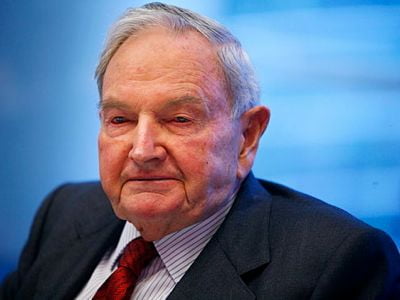
David Rockefeller celebrated his 96th birthday during last weekend’s Bilderberg meeting, and is one of if not the only remaining original founders of the group in 1954. If the Bilderberg Group represents the “high priests of globalization,” then David Rockefeller is the ‘Pope’.
James Wolfensohn represents the importance of the Rockefellers to not only America, but to the whole process of globalization. James D. Wolfensohn, an Australian national, was President of the World Bank from 1995-2005, and has since founded and leads his private firm, Wolfensohn & Company, LLC. He has also been a long-time Steering Committee member of the Bilderberg Group, and has served as an Honorary Trustee of the Brookings Institution, a major American think tank, as well as a Trustee of the Rockefeller Foundation, and is a member of the Council on Foreign Relations. Wolfensohn’s father, Hyman, was employed by James Armand de Rothschild of the Rothschild banking dynasty, after whom James was named. His father taught him how to “cultivate mentors, friends and contacts of influence.”[65] Wolfensohn rose quickly through the financial world, and as his father had lived in service to the Rothschild’s – the dominant family of the 19th century – James Wolfensohn lived in service to the Rockefellers, arguably the dominant family of the 20th century. On the event of David Rockefeller’s 90th birthday, James Wolfensohn, speaking at the Council on Foreign Relations, stated:
[T]he person who had perhaps the greatest influence on my life professionally in this country, and I’m very happy to say personally there afterwards, is David Rockefeller, who first met me at the Harvard Business School in 1957 or ‘58… [At the beginning of the 20th century] as we looked at the world, a family, the Rockefeller family, decided that the issues were not just national for the United States, were not just related to the rich countries. And where, extraordinarily and amazingly, David’s grandfather set up the Rockefeller Foundation, the purpose of which was to take a global view.
… So the Rockefeller family, in this last 100 years, has contributed in a way that is quite extraordinary to the development in that period and has given ample focus to the issues of development with which I have been associated. In fact, it’s fair to say that there has been no other single family influence greater than the Rockefeller’s in the whole issue of globalization and in the whole issue of addressing the questions which, in some ways, are still before us today. And for that David, we’re deeply grateful to you and for your own contribution in carrying these forward in the way that you did.[66]
David Rockefeller has been even less humble (but perhaps more honest) in his assertion of his family’s and his own personal role in shaping the world. In his 2002 book, Memoirs, David Rockefeller wrote:
For more than a century ideological extremists at either end of the political spectrum have seized upon well-publicized incidents such as my encounter with Castro to attack the Rockefeller family for the inordinate influence they claim we wield over American political and economic institutions. Some even believe we are part of a secret cabal working against the best interests of the United States, characterizing my family and me as ‘internationalists’ and of conspiring with others around the world to build a more integrated global political and economic structure–one world, if you will. If that’s the charge, I stand guilty, and I am proud of it.[67]
As if this admission was not quite enough, at a 1991 meeting of the Bilderberg group, David Rockefeller was quoted as saying:
We are grateful to the Washington Post, The New York Times, Time Magazine and other great publications whose directors have attended our meetings and respected their promises of discretion for almost 40 years. It would have been impossible for us to develop our plan for the world if we had been subjected to the lights of publicity during those years. But the world is more sophisticated and prepared to march towards a world government. The supranational sovereignty of an intellectual elite and world bankers is surely preferable to the national auto-determination practiced in past centuries.[68]
So, happy 96th birthday, Mr. David Rockefeller! But I am sorry to say (or perhaps not so sorry) that while the mainstream media have “respected their promises of discretion,” the new media – the alternative media – have not. As you said yourself, “It would have been impossible for us to develop our plan for the world if we had been subjected to the lights of publicity during those years,” it seems that the “lights of publicity” are now descending upon your “plan for the world,” making it all the more difficult to come to pass. Indeed, “the world is more sophisticated,” but not because the world is ‘ready’ for your plan, but because the world is getting ready to reject it. While national sovereignty certainly has problems and is hardly something I would consider ‘ideal’, the “supranational sovereignty of an intellectual elite and world bankers” is about the worst scenario one could imagine. So as a birthday present to you, Mr. Rockefeller, I promise (and I am sure that I am speaking for a great many more than simply myself) that I will continue to expose your “plans for the world,” so that your dream – and our nightmare – will never become a reality. The light will shine, and in due time, the people will be ready to follow its path.

Andrew Gavin Marshall is a Research Associate with the Centre for Research on Globalization (CRG).  He is co-editor, with Michel Chossudovsky, of the recent book, “The Global Economic Crisis: The Great Depression of the XXI Century,” available to order at Globalresearch.ca. He is currently working on a forthcoming book on ‘Global Government’.

Notes
[1]        Jon Ronson, Who pulls the strings? (part 3), The Guardian, 10 March 2001:
http://www.guardian.co.uk/books/2001/mar/10/extract1
[2]        CBC, Informal forum or global conspiracy? CBC News Online: June 13, 2006:
http://www.cbc.ca/news/background/bilderberg-group/
[3]        Holly Sklar, ed., Trilateralism: The Trilateral Commission and Elite Planning for World Management. (South End Press: 1980), 161-171
[4]        Glen McGregor, Secretive power brokers meeting coming to Ottawa? Ottawa Citizen: May 24, 2006:
http://www.canada.com/topics/news/world/story.html?id=ff614eb8-02cc-41a3-a42d-30642def1421&k=62840
[5]        Stephen Gill, American Hegemony and the Trilateral Commission (Cambridge University Press: New York, 1990), page 129.
[6]        Bruno Waterfield, Dutch Prince Bernhard ‘was member of Nazi party’, The Telegraph, 5 March 2010:
http://www.telegraph.co.uk/news/worldnews/europe/netherlands/7377402/Dutch-Prince-Bernhard-was-member-of-Nazi-party.html
[7]        Joan Roelofs, Foundations and Public Policy: The Mask of Pluralism (New York: State University of New York Press, 2003), page 52.
[8]        Robert F. Arnove, ed., Philanthropy and Cultural Imperialism: The Foundations at Home and Abroad (Indiana University Press: Boston, 1980), page 1.
[9]        Inderjeet Parmar, “‘To Relate Knowledge and Action’: The Impact of the Rockefeller Foundation on Foreign Policy Thinking During America’s Rise to Globalism 1939-1945,” Minerva (Vol. 40, 2002), page 246.
[10]      Ibid, page 247.
[11]      Robert F. Arnove, ed., Philanthropy and Cultural Imperialism: The Foundations at Home and Abroad (Indiana University Press, 1980), page 319.
[12]      Joan Roelofs, “Foundations and Collaboration,” Critical Sociology, Vol. 33, 2007, page 480
[13]      Ibid, page 481.
[14]      Ibid, page 483.
[15]      Erkki Berndtson, “Review Essay: Power of Foundations and the American Ideology,” Critical Sociology, Vol. 33, 2007, page 580
[16]      Joan Roelofs, Foundations and Public Policy: The Mask of Pluralism (New York: State University of New York Press, 2003), page 52.
[17]      Stephen Gill, American Hegemony and the Trilateral Commission (Cambridge University Press: New York, 1990), pages 131-132.
[18]      Bilderberg Meetings, Former Steering Committee Members, BilderbergMeetings.org:
http://bilderbergmeetings.org/former-steering-committee-members.html; Steering Committee:
http://bilderbergmeetings.org/governance.html
[19]      Holly Sklar, ed., Trilateralism: The Trilateral Commission and Elite Planning for World Management. (South End Press: 1980), 161-162
[20]      CFR, The First Transformation. CFR History:
http://www.cfr.org/about/history/cfr/first_transformation.html
[21]      William F. Jasper, Rogues’ gallery of EU founders. The New American: July 12, 2004:
http://findarticles.com/p/articles/mi_m0JZS/is_14_20/ai_n25093084/pg_1?tag=artBody;col1
[22]      Ambrose Evans-Pritchard, Euro-federalists financed by US spy chiefs. The Telegraph: June 19, 2001:
http://www.telegraph.co.uk/news/worldnews/europe/1356047/Euro-federalists-financed-by-US-spy-chiefs.html
[23]      Ibid.
[24]      Bilderberg Group, GARMISCH-PARTENKIRCHEN CONFERENCE. The Bilderberg Group: September 23-25, 1955, page 7:
[25]      Who are these Bilderbergers and what do they do? The Sunday Herald: May 30, 1999:
http://findarticles.com/p/articles/mi_qn4156/is_19990530/ai_n13939252
[26]      Andrew Rettman, ‘Jury’s out’ on future of Europe, EU doyen says. EUobserver: March 16, 2009:
http://euobserver.com/9/27778
[27]      Daily Mail, EU Constitution – the main points. The Daily Mail: June 19, 2004:
http://www.dailymail.co.uk/news/article-307249/EU-Constitution–main-points.html
[28]      Ian Traynor, Who speaks for Europe? Criticism of ‘shambolic’ process to fill key jobs. The Guardian, 17 November 2009:
http://www.guardian.co.uk/world/2009/nov/17/top-european-job-selection-process
[29]      Herman Van Rompuy, Speech Upon Accepting the EU Presidency, BBC News, 22 November 2009:
http://www.youtube.com/watch?v=pzm_R3YBgPg
[30]      Daniel Estulin, Bilderberg Report 2011, DanielEstulin.com, 14 June 2011:
http://www.danielestulin.com/2011/06/13/bilderberg-report-2011-informe-club-bilderberg-2011/
[31]      Bilderberg Meetings, Bilderberg 2011: List of Participants, BilderbergMeetings.org, June 2011:
http://bilderbergmeetings.org/participants_2011.html
[32]      Bruno Waterfield, EU Presidency candidate Herman Van Rompuy calls for new taxes, The Telegraph, 16 November 2009:
 http://www.telegraph.co.uk/news/worldnews/europe/eu/6582837/EU-Presidency-candidate-Herman-Van-Rompuy-calls-for-new-taxes.html
[33]      Bilderberg Meetings, Bilderberg 2011: List of Participants, BilderbergMeetings.org, June 2011: 
http://bilderbergmeetings.org/participants_2011.html
[34]      PrisonPlanet, Exclusive: Unnamed Bilderberg Attendees Revealed, Gates Violates Logan Act, Prison Planet, 11 June 2011:
http://www.prisonplanet.com/exclusive-unnamed-bilderberg-attendees-revealed.html
[35]      Charlie Skelton, Bilderberg 2011: The opposition steps up, The Guardian, 11 June 2011:
http://www.guardian.co.uk/world/blog/2011/jun/11/bilderberg-switzerland
[36]      SwissInfo, World’s Powerful Bilderberg Group Meets In St Moritz, EurasiaReview, 9 June 2011:
http://www.eurasiareview.com/worlds-powerful-bilderberg-group-meets-in-st-moritz-09062011/
[37]      Daniel Estulin, Bilderberg Report 2011, DanielEstulin.com, 14 June 2011:
http://www.danielestulin.com/2011/06/13/bilderberg-report-2011-informe-club-bilderberg-2011/
[38]      Bloomberg, European Central Bank President Jean-Claude Trichet calls for Euro Finance Ministry, The Economic Times, 3 June 2011:
http://articles.economictimes.indiatimes.com/2011-06-03/news/29617216_1_single-currency-jean-claude-trichet-budget
[39]      Daniel Hannan, European economic government is inevitable, Telegraph Blogs, 17 March 2010:
http://blogs.telegraph.co.uk/news/danielhannan/100030219/european-economic-government-is-inevitable/
[40]      Spiegel, Plans for European Economic Government Gain Steam, Der Spiegel, 1 March 2011:
http://www.spiegel.de/international/europe/0,1518,680955,00.html
[41]      ANDREW WILLIS, Germany predicts EU ‘political union’ in 10 years, EU Observer, 13 December 2010:
http://euobserver.com/9/31485
[42]      Peter Müller and Michael Sauga, France and Germany Split over Plans for European Economic Government, Der Spiegel, 3 January 2011:
http://www.spiegel.de/international/europe/0,1518,737423,00.html
[43]      Mario Draghi: “We need a European economic government” – interview in Handelsblatt, The Bank for International Settlements, March 2010:
http://www.bis.org/review/r100325b.pdf
[44]      Bilderberg Meetings, Participants 2009, BilderbergMeetings.org, May 2009:
http://bilderbergmeetings.org/participants.html
[45]      Ecofin: Finance Ministers Back Mario Draghi To Lead ECB, The Wall Street Journal, 16 May 2011:
http://online.wsj.com/article/BT-CO-20110516-715655.html
[46]      Dominique Strauss-Kahn, Concluding Remarks by Dominique Strauss-Kahn, Managing Director of the International Monetary Fund, at the High-Level Conference on the International Monetary System, Zurich, 11 May 2010:
[47]      Stephen Gill, American Hegemony and the Trilateral Commission (Cambridge University Press: New York, 1990), pages 131-132.
[48]      Bilderberg Meetings, Participants 2009, BilderbergMeetings.org, May 2009:
http://bilderbergmeetings.org/participants.html
[49]      Daniel Estulin, Bilderberg Report 2011, DanielEstulin.com, 14 June 2011:
http://www.danielestulin.com/2011/06/13/bilderberg-report-2011-informe-club-bilderberg-2011/
[50]      Bilderberg Meetings, Bilderberg 2011: List of Participants, BilderbergMeetings.org, June 2011:
http://bilderbergmeetings.org/participants_2011.html
[51]      Jean-Claude Trichet, Global Governance Today, Keynote address by Mr Jean-Claude Trichet, President of the European Central Bank, at the Council on Foreign Relations, New York, 26 April 2010:
http://www.bis.org/review/r100428b.pdf
[52]      The Trilateral Commission, About the Pacific Asian Group, May 2011:
http://www.trilateral.org/go.cfm?do=Page.View&pid=13
[53]      Jon Ronson, Who pulls the strings? (part 2), The Guardian, 10 March 2001:
http://www.guardian.co.uk/books/2001/mar/10/extract
[54]      Ibid.
[55]      Mark Oliver, The Bilderberg group, The Guardian, 4 June 2004:
http://www.guardian.co.uk/news/2004/jun/04/netnotes.markoliver
[56]      BBC, Inside the secretive Bilderberg Group, BBC News, 29 September 2005:
http://news.bbc.co.uk/2/hi/americas/4290944.stm
[57]      Chip Berlet, Interview: G. William Domhoff, New Internationalist, September 2004:
http://www.publiceye.org/antisemitism/nw_domhoff.html
[58]      Dominique Strauss-Kahn, Concluding Remarks by Dominique Strauss-Kahn, Managing Director of the International Monetary Fund, at the High-Level Conference on the International Monetary System, Zurich, 11 May 2010:
[59]      Ambrose Evans-Pritchard, The G20 moves the world a step closer to a global currency. The Telegraph: April 3, 2009:
[60]      Anthony Faiola, A Bigger, Bolder Role Is Imagined For the IMF, The Washington Post, 20 April 2009:
http://www.washingtonpost.com/wp-dyn/content/article/2009/04/19/AR2009041902242.html?hpid=topnews
[61]      Amar Bhattacharya, A Tangled Web, Finance and Development, March 2009, Vol. 46, No. 1:
http://www.imf.org/external/pubs/ft/fandd/2009/03/bhattacharya.htm
[62]      Jean-Claude Trichet, Global Governance Today, Keynote address by Mr Jean-Claude Trichet, President of the European Central Bank, at the Council on Foreign Relations, New York, 26 April 2010:
http://www.bis.org/review/r100428b.pdf
[63]      Ibid.
[64]      Jean-Claude Trichet, Central bank cooperation after the global financial crisis, Video address by Jean-Claude Trichet, President of the European Central Bank, at the Bank of Korea International Conference 2010, Seoul, 31 May 2010:
[65]      Michael Stutchbury, The man who inherited the Rothschild legend, The Australian, 30 October 2010:
http://www.theaustralian.com.au/news/features/the-man-who-inherited-the-rothschild-legend/story-e6frg6z6-1225945329773
[66]      James D. Wolfensohn, Council on Foreign Relations Special Symposium in honor of David Rockefeller’s 90th Birthday, The Council on Foreign Relations, 23 May 2005:
http://www.cfr.org/world/council-foreign-relations-special-symposium-honor-david-rockefellers-90th-birthday/p8133
[67]      David Rockefeller, Memoirs (Random House, New York: 2002), pages 404 – 405.
[68]      Gordon Laxer, “Radical Transformative Nationalisms Confront the US Empire,” Current Sociology (Vol. 51, Issue 2: March 2003), page 141.

Global Research                            16.06.2011

var _wau = _wau || []; _wau.push([“small”, “wvg1ie6mi5ta”, “m3y”]);
(function() {var s=document.createElement(“script”); s.async=true;
s.src=”http://widgets.amung.us/small.js”;
document.getElementsByTagName(“head”)[0].appendChild(s);
})();

Γενικά θέματα

Η πετρελαϊκή «μάχη» που ενώνει Τραμπ-Πούτιν και δισεκατομμυριούχους του Κόλπου

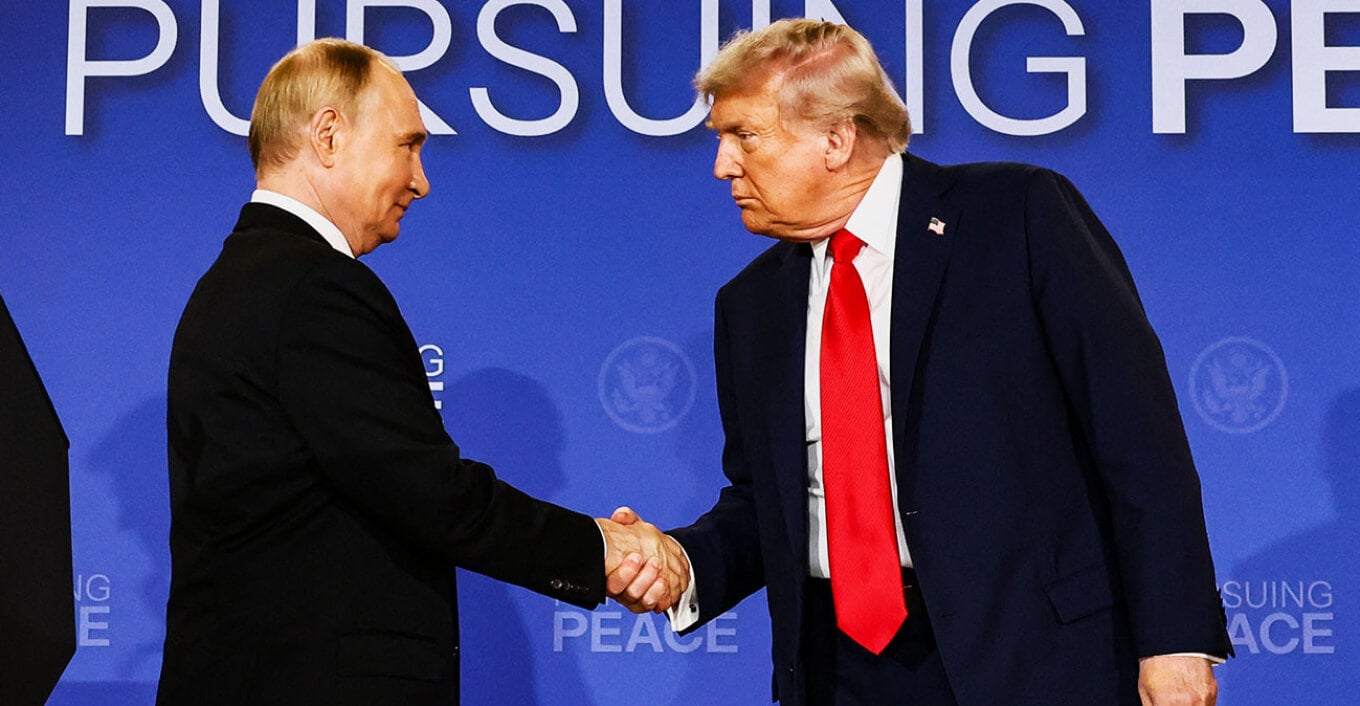
Οι συνομιλίες της κυβέρνησης του Ντόναλντ Τραμπ με τη Ρωσία για τον τερματισμό του πολέμου στην Ουκρανία έχουν διευρυνθεί και περιλαμβάνουν πλέον μια υπό διαπραγμάτευση συμφωνία δισεκατομμυρίων δολαρίων για την εξαγορά διεθνών περιουσιακών στοιχείων της ρωσικής πετρελαϊκής εταιρείας Lukoil, σύμφωνα με δημοσίευμα των «New York Times».
Δημοσιεύτηκε

στις

από τον

Οι συνομιλίες της κυβέρνησης του Ντόναλντ Τραμπ με τη Ρωσία για τον τερματισμό του πολέμου στην Ουκρανία έχουν διευρυνθεί και περιλαμβάνουν πλέον μια υπό διαπραγμάτευση συμφωνία δισεκατομμυρίων δολαρίων για την εξαγορά διεθνών περιουσιακών στοιχείων της ρωσικής πετρελαϊκής εταιρείας Lukoil, σύμφωνα με δημοσίευμα των «New York Times».

Η συμφωνία, η οποία δεν έχει ακόμη οριστικοποιηθεί και τελεί υπό την αίρεση της έγκρισης της αμερικανικής κυβέρνησης και του Κρεμλίνου, αφορά ένα εκτεταμένο χαρτοφυλάκιο πετρελαιοπηγών, διυλιστηρίων και πρατηρίων καυσίμων της Lukoil σε διάφορες χώρες.

Σύμφωνα με τους «New York Times», στο επίκεντρο της υπόθεσης βρίσκεται κοινοπραξία με επικεφαλής τον Αμερικανό επενδυτή Τοντ Μπόελι, στην οποία συμμετέχουν επίσης επενδυτικοί όμιλοι από τη Μέση Ανατολή. Στην προτεινόμενη συμφωνία συμμετέχει και η αμερικανική κυβέρνηση, μέσω της U.S. International Development Finance Corporation (DFC).

 Στο τραπέζι των συνομιλιών Τραμπ-Πούτιν

Οι πολύμηνες διαπραγματεύσεις, σύμφωνα με οκτώ πρόσωπα με γνώση της υπόθεσης που επικαλούνται οι «New York Times», συνδέονται με την ευρύτερη προσπάθεια της κυβέρνησης Τραμπ να αποκαταστήσει οικονομικούς δεσμούς με τη Ρωσία στο πλαίσιο των συνομιλιών για τον τερματισμό του πολέμου στην Ουκρανία.

Το ζήτημα της Lukoil φέρεται να τέθηκε από τον Βλαντιμίρ Πούτιν κατά τη συνάντησή του με τους Αμερικανούς διαπραγματευτές Στιβ Γουίτκοφ και Τζάρεντ Κούσνερ στο Κρεμλίνο, στις 5 Σεπτεμβρίου. Σύμφωνα με πηγή που επικαλείται η αμερικανική εφημερίδα, ο Ρώσος πρόεδρος πρότεινε την προώθηση της συμφωνίας ως ένδειξη ότι η Ρωσία και οι Ηνωμένες Πολιτείες μπορούν να συνεργαστούν επιχειρηματικά.

Οι Αμερικανοί διαπραγματευτές φέρεται να απάντησαν ότι θα εργαστούν για την προώθηση της συμφωνίας, τόσο ως ένδειξη «καλής θέλησης» προς το Κρεμλίνο όσο και με στόχο τη μείωση των διεθνών τιμών ενέργειας.

Η ενδεχόμενη συμφωνία παρουσιάζει ιδιαίτερο οικονομικό ενδιαφέρον για τους υποψήφιους αγοραστές. Η έγκρισή της από τις Ηνωμένες Πολιτείες θα μπορούσε να οδηγήσει στην απελευθέρωση των ρωσικών περιουσιακών στοιχείων από τις αμερικανικές κυρώσεις, αυξάνοντας παράλληλα την αξία τους.

 Οι διασυνδέσεις των επενδυτών

Στην κορυφή της κοινοπραξίας βρίσκεται ο Αμερικανός επενδυτής Τοντ Μπόελι, συνιδιοκτήτης των Los Angeles Dodgers και γνωστός υποστηρικτής του Τραμπ. Στο επενδυτικό σχήμα συμμετέχουν επίσης επιχειρηματικοί όμιλοι από το Κατάρ και τα Ηνωμένα Αραβικά Εμιράτα.

Οι «New York Times» επισημαίνουν ότι ορισμένοι από τους επενδυτές διατηρούν επιχειρηματικές σχέσεις με πρόσωπα που βρίσκονται κοντά στην κυβέρνηση Τραμπ.

Μεταξύ αυτών είναι οι αδελφοί Μουτάζ και Ράμεζ αλ-Χαγιάτ από το Κατάρ, οι οποίοι έχουν συνεργαστεί με τον Τζάρεντ Κούσνερ και την Ιβάνκα Τραμπ για τη χρηματοδότηση επενδυτικού σχεδίου στην Αλβανία.

Στην κοινοπραξία συμμετέχει επίσης επενδυτικό ταμείο με έδρα το Αμπού Ντάμπι, το οποίο ελέγχεται από τον σεΐχη Ταχνούν μπιν Ζαγιέντ Αλ Ναχιάν, σύμβουλο εθνικής ασφάλειας των Ηνωμένων Αραβικών Εμιράτων. Ο ίδιος συνδέεται με επενδύσεις στην World Liberty Financial, την εταιρεία κρυπτονομισμάτων της οικογένειας Τραμπ.

Παράλληλα, επενδυτικό ταμείο που συνδέεται με τον σεΐχη Ταχνούν αποτελεί σημαντικό μέτοχο της εταιρείας private equity που ίδρυσε ο Κούσνερ μετά την αποχώρησή του από τον Λευκό Οίκο.

 Τα ερωτήματα για πιθανές συγκρούσεις συμφερόντων

Οι διασυνδέσεις αυτές έχουν προκαλέσει ερωτήματα σχετικά με το κατά πόσο προσωπικές επιχειρηματικές σχέσεις μπορεί να διασταυρώνονται με τη διαδικασία λήψης αποφάσεων για μια συμφωνία που συνδέεται με την αμερικανική εξωτερική πολιτική.

Οι «New York Times» αναφέρουν ότι δεν υπάρχει ένδειξη πως ο Γουίτκοφ ή ο Κούσνερ πρόκειται να αποκομίσουν προσωπικό οικονομικό όφελος από τη συμφωνία. Ωστόσο, η υπόθεση έχει εγείρει ζητήματα σχετικά με τις σχέσεις μεταξύ των εμπλεκόμενων επιχειρηματιών και προσώπων του στενού περιβάλλοντος του Τραμπ.

Η Χούι Τσεν, πρώην εισαγγελέας και σύμβουλος σε θέματα οικονομικού εγκλήματος και δεοντολογίας, χαρακτήρισε τις διασυνδέσεις «ανησυχητικές» και έθεσε το ερώτημα κατά πόσο προσωπικά συμφέροντα θα μπορούσαν να επηρεάσουν την αξιολόγηση των υποψήφιων αγοραστών.

Από την πλευρά του, εκπρόσωπος του Γουίτκοφ απέρριψε οποιοδήποτε ζήτημα σύγκρουσης συμφερόντων, υποστηρίζοντας ότι ο Αμερικανός διαπραγματευτής δεν λαμβάνει μισθό και καλύπτει ο ίδιος τα έξοδα των ταξιδιών του στο πλαίσιο της αποστολής του για λογαριασμό του Τραμπ.

Η κούρσα για τα περιουσιακά στοιχεία της Lukoil

Η Lukoil είχε θέσει προς πώληση τα διεθνή περιουσιακά της στοιχεία μετά την επιβολή αμερικανικών κυρώσεων. Αρκετοί υποψήφιοι αγοραστές είχαν εκδηλώσει ενδιαφέρον, μεταξύ των οποίων και μεγάλοι αμερικανικοί ενεργειακοί όμιλοι.

Τον Ιανουάριο, η επενδυτική εταιρεία Carlyle είχε καταλήξει σε προκαταρκτική συμφωνία για την εξαγορά σημαντικού μέρους του διεθνούς χαρτοφυλακίου της Lukoil. Η συμφωνία, ωστόσο, δεν ολοκληρώθηκε, καθώς απαιτούσε την έγκριση της αμερικανικής κυβέρνησης.

Στη συνέχεια, ο όμιλος υπό τον Μπόελι εμφανίστηκε ως ένας από τους βασικούς διεκδικητές των περιουσιακών στοιχείων.

Η αξία των διεθνών περιουσιακών στοιχείων της Lukoil είχε υπολογιστεί από την ίδια την εταιρεία σε περίπου 20 δισ. δολάρια στις αρχές του έτους. Ωστόσο, οι οικονομικοί όροι της υπό διαπραγμάτευση συμφωνίας δεν έχουν γίνει γνωστοί.

 Ο ρόλος της αμερικανικής κυβέρνησης

Η αμερικανική κυβέρνηση συμμετέχει στην προτεινόμενη συμφωνία μέσω της U.S. International Development Finance Corporation, η οποία επενδύει και παρέχει χρηματοδότηση για έργα στο εξωτερικό.

Αμερικανός αξιωματούχος δήλωσε ότι μια ενδεχόμενη συμφωνία για τη Lukoil θα μπορούσε να ενισχύσει την οικονομική ασφάλεια των ΗΠΑ, να εξυπηρετήσει στόχους της αμερικανικής εξωτερικής πολιτικής και να συμβάλει στη μείωση του ενεργειακού κόστους για τους Αμερικανούς.

Η συμφωνία, ωστόσο, χρειάζεται την έγκριση του αμερικανικού υπουργείου Οικονομικών, το οποίο είναι αρμόδιο για την εφαρμογή των κυρώσεων κατά της Ρωσίας.

 Η ενεργειακή διάσταση

Στο υπό διαπραγμάτευση χαρτοφυλάκιο περιλαμβάνονται διυλιστήρια της Lukoil στην Ολλανδία, τη Βουλγαρία και τη Ρουμανία, καθώς και άλλες ενεργειακές υποδομές και πρατήρια καυσίμων σε διάφορες χώρες.

Η ενεργειακή διάσταση αποκτά ιδιαίτερη σημασία καθώς η κυβέρνηση Τραμπ έχει επανειλημμένα υποστηρίξει ότι η αποκατάσταση οικονομικών σχέσεων με τη Ρωσία θα μπορούσε να λειτουργήσει ως κίνητρο για τη Μόσχα ώστε να προχωρήσει σε συμβιβασμούς για τον τερματισμό του πολέμου στην Ουκρανία.

Ο Ρώσος οικονομικός απεσταλμένος Κίριλ Ντμίτριεφ έχει επίσης εμπλακεί στη διαδικασία, ενώ, σύμφωνα με τους «New York Times», έχει δηλώσει ότι ο διάλογος ΗΠΑ-Ρωσίας συνεχίζεται σε πολλούς τομείς, μεταξύ των οποίων και η ενέργεια.

Η συμφωνία για τη Lukoil παραμένει, πάντως, ανοικτή και δεν έχει οριστικοποιηθεί. Η τελική απόφαση θα εξαρτηθεί από τις απαιτούμενες εγκρίσεις των αμερικανικών αρχών και της ρωσικής πλευράς.

skpress.gr

Συνέχεια ανάγνωσης

Γενικά θέματα

Πώς μια «Ελληνίδα» έγινε το «θεμέλιο» της Εθνικής Πινακοθήκης της Ουγγαρίας

Στον πρώτο όροφο της Πινακοθήκης συναντήσαμε την «Ελληνίδα». Πρόκειται για ένα έργο του Jakob Marastoni (1804-1860), ενός ζωγράφου ιταλικής καταγωγής που εγκαταστάθηκε και εργάστηκε στην Πέστη και έγινε μία από τις σημαντικότερες μορφές στην ιστορία της ουγγρικής τέχνης.
Δημοσιεύτηκε

στις

από τον

Πριν λίγο καιρό επισκεφθήκαμε την Εθνική Πινακοθήκη της Ουγγαρίας στη Βουδαπέστη, ένα από τα πλέον σημαντικά μουσεία της χώρας, στο οποίο παρουσιάζεται με μοναδικό τρόπο η εξέλιξη της ουγγρικής εικαστικής τέχνης από τον 11ο αιώνα μέχρι σήμερα. Βρίσκεται στο Βασιλικό Ανάκτορο του Κάστρου της Βούδας και ιδρύθηκε το 1957 με βάση κυρίως τις ουγγρικές συλλογές του Μουσείου Καλών Τεχνών. Η συλλογή της περιλαμβάνει περίπου 110.00 έργα.

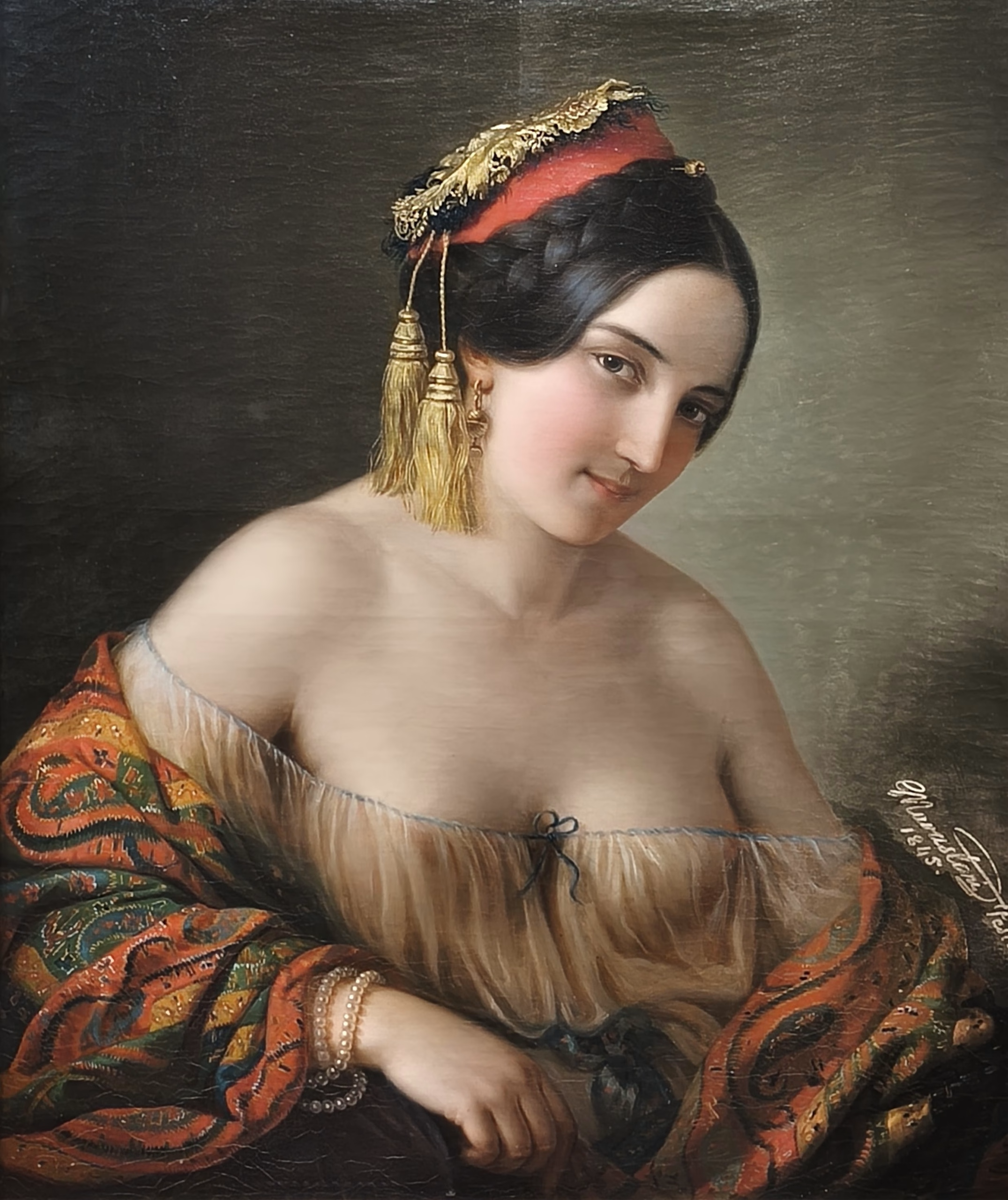
Στον πρώτο όροφο της Πινακοθήκης συναντήσαμε την «Ελληνίδα». Πρόκειται για ένα έργο του Jakob Marastoni (1804-1860), ενός ζωγράφου ιταλικής καταγωγής που εγκαταστάθηκε και εργάστηκε στην Πέστη και έγινε μία από τις σημαντικότερες μορφές στην ιστορία της ουγγρικής τέχνης.

Το έργο του με τίτλο «Ελληνίδα», φιλοτεχνημένο το 1845, θεωρείται εξαιρετικά σημαντικό για τη δημιουργία της συλλογής της Ουγγρικής Εθνικής Πινακοθήκης. Είναι το πρώτο έργο που σηματοδότησε την έναρξη της συστηματικής συλλογής ουγγρικής ζωγραφικής στα εθνικά ιδρύματα.⁠ Είναι επίσης το πιο γνωστό και εμβληματικό έργο του ζωγράφου.

Οι διαστάσεις του είναι 77Χ61,5 cm περίπου. Το μοντέλο δεν είναι Ελληνίδα, αλλά η σύζυγος του Marastoni, η Giovanna Bianchi, με καταγωγή από τη Βενετία. Ο ζωγράφος την απεικόνισε με παραδοσιακή (ή φανταστική) ελληνική φορεσιά της εποχής, σύμφωνα με τη μόδα του ρομαντισμού. Η εικόνα συνδυάζει εξωτισμό, ελαφρύ ερωτισμό και ιδανική ομορφιά.

Η ιστορία

Το 1845 η Pest Art Society — η πρώτη καλλιτεχνική εταιρεία στην Ουγγαρία — αγόραζε κάθε χρόνο ένα έργο από την ετήσια έκθεσή της για να το δωρίσει στο Ουγγρικό Εθνικό Μουσείο, το οποίο τότε περιλάμβανε και την πινακοθήκη.

Η «Ελληνίδα» του Marastoni ήταν αυτό που επέλεξαν και δώρισαν τον Νοέμβριο του 1845. Έτσι, καταγράφηκε ως το πρώτο έργο στη συλλογή ζωγραφικής του μουσείου.⁠ Το Εθνικό Μουσείο είχε ήδη κάποιες δωρεές, αλλά η συστηματική συλλογή ουγγρικής τέχνης ξεκινάει ουσιαστικά με αυτό το έργο. Η Εθνική Πινακοθήκη κληρονόμησε αυτή τη συλλογή από το Εθνικό Μουσείο.

Η επιλογή του προκάλεσε έντονες συζητήσεις και αποτέλεσε το «πρώτο καλλιτεχνικό σκάνδαλο» της εποχής, λόγω του ερωτισμού που απέπνεε το μοντέλο. Ωστόσο ο πίνακας αυτός ήταν και ιδιαίτερα δημοφιλής, κάτι που ενίσχυσε την εθνική συζήτηση για την τέχνη.⁠

Σήμερα, το έργο παραμένει εμβληματικό και εκτίθεται συχνά ως αφετηρία της συλλογής ζωγραφικής του 19ου αιώνα στην Πινακοθήκη. Συμβολίζει το πώς η ουγγρική τέχνη χτίστηκε με συνεισφορές από ξένους καλλιτέχνες που ενσωματώθηκαν στη χώρα, όπως ο Marastoni.

Η δημιουργία της Πινακοθήκης

Αν κάνετε περίπατο στην οδό Deák Ferenc στο κέντρο της πόλης ίσως αξίζει κάποιες φορές να σηκώσετε το βλέμμα πάνω από τις βιτρίνες των καταστημάτων. Το βλέμμα σας θα συναντήσει όχι μόνο κλασικές προσόψεις, αλλά και αναμνηστικές πλάκες, όπως για παράδειγμα εκείνη στον αριθμό 21, όπου αναγράφεται: «Η Πρώτη Ουγγρική Ακαδημία Ζωγραφικής – ιδρυθείσα από τον Jakab Marastoni».

Η Πέστη του 19ου αιώνα ήταν μια πραγματικά πολυπολιτισμική πόλη. Γερμανοί, Ούγγροι, Έλληνες, Ιταλοί, Σέρβοι και πολλές άλλες μικρότερες εθνότητες ζούσαν εδώ δίπλα-δίπλα ειρηνικά. Ο καθένας καλλιεργούσε τον δικό του πολιτισμό, αλλά ένα πράγμα τους ένωνε: όλοι ήθελαν να είναι και Ούγγροι και επιδίωκαν να υπηρετήσουν τον ουγγρικό πολιτισμό με τις δραστηριότητές τους.

Εκείνη την εποχή ο Marastoni υπέβαλε την αίτησή του για την ακαδημία ζωγραφικής στο Βασιλικό Συμβούλιο των Κυβερνητών, όταν ιδρύθηκε εντός του Ουγγρικού Εθνικού Μουσείου ο Σύλλογος Εθνικής Πινακοθήκης, ένα «τμήμα που συνέλεγε αποκλειστικά ουγγρική ζωγραφική».

Όλα αυτά συνέβησαν το 1845 και αυτή η μεγάλη πολιτιστική δραστηριότητα μπορεί να ήταν αποτέλεσμα του γεγονότος ότι εκείνη τη χρονιά το Εθνικό Μουσείο ήθελε να τιμήσει δεόντως την πεντηκοστή επέτειο της ανάληψης καθηκόντων του αρχιδούκα Ιωσήφ της Αυστρίας.

Ο σύλλογος που έφερε το όνομα του αρχιδούκα εγκρίθηκε τελικά από το Βασιλικό Συμβούλιο των Κυβερνητών τον Σεπτέμβριο του 1845. Η Εθνική Πινακοθήκη του αρχιδούκα Ιωσήφ μπορεί, επομένως, να θεωρηθεί ως το πρώτο εθνικό ίδρυμα που συνέλεγε ουγγρικούς πίνακες.

Η πινακοθήκη δέχθηκε δωρεές έργων τόσο από συλλόγους, όσο και από ιδιώτες, και ανάμεσά τους το σημαντικότερο ήταν το έργο του Jakab Marastoni «H Ελληνίδα», το οποίο δωρήθηκε στην πινακοθήκη τον Νοέμβριο του 1845 από την Καλλιτεχνική Εταιρεία της Πέστης. Έτσι, μπορεί να πει κανείς ότι η ιστορία της μουσειακής συλλογής ουγγρικής ζωγραφικής ξεκίνησε με την «Ελληνίδα».

Αλλά γιατί μια Ελληνίδα; Το σύγχρονο (όχι αρχαίο) ελληνικό θέμα εμφανίστηκε στην ευρωπαϊκή ζωγραφική με την Ελληνική Επανάσταση ενάντια στην Οθωμανική Αυτοκρατορία τη δεκαετία του 1820. Φυσικά, οι συμπάθειες του ευρωπαϊκού ρομαντισμού προς τους Έλληνες άσκησαν επιρροή και στην ουγγρική τέχνη.

Οι Έλληνες, και ιδιαίτερα οι Ελληνίδες, αποτελούσαν συχνά θέμα στην ουγγρική ζωγραφική του 19ου αιώνα, και κατά μία έννοια η «Ελληνίδα» κατέληξε να αντιπροσωπεύει ένα εξωτικό θέμα αρωματισμένο με ερωτισμό.

Και αν σήμερα βρίσκουμε την «Ελληνίδα» να αποκαλύπτει ανοιχτά την ομορφιά και τη γοητεία της, δεν πρέπει να ξεχνάμε ότι επρόκειτο για θέμα μόδας. Και όσο κι αν μας γνέφει σαγηνευτικά αυτή η όμορφη γυναίκα, με την ιστορική έννοια το έργο αυτό είναι ένα από τα σημαντικότερα της ουγγρικής μουσειολογίας.

Ο ζωγράφος

Ο Jakab Marastoni (Giacomo Marastoni) γεννήθηκε το 1804 στη Βενετία και σπούδασε στην περίφημη Ακαδημία Καλών Τεχνών.

Ταξίδεψε στη Βιέννη στις αρχές της δεκαετίας του 1830, πέρασε από τη σημερινή Μπρατισλάβα το 1833 και εγκαταστάθηκε οριστικά στην Πέστη το 1836. Έγινε περιζήτητος πορτρετίστας μεταξύ αριστοκρατικών και αστικών οικογενειών, αλλά και κατά τη διάρκεια κοινοβουλευτικών συνεδριάσεων.⁠

Το 1846 ίδρυσε την Πρώτη Ουγγρική Ακαδημία Ζωγραφικής στην Πέστη – την πρώτη ιδιωτική σχολή αποκλειστικά για ζωγραφική στην Ουγγαρία. Ανάμεσα στους μαθητές του περιλαμβάνονται σημαντικοί Ούγγροι καλλιτέχνες όπως ο Károly Lotz, ο Mihály Zichy, ο Soma Orlai Petrich κ.ά. Το 1846 έγινε Επίτιμος Πολίτης της Πέστης.

Στα τελευταία χρόνια της ζωής του ασχολήθηκε με την δαγκεροτυπία ήταν ο πρώτος επαγγελματίας αυτής της τεχνικής στην Ουγγαρία. Πέθανε σε ψυχιατρική κλινική και η σχολή του έκλεισε λίγο μετά.

tovima.gr

Συνέχεια ανάγνωσης

Γενικά θέματα

Ούμαρ Κρέμλεφ: Ο άνθρωπος του Πούτιν που «εισέβαλε» στον αμερικανικό αθλητισμό

Πριν γίνει γνωστός ως Ούμαρ Κρέμλεφ, ο 43χρονος που χρόνια αργότερα θα συνδεόταν ακόμη και με το πολυτελές πάρτι του Ντόναλντ Τραμπ Τζούνιορ στις Μπαχάμες, ήταν γνωστός με το όνομα Ούμαρ Λουτφουλόεφ. Μέχρι τον Μάρτιο του 2010, το όνομα Κρέμλεφ παρέμενε ουσιαστικά άγνωστο
Δημοσιεύτηκε

στις

από τον

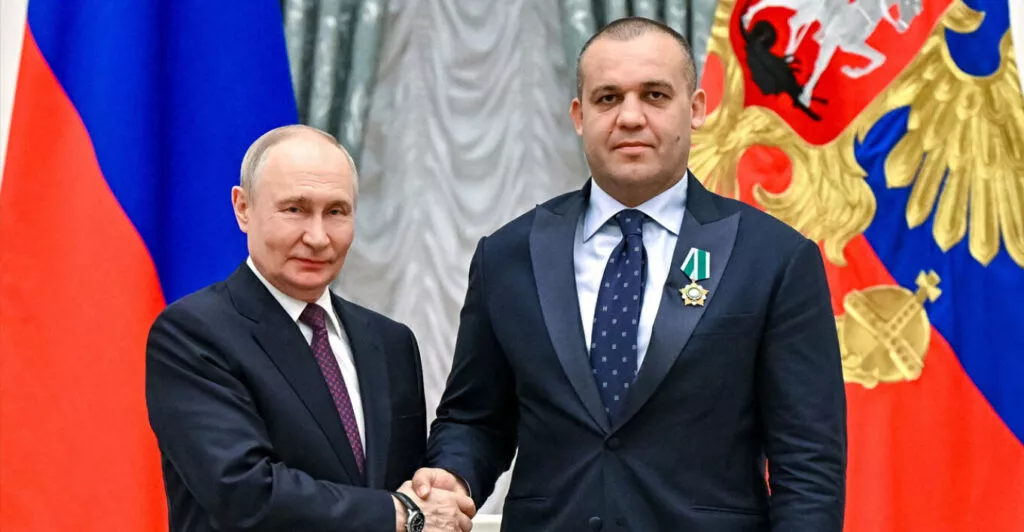
Πριν γίνει γνωστός ως Ούμαρ Κρέμλεφ, ο 43χρονος που χρόνια αργότερα θα συνδεόταν ακόμη και με το πολυτελές πάρτι του Ντόναλντ Τραμπ Τζούνιορ στις Μπαχάμες, ήταν γνωστός με το όνομα Ούμαρ Λουτφουλόεφ. Μέχρι τον Μάρτιο του 2010, το όνομα Κρέμλεφ παρέμενε ουσιαστικά άγνωστο.

Όταν «πάτησε» τα 28 κι έχοντας, σύμφωνα με δημοσιεύματα της εποχής, καταδίκες για εκβιασμό και ξυλοδαρμό, είδε τις φιλοδοξίες του για καριέρα στην πυγμαχία να σβήνουν εξαιτίας της έλλειψης πειθαρχίας και θέλησε να κάνει μια νέα αρχή για να ανεβεί τα σκαλοπάτια της ρωσικής κοινωνίας.

Και για να πετύχει αυτή του την επιδίωξη, δεν θα μπορούσε να διαλέξει καταλληλότερο επώνυμο από το Κρεμλέφ – ουσιαστικά, «ο άνθρωπος του Κρεμλίνου». Όπως και στην περίπτωση του Ντόναλντ Τραμπ Τζούνιορ, αυτό ήταν ένα όνομα που έμελλε να συνδεθεί με φήμη, πλούτο και αντιπαραθέσεις.
Ο Ρόμπερτ Γκαρσία, ο κορυφαίος Δημοκρατικός στην Επιτροπή Εποπτείας της Βουλής των Αντιπροσώπων, έθεσε το εύλογο ερώτημα: «Τι πήρε ως αντάλλαγμα; Χρειαζόμαστε απαντήσεις» και το ζευγάρι των νεόνυμφων έσπευσε να απαντήσει: «Η φιλία δεν προϋποθέτει πολιτικά κίνητρα. Η γενναιοδωρία δεν συνοδεύεται αυτομάτως από κάποια ατζέντα. Και μερικές φορές ένα γαμήλιο δώρο είναι απλώς ένα γαμήλιο δώρο», προσφέροντας στη συνέχεια να επιστρέψει τα χρήματα.

Ο 43χρονος μεγάλωσε στο Σερπούχοφ, μια πόλη περίπου 120.000 κατοίκων, 60 μίλια νότια της Μόσχας και 5.729 μίλια ανατολικά του Little Pipe Cay, του νησιού στις Μπαχάμες που νοίκιασε για τον γιο του Αμερικανού προέδρου. Γεννημένος από μητέρα Τατζίκα σε μουσουλμανική οικογένεια, «παντρεύτηκε» αρχή τον ρόλο του αουτσάιντερ.

Στράφηκε από μικρός στην πυγμαχία, όμως έχει παραδεχτεί σε συνέντευξή του ότι σταμάτησε στα 19 του, επειδή δεν διέθετε την απαιτούμενη πειθαρχία. Ακόμη και την ημέρα ενός αγώνα μπορούσε να βρεθεί σε νυχτερινό κέντρο ως τις τέσσερις τα ξημερώματα. Με μεγάλα χέρια και τη σωματική διάπλαση πυγμάχου βαρέων βαρών, ο Κρεμλέφ πέρασε τα επόμενα χρόνια αναζητώντας τον δρόμο που του ταίριαζε. Παρέμεινε, πάντως, στον κόσμο της πυγμαχίας, εργαζόμενος ως διοργανωτής αγώνων.

Σύμφωνα με το ρωσικό ερευνητικό μέσο Proekt, καταδικάστηκε για εκβιασμό το 2004 και για ξυλοδαρμό το 2007, αν και οι ακριβείς συνθήκες των υποθέσεων παραμένουν ασαφείς. Ο ίδιος δεν έχει αρνηθεί τις καταδίκες.

Οι Night Wolves εμφανίστηκαν την περίοδο της Περεστρόικα, της οικονομικής αναδιάρθρωσης της δεκαετίας του 1980, ως μια ομάδα μοτοσικλετιστών και φίλων της ροκ μουσικής. Επικεφαλής τους ήταν ο Αλεξάντερ Ζαλντοστάνοφ, γνωστός ως «Χειρουργός», στενός φίλος του Βλαντίμιρ Πούτιν.

Μέσα σε αυτόν τον ετερόκλητο κόσμο που ο Κρεμλέφ άρχισε να καλλιεργεί τις σχέσεις που θα τον μετέτρεπαν από πυγμάχο σε ισχυρό παράγοντα της ρωσικής κοινωνίας. Η σημαντικότερη από αυτές ήταν με τον Αλεξέι Ρουμπέζνι, υποστράτηγο της Ομοσπονδιακής Υπηρεσίας Προστασίας (FSO) ψηλόβαθμων κρατικών αξιωματούχων, με τον οποίο έγιναν αχώριστοι.

Το 2016, ο Ρουμπέζνι ήταν πλέον επικεφαλής της Υπηρεσίας Ασφαλείας του Προέδρου και ο Κρεμλέφ είχε αποκτήσει, με αυτό τον τρόπο, πρόσβαση στον Πούτιν. Έκτοτε, η καριέρα του απογειώθηκε.

Ανέβηκε γρήγορα στην ιεραρχία και το 2017 ανέλαβε την ηγεσία της Ρωσικής Ομοσπονδίας Πυγμαχίας. Όμως η ορεξη του Κρεμλέφ είχε ανοίξει και δεν χόρταινε. Η Association Internationale de Boxe Amateur (AIBA – Διεθνής Ομοσπονδία Ερασιτεχνικής Πυγμαχίας) βρισκόταν τότε σε βαθιά κρίση, αντιμέτωπη με καταγγελίες διαφθοράς που οδήγησαν το 2019 στην αρχική αναστολή της από τους Ολυμπιακούς Αγώνες ως φορέα που είχε την ευθύνη της ολυμπιακής πυγμαχίας.

Ο Κρεμλέφ υποσχέθηκε σαρωτικές μεταρρυθμίσεις και την εξόφληση χρέους που υπολογιζόταν στα 16 εκατ. δολάρια, με στόχο ο οργανισμός να ανακτήσει τον έλεγχο της ολυμπιακής πυγμαχίας. Έτσι, το 2020 κέρδισε με άνεση την ψηφοφορία για την προεδρία, ενώ το γεγονός ότι μιλούσε από ελάχιστα έως καθόλου αγγλικά δεν αποτέλεσε εμπόδιο. Και όπως έκανε με τον ίδιο του τον εαυτό, και σε αυτή την περίπτωση έκανε το restart με τον ίδιο τρόπο: άλλαξε το όνομα του οργανισμού σε International Boxing Association (IBA).

Ακολούθησε συνεργασία της IBA με την Gazprom, τον ρωσικό κρατικό ενεργειακό κολοσσό, με συνέπεια το χρέος να μηδενιστεί και τα χρηματικά έπαθλα να αυξηθούν. «Γιατί να μην μπορούν οι ερασιτέχνες πυγμάχοι να πληρώνουν τα στεγαστικά τους δάνεια και να στηρίζουν τις οικογένειές τους;» είχε δηλώσει τότε ο Κρεμλέφ.

Το 2022, η IBA ήρε περιορισμούς που είχαν επιβληθεί νωρίτερα την ίδια χρονιά και επέτρεψε σε Ρώσους και Λευκορώσους πυγμάχους να αγωνίζονται με τις εθνικές σημαίες και τους ύμνους τους, ενώ απέκλεισε από τις τάξεις της την Ουκρανική Ομοσπονδία Πυγμαχίας. Την επόμενη χρονιά, ωστόσο, η Διεθνής Ολυμπιακή Επιτροπή (ΔΟΕ) ψήφισε – με αφορμή τον πόλεμο της Ρωσίας στην Ουκρανία – υπέρ της αφαίρεσης από την IBA της ιδιότητας της παγκόσμιας ομοσπονδίας του αθλήματος.

Ο Κρεμλέφ γίνεται ο «σκιώδης δήμαρχος»

Ωστόσο, δεν ήταν μόνο οι πυγμάχοι του Κρεμλέφ που πληρώνονταν καλά. Το 2019, μια εταιρεία του απέκτησε το δικαίωμα να γίνει ο μοναδικός διαχειριστής της εθνικής λοταρίας της Ρωσίας. Σε ένα μοτίβο που θα επαναλαμβανόταν αρκετές φορές, η λοταρία έγινε σύντομα χορηγός της IBA.

Τα επόμενα χρόνια, ο Κρεμλέφ απέκτησε μερίδια σε τρεις από τις μεγαλύτερες στοιχηματικές εταιρείες της Ρωσίας, τις Fonbet, Liga Stavok και Pari. Ρωσικά μέσα ενημέρωσης έχουν αναφέρει ότι οι συμφωνίες αυτές είχαν την υποστήριξη του Αντρέι Κόστιν, του υπό κυρώσεις χρηματοδότη και προέδρου της συνδεδεμένης με το Κρεμλίνο τράπεζας VTB, ο οποίος έχει χαρακτηριστεί «τραπεζίτης-κουμπαράς του Πούτιν».

Οι εταιρείες αυτές φαίνεται ότι είχαν συνολικά έσοδα περίπου 625 δισ. ρούβλια (5,5 δισ. λίρες) το 2023, ενώ η Liga Stavok αποτελεί πλέον βασικό εταίρο της IBA.

Ο Κρεμλέφ είχε επίσης αποκτήσει σταδιακά τον έλεγχο της Tsupis, μιας εταιρείας πληρωμών που συνδέει τους παίκτες με τις στοιχηματικές εταιρείες και εισπράττει προμήθεια από κάθε ποντάρισμα. Το 2021, ο Πούτιν εξέδωσε διάταγμα κατά της απάτης, το οποίο παραχώρησε στην Tsupis μονοπώλιο σε αυτή την εξαιρετικά επικερδή δραστηριότητα. Την ίδια περίοδο, οι φορείς που ρύθμιζαν την αγορά στοιχημάτων πέρασαν επίσης υπό τον έλεγχο του Κρεμλέφ και ενοποιήθηκαν σε έναν κοινό εποπτικό οργανισμό, με αρκετά μέλη του διοικητικού συμβουλίου να προέρχονται, σύμφωνα με δημοσιεύματα, από το δίκτυό του στον χώρο της πυγμαχίας.

Στη γενέτειρά του, το Σερπούχοφ, καθώς εξελισσόταν σε ολιγάρχη, ο Κρεμλέφ απέκτησε το προσωνύμιο «σκιώδης δήμαρχος», έχοντας συγκεντρώσει ένα εντυπωσιακό χαρτοφυλάκιο ακινήτων. Κάποια από αυτά φέρεται να περιήλθαν στην κατοχή του μετά την αναδιανομή περιουσιακών στοιχείων του φυλακισμένου πρώην δημάρχου Αλεξάντερ Σεστούν.

Πηγές αναφέρουν ότι απέκτησε γεωργικές εκτάσεις, βιομηχανικές εγκαταστάσεις, ένα λιμάνι, ένα εμπορικό κέντρο και ένα ξενοδοχείο, ενώ το 2024, ο Κρεμλέφ φέρεται να επωφελήθηκε και από απαλλοτρίωση. Τον Φεβρουάριο, το Κρεμλίνο κατέσχεσε τη Rolf, τη μεγαλύτερη αντιπροσωπεία αυτοκινήτων της Ρωσίας, από τον Σεργκέι Πετρόφ, τον εξόριστο ιδιοκτήτη της και πρώην βουλευτή της αντιπολίτευσης και μέχρι τον Σεπτέμβριο, η εταιρεία είχε περάσει στον Κρεμλέφ μέσω συμφωνίας ύψους 35 δισ. ρουβλίων.

Σε ανακοίνωσή της, η Rolf παρουσίασε τον Κρεμλέφ ως νέο ιδιοκτήτη της, χαρακτηρίζοντάς τον «στρατηγικό επενδυτή, ο οποίος θα επιτρέψει στην εταιρεία να διατηρήσει τη μοναδική εταιρική κουλτούρα της και να διευρύνει το φάσμα των δραστηριοτήτων της, με έμφαση στην αύξηση της αποτελεσματικότητας και την προσέλκυση νέων συνεργατών και πελατών».

Ένας από αυτούς τους νέους συνεργάτες, σύμφωνα με μεταγενέστερα δημοσιεύματα του Proekt, ήταν η IBA.

Η πίστη στον Πούτιν

Έχοντας συγκεντρώσει προσωπική περιουσία που υπολογίζεται έως και σε 300 εκατ. λίρες και αναλαμβάνοντας παράλληλα και άλλα αξιώματα – μεταξύ αυτών την προεδρία της Διεθνούς Ομοσπονδίας Ταβλιού – ο Κρεμλέφ δεν έκρυβε ποτέ τις πολιτικές του συμπάθειες.

«Χάρη σε έναν άνθρωπο, σήμερα υπάρχουν πραγματικά κάθε είδους ευκαιρίες να κερδίσεις χρήματα και να επιδιώξεις περισσότερα», είχε δηλώσει σε βιντεοσκοπημένη συνέντευξη το 2024, την οποία εντόπισε ο Guardian. «Αυτός ο άνθρωπος, φυσικά, είναι ο πρόεδρός μας, Βλαντίμιρ Βλαντιμίροβιτς Πούτιν».

Λίγους μήνες αργότερα, η Ουκρανία του επέβαλε κυρώσεις, χωρίς να βρίσκεται, ωστόσο, υπό κυρώσεις από τη Βρετανία, τις ΗΠΑ ή την Ευρωπαϊκή Ένωση.

Τον Απρίλιο, ο Πούτιν απένειμε στον Κρεμλέφ το Παράσημο της Φιλίας, ενώ λίγες ημέρες πριν από τον γάμο του Τραμπ Τζούνιορ, ο Κρεμλέφ συνόδευσε τον Ρώσο πρόεδρο σε επίσκεψη στην Κίνα, επιμένοντας πάντως ότι δεν βρισκόταν εκεί με επίσημη ιδιότητα.

Τα οφέλη για την οικογένειά του

Όπως συμβαίνει συχνά με τις οικογένειες ισχυρών και εύπορων πατριαρχών, και οι συγγενείς του Κρεμλέφ φαίνεται ότι επωφελήθηκαν από την άνοδό του. Το 2024, η ρωσική Novaya Gazeta ανέφερε ότι είχε παραχωρήσει στην τότε 21χρονη σύζυγό του, Αναστάσια Λεστσίνσκαγια, ένα κουρείο και ένα καφέ στο Σερπούχοφ, καθώς και πολυτελή αυτοκίνητα. Μάλιστα, αψηφώντας πλήρως τους νόμους, οι Porsche, Lamborghini και Aston Martin που φέρεται να της ανήκαν έχουν, σύμφωνα με δημοσιεύματα, συγκεντρώσει περίπου 50 κλήσεις από την τροχαία της περιφέρειας της Μόσχας.

Η Λεστσίνσκαγια ήταν γνωστή δημιουργός στο TikTok και το ένα από τα δύο μέλη του διδύμου «twinsrussian».

Ωστόσο, η δίδυμη αδελφή της είναι εκείνη που έχει προσελκύσει ακόμη μεγαλύτερο ενδιαφέρον. Η Εκατερίνα Λεστσίνσκαγια διευθύνει τη φιλοπουτινική οργάνωση Healthy Fatherland, ένα αθλητικό και πατριωτικό κίνημα στο οποίο το Κίεβο έχει επιβάλει κυρώσεις για τον φερόμενο ρόλο του στην απαγωγή, την απέλαση και την αναγκαστική μεταφορά παιδιών από την Ουκρανία. Η ίδια έχει επίσης συναντηθεί επανειλημμένα με τον Ρώσο πρόεδρο.

Και φαίνεται πως αυτή ακριβώς η σύνδεση του Τζούνιορ με τον Κρεμλέφ ήταν που ώθησε τη Μελάνια Τραμπ – η οποία έχει μεσολαβήσει σε συμφωνίες με Ρώσους αξιωματούχους για την επιστροφή Ουκρανών παιδιών – να πάρει αποστάσεις από τον γάμο του θετού γιου της, με εκπρόσωπό της να δηλώνει: «Η κυρία Τραμπ δεν έχει και δεν είχε ποτέ καμία σχέση με τον κ. Κρεμλέφ».

Ασαφής ο τρόπος σύνδεσης του Τραμπ Τζούνιορ με τον Κρεμλέφ
Ο Τραμπ Τζούνιορ, όμως, έχει. Το πώς ακριβώς ο γιος του Αμερικανού προέδρου μπήκε στον κύκλο του Κρεμλέφ παραμένει ασαφές. Εκπρόσωπος του γιου του Αμερικανού προέδρου δήλωσε ότι οι δύο άνδρες, αμφότεροι λάτρεις του κυνηγιού, γνωρίστηκαν μέσω κοινού φίλου και «δέθηκαν χάρη στην αγάπη τους για την πυγμαχία και τις δραστηριότητες στη φύση».

Επιπλέον, ο Τραμπ Τζούνιορ είχε επαφή με την πυγμαχία από μικρή ηλικία, λόγω της δραστηριότητας του πατέρα του ως διοργανωτή αγώνων. Στα δέκα του χρόνια είχε παρακολουθήσει από κοντά τον Μάικ Τάισον να διαλύει τον Μάικλ Σπινκς μέσα σε μόλις 91 δευτερόλεπτα στο Trump Plaza Hotel του Ατλάντικ Σίτι.

Ο κοινός φίλος μέσω του οποίου γνωρίστηκαν δεν έχει κατονομαστεί, ωστόσο αμφότεροι διατηρούν στενές σχέσεις με έναν Τούρκο επιχειρηματία, τον Κάαν Καρακάγια. Ο Καρακάγια φέρεται, μάίστα, να ήταν παρών σε ένα αμφιλεγόμενο κυνηγετικό ταξίδι στη Μογγολία το 2019, κατά το οποίο ο Τραμπ Τζούνιορ πυροβόλησε και σκότωσε ένα απειλούμενο πρόβατο.

Τον Σεπτέμβριο του περασμένου έτους, σε εκδήλωση της IBA στην Κωνσταντινούπολη, στην οποία παρευρέθηκε και ο Μάνι Πακιάο, παγκόσμιος πρωταθλητής σε οκτώ διαφορετικές κατηγορίες βάρους, ο Κρεμλέφ ανακοίνωσε τον διορισμό του Καρακάγια ως εκπροσώπου της οργάνωσης στην Τουρκία.

«Ο Κάαν υπήρξε μια γέφυρα ανάμεσα σε διαφορετικούς κόσμους, ένας φίλος που φέρνει τους ανθρώπους κοντά», είχε δηλώσει ο Κρεμλέφ.

«Ηγέτης και φίλος»

Ο Τραμπ Τζούνιορ παρευρέθηκε στην ίδια εκδήλωση της IBA και κάθισε δίπλα στον Κρεμλέφ πάνω στη σκηνή. Οι δύο άνδρες φαίνεται ότι διατηρούσαν ήδη τότε φιλική σχέση, παρά τα περιορισμένα αγγλικά του Ρώσου, ενώ ο Κρεμλέφ, σε μια ιδιαίτερα θερμή αναφορά, δήλωσε ότι ήταν «υπερήφανος που βρίσκεται εδώ με τον φίλο μου» και υποσχέθηκε ότι εκείνος και ο Τραμπ Τζούνιορ θα «προστατεύσουν τη διαφάνεια στην πυγμαχία και θα ανοίξουν τον δρόμο για την επόμενη γενιά».

Από την πλευρά του, ο Τραμπ Τζούνιορ επαίνεσε τον 43χρονο για το γεγονός ότι «επανέφερε την καθαρότητα της πυγμαχίας» και «αποκατέστησε την πραγματική δικαιοσύνη» στο άθλημα – μια αναφορά, όπως φαίνεται, στην πολιτική της IBA να μην επιτρέπει σε βιολογικούς άνδρες να αγωνίζονται στη γυναικεία πυγμαχία. «Είμαι υπερήφανος που αποκαλώ τον Ούμαρ όχι μόνο ηγέτη αλλά και φίλο», είχε δηλώσει, σύμφωνα με δελτίο Τύπου της IBA που είχε τον χαρακτηριστικό τίτλο: «Ούμαρ Κρεμλέφ και Ντόναλντ Τραμπ Τζούνιορ ενώνουν τις δυνάμεις τους».

Η θέση του για την πυγμάχο Ιμάν Κελίφ

Η IBA βρέθηκε ακόμη περισσότερο στο επίκεντρο της διεθνούς προσοχής κατά τη διάρκεια των Ολυμπιακών Αγώνων του Παρισιού το 2024, γεγονός που δημιούργησε μια ευκαιρία την οποία ο Κρεμλέφ μπορούσε να αξιοποιήσει.

Στους Αγώνες, η ΔΟΕ χρησιμοποίησε δική της μονάδα πυγμαχίας για τη διοργάνωση του τουρνουά, καθώς η IBA είχε ήδη αποβληθεί. Η διοργάνωση, ωστόσο, βρέθηκε στο επίκεντρο έντονης αντιπαράθεσης όταν επετράπη στην Αλγερινή πυγμάχος Ιμάν Κελίφ να αγωνιστεί στην κατηγορία των 66 κιλών γυναικών, μολονότι είχε αποκλειστεί από το Παγκόσμιο Πρωτάθλημα της προηγούμενης χρονιάς επειδή δεν είχε περάσει εξετάσεις επαλήθευσης φύλου.

Κι ενώ η IBA του Κρεμλέφ είχε αποκλείσει την Κελίφ από τις διοργανώσεις της, η ΔΟΕ της επέτρεψε να αγωνιστεί στους Ολυμπιακούς Αγώνες με βάση το γεγονός ότι στο διαβατήριό της αναγράφεται ως γυναίκα. Ακολούθησε διεθνής αντιπαράθεση, με την Κελίφ να κερδίζει ομόφωνα όλους τους αγώνες της και να κατακτά τελικά το χρυσό μετάλλιο.

«Είναι ξεκάθαρα καθορισμένο: ο γυναικείος αθλητισμός είναι για γυναίκες, ο ανδρικός αθλητισμός για άνδρες. Ο γυναικείος αθλητισμός είναι για γυναίκες», είχε δηλώσει ο Κρεμλέφ στο TalkSPORT, μεταφέροντας, μάλιστα, το μήνυμα αυτό στο υψηλότερο δυνατό επίπεδο, στέλνοντας ανοιχτή επιστολή 1.100 λέξεων στον Ντόναλντ Τραμπ, ο οποίος είχε πρόσφατα υπογράψει εκτελεστικό διάταγμα που απαγόρευε στις τρανς γυναίκες να αγωνίζονται στις γυναικείες κατηγορίες αθλημάτων.

Στην επιστολή, ο Κρεμλέφ έγραφε: «Είναι ζωτικής σημασίας όλοι οι αθλητές να αγωνίζονται επί ίσοις όροις και η θέση σας στο ζήτημα αποτελεί σημαντικό βήμα προς την επίτευξη αυτού του στόχου», ενώ επιτέθηκε και στη ΔΟΕ, λέγοντας: «Η Διεθνής Ολυμπιακή Επιτροπή και η σημερινή ηγεσία της έχουν, δυστυχώς, οδηγήσει το Ολυμπιακό Κίνημα σε παρακμή με τις κοντόφθαλμες ενέργειές τους και την κακή διοίκηση».

Ο Κρεμλέφ έριξε επίσης στον Αμερικανό πρόεδρο άλλο ένα «τυράκι». «Το τελευταίο Παγκόσμιο Πρωτάθλημα Πυγμαχίας της IBA στις Ηνωμένες Πολιτείες πραγματοποιήθηκε το 2007 στο Σικάγο. Ενδιαφερόμαστε πολύ να επαναφέρουμε τη διοργάνωση στη χώρα σας και είμαστε περισσότερο από έτοιμοι να συνεργαστούμε προς αυτή την κατεύθυνση» έγραψε, ενώ έκλεισε την επιστολή του παραλλάσσοντας δύο από τις αγαπημένες φράσεις του Τραμπ: «Σας ευχαριστώ για την προσοχή σας σε αυτά τα σημαντικά ζητήματα. Προσβλέπουμε με μεγάλη αισιοδοξία στην πιθανότητα να συνεργαστούμε για να κάνουμε ξανά σπουδαίο το Ολυμπιακό Κίνημα, να προωθήσουμε το άθλημα της πυγμαχίας και να υπερασπιστούμε τα δικαιώματα των αθλητών σε ολόκληρο τον κόσμο».

Η αντιπαράθεση με τους Σαουδάραβες

Το 2025, η IBA ανέβασε ακόμη περισσότερο στροφές. Σύμφωνα με πληροφορίες της Telegraph, στην Κωνσταντινούπολη η ομάδα του Κρεμλέφ προσέφερε στον γνωστό Βρετανό πυγμάχο Τάισον Φιούρι αμοιβή 50 εκατ. λιρών προκειμένου να αγωνιστεί σε μία από τις διοργανώσεις της IBA. Ο Φιούρι, ωστόσο, επέλεξε να υπογράψει συμφωνία τριών αγώνων με τον Τούρκι Αλ-Σέιχ, αξιωματούχο της κυβέρνησης της Σαουδικής Αραβίας.

Ο Κρεμλέφ αποτελεί, ουσιαστικά, τον ισχυρότερο promoter του αθλήματος στην Ανατολική Ευρώπη, αποτελώντας άμεση πρόκληση για την επιρροή του Αλ-Σέιχ και των Σαουδαράβων στην πυγμαχία και για τον έλεγχό τους σε ορισμένους από τους σημαντικότερους αγώνες του αθλήματος.

Άνθρωποι από τον χώρο της πυγμαχίας περιγράφουν τον Κρεμλέφ ως «μια χαρισματική προσωπικότητα που εμφανίζεται σε εκδηλώσεις και διοργανώσεις περιστοιχισμένος από μια πολυάριθμη ομάδα συνεργατών, σχεδόν σαν αρχηγός κράτους». Οι ομιλίες του είναι συχνά φορτισμένες συναισθηματικά και δυναμικές, με επαναλαμβανόμενες αναφορές στον τρόπο με τον οποίο η πυγμαχία μπορεί να αλλάξει τις ζωές των νέων ανθρώπων.

«Συχνά δεν έχει ιδιαίτερη έκφραση στο πρόσωπό του, κι όμως αποπνέει μια ευγένεια και μια ταπεινότητα», δήλωσε άνθρωπος του χώρου.

Το περασμένο καλοκαίρι, η IBA λάνσαρε και δικό της πρωτάθλημα πυγμαχίας χωρίς γάντια. Οι πρώτοι αγώνες πραγματοποιήθηκαν στη Μόσχα, όμως ήταν το ντεμπούτο στις ΗΠΑ, στο Μαϊάμι, το φετινό καλοκαίρι που τράβηξε την προσοχή.

Συμπαρουσιαστής της εκδήλωσης ήταν ο Άντριου Τέιτ, ο Βρετανός πρώην kickboxer και αυτοαποκαλούμενος μισογύνης, ο οποίος δεν ανέβηκε ποτέ στη σκηνή, καθώς συνελήφθη έξω από τον χώρο της διοργάνωσης. Ο Τέιτ και ο αδελφός του, Τρίσταν, βρίσκονται αντιμέτωποι με έκδοση στη Βρετανία, όπου αντιμετωπίζουν συνολικά 59 κατηγορίες, μεταξύ των οποίων βιασμό, αδικήματα που συνδέονται με εμπορία ανθρώπων για σεξουαλική εκμετάλλευση και άσεμνες εικόνες παιδιού. Και οι δύο αρνούνται οποιαδήποτε παρανομία.

Γλυκάθηκε με το Παγκόσμιο Κύπελλο και το UFC Freedom στον Λευκό Οίκο

Ωστόσο, δύο άλλες διοργανώσεις του καλοκαιριού φαίνεται ότι ενέπνευσαν περισσότερο τον Κρεμλέφ: το Παγκόσμιο Κύπελλο της FIFA υπό τον Τζάνι Ινφαντίνο και το UFC Freedom 250 του Ντέινα Γουάιτ, που φιλοξενήθηκε σε κήπο του Λευκού Οίκου.

«Ο Κρεμλέφ είδε πώς ο Ντέινα και ο Ινφαντίνο κατάφεραν να πάρουν αυτό που ήθελαν», δήλωσε παράγοντας του αθλητισμού. «Θέλει κι αυτός ένα κομμάτι από αυτή την πίτα».

«Και το να έχεις πρόσβαση στον Ντον Τζούνιορ είναι μια καλή αρχή», πρόσθεσε η ίδια πηγή.

Μάλλον πέρασε τα όρια και το «πληρώνει»

Στην προσπάθειά του, όμως, να αποκτήσει κυρίαρχη θέση στον παγκόσμιο αθλητισμό, ο Κρεμλέφ ίσως να πέρασε τα όρια. Η Ομοσπονδπια της οποίας ηγείται, απέχει πολύ από το να ανακτήσει τον έλεγχο της ολυμπιακής πυγμαχίας, καθώς τι χάσμα με τη ΔΟΕ δεν γεφυρώνεται, και η ζημιά που προκάλεσε το «εξαιρετικά γενναιόδωρο γαμήλιο δώρο» του – όπως το χαρακτήρισαν ο κύριος και η κυρία Τραμπ Τζούνιορ – φαίνεται ότι βαρύνει κυρίως τον ίδιο.

Παρότι στο νησί στις Μπαχάμες βρίσκονταν μόλις περίπου 50 άνθρωποι, ο Κρεμλέφ είχε φτάσει συνοδευόμενος από μεγάλη ομάδα Ρώσων, οι οποίοι απομονώνονταν από τους υπόλοιπους και μιλούσαν μεταξύ τους, σύμφωνα με το ProPublica. Η παρουσία και η συμπεριφορά τους είχε προκαλέσει, μάλιστα, απορίες στους άλλους καλεσμένους.

Και ύστερα τραβήχτηκε μια ομαδική φωτογραφία, όπου το ξυρισμένο κεφάλι του Κρεμλέφ διακρίνεται μισοκρυμμένο στο πίσω μέρος, ενώ στο κέντρο βρίσκονται η Ιβάνκα Τραμπ, ο Τζάρεντ Κούσνερ, η Τίφανι Τραμπ και άλλοι.

«Τι σκεφτόταν;» σχολίασε στην Telegraph πρόσωπο από κύκλους Ρώσων ολιγαρχών. «Είναι ένας μπράβος που κατάφερε να βρεθεί στη σωστή πλευρά του προέδρου και ενθουσιάστηκε υπερβολικά».

Πρώτα ήταν η Μελάνια Τραμπ που πήρε αποστάσεις. Στη συνέχεια, εκπρόσωπος του Έρικ Τραμπ, αδελφού του Ντόναλντ Τραμπ Τζούνιορ, δήλωσε για τον Κρεμλέφ: «Ο Έρικ δεν έχει απολύτως καμία ιδέα ποιος είναι αυτός ο άνθρωπος και δεν έχει ακούσει ποτέ το όνομά του». Και μετά ήρθε το τελειωτικό χτύπημα από τον ίδιο τον Ντόναλντ Τραμπ: «Δεν έχω ιδέα ποιος είναι ο Ούμαρ. Δεν τον έχω ξανακούσει ποτέ».

protothema.gr

Συνέχεια ανάγνωσης

ΡΟΗ ΕΙΔΗΣΕΩΝ

GEOPOLITICO7 ώρες πριν

Πόλεμος συμφερόντων για το LNG – Το τουρκικό σχέδιο και η ελληνική απάντηση

Στο Direct News, ο Ανδρέας Μουντζουρούλιας παρουσιάζει τις πληροφορίες του για τον GSI, αναλύει τα τουρκικά δημοσιεύματα για την Γκίλφοϊλ...

Ιστορία - Πολιτισμός7 ώρες πριν

Arolsen Archives: Το αρχείο που αναζητά τα ίχνη εκατομμυρίων θυμάτων του ναζισμού

Στη γερμανική πόλη Μπαντ Άρολσεν φυλάσσεται μία από τις σημαντικότερες συλλογές τεκμηρίων για τα θύματα των ναζιστικών διώξεων. Περισσότερα από...

Αναλύσεις8 ώρες πριν

Πού βρίσκεται η Ελλάδα στον σχεδιασμό του IMEC;

Η επίκληση της ελληνικής κληρονομιάς, η κριτική για τις αμερικανικές τοποθετήσεις στα ελληνοτουρκικά και η ανάγκη μιας εθνικής στρατηγικής που...

GEOPOLITICO8 ώρες πριν

Νέα τουρκική πρόκληση νότια του Καστελλόριζου! NAVTEX της Άγκυρας στην περιοχή που θα περάσει το γαλλικό ερευνητικό για το καλώδιο Ελλάδας–Κύπρου

Η Άγκυρα εξέδωσε NAVTEX για περιοχή νότια του Καστελλόριζου, όπου έχει προγραμματιστεί η πολυεθνική άσκηση «EUNOMIA», αμφισβητώντας τη δικαιοδοσία του...

GEOPOLITICO8 ώρες πριν

EurAsia Review: Ποιοι προστατεύουν τα κυκλώματα λαθρεμπορίου στα σύνορα Ιράν, Πακιστάν και Αφγανιστάν – Ο σκοτεινός ρόλος παραγόντων ασφαλείας

Ένα εκτεταμένο σύστημα παράνομου εμπορίου, διαφθοράς και πολιτικής προστασίας περιγράφει σε ανάλυσή του το EurAsia Review. Από τα καύσιμα και...

Δημοφιλή