Διεθνή
Το κουρδικό ζήτημα

The Impact on the Politics of Iraq and Turkey and Their Bilateral Relations Regarding Kurds Post-Saddam Hussein Regime
by Sonia Roy
Introduction
Kurds are the largest stateless minority in the world, with an estimated 30 million Kurds in a geographic area encompassing territories in Turkey, Iraq, Iran, Syria, and Armenia. They are the largest ethnic group in West Asia after the Arabs. 90% of the Kurdish population world-wide live within the boundaries of one Arab country, that of Iraq. A largely Sunni Muslim people with their own language and culture, most Kurds live in the generally contiguous areas of Turkey, Iraq, Iran, Armenia and Syria—a mountainous region of southwest Asia generally known as Kurdistan (Land of the Kurds). Non-Arab minority populations, Kurds are also an Linguistic minority, speakers of Kurdish, a subdivision of the Iranic branch of the Indo-European family of languages, which is akin to Persian. Modern Kurdish divides into two major groups: 1) the Kurmanji group and, 2) the Gurani group. These are supplemented by many sub-dialects. The most popular vernacular is that of Kurmanji (or Kirmancha), spoken by about three-quarters of the Kurds today. Kurmanji divided into North Kurmanji (also called Bahdinani, with around 15 million speakers, primarily in Turkey, Syria, and the former Soviet Union) and South Kurmanji (also called Sorani, with about 6 million speakers, primarily in Iraq and Iran).[1]
The 1920 Treaty of Sevres, which created the modern states of Iraq, Syria, and Kuwait, was to have included the possibility of a Kurdish state in the region. However, it was never implemented.[2] After the overthrow of the Turkish monarchy by Kemal Ataturk, Turkey, Iran, and Iraq each agreed not to recognize an independent Kurdish state. The Kurds received especially harsh treatment at the hands of the Turkish government, which tried to deprive them of Kurdish identity by designating them “Mountain Turks,” outlawing their language and forbidding them to wear traditional Kurdish costumes in the cities, a direct attack on their culture. The government also encouraged the migration of Kurds to the cities to dilute the population in the uplands. Turkey continues its policy of not recognizing the Kurds as a minority group. In Iraq, Kurds have faced similar repression. After the Kurds supported Iran in the 1980-88 Iran-Iraq war, Saddam Hussein retaliated, razing villages and attacking peasants with chemical weapons. The Kurds rebelled again after the Persian Gulf War only to be crushed again by Iraqi troops. About 2 million fled to Iran; 5 million currently live in Iraq. The United States has tried to create a safe haven for the Kurds within Iraq by imposing a “no-fly” zone north of the 36th parallel.
Despite a common goal of independent statehood, the 20 million or so Kurds in the various countries are hardly unified.
The paper tries to look the Kurdish Issue through the three lenses:
1. The issue of Kurdistan
2. The intra state relations between the Kurds and the government in Iraq and Turkey
3. And since these two West Asian states share borders, the impact on their respective bilateral relations with each other under this framework.
The Issue of Kurdistan
The main hindrance to the formation of ‘Kurdistan’, literally meaning Land of the Kurds, lies in the fact that the Kurds have internal divisions which often come in way to unify them. They lack any single unified language (spoken or written). Even on the grounds of religion, they do not comprise of a homogeneous category. The majority of the Kurds are Sunni however; one can also find Kurds who are Alevis, Shi’a or Christians. The Kurdish ‘nation’ also would include smaller sects such as the Yazidis, as well as Christian minorities like the Assyrian and the Syrian Orthodox.
The area comprising Kurdistan includes approximately parts of eastern Turkey, northern Iraq, north-western Iran and northern Syria inhabited mainly by Kurds. The permanent Iraqi constitution in Article 113 states, ‘This Constitution shall approbate the region of Kurdistan and its existing regional and federal authorities, at the time this constitution comes into force. This Constitution shall approbate the region of Kurdistan and its existing regional and federal authorities, at the time this constitution comes into force.’[3], hence making it an official-political statement in recognizing the autonomous federal entity of the Kurds and granting it an official recognition internationally.
Kurds in Iran are also officially recognized as a minority, and there is a province by the name of ‘Kurdistan’ in Iran. The problem surfaces with the way the Kurds are looked upon in Turkey. The Kurds were historically concentrated in eleven provinces of the southeast. There are also isolated Kurdish villages in other parts of Turkey. Kurds migrated to Istanbul for centuries, and since 1960 they had migrated to almost all other urban centres as well. Turkey’s censuses do not list Kurds as a separate ethnic group. Consequently, there has been no reliable data on their total numbers. Unlike the Sunni Turks, who follow the Hanafi School of Islamic law, the Sunni Kurds follow the Shafii School. However, the Kurds are divided between several states making them a minority in each.
Kurish Demand and the Government Reaction
The Kurds have often demanded their own independence with varying degree of reciprocity as well as animosity. The focus here would be on how the Issue of Kurdistan has been entertained and dealt with by the two neighbouring states of West Asia—Iraq and Turkey. A short historical schema is shown to understand the situation of Kurds today in these regions on general terms.
Iraq
During the Iran-Iraq War, the Iraqi government implemented anti-Kurdish policies which was widely condemned by the international community, but was never seriously punished for oppressive measures, including the use of chemical weapons against the Kurds, which resulted in thousands of deaths. The ‘Al-Anfal Campaign’[4] constituted a systematic genocide of the Kurdish people in Iraq. Large Kurdish town of Qala Dizeh was completely destroyed by the Iraqi army. The campaign also included Arabization of Kirkuk, a program to drive Kurds out of the oil-rich city and replace them with Arab settlers from central and southern Iraq. Needless to say, there were blatant violations of Human Rights along with life itself.
Saddam Hussein’s regime proved even more disastrous for the Kurds in Iraq. After the Gulf crisis, U.N. Security Council Resolution 688 gave birth to a safe haven following international concern for the safety of Kurdish refugees. The U.S. and British government established a No Fly Zone over a chunk of northern Iraq; however, it left some of the Kurdish populated areas unprotected.. Bloody clashes between Iraqi forces and Kurdish troops continued but then finally the Iraqi government fully withdrew 1991, allowing Iraqi Kurdistan to function de facto independently. The region was to be ruled by the two principal Kurdish parties—the Kurdish Democratic Party (KDP) and the Patriotic Union of Kurdistan (PUK). Then again, tensions between the two principle Kurdish Parties led to intra-Kurdish conflict and warfare.
Prior to the U.S.-led invasion and overthrow of Saddam Hussein’s regime in March 2003, Turkey denied the U.S. the bases in Turkey to launch a northern front into Iraq. This Turkish decision unintentionally made the Iraqi Kurds a powerful ally for the U.S. Aided by the Kurds, U.S. Forces were able to open a northern front in Iraq and secure the oil fields in and around Kirkuk. This ensured the Kurds a prominent role in the future of Iraq. The new government for Iraq post-Saddam Hussein proved very comforting for the Kurds. The Iraq Governing Council (IGC) that was appointed in July 2003 had Massoud Barzani and Jalal Talabani, along with three independent Kurdish leaders. The Law of Administration for the State of Iraq for The Transitional Period (TAL),[5] signed March 8, 2004, laid out a political transition process, as well as citizens’ rights, and much of the debate over the TAL concerned the rights and privileges of the Kurds. Further, both the Arabic and Kurdish languages were deemed “the two official languages of Iraq”—an unprecedented gain for the Kurds historically. Further, the constitution also reflected on this change where Islamic principles are to be considered “a source,” but not the only or the primary source, of law. Thus, the assumption based on the recent positive changes showed a gradual improvement in the life of the Kurds in Iraq.
Turkey
The Kurds live across all of Turkey but the majority live to the east and southeast of the country. The republic of Turkey’s treatment of its citizens of Kurdish ethnicity has been a frequent subject of international criticism. It is generally believed that Kemal Attatuk was the main discriminator of these Kurds, known as ‘Mountain Turks’ here (a deprivation of their religious, ethinic, notional as well as their linguistic identities). The Sevres Treaty of 1920 partitioned Turkey, reducing it to one-third of the Empire’s size, and promised the Kurds a country of their own. Ataturk rejected Sevres and rallied Turks in a “war of liberation.” Victorious, he succeeded in scuttling Sevres and replacing it with the Lausanne Treaty of 1923. In 1925, Kurds launched an insurgency to restore the autonomy that existed under Ottoman rule, but the rebellion was brutally put down and its ringleaders hanged in the central square of Diyarbakir. In the 1930s, Turkish government policy has aimed at forcible dissimilation and Turkification policies of the local Kurds. Following the 1937 Tunceli uprising, Turkey adopted draconian measures denying the very existence of Kurds in Turkey and referring to them as “Mountain Turks.” Kurdish language, culture, and geographical place names were banned. Simmering tensions continued until Turkey’s military coup on September 12, 1980.
However, the sudden success the Kurdistan Workers’ Party (Parti Karkerani Kurdistan , or PKK) had in mobilizing large number of Kurds during 1980s and 1990s in its struggle against the Turkish state showed that years of Turkish Republican rule that institutionalized and sedimented Turkey’s policy of denial of Kurdish identity, language and culture remained futile. Furthermore, the establishment of the Turkish Workers Party (TIP) in 1961 and its broad agenda offered an election platform where Kurdish demands and national rights could be discussed. The ‘sociopolitical pluralism’ that Turkey experienced during the 1960s weakened the state’s ability to hegemonize the social identity of its citizens resulting in the emergence of a number of alternative discourses challenging the dominant Kemalist identity, the Kurdish nationalist movement among them.
In the present context, Turkey’s chances of entering the EU will significantly increase if it can achieve a long-term resolution of its Kurdish issue by continuing and implementing its legal-political reforms in order to tackle its ethnic plurality via liberal democracy and economic development. It would also significantly increase the EU’s credibility and political-economic weight as a global actor and as a social-political project, in the developing world in general and the Muslim world in particular. The more Turkey can secure its relations with its citizens of Kurdish origin through democratic and developmental means, the less it would be threatened by Kurdish nationalism in Iraq and elsewhere. With local elections looming, the AKP initiated full-time Kurdish language broadcasts on Turkish Radio and Television in 2009. Recent positive changes are gradually being witnessed like allowing Kurdish names to the children, etc., which were previously outlawed by the government authority.
Turkey and the European Union
Turkey is a state that borders Europe and Asia. It is a democratic, secular, unitaty, constitutional republic, with an ancient and historical cultural heritage. Its constitution reasserts the principle of being a secular state, making the Tukish National the supreme identity in its soil. However, Turkish as the official language and the complete disregard for the fact that Kurds have a separate identity on any terms have brought into question its secular, democratic nature. Turkey and the EU relations have evolved with lots of difficulties since Turkey’s application date for full membership on September 12, 1987. Historically, Turkey is a strategically important country for the EU. Still there are certain barriers. The minority treatment issue is one of those barriers. In fact, “respect for and protection of minorities” is one of the principles accepted in the Copenhagen Criteria which defines whether a country is eligible to join the European Union.
Turkey’s Kurdish issue, in this sense, is one of the stumbling blocks of Turkey on the road to EU accession. On October 3, 2005, when the European Union formally initiated accession negotiations with Turkey, more attention than ever was focused on the Kurdish problem of Turkey. Until recently, Turkey was even denying having a Kurdish problem to begin with, and speaking Kurdish was a crime according to the law. Therefore, it was sensation when Prime Minister of Turkey, Mr. Erdogan admitted that there is a Kurdish problem. Until then, this problem was “pronounced” as “southeastern problem” or “southeastern issue”.
Bilateral Relations Between Iraq and Turkey: The Kurd Factor
Turkey and Saddam’s regime enjoyed good trade and political relations until the Iraqi invasion of Kuwait in 1991. Economic sanctions imposed on Iraq had an obvious detrimental impact on the economic relations between the two states. Hot air was blown between the two when Turkey allowed NATO aircraft to use its territory to impose the no-fly zone over the north of the country. However, the relations between these two states have entered a new phase since the 2003 invasion of Iraq by the US forces. Since then, the Iraqi governing authority has coordinated with Turkey over issues like border control and trade. Turkey today is one of the important gateways to Iraqi oil. However, Turkey is vehemently against Iraq’s granting of autonomy to the Kurds in the northern Iraqi provinces, as this could lead to demands of a similar nature back home, an issue the Turkish authorities have not yet come to terms with.
Iraqi Kurds, threatened with a military incursion by Turkey, find themselves in a pivotal—and ironic—position as Ankara and Washington searched for ways to end attacks by Turkish Kurdish militants holed up in semi-autonomous northern Iraq. Turkey wanted a diplomatic solution to a crisis which has seen scores of Turkish troops killed in cross-border raids by PKK forces. Ankara did not recognize the KRG and refused to meet with its representatives in any official capacity. That reflects Ankara’s fear that any international respect shown to the autonomous Iraqi Kurdish region would only embolden Turkey’s own Kurdish minority to seek similar home-rule status. As Ankara and Washington look for solutions from the Iraqi Kurdish leaders—who are among the strongest supporters of the United States in Iraq—those same leaders see the crisis as presenting them with some valuable bargaining power. One of the main arenas of concern among the recent (post Saddam) bilateral relations between the two bordering state of Iraq and Turkey is definetely the Kurds. Turkey has an abiding fear that if Kirkuk joins the KRG, it will provide the groundwork for an economically viable independent Kurdish state inspiring Turkish Kurds to seek greater autonomy. If Turkey cracked down on the rights of Kurds in Turkey or launched a major military action, either to prevent a referendum on Kirkuk’s status or to attack the PKK, Turkey’s European Union (EU) antagonists could use it as a pretext for impeding Ankara’s candidacy. Its a double jeopardy. Turkey needs a stable and strong Iraq to contain Iran. With powerful Iraqi Shi’a groups acting in ways that advance Tehran’s interests, Iraqi Kurdistan—stable, democratic, and pro-western—could become an essential buffer to sectarian violence emanating from an increasingly chaotic, politically polarized, and religiously radicalized Iraq. But at the same time, the fear remains for Turkey that autonomous Kurdistan could quite obviously entail Turkey’s own domestic Kurds to rise against the Turkish state.
Turkey initially joined the US-led campaign against Iraq under intense US pressure. Perhaps the rationale Turkey adopted was that if it couldn’t supercede the US decision to invade Iraq, at least it would have some impact on post war reconstruction if it remained a US ally. The newly elected government of the Justice and Development Party (AKP) gave in to US pressure after a lengthy period of indecision, diplomatic efforts to persuade the Iraqi and US governments to seek a peaceful solution, consultations with the president and the military, and intense negotiations with the US government. However, on 1 March 2003, the Parliament declined the government’s motion to authorize the deployment This was a major blow to US-Turkish relations; Turkey had been a major and consistent strategic partner for the USA, which in turn had supported Turkey in such an important area as the EU membership demands, for one. Turkey had its fear that the PKK, which fought a separatist war against Turkey between 1984 and 1999, would find a safe haven in Kurdish-controlled northern Iraq.
The second possible consequence was Iraqi-Kurdish statehood or autonomy. The PKK had proved to be a major threat to Turkish state security. Armed clashes with it, which were believed to have cost more than 30,000 lives, mostly ended when the movement’s leader, Abdullah Ocalan, was captured with US assistance in Kenya and jailed for life in 1999. However, the PKK remained active politically and militarily in Turkey, Iraq, and other countries, including parts of Western Europe.
A substantial portion of Turkish military and political leaders long suspected the USA—and Israel—of sympathizing with Iraqi-Kurdish statehood, which would reignite Kurdish secessionism within Turkey, to its own detriment. In October 2003, the parliament authorized the deployment of Turkish troops to join the coalition forces in Iraq, in accordance with US demands. However, this prospect met with vocal Iraqi opposition, especially from Iraqi Kurds. They feared that Turkey would use its military presence against Kurdish statehood—a well justified fear at that time. Accordingly, Turkey’s primary interests lie in, first, Iraq’s economic and political stability; second, the emergence of a democratic regime in Iraq; and, third, the pursuit of friendly and cooperative relations with Turkey by the new Iraqi administration in general—and by Iraqi Kurds in particular. In fact, this outcomehould probably be the overriding strategic objective for Turkey, as well as or the USA, the EU, and Iraqi Kurds.
Recently, Iraq has just about entered a semblance of political stability, or at least International Legitimacy, due to the 2005 and 2010 elections. Kurds are definetely in a better position both in terms of gaining autonomy as well as having a part in government. The need of the day obviously requires a changing attitude towards Kurds, not just from the domestic constituency in Iraq, but also from the Turkish perspective. This can be seen as on April 9, 2010, the President of Iraq’s Kurdistan Region, Massoud Barzani, received an official diplomatic visit by the new Turkish consul, Aydin Selcen, who had arrived to take up office in Erbil. Most high-level Iraqi Kurdish officials will readily admit that the key to their future lies in maintaining positive relations with Turkey and also with Iran, which already has a consulate in Erbil. As such,wdisputes and disappointments of the past are being put aside. The establishment of official Turkish diplomatic representation underscores the headway that has been made in transcending these political tensions and building upon the commercial ties that have developed in recent years. Also, The rail link that runs between Iraq and Turkey via Mosul was re-opened in February 2010 after a seven-year closure following the US-led invasion, reinforcing trade links between Turkey and the south of Iraq. Therefore, post-Saddam Hussein, change is definetely in the air for the bilateral relations between both the states of Iraq and Turkey, especially concerning the Kurdish Issue. As Iraq is still in its post-transtitional phase, the future of the Kurdish issue between these two neighbouring states remain quiet uncertain.
Conclusion
Like the Berber community, a nomadic tribe, the Kurds do not have a common, unifying language or religious similarities which could bind them together. In the concluding analysis, therefore, it can be surmised that the Kurdish issue today does have a growing significant impact on the bilateral relations between Turkey and Iraq (the focus of this paper), along with Iran and Syria. The Kurds have finally seen new inspiration after the Iraq case in asserting themselves up front and not hiding behind the traditional fear of state repression. What’s more significant is the eventual Turkish Kurd demand for recognition and the state’s acceptance of the existence of a population called the Kurds in Turkey, which was previously ignored as ‘mountain Turks’ or simply seen as a border ‘Southeast’ problem. The Kurds acheiving great political heights in Iraq significantly improves their morale, and they have already been accredited with autonomy and other political benefits.
The United States has a pivotal role to play in this scenario. However, ultimate responsibility rests with political leaders representing the interests of Turks and Iraqis, including Iraqi Kurds. The “Atlantic Council of the United States and its Program on Transatlantic Relations” director David L. Phillips is of the opinion that “it will be to the advantage of all parties to develop a ‘track two’ dialogue to prepare public opinion for rapprochement and create a critical mass of integrated activities based on a shared vision for the future”. The impetus must come from Turks and Iraqi Kurds themselves. “Civil society activities complement, but cannot replace, official negotiations. An Iraq at peace with itself and its neighbors will have positive reverberations beyond Iraq’s borders. Just as crisis is contagious, progress can affect events across the Middle East and South Asia. Effective power-sharing between Iraqis will demonstrate an alternative to violence for achieving political goals. Regional cooperation between Iraqi Kurds and Turks will affrm the benefts of cooperation over confrontation. Turkey’s continued democratization and development will beneft all Turks, including the Kurds of Turkey, while demonstrating the benefts of secular democracy to the Arab and Muslim world.”
Notes
[1] The US Country Studies Reports speak in elaboration of the various sub dialects spoken by these Kurds
[2] This Treaty of Sevres spoke of an Kurdish State, but this never materialised as the Kurds with their diversity could not establish a united front, whereas during this time frame, state borders were being drawn as permanent structures of mordern states in the Arab world. The missed opporturnity still works as a detriment to the formation of Kurdistan with borders as emphasised by the 1920 Treaty. Even though today we find the autonomous region in Iraq, the creation of Kurdistan, across the borders of several sovereign States, inspite of the geographic continuity of Kurds, seem bleak.
[3] The permanent Constitution is that of the 2005 Constitution, the first Permanent Constituion as well as Government Iraq has ever had.
[4] According to Human Rights Watch, during the Anfal campaign, the Iraqi government massacred 50,000 to 100,000 non-combatant civilians including women and children, destroyed about 4,000 villages (out of 4,655) in Iraqi Kurdistan. Between April 1987 and August 1988, 250 towns and villages were exposed to chemical weapons and destroyed 1,754 schools, 270 hospitals, 2,450 mosques, 27 churches and wiped out around 90% of Kurdish villages in targeted areas.
[5] The Law of Administration for the State of Iraq for The Transitional Period (TAL), Iraq’s interim constitution.
Bibliogra
Articles
J. P. N. Galloway, ‘ A Kurdish Village of North-East Iraq’, The Geographical Journal, Vol. 124, No. 3 (Sep., 1958), pp. 361-366 Published by: Blackwell Publishing on behalf of The Royal Geographical Society (with the Institute of British Geographers)
Ronald Ofteringer and Ralf Bäcker,’ A Republic of Statelessness: Three Years of Humanitarian Intervention in Iraqi Kurdistan’, Middle East Report, No. 187/188, Intervention and North-South Politics in the 90′s (Mar. – Jun., 1994), pp. 40-45 Published by: Middle East Research and Information Project
David Aquila Lawrence, ’ A Shaky De Facto Kurdistan’, Middle East Report, No. 215 (Summer, 2000), pp. 24-26 Published by: Middle East Research and Information Project
Andrew Mango,’ Atatürk and the Kurds’, Middle Eastern Studies, Vol. 35, No. 4, Seventy-Five Years of the Turkish Republic (Oct., 1999), pp. 1-25 Published by: Taylor & Francis, Ltd
Mustafa Kibaroglu, ‘Clash of Interest over Northern Iraq Drives Turkish-Israeli Alliance to a Crossroads’, Middle East Journal, Vol. 59, No. 2, Changing Geopolitics (Spring, 2005), pp. 246-264 Published by: Middle East Institute
‘Iraq and Kurdish Autonomy’, MERIP Reports, No. 27 (Apr., 1974), pp. 26-27+30 Published by: Middle East Research and Information Project
Alex Callinicos,’ Fulcrum of World Politics ‘, Third World Quarterly, Vol. 26, No. 4/5, Reconstructing Post-Saddam Iraq: A Quixotic Beginning to the `Global Democratic Revolution’ (2005), pp. 593-608 Published by: Taylor & Francis, Ltd.
F. R. Maunsell, ‘ Kurdistan’, The Geographical Journal, Vol. 3, No. 2 (Feb., 1894), pp. 81-92 Published by: Blackwell Publishing on behalf of The Royal Geographical Society (with the Institute of British Geographers)
Murat Somer, ‘Turkey’s Kurdish Conflict: Changing Context, and Domestic and Regional Implications’, Middle East Journal, Vol. 58, No. 2 (Spring, 2004), pp. 235-253 Published by: Middle East Institute
Henri J. Barkey and Graham E. Fuller, ‘Turkey’s Kurdish Question: Critical Turning Points and Missed Opportunities’, Middle East Journal, Vol. 51, No. 1 (Winter, 1997), pp. 59-79. Published by: Middle East Institute
George S. Harris, ‘Ethnic Conflict and the Kurds’, Annals of the American Academy of Political and Social Science, Vol. 433, Ethnic Conflict in the World Today (Sep., 1977), pp. 112-124 Published by: Sage Publications, Inc. in association with the American Academy of Political and Social Science
Murat Somer, ‘Failures of the discourse of Ethnicity : Turkey, Kurds and the emerging Iraq’, Koç University, Istanbul, Turkey , SAGE Publications, Vol. 36(1): 109–128, DOI: 10.1177/0967010605051927, Accessed: http://sdi.sagepub.com
Kenneth Katzman and Alfred B. Prados, ‘The Kurds in Post-Saddam Iraq’, CRS Report for Congress, Received through the CRS Web, Order Code RS22079, March 14, 2005
James Brown, ‘The Turkish Imbroglio: Its Kurds’, Annals of the American Academy of Political and Social Science, Vol. 541, Small Wars (Sep., 1995), pp. 116-129, Published by: Sage Publications, Inc. in association with the American Academy of Political and Social Science.
Khaled Salih, ‘What future for the Kurds? ‘, The Middle East Review Of International Affairs, Vol.9, No. 1, Article – 7, No. 1, Published: The Gloria Center, Interdisciplinary Center, Herzliya.
Books
Liora Lukitz, ‘Iraq: The search for National Identity’, Frank Cass, London, 1995
Robert Olson, ‘The Goat and the Butcher: Nationalism and State Formation in Kurdistan- Iraq since the Iraqi War’, Mazda Publishers, 2005
Beverley Milton- Edwards and Peter Hinchcliffe, ‘Conflicts in the Middle East since 1945’ , Routledge, 2001, pg. 67-77
Dan Smith, ‘ The State of The Middle East: An Atlas of Conflict and Resolution’, EarthScan, UK, 2006
http://www.foreignpolicyjournal.com/






Αναλύσεις
Η Κίνα βρίσκει δρόμο που παρακάμπτει το Πακιστάν – Ο διάδρομος Ουαχάν αλλάζει τις γεωπολιτικές ισορροπίες
Μία νέα οδική αρτηρία μήκους 121 χιλιομέτρων στο βορειοανατολικό Αφγανιστάν δημιουργεί τις προϋποθέσεις για απευθείας χερσαία σύνδεση με την Κίνα, χωρίς διέλευση από το Πακιστάν. Η ολοκλήρωση του δρόμου στον ιστορικό διάδρομο Ουαχάν αποκτά ιδιαίτερη γεωπολιτική σημασία, καθώς το Πεκίνο αντιμετωπίζει σοβαρά προβλήματα ασφαλείας με τις επενδύσεις του στο Πακιστάν, ενώ η Καμπούλ επιδιώκει να μειώσει την εξάρτησή της από το Ισλαμαμπάντ.
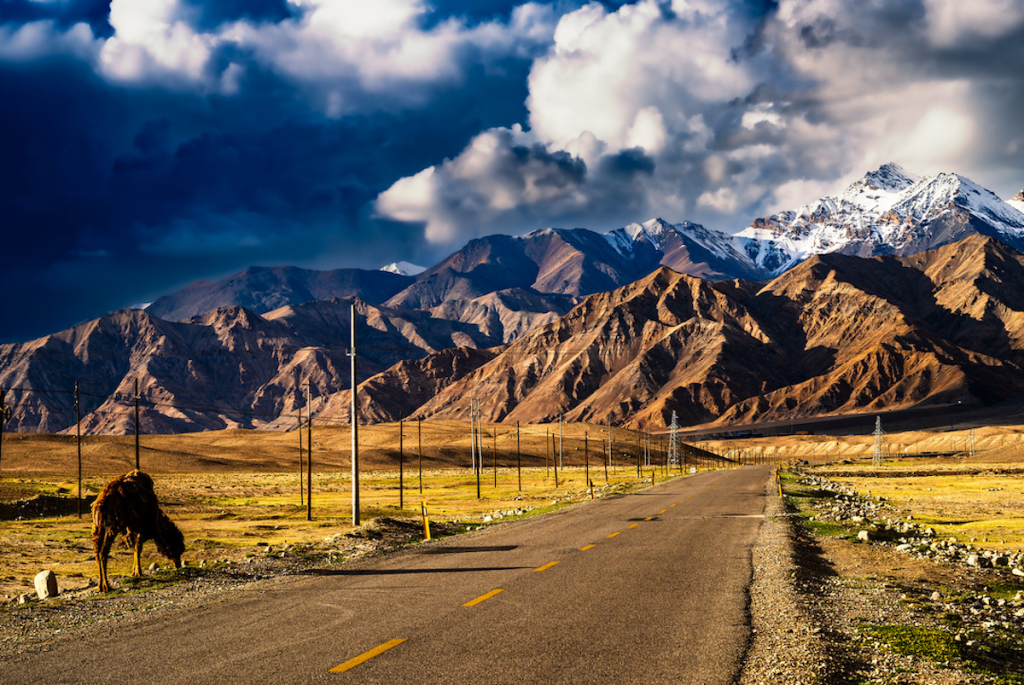
Μία σημαντική εξέλιξη στις χερσαίες μεταφορές και στις γεωπολιτικές ισορροπίες της Κεντρικής Ασίας καταγράφεται στο Αφγανιστάν, με την ολοκλήρωση νέου δρόμου στον στρατηγικής σημασίας διάδρομο Ουαχάν.
Σύμφωνα με ανάλυση του Imran Khurshid που δημοσιεύθηκε στις 9 Οκτωβρίου 2026 στο Asia Times, οι αφγανικές αρχές εγκαινίασαν οδική διαδρομή 121 χιλιομέτρων, η οποία εκτείνεται από την περιοχή Μπρογκίλ έως τα σύνορα με την Κίνα, στην επαρχία Μπανταχσάν.
Το έργο κόστισε περίπου 365 εκατομμύρια αφγάνι, ποσό που αντιστοιχεί σε περίπου 5,5 εκατομμύρια δολάρια.
Κατά τις αφγανικές ανακοινώσεις, κατασκευάστηκε από ντόπιους μηχανικούς και εργαζομένους, χωρίς τη συμμετοχή ξένων τεχνικών συμβούλων.
Η νέα διαδρομή φθάνει στα σινοαφγανικά σύνορα. Αυτό, ωστόσο, δεν σημαίνει ότι λειτουργεί ήδη πλήρης διεθνής εμπορευματικός διάδρομος, καθώς εξακολουθούν να υπάρχουν σημαντικοί τεχνικοί και συνοριακοί περιορισμοί.
Γιατί ο διάδρομος Ουαχάν έχει στρατηγική σημασία
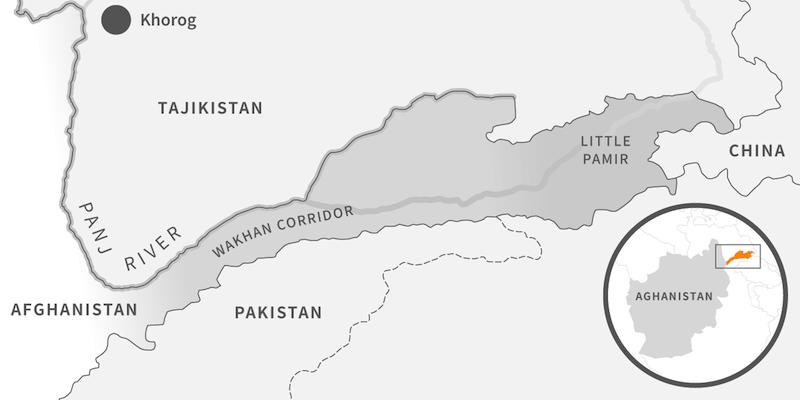
Ο διάδρομος Ουαχάν αποτελεί μια στενή λωρίδα αφγανικού εδάφους ανάμεσα στο Τατζικιστάν, το Πακιστάν και την Κίνα.
Η γεωγραφική του διαμόρφωση συνδέεται με τον ανταγωνισμό της Βρετανικής και της Ρωσικής Αυτοκρατορίας κατά τον 19ο αιώνα.
Η περιοχή διατηρήθηκε ως ζώνη διαχωρισμού των δύο αυτοκρατορικών σφαιρών επιρροής, αποτελώντας ένα από τα χαρακτηριστικότερα γεωγραφικά κατάλοιπα του λεγόμενου «Μεγάλου Παιχνιδιού».
Σήμερα, η ίδια περιοχή αποκτά νέα σημασία, αυτή τη φορά λόγω της προσπάθειας σύνδεσης της Κίνας με το Αφγανιστάν και ευρύτερα με την Κεντρική Ασία.
Ο δρόμος ανοίγει τη δυνατότητα δημιουργίας μιας εναλλακτικής οδού μεταφορών, περιορίζοντας δυνητικά την ανάγκη διέλευσης από το πακιστανικό έδαφος.
Το πρόβλημα της Κίνας με τον οικονομικό διάδρομο CPEC
Το ενδιαφέρον της εξέλιξης εντοπίζεται κυρίως στην προσπάθεια του Πεκίνου να περιορίσει την εξάρτησή του από ευάλωτες υποδομές.
Ο Οικονομικός Διάδρομος Κίνας–Πακιστάν, γνωστός ως CPEC, αποτελεί ένα από τα σημαντικότερα προγράμματα της κινεζικής πρωτοβουλίας Belt and Road.
Μέσω του συγκεκριμένου σχεδίου, η Κίνα επιχειρεί να ενισχύσει τις εμπορικές και ενεργειακές συνδέσεις της με τη Νότια Ασία και την Αραβική Θάλασσα.
Ωστόσο, η υλοποίηση των έργων έχει αντιμετωπίσει σοβαρές δυσκολίες.
Στην επαρχία Μπαλουχιστάν, οργανώσεις αυτονομιστών έχουν πραγματοποιήσει επανειλημμένες επιθέσεις εναντίον κινεζικών συμφερόντων, εγκαταστάσεων και εργαζομένων.
Οι επιθέσεις αυτές έχουν επιβαρύνει την ασφάλεια των υποδομών και έχουν αυξήσει το κόστος προστασίας των κινεζικών επενδύσεων.
Παράλληλα, έχουν διατυπωθεί καταγγελίες για καθυστερήσεις, κακοδιαχείριση και προβλήματα διαφάνειας σε επιμέρους προγράμματα του CPEC.
Η εδαφική διαμάχη με την Ινδία
Μια επιπλέον γεωπολιτική δυσκολία συνδέεται με τη διέλευση του CPEC από το Γκιλγκίτ–Μπαλτιστάν.
Η περιοχή διοικείται από το Πακιστάν, αλλά διεκδικείται από την Ινδία, στο πλαίσιο της ευρύτερης διαμάχης για το Κασμίρ.
Το Νέο Δελχί έχει αντιταχθεί επανειλημμένα σε έργα που διέρχονται από εδάφη τα οποία θεωρεί τμήμα της δικής του επικράτειας.
Αυτό σημαίνει ότι ο οικονομικός διάδρομος Κίνας–Πακιστάν δεν αποτελεί μόνο αναπτυξιακό πρόγραμμα, αλλά συνδέεται με μία από τις πιο ευαίσθητες εδαφικές αντιπαραθέσεις της Ασίας.
Η δημιουργία εναλλακτικών διαδρομών μέσω του Αφγανιστάν θα μπορούσε μακροπρόθεσμα να προσφέρει στο Πεκίνο μεγαλύτερη ευελιξία.
Δεν υπάρχει, πάντως, ένδειξη ότι ο δρόμος του Ουαχάν μπορεί σήμερα να αντικαταστήσει τις μεγάλες μεταφορικές υποδομές του CPEC.
Η Καμπούλ επιχειρεί να μειώσει την εξάρτησή της από το Ισλαμαμπάντ
Για την κυβέρνηση των Ταλιμπάν, το έργο έχει και μία σαφή πολιτική διάσταση.
Το Αφγανιστάν εξαρτάται σε σημαντικό βαθμό από συνοριακές διαβάσεις και μεταφορικούς άξονες που περνούν από το Πακιστάν.
Οι επανειλημμένες εντάσεις ανάμεσα στις δύο χώρες έχουν προκαλέσει κλείσιμο συνοριακών περασμάτων, διακοπές εμπορικών ροών και επιβάρυνση της αφγανικής οικονομίας.
Μια εναλλακτική χερσαία διέξοδος προς την Κίνα θα μπορούσε, εφόσον αναπτυχθεί και καταστεί λειτουργική, να μειώσει τη δυνατότητα του Πακιστάν να χρησιμοποιεί τη γεωγραφική του θέση ως μέσο πίεσης προς την Καμπούλ.
Η αφγανική πλευρά αντιμετωπίζει το έργο ως σημαντική υποδομή οικονομικής και στρατηγικής αυτονομίας.
Η στάση της Κίνας και της Ρωσίας
Παρά την προοπτική άμεσης σύνδεσης, το Πεκίνο δεν έχει εγκαταλείψει τον οικονομικό διάδρομο CPEC ούτε έχει ανακοινώσει ότι ο Ουαχάν θα τον αντικαταστήσει.
Η Κίνα εξακολουθεί να διατηρεί σημαντικά οικονομικά και στρατηγικά συμφέροντα στο Πακιστάν.
Αντίστοιχα, η Ρωσία ενδιαφέρεται για τη σταθερότητα του Αφγανιστάν και για την ανάπτυξη νέων δικτύων επικοινωνίας στην Κεντρική Ασία.
Η δημιουργία περισσότερων επιλογών διασύνδεσης ενδέχεται να περιορίσει την αποκλειστική σημασία ορισμένων παραδοσιακών μεταφορικών διαδρομών.
Η πραγματική αξία του Ουαχάν θα εξαρτηθεί από τη βελτίωση των οδικών υποδομών, τη λειτουργία συνοριακών και τελωνειακών εγκαταστάσεων, τις καιρικές συνθήκες και τις πολιτικές αποφάσεις της Κίνας.
Το μήνυμα προς το Πακιστάν
Η νέα διαδρομή αναδεικνύει μια σημαντική γεωπολιτική πραγματικότητα: η γεωγραφική θέση ενός κράτους προσφέρει στρατηγικά πλεονεκτήματα, αλλά η αξιοποίησή τους εξαρτάται από την ασφάλεια και την αξιοπιστία των μεταφορικών του δικτύων.
Το Πακιστάν εξακολουθεί να αποτελεί κρίσιμο εταίρο της Κίνας, ιδιαίτερα στο πλαίσιο του CPEC.
Ταυτόχρονα, όμως, η αστάθεια, οι επιθέσεις σε κινεζικά συμφέροντα και οι αντιπαραθέσεις με το Αφγανιστάν δημιουργούν κίνητρα αναζήτησης εναλλακτικών επιλογών.
Ο διάδρομος Ουαχάν δεν έχει ακόμη μετατραπεί σε μεγάλο εμπορικό πέρασμα. Η κατασκευή του δρόμου, ωστόσο, καταδεικνύει ότι το Αφγανιστάν επιχειρεί να αποκτήσει πρόσθετες διεθνείς συνδέσεις και ότι η αποκλειστική εξάρτηση από το Πακιστάν δεν αποτελεί πλέον τη μοναδική γεωγραφική επιλογή.
Για το Ισλαμαμπάντ, η εξέλιξη αποτελεί μια νέα στρατηγική παράμετρο που θα πρέπει να συνυπολογίσει στις σχέσεις του με το Πεκίνο και την Καμπούλ.
Διεθνή
Γερμανία: Το ρωσικό φυσικό αέριο επιστρέφει έμμεσα μέσω των λιπασμάτων, παρά τους ευρωπαϊκούς δασμούς
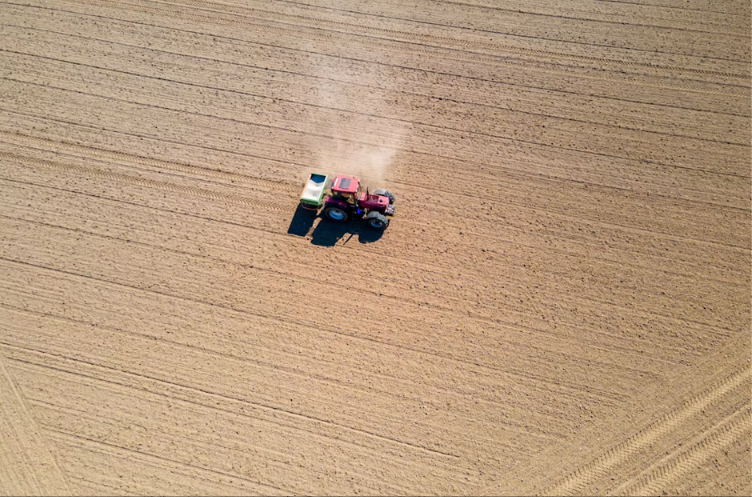
Οι εισαγωγές ρωσικών αζωτούχων λιπασμάτων μειώθηκαν κατά 66% το 2025-2026, αλλά παραμένουν 53% υψηλότερες από τα επίπεδα πριν από τον πόλεμο στην Ουκρανία.
Το υψηλό ενεργειακό κόστος στη Γερμανία διατηρεί ανταγωνιστικά τα ρωσικά προϊόντα, σύμφωνα με στοιχεία που δημοσίευσε η Berliner Zeitung. Η Γερμανία εξακολουθεί να συνδέεται εμπορικά με το ρωσικό φυσικό αέριο, παρά τις ευρωπαϊκές προσπάθειες περιορισμού της ενεργειακής εξάρτησης από τη Μόσχα.
Αυτή τη φορά, η σύνδεση δεν αφορά αποκλειστικά την άμεση προμήθεια φυσικού αερίου, αλλά τις εισαγωγές λιπασμάτων που παράγονται με τη χρήση ρωσικού αερίου ως πρώτης ύλης και πηγής ενέργειας. Σύμφωνα με δημοσίευμα της γερμανικής εφημερίδας, που βασίζεται σε στοιχεία του Γερμανικού Ομοσπονδιακού Στατιστικού Γραφείου και του Συνδέσμου Αγροτικής Βιομηχανίας (IVA), οι εισαγωγές αζώτου μέσω ρωσικών λιπασμάτων μειώθηκαν σημαντικά κατά το 2025-2026. Ωστόσο, εξακολουθούν να βρίσκονται πάνω από τα επίπεδα που καταγράφονταν πριν από τη ρωσική εισβολή στην Ουκρανία.
Τα στοιχεία των εισαγωγών και η σύγκριση με την προπολεμική περίοδο
Το 2025-2026, η Γερμανία εισήγαγε 48.800 τόνους αζώτου μέσω λιπασμάτων ρωσικής προέλευσης. Η ποσότητα αυτή είναι μειωμένη κατά περίπου 66% σε σύγκριση με το προηγούμενο έτος, αλλά παραμένει κατά 53% υψηλότερη από τους 31.800 τόνους που είχαν καταγραφεί το 2020-2021, πριν από τον πόλεμο.
Η εξέλιξη των εισαγωγών δείχνει πόσο έντονη ήταν η αύξηση μετά το 2022. Το 2021-2022 οι εισαγωγές έφτασαν τους 56.800 τόνους αζώτου, ενώ το 2022-2023 εκτοξεύθηκαν στους 185.100 τόνους. Στη συνέχεια καταγράφηκαν 140.200 τόνοι το 2023-2024 και 143.800 τόνοι το 2024-2025, προτού σημειωθεί η μεγάλη υποχώρηση της τελευταίας περιόδου. Τα στοιχεία αφορούν την ποσότητα του αζώτου που περιέχεται στα εισαγόμενα λιπάσματα και όχι το συνολικό βάρος των προϊόντων.
Τα λιπασματικά έτη υπολογίζονται από τον Ιούλιο έως τον Ιούνιο. Η ποσότητα αζώτου που εισήχθη στη Γερμανία μέσω ρωσικής ουρίας μειώθηκε από 71.600 τόνους σε 27.600 τόνους, καταγράφοντας πτώση άνω του 61%. Παρά τη μείωση, η ποσότητα εξακολουθεί να είναι σχεδόν τριπλάσια από τους 9.900 τόνους του 2020-2021. Η συγκεκριμένη εξέλιξη αναδεικνύει το βασικό πρόβλημα της ευρωπαϊκής πολιτικής περιορισμού των εμπορικών δεσμών με τη Ρωσία. Ακόμη και όταν περιορίζονται οι εισαγωγές συγκεκριμένων προϊόντων, οι οικονομικές σχέσεις μπορούν να διατηρούνται μέσω άλλων κατηγοριών αγαθών, ιδιαίτερα όταν αυτά έχουν χαμηλότερο κόστος παραγωγής.
Γιατί οι ρωσικές εισαγωγές παραμένουν ανταγωνιστικές
Καθοριστικός παράγοντας είναι το υψηλό ενεργειακό κόστος στη Γερμανία και στην υπόλοιπη Ευρώπη. Η παραγωγή αζωτούχων λιπασμάτων απαιτεί μεγάλες ποσότητες φυσικού αερίου, το οποίο χρησιμοποιείται τόσο ως πρώτη ύλη όσο και ως πηγή ενέργειας. Σύμφωνα με τον Σύνδεσμο Αγροτικής Βιομηχανίας (IVA), οι ευρωπαϊκοί δασμοί, που τέθηκαν σε ισχύ τον Ιούλιο του 2025, περιόρισαν σημαντικά τις εισαγωγές ρωσικών λιπασμάτων. Ωστόσο, δεν εξάλειψαν το ανταγωνιστικό πλεονέκτημα των ρωσικών προϊόντων. Ο σύνδεσμος επισημαίνει ότι οι υψηλές τιμές ενέργειας δυσκολεύουν τις ευρωπαϊκές επιχειρήσεις να αυξήσουν την εγχώρια παραγωγή και να καλύψουν μεγαλύτερο μέρος των αναγκών της αγοράς. Ως αποτέλεσμα, τα ρωσικά λιπάσματα εξακολουθούν να παραμένουν ελκυστικά, ακόμη και μετά την επιβολή πρόσθετων δασμών.
Παράλληλα, σύμφωνα με τον IVA, είναι πιθανό ορισμένες ποσότητες ρωσικών προϊόντων να φτάνουν στη γερμανική αγορά μέσω άλλων κρατών-μελών της Ευρωπαϊκής Ένωσης. Το μέγεθος αυτών των έμμεσων εισαγωγών, ωστόσο, δεν μπορεί να προσδιοριστεί με ακρίβεια από τα διαθέσιμα στοιχεία.
Δεν αποδίδονται οι αυξήσεις των τιμών αποκλειστικά στους δασμούς
Το ζήτημα έχει άμεση σημασία για τους Γερμανούς αγρότες, καθώς το κόστος των λιπασμάτων επηρεάζει την παραγωγή και, τελικά, την οικονομική βιωσιμότητα των καλλιεργειών. Ο IVA υποστηρίζει ότι η μείωση των ρωσικών εισαγωγών δεν έχει προκαλέσει μέχρι στιγμής σαφή αύξηση των τιμών εξαιτίας των δασμών. Σύμφωνα με τον σύνδεσμο, η εγχώρια παραγωγική δυναμικότητα και οι εισαγωγές από άλλες χώρες, μεταξύ των οποίων η Αίγυπτος, επαρκούν για την κάλυψη των αναγκών της αγοράς. Την ίδια στιγμή, ο σύνδεσμος αποδίδει τις υψηλές τιμές των λιπασμάτων το 2026 στις διεθνείς ενεργειακές αναταράξεις, στον πόλεμο με το Ιράν και στην κρίση γύρω από τα Στενά του Ορμούζ, παράγοντες που επηρεάζουν το κόστος μεταφοράς και τις παγκόσμιες τιμές ενέργειας και λιπασμάτων.
Οι εκτιμήσεις αυτές αποτελούν τις θέσεις του κλαδικού συνδέσμου και δεν συνιστούν από μόνες τους ανεξάρτητη αξιολόγηση όλων των παραγόντων που διαμορφώνουν τις τιμές.
Νέες πιέσεις για περιορισμό των ρωσικών εισαγωγών
Με αφορμή τα στοιχεία, ο IVA ζητά να εξεταστεί η επιβολή πρόσθετων δασμών στις εισαγωγές καλιούχων λιπασμάτων από τη Ρωσία και τη Λευκορωσία. Το κάλιο αποτελεί βασικό θρεπτικό στοιχείο για τις καλλιέργειες και αντιπροσωπεύει μια ακόμη κατηγορία προϊόντων στην οποία η ευρωπαϊκή αγορά διατηρεί εμπορικές σχέσεις με τις δύο χώρες.
Ο σύνδεσμος εκτιμά ότι η ευρωπαϊκή βιομηχανία μπορεί να καλύψει τις ανάγκες της γεωργίας χωρίς να εξαρτάται από τις συγκεκριμένες εισαγωγές και υποστηρίζει ότι πρόσθετοι δασμοί δεν θα πρέπει να οδηγήσουν αναγκαστικά σε αυξήσεις τιμών. Η συζήτηση, ωστόσο, αποτυπώνει το ευρύτερο δίλημμα της ευρωπαϊκής οικονομικής πολιτικής. Η μείωση της εξάρτησης από τη Ρωσία απαιτεί όχι μόνο εμπορικούς περιορισμούς, αλλά και ανταγωνιστική εγχώρια παραγωγή, προσιτό ενεργειακό κόστος και εναλλακτικές πηγές προμήθειας.
Τα δεδομένα της γερμανικής αγοράς δείχνουν ότι οι δασμοί μπορούν να περιορίσουν σημαντικά τις εισαγωγές, χωρίς όμως να εξαλείψουν αυτομάτως τις οικονομικές σχέσεις που στηρίζονται σε διαφορές κόστους παραγωγής. Για τη Γερμανία και την Ευρωπαϊκή Ένωση, η πρόκληση παραμένει η εξισορρόπηση τριών στόχων: της ενεργειακής και οικονομικής ασφάλειας, της στήριξης της εγχώριας βιομηχανίας και της διατήρησης προσιτού κόστους για τον αγροτικό τομέα.
Με πληροφορίες του Συνδέσμου Αγροτικής Βιομηχανίας (IVA) και του Γερμανικού Ομοσπονδιακού Στατιστικού Γραφείου.
Αναλύσεις
Πακιστάν: Μειώθηκαν οι τρομοκρατικές επιθέσεις, αλλά αυξάνονται οι απειλές – Αντάρτικες οργανώσεις αναπτύσσουν νέες τακτικές και στρατολογούν γυναίκες
Η νέα έκθεση του Pakistan Institute for Conflict and Security Studies (PICSS) αποκαλύπτει ένα αντιφατικό περιβάλλον ασφαλείας: Λιγότερες επιθέσεις και θύματα, αλλά αναδιοργάνωση ένοπλων ομάδων, χρήση drones, εσωτερικές συγκρούσεις και αυξανόμενη αστάθεια στο Μπαλουχιστάν. Η πολιτική κρίση επιβαρύνει την προσπάθεια αντιμετώπισης της τρομοκρατίας.
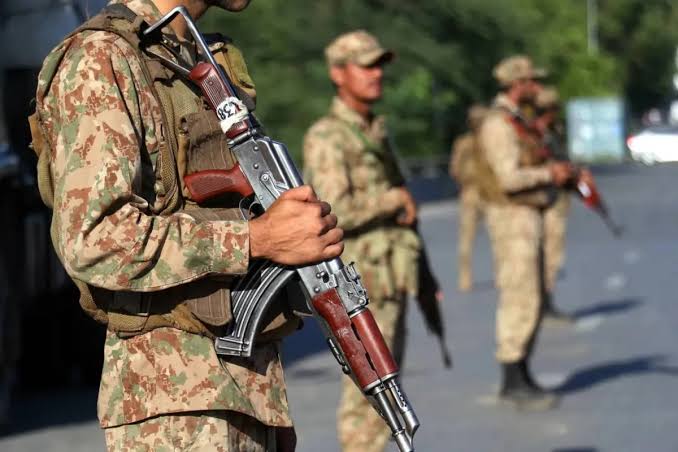
Μια εξαιρετικά σύνθετη εικόνα για την ασφάλεια στο Πακιστάν αποτυπώνει η νέα εβδομαδιαία ανάλυση του Pakistan Institute for Conflict and Security Studies (PICSS), η οποία δημοσιεύθηκε στις 10 Οκτωβρίου 2026. Παρά τη μείωση των επιθέσεων από ένοπλες οργανώσεις κατά την πρώτη εβδομάδα του μήνα, οι εξελίξεις στο εσωτερικό των εξτρεμιστικών και αυτονομιστικών ομάδων δημιουργούν σοβαρά ερωτήματα για την πραγματική αποτελεσματικότητα των επιχειρήσεων ασφαλείας.
Η έκθεση με τίτλο «Pakistan’s Security Paradox: Militant Attacks Decline as Militant Groups Signal New Developments» καταγράφει υποχώρηση των επιθέσεων, αλλά παράλληλα εντοπίζει ενδείξεις οργανωτικής αναδιάρθρωσης, νέων επιχειρησιακών μεθόδων και εντατικοποίησης της προπαγανδιστικής δραστηριότητας.
Μείωση 18% στις επιθέσεις – Παραμένει σοβαρή η απειλή
Σύμφωνα με το PICSS, από τις 2 έως τις 8 Οκτωβρίου καταγράφηκαν συνολικά 46 επιθέσεις ενόπλων οργανώσεων στο Πακιστάν, έναντι 56 την αμέσως προηγούμενη εβδομάδα.
Η μείωση ανέρχεται στο 18%, ενώ αισθητή είναι και η υποχώρηση του αριθμού των θυμάτων.
Οι νεκροί μειώθηκαν από 52 σε 42 και οι τραυματίες από 53 σε 23.
Ωστόσο, η εικόνα δεν είναι ομοιόμορφη σε ολόκληρη τη χώρα.
Στην επαρχία Μπαλουχιστάν, όπου δραστηριοποιούνται ιδιαίτερα ενεργές αυτονομιστικές οργανώσεις, οι απώλειες αυξήθηκαν παρά τη μείωση του αριθμού των επιθέσεων.
Το στοιχείο αυτό δημιουργεί προβληματισμό για το κατά πόσον οι ένοπλες ομάδες μεταβάλλουν τις τακτικές τους, πραγματοποιώντας λιγότερες αλλά δυνητικά πιο φονικές επιχειρήσεις.
Οι Πακιστανοί Ταλιμπάν αλλάζουν τακτική – Drones και ελεύθεροι σκοπευτές
Ιδιαίτερο ενδιαφέρον παρουσιάζουν οι εξελίξεις στο εσωτερικό της Tehrik-i-Taliban Pakistan (TTP), της οργάνωσης που είναι γνωστή ως Πακιστανοί Ταλιμπάν.
Σύμφωνα με την ανάλυση, η TTP επέβαλε περιορισμούς στη χρήση των μέσων κοινωνικής δικτύωσης από τα μέλη της.
Η συγκεκριμένη απόφαση αποκτά σημασία σε μια περίοδο κατά την οποία οι ένοπλες οργανώσεις χρησιμοποιούν τις ψηφιακές πλατφόρμες τόσο για προπαγάνδα όσο και για την προβολή των επιχειρησιακών τους δυνατοτήτων.
Την ίδια στιγμή, η TTP δημοσιοποίησε οπτικό υλικό στο οποίο υποστηρίζει ότι καταγράφονται επιθέσεις με τετρακόπτερα μη επανδρωμένα αεροσκάφη και ενέργειες ελεύθερων σκοπευτών.
Οι ισχυρισμοί αυτοί δεν συνιστούν ανεξάρτητη επιβεβαίωση της αποτελεσματικότητας ή της έκτασης χρήσης των συγκεκριμένων μέσων.
Παρ’ όλα αυτά, η προβολή τέτοιων επιχειρήσεων εντάσσεται σε μια ευρύτερη προσπάθεια των οργανώσεων να παρουσιάσουν εικόνα τεχνολογικής προσαρμογής και να ενισχύσουν την επιρροή τους.
Εσωτερικές συγκρούσεις στις ένοπλες οργανώσεις
Την ίδια περίοδο, η Jamaat-ul-Ahrar, οργάνωση που έχει συνδεθεί με το δίκτυο των Πακιστανών Ταλιμπάν, ανακοίνωσε ότι πραγματοποίησε 122 επιθέσεις κατά τη διάρκεια του Σεπτεμβρίου.
Πρόκειται για αριθμό που προέρχεται από τους ισχυρισμούς της ίδιας της οργάνωσης και δεν πρέπει να συγχέεται με τα ανεξάρτητα καταγεγραμμένα περιστατικά του PICSS.
Παράλληλα, αναφέρθηκαν αιματηρές συγκρούσεις ανάμεσα σε μαχητές της Jamaat-ul-Ahrar και αντίπαλης φράξιας της TTP στην περιοχή Ορακζάι.
Οι πληροφορίες αυτές αναδεικνύουν ένα επιπλέον πρόβλημα για την ασφάλεια του Πακιστάν: τον κατακερματισμό του περιβάλλοντος των ενόπλων οργανώσεων.
Οι εσωτερικές συγκρούσεις ενδέχεται να αποδυναμώνουν προσωρινά ορισμένα δίκτυα, αλλά μπορούν επίσης να προκαλέσουν νέες αντιπαραθέσεις, ανακατατάξεις και αποσχίσεις.
Μπαλουχιστάν: Ένοπλη γυναικεία μονάδα και κλιμάκωση της προπαγάνδας
Σημαντικές εξελίξεις καταγράφονται και στο Μπαλουχιστάν, την επαρχία του νοτιοδυτικού Πακιστάν που συνορεύει με το Ιράν και το Αφγανιστάν και έχει στρατηγική σημασία λόγω των φυσικών πόρων και της πρόσβασής της στην Αραβική Θάλασσα.
Το Balochistan Liberation Front (BLF), μία από τις οργανώσεις που επιδιώκουν την ανεξαρτησία του Μπαλουχιστάν, δημοσιοποίησε υλικό για τη συγκρότηση νέου γυναικείου ένοπλου σχηματισμού.
Η συγκεκριμένη κίνηση προβάλλεται από την οργάνωση ως οργανωτική εξέλιξη. Δεν υπάρχουν, ωστόσο, επαρκή ανεξάρτητα στοιχεία στο δημόσιο απόσπασμα της έκθεσης για τον αριθμό των μελών ή τις πραγματικές επιχειρησιακές δυνατότητες της νέας μονάδας.
Παράλληλα, ο Balochistan Liberation Army (BLA), άλλη σημαντική αυτονομιστική ένοπλη οργάνωση, απέρριψε κατηγορίες περί συνεργασίας με την TTP.
Ο BLA δημοσιοποίησε επίσης οπτικό υλικό από επιχειρήσεις που ισχυρίζεται ότι πραγματοποίησαν μέλη του.
Άλλες οργανώσεις των Μπαλούχων προχώρησαν σε ανάλογες κινήσεις, προβάλλοντας τη δράση τους και διατυπώνοντας ισχυρισμούς για δραστηριότητες συλλογής πληροφοριών.
Οι εξελίξεις καταδεικνύουν ότι η σύγκρουση στο Μπαλουχιστάν δεν περιορίζεται στις ένοπλες επιθέσεις, αλλά περιλαμβάνει και έναν παράλληλο αγώνα επιρροής, επικοινωνίας και πολιτικής νομιμοποίησης.
Πολιτική κρίση και αντιτρομοκρατία
Πέρα από την ένοπλη βία, η έκθεση του PICSS επισημαίνει ότι η εσωτερική πολιτική αστάθεια δυσχεραίνει τη διαμόρφωση αποτελεσματικής πολιτικής ασφαλείας.
Η κατάρρευση των διαπραγματεύσεων μεταξύ της κυβέρνησης και του Pakistan Tehreek-e-Insaf (PTI), του κόμματος που ίδρυσε ο πρώην πρωθυπουργός Ιμράν Χαν, περιπλέκει τις προσπάθειες συντονισμού στην επαρχία Χάιμπερ Παχτούνχβα.
Η περιοχή αποτελεί ένα από τα σημαντικότερα μέτωπα της δράσης των Πακιστανών Ταλιμπάν, λόγω της εγγύτητάς της με το Αφγανιστάν και της μακρόχρονης παρουσίας ένοπλων δικτύων.
Οι πολιτικές αντιπαραθέσεις μεταξύ κεντρικής κυβέρνησης και αντιπολίτευσης μπορούν να δυσχεράνουν τον συντονισμό, τη διοικητική συνεργασία και τη διαμόρφωση κοινής στρατηγικής για την αντιμετώπιση της τρομοκρατίας.
Το πρόβλημα αποκτά ιδιαίτερη σημασία όταν συνδυάζεται με την ανάγκη προστασίας παραμεθόριων περιοχών και αντιμετώπισης οργανώσεων με διασυνοριακές διασυνδέσεις.
Αφγανιστάν, Ινδία και περιφερειακές αμυντικές συμφωνίες
Οι προκλήσεις που αντιμετωπίζει το Ισλαμαμπάντ δεν περιορίζονται στο εσωτερικό της χώρας.
Οι σχέσεις με το Αφγανιστάν παραμένουν κρίσιμος παράγοντας ασφαλείας, καθώς το Πακιστάν αποδίδει σε ένοπλα δίκτυα που δρουν από αφγανικό έδαφος σημαντικό μέρος των επιθέσεων εναντίον του.
Την ίδια στιγμή, η αντιπαράθεση με την Ινδία εξακολουθεί να επηρεάζει τον στρατηγικό σχεδιασμό των πακιστανικών ενόπλων δυνάμεων.
Στο περιφερειακό περιβάλλον προστίθενται οι νέες αμυντικές διευθετήσεις και οι προσπάθειες του Πακιστάν να διατηρήσει ή να ενισχύσει τις στρατηγικές του συνεργασίες.
Η συνύπαρξη εσωτερικών απειλών, πολιτικής αβεβαιότητας και εξωτερικών δεσμεύσεων δημιουργεί αυξημένες απαιτήσεις για τον στρατιωτικό μηχανισμό και τις υπηρεσίες ασφαλείας.
Οι αριθμοί δεν λένε ολόκληρη την ιστορία
Η εβδομαδιαία έκθεση του PICSS θέτει ένα ουσιαστικό ερώτημα: αποτελεί η μείωση των τρομοκρατικών επιθέσεων ένδειξη βελτίωσης της ασφάλειας ή πρόκειται για προσωρινή υποχώρηση της βίας, ενώ οι οργανώσεις αναπροσαρμόζουν τις τακτικές και τις δομές τους;
Η απάντηση δεν μπορεί να προκύψει αποκλειστικά από την καταμέτρηση των επιθέσεων.
Η χρήση νέων επιχειρησιακών μέσων, οι εσωτερικές διαμάχες, η συγκρότηση νέων ένοπλων σχηματισμών και η αυξημένη προπαγανδιστική δραστηριότητα συνθέτουν μια εικόνα που απαιτεί διαρκή παρακολούθηση.
Άλλωστε, τα στοιχεία του PICSS για ολόκληρο τον Σεπτέμβριο είχαν καταγράψει 225 επιθέσεις, τον υψηλότερο μηνιαίο αριθμό εδώ και δώδεκα χρόνια, γεγονός που αναδεικνύει τη σοβαρότητα της κατάστασης παρά την πρόσφατη εβδομαδιαία υποχώρηση.
Το Πακιστάν βρίσκεται αντιμέτωπο με μια πολυεπίπεδη κρίση ασφαλείας, στην οποία αλληλεπιδρούν τζιχαντιστικές οργανώσεις, αυτονομιστικά κινήματα, πολιτικές αντιπαραθέσεις και περιφερειακοί ανταγωνισμοί.
Η μείωση της συχνότητας των επιθέσεων αποτελεί θετική ένδειξη σε επίπεδο εβδομαδιαίων στατιστικών. Δεν αρκεί, όμως, από μόνη της για να αποδείξει ότι οι απειλές περιορίζονται σε βάθος χρόνου.
Το κρίσιμο ζήτημα για το Ισλαμαμπάντ δεν είναι μόνο πόσες επιθέσεις καταγράφονται, αλλά κατά πόσον το κράτος μπορεί να αντιμετωπίσει τις οργανώσεις που εξακολουθούν να διαθέτουν δυνατότητα στρατολόγησης, προσαρμογής και πραγματοποίησης νέων επιχειρήσεων.


Arolsen Archives: Το αρχείο που αναζητά τα ίχνη εκατομμυρίων θυμάτων του ναζισμού
Στη γερμανική πόλη Μπαντ Άρολσεν φυλάσσεται μία από τις σημαντικότερες συλλογές τεκμηρίων για τα θύματα των ναζιστικών διώξεων. Περισσότερα από...


Πού βρίσκεται η Ελλάδα στον σχεδιασμό του IMEC;
Η επίκληση της ελληνικής κληρονομιάς, η κριτική για τις αμερικανικές τοποθετήσεις στα ελληνοτουρκικά και η ανάγκη μιας εθνικής στρατηγικής που...

Νέα τουρκική πρόκληση νότια του Καστελλόριζου! NAVTEX της Άγκυρας στην περιοχή που θα περάσει το γαλλικό ερευνητικό για το καλώδιο Ελλάδας–Κύπρου
Η Άγκυρα εξέδωσε NAVTEX για περιοχή νότια του Καστελλόριζου, όπου έχει προγραμματιστεί η πολυεθνική άσκηση «EUNOMIA», αμφισβητώντας τη δικαιοδοσία του...


EurAsia Review: Ποιοι προστατεύουν τα κυκλώματα λαθρεμπορίου στα σύνορα Ιράν, Πακιστάν και Αφγανιστάν – Ο σκοτεινός ρόλος παραγόντων ασφαλείας
Ένα εκτεταμένο σύστημα παράνομου εμπορίου, διαφθοράς και πολιτικής προστασίας περιγράφει σε ανάλυσή του το EurAsia Review. Από τα καύσιμα και...


Σοβαρή καταγγελία για το Σαχτάρ-ΑΕΚ! Χειρονομίες Τούρκων οπαδών προς τους Έλληνες – Συνελήφθησαν αστραπιαία από την αγγλική αστυνομία
Οι Τούρκοι βρέθηκαν στο Λονδίνο για τον προπονητή της ουκρανικής ομάδας Αρντά Τουράν, ο οποίος ακούγεται για τον πάγκο της...
-
 Αναλύσεις4 εβδομάδες πριν
Το τελεσίγραφο Καλίν την ώρα που η Τουρκία προετοιμάζεται για πόλεμο!
-
 Άμυνα3 μήνες πριν
Ρωσσικό ΜΜΕ: Ελληνικό «μπλόκο» στην απαίτηση για Patriot – Πώς γνωρίζει το Κίεβο απόρρητα στοιχεία για τους πυραύλους μας;
-

 ΑΝΑΡΤΗΣΕΙΣ ΜΕ ΣΗΜΑΣΙΑ3 μήνες πριν
Πακιστανός με καναδική υπηκοότητα ο υπαίτιος της πυρκαγιάς στον Έβρο! Πιθανόν να μετέφερε μετανάστες
-

 GEOPOLITICO1 μήνα πριν
Το διέρρευσε ο Παπαχελάς! Έφεραν τον Καλίν στο Μαξίμου – Τί συζήτησε με τον Μητσοτάκη;
-
 Αναλύσεις2 μήνες πριν
Καραγκιούλ: «Αν Ελλάδα, Κύπρος και Ισραήλ επιτεθούν στην Τουρκία, ο χάρτης του Αιγαίου θα αλλάξει»
-

 ΑΝΑΡΤΗΣΕΙΣ ΜΕ ΣΗΜΑΣΙΑ2 μήνες πριν
Ξέσπασμα της μητέρας της Μυρτούς για την υπόθεση Τζαβέντ Ασλάμ: «Δεν ξεχνώ ποτέ» – «Δήμαρχος των Πακιστανών ο Δούκας»
-

 GEOPOLITICO4 εβδομάδες πριν
Τί λέει Τούρκος δημοσιογράφος για Σάββα Καλεντερίδη; «Έκανε πολύ καλά τη δουλειά του για τη χώρα του – Δεν μπορούσε να τον στριμώξει η ΜİΤ»
-

 Αναλύσεις3 μήνες πριν
Εάν η Τουρκία απορρίψει τη συμφωνία αποχώρησης από την Κύπρο θα απομακρυνθεί δια της βίας