Γενικά θέματα
The US-Al Qaeda Alliance: Bosnia, Kosovo and Now Libya. Washington’s On-Going Collusion with Terrorists
|
By Prof. Peter Dale Scott
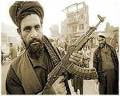
 Twice in the last two decades, significant cuts in U.S. and western military spending were foreseen: first after the fall of the Berlin Wall, and then in the wake of the 2008 financial crisis. But both times military spending soon increased, and among the factors contributing to the increase were America’s interventions in new areas: the Balkans in the 1990s, and Libya today.1 Hidden from public view in both cases was the extent to which al-Qaeda was a covert U.S. ally in both interventions, rather than its foe. In virtually all the wars since 1989, America and Islamist factions have been battling to determine who will control the heartlands of Eurasia in the post-Soviet era. In some countries – Somalia in 1993, Afghanistan in 2001 – the conflict has been straightforward, with each side using the other’s excesses as an excuse for intervention.
But there have been other interventions in which Americans have used al-Qaeda as a resource to increase their influence, for example Azerbaijan in 1993. There a pro-Moscow president was ousted after large numbers of Arab and other foreign mujahedin veterans were secretly imported from Afghanistan, on an airline hastily organized by three former veterans of the CIA’s airline Air America. (The three, all once detailed from the Pentagon to the CIA, were Richard Secord, Harry Aderholt, and Ed Dearborn.)2 This was an ad hoc marriage of convenience: the mujahedin got to defend Muslims against Russian influence in the enclave of Nagorno-Karabakh, while the Americans got a new president who opened up the oilfields of Baku to western oil companies.
The pattern of U.S. collaboration with Muslim fundamentalists against more secular enemies is not new. It dates back to at least 1953, when the CIA recruited right-wing mullahs to overthrow Prime Minister Mossadeq in Iran, and also began to cooperate with the Sunni Muslim Brotherhood.3 But in Libya in 2011 we see a more complex marriage of convenience between US and al-Qaeda elements: one which repeats a pattern seen in Bosnia in 1992-95, and Kosovo in 1997-98. In those countries America responded to a local conflict in the name of a humanitarian intervention to restrain the side committing atrocities. But in all three cases both sides committed atrocities, and American intervention in fact favored the side allied with al-Qaeda.
The cause of intervention was fostered in all three cases by blatant manipulation and falsification of the facts. What a historian has noted of the Bosnian conflict was true also of Kosovo and is being echoed today in Libya: though attacks were “perpetrated by Serbs and Muslims alike,” the pattern in western media was “that killings of Muslims were newsworthy, while the deaths of non-Muslims were not.”4 Reports of mass rapes in the thousands proved to be wildly exaggerated: a French journalist “uncovered only four women willing to back up the story.”5 Meanwhile in 1994 the French intellectual Bernard-Henri Lévy (BHL) traveled to Bosnia and fervently endorsed the case for intervention in Bosnia; in 2011 February BHL traveled to Benghazi and reprised his interventionist role for Libya.6
In all of the countries mentioned above, furthermore, there are signs that some American and/or western intelligence groups were collaborating with al-Qaeda elements from the outset of conflict, before the atrocities cited as a reason for intervention.. This suggests that there were deeper reasons for America’s interventions including the desire of western oil companies to exploit the petroleum reserves of Libya (as in Iraq) without having to deal with a troublesome and powerful strong man, or their desire to create a strategic oil pipeline across the Balkans (in Kosovo).7
That the U.S. would support al-Qaeda in terrorist atrocities runs wholly counter to impressions created by the U.S. media. Yet this on-going unholy alliance resurrects and builds on the alliance underlying Zbigniew Brzezinski’s 1978-79 strategy of provocation in Afghanistan, at a time when he was President Carter’s National Security Adviser.
In those years Brzezinski did not hesitate to play the terrorist card against the Soviet Union: he reinforced the efforts of the SAVAK (the Shah of Iran’s intelligence service) to work with the Islamist antecedents of al-Qaeda to destabilize Afghanistan, in a way which soon led to a Soviet invasion of that country.8 At the time, as he later boasted, Brzezinski told Carter, “We now have the opportunity of giving to the USSR its Vietnam War.”9
CIA Director William Casey continued this strategy of using terrorists against the USSR in Afghanistan. At first the CIA channeled aid through the Pakistani ISI (Interservices Intelligence Service) to their client Afghan extremists like Gulbeddin Hekmatyar (today one of America’s enemies in Afghanistan). But in 1986, “Casey committed CIA support to a long-standing ISI initiative to recruit radical Muslims from around the world to come to Pakistan and fight with the Afghan Mujaheddin.”10 CIA aid now reached their support Office of Services in Peshawar, headed by a Palestinian, Abdullah Azzam, and by Osama bin Laden. The al-Kifah Center, a U.S. recruitment office for their so-called Arab-Afghan foreign legion (the future al Qaeda), was set up in the al-Farook mosque in Brooklyn.11
It is important to recall Brzezinski’s and Casey’s use of terrorists today. For in Libya, as earlier in Kosovo and Bosnia, there are alarming signs that America has continued to underwrite Islamist terrorism as a means to dismantle socialist or quasi-socialist nations not previously in its orbit: first the USSR, then Yugoslavia, today Libya. As I have written elsewhere, Gaddafi was using the wealth of Libya, the only Mediterranean nation still armed by Russia and independent of the NATO orbit, to impose more and more difficult terms for western oil companies, and to make the whole of Africa more independent of Europe and America.12
Support for the mujahedin included collusion in law-breaking, at a heavy cost. In the second part of this essay, I will show how government protection of key figures in the Brooklyn al-Kifah Center left some of them free, even after they were known to have committed crimes, to engage in further terrorist acts in the United States — such as the first World Trade Center bombing in 1993.
The U.S.-al-Qaeda Alliance in Libya
The NATO intervention in Libya has been presented as a humanitarian campaign. But it is not: both factions have been committing atrocities. Thanks in part to the efforts of the well-connected p.r. firm the Harbour Group, working on behalf of the Benghazi opposition’s National Transitional Council [NTC], Americans have heard many more press accounts of atrocities by pro-Gaddafi forces in Libya than by the Benghazi opposition.13 But in fact, as the London Daily Telegraph reported,
Under rebel control, Benghazi residents are terrorized, many “too frightened to drive through the dark streets at night, fearing a shakedown or worse at the proliferating checkpoints.”
Moreover, about 1.5 million black African migrant workers feel trapped under suspicion of supporting the wrong side. Numbers of them have been attacked, some hunted down, dragged from apartments, beaten and killed. So-called “revolutionaries” and “freedom fighters” are, in fact, rampaging gunmen committing atrocities airbrushed from mainstream reports, unwilling to reveal the new Libya if Gaddafi is deposed.14
Thomas Mountain concurs that “Since the rebellion in Benghazi broke out several hundred Sudanese, Somali, Ethiopian and Eritrean guest workers have been robbed and murdered by racist rebel militias, a fact well hidden by the international media.”15 Such reports have continued. Recently, Human Rights Watch accused the rebels of killing Gaddafi supporters who were just civilians and looting, burning and ransacking pro-Gaddafi supporters’ houses and areas.16
Americans and Europeans are still less likely to learn from their media that among the groups in the Benghazi transitional coalition, certainly the most battle-seasoned, are veterans of the Al-Jama’a al-Islamiyyah al-Muqatilah bi-Libya (Libyan Islamic Fighting Group, or LIFG). The importance of the LIFG contingent in the TNC has been downplayed in a recent issue of the International Business Times:
The LIFG is a radical Islamic group which has been fighting small scale guerrilla warfare against Gaddafi for almost a decade. Much of the LIFG leadership came from soldiers who fought against the Soviet forces in Afghanistan, as part of the Mujahedeen. Since the beginning of the uprising reports said that some of the LIFG has joined the TNC rebel movement on the ground, and many accused the fighters of having links to Al-Qaeda, which the LIFG has since denied.
Previously however, the LIFG had stated that its ultimate goal is to install an Islamic state inside Libya, which given the fact that many of its fighters are now on the side of the TNC is quite worrying. However as the LIFG is reported to have a fighting force of no more than a few thousand men, it is believed it will not be able to cause much trouble within the opposition.17
It remains to be seen whether a victorious TNC would be able to contain the Islamist aspirations of the ruthless jihadist veterans in their ranks.
There are those who fear that, from their years of combat in Afghanistan and Iraq, the battle-hardened LIFG, although probably not dominant in the Benghazi coalition today, will come to enjoy more influence if Benghazi ever gets to distribute the spoils of victory. In February 2004, then-Director of Central Intelligence George Tenet testified before the Senate Intelligence Committee that “one of the most immediate threats [to U.S. security in Iraq] is from smaller international Sunni extremist groups that have benefited from al-Qaida links. They include … the Libyan Islamic Fighting Group.”18 In 2007 a West Point study reported on “the Libyan Islamic Fighting Group’s (LIFG) increasingly cooperative relationship with al-Qaeda, which culminated in the LIFG officially joining al-Qaeda on November 3, 2007.”19
Although Britain and the US were well aware of the West Point assessment of the hard-core LIFG in the Benghazi TNC coalition, their special forces nevertheless secretly backed the Benghazi TNC, even before the launch of NATO air support:
The bombing of the country came as it was revealed that hundreds of British special forces troops have been deployed deep inside Libya targeting Colonel Gaddafi’s forces – and more are on standby….
In total it is understood that just under 250 UK special forces soldiers and their support have been in Libya since before the launch of air strikes to enforce the no-fly zone against Gaddafi’s forces.20
There are also reports that U.S. Special Forces were also sent into Libya on February 23 and 24, 2011, almost a month before the commencement of NATO bombing.21
UK support for the fundamentalist LIFG was in fact at least a decade old:
Fierce clashes between [Qadhafi’s] security forces and Islamist guerrillas erupted in Benghazi in September 1995, leaving dozens killed on both sides. After weeks of intense fighting, the Libyan Islamic Fighting Group (LIFG) formally declared its existence in a communiqué calling Qadhafi’s government “an apostate regime that has blasphemed against the faith of God Almighty” and declaring its overthrow to be “the foremost duty after faith in God.” This and future LIFG communiqués were issued by Libyan Afghans who had been granted political asylum in Britain…. The involvement of the British government in the LIFG campaign against Qadhafi remains the subject of immense controversy. LIFG’s next big operation, a failed attempt to assassinate Qadhafi in February 1996 that killed several of his bodyguards, was later said to have been financed by British intelligence to the tune of $160,000, according to ex-MI5 officer David Shayler.22
David Shayler’s detailed account has been challenged, but many other sources reveal that UK support for Libyan jihadists long antedates the present conflict.23
Even more ominous for the future than the nationalistic LIFG may be the fighters from the more internationalist Al Qaeda in the Maghreb (AQIM) who have seized the opportunity presented by the war to enter the conflict, and equip themselves from Gaddafi’s looted armories.24 AQIM presents a special concern because of recent reports that, like other al Qaeda associates from Afghanistan to Kosovo, it is increasingly financed by payoffs from regional drug traffickers.25
In short, the NATO campaign in Libya is in support of a coalition in which the future status of present and former al-Qaeda allies is likely to be strengthened.26 And western forces have been secretly supporting them from the outset.
The U.S.-al-Qaeda Alliance in Bosnia
Similarly, Clinton’s interventions in Bosnia and Kosovo were presented as humanitarian. But both sides had committed atrocities in those conflicts; Like the western media, Washington downplayed the Muslim atrocities because of its other interests.
Most Americans are aware that Clinton dispatched U.S. forces to Bosnia to enforce the Dayton peace accords after a well-publicized Serbian atrocity: the massacre of thousands of Muslims at Srebrenica. Thanks to a vigorous campaign by the p.r. firm Ruder Finn, Americans heard a great deal about the Srebrenica massacre, but far less about the beheadings and other atrocities by Muslims that preceded and helped account for it.
A major reason for the Serb attack on Srebrenica was to deal with the armed attacks mounted from that base on nearby villages: “intelligence sources said it was that harassment which precipitated the Serb attack on the 1,500 Muslim defenders inside the enclave.”27 General Philippe Morillon, commander of the UN troops in Bosnia from 1992 to 1993, testified to the ICTY (International Criminal Tribunal for the former Yugoslavia) that Muslim forces based in Srebrenica had “engaged in attacks during Orthodox holidays and destroyed villages, massacring all the inhabitants. This created a degree of hatred that was quite extraordinary in the region”28 According to Prof. John Schindler,
Between May and December 1992, Muslim forces repeatedly attacked Serb villages around Srebrenica, killing and torturing civilians; some were mutilated and burned alive. Even pro-Sarajevo accounts concede that Muslim forces in Srebrenica…murdered over 1,300 Serbs…and had “ethnically cleansed a vast area.29
Former U.S. ambassador to Croatia Peter Galbraith later admitted in an interview that the U.S. administration was aware of “small numbers of atrocities” being committed by the foreign mujahedin in Bosnia, but dismissed the atrocities as “in the scheme of things not a big issue.”30
Other sources reveal that Washington gave a tacit green light to Croatia’s arming and augmentation of the Muslim presence in Srebrenica.31 Soon C-130 Hercules planes. some but not all of them Iranian, were dropping arms to the Muslims, in violation of the international arms embargo which the U.S. officially respected. More Arab-Afghan mujahedin arrived as well. Many of the airdrops and some of the mujahedin were at Tuzla, 70 kilometers from Srebrenica.32
According to The Spectator (London), the Pentagon was using other countries such as Turkey and Iran in this flow of arms and warriors:
From 1992 to 1995, the Pentagon assisted with the movement of thousands of Mujahideen and other Islamic elements from Central Asia into Europe, to fight alongside Bosnian Muslims against the Serbs. …. As part of the Dutch government’s inquiry into the Srebrenica massacre of July 1995, Professor Cees Wiebes of Amsterdam University compiled a report entitled ‘Intelligence and the War in Bosnia’, published in April 2002. In it he details the secret alliance between the Pentagon and radical Islamic groups from the Middle East, and their efforts to assist Bosnia’s Muslims. By 1993, there was a vast amount of weapons-smuggling through Croatia to the Muslims, organised by ‘clandestine agencies’ of the USA, Turkey and Iran, in association with a range of Islamic groups that included Afghan Mujahideen and the pro-Iranian Hezbollah. Arms bought by Iran and Turkey with the financial backing of Saudi Arabia were airlifted from the Middle East to Bosnia — airlifts with which, Wiebes points out, the USA was ‘very closely involved’.33
Cees Wiebes’ detailed account, based on years of research, documents both the case for American responsibility and the vigorous American denials of it:
At 17.45 on 10 February 1995, the Norwegian Captain Ivan Moldestad, a Norwegian helicopter detachment (NorAir) pilot, stood in the doorway of his temporary accommodation just outside Tuzla. It was dark, and suddenly he heard the sound of the propellers of an approaching transport aircraft; it was unmistakably a four engine Hercules C-130. Moldestad noticed that the Hercules was being escorted by two jet fighters, but could not tell their precise type in the darkness. There were other sightings of this secretive night-time flight to Tuzla Air Base (TAB). A sentry who was on guard duty outside the Norwegian medical UN unit in Tuzla also heard and saw the lights of the Hercules and the accompanying jet fighters. Other UN observers, making use of night vision equipment, also saw the cargo aircraft and the fighter planes concerned. The reports were immediately forwarded to the NATO Combined Air Operations Center (CAOC) in Vicenza and the UNPF Deny Flight Cell in Naples. When Moldestad phoned Vicenza, he was told that there was nothing in the air that night, and that he must be mistaken. When Moldestad persisted, the connection was broken.
The secretive C-130 cargo aircraft flights and night-time arms drops on Tuzla caused great agitation within UNPROFOR and the international community in February and March 1995. When asked, a British general responded with great certainty to the question of the origin of the secret supplies via TAB: ‘They were American arms deliveries. No doubt about that. And American private companies were involved in these deliveries.’ This was no surprising answer, because this general had access to intelligence gathered by a unit of the British Special Air Services (SAS) in Tuzla. The aircraft had come within range of this unit’s special night vision equipment, and the British saw them land. It was a confirmation that a clandestine American operation had taken place in which arms, ammunition and military communication equipment were supplied to the ABiH. These night-time operations led to much consternation within the UN and NATO, and were the subject of countless speculations.34
Wiebes reports the possibility that the C-130s, some of which were said to have taken off from a US Air Force base in Germany, were actually controlled by Turkish authorities.35 But U.S. involvement was detected in the elaborate cover-up, from the fact that US AWACS aircraft, which should have provided a record of the secret flights, were either withdrawn from duty at the relevant times, or manned with US crews.36
A summary of Wiebes’ exhaustive report was published in the Guardian:
The Dutch report reveals how the Pentagon formed a secret alliance with Islamist groups in an Iran-Contra-style operation.
US, Turkish and Iranian intelligence groups worked with the Islamists in what the Dutch report calls the “Croatian pipeline”. Arms bought by Iran and Turkey and financed by Saudi Arabia were flown into Croatia initially by the official Iranian airline, Iran Air, and later in a fleet of black C-130 Hercules aircraft.
The report says that mojahedin fighters were also flown in, and that the US was “very closely involved” in the operation which was in flagrant breach of the embargo. British secret services obtained documents proving that Iran also arranged deliveries of arms directly to Bosnia, it says.
The operation was promoted by the Pentagon, rather than the CIA, which was cautious about using Islamist groups as a conduit for arms, and about breaching the embargo. When the CIA tried to place its own people on the ground in Bosnia, the agents were threatened by the mojahedin fighters and the Iranians who were training them.
The UN relied on American intelligence to monitor the embargo, a dependency which allowed Washington to manipulate it at will.37
Meanwhile the Al-Kifah Center in Brooklyn, which in the 1980s had supported the “Arab-Afghans” fighting in Afghanistan, turned its attentions to Bosnia.
Al-Kifah’s English-language newsletter Al-Hussam (The Sword) also began publishing regular updates on jihad action in Bosnia….Under the control of the minions of Shaykh Omar Abdel Rahman, the newsletter aggressively incited sympathetic Muslims to join the jihad in Bosnia and Afghanistan themselves….The Al-Kifah Bosnian branch office in Zagreb, Croatia, housed in a modern, two-story building, was evidently in close communication with the organizational headquarters in New York. The deputy director of the Zagreb office, Hassan Hakim, admitted to receiving all orders and funding directly from the main United States office of Al-Kifah on Atlantic Avenue controlled by Shaykh Omar Abdel Rahman.38
One of the trainers at al-Kifah, Rodney Hampton-El, assisted in this support program, recruiting warriors from U.S. Army bases like Fort Belvoir, and also training them to be fighters in New Jersey.39 In 1995 Hampton-El was tried and convicted for his role (along with al-Kifah leader Sheik Omar Abdel Rahman) in the plot to blow up New York landmarks. At the trial Hampton-El testified how he was personally given thousands of dollars for this project by Saudi Crown Prince Faisal in the Washington Saudi Embassy.40
About this time, Ayman al-Zawahiri, today the leader of al Qaeda, came to America to raise funds in Silicon Valley, where he was hosted by Ali Mohamed, a U.S. double agent and veteran of U.S. Army Special Forces who had been the top trainer at the Al-Kifah mosque.41 Almost certainly al-Zawahiri’s fund-raising was in support of the mujahedin in Bosnia, reportedly his chief concern at the time. (“The Asian edition of the Wall Street Journal reported that, in 1993, Mr. bin Laden had appointed Sheik Ayman Al-Zawahiri, the al-Qaeda’s second-in-command, to direct his operations in the Balkans.”)42
Wiebes’ detailed report and the news stories based on it corroborated earlier charges made in 1997 by Sir Alfred Sherman, top adviser to Margaret Thatcher and co-founder of the influential rightwing nationalist Centre for Policy Studies, that “The U.S. encouraged and facilitated the dispatch of arms to the Moslems via Iran and Eastern Europe — a fact which was denied in Washington at the time in face of overwhelming evidence.”43 This was part of his case that
The war in Bosnia was America’s war in every sense of the word. The US administration helped start it, kept it going, and prevented its early end. Indeed all the indications are that it intends to continue the war in the near future, as soon as its Moslem proteges are fully armed and trained.
Specifically, Sherman charged that in 1992 Acting Secretary of State Lawrence Eagleburger had instructed Warren Zimmerman, U.S. Ambassador in Belgrade, to persuade Bosnian President Izetbegovic to renege on his agreement to preserve Bosnian-Croatian-Serbian unity, and instead accept American aid for an independent Bosnian state.44
The U.S.-al-Qaeda Alliance in Kosovo
This raises the disturbing question: were some Americans willing to ignore the atrocities of the al-Kifah mujahideen in Bosnia in exchange for mujahideen assistance in NATO’s successive wars dismantling Yugoslavia, the last surviving socialist republic in Europe? One thing is clear: Sir Alfred Sherman’s prediction in 1997 that America “intends to continue the war in the near future” soon proved accurate, when in 1999 American support for al-Qaeda’s allies in Kosovo, the Kosovo Liberation Army (KLA), led to a controversial NATO bombing campaign.
As was widely reported at the time, the KLA was supported both by the networks of bin Laden and al-Zawahiri, and also by the traffic in Afghan heroin:
Some members of the Kosovo Liberation Army, which has financed its war effort through the sale of heroin, were trained in terrorist camps run by international fugitive Osama bin Laden — who is wanted in the 1998 bombing of two U.S. embassies in Africa that killed 224 persons, including 12 Americans.45
According to former DEA agent Michael Levine, the decision of Clinton to back the KLA dismayed his DEA contacts who knew it to be a major drug-trafficking organization.46 As Ralf Mutschke of Interpol testified to Congress,
In 1998, the U.S. State Department listed the KLA as a terrorist organization, indicating that it was financing its operations with money from the international heroin trade and loans from Islamic countries and individuals, among them allegedly Usama bin Laden. Another link to bin Laden is the fact that the brother of a leader in an Egyptian Djihad organization and also a military commander of Usama bin Laden, was leading an elite KLA unit during the Kosovo conflict. [This is almost certainly Zaiman or Mohammed al-Zawahiri, one of the brothers of Ayman al-Zawahiri.] In 1998, the KLA was described as a key player in the drugs for arms business in 1998, “helping to transport 2 billion USD worth of drugs annually into Western Europe”. The KLA and other Albanian groups seem to utilize a sophisticated network of accounts and companies to process funds. In 1998, Germany froze two bank accounts belonging to the “United Kosova” organization after it had been discovered that several hundred thousand dollars had been deposited into those accounts by a convicted Kosovar Albanian drug trafficker.47
According to the London Sunday Times, the KLA’s background did not deter the US from training and strengthening it:
American intelligence agents have admitted they helped to train the Kosovo Liberation Army before Nato’s bombing of Yugoslavia. The disclosure angered some European diplomats, who said this had undermined moves for a political solution to the conflict between Serbs and Albanians. Central Intelligence Agency officers were ceasefire monitors in Kosovo in 1998 and 1999, developing ties with the KLA and giving American military training manuals and field advice on fighting the Yugoslav army and Serbian police.
When the Organisation for Security and Co-operation in Europe (OSCE), which co-ordinated the monitoring, left Kosovo a week before airstrikes began a year ago, many of its satellite telephones and global positioning systems were secretly handed to the KLA, ensuring that guerrilla commanders could stay in touch with Nato and Washington. Several KLA leaders had the mobile phone number of General Wesley Clark, the Nato commander.48
According to former U.S. Army Captain David Hackworth, later Newsweek’s contributing editor for defense, former US military officers in the private U.S. military contractor MPRI (Military Professional Resources Incorporated) not only trained KLA personnel, but even fought alongside them.49 This reinforced earlier reports that MPRI personnel had also been involved in training Croatians at the time of the illicit Croatian arms pipeline to Bosnia.50
After Kosovo, Sherman repeated his warnings against “expanding American hegemony”, exercised through NATO with varying degrees of partnership and subordination of other players. …. The process commenced with the deliberate break-up of Yugoslavia, led by Germany and acquiesced in by the other European Union members and the United States (1991). It progressed with sanctions against Serbia for attempting to help the western Serbs (1992). In Bosnia America’s early involvement sparked off civil war (the Zimmerman Visit to Izetbegovic, in the aftermath of the Lisbon Agreement), and it eventually matured into the bombing campaign of 1999 and the occupation of Kosovo.51
Others suspected that America’s involvement was motivated by its desire to see a new Trans-Balkan pipeline and a new U.S. military base in the Balkans to defend it. Although such critics were initially ridiculed, both predictions soon proved true. The U.S.-registered AMBO corporation, headed by former BP executive Ted Ferguson, began construction of a pipeline from Albania to Macedonia in 2007.52 And nearby is a semi-permanent U.S. Army base, Camp Bondsteel, that can hold up to 7000 soldiers.
In 2007, President George W. Bush created a new United States Africa Command, U.S. AFRICOM. But its HQ at present is in Stuttgart, Germany. This has led to speculation on the Internet that America has its eyes on Libya’s international airport, which the U.S. Air Force had operated as Wheelus Air Force Base until its ouster in 1970.
II. From the First WTC Bombing to 9/11: The Domestic U.S. Fallout from Collusion with Terrorists
The fact that Americans have had repeated recourse to al-Qaeda Islamists as assets in their expansive projects does not constitute proof that there is any long-term systematic strategy to do so, still less that there is a secret alliance.
I believe rather that America is suffering from a malignant condition of military power run amok – power which, like a malignant cancer, tends to reproduce itself at times in ways counterproductive to larger goals. Those who are appointed to manage this vast power become inured to using any available assets, in order to sustain a sociodynamic of global intervention that they are, ironically, powerless to challenge or turn around. The few dissenters who try to do so are predictably sidelined or even ejected from the heights of power, as not being “on the team.”
Those in Washington who decided to assist terrorists and drug traffickers seem not to have considered such “externalities” as the domestic consequences from official dealings with criminal terrorist networks that are global in scope. Yet the consequences were and are real, for the Islamist terrorists that were protected by the US in their subversion of order in Kosovo and other countries were soon being protected inside the US as well. As former DEA agent Michael Levine reported of the KLA-linked drug networks, “These guys have a network that’s active on the streets of this country…. They’re the worst elements of society that you can imagine, and now, according to my sources in drug enforcement, they’re politically protected.”53
In other words, Kosovars were now enjoying the de facto protection in their U.S. drug trafficking that had earlier been enjoyed by the CIA’s Chinese, Cuban, Italian, Thai, and other ethnic assets dating from the 1940s.54
Mother Jones reported in 2000, after the NATO bombing in support of the KLA that Afghan heroin, much of it distributed by Kosovar Albanians, now accounted for almost 20 percent of the heroin seized in America — nearly double the percentage taken four years earlier.55 Meanwhile in Europe, it was estimated that “Kosovo Albanians control 40% of Europe’s heroin.”56 In addition there is a near universal consensus that the outcome of the war in Bosnia left al-Qaeda’s jihadists much more strongly entrenched in the Balkans than they had been earlier. In the words of Professor John Schindler, Bosnia, “the most pro-Western society in the umma [Muslim world],” was “converted into a Jihadistan through domestic deceit, violent conflict, and misguided international intervention.”57
It is too soon to predict with confidence what will be the domestic fallout or “blowback” from NATO’s empowerment of Islamists by creating chaos in Libya. But the domestic consequences of similar U.S. interventions in the past are indisputable, and have contributed to major acts of terrorism in this country.
American protection for the Al-Kifah mujahedin support base in Brooklyn led to interference in domestic U.S. law enforcement. This enabled mujahedin recruits at al-Kifah to plot and/or engage in a number of domestic and foreign terrorist attacks on America. These attacks include the first World Trade Center bombing in 1993, the so-called “New York landmarks plot” of 1995, and the Embassy attacks of 1998 in Kenya and Tanzania. Involved in all of these events were terrorists who should have been rounded up earlier because of crimes already committed, but were allowed to stay free.
Central to all of these attacks was the role of Ali Mohamed, the former U.S. Special Forces double agent at al-Kifah, and his trainees. Ali Mohamed, despite being on a State Department Watch List, had come to America around 1984, on what an FBI consultant has called “a visa program controlled by the CIA.”58 So did the “blind Sheik” Omar Abdel Rahman, the leader of al-Kifah; Rahman was issued two visas, one of them “by a CIA officer working undercover in the consular section of the American embassy in Sudan.”59
Ali Mohamed trained al-Kifah recruits in guerrilla tactics near Brooklyn. This operation was considered so sensitive that the New York police and the FBI later protected two of the recruits from arrest, when they murdered the Jewish extremist Meir Kahane. Instead, the New York Police called the third assassin (El Sayyid Nosair) a “lone deranged gunman,” and released the other two (Mahmoud Abouhalima and Mohammed Salameh) from detention. This enabled Abouhalima and Salameh, along with another Ali Mohamed trainee (Nidal Ayyad) to take part three years later in the first (1993) bombing of the World Trade Center.60
Prosecutors protected Ali Mohamed again in the 1994-95 “Landmarks” trial, when Omar Abdul Rahman and some of Mohamed’s trainees were convicted of conspiring to blow up New York buildings. In that case the prosecutor, Patrick Fitzgerald, named Ali Mohamed as an unindicted co-conspirator, yet allowed him to remain free. When the defense issued a subpoena for Mohamed to appear in court, the prosecutor intervened to avoid Mohamed’s having to testify.61
Ali Mohamed was well aware of his protected status, and used it in early 1993 to obtain his release when detained by the RCMP at Vancouver Airport. As this episode has so ignored in the US press, I will quote the account of it in Canada’s premier newspaper, the Toronto Globe and Mail:
The RCMP had their hands on one of the key insiders of Osama bin Laden’s al-Qaeda terrorist network, but he was released after he had Mounties call his handler at the U.S. Federal Bureau of Investigation.
Ali Mohamed, a Californian of Egyptian origin who is believed to be the highest ranking al-Qaeda member to have landed in Canada, was working with U.S. counterterrorist agents, playing a double or triple game, when he was questioned in 1993. Mr. Mohamed now is in a U.S. prison.
“The people of the RCMP told me by midnight that I can go now,” Mr. Mohamed — who confessed in the United States to being a close bin Laden associate — wrote at the time in an affidavit shown Wednesday to The Globe and Mail.
The incident happened after customs agents at Vancouver International Airport detained Essam Marzouk, an Egyptian who had arrived from Damascus via Frankfurt, after they found him carrying two forged Saudi passports.
Mr. Mohamed, who was waiting to pick him up at the airport, inquired of the police about his friend’s detention. That made the RCMP curious about Mr. Mohamed, but he dispelled their suspicions by telling them he was a collaborator with the FBI.62
The Globe and Mail story makes it clear that in 1993 Mohamed already had a handler at the FBI, to whom the RCMP deferred. Patrick Fitzgerald, in his statement to the 9/11 Commission, gave a quite different story: that Mohamed, after returning from Nairobi in 1994, applied for a job “as an FBI translator.”63 The difference is vital: because the FBI told the RCMP to release Mohamed, he was then able to travel to Nairobi and plan for bombing the U.S. Embassy there.
According to author Peter Lance, by 2007 Fitzgerald had enough evidence to arrest and indict Mohamed, but did not. Instead he interviewed Mohamed in California, along with an FBI agent, Jack Cloonan. After the interview Fitzgerald chose not to arrest Mohamed, but instead to tap his phone and bug his computer. Lance asks a very relevant question: did Fitzgerald fear that ”any indictment of al Qaeda’s chief spy would rip the lid off years of gross negligence by three of America’s top intelligence agencies”?64
One month after the Embassy bombings, Ali Mohamed was finally arrested, on September 10, 1998. Yet when Fitzgerald handed down thirteen indictments two months later, Mohamed’s name was not among them. Instead Fitzgerald again allowed him to avoid cross-examination in court by accepting a plea bargain, the terms of which are still partly unknown. Specifically we do not know the term of Mohamed’s sentence: that page of his court appearance transcript (p. 17) is filed under seal.65
As part of the plea bargain, Mohamed told the court that at the personal request of bin Laden, he did surveillance on the U.S. Embassy in Kenya, “took pictures, drew diagrams, and wrote a report” which he personally delivered to bin Laden in the Sudan.66 Patrick Fitzgerald, the prosecutor who negotiated the plea bargain, testified at length about Mohamed to the 9/11 Commission, who concluded in their Report (p. 68) that Mohamed “led” the embassy bombing operation. Ironically, the Embassy bombing is the official reason today why Zawahiri (like bin Laden before him) is wanted by the FBI, with a $25 million bounty on his head.
But the American public has been denied the right to learn about Ali Mohamed’s involvement in other terrorist events. Particularly relevant would be his involvement in 9/11. As his FBI handler Cloonan later reported, Mohamed explained to him that he personally trained the accused hijackers in how to seize planes:
He [had] conducted training for al Qaeda on how to hijack a plane. He ran practical exercises in Pakistan and he said, “This is how you get a box cutter on board. You take the knife, you remove the blade and you wrap it in [word blacked out] and put it in your carry-on luggage.” They’d read the FAA regulations. They knew four inches wouldn’t go through. “This is how you position yourself,” he said. “I taught people how to sit in first class. You sit here and some sit here.” He wrote the whole thing out.67
Conclusion
At present America is in the midst of an unprecedented budget crisis, brought on in large part by its multiple wars. Nevertheless it is also on the point of several further interventions: in Yemen, Somalia, possibly Syria or Iran (where the CIA is said to be in contact with the drug-trafficking al-Qaeda offshoot Jundallah),68 and most assuredly in Libya.
Only the American public can stop them. But in order for the people to rise up and cry Stop! there must first be a better understanding of the dark alliances underlying America’s alleged humanitarian interventions.
This awareness may increase when Americans finally realize that there is domestic blowback from assisting terrorists as well. The long elaborate dance between Mohamed and his Justice Department overseers makes it clear that the handling of terrorists for corrupt purposes corrupts the handlers as well as the terrorists. Eventually both the handlers and the handled become in effect co-conspirators, with secrets about their collusion both parties need to conceal.
Until the public takes notice, that concealment of collusion will continue. And as long as it continues, we will continue to be denied the truth about what collusions underlay 9/11.
Worse, we are likely to see more terrorist attacks, at home as well as abroad, along with more illegal, costly, and unnecessary wars.
|
var _wau = _wau || []; _wau.push([“small”, “wvg1ie6mi5ta”, “m3y”]);
(function() {var s=document.createElement(“script”); s.async=true;
s.src=”http://widgets.amung.us/small.js”;
document.getElementsByTagName(“head”)[0].appendChild(s);
})();







Γενικά θέματα
Η πετρελαϊκή «μάχη» που ενώνει Τραμπ-Πούτιν και δισεκατομμυριούχους του Κόλπου
Οι συνομιλίες της κυβέρνησης του Ντόναλντ Τραμπ με τη Ρωσία για τον τερματισμό του πολέμου στην Ουκρανία έχουν διευρυνθεί και περιλαμβάνουν πλέον μια υπό διαπραγμάτευση συμφωνία δισεκατομμυρίων δολαρίων για την εξαγορά διεθνών περιουσιακών στοιχείων της ρωσικής πετρελαϊκής εταιρείας Lukoil, σύμφωνα με δημοσίευμα των «New York Times».
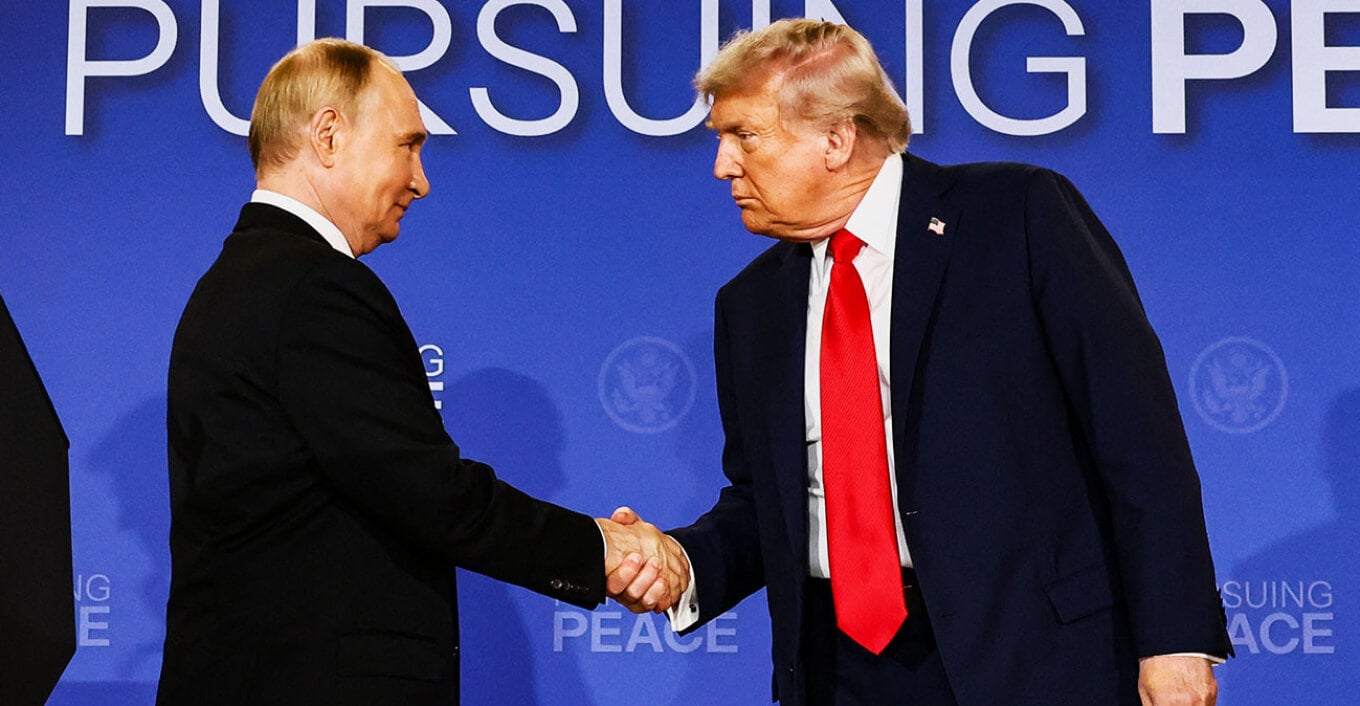
Οι συνομιλίες της κυβέρνησης του Ντόναλντ Τραμπ με τη Ρωσία για τον τερματισμό του πολέμου στην Ουκρανία έχουν διευρυνθεί και περιλαμβάνουν πλέον μια υπό διαπραγμάτευση συμφωνία δισεκατομμυρίων δολαρίων για την εξαγορά διεθνών περιουσιακών στοιχείων της ρωσικής πετρελαϊκής εταιρείας Lukoil, σύμφωνα με δημοσίευμα των «New York Times».
Η συμφωνία, η οποία δεν έχει ακόμη οριστικοποιηθεί και τελεί υπό την αίρεση της έγκρισης της αμερικανικής κυβέρνησης και του Κρεμλίνου, αφορά ένα εκτεταμένο χαρτοφυλάκιο πετρελαιοπηγών, διυλιστηρίων και πρατηρίων καυσίμων της Lukoil σε διάφορες χώρες.
Σύμφωνα με τους «New York Times», στο επίκεντρο της υπόθεσης βρίσκεται κοινοπραξία με επικεφαλής τον Αμερικανό επενδυτή Τοντ Μπόελι, στην οποία συμμετέχουν επίσης επενδυτικοί όμιλοι από τη Μέση Ανατολή. Στην προτεινόμενη συμφωνία συμμετέχει και η αμερικανική κυβέρνηση, μέσω της U.S. International Development Finance Corporation (DFC).
Στο τραπέζι των συνομιλιών Τραμπ-Πούτιν
Οι πολύμηνες διαπραγματεύσεις, σύμφωνα με οκτώ πρόσωπα με γνώση της υπόθεσης που επικαλούνται οι «New York Times», συνδέονται με την ευρύτερη προσπάθεια της κυβέρνησης Τραμπ να αποκαταστήσει οικονομικούς δεσμούς με τη Ρωσία στο πλαίσιο των συνομιλιών για τον τερματισμό του πολέμου στην Ουκρανία.
Το ζήτημα της Lukoil φέρεται να τέθηκε από τον Βλαντιμίρ Πούτιν κατά τη συνάντησή του με τους Αμερικανούς διαπραγματευτές Στιβ Γουίτκοφ και Τζάρεντ Κούσνερ στο Κρεμλίνο, στις 5 Σεπτεμβρίου. Σύμφωνα με πηγή που επικαλείται η αμερικανική εφημερίδα, ο Ρώσος πρόεδρος πρότεινε την προώθηση της συμφωνίας ως ένδειξη ότι η Ρωσία και οι Ηνωμένες Πολιτείες μπορούν να συνεργαστούν επιχειρηματικά.
Οι Αμερικανοί διαπραγματευτές φέρεται να απάντησαν ότι θα εργαστούν για την προώθηση της συμφωνίας, τόσο ως ένδειξη «καλής θέλησης» προς το Κρεμλίνο όσο και με στόχο τη μείωση των διεθνών τιμών ενέργειας.
Η ενδεχόμενη συμφωνία παρουσιάζει ιδιαίτερο οικονομικό ενδιαφέρον για τους υποψήφιους αγοραστές. Η έγκρισή της από τις Ηνωμένες Πολιτείες θα μπορούσε να οδηγήσει στην απελευθέρωση των ρωσικών περιουσιακών στοιχείων από τις αμερικανικές κυρώσεις, αυξάνοντας παράλληλα την αξία τους.
Οι διασυνδέσεις των επενδυτών
Στην κορυφή της κοινοπραξίας βρίσκεται ο Αμερικανός επενδυτής Τοντ Μπόελι, συνιδιοκτήτης των Los Angeles Dodgers και γνωστός υποστηρικτής του Τραμπ. Στο επενδυτικό σχήμα συμμετέχουν επίσης επιχειρηματικοί όμιλοι από το Κατάρ και τα Ηνωμένα Αραβικά Εμιράτα.
Οι «New York Times» επισημαίνουν ότι ορισμένοι από τους επενδυτές διατηρούν επιχειρηματικές σχέσεις με πρόσωπα που βρίσκονται κοντά στην κυβέρνηση Τραμπ.
Μεταξύ αυτών είναι οι αδελφοί Μουτάζ και Ράμεζ αλ-Χαγιάτ από το Κατάρ, οι οποίοι έχουν συνεργαστεί με τον Τζάρεντ Κούσνερ και την Ιβάνκα Τραμπ για τη χρηματοδότηση επενδυτικού σχεδίου στην Αλβανία.
Στην κοινοπραξία συμμετέχει επίσης επενδυτικό ταμείο με έδρα το Αμπού Ντάμπι, το οποίο ελέγχεται από τον σεΐχη Ταχνούν μπιν Ζαγιέντ Αλ Ναχιάν, σύμβουλο εθνικής ασφάλειας των Ηνωμένων Αραβικών Εμιράτων. Ο ίδιος συνδέεται με επενδύσεις στην World Liberty Financial, την εταιρεία κρυπτονομισμάτων της οικογένειας Τραμπ.
Παράλληλα, επενδυτικό ταμείο που συνδέεται με τον σεΐχη Ταχνούν αποτελεί σημαντικό μέτοχο της εταιρείας private equity που ίδρυσε ο Κούσνερ μετά την αποχώρησή του από τον Λευκό Οίκο.
Τα ερωτήματα για πιθανές συγκρούσεις συμφερόντων
Οι διασυνδέσεις αυτές έχουν προκαλέσει ερωτήματα σχετικά με το κατά πόσο προσωπικές επιχειρηματικές σχέσεις μπορεί να διασταυρώνονται με τη διαδικασία λήψης αποφάσεων για μια συμφωνία που συνδέεται με την αμερικανική εξωτερική πολιτική.
Οι «New York Times» αναφέρουν ότι δεν υπάρχει ένδειξη πως ο Γουίτκοφ ή ο Κούσνερ πρόκειται να αποκομίσουν προσωπικό οικονομικό όφελος από τη συμφωνία. Ωστόσο, η υπόθεση έχει εγείρει ζητήματα σχετικά με τις σχέσεις μεταξύ των εμπλεκόμενων επιχειρηματιών και προσώπων του στενού περιβάλλοντος του Τραμπ.
Η Χούι Τσεν, πρώην εισαγγελέας και σύμβουλος σε θέματα οικονομικού εγκλήματος και δεοντολογίας, χαρακτήρισε τις διασυνδέσεις «ανησυχητικές» και έθεσε το ερώτημα κατά πόσο προσωπικά συμφέροντα θα μπορούσαν να επηρεάσουν την αξιολόγηση των υποψήφιων αγοραστών.
Από την πλευρά του, εκπρόσωπος του Γουίτκοφ απέρριψε οποιοδήποτε ζήτημα σύγκρουσης συμφερόντων, υποστηρίζοντας ότι ο Αμερικανός διαπραγματευτής δεν λαμβάνει μισθό και καλύπτει ο ίδιος τα έξοδα των ταξιδιών του στο πλαίσιο της αποστολής του για λογαριασμό του Τραμπ.
Η κούρσα για τα περιουσιακά στοιχεία της Lukoil
Η Lukoil είχε θέσει προς πώληση τα διεθνή περιουσιακά της στοιχεία μετά την επιβολή αμερικανικών κυρώσεων. Αρκετοί υποψήφιοι αγοραστές είχαν εκδηλώσει ενδιαφέρον, μεταξύ των οποίων και μεγάλοι αμερικανικοί ενεργειακοί όμιλοι.
Τον Ιανουάριο, η επενδυτική εταιρεία Carlyle είχε καταλήξει σε προκαταρκτική συμφωνία για την εξαγορά σημαντικού μέρους του διεθνούς χαρτοφυλακίου της Lukoil. Η συμφωνία, ωστόσο, δεν ολοκληρώθηκε, καθώς απαιτούσε την έγκριση της αμερικανικής κυβέρνησης.
Στη συνέχεια, ο όμιλος υπό τον Μπόελι εμφανίστηκε ως ένας από τους βασικούς διεκδικητές των περιουσιακών στοιχείων.
Η αξία των διεθνών περιουσιακών στοιχείων της Lukoil είχε υπολογιστεί από την ίδια την εταιρεία σε περίπου 20 δισ. δολάρια στις αρχές του έτους. Ωστόσο, οι οικονομικοί όροι της υπό διαπραγμάτευση συμφωνίας δεν έχουν γίνει γνωστοί.
Ο ρόλος της αμερικανικής κυβέρνησης
Η αμερικανική κυβέρνηση συμμετέχει στην προτεινόμενη συμφωνία μέσω της U.S. International Development Finance Corporation, η οποία επενδύει και παρέχει χρηματοδότηση για έργα στο εξωτερικό.
Αμερικανός αξιωματούχος δήλωσε ότι μια ενδεχόμενη συμφωνία για τη Lukoil θα μπορούσε να ενισχύσει την οικονομική ασφάλεια των ΗΠΑ, να εξυπηρετήσει στόχους της αμερικανικής εξωτερικής πολιτικής και να συμβάλει στη μείωση του ενεργειακού κόστους για τους Αμερικανούς.
Η συμφωνία, ωστόσο, χρειάζεται την έγκριση του αμερικανικού υπουργείου Οικονομικών, το οποίο είναι αρμόδιο για την εφαρμογή των κυρώσεων κατά της Ρωσίας.
Η ενεργειακή διάσταση
Στο υπό διαπραγμάτευση χαρτοφυλάκιο περιλαμβάνονται διυλιστήρια της Lukoil στην Ολλανδία, τη Βουλγαρία και τη Ρουμανία, καθώς και άλλες ενεργειακές υποδομές και πρατήρια καυσίμων σε διάφορες χώρες.
Η ενεργειακή διάσταση αποκτά ιδιαίτερη σημασία καθώς η κυβέρνηση Τραμπ έχει επανειλημμένα υποστηρίξει ότι η αποκατάσταση οικονομικών σχέσεων με τη Ρωσία θα μπορούσε να λειτουργήσει ως κίνητρο για τη Μόσχα ώστε να προχωρήσει σε συμβιβασμούς για τον τερματισμό του πολέμου στην Ουκρανία.
Ο Ρώσος οικονομικός απεσταλμένος Κίριλ Ντμίτριεφ έχει επίσης εμπλακεί στη διαδικασία, ενώ, σύμφωνα με τους «New York Times», έχει δηλώσει ότι ο διάλογος ΗΠΑ-Ρωσίας συνεχίζεται σε πολλούς τομείς, μεταξύ των οποίων και η ενέργεια.
Η συμφωνία για τη Lukoil παραμένει, πάντως, ανοικτή και δεν έχει οριστικοποιηθεί. Η τελική απόφαση θα εξαρτηθεί από τις απαιτούμενες εγκρίσεις των αμερικανικών αρχών και της ρωσικής πλευράς.
skpress.gr
Γενικά θέματα
Πώς μια «Ελληνίδα» έγινε το «θεμέλιο» της Εθνικής Πινακοθήκης της Ουγγαρίας
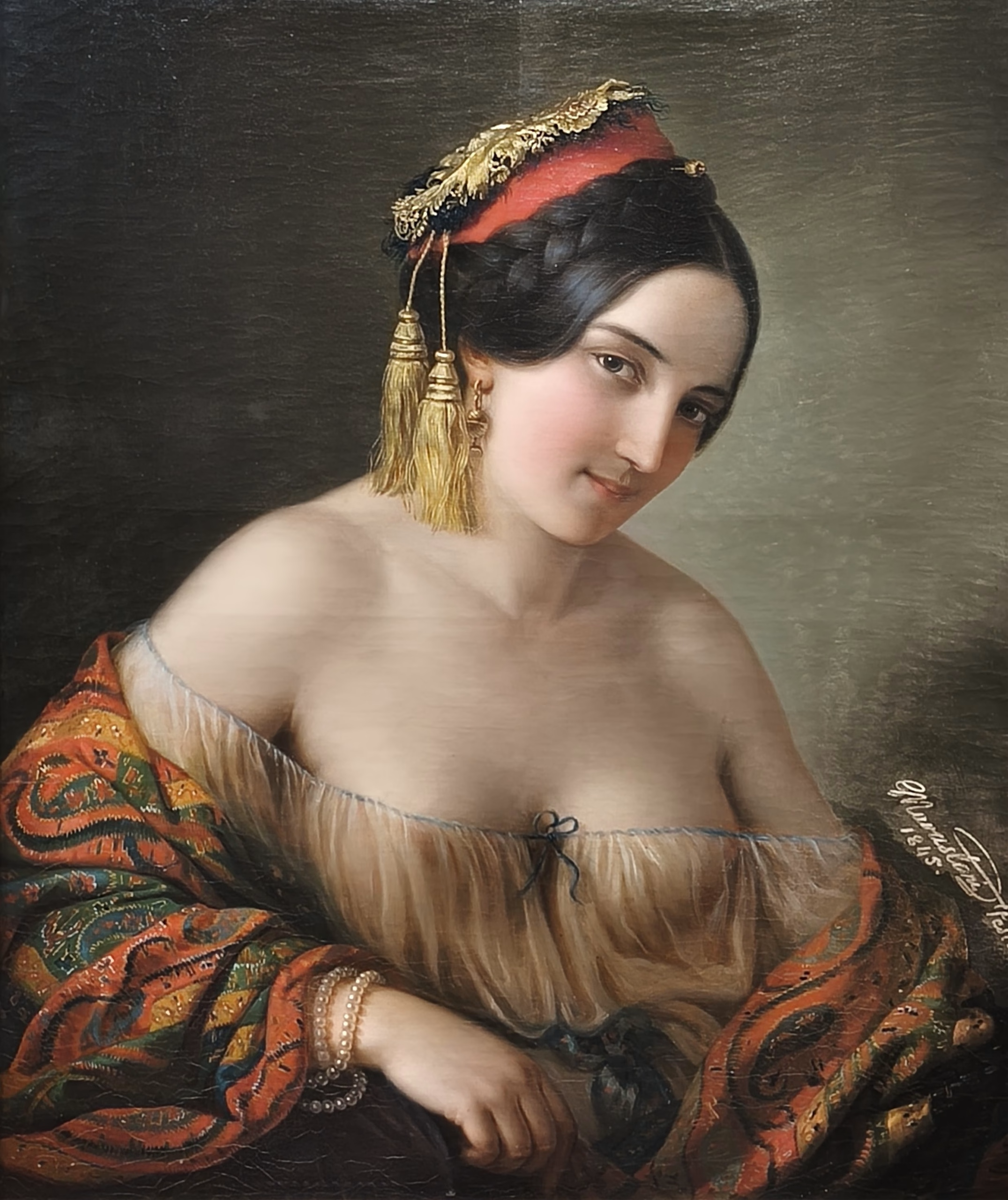
Στον πρώτο όροφο της Πινακοθήκης συναντήσαμε την «Ελληνίδα». Πρόκειται για ένα έργο του Jakob Marastoni (1804-1860), ενός ζωγράφου ιταλικής καταγωγής που εγκαταστάθηκε και εργάστηκε στην Πέστη και έγινε μία από τις σημαντικότερες μορφές στην ιστορία της ουγγρικής τέχνης.
Πριν λίγο καιρό επισκεφθήκαμε την Εθνική Πινακοθήκη της Ουγγαρίας στη Βουδαπέστη, ένα από τα πλέον σημαντικά μουσεία της χώρας, στο οποίο παρουσιάζεται με μοναδικό τρόπο η εξέλιξη της ουγγρικής εικαστικής τέχνης από τον 11ο αιώνα μέχρι σήμερα. Βρίσκεται στο Βασιλικό Ανάκτορο του Κάστρου της Βούδας και ιδρύθηκε το 1957 με βάση κυρίως τις ουγγρικές συλλογές του Μουσείου Καλών Τεχνών. Η συλλογή της περιλαμβάνει περίπου 110.00 έργα.
Στον πρώτο όροφο της Πινακοθήκης συναντήσαμε την «Ελληνίδα». Πρόκειται για ένα έργο του Jakob Marastoni (1804-1860), ενός ζωγράφου ιταλικής καταγωγής που εγκαταστάθηκε και εργάστηκε στην Πέστη και έγινε μία από τις σημαντικότερες μορφές στην ιστορία της ουγγρικής τέχνης.
Το έργο του με τίτλο «Ελληνίδα», φιλοτεχνημένο το 1845, θεωρείται εξαιρετικά σημαντικό για τη δημιουργία της συλλογής της Ουγγρικής Εθνικής Πινακοθήκης. Είναι το πρώτο έργο που σηματοδότησε την έναρξη της συστηματικής συλλογής ουγγρικής ζωγραφικής στα εθνικά ιδρύματα. Είναι επίσης το πιο γνωστό και εμβληματικό έργο του ζωγράφου.
Οι διαστάσεις του είναι 77Χ61,5 cm περίπου. Το μοντέλο δεν είναι Ελληνίδα, αλλά η σύζυγος του Marastoni, η Giovanna Bianchi, με καταγωγή από τη Βενετία. Ο ζωγράφος την απεικόνισε με παραδοσιακή (ή φανταστική) ελληνική φορεσιά της εποχής, σύμφωνα με τη μόδα του ρομαντισμού. Η εικόνα συνδυάζει εξωτισμό, ελαφρύ ερωτισμό και ιδανική ομορφιά.
Η ιστορία
Το 1845 η Pest Art Society — η πρώτη καλλιτεχνική εταιρεία στην Ουγγαρία — αγόραζε κάθε χρόνο ένα έργο από την ετήσια έκθεσή της για να το δωρίσει στο Ουγγρικό Εθνικό Μουσείο, το οποίο τότε περιλάμβανε και την πινακοθήκη.
Η «Ελληνίδα» του Marastoni ήταν αυτό που επέλεξαν και δώρισαν τον Νοέμβριο του 1845. Έτσι, καταγράφηκε ως το πρώτο έργο στη συλλογή ζωγραφικής του μουσείου. Το Εθνικό Μουσείο είχε ήδη κάποιες δωρεές, αλλά η συστηματική συλλογή ουγγρικής τέχνης ξεκινάει ουσιαστικά με αυτό το έργο. Η Εθνική Πινακοθήκη κληρονόμησε αυτή τη συλλογή από το Εθνικό Μουσείο.
Η επιλογή του προκάλεσε έντονες συζητήσεις και αποτέλεσε το «πρώτο καλλιτεχνικό σκάνδαλο» της εποχής, λόγω του ερωτισμού που απέπνεε το μοντέλο. Ωστόσο ο πίνακας αυτός ήταν και ιδιαίτερα δημοφιλής, κάτι που ενίσχυσε την εθνική συζήτηση για την τέχνη.
Σήμερα, το έργο παραμένει εμβληματικό και εκτίθεται συχνά ως αφετηρία της συλλογής ζωγραφικής του 19ου αιώνα στην Πινακοθήκη. Συμβολίζει το πώς η ουγγρική τέχνη χτίστηκε με συνεισφορές από ξένους καλλιτέχνες που ενσωματώθηκαν στη χώρα, όπως ο Marastoni.
Η δημιουργία της Πινακοθήκης
Αν κάνετε περίπατο στην οδό Deák Ferenc στο κέντρο της πόλης ίσως αξίζει κάποιες φορές να σηκώσετε το βλέμμα πάνω από τις βιτρίνες των καταστημάτων. Το βλέμμα σας θα συναντήσει όχι μόνο κλασικές προσόψεις, αλλά και αναμνηστικές πλάκες, όπως για παράδειγμα εκείνη στον αριθμό 21, όπου αναγράφεται: «Η Πρώτη Ουγγρική Ακαδημία Ζωγραφικής – ιδρυθείσα από τον Jakab Marastoni».
Η Πέστη του 19ου αιώνα ήταν μια πραγματικά πολυπολιτισμική πόλη. Γερμανοί, Ούγγροι, Έλληνες, Ιταλοί, Σέρβοι και πολλές άλλες μικρότερες εθνότητες ζούσαν εδώ δίπλα-δίπλα ειρηνικά. Ο καθένας καλλιεργούσε τον δικό του πολιτισμό, αλλά ένα πράγμα τους ένωνε: όλοι ήθελαν να είναι και Ούγγροι και επιδίωκαν να υπηρετήσουν τον ουγγρικό πολιτισμό με τις δραστηριότητές τους.
Εκείνη την εποχή ο Marastoni υπέβαλε την αίτησή του για την ακαδημία ζωγραφικής στο Βασιλικό Συμβούλιο των Κυβερνητών, όταν ιδρύθηκε εντός του Ουγγρικού Εθνικού Μουσείου ο Σύλλογος Εθνικής Πινακοθήκης, ένα «τμήμα που συνέλεγε αποκλειστικά ουγγρική ζωγραφική».
Όλα αυτά συνέβησαν το 1845 και αυτή η μεγάλη πολιτιστική δραστηριότητα μπορεί να ήταν αποτέλεσμα του γεγονότος ότι εκείνη τη χρονιά το Εθνικό Μουσείο ήθελε να τιμήσει δεόντως την πεντηκοστή επέτειο της ανάληψης καθηκόντων του αρχιδούκα Ιωσήφ της Αυστρίας.
Ο σύλλογος που έφερε το όνομα του αρχιδούκα εγκρίθηκε τελικά από το Βασιλικό Συμβούλιο των Κυβερνητών τον Σεπτέμβριο του 1845. Η Εθνική Πινακοθήκη του αρχιδούκα Ιωσήφ μπορεί, επομένως, να θεωρηθεί ως το πρώτο εθνικό ίδρυμα που συνέλεγε ουγγρικούς πίνακες.
Η πινακοθήκη δέχθηκε δωρεές έργων τόσο από συλλόγους, όσο και από ιδιώτες, και ανάμεσά τους το σημαντικότερο ήταν το έργο του Jakab Marastoni «H Ελληνίδα», το οποίο δωρήθηκε στην πινακοθήκη τον Νοέμβριο του 1845 από την Καλλιτεχνική Εταιρεία της Πέστης. Έτσι, μπορεί να πει κανείς ότι η ιστορία της μουσειακής συλλογής ουγγρικής ζωγραφικής ξεκίνησε με την «Ελληνίδα».
Αλλά γιατί μια Ελληνίδα; Το σύγχρονο (όχι αρχαίο) ελληνικό θέμα εμφανίστηκε στην ευρωπαϊκή ζωγραφική με την Ελληνική Επανάσταση ενάντια στην Οθωμανική Αυτοκρατορία τη δεκαετία του 1820. Φυσικά, οι συμπάθειες του ευρωπαϊκού ρομαντισμού προς τους Έλληνες άσκησαν επιρροή και στην ουγγρική τέχνη.
Οι Έλληνες, και ιδιαίτερα οι Ελληνίδες, αποτελούσαν συχνά θέμα στην ουγγρική ζωγραφική του 19ου αιώνα, και κατά μία έννοια η «Ελληνίδα» κατέληξε να αντιπροσωπεύει ένα εξωτικό θέμα αρωματισμένο με ερωτισμό.
Και αν σήμερα βρίσκουμε την «Ελληνίδα» να αποκαλύπτει ανοιχτά την ομορφιά και τη γοητεία της, δεν πρέπει να ξεχνάμε ότι επρόκειτο για θέμα μόδας. Και όσο κι αν μας γνέφει σαγηνευτικά αυτή η όμορφη γυναίκα, με την ιστορική έννοια το έργο αυτό είναι ένα από τα σημαντικότερα της ουγγρικής μουσειολογίας.
Ο ζωγράφος
Ο Jakab Marastoni (Giacomo Marastoni) γεννήθηκε το 1804 στη Βενετία και σπούδασε στην περίφημη Ακαδημία Καλών Τεχνών.
Ταξίδεψε στη Βιέννη στις αρχές της δεκαετίας του 1830, πέρασε από τη σημερινή Μπρατισλάβα το 1833 και εγκαταστάθηκε οριστικά στην Πέστη το 1836. Έγινε περιζήτητος πορτρετίστας μεταξύ αριστοκρατικών και αστικών οικογενειών, αλλά και κατά τη διάρκεια κοινοβουλευτικών συνεδριάσεων.
Το 1846 ίδρυσε την Πρώτη Ουγγρική Ακαδημία Ζωγραφικής στην Πέστη – την πρώτη ιδιωτική σχολή αποκλειστικά για ζωγραφική στην Ουγγαρία. Ανάμεσα στους μαθητές του περιλαμβάνονται σημαντικοί Ούγγροι καλλιτέχνες όπως ο Károly Lotz, ο Mihály Zichy, ο Soma Orlai Petrich κ.ά. Το 1846 έγινε Επίτιμος Πολίτης της Πέστης.
Στα τελευταία χρόνια της ζωής του ασχολήθηκε με την δαγκεροτυπία ήταν ο πρώτος επαγγελματίας αυτής της τεχνικής στην Ουγγαρία. Πέθανε σε ψυχιατρική κλινική και η σχολή του έκλεισε λίγο μετά.
tovima.gr
Γενικά θέματα
Ούμαρ Κρέμλεφ: Ο άνθρωπος του Πούτιν που «εισέβαλε» στον αμερικανικό αθλητισμό
Πριν γίνει γνωστός ως Ούμαρ Κρέμλεφ, ο 43χρονος που χρόνια αργότερα θα συνδεόταν ακόμη και με το πολυτελές πάρτι του Ντόναλντ Τραμπ Τζούνιορ στις Μπαχάμες, ήταν γνωστός με το όνομα Ούμαρ Λουτφουλόεφ. Μέχρι τον Μάρτιο του 2010, το όνομα Κρέμλεφ παρέμενε ουσιαστικά άγνωστο
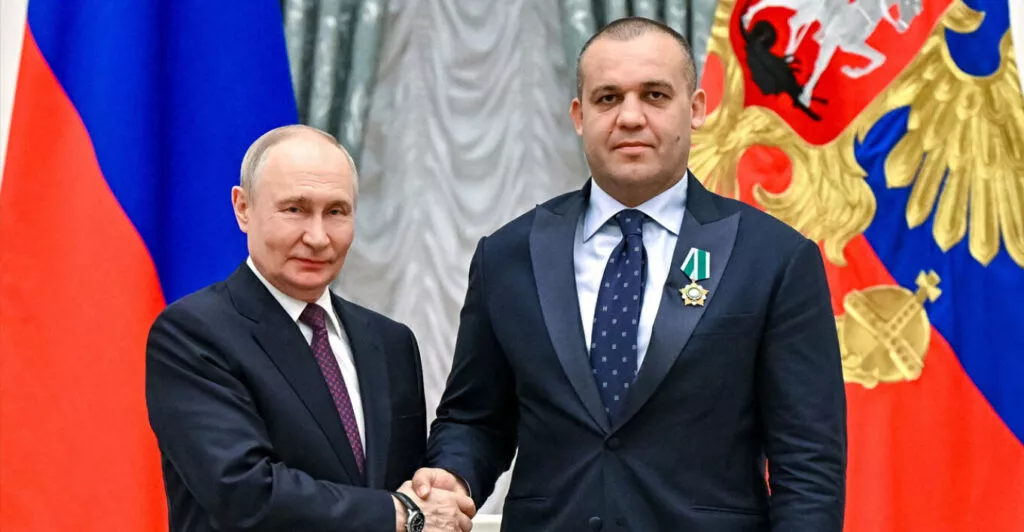
Πριν γίνει γνωστός ως Ούμαρ Κρέμλεφ, ο 43χρονος που χρόνια αργότερα θα συνδεόταν ακόμη και με το πολυτελές πάρτι του Ντόναλντ Τραμπ Τζούνιορ στις Μπαχάμες, ήταν γνωστός με το όνομα Ούμαρ Λουτφουλόεφ. Μέχρι τον Μάρτιο του 2010, το όνομα Κρέμλεφ παρέμενε ουσιαστικά άγνωστο.
Όταν «πάτησε» τα 28 κι έχοντας, σύμφωνα με δημοσιεύματα της εποχής, καταδίκες για εκβιασμό και ξυλοδαρμό, είδε τις φιλοδοξίες του για καριέρα στην πυγμαχία να σβήνουν εξαιτίας της έλλειψης πειθαρχίας και θέλησε να κάνει μια νέα αρχή για να ανεβεί τα σκαλοπάτια της ρωσικής κοινωνίας.
Ο 43χρονος μεγάλωσε στο Σερπούχοφ, μια πόλη περίπου 120.000 κατοίκων, 60 μίλια νότια της Μόσχας και 5.729 μίλια ανατολικά του Little Pipe Cay, του νησιού στις Μπαχάμες που νοίκιασε για τον γιο του Αμερικανού προέδρου. Γεννημένος από μητέρα Τατζίκα σε μουσουλμανική οικογένεια, «παντρεύτηκε» αρχή τον ρόλο του αουτσάιντερ.
Σύμφωνα με το ρωσικό ερευνητικό μέσο Proekt, καταδικάστηκε για εκβιασμό το 2004 και για ξυλοδαρμό το 2007, αν και οι ακριβείς συνθήκες των υποθέσεων παραμένουν ασαφείς. Ο ίδιος δεν έχει αρνηθεί τις καταδίκες.
Οι Night Wolves εμφανίστηκαν την περίοδο της Περεστρόικα, της οικονομικής αναδιάρθρωσης της δεκαετίας του 1980, ως μια ομάδα μοτοσικλετιστών και φίλων της ροκ μουσικής. Επικεφαλής τους ήταν ο Αλεξάντερ Ζαλντοστάνοφ, γνωστός ως «Χειρουργός», στενός φίλος του Βλαντίμιρ Πούτιν.
Μέσα σε αυτόν τον ετερόκλητο κόσμο που ο Κρεμλέφ άρχισε να καλλιεργεί τις σχέσεις που θα τον μετέτρεπαν από πυγμάχο σε ισχυρό παράγοντα της ρωσικής κοινωνίας. Η σημαντικότερη από αυτές ήταν με τον Αλεξέι Ρουμπέζνι, υποστράτηγο της Ομοσπονδιακής Υπηρεσίας Προστασίας (FSO) ψηλόβαθμων κρατικών αξιωματούχων, με τον οποίο έγιναν αχώριστοι.
Το 2016, ο Ρουμπέζνι ήταν πλέον επικεφαλής της Υπηρεσίας Ασφαλείας του Προέδρου και ο Κρεμλέφ είχε αποκτήσει, με αυτό τον τρόπο, πρόσβαση στον Πούτιν. Έκτοτε, η καριέρα του απογειώθηκε.
Ανέβηκε γρήγορα στην ιεραρχία και το 2017 ανέλαβε την ηγεσία της Ρωσικής Ομοσπονδίας Πυγμαχίας. Όμως η ορεξη του Κρεμλέφ είχε ανοίξει και δεν χόρταινε. Η Association Internationale de Boxe Amateur (AIBA – Διεθνής Ομοσπονδία Ερασιτεχνικής Πυγμαχίας) βρισκόταν τότε σε βαθιά κρίση, αντιμέτωπη με καταγγελίες διαφθοράς που οδήγησαν το 2019 στην αρχική αναστολή της από τους Ολυμπιακούς Αγώνες ως φορέα που είχε την ευθύνη της ολυμπιακής πυγμαχίας.
Ο Κρεμλέφ υποσχέθηκε σαρωτικές μεταρρυθμίσεις και την εξόφληση χρέους που υπολογιζόταν στα 16 εκατ. δολάρια, με στόχο ο οργανισμός να ανακτήσει τον έλεγχο της ολυμπιακής πυγμαχίας. Έτσι, το 2020 κέρδισε με άνεση την ψηφοφορία για την προεδρία, ενώ το γεγονός ότι μιλούσε από ελάχιστα έως καθόλου αγγλικά δεν αποτέλεσε εμπόδιο. Και όπως έκανε με τον ίδιο του τον εαυτό, και σε αυτή την περίπτωση έκανε το restart με τον ίδιο τρόπο: άλλαξε το όνομα του οργανισμού σε International Boxing Association (IBA).
Ακολούθησε συνεργασία της IBA με την Gazprom, τον ρωσικό κρατικό ενεργειακό κολοσσό, με συνέπεια το χρέος να μηδενιστεί και τα χρηματικά έπαθλα να αυξηθούν. «Γιατί να μην μπορούν οι ερασιτέχνες πυγμάχοι να πληρώνουν τα στεγαστικά τους δάνεια και να στηρίζουν τις οικογένειές τους;» είχε δηλώσει τότε ο Κρεμλέφ.
Το 2022, η IBA ήρε περιορισμούς που είχαν επιβληθεί νωρίτερα την ίδια χρονιά και επέτρεψε σε Ρώσους και Λευκορώσους πυγμάχους να αγωνίζονται με τις εθνικές σημαίες και τους ύμνους τους, ενώ απέκλεισε από τις τάξεις της την Ουκρανική Ομοσπονδία Πυγμαχίας. Την επόμενη χρονιά, ωστόσο, η Διεθνής Ολυμπιακή Επιτροπή (ΔΟΕ) ψήφισε – με αφορμή τον πόλεμο της Ρωσίας στην Ουκρανία – υπέρ της αφαίρεσης από την IBA της ιδιότητας της παγκόσμιας ομοσπονδίας του αθλήματος.
Ο Κρεμλέφ γίνεται ο «σκιώδης δήμαρχος»
Ωστόσο, δεν ήταν μόνο οι πυγμάχοι του Κρεμλέφ που πληρώνονταν καλά. Το 2019, μια εταιρεία του απέκτησε το δικαίωμα να γίνει ο μοναδικός διαχειριστής της εθνικής λοταρίας της Ρωσίας. Σε ένα μοτίβο που θα επαναλαμβανόταν αρκετές φορές, η λοταρία έγινε σύντομα χορηγός της IBA.
Τα επόμενα χρόνια, ο Κρεμλέφ απέκτησε μερίδια σε τρεις από τις μεγαλύτερες στοιχηματικές εταιρείες της Ρωσίας, τις Fonbet, Liga Stavok και Pari. Ρωσικά μέσα ενημέρωσης έχουν αναφέρει ότι οι συμφωνίες αυτές είχαν την υποστήριξη του Αντρέι Κόστιν, του υπό κυρώσεις χρηματοδότη και προέδρου της συνδεδεμένης με το Κρεμλίνο τράπεζας VTB, ο οποίος έχει χαρακτηριστεί «τραπεζίτης-κουμπαράς του Πούτιν».
Οι εταιρείες αυτές φαίνεται ότι είχαν συνολικά έσοδα περίπου 625 δισ. ρούβλια (5,5 δισ. λίρες) το 2023, ενώ η Liga Stavok αποτελεί πλέον βασικό εταίρο της IBA.
Ο Κρεμλέφ είχε επίσης αποκτήσει σταδιακά τον έλεγχο της Tsupis, μιας εταιρείας πληρωμών που συνδέει τους παίκτες με τις στοιχηματικές εταιρείες και εισπράττει προμήθεια από κάθε ποντάρισμα. Το 2021, ο Πούτιν εξέδωσε διάταγμα κατά της απάτης, το οποίο παραχώρησε στην Tsupis μονοπώλιο σε αυτή την εξαιρετικά επικερδή δραστηριότητα. Την ίδια περίοδο, οι φορείς που ρύθμιζαν την αγορά στοιχημάτων πέρασαν επίσης υπό τον έλεγχο του Κρεμλέφ και ενοποιήθηκαν σε έναν κοινό εποπτικό οργανισμό, με αρκετά μέλη του διοικητικού συμβουλίου να προέρχονται, σύμφωνα με δημοσιεύματα, από το δίκτυό του στον χώρο της πυγμαχίας.
Στη γενέτειρά του, το Σερπούχοφ, καθώς εξελισσόταν σε ολιγάρχη, ο Κρεμλέφ απέκτησε το προσωνύμιο «σκιώδης δήμαρχος», έχοντας συγκεντρώσει ένα εντυπωσιακό χαρτοφυλάκιο ακινήτων. Κάποια από αυτά φέρεται να περιήλθαν στην κατοχή του μετά την αναδιανομή περιουσιακών στοιχείων του φυλακισμένου πρώην δημάρχου Αλεξάντερ Σεστούν.
Πηγές αναφέρουν ότι απέκτησε γεωργικές εκτάσεις, βιομηχανικές εγκαταστάσεις, ένα λιμάνι, ένα εμπορικό κέντρο και ένα ξενοδοχείο, ενώ το 2024, ο Κρεμλέφ φέρεται να επωφελήθηκε και από απαλλοτρίωση. Τον Φεβρουάριο, το Κρεμλίνο κατέσχεσε τη Rolf, τη μεγαλύτερη αντιπροσωπεία αυτοκινήτων της Ρωσίας, από τον Σεργκέι Πετρόφ, τον εξόριστο ιδιοκτήτη της και πρώην βουλευτή της αντιπολίτευσης και μέχρι τον Σεπτέμβριο, η εταιρεία είχε περάσει στον Κρεμλέφ μέσω συμφωνίας ύψους 35 δισ. ρουβλίων.
Σε ανακοίνωσή της, η Rolf παρουσίασε τον Κρεμλέφ ως νέο ιδιοκτήτη της, χαρακτηρίζοντάς τον «στρατηγικό επενδυτή, ο οποίος θα επιτρέψει στην εταιρεία να διατηρήσει τη μοναδική εταιρική κουλτούρα της και να διευρύνει το φάσμα των δραστηριοτήτων της, με έμφαση στην αύξηση της αποτελεσματικότητας και την προσέλκυση νέων συνεργατών και πελατών».
Ένας από αυτούς τους νέους συνεργάτες, σύμφωνα με μεταγενέστερα δημοσιεύματα του Proekt, ήταν η IBA.
Η πίστη στον Πούτιν
Έχοντας συγκεντρώσει προσωπική περιουσία που υπολογίζεται έως και σε 300 εκατ. λίρες και αναλαμβάνοντας παράλληλα και άλλα αξιώματα – μεταξύ αυτών την προεδρία της Διεθνούς Ομοσπονδίας Ταβλιού – ο Κρεμλέφ δεν έκρυβε ποτέ τις πολιτικές του συμπάθειες.
«Χάρη σε έναν άνθρωπο, σήμερα υπάρχουν πραγματικά κάθε είδους ευκαιρίες να κερδίσεις χρήματα και να επιδιώξεις περισσότερα», είχε δηλώσει σε βιντεοσκοπημένη συνέντευξη το 2024, την οποία εντόπισε ο Guardian. «Αυτός ο άνθρωπος, φυσικά, είναι ο πρόεδρός μας, Βλαντίμιρ Βλαντιμίροβιτς Πούτιν».
Λίγους μήνες αργότερα, η Ουκρανία του επέβαλε κυρώσεις, χωρίς να βρίσκεται, ωστόσο, υπό κυρώσεις από τη Βρετανία, τις ΗΠΑ ή την Ευρωπαϊκή Ένωση.
Τον Απρίλιο, ο Πούτιν απένειμε στον Κρεμλέφ το Παράσημο της Φιλίας, ενώ λίγες ημέρες πριν από τον γάμο του Τραμπ Τζούνιορ, ο Κρεμλέφ συνόδευσε τον Ρώσο πρόεδρο σε επίσκεψη στην Κίνα, επιμένοντας πάντως ότι δεν βρισκόταν εκεί με επίσημη ιδιότητα.
Τα οφέλη για την οικογένειά του
Όπως συμβαίνει συχνά με τις οικογένειες ισχυρών και εύπορων πατριαρχών, και οι συγγενείς του Κρεμλέφ φαίνεται ότι επωφελήθηκαν από την άνοδό του. Το 2024, η ρωσική Novaya Gazeta ανέφερε ότι είχε παραχωρήσει στην τότε 21χρονη σύζυγό του, Αναστάσια Λεστσίνσκαγια, ένα κουρείο και ένα καφέ στο Σερπούχοφ, καθώς και πολυτελή αυτοκίνητα. Μάλιστα, αψηφώντας πλήρως τους νόμους, οι Porsche, Lamborghini και Aston Martin που φέρεται να της ανήκαν έχουν, σύμφωνα με δημοσιεύματα, συγκεντρώσει περίπου 50 κλήσεις από την τροχαία της περιφέρειας της Μόσχας.
Η Λεστσίνσκαγια ήταν γνωστή δημιουργός στο TikTok και το ένα από τα δύο μέλη του διδύμου «twinsrussian».
Ωστόσο, η δίδυμη αδελφή της είναι εκείνη που έχει προσελκύσει ακόμη μεγαλύτερο ενδιαφέρον. Η Εκατερίνα Λεστσίνσκαγια διευθύνει τη φιλοπουτινική οργάνωση Healthy Fatherland, ένα αθλητικό και πατριωτικό κίνημα στο οποίο το Κίεβο έχει επιβάλει κυρώσεις για τον φερόμενο ρόλο του στην απαγωγή, την απέλαση και την αναγκαστική μεταφορά παιδιών από την Ουκρανία. Η ίδια έχει επίσης συναντηθεί επανειλημμένα με τον Ρώσο πρόεδρο.
Και φαίνεται πως αυτή ακριβώς η σύνδεση του Τζούνιορ με τον Κρεμλέφ ήταν που ώθησε τη Μελάνια Τραμπ – η οποία έχει μεσολαβήσει σε συμφωνίες με Ρώσους αξιωματούχους για την επιστροφή Ουκρανών παιδιών – να πάρει αποστάσεις από τον γάμο του θετού γιου της, με εκπρόσωπό της να δηλώνει: «Η κυρία Τραμπ δεν έχει και δεν είχε ποτέ καμία σχέση με τον κ. Κρεμλέφ».
Ασαφής ο τρόπος σύνδεσης του Τραμπ Τζούνιορ με τον Κρεμλέφ
Ο Τραμπ Τζούνιορ, όμως, έχει. Το πώς ακριβώς ο γιος του Αμερικανού προέδρου μπήκε στον κύκλο του Κρεμλέφ παραμένει ασαφές. Εκπρόσωπος του γιου του Αμερικανού προέδρου δήλωσε ότι οι δύο άνδρες, αμφότεροι λάτρεις του κυνηγιού, γνωρίστηκαν μέσω κοινού φίλου και «δέθηκαν χάρη στην αγάπη τους για την πυγμαχία και τις δραστηριότητες στη φύση».
Επιπλέον, ο Τραμπ Τζούνιορ είχε επαφή με την πυγμαχία από μικρή ηλικία, λόγω της δραστηριότητας του πατέρα του ως διοργανωτή αγώνων. Στα δέκα του χρόνια είχε παρακολουθήσει από κοντά τον Μάικ Τάισον να διαλύει τον Μάικλ Σπινκς μέσα σε μόλις 91 δευτερόλεπτα στο Trump Plaza Hotel του Ατλάντικ Σίτι.
Ο κοινός φίλος μέσω του οποίου γνωρίστηκαν δεν έχει κατονομαστεί, ωστόσο αμφότεροι διατηρούν στενές σχέσεις με έναν Τούρκο επιχειρηματία, τον Κάαν Καρακάγια. Ο Καρακάγια φέρεται, μάίστα, να ήταν παρών σε ένα αμφιλεγόμενο κυνηγετικό ταξίδι στη Μογγολία το 2019, κατά το οποίο ο Τραμπ Τζούνιορ πυροβόλησε και σκότωσε ένα απειλούμενο πρόβατο.
Τον Σεπτέμβριο του περασμένου έτους, σε εκδήλωση της IBA στην Κωνσταντινούπολη, στην οποία παρευρέθηκε και ο Μάνι Πακιάο, παγκόσμιος πρωταθλητής σε οκτώ διαφορετικές κατηγορίες βάρους, ο Κρεμλέφ ανακοίνωσε τον διορισμό του Καρακάγια ως εκπροσώπου της οργάνωσης στην Τουρκία.
«Ο Κάαν υπήρξε μια γέφυρα ανάμεσα σε διαφορετικούς κόσμους, ένας φίλος που φέρνει τους ανθρώπους κοντά», είχε δηλώσει ο Κρεμλέφ.
«Ηγέτης και φίλος»
Ο Τραμπ Τζούνιορ παρευρέθηκε στην ίδια εκδήλωση της IBA και κάθισε δίπλα στον Κρεμλέφ πάνω στη σκηνή. Οι δύο άνδρες φαίνεται ότι διατηρούσαν ήδη τότε φιλική σχέση, παρά τα περιορισμένα αγγλικά του Ρώσου, ενώ ο Κρεμλέφ, σε μια ιδιαίτερα θερμή αναφορά, δήλωσε ότι ήταν «υπερήφανος που βρίσκεται εδώ με τον φίλο μου» και υποσχέθηκε ότι εκείνος και ο Τραμπ Τζούνιορ θα «προστατεύσουν τη διαφάνεια στην πυγμαχία και θα ανοίξουν τον δρόμο για την επόμενη γενιά».
Από την πλευρά του, ο Τραμπ Τζούνιορ επαίνεσε τον 43χρονο για το γεγονός ότι «επανέφερε την καθαρότητα της πυγμαχίας» και «αποκατέστησε την πραγματική δικαιοσύνη» στο άθλημα – μια αναφορά, όπως φαίνεται, στην πολιτική της IBA να μην επιτρέπει σε βιολογικούς άνδρες να αγωνίζονται στη γυναικεία πυγμαχία. «Είμαι υπερήφανος που αποκαλώ τον Ούμαρ όχι μόνο ηγέτη αλλά και φίλο», είχε δηλώσει, σύμφωνα με δελτίο Τύπου της IBA που είχε τον χαρακτηριστικό τίτλο: «Ούμαρ Κρεμλέφ και Ντόναλντ Τραμπ Τζούνιορ ενώνουν τις δυνάμεις τους».
Η θέση του για την πυγμάχο Ιμάν Κελίφ
Η IBA βρέθηκε ακόμη περισσότερο στο επίκεντρο της διεθνούς προσοχής κατά τη διάρκεια των Ολυμπιακών Αγώνων του Παρισιού το 2024, γεγονός που δημιούργησε μια ευκαιρία την οποία ο Κρεμλέφ μπορούσε να αξιοποιήσει.
Στους Αγώνες, η ΔΟΕ χρησιμοποίησε δική της μονάδα πυγμαχίας για τη διοργάνωση του τουρνουά, καθώς η IBA είχε ήδη αποβληθεί. Η διοργάνωση, ωστόσο, βρέθηκε στο επίκεντρο έντονης αντιπαράθεσης όταν επετράπη στην Αλγερινή πυγμάχος Ιμάν Κελίφ να αγωνιστεί στην κατηγορία των 66 κιλών γυναικών, μολονότι είχε αποκλειστεί από το Παγκόσμιο Πρωτάθλημα της προηγούμενης χρονιάς επειδή δεν είχε περάσει εξετάσεις επαλήθευσης φύλου.
Κι ενώ η IBA του Κρεμλέφ είχε αποκλείσει την Κελίφ από τις διοργανώσεις της, η ΔΟΕ της επέτρεψε να αγωνιστεί στους Ολυμπιακούς Αγώνες με βάση το γεγονός ότι στο διαβατήριό της αναγράφεται ως γυναίκα. Ακολούθησε διεθνής αντιπαράθεση, με την Κελίφ να κερδίζει ομόφωνα όλους τους αγώνες της και να κατακτά τελικά το χρυσό μετάλλιο.
«Είναι ξεκάθαρα καθορισμένο: ο γυναικείος αθλητισμός είναι για γυναίκες, ο ανδρικός αθλητισμός για άνδρες. Ο γυναικείος αθλητισμός είναι για γυναίκες», είχε δηλώσει ο Κρεμλέφ στο TalkSPORT, μεταφέροντας, μάλιστα, το μήνυμα αυτό στο υψηλότερο δυνατό επίπεδο, στέλνοντας ανοιχτή επιστολή 1.100 λέξεων στον Ντόναλντ Τραμπ, ο οποίος είχε πρόσφατα υπογράψει εκτελεστικό διάταγμα που απαγόρευε στις τρανς γυναίκες να αγωνίζονται στις γυναικείες κατηγορίες αθλημάτων.
Στην επιστολή, ο Κρεμλέφ έγραφε: «Είναι ζωτικής σημασίας όλοι οι αθλητές να αγωνίζονται επί ίσοις όροις και η θέση σας στο ζήτημα αποτελεί σημαντικό βήμα προς την επίτευξη αυτού του στόχου», ενώ επιτέθηκε και στη ΔΟΕ, λέγοντας: «Η Διεθνής Ολυμπιακή Επιτροπή και η σημερινή ηγεσία της έχουν, δυστυχώς, οδηγήσει το Ολυμπιακό Κίνημα σε παρακμή με τις κοντόφθαλμες ενέργειές τους και την κακή διοίκηση».
Ο Κρεμλέφ έριξε επίσης στον Αμερικανό πρόεδρο άλλο ένα «τυράκι». «Το τελευταίο Παγκόσμιο Πρωτάθλημα Πυγμαχίας της IBA στις Ηνωμένες Πολιτείες πραγματοποιήθηκε το 2007 στο Σικάγο. Ενδιαφερόμαστε πολύ να επαναφέρουμε τη διοργάνωση στη χώρα σας και είμαστε περισσότερο από έτοιμοι να συνεργαστούμε προς αυτή την κατεύθυνση» έγραψε, ενώ έκλεισε την επιστολή του παραλλάσσοντας δύο από τις αγαπημένες φράσεις του Τραμπ: «Σας ευχαριστώ για την προσοχή σας σε αυτά τα σημαντικά ζητήματα. Προσβλέπουμε με μεγάλη αισιοδοξία στην πιθανότητα να συνεργαστούμε για να κάνουμε ξανά σπουδαίο το Ολυμπιακό Κίνημα, να προωθήσουμε το άθλημα της πυγμαχίας και να υπερασπιστούμε τα δικαιώματα των αθλητών σε ολόκληρο τον κόσμο».
Η αντιπαράθεση με τους Σαουδάραβες
Το 2025, η IBA ανέβασε ακόμη περισσότερο στροφές. Σύμφωνα με πληροφορίες της Telegraph, στην Κωνσταντινούπολη η ομάδα του Κρεμλέφ προσέφερε στον γνωστό Βρετανό πυγμάχο Τάισον Φιούρι αμοιβή 50 εκατ. λιρών προκειμένου να αγωνιστεί σε μία από τις διοργανώσεις της IBA. Ο Φιούρι, ωστόσο, επέλεξε να υπογράψει συμφωνία τριών αγώνων με τον Τούρκι Αλ-Σέιχ, αξιωματούχο της κυβέρνησης της Σαουδικής Αραβίας.
Ο Κρεμλέφ αποτελεί, ουσιαστικά, τον ισχυρότερο promoter του αθλήματος στην Ανατολική Ευρώπη, αποτελώντας άμεση πρόκληση για την επιρροή του Αλ-Σέιχ και των Σαουδαράβων στην πυγμαχία και για τον έλεγχό τους σε ορισμένους από τους σημαντικότερους αγώνες του αθλήματος.
Άνθρωποι από τον χώρο της πυγμαχίας περιγράφουν τον Κρεμλέφ ως «μια χαρισματική προσωπικότητα που εμφανίζεται σε εκδηλώσεις και διοργανώσεις περιστοιχισμένος από μια πολυάριθμη ομάδα συνεργατών, σχεδόν σαν αρχηγός κράτους». Οι ομιλίες του είναι συχνά φορτισμένες συναισθηματικά και δυναμικές, με επαναλαμβανόμενες αναφορές στον τρόπο με τον οποίο η πυγμαχία μπορεί να αλλάξει τις ζωές των νέων ανθρώπων.
«Συχνά δεν έχει ιδιαίτερη έκφραση στο πρόσωπό του, κι όμως αποπνέει μια ευγένεια και μια ταπεινότητα», δήλωσε άνθρωπος του χώρου.
Το περασμένο καλοκαίρι, η IBA λάνσαρε και δικό της πρωτάθλημα πυγμαχίας χωρίς γάντια. Οι πρώτοι αγώνες πραγματοποιήθηκαν στη Μόσχα, όμως ήταν το ντεμπούτο στις ΗΠΑ, στο Μαϊάμι, το φετινό καλοκαίρι που τράβηξε την προσοχή.
Συμπαρουσιαστής της εκδήλωσης ήταν ο Άντριου Τέιτ, ο Βρετανός πρώην kickboxer και αυτοαποκαλούμενος μισογύνης, ο οποίος δεν ανέβηκε ποτέ στη σκηνή, καθώς συνελήφθη έξω από τον χώρο της διοργάνωσης. Ο Τέιτ και ο αδελφός του, Τρίσταν, βρίσκονται αντιμέτωποι με έκδοση στη Βρετανία, όπου αντιμετωπίζουν συνολικά 59 κατηγορίες, μεταξύ των οποίων βιασμό, αδικήματα που συνδέονται με εμπορία ανθρώπων για σεξουαλική εκμετάλλευση και άσεμνες εικόνες παιδιού. Και οι δύο αρνούνται οποιαδήποτε παρανομία.
Γλυκάθηκε με το Παγκόσμιο Κύπελλο και το UFC Freedom στον Λευκό Οίκο
Ωστόσο, δύο άλλες διοργανώσεις του καλοκαιριού φαίνεται ότι ενέπνευσαν περισσότερο τον Κρεμλέφ: το Παγκόσμιο Κύπελλο της FIFA υπό τον Τζάνι Ινφαντίνο και το UFC Freedom 250 του Ντέινα Γουάιτ, που φιλοξενήθηκε σε κήπο του Λευκού Οίκου.
«Ο Κρεμλέφ είδε πώς ο Ντέινα και ο Ινφαντίνο κατάφεραν να πάρουν αυτό που ήθελαν», δήλωσε παράγοντας του αθλητισμού. «Θέλει κι αυτός ένα κομμάτι από αυτή την πίτα».
«Και το να έχεις πρόσβαση στον Ντον Τζούνιορ είναι μια καλή αρχή», πρόσθεσε η ίδια πηγή.
Μάλλον πέρασε τα όρια και το «πληρώνει»
Στην προσπάθειά του, όμως, να αποκτήσει κυρίαρχη θέση στον παγκόσμιο αθλητισμό, ο Κρεμλέφ ίσως να πέρασε τα όρια. Η Ομοσπονδπια της οποίας ηγείται, απέχει πολύ από το να ανακτήσει τον έλεγχο της ολυμπιακής πυγμαχίας, καθώς τι χάσμα με τη ΔΟΕ δεν γεφυρώνεται, και η ζημιά που προκάλεσε το «εξαιρετικά γενναιόδωρο γαμήλιο δώρο» του – όπως το χαρακτήρισαν ο κύριος και η κυρία Τραμπ Τζούνιορ – φαίνεται ότι βαρύνει κυρίως τον ίδιο.
Παρότι στο νησί στις Μπαχάμες βρίσκονταν μόλις περίπου 50 άνθρωποι, ο Κρεμλέφ είχε φτάσει συνοδευόμενος από μεγάλη ομάδα Ρώσων, οι οποίοι απομονώνονταν από τους υπόλοιπους και μιλούσαν μεταξύ τους, σύμφωνα με το ProPublica. Η παρουσία και η συμπεριφορά τους είχε προκαλέσει, μάλιστα, απορίες στους άλλους καλεσμένους.
Και ύστερα τραβήχτηκε μια ομαδική φωτογραφία, όπου το ξυρισμένο κεφάλι του Κρεμλέφ διακρίνεται μισοκρυμμένο στο πίσω μέρος, ενώ στο κέντρο βρίσκονται η Ιβάνκα Τραμπ, ο Τζάρεντ Κούσνερ, η Τίφανι Τραμπ και άλλοι.
«Τι σκεφτόταν;» σχολίασε στην Telegraph πρόσωπο από κύκλους Ρώσων ολιγαρχών. «Είναι ένας μπράβος που κατάφερε να βρεθεί στη σωστή πλευρά του προέδρου και ενθουσιάστηκε υπερβολικά».
Πρώτα ήταν η Μελάνια Τραμπ που πήρε αποστάσεις. Στη συνέχεια, εκπρόσωπος του Έρικ Τραμπ, αδελφού του Ντόναλντ Τραμπ Τζούνιορ, δήλωσε για τον Κρεμλέφ: «Ο Έρικ δεν έχει απολύτως καμία ιδέα ποιος είναι αυτός ο άνθρωπος και δεν έχει ακούσει ποτέ το όνομά του». Και μετά ήρθε το τελειωτικό χτύπημα από τον ίδιο τον Ντόναλντ Τραμπ: «Δεν έχω ιδέα ποιος είναι ο Ούμαρ. Δεν τον έχω ξανακούσει ποτέ».
protothema.gr


Πόλεμος συμφερόντων για το LNG – Το τουρκικό σχέδιο και η ελληνική απάντηση
Στο Direct News, ο Ανδρέας Μουντζουρούλιας παρουσιάζει τις πληροφορίες του για τον GSI, αναλύει τα τουρκικά δημοσιεύματα για την Γκίλφοϊλ...


Arolsen Archives: Το αρχείο που αναζητά τα ίχνη εκατομμυρίων θυμάτων του ναζισμού
Στη γερμανική πόλη Μπαντ Άρολσεν φυλάσσεται μία από τις σημαντικότερες συλλογές τεκμηρίων για τα θύματα των ναζιστικών διώξεων. Περισσότερα από...


Πού βρίσκεται η Ελλάδα στον σχεδιασμό του IMEC;
Η επίκληση της ελληνικής κληρονομιάς, η κριτική για τις αμερικανικές τοποθετήσεις στα ελληνοτουρκικά και η ανάγκη μιας εθνικής στρατηγικής που...

Νέα τουρκική πρόκληση νότια του Καστελλόριζου! NAVTEX της Άγκυρας στην περιοχή που θα περάσει το γαλλικό ερευνητικό για το καλώδιο Ελλάδας–Κύπρου
Η Άγκυρα εξέδωσε NAVTEX για περιοχή νότια του Καστελλόριζου, όπου έχει προγραμματιστεί η πολυεθνική άσκηση «EUNOMIA», αμφισβητώντας τη δικαιοδοσία του...


EurAsia Review: Ποιοι προστατεύουν τα κυκλώματα λαθρεμπορίου στα σύνορα Ιράν, Πακιστάν και Αφγανιστάν – Ο σκοτεινός ρόλος παραγόντων ασφαλείας
Ένα εκτεταμένο σύστημα παράνομου εμπορίου, διαφθοράς και πολιτικής προστασίας περιγράφει σε ανάλυσή του το EurAsia Review. Από τα καύσιμα και...
-
 Αναλύσεις4 εβδομάδες πριν
Το τελεσίγραφο Καλίν την ώρα που η Τουρκία προετοιμάζεται για πόλεμο!
-
 Άμυνα3 μήνες πριν
Ρωσσικό ΜΜΕ: Ελληνικό «μπλόκο» στην απαίτηση για Patriot – Πώς γνωρίζει το Κίεβο απόρρητα στοιχεία για τους πυραύλους μας;
-

 ΑΝΑΡΤΗΣΕΙΣ ΜΕ ΣΗΜΑΣΙΑ3 μήνες πριν
Πακιστανός με καναδική υπηκοότητα ο υπαίτιος της πυρκαγιάς στον Έβρο! Πιθανόν να μετέφερε μετανάστες
-

 GEOPOLITICO1 μήνα πριν
Το διέρρευσε ο Παπαχελάς! Έφεραν τον Καλίν στο Μαξίμου – Τί συζήτησε με τον Μητσοτάκη;
-
 Αναλύσεις2 μήνες πριν
Καραγκιούλ: «Αν Ελλάδα, Κύπρος και Ισραήλ επιτεθούν στην Τουρκία, ο χάρτης του Αιγαίου θα αλλάξει»
-

 ΑΝΑΡΤΗΣΕΙΣ ΜΕ ΣΗΜΑΣΙΑ2 μήνες πριν
Ξέσπασμα της μητέρας της Μυρτούς για την υπόθεση Τζαβέντ Ασλάμ: «Δεν ξεχνώ ποτέ» – «Δήμαρχος των Πακιστανών ο Δούκας»
-

 GEOPOLITICO4 εβδομάδες πριν
Τί λέει Τούρκος δημοσιογράφος για Σάββα Καλεντερίδη; «Έκανε πολύ καλά τη δουλειά του για τη χώρα του – Δεν μπορούσε να τον στριμώξει η ΜİΤ»
-

 Αναλύσεις3 μήνες πριν
Εάν η Τουρκία απορρίψει τη συμφωνία αποχώρησης από την Κύπρο θα απομακρυνθεί δια της βίας