Ακολουθήστε μας

Γενικά θέματα

Οι Κούρδοι της Συρίας κερδίζουν και η Τουρκία… τρελλαίνεται!

Δημοσιεύτηκε στις

The Syrian Kurds Are Winning!
Jonathan Steelesteele_1-120315.jpg

Newsha Tavakolian/Magnum Photos

Kurdish fighters in the Women’s Protection Unit during their daily drills at Shilan Camp, in the border region of Andivar, Rojava, Syria, summer 2015

Anyone searching for a sliver of light in the darkness of the Syrian catastrophe has no better place to go than the country’s northeast. There some 2.2 million Kurds have created a quasi state that is astonishingly safe—and strangely unknown abroad. No barrel bombs are dropped by Bashar al-Assad’s warplanes. No ISIS executioners enforce the wearing of the niqab. No Turkish air strikes send civilians running, as Turkish attacks on Kurdish militia bases do across the border in Iraq.
Safety is of course a relative concept. Car bombs and suicide attacks by ISIS assassins regularly take lives in this predominantly Kurdish 250-mile-wide stretch of Syria between the Tigris and Euphrates rivers, but by the standards of the rest of the country it is quiet.
The 2.2 million Kurds make up a tenth of the Syrian population. During the protests of 2011—the Arab Spring—they, like their Arab counterparts in other Syrian cities, publicly demonstrated for reform in Qamishli, the region’s largest city. But Assad was milder toward them than he was to other protesters elsewhere. He gave citizenship to 300,000 stateless Kurds and in July 2012 even withdrew most of his combat troops from the area on the grounds that they were needed more urgently in the Syrian heartland of Aleppo, Damascus, and the cities in between.
Kurdish militias known as the People’s Protection Units (YPG) quickly organized the support of much of the Kurdish adult population under thirty and took control of the region, which they divide into three “cantons” and which they call Rojava (i.e., West, meaning western Kurdistan, from roj, the Kurdish word for sun). The other Kurdish regions are in Turkey, Iran, and Iraq.
Over the next three years the YPG trained and built a well-disciplined, though lightly armed, military force and set up an efficient system of local government. It is a measure of the Assads’ repression that, whereas in Turkey bans on the Kurdish language were lifted in 1991, they were kept in place for another two decades in Syria. As a result most adults in Rojava speak better Arabic than Kurdish. Now in charge of their own statelet, Kurdish leaders are reviving the use of the Kurdish language in schools and on TV and radio stations.
The language, Kurmanji, belongs to the Indo-European family and is akin to Farsi but distinct from Arabic or Turkish. Unlike Arabs and Turks but like Iranians, Kurds celebrate the New Year, Newroz, on the first day of spring.
The Kurds are originally a mountain people, who emerged near Lake Van in eastern Turkey. Their most famous warrior, Saladin, who captured Jerusalem from the Crusaders, was active with his regiments along the Mediterranean in the twelfth century. Many settled in Damascus and Aleppo.
Under the Ottoman Empire Kurdish identity was not threatened, and it was natural that when the empire collapsed at the end of World War I Kurds hoped to create an independent state. In the Treaty of Sèvres in 1920 they were promised a state by the British and other Western powers but Kemal Atatürk, the Turkish leader, refused to implement the treaty and the Western powers changed their line. Kurds were marginalized in Turkey. After several failed rebellions in the 1920s thousands fled to Syria. There, under the French mandate, Kurds were privileged over the Arab majority, particularly in getting jobs in the army and police.
After Syria won its independence in 1946 the public projection of a separate Kurdish culture was repressed by the new Arab rulers, even though other minorities—Armenian, Assyrian, and Druze—were recognized. Syrian Kurds were Arabized and influenced by the modernizing ideology of urban Syria. Today they show few signs of their mountain origins or tribal affiliations. Whereas older men in Iraqi Kurdistan often wear sirwal—baggy trousers held up by a cummerbund—the costume is rarely seen in Rojava.
But the dream of having a state of their own has never faded. With around 32 million people worldwide, they are the largest ethnic group without one. Retaining this aspiration is the key factor that has kept Kurds tough and self-reliant through decades of repression in the four countries where they are numerous. After Iraq, where Kurds have enjoyed autonomy in the north since 1991, and Turkey, where the militant PKK has been fighting for Kurdish autonomy since 1984, the Kurds of Syria saw their first real opportunity for change as late as 2011. At all levels of Syrian Kurdish society there is now a strong desire to reverse the last half-century of assimilationist pressures and revive their cultural heritage, particularly the Kurdish language and literature and the celebration of Newroz with Kurdish music and dancing. Syrian Kurds put greater store on national identity than organized religion. Most Kurdish clerics are Sufis of the Sunni branch of Islam and, in contrast to the Syrian Arab opposition to Assad, none of the dozen Kurdish political parties in Syria is Islamist.
In spite of the huge attention given to Syria’s war by international media, no foreign diplomats or businesspeople and only a handful of reporters have made the trip to Rojava. The first, albeit brief, coverage came in September of last year, from across the Turkish border. That was after ISIS fighters swept north from Raqqa, the headquarters of their newly declared caliphate, and launched a surprise attack on the Kurdish canton of Kobanî. They captured dozens of Kurdish villages, executed scores of people who didn’t have time to escape, and moved toward the large town of Kobanî, which sits on Syria’s border with Turkey.
The Kurdish YPG forces resisted as best they could with the help of seasoned guerrillas from the PKK. After desperate pleas for help from the YPG as well as from Washington’s allies in the Kurdish Regional Government in northern Iraq, the US started bombing ISIS positions on the approaches to Kobanî. Several dozen Kurdish fighters from Iraq—called peshmerga—also joined the fighting. In spite of the US air strikes the ISIS advance continued and by October its militants were inside the town of Kobanî as they poured reinforcements from Raqqa into the battle.
This was the first sustained engagement between US airpower and ISIS, and reporters from across the world who were camped just inside Turkey filmed ISIS artillery strikes and the much larger plumes of smoke caused by US bombs and missiles. With most of Kobanî’s civilian population fleeing into Turkey, cameras also broadcast the first pictures of vast streams of Kurdish Syrian refugees escaping northward, a harbinger of the broader flight of refugees was to come a year later. Meanwhile, Turkish tanks and armored personnel carriers patrolled the Kobanî border within a few hundred yards of the battle and did nothing to help.
Gradually, the Kurdish fighters prevailed and in January of this year ISIS withdrew, though it took another three months to drive them out of the villages south of Kobanî. As many as a thousand ISIS fighters were thought to have died. The YPG had shown it was the most successful group of fighters with whom the US could ally in Syria and open cooperation now exists. There was a second crucial lesson: using airpower makes little sense without an infantry force, preferably of local people, to follow up on the bombing.
In July of this year the YPG, again with the aid of US airpower, drove ISIS out of Tal Abyad, another town on the border with Turkey. This meant ISIS had lost two of the three crossing points from Turkey through which it could bring foreign volunteers, finance, and weaponry to strengthen the jihad.
Idriss Nassan, the Kurdish spokesperson of the Kobanî canton, told me that the YPG now plans to liberate the last ISISborder-crossing point into Turkey at the town of Jarabulus. The YPG are dug in on the east bank of the Euphrates and it will be difficult to move forward. But success would be a strategic blow to ISIS, severely limiting its power. It would also upset Turkey, which fears a further strengthening of the statelet that the Kurds have set up along more than half of the Syrian–Turkish border. If the Kurds were to take control of the area from Jarabulus to Azaz, they could link the cantons of Jazira and Kobanî with Rojava’s third canton, the enclave of Afrin, which is largely populated by Kurds, creating a Kurdish zone along almost the entire length of Syria’s northern border. Since the Turks are now taking a hard line toward the Kurdish PKK within their own borders, they are anxious to prevent a strong new Kurdish entity emerging in Syria.
The Turks have said they want a no-fly zone, policed by Turkish and US warplanes, to be established in the very area from Jarabulus to Azaz that the Kurds want to take from ISIS and other jihadis. Turkish officials in Ankara claim that the no-fly scheme would block the Syrian air force and create a haven for Syrian civilians escaping Assad’s attacks. The Kurds see the scheme as a device to permit the Turks to bomb any YPG fighters who enter the area.
The US seems to have seen through Turkey’s ruse and refuses to support the no-fly zone idea. Much now depends on whether the US will back a YPG advance to Jarabulus with air strikes. Asked if the US has given the YPG a green light, Nassan, speaking for the Kobanî canton, was upbeat. “Sipan Hamo, the YPG commander, has said we’re going to liberate Jarabulus and, when he says this, he’s coordinated with the US because we’re part of its international coalition,” he said.
In mid-October, US aircraft dropped ammunition and weapons for the Kurds and their allies from local Arab and Turkmen tribes. It was a significant escalation of US military aid, and a few days later Turkey’s Prime Minister Ahmet Davutoǧlu announced that Turkey had struck the YPG twice. He was not specific but the attacks appeared to be from machine guns firing across the border. There were no reports of casualties, and the attacks seemed designed as a political message. Davutoǧlu said Turkey had told Russia and the US that YPG forces would not be permitted to proceed beyond the Euphrates. In an apparent rebuke to the Turkish prime minister, John Kerry told a Washington audience on October 28: “We’re…enhancing our air campaign in order to help drive Da’esh [ISIS], which once dominated the Syria–Turkey border, out of the last seventy-mile stretch that it controls.” Two days later, Obama announced he was ordering up to fifty US special forces into Rojava to help the YPG and allied local militias to fightISIS.
Nassan’s office is in the western sector of Kobanî, in one of the few public buildings that remain intact. Elsewhere the streets are lined with ruins, looking like pancakes of concrete, crushed by US bombs and missiles. Civilian casualties were minimal since most people had fled as soon as ISIS appeared.

Steele-Syria-MAP-120315Mike King
Kobanî and the surrounding canton with its 380 villages had a pre-war population of 300,000, but by the time of the ISIS attack it had swollen to 500,000 thanks to an influx of Arabs, Armenians, Turkmen, and Kurds fleeing from other Syrian cities. Some 150,000 have already returned, according to Nassan, though it was impossible to verify his figure. The town’s bazaar is busy and the streets are full of women and children. Families are back.
The Kobanî refugees escaping ISIS included Alan Kurdi, the three-year-old toddler whose lifeless body, face-down on a Turkish beach, provoked a worldwide wave of sympathy for Syria’s refugees this summer. Few news reports mentioned that he was a Kurd and some Syrian opposition sources used his plight to claim, falsely, that his parents were taking him and his older brother to escape Assad’s barrel bombs, not ISIS.
The child’s remains, along with those of his brother and mother, are buried under gray marble slabs in Kobanî’s cemetery beside small evergreen trees planted in old tins that used to contain cooking oil. His father, Abdullah, got special permission from the Turkish authorities to bring his family’s bodies across the border, but no such allowance was given to the dozens of foreign journalists who accompanied him from Bodrum. Nor does Turkey allow international aid workers to cross into Kobanî for reconstruction and the clearing of unexploded bombs and shells. In order to circumvent this harsh embargo, they have to use the only route available for visiting the region, which goes via a flat-bottom boat or a ride on a narrow pontoon bridge across the Tigris from Iraqi Kurdistan, followed by a long day’s drive on potholed roads.
Since its withdrawal from Kobanî, ISIS has changed tactics. It uses suicide bombings and hit-and-run attacks, which are less liable to be targeted by US air strikes than large groups of fighters and armored vehicles. Shortly before dawn one night in June a group of ISIS fighters slipped into Kobanî, wearing YPG uniforms to avoid detection. They shot and killed nearly two hundred civilians before taking refuge in a city-center school. It took several days to push them out.
Syrian Kurdish militia leaders pride themselves on being not only a secular guerrilla force with no religious ideology but an army with gender equality, with women in combat on the front line. Fidan Zinar, who took command of the YPJ(Women’s Protection Units) in Kobanî a week before the ISIS raid in June, told me that she used to be a housewife in a small Syrian town. She joined the YPJ three years ago, “first of all to defend myself, then my culture, my language, my people, and our homeland.” A veteran of several clashes with ISIS, she said:

In some operations we work as a separate women’s unit, sometimes we are with male units. We can’t say we’re confident that ISIS won’t come back again. They still have agents and sleeper cells here, and there are gaps in our defenses. But they can’t make an all-out attack; [they can] only penetrate in small groups or use car bombs.

In Kobanî’s military hospital I met a young woman with her left arm in a bandage. Asmin Siterk had been wounded in a battle at the end of July to drive ISIS fighters out of Sarrin, a town on the Euphrates some fifty miles south of Kobanî. “We were in a mixed group of soldiers,” she told me. “Several men were wounded as well as me. There were six martyrs in our group, two women and four men.”
On the drive back east there was further evidence of women’s military contributions. Women in combat fatigues shared the job of examining drivers’ credentials at the numerous checkpoints. Photographs of “martyrs”—troops killed in battle—were displayed at every military post, and a good number were women. In Qamishli, Amina Ossi, the deputy minister for foreign relations in the YPG canton of Jazira, estimated the number of YPG and YPJ fighters as 50,000 and the number of martyrs in the last three years as three thousand. Half of each category were women, she said.
It was on the way to Amina’s office that I came across an initially baffling sight. A statue of Hafez al-Assad, the former Syrian president and founder of the Assad dynasty, stood unmolested at a city-center roundabout. Nearby two photographs of his son, Bashar, were on display in the front windows of Syrianair. While Kurds fly their own red, green, and yellow flag throughout the region, the Syrian national flag was hoisted above a lane of concrete blocks leading to the entrance of a small garrison.
Here is one of the complexities of the Syrian war. The regime retains control of roughly one tenth of Qamishli, plus the local airport and the connecting road as well as the Arab part of the town of Hasakah, some fifty miles to the south. This symbolic toehold allows it to claim that it still controls the capitals of all Syrian provinces except Raqqa, which is held by ISIS, and Idlib, which is held by other extreme Islamists, including Jabhat al-Nusra and Ahrar al-Sham. In return the Kurds benefit by having Damascus continuing to pay the salaries of the Kurdish region’s teachers, hospital doctors, and other public-sector workers. Civil aircraft under control of the Assad regime still fly regularly from Qamishli to Damascus and Lattakia. For students enrolled there and for businessmen this provides a useful link, since overground travel has become too dangerous.
Rojava contains some of the most fertile land in Syria, planted with wheat, cotton, and vegetables. It also has oil, although the “nodding donkeys”—the pumps that pull it out of the ground—stand idle now for lack of investment and maintenance. But most basic goods, as well as medicines in the Kurdish region’s pharmacies, are brought from Damascus on trucks that pass through ISIS territory. This is another of Syria’s complexities. ISIS leaders prefer to tax the drivers rather than block them and put the Kurdish region under siege, which could provoke more armed conflict with the Kurds.
Some activists in anti-Assad opposition groups claim that the Assad regime’s presence in Qamishli shows that the Kurds are collaborators. The point is vigorously rejected by Kurdish officials, who say they have two enemies, ISISand Turkey, that pose a more immediate threat than Assad. ISIS fighters continue to attack them wherever they can. Turkey is a looming presence that might send its troops or aircraft across the border at any time. “War is a matter of strategy and tactics. You can’t fight on too many fronts,” Lawand Rojava, a YPG commander in Hasakah, told me.

The [Assad] regime has aircraft and uses barrel bombs. Why should we risk our people’s lives by attacking the regime’s base here, just to prove to the world that we are not allies of the regime? We have to think about the interests of the people. The regime also thinks strategically. We have had many clashes with the regime but they’re not attacking us now.

Hasakah came under assault from ISIS as recently as June. The ISIS fighters infiltrated the Arab part of town and attacked the regime’s forces. Syrian government aircraft responded, but the YPG held back. Only when ISIS moved into the Kurdish districts did the YPG call in US air strikes. Under the combined weight of YPG ground troops and US airpower ISIS was eventually pushed back but the YPG and YPJ lost fifty people, according to Lawand Rojava. He was not complimentary about the Syrian army’s performance. “There are,” he said, “various militias fighting with the [Syrian] regime. Some are Baathist. Others are from local Arab tribes. There are also the National Defense Forces”—a volunteer militia that Assad created two years ago to supplement the dwindling supply of conscripts. Using the Arabic acronym Da’esh for ISIS, he went on: “When Da’esh came into Hasakah, many regime units switched to Da’esh’s side. There are also many Da’esh spies within the regime.”
As with the ISIS counterattack after retreating from Kobanî, ISIS showed that it still has the mobility to cause casualties and terror in Hasakah. A week before my visit to the town an ISIS team in a car full of explosives blew themselves up at a checkpoint outside the front of Lawand Rojava’s headquarters, killing three soldiers. Two days earlier a suicide bomber killed twenty civilians at another checkpoint, and in a separate incident a bomber killed forty-three civilians in a crowded shopping street. Kurdish journalists in Qamishli were unaware of the atrocities, an apparent sign that the Kurdish authorities try to restrict bad news.
In Remelan, a small Syrian town close to the border of Iraq and Turkey, I went to see Saleh Muslim, the copresident of the Democratic Union Party (PYD), the largest Syrian Kurdish party, who is in effect the region’s political leader. TheYPG militias are the PYD’s armed wing. As Michael Gunter describes in Out of Nowhere: The Kurds of Syria in Peace and War, the PYD began in 2003 as the Syrian branch of the PKK, the Kurdistan Workers’ Party. (Though completed before ISIS’s emergence and the start of US bombing, the book is an admirably lucid survey of the Syrian Kurds’ history and prospects.) Hafez al-Assad had given the PKK leader Abdullah Öcalan sanctuary in Syria in 1979. The move was partly to have a bargaining chip in dealings with Turkey but also, in Gunter’s words, “in return for…keeping the lid on Syria’s Kurds…. Assad allowed Syrian Kurds to join the PKK in lieu of serving in the Syrian army.”
This modus vivendi lasted until 1998 when Turkey threatened to go to war unless Syria expelled the PKK. Assad gave way and sent Öcalan and his fighters out of the country. Most of Öcalan’s guerrillas moved to northern Iraq. Öcalan himself sought refuge in various countries, eventually flying to Kenya, where he was captured in 1999 in a joint US-Turkish operation. He has been in a Turkish prison ever since.
Saleh Muslim, a native of Kobanî, was in a Syrian prison for a time as an activist after the PYD took part in anti-regime demonstrations in Qamishli in 2004. On release he made his way to a PKK camp in the Qandil mountains of Iraqi Kurdistan, and returned to Syria in April 2011 just as the new wave of anti-regime protests got underway.
The United States and the European Union designate the PKK as a terrorist group but they have been careful not to do the same with the PYD. Saleh Muslim meets regularly with US diplomats and was invited to meet Turkish officials in Istanbul in July 2013, when he assured them that the PYD was not seeking independence from Syria for Rojava.
Saleh Muslim’s soft-spoken manner and modest demeanor belie the steel and determination that have helped him turn the PYD into an unexpectedly powerful political and military force. While supporting Assad’s replacement by a national unity government, he has no doubt that the immediate threat comes from ISIS, and that foreign governments need to give priority to ISIS in defining their objectives in Syria. Asked if the Assad regime was close to being toppled by ISIS, he told me: “If it collapses because of the Salafis [i.e., ISIS], it would be a disaster for everyone. If it collapses by agreement with other forces, it would be all right.”
He argued that there should be talks between the regime and the non-Islamist forces such as the Kurds with the aim of reaching a political deal, since neither side could eliminate the other, but there was no prospect of negotiating withISIS, since they did not believe in compromise. “For Da’esh and people with their mentality you cannot think of any way of ending them except via military force…. We wouldn’t feel safe in our homes as long as there is one Da’esh person left alive. They are an enemy of humanity.”
Muslim was speaking to me when the Russian military build-up in Lattakia was underway but before the Russian air strikes started and Assad met with Vladimir Putin in Moscow. Saleh Muslim has regular contacts with Russian diplomats, as he has with Americans, and said he had been assured by senior Russian officials on a visit to Moscow in September that Russia would not bring ground troops to fight in Syria. “We and our allies among the Arabs have said many times we don’t agree to have foreign armies in Syria, or any invasion by any side. If the Russians break through on this, it means a kind of invasion and our people won’t agree to it.”
He favored coordination between the US and Russian air forces. As long as it was not designed exclusively to support the Assad regime, he saw no reason why the US should not coordinate with the Syrian army and provide air cover if it launched ground offensives against ISIS since defeating ISIS, in his view, took priority over replacing Assad’s regime.
He foresaw the day when the Syrian Kurdish militias could close the last ISIS crossing point from Turkey at Jarabulus. The YPG could then even move on ISIS’s capital in Raqqa “with the help of others.”
The PYD’s relationship with the other main Kurdish parties in the region is complicated. It denies having organic links to the PKK in Turkey, though it reveres the PKK’s imprisoned leader, Abdullah Öcalan. His picture is prominently displayed in public offices and at military checkpoints, even sometimes on badges on soldiers’ shoulders, and he is referred to as “Apo” (Uncle).
The PYD’s links to the ruling parties in Iraqi Kurdistan are polite but cool, partly for ideological reasons since the PYDis left-wing and the Iraqi parties are center-right but mainly because the PYD insists on monopolizing decision-making in their own region. A recent meeting between Saleh Muslim and the Iraqi Kurdish president, Masoud Barzani, which was organized and attended by Brett McGurk, the US special envoy to the anti-ISIS coalition, was aimed at getting Muslim to agree that a few thousand US-trained peshmerga in Iraq who owe loyalty to smaller Syrian Kurdish parties would be allowed to cross from Iraq and join the struggle. Muslim insisted that they come under YPG command and the meeting failed.
The PYD is facing criticism from some supporters. There is war weariness and anxiety over the long periods of military service for young men and women. I found people grumbling over a new decree that puts under government control properties left empty by those who have fled abroad. Officials insist that this is not expropriation but a measure designed to assess the scale of vacant buildings and rehouse people who have abandoned vulnerable villages for the safety of the main towns. If the owners return, they will get their houses back.
In his book, Gunter points out that the Assads maintained an artificial Arab Belt (al-Hizam al-Arabi) along the Turkish border by settling Arabs in new villages there with the aim of separating Syria’s Kurds from the Kurds of southern Turkey. Arab and Turkmen refugees, now in Turkey, have recently claimed that the Pyd is engaging in ethnic cleansing, forced deportation, and demolition of houses. Some of these charges have been taken up by Amnesty International. PYD officials deny that they are destroying the Arab Belt. They say that some villages had to be abandoned for security reasons because their inhabitants sympathized with ISIS fighters when they infiltrated it; whenISIS left, the Arabs and Turkmen voluntarily fled for fear of being suspected by the Kurds of having helped ISIS and harboring “sleeper cells.”
What is Rojava’s future? Militarily, it seems relatively secure. ISIS has suffered much at the YPG’s hands over the last year and is unlikely to want to repeat the experience of confronting them, although ISIS will fight to retain Jarabulus, its last crossing point to Turkey. Besides, ISIS’s long-term ambition is not focused on the Kurds but on Arab regions, whether in Syria, Iraq, or beyond those two countries, in Jordan and Saudi Arabia.
Turkey is the joker in the deck. The peace talks between Turkey and the PKK broke down this summer and Turkey resumed its air strikes on PKK bases. I asked Saleh Muslim if he was afraid of a Turkish military intervention at some point. After all, Rojava is a long and thin slice of land on Turkey’s borders that is only lightly defended by 50,000 Kurdish militia troops. “Two years ago I was most afraid of a Turkish intervention, but Turkey is not so free to do that now,” he replied, apparently confident that Washington’s alliance with the YPG in the struggle against ISIS has limited Turkey’s options.
Like most Kurds in Rojava—and I heard the same from Iraqi Kurdish officials in Erbil—Saleh Muslim believes that Turkey’s president Recep Tayyip Erdoǧan’s recent attacks on the PKK were designed to win Turkish nationalist support for his party in the parliamentary elections on November 1. If that was Erdoǧan’s strategy, it worked handsomely. The opposition Nationalist Action Party (MHP) lost forty of its eighty seats and Erdoǧan’s Justice and Development Party (AKP) surged to an outright majority in parliament after a campaign in which it insisted that it alone could give Turkey stability and security. The question now is whether Erdoǧan continues his attacks on the PKKand, by extension, the Syrian Kurds, or resumes the peace process with the PKK.
Whatever Erdoǧan decides, there appears to be no chance that Rojava will ever go back under Arab control as fully as it was before 2011. Before the Geneva talks in 2014, the last occasion when the UN brokered negotiations between the Syrian government and its opponents, the Syrian Kurds insisted on coming as a separate delegation and refused to join the opposition coalition when they were told they had to join with others. After almost five years of war Syria is fragmented, and it is unclear whether Damascus will ever be restored as a powerful seat of central government. The best that can be expected is a devolved federal system, either by a formal constitutional change or merely de facto.
Rule from Damascus may be replaced by competing rulers or warlords in different cities. Whoever they are, whether Islamist or secular, no set of Arab rulers will easily be accepted again by Syria’s Kurds. Their language is being revived. They run their own education system and have an authentic local media. They have tasted the benefits of autonomy and will resist any attempt to have all this extinguished.

Γενικά θέματα

Θρίλερ στα βάθη της Τουρκίας με 58χρονο Έλληνα μοναχό από το Νέο Μυλότοπο Γιαννιτσών! Αγνοείται από τον Ιούλιο

Ο 58χρονος μοναχός έφυγε από το Νέο Μυλότοπο Γιαννιτσών, με προορισμό την Τουρκία, αποφασισμένος να φτάσει στον Πόντο και την Καππαδοκία, τόπους που συνδέονταν βαθιά με τις ρίζες του και το όραμά του να ζήσει ως ασκητής. Τα ίχνη του όμως χάθηκαν μέσα στην απέραντη τουρκική επικράτεια, βυθίζοντας την οικογένειά του στην αγωνία.
Δημοσιεύτηκε

στις

από τον

Σε θρίλερ έχει εξελιχθεί η εξαφάνιση ενός 58χρονου Έλληνα ορθόδοξου μοναχού στην Τουρκία, ο οποίος αναχώρησε από τα Γιαννιτσά με προορισμό τον Πόντο και την Καππαδοκία, επιθυμώντας να επισκεφθεί τις πατρογονικές εστίες της οικογένειάς του και να ζήσει ως ασκητής. Σχεδόν τρεις μήνες μετά την αναχώρησή του, τα ίχνη του παραμένουν άγνωστα, με τους συγγενείς του να αναζητούν απεγνωσμένα ένα σημάδι ζωής.

Πρόκειται για τον μοναχό Ιωσήφ, κατά κόσμον Νικόλαο Τσιγκόζη, ο οποίος έφυγε στις 23 Ιουλίου από τον Νέο Μυλότοπο Γιαννιτσών, χωρίς έκτοτε να έχει επικοινωνήσει με την οικογένειά του.

Η υπόθεση παρουσιάστηκε στην εκπομπή «Φως στο Τούνελ» της Αγγελικής Νικολούλη, όπου οι αδελφές του περιέγραψαν τις συνθήκες της εξαφάνισής του και τις προσπάθειες που έχουν κάνει για να τον εντοπίσουν.

Ιδιαίτερο ενδιαφέρον παρουσιάζει η απάντηση του ελληνικού Προξενείου στην Κωνσταντινούπολη, σύμφωνα με την οποία ένα άτομο που μοιάζει με τον αγνοούμενο εμφανίστηκε στα γραφεία του στις 25 Ιουλίου, αναζητώντας πληροφορίες για το πώς θα μπορούσε να ταξιδέψει προς τον Πόντο.

Το όνειρο να επιστρέψει στις πατρογονικές εστίες και να ζήσει ως ασκητής

Η απόφαση του 58χρονου να ταξιδέψει στην Τουρκία δεν ήταν, σύμφωνα με τους συγγενείς του, μια παρορμητική ενέργεια. Αντίθετα, αποτελούσε μια βαθιά προσωπική επιθυμία που είχε εκφράσει επανειλημμένα.

Ο μοναχός Ιωσήφ ήθελε να επισκεφθεί τον Πόντο και την Καππαδοκία, περιοχές με τις οποίες συνδεόταν η οικογενειακή του καταγωγή, αλλά και το όραμά του να ακολουθήσει μια πιο απομονωμένη ασκητική ζωή.

«Είχε διακαή πόθο να πάει στον Πόντο. Έλεγε ότι θέλει να γίνει ασκητής», ανέφερε η αδελφή του, Ευαγγελία, στην εκπομπή.
Η ίδια μίλησε και για την πορεία του αδελφού της στον μοναχισμό, εξηγώντας ότι είχε αφιερώσει μεγάλο μέρος της ζωής του στη μοναστική κοινότητα.

Καλόγερος χάθηκε από τα Γιαννιτσά στα βάθη της Τουρκίας

«Ο αδελφός μου ανήκει στο σχήμα του μοναχισμού. Το 2003 ήταν στο Άγιον Όρος και μετέβη μετά στην Αγία Τριάδα Λαγκαδά. Ακολούθησε τον ηγούμενό του στην Ελασσόνα και έκανε και κουρά. Από Νικόλαος μετονομάστηκε σε Ιωσήφ αλλά το μοναστήρι ορφάνεψε από ηγούμενο και το διάστημα της μετάβασης του σε άλλο μοναστήρι, έμενε μαζί μου στο πατρικό μας», περιέγραψε.
Έτσι, ο 58χρονος βρισκόταν το τελευταίο διάστημα στο οικογενειακό σπίτι στον Νέο Μυλότοπο, περιμένοντας να μεταβεί σε άλλο μοναστήρι. Ωστόσο, όπως αποδείχθηκε, είχε ήδη αρχίσει να σχεδιάζει το ταξίδι του στην Τουρκία.

Η αναχώρηση στις 23 Ιουλίου και το εισιτήριο για την Τουρκία

Η εξαφάνιση του μοναχού έγινε αντιληπτή την Πέμπτη 23 Ιουλίου, όταν οι συγγενείς του διαπίστωσαν ότι είχε φύγει από το χωριό χωρίς να γνωρίζουν τον προορισμό του.

Η αδελφή του, Ευτυχία, που κατοικεί στη Θεσσαλονίκη, κινητοποιήθηκε άμεσα και ξεκίνησε να τον αναζητά. «Το πρωί της 23ης Ιουλίου, ημέρα Πέμπτη, έφυγε ο αδερφός μου. Πήγα στο χωριό μας το Μυλότοπο στα Γιαννιτσά. Ξεκινήσαμε να τον ψάχνουμε αλλά δεν τον βρίσκαμε πουθενά. Πήγα στην αστυνομία, το δήλωσα αλλά έκανα και τον συνειρμό στο μυαλό μου ότι ανέφερε συνέχεια την Κωνσταντινούπολη και πήγαμε να ψάξουμε στα τρένα. Εκεί ήταν ένα ταξιδιωτικό γραφείο και βρήκαμε ότι ένα εισιτήριο κόπηκε στο όνομά του. Επιβεβαιώσαμε αργότερα ότι ανέβηκε στο λεωφορείο για Τουρκία», ανέφερε.

Η ανακάλυψη του εισιτηρίου αποτέλεσε το πρώτο σημαντικό στοιχείο για τις κινήσεις του 58χρονου. Η οικογένεια κατάφερε να επιβεβαιώσει ότι ο μοναχός επιβιβάστηκε σε λεωφορείο με προορισμό την Τουρκία. Ωστόσο, δεν γνώριζε εάν είχε καταφέρει να φτάσει στην Κωνσταντινούπολη και από εκεί να συνεχίσει προς τις περιοχές που επιθυμούσε να επισκεφθεί.

Η επίσκεψη στο ελληνικό Προξενείο και η αναζήτηση διαδρομής προς την Τραπεζούντα

Οι προσπάθειες των συγγενών οδήγησαν και σε επικοινωνία με το ελληνικό Προξενείο στην Κωνσταντινούπολη.
Σύμφωνα με όσα περιέγραψε η Ευτυχία, ο αδελφός τους που ζει στον Καναδά επικοινώνησε με τις προξενικές Αρχές, αναζητώντας πληροφορίες για τον αγνοούμενο.

«Ο αδελφός μου από τον Καναδά πήρε τηλέφωνο στο προξενείο της Κωνσταντινούπολης. Εγώ είχα ενημερώσει και την αστυνομία και μας είπαν ότι όντως ήρθε ένας κύριος που δεν φορούσε ράσα, με ταξί και έψαχνε πώς να πάει στην Τραπεζούντα», ανέφερε.

Κατά την οικογένεια, οι υπάλληλοι του Προξενείου είδαν το διαβατήριο του άνδρα και του έδωσαν οδηγίες για να μεταβεί στον σταθμό υπεραστικών λεωφορείων, ώστε να συνεχίσει το ταξίδι του. Η πληροφορία αυτή ενίσχυσε την εκτίμηση των συγγενών ότι ο μοναχός είχε φτάσει στην Κωνσταντινούπολη και προσπαθούσε να βρει τρόπο να μετακινηθεί προς τον Πόντο. Ωστόσο, κανείς δεν γνωρίζει αν τελικά επιβιβάστηκε σε άλλο λεωφορείο, ποια διαδρομή ακολούθησε ή αν έφτασε στην Τραπεζούντα.

Η επίσημη απάντηση του Προξενείου

Στην προσπάθεια να συγκεντρώσει περισσότερες πληροφορίες για την εξαφάνιση, η εκπομπή «Φως στο Τούνελ» επικοινώνησε με το ελληνικό Προξενείο στην Κωνσταντινούπολη, το οποίο έδωσε γραπτή απάντηση. Σύμφωνα με όσα ανέφερε το Προξενείο, το μεσημέρι του Σαββάτου 25 Ιουλίου εμφανίστηκε στα γραφεία του ένα άτομο που έμοιαζε με τον αγνοούμενο μοναχό.
Ο άνδρας αναζητούσε πληροφορίες σχετικά με τους τρόπους μετάβασης στην περιοχή του Πόντου.

Στην απάντησή του, το Προξενείο ανέφερε: «Ζητούσε πληροφορίες σχετικά με τρόπους μετάβασής του στην περιοχή του Πόντου. Καθώς επρόκειτο για μη εργάσιμη ημέρα, κατόρθωσε να επικοινωνήσει τηλεφωνικά με τον αρμόδιο υπάλληλο στον αριθμό έκτακτης ανάγκης της Αρχής, με χρήση κινητού τηλεφώνου που ανήκε, ωστόσο, σε τρίτο πρόσωπο. Αργά το βράδυ της ίδιας μέρας, αδελφός του αγνοούμενου επικοινώνησε για πρώτη φορά μαζί μας».

Η αναφορά στη χρήση κινητού τηλεφώνου τρίτου προσώπου αποτελεί ένα ακόμη στοιχείο που ενδεχομένως θα μπορούσε να βοηθήσει στην αναζήτηση του μοναχού. Παράλληλα, η χρονική ακολουθία των γεγονότων δείχνει ότι η εμφάνιση του άνδρα στο Προξενείο έγινε δύο ημέρες μετά την αναχώρηση του 58χρονου από τα Γιαννιτσά. Πάντως, στην απάντηση του Προξενείου γίνεται λόγος για άτομο που μοιάζει με τον αγνοούμενο και όχι για οριστική ταυτοποίηση του μοναχού Ιωσήφ.

Η ενημέρωση της Interpol και η αγωνία των συγγενών

Η οικογένεια συνεχίζει τις προσπάθειες εντοπισμού του μοναχού, έχοντας απευθυνθεί τόσο στις ελληνικές Αρχές όσο και στις αρμόδιες υπηρεσίες που μπορούν να συνδράμουν στη διασυνοριακή αναζήτηση. «Η Ίντερπολ και το ελληνικό προξενείο στην Τουρκία έχουν ενημερωθεί», ανέφερε η αδελφή του, Ευαγγελία.

Οι συγγενείς θεωρούν ότι οι έρευνες θα πρέπει να επικεντρωθούν κυρίως στην Κωνσταντινούπολη, στην Τραπεζούντα και στις υπόλοιπες περιοχές του Πόντου, καθώς εκεί σκόπευε να κατευθυνθεί ο 58χρονος. Παράλληλα, δεν αποκλείουν το ενδεχόμενο να προσπάθησε να μεταβεί στην Καππαδοκία, την οποία επίσης επιθυμούσε να επισκεφθεί. Μέχρι στιγμής, ωστόσο, δεν υπάρχουν επιβεβαιωμένες πληροφορίες για το πού μπορεί να βρίσκεται ή αν έχει εγκατασταθεί σε κάποια μοναστική κοινότητα. Η μεγαλύτερη αγωνία των συγγενών του είναι να μάθουν αν είναι καλά στην υγεία του και αν βρίσκεται σε ασφαλές περιβάλλον.
«Θέλουμε να μάθουμε… Ζει; Είναι καλά;», λένε χαρακτηριστικά.

Τα χαρακτηριστικά του αγνοούμενου μοναχού

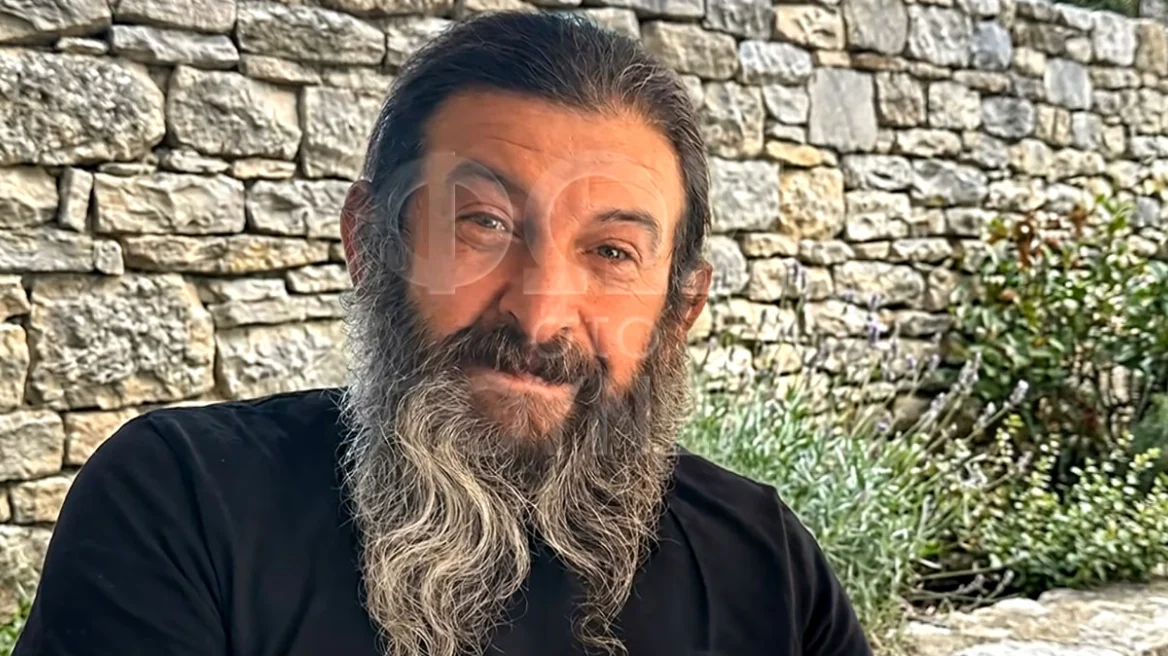
Ο μοναχός Ιωσήφ, κατά κόσμον Νικόλαος Τσιγκόζης, είναι 58 ετών και έχει ύψος περίπου 1,64 μέτρα. Έχει μακριά γκρίζα μαλλιά, τα οποία συνήθως πιάνει σε κοτσίδα, γκρίζο μουστάκι, κοντοκουρεμένο μούσι και πράσινα μάτια. Είναι κανονικού σωματικού βάρους. Σύμφωνα με όσα έχουν γίνει γνωστά, κατά την επίσκεψη του άνδρα που του έμοιαζε στο ελληνικό Προξενείο δεν φορούσε μοναχικά ράσα, στοιχείο που ενδέχεται να δυσχεραίνει την αναγνώρισή του από ανθρώπους που γνωρίζουν μόνο τη μοναχική του εμφάνιση.

Η οικογένεια απευθύνει έκκληση σε όποιον μπορεί να έχει πληροφορίες για τις κινήσεις του στην Τουρκία ή γνωρίζει εάν βρίσκεται σε κάποιο μοναστήρι ή ασκητήριο να επικοινωνήσει με τις αρμόδιες Αρχές. Σχεδόν τρεις μήνες μετά την αναχώρησή του, το βασικό ερώτημα παραμένει αναπάντητο: Κατάφερε ο μοναχός Ιωσήφ να φτάσει στον Πόντο και να πραγματοποιήσει το όνειρό του ή συνέβη κάτι που διέκοψε το ταξίδι του; Για τους δικούς του ανθρώπους, το μόνο που έχει σημασία είναι να υπάρξει ένα σημάδι ζωής και να μάθουν ότι ο 58χρονος είναι ασφαλής.

protothema.gr
Συνέχεια ανάγνωσης

Γενικά θέματα

Η πετρελαϊκή «μάχη» που ενώνει Τραμπ-Πούτιν και δισεκατομμυριούχους του Κόλπου

Οι συνομιλίες της κυβέρνησης του Ντόναλντ Τραμπ με τη Ρωσία για τον τερματισμό του πολέμου στην Ουκρανία έχουν διευρυνθεί και περιλαμβάνουν πλέον μια υπό διαπραγμάτευση συμφωνία δισεκατομμυρίων δολαρίων για την εξαγορά διεθνών περιουσιακών στοιχείων της ρωσικής πετρελαϊκής εταιρείας Lukoil, σύμφωνα με δημοσίευμα των «New York Times».
Δημοσιεύτηκε

στις

από τον

Οι συνομιλίες της κυβέρνησης του Ντόναλντ Τραμπ με τη Ρωσία για τον τερματισμό του πολέμου στην Ουκρανία έχουν διευρυνθεί και περιλαμβάνουν πλέον μια υπό διαπραγμάτευση συμφωνία δισεκατομμυρίων δολαρίων για την εξαγορά διεθνών περιουσιακών στοιχείων της ρωσικής πετρελαϊκής εταιρείας Lukoil, σύμφωνα με δημοσίευμα των «New York Times».

Η συμφωνία, η οποία δεν έχει ακόμη οριστικοποιηθεί και τελεί υπό την αίρεση της έγκρισης της αμερικανικής κυβέρνησης και του Κρεμλίνου, αφορά ένα εκτεταμένο χαρτοφυλάκιο πετρελαιοπηγών, διυλιστηρίων και πρατηρίων καυσίμων της Lukoil σε διάφορες χώρες.

Σύμφωνα με τους «New York Times», στο επίκεντρο της υπόθεσης βρίσκεται κοινοπραξία με επικεφαλής τον Αμερικανό επενδυτή Τοντ Μπόελι, στην οποία συμμετέχουν επίσης επενδυτικοί όμιλοι από τη Μέση Ανατολή. Στην προτεινόμενη συμφωνία συμμετέχει και η αμερικανική κυβέρνηση, μέσω της U.S. International Development Finance Corporation (DFC).

 Στο τραπέζι των συνομιλιών Τραμπ-Πούτιν

Οι πολύμηνες διαπραγματεύσεις, σύμφωνα με οκτώ πρόσωπα με γνώση της υπόθεσης που επικαλούνται οι «New York Times», συνδέονται με την ευρύτερη προσπάθεια της κυβέρνησης Τραμπ να αποκαταστήσει οικονομικούς δεσμούς με τη Ρωσία στο πλαίσιο των συνομιλιών για τον τερματισμό του πολέμου στην Ουκρανία.

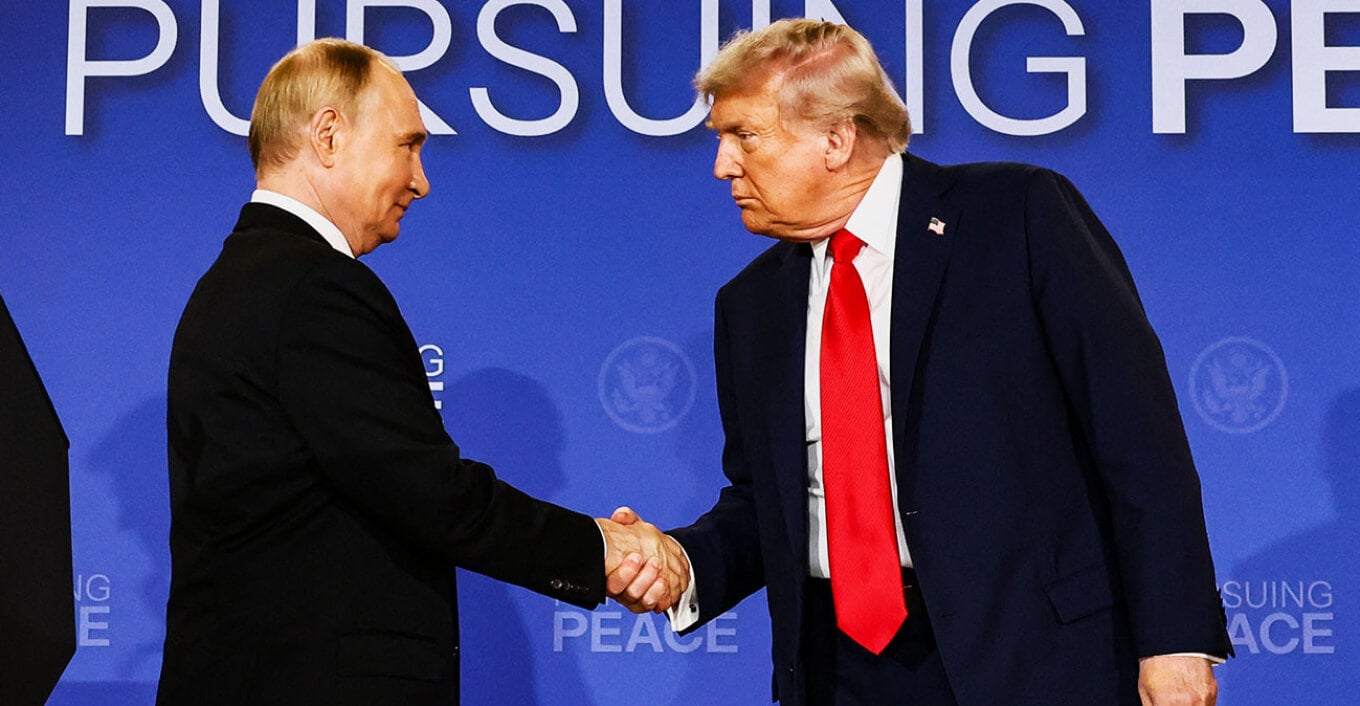
Το ζήτημα της Lukoil φέρεται να τέθηκε από τον Βλαντιμίρ Πούτιν κατά τη συνάντησή του με τους Αμερικανούς διαπραγματευτές Στιβ Γουίτκοφ και Τζάρεντ Κούσνερ στο Κρεμλίνο, στις 5 Σεπτεμβρίου. Σύμφωνα με πηγή που επικαλείται η αμερικανική εφημερίδα, ο Ρώσος πρόεδρος πρότεινε την προώθηση της συμφωνίας ως ένδειξη ότι η Ρωσία και οι Ηνωμένες Πολιτείες μπορούν να συνεργαστούν επιχειρηματικά.

Οι Αμερικανοί διαπραγματευτές φέρεται να απάντησαν ότι θα εργαστούν για την προώθηση της συμφωνίας, τόσο ως ένδειξη «καλής θέλησης» προς το Κρεμλίνο όσο και με στόχο τη μείωση των διεθνών τιμών ενέργειας.

Η ενδεχόμενη συμφωνία παρουσιάζει ιδιαίτερο οικονομικό ενδιαφέρον για τους υποψήφιους αγοραστές. Η έγκρισή της από τις Ηνωμένες Πολιτείες θα μπορούσε να οδηγήσει στην απελευθέρωση των ρωσικών περιουσιακών στοιχείων από τις αμερικανικές κυρώσεις, αυξάνοντας παράλληλα την αξία τους.

 Οι διασυνδέσεις των επενδυτών

Στην κορυφή της κοινοπραξίας βρίσκεται ο Αμερικανός επενδυτής Τοντ Μπόελι, συνιδιοκτήτης των Los Angeles Dodgers και γνωστός υποστηρικτής του Τραμπ. Στο επενδυτικό σχήμα συμμετέχουν επίσης επιχειρηματικοί όμιλοι από το Κατάρ και τα Ηνωμένα Αραβικά Εμιράτα.

Οι «New York Times» επισημαίνουν ότι ορισμένοι από τους επενδυτές διατηρούν επιχειρηματικές σχέσεις με πρόσωπα που βρίσκονται κοντά στην κυβέρνηση Τραμπ.

Μεταξύ αυτών είναι οι αδελφοί Μουτάζ και Ράμεζ αλ-Χαγιάτ από το Κατάρ, οι οποίοι έχουν συνεργαστεί με τον Τζάρεντ Κούσνερ και την Ιβάνκα Τραμπ για τη χρηματοδότηση επενδυτικού σχεδίου στην Αλβανία.

Στην κοινοπραξία συμμετέχει επίσης επενδυτικό ταμείο με έδρα το Αμπού Ντάμπι, το οποίο ελέγχεται από τον σεΐχη Ταχνούν μπιν Ζαγιέντ Αλ Ναχιάν, σύμβουλο εθνικής ασφάλειας των Ηνωμένων Αραβικών Εμιράτων. Ο ίδιος συνδέεται με επενδύσεις στην World Liberty Financial, την εταιρεία κρυπτονομισμάτων της οικογένειας Τραμπ.

Παράλληλα, επενδυτικό ταμείο που συνδέεται με τον σεΐχη Ταχνούν αποτελεί σημαντικό μέτοχο της εταιρείας private equity που ίδρυσε ο Κούσνερ μετά την αποχώρησή του από τον Λευκό Οίκο.

 Τα ερωτήματα για πιθανές συγκρούσεις συμφερόντων

Οι διασυνδέσεις αυτές έχουν προκαλέσει ερωτήματα σχετικά με το κατά πόσο προσωπικές επιχειρηματικές σχέσεις μπορεί να διασταυρώνονται με τη διαδικασία λήψης αποφάσεων για μια συμφωνία που συνδέεται με την αμερικανική εξωτερική πολιτική.

Οι «New York Times» αναφέρουν ότι δεν υπάρχει ένδειξη πως ο Γουίτκοφ ή ο Κούσνερ πρόκειται να αποκομίσουν προσωπικό οικονομικό όφελος από τη συμφωνία. Ωστόσο, η υπόθεση έχει εγείρει ζητήματα σχετικά με τις σχέσεις μεταξύ των εμπλεκόμενων επιχειρηματιών και προσώπων του στενού περιβάλλοντος του Τραμπ.

Η Χούι Τσεν, πρώην εισαγγελέας και σύμβουλος σε θέματα οικονομικού εγκλήματος και δεοντολογίας, χαρακτήρισε τις διασυνδέσεις «ανησυχητικές» και έθεσε το ερώτημα κατά πόσο προσωπικά συμφέροντα θα μπορούσαν να επηρεάσουν την αξιολόγηση των υποψήφιων αγοραστών.

Από την πλευρά του, εκπρόσωπος του Γουίτκοφ απέρριψε οποιοδήποτε ζήτημα σύγκρουσης συμφερόντων, υποστηρίζοντας ότι ο Αμερικανός διαπραγματευτής δεν λαμβάνει μισθό και καλύπτει ο ίδιος τα έξοδα των ταξιδιών του στο πλαίσιο της αποστολής του για λογαριασμό του Τραμπ.

Η κούρσα για τα περιουσιακά στοιχεία της Lukoil

Η Lukoil είχε θέσει προς πώληση τα διεθνή περιουσιακά της στοιχεία μετά την επιβολή αμερικανικών κυρώσεων. Αρκετοί υποψήφιοι αγοραστές είχαν εκδηλώσει ενδιαφέρον, μεταξύ των οποίων και μεγάλοι αμερικανικοί ενεργειακοί όμιλοι.

Τον Ιανουάριο, η επενδυτική εταιρεία Carlyle είχε καταλήξει σε προκαταρκτική συμφωνία για την εξαγορά σημαντικού μέρους του διεθνούς χαρτοφυλακίου της Lukoil. Η συμφωνία, ωστόσο, δεν ολοκληρώθηκε, καθώς απαιτούσε την έγκριση της αμερικανικής κυβέρνησης.

Στη συνέχεια, ο όμιλος υπό τον Μπόελι εμφανίστηκε ως ένας από τους βασικούς διεκδικητές των περιουσιακών στοιχείων.

Η αξία των διεθνών περιουσιακών στοιχείων της Lukoil είχε υπολογιστεί από την ίδια την εταιρεία σε περίπου 20 δισ. δολάρια στις αρχές του έτους. Ωστόσο, οι οικονομικοί όροι της υπό διαπραγμάτευση συμφωνίας δεν έχουν γίνει γνωστοί.

 Ο ρόλος της αμερικανικής κυβέρνησης

Η αμερικανική κυβέρνηση συμμετέχει στην προτεινόμενη συμφωνία μέσω της U.S. International Development Finance Corporation, η οποία επενδύει και παρέχει χρηματοδότηση για έργα στο εξωτερικό.

Αμερικανός αξιωματούχος δήλωσε ότι μια ενδεχόμενη συμφωνία για τη Lukoil θα μπορούσε να ενισχύσει την οικονομική ασφάλεια των ΗΠΑ, να εξυπηρετήσει στόχους της αμερικανικής εξωτερικής πολιτικής και να συμβάλει στη μείωση του ενεργειακού κόστους για τους Αμερικανούς.

Η συμφωνία, ωστόσο, χρειάζεται την έγκριση του αμερικανικού υπουργείου Οικονομικών, το οποίο είναι αρμόδιο για την εφαρμογή των κυρώσεων κατά της Ρωσίας.

 Η ενεργειακή διάσταση

Στο υπό διαπραγμάτευση χαρτοφυλάκιο περιλαμβάνονται διυλιστήρια της Lukoil στην Ολλανδία, τη Βουλγαρία και τη Ρουμανία, καθώς και άλλες ενεργειακές υποδομές και πρατήρια καυσίμων σε διάφορες χώρες.

Η ενεργειακή διάσταση αποκτά ιδιαίτερη σημασία καθώς η κυβέρνηση Τραμπ έχει επανειλημμένα υποστηρίξει ότι η αποκατάσταση οικονομικών σχέσεων με τη Ρωσία θα μπορούσε να λειτουργήσει ως κίνητρο για τη Μόσχα ώστε να προχωρήσει σε συμβιβασμούς για τον τερματισμό του πολέμου στην Ουκρανία.

Ο Ρώσος οικονομικός απεσταλμένος Κίριλ Ντμίτριεφ έχει επίσης εμπλακεί στη διαδικασία, ενώ, σύμφωνα με τους «New York Times», έχει δηλώσει ότι ο διάλογος ΗΠΑ-Ρωσίας συνεχίζεται σε πολλούς τομείς, μεταξύ των οποίων και η ενέργεια.

Η συμφωνία για τη Lukoil παραμένει, πάντως, ανοικτή και δεν έχει οριστικοποιηθεί. Η τελική απόφαση θα εξαρτηθεί από τις απαιτούμενες εγκρίσεις των αμερικανικών αρχών και της ρωσικής πλευράς.

skpress.gr

Συνέχεια ανάγνωσης

Γενικά θέματα

Πώς μια «Ελληνίδα» έγινε το «θεμέλιο» της Εθνικής Πινακοθήκης της Ουγγαρίας

Στον πρώτο όροφο της Πινακοθήκης συναντήσαμε την «Ελληνίδα». Πρόκειται για ένα έργο του Jakob Marastoni (1804-1860), ενός ζωγράφου ιταλικής καταγωγής που εγκαταστάθηκε και εργάστηκε στην Πέστη και έγινε μία από τις σημαντικότερες μορφές στην ιστορία της ουγγρικής τέχνης.
Δημοσιεύτηκε

στις

από τον

Πριν λίγο καιρό επισκεφθήκαμε την Εθνική Πινακοθήκη της Ουγγαρίας στη Βουδαπέστη, ένα από τα πλέον σημαντικά μουσεία της χώρας, στο οποίο παρουσιάζεται με μοναδικό τρόπο η εξέλιξη της ουγγρικής εικαστικής τέχνης από τον 11ο αιώνα μέχρι σήμερα. Βρίσκεται στο Βασιλικό Ανάκτορο του Κάστρου της Βούδας και ιδρύθηκε το 1957 με βάση κυρίως τις ουγγρικές συλλογές του Μουσείου Καλών Τεχνών. Η συλλογή της περιλαμβάνει περίπου 110.00 έργα.

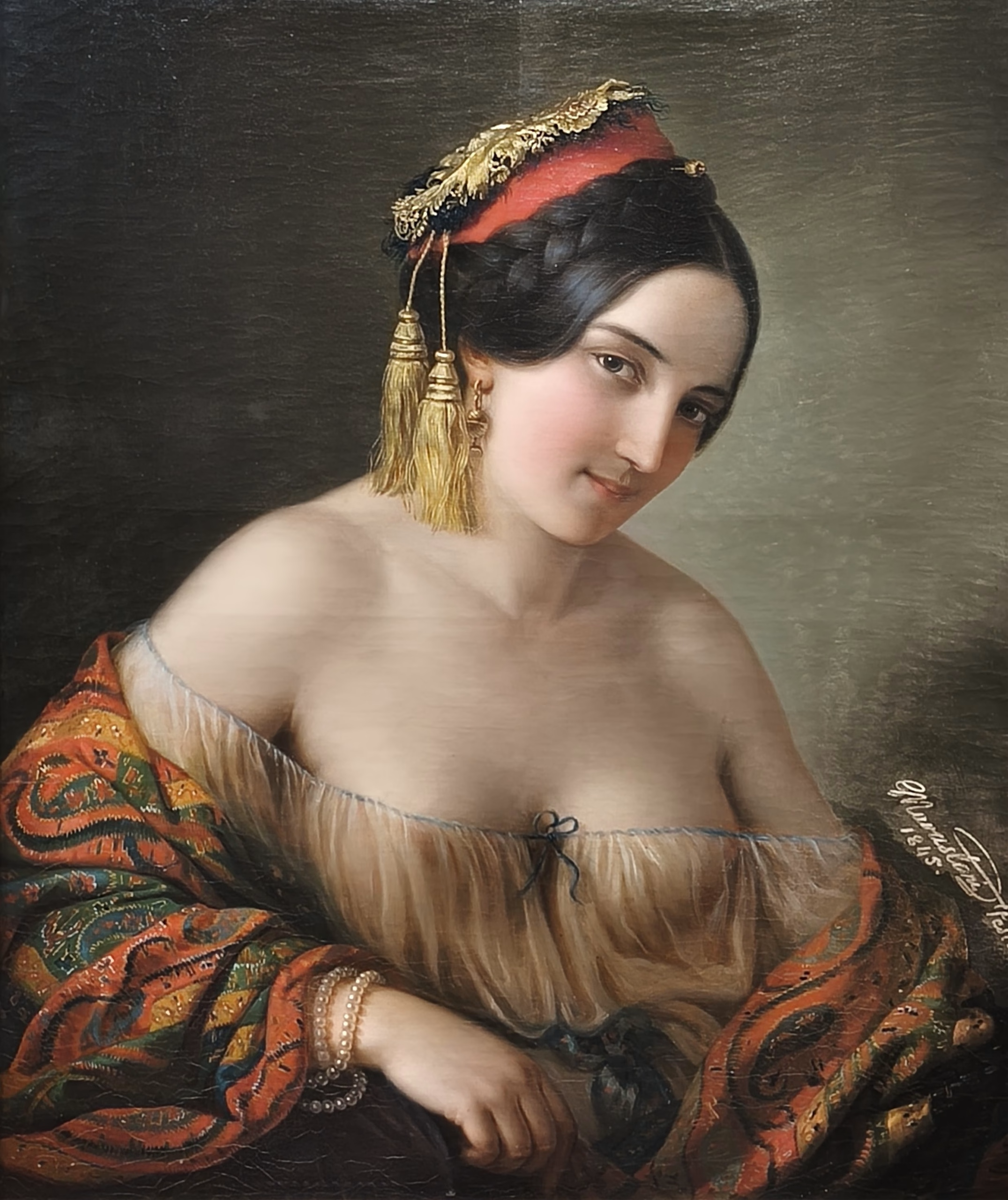
Στον πρώτο όροφο της Πινακοθήκης συναντήσαμε την «Ελληνίδα». Πρόκειται για ένα έργο του Jakob Marastoni (1804-1860), ενός ζωγράφου ιταλικής καταγωγής που εγκαταστάθηκε και εργάστηκε στην Πέστη και έγινε μία από τις σημαντικότερες μορφές στην ιστορία της ουγγρικής τέχνης.

Το έργο του με τίτλο «Ελληνίδα», φιλοτεχνημένο το 1845, θεωρείται εξαιρετικά σημαντικό για τη δημιουργία της συλλογής της Ουγγρικής Εθνικής Πινακοθήκης. Είναι το πρώτο έργο που σηματοδότησε την έναρξη της συστηματικής συλλογής ουγγρικής ζωγραφικής στα εθνικά ιδρύματα.⁠ Είναι επίσης το πιο γνωστό και εμβληματικό έργο του ζωγράφου.

Οι διαστάσεις του είναι 77Χ61,5 cm περίπου. Το μοντέλο δεν είναι Ελληνίδα, αλλά η σύζυγος του Marastoni, η Giovanna Bianchi, με καταγωγή από τη Βενετία. Ο ζωγράφος την απεικόνισε με παραδοσιακή (ή φανταστική) ελληνική φορεσιά της εποχής, σύμφωνα με τη μόδα του ρομαντισμού. Η εικόνα συνδυάζει εξωτισμό, ελαφρύ ερωτισμό και ιδανική ομορφιά.

Η ιστορία

Το 1845 η Pest Art Society — η πρώτη καλλιτεχνική εταιρεία στην Ουγγαρία — αγόραζε κάθε χρόνο ένα έργο από την ετήσια έκθεσή της για να το δωρίσει στο Ουγγρικό Εθνικό Μουσείο, το οποίο τότε περιλάμβανε και την πινακοθήκη.

Η «Ελληνίδα» του Marastoni ήταν αυτό που επέλεξαν και δώρισαν τον Νοέμβριο του 1845. Έτσι, καταγράφηκε ως το πρώτο έργο στη συλλογή ζωγραφικής του μουσείου.⁠ Το Εθνικό Μουσείο είχε ήδη κάποιες δωρεές, αλλά η συστηματική συλλογή ουγγρικής τέχνης ξεκινάει ουσιαστικά με αυτό το έργο. Η Εθνική Πινακοθήκη κληρονόμησε αυτή τη συλλογή από το Εθνικό Μουσείο.

Η επιλογή του προκάλεσε έντονες συζητήσεις και αποτέλεσε το «πρώτο καλλιτεχνικό σκάνδαλο» της εποχής, λόγω του ερωτισμού που απέπνεε το μοντέλο. Ωστόσο ο πίνακας αυτός ήταν και ιδιαίτερα δημοφιλής, κάτι που ενίσχυσε την εθνική συζήτηση για την τέχνη.⁠

Σήμερα, το έργο παραμένει εμβληματικό και εκτίθεται συχνά ως αφετηρία της συλλογής ζωγραφικής του 19ου αιώνα στην Πινακοθήκη. Συμβολίζει το πώς η ουγγρική τέχνη χτίστηκε με συνεισφορές από ξένους καλλιτέχνες που ενσωματώθηκαν στη χώρα, όπως ο Marastoni.

Η δημιουργία της Πινακοθήκης

Αν κάνετε περίπατο στην οδό Deák Ferenc στο κέντρο της πόλης ίσως αξίζει κάποιες φορές να σηκώσετε το βλέμμα πάνω από τις βιτρίνες των καταστημάτων. Το βλέμμα σας θα συναντήσει όχι μόνο κλασικές προσόψεις, αλλά και αναμνηστικές πλάκες, όπως για παράδειγμα εκείνη στον αριθμό 21, όπου αναγράφεται: «Η Πρώτη Ουγγρική Ακαδημία Ζωγραφικής – ιδρυθείσα από τον Jakab Marastoni».

Η Πέστη του 19ου αιώνα ήταν μια πραγματικά πολυπολιτισμική πόλη. Γερμανοί, Ούγγροι, Έλληνες, Ιταλοί, Σέρβοι και πολλές άλλες μικρότερες εθνότητες ζούσαν εδώ δίπλα-δίπλα ειρηνικά. Ο καθένας καλλιεργούσε τον δικό του πολιτισμό, αλλά ένα πράγμα τους ένωνε: όλοι ήθελαν να είναι και Ούγγροι και επιδίωκαν να υπηρετήσουν τον ουγγρικό πολιτισμό με τις δραστηριότητές τους.

Εκείνη την εποχή ο Marastoni υπέβαλε την αίτησή του για την ακαδημία ζωγραφικής στο Βασιλικό Συμβούλιο των Κυβερνητών, όταν ιδρύθηκε εντός του Ουγγρικού Εθνικού Μουσείου ο Σύλλογος Εθνικής Πινακοθήκης, ένα «τμήμα που συνέλεγε αποκλειστικά ουγγρική ζωγραφική».

Όλα αυτά συνέβησαν το 1845 και αυτή η μεγάλη πολιτιστική δραστηριότητα μπορεί να ήταν αποτέλεσμα του γεγονότος ότι εκείνη τη χρονιά το Εθνικό Μουσείο ήθελε να τιμήσει δεόντως την πεντηκοστή επέτειο της ανάληψης καθηκόντων του αρχιδούκα Ιωσήφ της Αυστρίας.

Ο σύλλογος που έφερε το όνομα του αρχιδούκα εγκρίθηκε τελικά από το Βασιλικό Συμβούλιο των Κυβερνητών τον Σεπτέμβριο του 1845. Η Εθνική Πινακοθήκη του αρχιδούκα Ιωσήφ μπορεί, επομένως, να θεωρηθεί ως το πρώτο εθνικό ίδρυμα που συνέλεγε ουγγρικούς πίνακες.

Η πινακοθήκη δέχθηκε δωρεές έργων τόσο από συλλόγους, όσο και από ιδιώτες, και ανάμεσά τους το σημαντικότερο ήταν το έργο του Jakab Marastoni «H Ελληνίδα», το οποίο δωρήθηκε στην πινακοθήκη τον Νοέμβριο του 1845 από την Καλλιτεχνική Εταιρεία της Πέστης. Έτσι, μπορεί να πει κανείς ότι η ιστορία της μουσειακής συλλογής ουγγρικής ζωγραφικής ξεκίνησε με την «Ελληνίδα».

Αλλά γιατί μια Ελληνίδα; Το σύγχρονο (όχι αρχαίο) ελληνικό θέμα εμφανίστηκε στην ευρωπαϊκή ζωγραφική με την Ελληνική Επανάσταση ενάντια στην Οθωμανική Αυτοκρατορία τη δεκαετία του 1820. Φυσικά, οι συμπάθειες του ευρωπαϊκού ρομαντισμού προς τους Έλληνες άσκησαν επιρροή και στην ουγγρική τέχνη.

Οι Έλληνες, και ιδιαίτερα οι Ελληνίδες, αποτελούσαν συχνά θέμα στην ουγγρική ζωγραφική του 19ου αιώνα, και κατά μία έννοια η «Ελληνίδα» κατέληξε να αντιπροσωπεύει ένα εξωτικό θέμα αρωματισμένο με ερωτισμό.

Και αν σήμερα βρίσκουμε την «Ελληνίδα» να αποκαλύπτει ανοιχτά την ομορφιά και τη γοητεία της, δεν πρέπει να ξεχνάμε ότι επρόκειτο για θέμα μόδας. Και όσο κι αν μας γνέφει σαγηνευτικά αυτή η όμορφη γυναίκα, με την ιστορική έννοια το έργο αυτό είναι ένα από τα σημαντικότερα της ουγγρικής μουσειολογίας.

Ο ζωγράφος

Ο Jakab Marastoni (Giacomo Marastoni) γεννήθηκε το 1804 στη Βενετία και σπούδασε στην περίφημη Ακαδημία Καλών Τεχνών.

Ταξίδεψε στη Βιέννη στις αρχές της δεκαετίας του 1830, πέρασε από τη σημερινή Μπρατισλάβα το 1833 και εγκαταστάθηκε οριστικά στην Πέστη το 1836. Έγινε περιζήτητος πορτρετίστας μεταξύ αριστοκρατικών και αστικών οικογενειών, αλλά και κατά τη διάρκεια κοινοβουλευτικών συνεδριάσεων.⁠

Το 1846 ίδρυσε την Πρώτη Ουγγρική Ακαδημία Ζωγραφικής στην Πέστη – την πρώτη ιδιωτική σχολή αποκλειστικά για ζωγραφική στην Ουγγαρία. Ανάμεσα στους μαθητές του περιλαμβάνονται σημαντικοί Ούγγροι καλλιτέχνες όπως ο Károly Lotz, ο Mihály Zichy, ο Soma Orlai Petrich κ.ά. Το 1846 έγινε Επίτιμος Πολίτης της Πέστης.

Στα τελευταία χρόνια της ζωής του ασχολήθηκε με την δαγκεροτυπία ήταν ο πρώτος επαγγελματίας αυτής της τεχνικής στην Ουγγαρία. Πέθανε σε ψυχιατρική κλινική και η σχολή του έκλεισε λίγο μετά.

tovima.gr
Συνέχεια ανάγνωσης

ΡΟΗ ΕΙΔΗΣΕΩΝ

Αναλύσεις11 λεπτά πριν

Από τη Σαρία στην Ατομική Ελευθερία; Η Αλλαγή που Συντελείται στη Μέση Ανατολή

Μεταξύ 2000 και 2020, επέβλεψα μια σειρά ερευνών στη Μέση Ανατολή, πραγματοποιώντας προσωπικές συνεντεύξεις με αντιπροσωπευτικά δείγματα πληθυσμού σε πέντε...
Αναλύσεις41 λεπτά πριν

FT: Πώς υπνοβατούμε προς τον Γ΄ Παγκόσμιο Πόλεμο!

Το αεροδρόμιο του Ριάντ κλείνει έπειτα από φονικές πυραυλικές επιθέσεις. Ρωσία – Ουκρανία ανταλλάσσουν πολύνεκρα πλήγματα. Η Πολωνία προειδοποιεί για...

Newsroom1 ώρα πριν

Project Bromo: Η Ευρώπη επιταχύνει τη δημιουργία διαστημικού γίγαντα απέναντι στη SpaceX

Η Ευρωπαϊκή Επιτροπή επιδιώκει να επιταχύνει την αντιμονοπωλιακή αξιολόγηση της συμφωνίας μεταξύ Airbus, Thales και Leonardo. Ο νέος όμιλος, με...
Αναλύσεις1 ώρα πριν

350 Δισ. Δολάρια στην Αμερική: Η Νότια Κορέα ενεργοποιεί τη μεγαλύτερη στρατηγική επένδυση της συμμαχίας τους

Καθώς στη Σεούλ διατυπώνονται επικρίσεις σχετικά με τους κινδύνους και την εποπτεία των επενδύσεων αυτών, ενώ οι ενδιάμεσες εκλογές στις...
Αναλύσεις2 ώρες πριν

«Εδώ αρμόδιος είμαι εγώ»: Η τουρκική υστερία για τις NAVTEX και το ευρωπαϊκό πλέγμα προστασίας του GSI

Ως νέα αναμέτρηση για τον έλεγχο της Ανατολικής Μεσογείου παρουσιάζει ο τουρκικός Τύπος την αντιπαράθεση Ελλάδας και Τουρκίας με αφορμή...

Δημοφιλή