Αναλύσεις
The Fall of Assad: Domestic, Regional and Systemic Shockwaves

The dramatic downfall of the Assad regime — overrun by the Islamist militia Tahrir al-Sham, an offshoot of the al-Nusra Front — was an unexpected turn of events. The speed with which it unraveled under fire like a house of cards was also a major surprise. The Syrian government seemed resilient enough to withstand the simultaneous challenge of internal antagonists and external pressures, until it was not. Such an episode can be regarded as a textbook example of what is known in the field of strategic intelligence as a ‘black swan,’ an occurrence difficult to anticipate whose shockwaves carry profound game-changing ramifications. Such regime change in Syria also represents a Pandora box which can eventually emit seismic ripples with unforeseen outcomes, engulfing both the leading protagonists and those operating behind the scenes.
Moreover, it happened in an environment in which systemic anarchy is running amok in a way not seen in generations. This reality is reflected in the outbreak of hostilities, simmering military tensions, heightened great power rivalries, political upheaval and the escalation of existing wars in various pivotal corners of the planet. The burial of the so-called ‘rules-based order’ has brought an era in which power is the only valid currency of the realm. The zeitgeist of world history points again towards the direction of violence, struggle, and chaos. From a long-range perspective, such tragedy is business as usual, but such rampant turmoil is a rude awakening for those whose worldview was influenced by the overoptimistic and misplaced expectations that flourished in the early post-Cold War era. The dust is not yet settling in the Syrian wasteland, but an assessment of Assad’s downfall is needed to clarify the implications and aftermath, as well as to determine in what ways it changes the balance of power locally, across the region and on a global scale.
In a way similar to Dante’s metaphorical vision of hell, the Syrian civil war that erupted in 2011 has operated like a concentric conflict which involves a series of juxtaposed confrontations. In the immediate local sphere, the secular strongman rule of the Assad regime had been contested by an opposition integrated mostly by Wahhabi militias. In the larger Middle Eastern theatre of engagement, regional players had been interfering through proxies, covert operations or direct interventions. And in the most consequential dimension of this flashpoint, the world’s major powers have been mobilizing their pieces to alter the balance of power in the global chessboard of strategic geopolitics.
Forces of Entropy on the Domestic Front
Henry Kissinger is reputed to have remarked that — with the exception of historically organic polities like Egypt, Iran, and Israel — the rest of Middle Eastern ‘states’ are little more than tribes with flags. Syria can arguably be classified as an example of such artificial states. Although it had a background as a prosperous Roman, Byzantine, and Ottoman province, modern Syria is a result of the Sykes-Picot agreement. Under the terms of the agreement, negotiated in secret, the British and the French enacted the redistribution of spheres of influence following the demise of the Ottoman Empire in War World I. The treaty ushered in a Syrian state born of an uneasy amalgam of heterogenous groups with few common denominators — incorporating Sunni Arabs, Shiites, Alawites, Christians, Druze, Kurds and Turks, amongst others — that do not conceal their contempt for one another as a result of ancient animosities that constantly resurface.
The regime built after the coup d’état carried out by Hafez Al-Assad in 1971 brought to power a coalition of Alawites (who dominated the higher echelons of the military, intelligence and national security apparatus) and a wealthy Sunni merchant class. This arrangement relied on the secular ideology of Ba’athist Arab nationalism to justify its existence. However, the rural Sunni underclass resented the rule of the Alawites, regarded as heretics for aspects of their beliefs that deviate from hardline interpretations of Sharia law.
The tyrannical government of the elder Assad and the clannish inclination of the Alawites did not help either. In turn, the founding father of the Assad dynasty thought that the masses of Sunni peasants were bloodthirsty barbarians that could only understand the language of force. The Salafists — affiliated with branches of the Muslim Brotherhood — intermittently challenged what they saw as a Godless regime in bed with foreign Marxists (Syria was a de facto Soviet partner during the Cold War), but their uprisings were crushed with the full coercive power of the state more than once. Despite its economic mismanagement and questionable political legitimacy, the regime proved to be resilient. Yet, the unnatural despotic rule of a minority elite over a majority whose numbers are vastly superior is frail in any polity.
End of the Assad Era
Political discontent, regional unrest throughout the MENA region, and worsening economic hardship at home triggered another attempt to bring down the regime in 2011, now under the control of Bashar Assad, the heir to the throne. Thanks to the supportive deployment of hard power provided by Russia, Iran, and Hezbollah, the Syrian government managed to prevail in an uphill battle, though its weakened position was not strong enough to impose a Carthaginian peace.
Early opportunities ultimately slipped away: Assad’s victories on the battlefield were not accompanied by a comprehensive upgrade of military preparedness. Nor did the regime restore its battered legitimacy through improvements in economic prosperity, law enforcement, internal order, effective governance, or political solutions. With its war chest badly depleted, the Syrian government also lacked the money to fund an ambitious reconstruction program. Yet, the regime’s temporary position of relative strength at home and the prospect of disengaging it from Tehran’s strategic orbit through diplomatic negotiations were encouraging its rehabilitation across the Arab world.
In this present historical moment, opposition forces — bolstered by fighters from close and remote corners of the Muslim world — saw a window of opportunity worth seizing upon, realizing that the Russians, Iranians, and Hezbollah were in no position to protect Assad if hostilities were reignited. Demoralized and underpaid, the Syrian Arab Army did not put much of a fight. In fact, there was not even a last stand. The resolve and morale of the rebels proved to be far stronger. In a matter of days, Damascus was overrun by Assad’s enemies and he had no choice but to flee or risk facing a fate similar to Colonel Gadhafi or Saddam Hussein. In the psychological domain, the collapse of the Assad regime in Syria — the last stronghold of Ba’athism — is also significant because sounds the death knell of this ideology as a result of its multiple political, military and economic failures.
It is unknown if the Syrian state will survive or fall apart through its fragmentation into lesser statelets, each with its own strategic orientation and geopolitical alignments. The regime was already dysfunctional, but it had averted its collapse. The rebels that have taken over have promised to moderate their positions and accommodate the needs of heterogeneous communities, but — considering the accumulation of revanchist sentiments and the involvement of various incompatible geopolitical interests — sectarian conflict is likely to persist. The rebels were able to defeat a regime that had become a shadow of its former self as a result of a prolonged attrition, but their material readiness and political capital to pacify and then unify a country (far larger than Lebanon) that has become increasingly unruly are questionable, to put it charitably. Sectarian bloodletting, tribal disputes, militant agitation and warlordism will probably continue for a foreseeable future and maybe even intensify. In this regard, Syria’s fate will likely be no different than those of Lebanon and Libya. The residual remnants of what is left of post-Assad Syria will go either to the strongest or to the last man standing.
A Reshuffled Middle Eastern Chessboard
The second layer of the Syrian civil war features the intervention of three regional powers that aspire for a higher geopolitical position. Driven by revival of the Persian imperial tradition — and facilitated by clumsy US military interventions in Afghanistan and Iraq — Iran has sought to assert itself as the leading hegemon in the Greater Middle East. Through a constellation of proxies and clients (many of which embrace Shiite millenarism), Iran has nurtured the rise of an ‘Axis of Resistance’ under its tutelage. Syria was absorbed by the gravitational pull of the Iranians as a gateway to reach the Mediterranean, encircle both Saudi Arabia and Israel, instigate regime change in Arab states aligned with the West (such as the Gulf petro-monarchies and Jordan) and establish supply lines to bolster the operational capabilities of the Lebanese Shiite militia Hezbollah. Since October 2023, the rivalry between Israel and Iran-led regional bloc has become increasingly violent. Jerusalem and Tehran have clashed in secondary battlespaces and they have even exchanged fire in a direct way more than once in a tense security competition over escalation dominance. The spillover of this confrontation has been felt with particular ferocity in Syria. The mobilization of Iranian assets and proxies has been met with Israeli airstrikes against Iranian facilities and personnel. Israel has hit Hezbollah with targeted assassinations and highly unconventional attacks.
For Iran, the fall of Assad is a major setback. Without Iranian suzerainty over Syria, Tehran’s ability to influence the Levant is severely compromised. After the demise of the Syrian regime and the debilitating impact of Israeli attacks against the Islamic Republic’s regional partners, the Iranian dream to establish a Shiite Crescent is vanishing unless the pendulum moves in a another direction before it is too late. Even worse for the Ayatollahs, the triumphal proliferation of Salafism means trouble closer to home (in Iraq) and even in Iran itself. Another implication is the loss of reputational prestige for the Iranians as reliable security guarantors of their partners. Unsurprisingly, an Iran that feels cornered by enemies will likely conclude that it has no choice but to double down on the pursuit of nuclear weapons rather than to make concessions, let alone capitulate. In addition, the ‘loss’ of Syria shatters the Iranian project to build pipelines that can deliver natural gas to European consumer markets.
The Israelis on the other hand maintained an ambivalent view of the Assad regime. They rejected its close ties to Hezbollah and they made sure to express such disapproval in an outspoken way through frequent airstrikes and a discreet support for Syrian rebels, notwithstanding their connections to transnational Sunni jihadism. Even though Israeli jets threateningly buzzed the Presidential palace in Damascus in order to demonstrate military superiority, Jerusalem was careful not to topple the Syrian government. After all, Assad was much more focused on his internal enemies than quixotic crusades against Zionism. From the Israeli perspective, it was better to have a weak and predictable Syria as a neighbor rather than face the problematic uncertainty of the unknown.
This explains why — as soon as Assad was gone — Israel decimated much of Syria’s defense infrastructure, including fighters, radar facilities, naval bases, airfields, tanks, military factories and heavy weaponry such as missiles. With these attacks, Israel ensures that — regardless of who is in charge in Damascus — Syria cannot pose any meaningful threat any time soon. As a result, the new Syrian government will inherit downgraded military capabilities. Moreover, the Israel Defense Forces (IDF) mobilized troops in order to capture Mount Hermon and the Syrian side of the Golan Heights. The point of such intervention is not to take a sides in Syria’s domestic political situation, but to increase Isarel’s military buffer zones in order to gain further strategic depth and to acquire more territorial Lebensraum for the Israeli state. Israeli government spokesmen claim that this presence is temporary but — considering current geopolitical trajectories, existing facts on the ground, and the hawkish Messianic profile of the Netanyahu administration — those statements are hardly credible.
Finally, Turkey is perhaps the clearest winner in the wake of Assad’s departure. Turkey is often accused by both Western and Eastern powers of duplicitous behavior. Yet, such accusations miss the point that the Turks are only aligned with their own interests. Under the leadership of aggressive statesmen like Recep Tayyip Erdoğan and spymaster Hakan Fidan, Turkey has —through a steady clandestine support for Islamist militias — sought to dismantle the territorial integrity of the Syrian state in order to carve out an outpost to project influence in the Levant, strengthen the prestige of its influence throughout the Sunni world and, perhaps more importantly, develop an offensive spearhead from which Kurdish attempts to create an independent state can be pre-emptively undermined, by military force if necessary. These policy objectives would be accomplished with either the establishment of a Turkish satrapy in Northern Syria or an outright annexation. In other words, for Ankara this intervention responds to both offensive and defensive strategic rationales, especially considering the ongoing reassertion of Turkey as an emerging neo-Ottoman great power. Not unlike their Iranian counterparts, the Turks have mastered the tricky art of deploying non-state forces to do their bidding. In this quest for a higher hierarchical status, Turkey is willing to steamroll and backstab anybody that stands in the way, as well as to forge Faustian pacts.
In a nutshell, whereas the Iranian grip on war-torn Syria recedes, the pieces of the Syrian state will be exposed to the predation of regional powers interested in furthering their relative gains as much as possible. Such is the norm rather than the exception in a zero-sum world in which there is never a shortage of actors trying to take advantage of chaos whenever it breaks out.
Syria in the Great Game
The Levant is a magnet that has attracted the interests of extra-regional great powers — including both maritime and telluric heavyweights — since the dawn of recorded history. As a corridor for conquering armies and as a crossroads of trade networks, the Eastern flank of the Mediterranean has always been coveted by outsiders as a result of its pivotal strategic and commercial importance for Greater Eurasia. Therefore, it is hardly surprising that today’s major powers are involved in this unfolding drama.
For the United States, the overthrow of Assad by militant jihadist fighters has contrasting implications. First, the chaos that has unleashed puts US foreign policy in an awkward position with regard to its regional Kurdish allies. On the other hand, it represents a wild card with the potential to fuel Islamist unrest in West Asia and beyond. After all, it seems highly unlikely that such a tectonic shift will give birth to a stable state underpinned by the constitutional principles of Athenian democracy as an anchor of stability. However, there are also substantive benefits for US national interest. In fact, as General Wesley Clark once warned, neoconservative hardliners in the Pentagon intended to target Syria — along with other Middle Eastern states which rejected key tenets of US-ed unipolarity — as a candidate for regime change during the Bush administration. Furthermore, as a declassified intelligence document has shown, US national security agencies acknowledge Western support for rebel fighters in Syria. As the lesser of two evils, the document foresees that the eventual rise of a “Salafist principality” there would weaken the Syrian regime as a gateway for Iranian regional expansionism. It must be borne in mind that American support for transnational Wahabi agitation is an overarching pattern that responds to an interest in destabilizing the peripheries of strategic competitors such as Russia, China and Iran. It remains to be seen if such inertial course of action will be followed by the second Trump administration, especially considering the staunch opposition of some of its members, who regard said interventionism as reckless and potentially counterproductive, as it could backfire with terrorist threats or the conformation of an anti-US axial Eurasian coalition.
For the Russian Federation, the sudden disintegration of the Assad regime is bad news. Moscow had invested a lot of manpower, money and resources — including both regular military forces and Wagner Group mercenaries — in the defense of the previous Syrian regime. For the Russians, a foothold in the Middle East conferred influence as a key diplomatic power broker and the image of a great power capable of projecting power beyond the post-Soviet ‘near abroad’ in order to protect a regional ally, even if that meant challenging the ‘collective West.’ With Syria as a logistical platform, the Russians could carry out expeditionary operations in the Mediterranean, North Africa, and the Sahel. Yet, as a result to their commitment to the Ukraine War and their focus on contested political crises in Transcaucasia, the Russians lacked the bandwidth to protect Assad once more. For the time being, the Russians have managed to preserve their naval facility in Tartus and the Khmeimim airbase, in close proximity to Latakia, but the credibility of the Kremlin’s security guarantees for its strategic partners has been damaged. States with close defense ties to Russia will have to reassess the pertinence and scale of such collaboration. A symbol of Russia’s resurgence as a great power has been wrecked by a bunch of irregular militias. With some luck, Russia can aspire to assume a smaller regional role as the strategic patron of a hypothetical Alawite enclave. Such compensation may perhaps be achieved through transactional negotiations with both the Turks and the Israelis. Moreover, the military and political victory of Salafist fighters over a regime backed by Moscow since the Cold War era can trigger the activation of Islamist-inspired insurgencies or terrorist acts either in Russia proper or in post-Soviet Central Asian republics close to Russian borders.
Finally, China is not directly threatened by the forces behind the ouster of the Syrian government and it is shielded by distance from the conflict’s turmoil. Beijing had classified Ba’athist Syria as a strategic partner for economic and diplomatic reasons (including the attractiveness of its Mediterranean ports), a perception that was reciprocated. Hence, the abrupt end of the Assad regime is also problematic for the ‘Middle Kingdom’ in terms of national security and economic statecraft. Such an event can operate as an incendiary catalyst that emboldens the forces of transnational jihadism, including militant groups that operate in the mostly Muslim province of Xinjiang. The ensuing agitation and the accumulation of combat expertise by battle-hardened Islamist networks can also fuel trouble in countries in which Chinese overseas investment projects are present, such as Pakistan or Afghanistan, or whose territory is instrumental for the operational success of Chinese-led geoeconomic projects, like the states of post-Soviet Central Asia. Beijing had enlisted Syrian participation in the Belt and Road Initiative back in 2022. Now, despite the uncertainty of the incoming transitional period, the Chinese are seemingly preparing to play the long game and pragmatically leverage the carrot of economic incentives to do business and to get a slice of the cake in the new Syria or in what is left of it, no matter who calls the shots.
Looking Ahead
Perhaps the most troubling and dangerous takeaway about the Syrian forever war is not the fact that a transitional dream may very well lead to a nightmarish spiral of chaos and bloodshed. The most instructive lesson of this case is that what Syria has undergone can be mirrored in other contentious flashpoints or frozen conflicts. In the conflicts fought in the age of interconnectedness and systemic geopolitical confrontations, the evolving behavior of relatively minor crises is — more often than not — interwoven with both the regional balance of power and even the structure of polarity within the international system. In contemporary security environments, local tribal vendettas can easily be engulfed by the vortex of both regional rivalries and even great power strategic competition.
Source: Geopolitical Monitor



GEOPOLITICO
Γρίβας: Τα τρωτά σημεία της Τουρκίας
Ο καθηγητής Γεωπολιτικής και Σύγχρονων Στρατιωτικών Τεχνολογιών, στη συνέντευξή του στον Χρήστο Μουρτζούκου, προειδοποιεί για τη στρατηγική της Άγκυρας στο Αιγαίο, απορρίπτει την εικόνα μιας ανίκητης Τουρκίας και ζητά αποτροπή, συνολική εθνική στρατηγική και προστασία των κρίσιμων ελληνικών οπλικών συστημάτων.
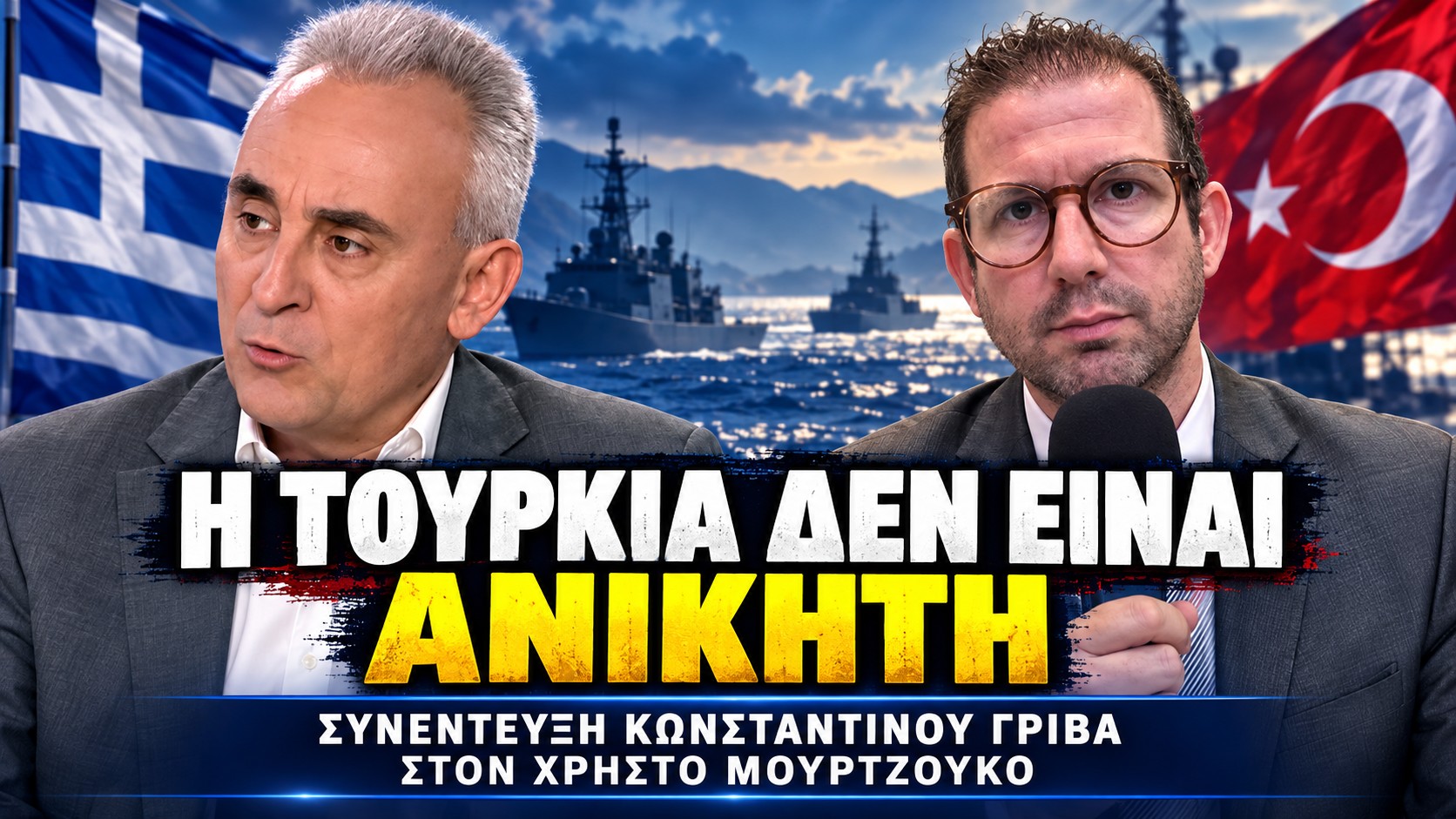
Το καλώδιο ηλεκτρικής διασύνδεσης, οι τουρκικές διεκδικήσεις στο Αιγαίο, η δραστηριότητα των αλιευτικών και οι κινήσεις γύρω από τα θαλάσσια πάρκα αποτελούν, σύμφωνα με τον Κωνσταντίνο Γρίβα, διαφορετικές εκφάνσεις μιας ενιαίας στρατηγικής: της σταδιακής αποδόμησης της ελληνικής κυριαρχίας και της επιβολής τουρκικού ελέγχου στον θαλάσσιο χώρο.
Στη συνέντευξή του στον Χρήστο Μουρτζούκου, στην εκπομπή «Με τη ματιά του απόδημου», ο καθηγητής Γεωπολιτικής και Σύγχρονων Στρατιωτικών Τεχνολογιών άσκησε έντονη κριτική στην ελληνική διαχείριση των ελληνοτουρκικών. Υποστήριξε ότι το αφήγημα των «ήρεμων υδάτων» συγκαλύπτει την εξέλιξη μιας ευρύτερης τουρκικής εκστρατείας, ενώ επέμεινε ότι η αποφυγή του πολέμου προϋποθέτει αξιόπιστη αποτροπή.
Το καλώδιο και η στρατηγική της «σαλαμοποίησης»
Αφετηρία της συζήτησης αποτέλεσε το έργο ηλεκτρικής διασύνδεσης Ελλάδας–Κύπρου–Ισραήλ και το ερώτημα εάν η αποδοχή τουρκικών απαιτήσεων για προηγούμενη ενημέρωση μπορεί να δημιουργήσει προηγούμενο για άλλες ελληνικές δραστηριότητες.
Ο Κωνσταντίνος Γρίβας ενέταξε την υπόθεση στη λογική της «σαλαμοποίησης»: της απόσπασης μικρών, διαδοχικών υποχωρήσεων, χωρίς να απαιτείται κάθε φορά μια μεγάλη στρατιωτική αντιπαράθεση.
Κατά την εκτίμησή του, η Άγκυρα επιδιώκει να καθιερώσει στην πράξη την αντίληψη ότι η Ελλάδα οφείλει να συνεννοείται μαζί της για τις κινήσεις της στο Αιγαίο. Εάν αυτή η λογική γίνει αποδεκτή, προειδοποίησε, θα προστεθεί ακόμη ένα βήμα στην υπονόμευση της ελληνικής ανεξαρτησίας.
Το διακύβευμα, όπως το περιέγραψε, υπερβαίνει την οικονομική αξία ενός ενεργειακού έργου ή την εκμετάλλευση θαλάσσιων πόρων. Αφορά τη δυνατότητα της χώρας να ασκεί τα δικαιώματά της χωρίς να υπόκειται σε εξωτερική επιτήρηση.
Το Αιγαίο ως συνδετικός ιστός της χώρας
Κεντρικό σημείο της ανάλυσής του ήταν η γεωγραφική και στρατηγική σημασία του Αιγαίου για την ελληνική συνοχή.
Ο καθηγητής υποστήριξε ότι η συζήτηση συχνά παραγνωρίζει την παρουσία των ελληνικών νησιών και παρουσιάζει το Αιγαίο σαν έναν θαλάσσιο χώρο που απλώς παρεμβάλλεται μεταξύ δύο κρατών. Στη δική του γεωπολιτική προσέγγιση, οι θαλάσσιες επικοινωνίες μεταξύ των νησιών και της ηπειρωτικής χώρας αποτελούν θεμελιώδες στοιχείο της εθνικής υπόστασης.
Με αυτό το σκεπτικό ερμήνευσε και τη «Γαλάζια Πατρίδα». Κατά τον ίδιο, η τουρκική επιδίωξη είναι να αντιμετωπίζονται ελληνικά νησιά ως θύλακες περιορισμένης κυριαρχίας μέσα σε έναν χώρο στον οποίο η Άγκυρα αξιώνει καθοριστικό έλεγχο.
Πρόκειται, όπως υποστήριξε, για απειλή που πρέπει να αντιμετωπιστεί συνολικά και να εξηγηθεί με σαφήνεια στους συμμάχους της Ελλάδας.
«Ήρεμα ύδατα» και αντιφατικά μηνύματα προς τους συμμάχους
Ιδιαίτερα αιχμηρός εμφανίστηκε απέναντι στην αντίληψη ότι οι ελληνοτουρκικές σχέσεις βρίσκονται σε μια ουσιαστικά ομαλή περίοδο.
Κατά τον Γρίβα, η Τουρκία συνεχίζει να ασκεί πίεση με στρατιωτικά, πολιτικά και επικοινωνιακά μέσα, ενώ στην Ελλάδα υποβαθμίζεται η σημασία αυτών των κινήσεων. Υποστήριξε ότι αυτή η απόσταση μεταξύ πραγματικότητας και δημόσιας παρουσίασης δυσκολεύει και τη διεκδίκηση διεθνούς υποστήριξης.
Το ερώτημα που έθεσε ήταν συγκεκριμένο: πώς μπορεί η Αθήνα να περιμένει ουσιαστική κινητοποίηση τρίτων, εάν η ίδια εκπέμπει το μήνυμα ότι δεν αντιμετωπίζει σοβαρό πρόβλημα με την Άγκυρα;
Στο ίδιο πλαίσιο διατύπωσε βαριές πολιτικές καταγγελίες για τμήματα του ελληνικού συστήματος εξουσίας, τα οποία, κατά την άποψή του, διευκολύνουν την τουρκική στρατηγική μέσω της υποβάθμισης της απειλής και της καλλιέργειας αντιλήψεων παραίτησης.
Η Τουρκία έχει τρωτά σημεία – Η αποτροπή αποσκοπεί στην αποφυγή του πολέμου
Ο καθηγητής απέρριψε την εικόνα ότι μια ελληνοτουρκική σύγκρουση θα οδηγούσε αναπόφευκτα σε ελληνική ήττα.
Αναγνώρισε ότι η Τουρκία διαθέτει πλεονεκτήματα, επέμεινε όμως ότι διαθέτει και σοβαρές τρωτότητες. Αντίστοιχα, υποστήριξε ότι η Ελλάδα εξακολουθεί να έχει σημαντικά στρατιωτικά πλεονεκτήματα, τα οποία δεν πρέπει να παραγνωρίζονται.
Στην ανάλυσή του έδωσε ιδιαίτερη βαρύτητα στην εσωτερική πολιτική και κοινωνική κατάσταση της Τουρκίας, καθώς και στην εξάρτηση της ηγεσίας της από την εικόνα μιας ισχυρής, ανερχόμενης δύναμης. Εκτίμησε ότι ένα πλήγμα σε αυτή την εικόνα θα μπορούσε να προκαλέσει σοβαρούς εσωτερικούς κραδασμούς.
Παράλληλα, προειδοποίησε ότι μια ένοπλη σύγκρουση μπορεί να εξελιχθεί ανεξέλεγκτα και να αποδειχθεί καταστρεπτική και για τις δύο χώρες. Απέρριψε, μάλιστα, ως παρανοϊκή τη λογική ενός δήθεν προσυμφωνημένου και ελεγχόμενου μικρού επεισοδίου.
«Πρέπει να το αποφύγουμε. Όντως πρέπει να το αποφύγουμε. Γι’ αυτό υπάρχει αποτροπή», τόνισε.
Το πρώτο πλήγμα και ο έλεγχος της κλιμάκωσης
Στη συζήτηση για το προληπτικό πλήγμα, ο Γρίβας υποστήριξε ότι η σχετική δυνατότητα πρέπει να εξετάζεται ως στοιχείο της στρατηγικής εργαλειοθήκης και της αποτροπής.
Η θέση του ήταν ότι ο αντίπαλος δεν πρέπει να θεωρεί δεδομένο πως μπορεί να επιλέγει κάθε φορά τον τόπο, τον χρόνο και την ένταση μιας κρίσης, εξασφαλίζοντας προβλέψιμες και περιορισμένες ελληνικές αντιδράσεις.
Έδωσε έμφαση στον έλεγχο της κλιμάκωσης: στη δυνατότητα της Ελλάδας να μην εγκλωβίζεται σε ένα παιχνίδι διαδοχικών μικρών πιέσεων που οργανώνει η άλλη πλευρά.
Ταυτόχρονα, διευκρίνισε ότι η αναφορά σε αυτή τη δυνατότητα δεν αποτελεί προτροπή για άμεση επίθεση. Την ενέταξε στη λογική αποτροπής μιας σύγκρουσης, επιμένοντας στους μεγάλους κινδύνους που θα συνεπαγόταν ο πόλεμος.
Τα αλιευτικά και τα θαλάσσια πάρκα στο ίδιο στρατηγικό πλαίσιο
Η συζήτηση επεκτάθηκε στη δραστηριότητα τουρκικών αλιευτικών κοντά σε ελληνικές ακτές και στις επιπτώσεις για τους Έλληνες ψαράδες.
Ο καθηγητής υποστήριξε ότι τέτοιες κινήσεις πρέπει να αξιολογούνται και υπό το πρίσμα της εθνικής ασφάλειας. Κατά την εκτίμησή του, η παρουσία αλιευτικών μπορεί να χρησιμοποιείται ως μέσο εμπέδωσης τουρκικής παρουσίας και αμφισβήτησης του ελληνικού ελέγχου.
Παρέπεμψε στο κινεζικό μοντέλο αξιοποίησης πολιτικών θαλάσσιων μέσων για στρατηγικούς σκοπούς, υποστηρίζοντας ότι η Τουρκία ακολουθεί ανάλογες μεθόδους.
Αλιευτικά, NAVTEX, θαλάσσια πάρκα και παρεμβάσεις στις έρευνες για το καλώδιο συνθέτουν, στη δική του ανάγνωση, ένα ολοκληρωμένο σύστημα πίεσης. Γι’ αυτό και ζήτησε συνολική ελληνική στρατηγική, αντί για αποσπασματική αντιμετώπιση κάθε περιστατικού.
Ουκρανία: Αντίθετος στην παραχώρηση κρίσιμων ελληνικών όπλων
Στο σκέλος της συνέντευξης για την Ουκρανία, ο Γρίβας εξέφρασε κατηγορηματική αντίθεση σε ενδεχόμενη παραχώρηση κρίσιμων ελληνικών οπλικών συστημάτων.
Χαρακτήρισε ένα τέτοιο ενδεχόμενο «εθνικό έγκλημα», υποστηρίζοντας ότι η Ελλάδα αντιμετωπίζει δικές της σοβαρές ανάγκες ασφαλείας και δεν μπορεί να διακινδυνεύσει κενά στην άμυνά της.
Αμφισβήτησε επίσης τη διαβεβαίωση ότι τα συστήματα που θα παραχωρούνταν θα μπορούσαν να αντικατασταθούν εύκολα και γρήγορα. Επικαλέστηκε τις πιέσεις στην παραγωγή και στην αναπλήρωση στρατιωτικών αποθεμάτων, συνδέοντας το ζήτημα με τις ευρύτερες αλλαγές στον σύγχρονο πόλεμο.
Η ευρωπαϊκή προσέγγιση στην Τουρκία και η ενεργειακή πίεση
Ο καθηγητής άσκησε κριτική και σε ευρωπαϊκές προσεγγίσεις που αντιμετωπίζουν την Τουρκία ως αναγκαίο στήριγμα της ευρωπαϊκής άμυνας απέναντι στη Ρωσία.
Κατά την άποψή του, αυτή η λογική παραγνωρίζει τις σχέσεις της Άγκυρας με τη Μόσχα και δημιουργεί περιθώρια στην τουρκική ηγεσία να αξιοποιεί τη στρατιωτική της ισχύ ως διπλωματικό διαπραγματευτικό χαρτί.
Παράλληλα, συνέδεσε τις κρίσεις στην Ουκρανία και στη Μέση Ανατολή με την ενεργειακή πίεση στην Ευρώπη. Εκτίμησε ότι το αυξημένο κόστος ενέργειας υπονομεύει την ανταγωνιστικότητα της ευρωπαϊκής βιομηχανίας και ενισχύει τη θέση άλλων μεγάλων οικονομικών δυνάμεων.
Κλείνοντας, υπογράμμισε ότι το διεθνές περιβάλλον παραμένει εξαιρετικά ρευστό και ότι ασφαλείς προβλέψεις για τις επόμενες τουρκικές κινήσεις δεν μπορούν να γίνουν. Το ζητούμενο για την Ελλάδα, όπως το έθεσε, είναι να αναγνωρίσει τη φύση της απειλής, να προστατεύσει την αμυντική της επάρκεια και να αποκτήσει συνεκτική στρατηγική.
GEOPOLITICO
Όσα είπε ο Ρούμπιο στην Αθήνα αποκαλύπτουν το πεδίον δόξης λαμπρόν του Ελληνισμού
Ο επικεφαλής της Αμερικανικής Διπλωματίας είπε μεγάλες κουβέντες στην Πνύκα: Από το Κάλλος στην Ισχύ και το Χρέος του Ελληνισμού, ο Μάρκο Ρούμπιο δεν έκρυψε τα λόγια του…
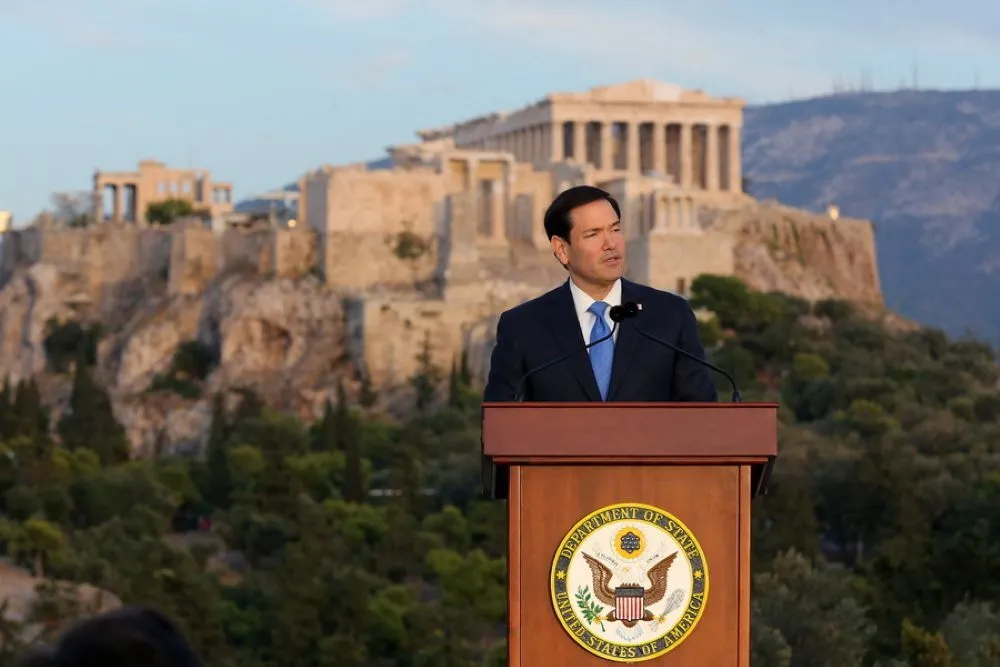
Του ΠΑΝΑΓΙΩΤΗ ΠΑΥΛΟΥ, Hellas Journal – Όσλο
Δεν χωρά αμφιβολία το γεγονός ότι κατά την επίσκεψή του στην Αθήνα ο Αμερικανός Υπουργός Εξωτερικών Μάρκο Ρούμπιο έλαβε από την Ελλάδα ένα ανεκτίμητο δώρο: να μιλήσει μπρος στην Ακρόπολη απευθυνόμενος στην ανθρωπότητα από την Πνύκα.
Και είναι προσωπική γνώμη του γράφοντος ότι ο ίδιος το άξιζε αυτό. Διότι δεν ήρθε στην Ελλάδα με το θράσος του προκατόχου του Άντονι Μπλίνκεν και την αξίωση για δηλητηριώδη παρέμβαση στον πυρήνα της ελληνικής κοινωνίας. Ο οποίος Μπλίνκεν στις αρχές του 2024 είχε ζητήσει από τον Έλληνα Πρωθυπουργό στο πατρικό του στην Κρήτη την εφαρμογή της νεοταξικής ατζέντας κατάλυσης του ιστορικού θεσμού της οικογένειας που προωθούσαν οι Δημοκρατικοί.
Κάτι το οποίο πέτυχαν στην Ελλάδα, με την ψήφιση του γάμου ομοφυλοφίλων. Ένα νόμο τον οποίο η τότε αμερικανική κυβέρνηση είχε, δια του Μπλίνκεν, δεσμεύσει την Αθήνα να ψηφίσει με τέτοιο τρόπο, ώστε αργότερα κορυφαία κυβερνητικά στελέχη στην Ελλάδα να αναγκάζονται να δικαιολογούνται, διατυμπανίζοντας πως πρόκειται δήθεν για ζήτημα γεωπολιτικό και θέμα εθνικής ασφαλείας.
- Σαφώς, η ατζέντα του Μάρκο Ρούμπιο είχε διαφορετικό πρόσημο. Αν μη τι άλλο, ήταν συνεπής με τη ρεπουμπλικανική πεποίθηση, η οποία διασφάλισε στον Πρόεδρό του δεύτερη θητεία στον Λευκό Οίκο, ότι η κοινωνική συνοχή, μαζί με την έννοια του έθνους, οφείλει να είναι προτεραιότητα κάθε κράτους που σέβεται την υπόστασή του.
Γι᾽ αυτό και στην Πνύκα ο Αμερικανός ΥΠΕΞ δεν περιορίστηκε να μιλήσει θετικά για την Ελλάδα και να την εγκωμιάσει απλώς ως στρατηγικό σύμμαχο. Αλλά προέβη σε ρητή αναφορά στον λαό της, τον ελληνικό λαό, αναγνωρίζοντας ότι: «Ο λαός αυτού του έθνους έχει αποδείξει για άλλη μια φορά ότι είναι ένας απαραίτητος φίλος τόσο για την Ευρώπη όσο και για τις Ηνωμένες Πολιτείες».
Βεβαίως, η ομιλία Ρούμπιο στην Πνύκα, μολονότι καλοδουλεμένη, δεν ήταν απαλλαγμένη από αδυναμίες τόσο στη συνολική θέαση του Ελληνισμού και του Χριστιανισμού όσο και σε επιμέρους σημεία της. Όπως, παραδείγματος χάριν, κάτι από το οποίο πάσχει η Δύση, το γεγονός ότι η αξία των Ελλήνων εντοπίζεται στην κλασική αρχαιότητα, από την οποία μεταφερόμαστε απευθείας στη σημερινή παροχή γεωστρατηγικών διευκολύνσεων προς την Υπερδύναμη. Ή, η υφέρπουσα αντίληψη ότι τα θεμέλια του «φυσικού νόμου» της Δύσης βρίσκονται στην Ελλάδα.
- Ωστόσο, η ομιλία Ρούμπιο στην Πνύκα δείχνει στον σύγχρονο Ελληνισμό, τόσο δια των καίριων επισημάνσεών της όσο και δια των παραλείψεών της, τον δρόμο για την παγκόσμια ελληνική στρατηγική παρουσία. Εξηγούμαι.
Μπορεί ο Αμερικανός ΥΠΕΞ να αναγνώρισε το μεγαλείο της Ακρόπολης που στέκει πίσω του ακάθεκτη στον χρόνο. Και μπορεί στον λόγο του να αναφέρθηκε δύο φορές στην ομορφιά (beauty, beautiful), δίχως να εντοπίσει το βάθος της ελληνικής μεταφυσικής την οποία έχει απωλέσει η Δύση για την ανόρθωση της οποίας ο ίδιος όντως και ειλικρινώς νοιάζεται. Οι Έλληνες όμως έγιναν υπόδειγμα της παγκόσμιας ιστορίας διότι αναγνώρισαν στον κόσμο το κάλλος ως ιδίωμα του Θεού.
Ως πιστός Καθολικός ο Αμερικανός ΥΠΕΞ αντιλαμβάνεται τη σημασία του Χριστιανισμού. Τόλμησε μάλιστα ο κ. Ρούμπιο να αναφέρει το όνομα του Ιησού Χριστού μόλις μερικές εκατοντάδες μέτρα από τον Άρειο Πάγο, όπου ο Απόστολος Παύλος κήρυξε το Ευαγγέλιο στους Αθηναίους, έστω κι αν η ομιλία του δεν θεμελίωσε ενιαίο το κλασικό και χριστιανικό πολιτισμικό πλαίσιο, το οποίο θαυμαστά προσδιόρισε τη σχέση ανθρώπου και Θεού όπως μόνον οι Έλληνες κατόρθωσαν να βιώσουν και να αναδείξουν.
- Είναι άλλωστε ενδεικτικό ότι, μολονότι η ομιλία του κ. Ρούμπιο κινήθηκε στη νοητή γραμμή: «κόσμος, λογική τάξη του κόσμου, φυσικοί νόμοι, ανθρώπινος νους, φυσική τάξη, αλήθεια-αγαθό-κάλλος, αντικειμενικά πρότυπα, Χριστιανισμός-φυσικός νόμος», και μολονότι ο ίδιος Χριστιανός, δεν μπόρεσε να δει στην Ακρόπολη την προεξαγγελία της χριστιανικής μεταφυσικής περί της Δημιουργίας του Θεού την οποία το ίδιο το κάλλος του κόσμου μαρτυρά.
Μίλησε για τον κόσμο, αλλά δεν τον είδε ως έργο του Θεού. Μίλησε για το Ευαγγέλιο του Ιησού Χριστού και τη Χριστιανική Θεολογία του Αυγουστίνου και του Ακινάτη, αλλά δεν διείδε τον φυσικό νόμο που επικαλέστηκε ως προϊόν ελευθερίας του Θεού Λόγου, εντός της κτίσεως. Αυτά μπορεί σε κάποιους αναγνώστες και αναλυτές να ακουστούν ως ψιλή θεολογία, αλλά είναι ακριβώς το κομβικό σημείο στο οποίο η δυτική μεταφυσική παύει πλέον να ακολουθεί την Ελλάδα ως κατάφαση του κάλλους και διαστρέφεται σε θεολογία και μεταφυσική της ισχύος με συνέπειες οδυνηρές για όλη την ανθρωπότητα.
Κάπου εδώ αρχίζει η ευθύνη του Ελληνισμού, και ιδίως εν προκειμένω του ομογενειακού Ελληνισμού στις ΗΠΑ, την οποία η εμπνευσμένη ομιλία Ρούμπιο άρρητα υπογραμμίζει. Τόσο η Αρχιεπισκοπή Αμερικής, η οποία οφείλει να επανάγει εις βάθος αντί να κινείται απλώς πολιτικά, όσο και το ίδιο το ελληνικό κράτος, δια της Πρεσβείας της Ελλάδος στην Ουάσιγκτον (εδώ θα πρέπει να επισημανθεί η σεμνή και στιβαρή παρουσία του Πρέσβεώς μας στις ΗΠΑ Αντώνη Αλεξανδρίδη κατά την επίσκεψη του Αμερικανού Υπουργού Εξωτερικών στην Αθήνα) έχουν ένα μεγάλο χρέος και καθήκον.
- Να λειτουργήσουν όχι απλώς ως μονάδες εκκλησιαστικής και κρατικής ισχύος, αλλά ως ιεραπόστολοι και πρέσβεις της Ελληνορθοδοξίας αντιστοίχως.
- Να διαμορφώσουν δομές διάδοσης του ελληνικού και Ορθόδοξου πολιτισμού μέσα στις Ηνωμένες Πολιτείες, προς όφελος και των Ελλήνων τέταρτης γενιάς, που ίσως δεν υποψιάζονται καν την ισχύ του ελληνικού πνεύματος και της ελληνικής γλώσσας, αλλά και κάθε ευαίσθητου Αμερικανού πολίτη για τον οποίο το αμερικανικό όνειρο της ενθαδικότητας μοιάζει μικρό μπρος στην αθανασία.
Τα όσα είπε και δεν είπε ο κ. Ρούμπιο στην Αθήνα, αποκαλύπτουν το πεδίον δόξης λαμπρόν του Ελληνισμού στον 21ο αιώνα και φανερώνουν τις τιτάνιες διαστάσεις του έργου που και η Ορθόδοξη Εκκλησία και η ελληνική Πολιτεία, αλλά και οι φορείς της Ομογένειας καλούνται να επιτελέσουν μέσα στις Ηνωμένες Πολιτείες.
Διότι, είτε μας αρέσει είτε όχι, η Ελλάδα ανέκαθεν, από τον Όμηρο και τους Προσωκρατικούς μέχρι τον Σεφέρη, τον Ελύτη, τον Άγιο Πορφύριο και τον Άγιο Παΐσιο, είναι ο μυητής της ανθρωπότητας στο Κάλλος, την Αλήθεια και την Αιωνιότητα. Αυτά είναι, εκτιμώ, που κατά βάθος επιδιώκει και ο ίδιος ο Αμερικανός Υπουργός Εξωτερικών, αυτά είναι που αποζητά ο κάθε άνθρωπος όπου γης. Το momentum είναι ιδανικό για τον Ελληνισμό και για τις ΗΠΑ.
* Παναγιώτης Παύλος
Ερευνητής της Φιλοσοφίας στο Πανεπιστήμιο του Όσλο
GEOPOLITICO
Ενώ το τέρας βρυχάται, οι δύο ΥΠΕΞ, ούτε το πως ονομάζεται, ψελλίσατε!
Χρήστος Κηπουρός: Η λέξη Τουρκία έλαμψε δια της απουσίας της. Οι αιτίες; Από τη μια, τα νέα τουρκικά γυαλιά του Ρούμπιο. Από την άλλη το σιγοντάρισμα και κυρίως η διαχρονικά συμπλεγματική πολιτική των Αθηνών.
Ιδού πέντε θέματα που όφειλε να θέσει στον ομόλογό του, ο Έλληνας ΥΠΕΞ αλλά δεν το έπραξε. Εκτός από ένα, και κείνο, μισό και ανάλατο. Όπως μισό είναι και το “Φίλος της Ελλάδας”. Γιατί άλλο αυτό και άλλο το “Φίλος της Αρχαίας Ελλάδας”, όπως τονίστηκε από το Ρούμπιο στην πνύκα.
1. Ο Τούρκος ομόλογός τους στο “Σουνιτικό ΝΑΤΟ”, έκανε μνημόσυνο με ξένα κόλλυβα. Ο λόγος για την Ελληνική πυροβολαρχία patriot, στη Σαουδική Αραβία. Παρεμπιπτόντως η καυχησιολογία για την προστασία της Σούδας, που ούτε κατά διάνοια απαιτούνταν, πέραν του αδυνατίσματος της αμυντικής μας κάλυψης, θίγει και την καταγωγή του ίδιου, ως Καρπάθιου.
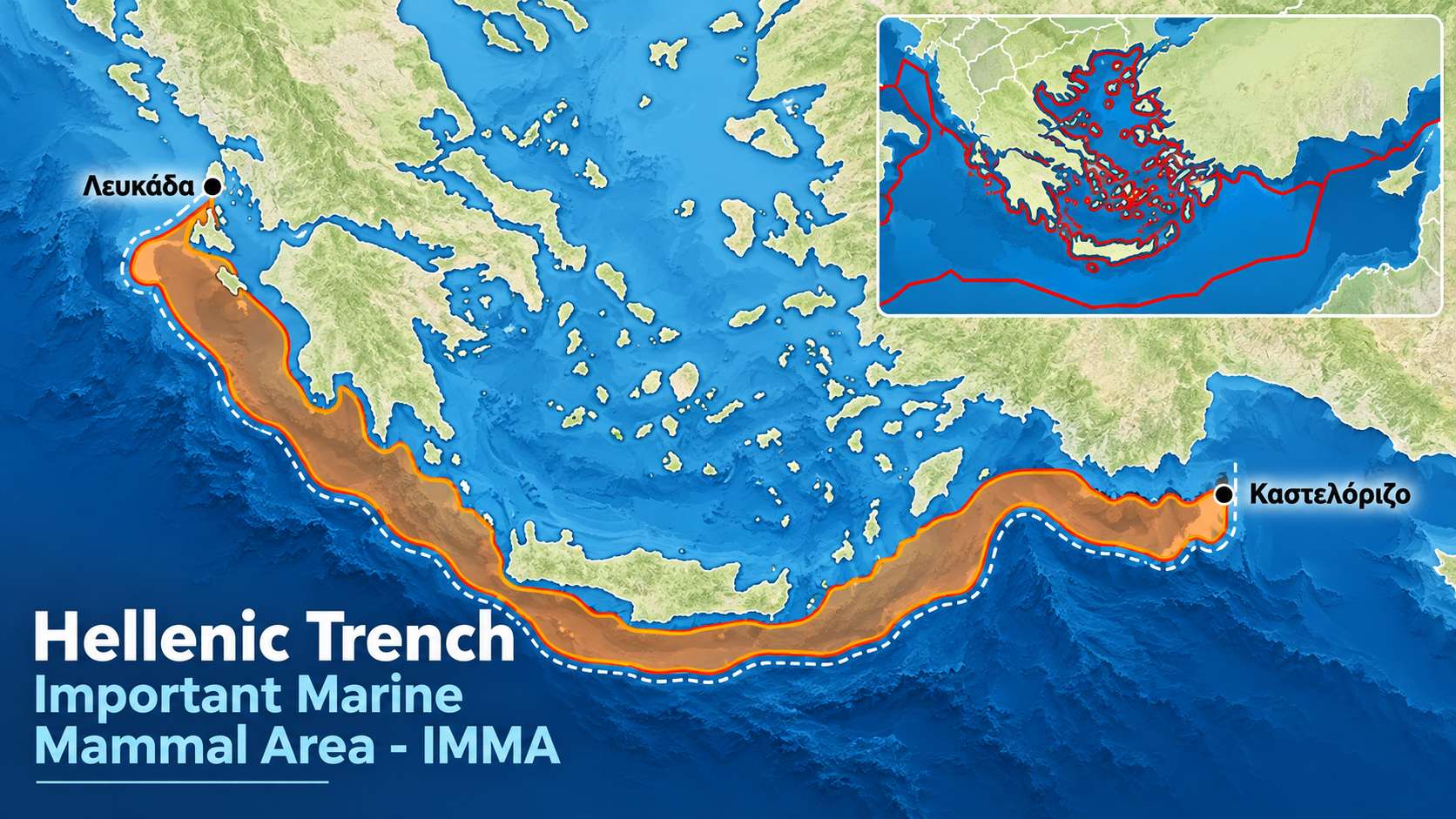
2. Όφειλε να επιδώσει στον Ρούμπιο, το χάρτη της ΙΜΜΑ, {βλέπετε εικόνα}, με την Ελληνική Τάφρο, προσθέτοντας δυο μόνο λόγια: “Επειδή στα Ανατολικά φτάνει έως το Καστελόριζο, πως είναι δυνατόν μέσα στην Ελληνική Τάφρο να εξαγγέλλεται Τουρκικό θαλάσσιο πάρκο; Όχι μόνο λόγω του ονόματος “Ελληνική” αλλά και λόγω της οικολογίας, με την αναγκαία υψηλή θαλάσσια προστασία”; Δεν είναι ακυρώσιμο;
Επιπλέον να του πει για τον καθορισμό της Ελληνικής τάφρου, αυτό το φαλαινάριο του Θεού, ως συνορεύουσας ζώνης 24 μιλίων, στην Ανατολική Μεσόγειο, με τα 12 μίλια να αφορούν και το καθέτως και το οριζοντίως, και άρα δημιουργία έξι νομικών Ελλήσποντων, μεταξύ των θαλασσίων στενών, Δυτικά και Ανατολικά της Πελαγόεσσας Κρήτης. Και να τον ρωτήσει το πως βλέπει την ανάληψη από Ελλάδα και Κύπρο, της θαλάσσιας τηλεδιοίκησης για την Ανατολική Μεσόγειο.
3. Επίσης να του εγχειρήσει το χάρτη του οικολογικού τομέα του ΟΗΕ, της 20/12/19, για τις ΑΟΖ, στην Ανατολική Μεσόγειο, ρωτώντας τη γνώμη του Ρούμπιο, 1. Για τις όμορες ες αεί ΑΟΖ Ελλάδας και Κύπρου που έχουν κοινή γραμμή επαφής μήκους 24 μιλίων! Όνομα και πράγμα συνορεύουσα δηλαδή ζώνη. Και 2. Ως προς το παράνομο μνημόνιο Τουρκίας Λιβύης που είχε υπογραφεί στις 27/11/19. Ο συγκεκριμένος χάρτης του ΟΗΕ, που είναι copy paste του χάρτη της Σεβίλλης, βάσει της UNCLOS, ως επίσημο έγγραφο, αποτελεί ή όχι πράξη ακύρωσης του μνημονίου;
4. Η ιερή Λέξη επανένωση έχει τη μέγιστη αξία για το θαλάσσιο Ελληνισμό, με κλειδί τις δυο ΑΟΖ, Ελλάδας και Κύπρου, εν όψει και της υποδοχής των δυο θαλάσσιων διαδρόμων, BRI και IMEC, ο οποίος μάλιστα εν πολλοίς είναι και made in USA. Πόσο μάλλον όταν μαζί με το καλώδιο GSI, η χώρα προχωράει στην ανάδειξή της σε κεντρική πλατεία του πλανήτη! Με κοινό τόπο όλων των διαδρόμων, το bypass της Τουρκίας! Εξ ων και το προερχόμενο από την Ιστορία και τη Γεωγραφία νεότερο Ανατολικό Ζήτημα.
Οπότε η δήλωση Ρούμπιο περί ιδιωτικής Διπλωματίας, επιζητούσε να του πει μια παλιά ατάκα: “Φίλοι και σύμμαχοι είμαστε, όμως δεν είμαστε Αμερικανάκια”.
Κατά τα άλλα, καλή είναι και η λέξη επανένωση της Κύπρου, αρκεί να μην την λες για να την πεις. Γιατί ούτε Ομοσπονδίες χρειάζεται η Κύπρος, ούτε νέα σχέδια Ανάν, ούτε ψευδοκράτη και παρακράτη. Ούτε αυτές τις άτυπες διασκέψεις «5+1», σαν αυτή που ξαναείπε ο απερχόμενος από την Κύπρο και τον ΟΗΕ Γενικός Γραμματέας. Ο Ελληνισμός καρτερεί την Κυπριακή Δημοκρατία, με μια δημοκρατική κοινωνία πλήρως ισότιμων πολιτών. Οι οποίοι εύκολα πλέον θα ξαναβρούν τη χαρά της συνύπαρξης του ειρηνισμού με τον ανθρωπισμό και την ευμάρεια.
5. Και τέλος το πως βλέπουν οι ΗΠΑ τη θαλάσσια Διώρυγα Αλεξανδρούπολης Μπουργκάς, μια και κάποιο think tank στην πατρίδα του μελετά τη συγκεκριμένη ιδέα εδώ και καιρό. Και επειδή θα αλλάξει το χάρτη της Γεωγραφίας και της Ιστορίας, όσο και της Γεωπολιτικής και Γεωοικονομίας. Με τον ενεργειακό διάδρομο και τα Στεριανά Δαρδανέλια να γίνονται ολόκληρη δέσμη. Θέματα για τα οποία γράφω σαράντα χρόνια, προτείνοντας τελευταία να πάρει το όνομα: “Μιχάλης Χαραλαμπίδης”. Άλλο τώρα που οι εν Αθήναις άνωθεν καμώνονται ότι ανακάλυψαν την Αμερική. Στα μυαλά είναι πολύ κάτωθεν. Άλλωστε ένας πρέσβης των ΗΠΑ στη γειτονική Τουρκία, ονόματι Μοργκεντάου, είχε πει ακόμη από το έτος 1920, ότι τα Δαρδανέλια της ξηράς είναι στον Έβρο!
Τέτοιοι Αμερικανοί και τέτοιοι Ισπανοί σαν τον Ανδαλουσιανό καθηγητή της Σεβίλλης Vivero, συντάκτη του ομώνυμου χάρτη, επιβεβαιώνουν τον Ισοκράτη, για τους μετέχοντες της ημετέρας παιδείας.
_______________
Διδυμότειχο, Οκτώβριος 2026,

Ο Ινδός πιλότος που έσωσε 182 ζωές από τρομοκρατική επίθεση στον αέρα – Η μάχη στο πιλοτήριο με το τσεκούρι και η ελληνική σύνδεση
Παγκόσμια αναγνώριση για τον Ινδό κυβερνήτη Smit Machchhar, ο οποίος, παρά τα σοβαρά τραύματα που υπέστη από επίθεση του συγκυβερνήτη...

Χτίζεται ισχυρός αμυντικός άξονας μεταξύ Ελλάδας και Ινδίας! Η κίνηση Δένδια και η γεωπολιτική απάντηση στη συνεργασία Τουρκίας–Πακιστάν
Η Αθήνα ανοίγει νέα σελίδα στη στρατηγική συνεργασία με το Νέο Δελχί, επενδύοντας στην αμυντική βιομηχανία, τις κοινές στρατιωτικές ασκήσεις...


Φαραντούρης: Ναυάγιο IMEC όπως EastMed; Η απάντηση της Κομισιόν
Προειδοποίηση για τον κίνδυνο να ναυαγήσει το πρότζεκτ εμπορικής σύνδεσης Ινδίας – Ευρώπης μέσω Ελλάδας (ΙΜΕC), απηύθυνε σήμερα απ’ το...

Μαυρίδης προς ΕΕ: Επιβολή κυρώσεων στον επιδρομέα αντί για “θετική ατζέντα”
Παρέμβαση του Ευρωβουλευτή Κώστα Μαυρίδη ενώπιον του Ραφαέλε Φίτο, Ειδικού Εκπροσώπου της Ευρ. Επιτροπής για το Κυπριακό και Εκτελεστικού Αντιπροέδρου...


Κεραυνοί Παυλόπουλου για Ρούμπιο: Ύμνοι στην Ελλάδα, σιωπή για casus belli και κατοχή της Κύπρου
Αιχμηρή κριτική του πρώην Προέδρου της Δημοκρατίας στον Αμερικανό υπουργό Εξωτερικών για την ομιλία του στην Πνύκα. Ο Προκόπης Παυλόπουλος...
-
 Αναλύσεις3 εβδομάδες πριν
Το τελεσίγραφο Καλίν την ώρα που η Τουρκία προετοιμάζεται για πόλεμο!
-
 Άμυνα3 μήνες πριν
Ρωσσικό ΜΜΕ: Ελληνικό «μπλόκο» στην απαίτηση για Patriot – Πώς γνωρίζει το Κίεβο απόρρητα στοιχεία για τους πυραύλους μας;
-

 ΑΝΑΡΤΗΣΕΙΣ ΜΕ ΣΗΜΑΣΙΑ2 μήνες πριν
Πακιστανός με καναδική υπηκοότητα ο υπαίτιος της πυρκαγιάς στον Έβρο! Πιθανόν να μετέφερε μετανάστες
-

 GEOPOLITICO1 μήνα πριν
Το διέρρευσε ο Παπαχελάς! Έφεραν τον Καλίν στο Μαξίμου – Τί συζήτησε με τον Μητσοτάκη;
-
 Αναλύσεις1 μήνα πριν
Καραγκιούλ: «Αν Ελλάδα, Κύπρος και Ισραήλ επιτεθούν στην Τουρκία, ο χάρτης του Αιγαίου θα αλλάξει»
-

 ΑΝΑΡΤΗΣΕΙΣ ΜΕ ΣΗΜΑΣΙΑ2 μήνες πριν
Ξέσπασμα της μητέρας της Μυρτούς για την υπόθεση Τζαβέντ Ασλάμ: «Δεν ξεχνώ ποτέ» – «Δήμαρχος των Πακιστανών ο Δούκας»
-

 GEOPOLITICO3 εβδομάδες πριν
Τί λέει Τούρκος δημοσιογράφος για Σάββα Καλεντερίδη; «Έκανε πολύ καλά τη δουλειά του για τη χώρα του – Δεν μπορούσε να τον στριμώξει η ΜİΤ»
-

 Αναλύσεις3 μήνες πριν
Εάν η Τουρκία απορρίψει τη συμφωνία αποχώρησης από την Κύπρο θα απομακρυνθεί δια της βίας