Αναλύσεις
End of the Assad Regime: A Theory Audit

The ousting of the Assad regime in Syria in December 2024, which happened as a result of a major offensive by the opposition forces, could at a first glance be regarded as representing a rather unexpected development, especially if one considers the speed with which the military-strategic and political circumstances changed on the ground. However, while the rapid loss of morale among many of the former president’s loyalists and the token resistance put up by them could have hardly been anticipated, there were certainly a multitude of signs since at least the early 2020s that the ruling Ba’ath Party was in a precarious position.
On the one hand, one cannot disregard the preoccupation of important allies or ‘Black Knights’ (international sponsors offering various forms of assistance to autocratic leaders) of the Assad regime with other military conflicts. Hezbollah, the Lebanese paramilitary group and Iranian proxy force, which had in the 2010s played a decisive role in propping up the Ba’athists during critical junctures of the Syrian civil war, was in a significantly weakened position due to its war with Israel, while the Russian Federation has since early 2022 almost exclusively concentrated on its full-scale invasion of Ukraine. From a theoretical standpoint, these military engagements of Hezbollah and Russia have represented disruptions with regard to the notion of regional autocratic linkage, which has been recognized as one of the potential pillars of stability when it comes to authoritarian political systems.
On the other hand, if we are to shift the focus to the situation within Syria, a number of critical risk factors for autocratic breakdown manifested themselves in the years preceding the Syrian opposition’s ‘Deterrence of Aggression’ military operation.
How does the fall of the Assad regime measure up to theory?
Many scholars suggest that the robustness of the security forces is a pivotal factor in determining whether or not an autocratic ruler is likely to survive episodes of large-scale unrest. In particular, comparativist Eva Bellin argued in 2004 that the unique resilience of authoritarianism in the Middle East was in large part connected to the “robustness of the coercive apparatus.” The security forces’ strength can be evaluated by drawing on a number of measures, amongst which are the fiscal health of a regime, its ability to apply repression without seriously compromising international support, and the extent of the anti-government popular mobilization. It could plausibly be argued that in the case of Syria all of these ingredients have been part of the picture since the early 2020s.
Firstly, even though there was a lull in the Syrian civil war following the March 2020 Idlib ceasefire, with Bashar al-Assad managing to maintain an uneasy peace in the areas under his control (about two thirds of the country’s territory), in the same timeframe the effects of US sanctions were becoming more strongly felt, perhaps to a degree also exacerbated by the lingering impacts of the COVID-19 pandemic, with some agencies estimating that at least 80% of Syrians were in need of humanitarian assistance. Furthermore, the worsening economic situation in Lebanon since 2019, as evidenced by the liquidity crisis in the country, which saw a plummeting of the GDP per capita, served to deprive the Syrian authorities of an important “economic lung.” Many of the Syrian Army soldiers were not exactly insulated from the effects of these negative trends, with the poverty-related issues also causing food insecurity for the members of the armed forces.
Thus, the intertwined factors of an unsatisfactory economic performance of the regime and a disillusioned security apparatus were certainly a feature of the Syrian political landscape in the years preceding the rebels’ successful offensive.
As mentioned above, large-scale popular mobilization or at least passive support on the part of the general populace when it comes to the actions of anti-government forces also reduce the survival prospects of authoritarian regimes. There is some evidence that average citizens may behave strategically, relegating ideological concerns to the backstage, and show a willingness to cooperate with an extreme rebel movement if they feel that such a group is better-positioned to win a war and resist corrupting influences once it assumes power. In light of Syria’s negative economic indicators, it is worth considering that a pessimism-inducing economic situation may likely go hand-in-hand with grievances pertaining to real or perceived corruption.
The willingness of religious moderates to band together with compatriots subscribing to a significantly more fundamentalist interpretation of the scriptures is not necessarily too novel of a development. Since the late 1990s, there have been instances in Middle Eastern countries such as Jordan, Iraq, and Yemen of leftists and liberals engaging in a constructive fashion with Islamists in order to pursue issues of common interest.
In this regard, the power of political rebranding should not be underestimated. Even though Abu Mohammad al-Julani, the politically savvy leader of Hay’at Tahrir al-Sham (HTS), the Sunni Islamist political organization that is considered to be the vanguard of the anti-Assad opposition, has had a very checkered past and has been a far cry from a political moderate, he has certainly invested efforts towards throwing off the mantle of a jihadist and reinventing himself as a rebel statesman.
In the summer of 2016 al-Julani severed ties with al-Qaeda, initially changing the Al-Nusra Front’s name to Jabhat Fatah al-Sham, and subsequently (in 2017) to the current HTS. Al-Julani explained that the main intention behind this move was to deprive external powers such as the United States or Russia of the justification to launch attacks, with Qatar likely playing a role in encouraging his hand. Even though there are ample grounds to doubt the extent to which the shift in ideological orientation could be considered to be genuine, HTS’ outreach to Syria’s diverse communities has been assessed as at least somewhat successful due to it being able to make inroads into some traditionally pro-Assad groups. For example, Ismaili Shias were supportive of or at least not too keen to oppose the rebel forces and there were even celebrations and chants for unity in Alawite strongholds such as Latakia. In the years prior to the offensive, the HTS militia had also displayed some tolerance towards religious minorities, such as Christians and members of the Druze community, in the areas under its control.
A further point that the rebels have in their favor is that even though there are many competing factions and fissures within the HTS coalition, ranging from radical Salafists to Syrian nationalists associated with the Free Syrian Army, the rhetorical wiggle room for distancing from the more ideologically extreme fighters has not been in short supply. This is because the soldiers who consider Syria to be just one of many battlefields in a struggle to secure a global victory for Islamism and have steadfastly opposed the HTS’ rebranding effort are more likely to be of foreign origin. The HTS, which has previously been characterized as a relatively localized terrorist organization, has continued to emphasize the distinction between Syrian- and foreign-born fighters in its handling of incidents such as the burning of a Christmas tree on 24 December in Al-Suqaylabiyah, a town with a Christian majority.
The HTS’ rebranding, whether reflective of true political maturation or pure pragmatism, has been important because it has arguably served to challenge the negative legitimacy cultivated by Assad, which has for a long time been regarded as the main saving grace of his government, mainly due to the perception that all of the alternatives to the Ba’ath Party’s rule were by definition significantly worse for the secularists and the religious minority groups in Syria.
In recent decades there has also been a deepening of transnational bonds between national societies, contributing in certain instances to the “diffusion of contention across borders.” While it is perhaps still too early to evaluate the salience of this phenomenon as it pertains to Syria, given that 2024 year has been notable for the relevance of the anti-incumbency factor in countries as different as the United States, France, South Africa, and Sri Lanka, the almost worldwide negative sentiment against political office holders may have played a small part in further emboldening the Syrian opposition or at least discouraging formerly pro-Assad Syrians from throwing their weight behind his government.
What most Syrians are likely to cautiously hope for is that the inclusion-moderation hypothesis will prove its merits in the Syrian context, as a result of which the behaviorally and ideologically radical groups will not be in a position to dictate to or overly influence the agendas of the more moderate political forces, which could pave the way for a proper democratic transition.
Source: Geopolitical Monitor


GEOPOLITICO
Γρίβας: Τα τρωτά σημεία της Τουρκίας
Ο καθηγητής Γεωπολιτικής και Σύγχρονων Στρατιωτικών Τεχνολογιών, στη συνέντευξή του στον Χρήστο Μουρτζούκου, προειδοποιεί για τη στρατηγική της Άγκυρας στο Αιγαίο, απορρίπτει την εικόνα μιας ανίκητης Τουρκίας και ζητά αποτροπή, συνολική εθνική στρατηγική και προστασία των κρίσιμων ελληνικών οπλικών συστημάτων.
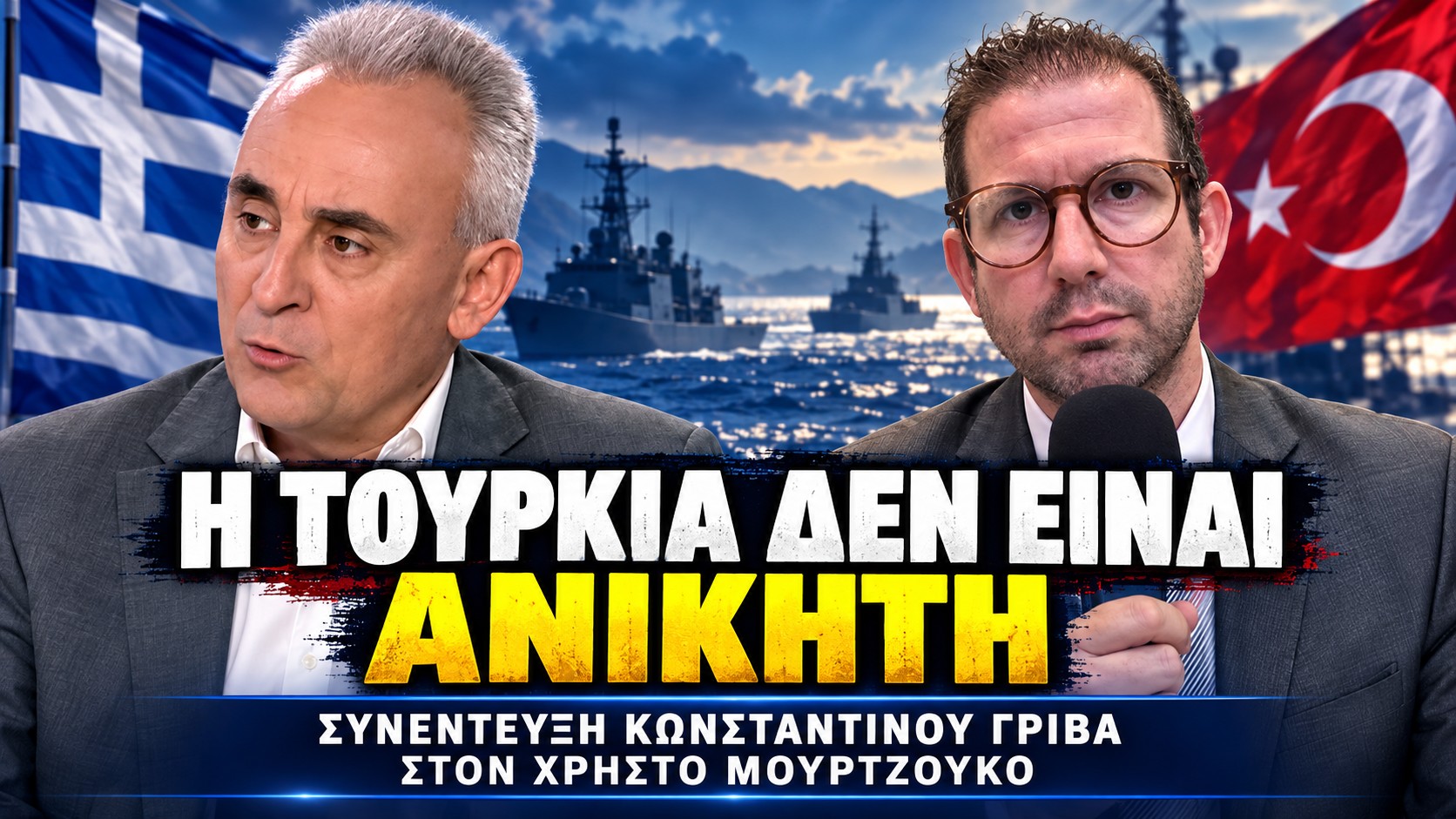
Το καλώδιο ηλεκτρικής διασύνδεσης, οι τουρκικές διεκδικήσεις στο Αιγαίο, η δραστηριότητα των αλιευτικών και οι κινήσεις γύρω από τα θαλάσσια πάρκα αποτελούν, σύμφωνα με τον Κωνσταντίνο Γρίβα, διαφορετικές εκφάνσεις μιας ενιαίας στρατηγικής: της σταδιακής αποδόμησης της ελληνικής κυριαρχίας και της επιβολής τουρκικού ελέγχου στον θαλάσσιο χώρο.
Στη συνέντευξή του στον Χρήστο Μουρτζούκου, στην εκπομπή «Με τη ματιά του απόδημου», ο καθηγητής Γεωπολιτικής και Σύγχρονων Στρατιωτικών Τεχνολογιών άσκησε έντονη κριτική στην ελληνική διαχείριση των ελληνοτουρκικών. Υποστήριξε ότι το αφήγημα των «ήρεμων υδάτων» συγκαλύπτει την εξέλιξη μιας ευρύτερης τουρκικής εκστρατείας, ενώ επέμεινε ότι η αποφυγή του πολέμου προϋποθέτει αξιόπιστη αποτροπή.
Το καλώδιο και η στρατηγική της «σαλαμοποίησης»
Αφετηρία της συζήτησης αποτέλεσε το έργο ηλεκτρικής διασύνδεσης Ελλάδας–Κύπρου–Ισραήλ και το ερώτημα εάν η αποδοχή τουρκικών απαιτήσεων για προηγούμενη ενημέρωση μπορεί να δημιουργήσει προηγούμενο για άλλες ελληνικές δραστηριότητες.
Ο Κωνσταντίνος Γρίβας ενέταξε την υπόθεση στη λογική της «σαλαμοποίησης»: της απόσπασης μικρών, διαδοχικών υποχωρήσεων, χωρίς να απαιτείται κάθε φορά μια μεγάλη στρατιωτική αντιπαράθεση.
Κατά την εκτίμησή του, η Άγκυρα επιδιώκει να καθιερώσει στην πράξη την αντίληψη ότι η Ελλάδα οφείλει να συνεννοείται μαζί της για τις κινήσεις της στο Αιγαίο. Εάν αυτή η λογική γίνει αποδεκτή, προειδοποίησε, θα προστεθεί ακόμη ένα βήμα στην υπονόμευση της ελληνικής ανεξαρτησίας.
Το διακύβευμα, όπως το περιέγραψε, υπερβαίνει την οικονομική αξία ενός ενεργειακού έργου ή την εκμετάλλευση θαλάσσιων πόρων. Αφορά τη δυνατότητα της χώρας να ασκεί τα δικαιώματά της χωρίς να υπόκειται σε εξωτερική επιτήρηση.
Το Αιγαίο ως συνδετικός ιστός της χώρας
Κεντρικό σημείο της ανάλυσής του ήταν η γεωγραφική και στρατηγική σημασία του Αιγαίου για την ελληνική συνοχή.
Ο καθηγητής υποστήριξε ότι η συζήτηση συχνά παραγνωρίζει την παρουσία των ελληνικών νησιών και παρουσιάζει το Αιγαίο σαν έναν θαλάσσιο χώρο που απλώς παρεμβάλλεται μεταξύ δύο κρατών. Στη δική του γεωπολιτική προσέγγιση, οι θαλάσσιες επικοινωνίες μεταξύ των νησιών και της ηπειρωτικής χώρας αποτελούν θεμελιώδες στοιχείο της εθνικής υπόστασης.
Με αυτό το σκεπτικό ερμήνευσε και τη «Γαλάζια Πατρίδα». Κατά τον ίδιο, η τουρκική επιδίωξη είναι να αντιμετωπίζονται ελληνικά νησιά ως θύλακες περιορισμένης κυριαρχίας μέσα σε έναν χώρο στον οποίο η Άγκυρα αξιώνει καθοριστικό έλεγχο.
Πρόκειται, όπως υποστήριξε, για απειλή που πρέπει να αντιμετωπιστεί συνολικά και να εξηγηθεί με σαφήνεια στους συμμάχους της Ελλάδας.
«Ήρεμα ύδατα» και αντιφατικά μηνύματα προς τους συμμάχους
Ιδιαίτερα αιχμηρός εμφανίστηκε απέναντι στην αντίληψη ότι οι ελληνοτουρκικές σχέσεις βρίσκονται σε μια ουσιαστικά ομαλή περίοδο.
Κατά τον Γρίβα, η Τουρκία συνεχίζει να ασκεί πίεση με στρατιωτικά, πολιτικά και επικοινωνιακά μέσα, ενώ στην Ελλάδα υποβαθμίζεται η σημασία αυτών των κινήσεων. Υποστήριξε ότι αυτή η απόσταση μεταξύ πραγματικότητας και δημόσιας παρουσίασης δυσκολεύει και τη διεκδίκηση διεθνούς υποστήριξης.
Το ερώτημα που έθεσε ήταν συγκεκριμένο: πώς μπορεί η Αθήνα να περιμένει ουσιαστική κινητοποίηση τρίτων, εάν η ίδια εκπέμπει το μήνυμα ότι δεν αντιμετωπίζει σοβαρό πρόβλημα με την Άγκυρα;
Στο ίδιο πλαίσιο διατύπωσε βαριές πολιτικές καταγγελίες για τμήματα του ελληνικού συστήματος εξουσίας, τα οποία, κατά την άποψή του, διευκολύνουν την τουρκική στρατηγική μέσω της υποβάθμισης της απειλής και της καλλιέργειας αντιλήψεων παραίτησης.
Η Τουρκία έχει τρωτά σημεία – Η αποτροπή αποσκοπεί στην αποφυγή του πολέμου
Ο καθηγητής απέρριψε την εικόνα ότι μια ελληνοτουρκική σύγκρουση θα οδηγούσε αναπόφευκτα σε ελληνική ήττα.
Αναγνώρισε ότι η Τουρκία διαθέτει πλεονεκτήματα, επέμεινε όμως ότι διαθέτει και σοβαρές τρωτότητες. Αντίστοιχα, υποστήριξε ότι η Ελλάδα εξακολουθεί να έχει σημαντικά στρατιωτικά πλεονεκτήματα, τα οποία δεν πρέπει να παραγνωρίζονται.
Στην ανάλυσή του έδωσε ιδιαίτερη βαρύτητα στην εσωτερική πολιτική και κοινωνική κατάσταση της Τουρκίας, καθώς και στην εξάρτηση της ηγεσίας της από την εικόνα μιας ισχυρής, ανερχόμενης δύναμης. Εκτίμησε ότι ένα πλήγμα σε αυτή την εικόνα θα μπορούσε να προκαλέσει σοβαρούς εσωτερικούς κραδασμούς.
Παράλληλα, προειδοποίησε ότι μια ένοπλη σύγκρουση μπορεί να εξελιχθεί ανεξέλεγκτα και να αποδειχθεί καταστρεπτική και για τις δύο χώρες. Απέρριψε, μάλιστα, ως παρανοϊκή τη λογική ενός δήθεν προσυμφωνημένου και ελεγχόμενου μικρού επεισοδίου.
«Πρέπει να το αποφύγουμε. Όντως πρέπει να το αποφύγουμε. Γι’ αυτό υπάρχει αποτροπή», τόνισε.
Το πρώτο πλήγμα και ο έλεγχος της κλιμάκωσης
Στη συζήτηση για το προληπτικό πλήγμα, ο Γρίβας υποστήριξε ότι η σχετική δυνατότητα πρέπει να εξετάζεται ως στοιχείο της στρατηγικής εργαλειοθήκης και της αποτροπής.
Η θέση του ήταν ότι ο αντίπαλος δεν πρέπει να θεωρεί δεδομένο πως μπορεί να επιλέγει κάθε φορά τον τόπο, τον χρόνο και την ένταση μιας κρίσης, εξασφαλίζοντας προβλέψιμες και περιορισμένες ελληνικές αντιδράσεις.
Έδωσε έμφαση στον έλεγχο της κλιμάκωσης: στη δυνατότητα της Ελλάδας να μην εγκλωβίζεται σε ένα παιχνίδι διαδοχικών μικρών πιέσεων που οργανώνει η άλλη πλευρά.
Ταυτόχρονα, διευκρίνισε ότι η αναφορά σε αυτή τη δυνατότητα δεν αποτελεί προτροπή για άμεση επίθεση. Την ενέταξε στη λογική αποτροπής μιας σύγκρουσης, επιμένοντας στους μεγάλους κινδύνους που θα συνεπαγόταν ο πόλεμος.
Τα αλιευτικά και τα θαλάσσια πάρκα στο ίδιο στρατηγικό πλαίσιο
Η συζήτηση επεκτάθηκε στη δραστηριότητα τουρκικών αλιευτικών κοντά σε ελληνικές ακτές και στις επιπτώσεις για τους Έλληνες ψαράδες.
Ο καθηγητής υποστήριξε ότι τέτοιες κινήσεις πρέπει να αξιολογούνται και υπό το πρίσμα της εθνικής ασφάλειας. Κατά την εκτίμησή του, η παρουσία αλιευτικών μπορεί να χρησιμοποιείται ως μέσο εμπέδωσης τουρκικής παρουσίας και αμφισβήτησης του ελληνικού ελέγχου.
Παρέπεμψε στο κινεζικό μοντέλο αξιοποίησης πολιτικών θαλάσσιων μέσων για στρατηγικούς σκοπούς, υποστηρίζοντας ότι η Τουρκία ακολουθεί ανάλογες μεθόδους.
Αλιευτικά, NAVTEX, θαλάσσια πάρκα και παρεμβάσεις στις έρευνες για το καλώδιο συνθέτουν, στη δική του ανάγνωση, ένα ολοκληρωμένο σύστημα πίεσης. Γι’ αυτό και ζήτησε συνολική ελληνική στρατηγική, αντί για αποσπασματική αντιμετώπιση κάθε περιστατικού.
Ουκρανία: Αντίθετος στην παραχώρηση κρίσιμων ελληνικών όπλων
Στο σκέλος της συνέντευξης για την Ουκρανία, ο Γρίβας εξέφρασε κατηγορηματική αντίθεση σε ενδεχόμενη παραχώρηση κρίσιμων ελληνικών οπλικών συστημάτων.
Χαρακτήρισε ένα τέτοιο ενδεχόμενο «εθνικό έγκλημα», υποστηρίζοντας ότι η Ελλάδα αντιμετωπίζει δικές της σοβαρές ανάγκες ασφαλείας και δεν μπορεί να διακινδυνεύσει κενά στην άμυνά της.
Αμφισβήτησε επίσης τη διαβεβαίωση ότι τα συστήματα που θα παραχωρούνταν θα μπορούσαν να αντικατασταθούν εύκολα και γρήγορα. Επικαλέστηκε τις πιέσεις στην παραγωγή και στην αναπλήρωση στρατιωτικών αποθεμάτων, συνδέοντας το ζήτημα με τις ευρύτερες αλλαγές στον σύγχρονο πόλεμο.
Η ευρωπαϊκή προσέγγιση στην Τουρκία και η ενεργειακή πίεση
Ο καθηγητής άσκησε κριτική και σε ευρωπαϊκές προσεγγίσεις που αντιμετωπίζουν την Τουρκία ως αναγκαίο στήριγμα της ευρωπαϊκής άμυνας απέναντι στη Ρωσία.
Κατά την άποψή του, αυτή η λογική παραγνωρίζει τις σχέσεις της Άγκυρας με τη Μόσχα και δημιουργεί περιθώρια στην τουρκική ηγεσία να αξιοποιεί τη στρατιωτική της ισχύ ως διπλωματικό διαπραγματευτικό χαρτί.
Παράλληλα, συνέδεσε τις κρίσεις στην Ουκρανία και στη Μέση Ανατολή με την ενεργειακή πίεση στην Ευρώπη. Εκτίμησε ότι το αυξημένο κόστος ενέργειας υπονομεύει την ανταγωνιστικότητα της ευρωπαϊκής βιομηχανίας και ενισχύει τη θέση άλλων μεγάλων οικονομικών δυνάμεων.
Κλείνοντας, υπογράμμισε ότι το διεθνές περιβάλλον παραμένει εξαιρετικά ρευστό και ότι ασφαλείς προβλέψεις για τις επόμενες τουρκικές κινήσεις δεν μπορούν να γίνουν. Το ζητούμενο για την Ελλάδα, όπως το έθεσε, είναι να αναγνωρίσει τη φύση της απειλής, να προστατεύσει την αμυντική της επάρκεια και να αποκτήσει συνεκτική στρατηγική.
GEOPOLITICO
Όσα είπε ο Ρούμπιο στην Αθήνα αποκαλύπτουν το πεδίον δόξης λαμπρόν του Ελληνισμού
Ο επικεφαλής της Αμερικανικής Διπλωματίας είπε μεγάλες κουβέντες στην Πνύκα: Από το Κάλλος στην Ισχύ και το Χρέος του Ελληνισμού, ο Μάρκο Ρούμπιο δεν έκρυψε τα λόγια του…
Του ΠΑΝΑΓΙΩΤΗ ΠΑΥΛΟΥ, Hellas Journal – Όσλο
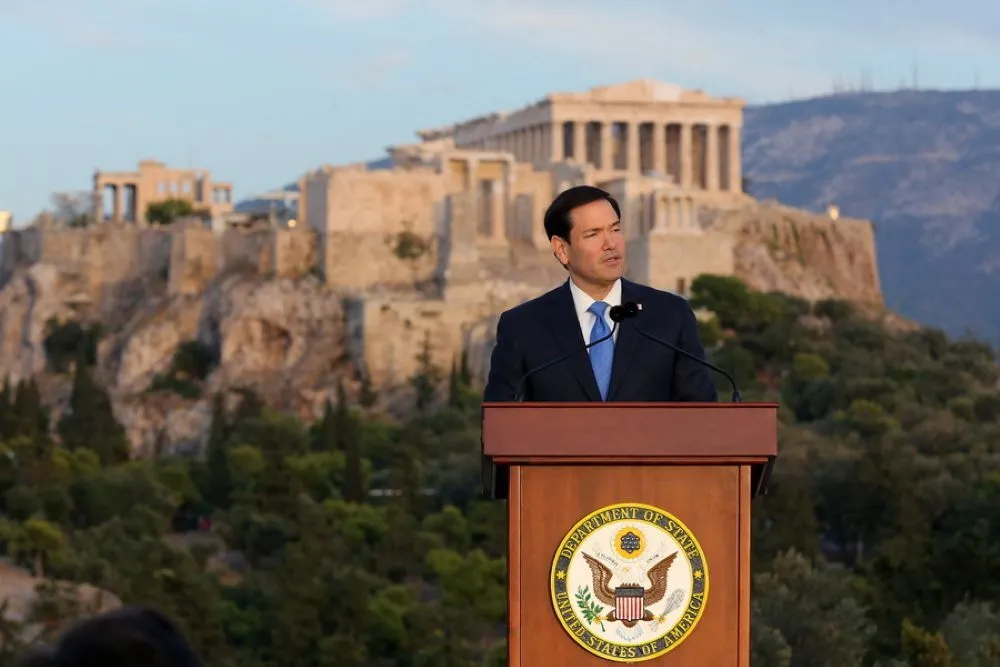
Δεν χωρά αμφιβολία το γεγονός ότι κατά την επίσκεψή του στην Αθήνα ο Αμερικανός Υπουργός Εξωτερικών Μάρκο Ρούμπιο έλαβε από την Ελλάδα ένα ανεκτίμητο δώρο: να μιλήσει μπρος στην Ακρόπολη απευθυνόμενος στην ανθρωπότητα από την Πνύκα.
Και είναι προσωπική γνώμη του γράφοντος ότι ο ίδιος το άξιζε αυτό. Διότι δεν ήρθε στην Ελλάδα με το θράσος του προκατόχου του Άντονι Μπλίνκεν και την αξίωση για δηλητηριώδη παρέμβαση στον πυρήνα της ελληνικής κοινωνίας. Ο οποίος Μπλίνκεν στις αρχές του 2024 είχε ζητήσει από τον Έλληνα Πρωθυπουργό στο πατρικό του στην Κρήτη την εφαρμογή της νεοταξικής ατζέντας κατάλυσης του ιστορικού θεσμού της οικογένειας που προωθούσαν οι Δημοκρατικοί.
Κάτι το οποίο πέτυχαν στην Ελλάδα, με την ψήφιση του γάμου ομοφυλοφίλων. Ένα νόμο τον οποίο η τότε αμερικανική κυβέρνηση είχε, δια του Μπλίνκεν, δεσμεύσει την Αθήνα να ψηφίσει με τέτοιο τρόπο, ώστε αργότερα κορυφαία κυβερνητικά στελέχη στην Ελλάδα να αναγκάζονται να δικαιολογούνται, διατυμπανίζοντας πως πρόκειται δήθεν για ζήτημα γεωπολιτικό και θέμα εθνικής ασφαλείας.
- Σαφώς, η ατζέντα του Μάρκο Ρούμπιο είχε διαφορετικό πρόσημο. Αν μη τι άλλο, ήταν συνεπής με τη ρεπουμπλικανική πεποίθηση, η οποία διασφάλισε στον Πρόεδρό του δεύτερη θητεία στον Λευκό Οίκο, ότι η κοινωνική συνοχή, μαζί με την έννοια του έθνους, οφείλει να είναι προτεραιότητα κάθε κράτους που σέβεται την υπόστασή του.
Γι᾽ αυτό και στην Πνύκα ο Αμερικανός ΥΠΕΞ δεν περιορίστηκε να μιλήσει θετικά για την Ελλάδα και να την εγκωμιάσει απλώς ως στρατηγικό σύμμαχο. Αλλά προέβη σε ρητή αναφορά στον λαό της, τον ελληνικό λαό, αναγνωρίζοντας ότι: «Ο λαός αυτού του έθνους έχει αποδείξει για άλλη μια φορά ότι είναι ένας απαραίτητος φίλος τόσο για την Ευρώπη όσο και για τις Ηνωμένες Πολιτείες».
Βεβαίως, η ομιλία Ρούμπιο στην Πνύκα, μολονότι καλοδουλεμένη, δεν ήταν απαλλαγμένη από αδυναμίες τόσο στη συνολική θέαση του Ελληνισμού και του Χριστιανισμού όσο και σε επιμέρους σημεία της. Όπως, παραδείγματος χάριν, κάτι από το οποίο πάσχει η Δύση, το γεγονός ότι η αξία των Ελλήνων εντοπίζεται στην κλασική αρχαιότητα, από την οποία μεταφερόμαστε απευθείας στη σημερινή παροχή γεωστρατηγικών διευκολύνσεων προς την Υπερδύναμη. Ή, η υφέρπουσα αντίληψη ότι τα θεμέλια του «φυσικού νόμου» της Δύσης βρίσκονται στην Ελλάδα.
- Ωστόσο, η ομιλία Ρούμπιο στην Πνύκα δείχνει στον σύγχρονο Ελληνισμό, τόσο δια των καίριων επισημάνσεών της όσο και δια των παραλείψεών της, τον δρόμο για την παγκόσμια ελληνική στρατηγική παρουσία. Εξηγούμαι.
Μπορεί ο Αμερικανός ΥΠΕΞ να αναγνώρισε το μεγαλείο της Ακρόπολης που στέκει πίσω του ακάθεκτη στον χρόνο. Και μπορεί στον λόγο του να αναφέρθηκε δύο φορές στην ομορφιά (beauty, beautiful), δίχως να εντοπίσει το βάθος της ελληνικής μεταφυσικής την οποία έχει απωλέσει η Δύση για την ανόρθωση της οποίας ο ίδιος όντως και ειλικρινώς νοιάζεται. Οι Έλληνες όμως έγιναν υπόδειγμα της παγκόσμιας ιστορίας διότι αναγνώρισαν στον κόσμο το κάλλος ως ιδίωμα του Θεού.
Ως πιστός Καθολικός ο Αμερικανός ΥΠΕΞ αντιλαμβάνεται τη σημασία του Χριστιανισμού. Τόλμησε μάλιστα ο κ. Ρούμπιο να αναφέρει το όνομα του Ιησού Χριστού μόλις μερικές εκατοντάδες μέτρα από τον Άρειο Πάγο, όπου ο Απόστολος Παύλος κήρυξε το Ευαγγέλιο στους Αθηναίους, έστω κι αν η ομιλία του δεν θεμελίωσε ενιαίο το κλασικό και χριστιανικό πολιτισμικό πλαίσιο, το οποίο θαυμαστά προσδιόρισε τη σχέση ανθρώπου και Θεού όπως μόνον οι Έλληνες κατόρθωσαν να βιώσουν και να αναδείξουν.
- Είναι άλλωστε ενδεικτικό ότι, μολονότι η ομιλία του κ. Ρούμπιο κινήθηκε στη νοητή γραμμή: «κόσμος, λογική τάξη του κόσμου, φυσικοί νόμοι, ανθρώπινος νους, φυσική τάξη, αλήθεια-αγαθό-κάλλος, αντικειμενικά πρότυπα, Χριστιανισμός-φυσικός νόμος», και μολονότι ο ίδιος Χριστιανός, δεν μπόρεσε να δει στην Ακρόπολη την προεξαγγελία της χριστιανικής μεταφυσικής περί της Δημιουργίας του Θεού την οποία το ίδιο το κάλλος του κόσμου μαρτυρά.
Μίλησε για τον κόσμο, αλλά δεν τον είδε ως έργο του Θεού. Μίλησε για το Ευαγγέλιο του Ιησού Χριστού και τη Χριστιανική Θεολογία του Αυγουστίνου και του Ακινάτη, αλλά δεν διείδε τον φυσικό νόμο που επικαλέστηκε ως προϊόν ελευθερίας του Θεού Λόγου, εντός της κτίσεως. Αυτά μπορεί σε κάποιους αναγνώστες και αναλυτές να ακουστούν ως ψιλή θεολογία, αλλά είναι ακριβώς το κομβικό σημείο στο οποίο η δυτική μεταφυσική παύει πλέον να ακολουθεί την Ελλάδα ως κατάφαση του κάλλους και διαστρέφεται σε θεολογία και μεταφυσική της ισχύος με συνέπειες οδυνηρές για όλη την ανθρωπότητα.
Κάπου εδώ αρχίζει η ευθύνη του Ελληνισμού, και ιδίως εν προκειμένω του ομογενειακού Ελληνισμού στις ΗΠΑ, την οποία η εμπνευσμένη ομιλία Ρούμπιο άρρητα υπογραμμίζει. Τόσο η Αρχιεπισκοπή Αμερικής, η οποία οφείλει να επανάγει εις βάθος αντί να κινείται απλώς πολιτικά, όσο και το ίδιο το ελληνικό κράτος, δια της Πρεσβείας της Ελλάδος στην Ουάσιγκτον (εδώ θα πρέπει να επισημανθεί η σεμνή και στιβαρή παρουσία του Πρέσβεώς μας στις ΗΠΑ Αντώνη Αλεξανδρίδη κατά την επίσκεψη του Αμερικανού Υπουργού Εξωτερικών στην Αθήνα) έχουν ένα μεγάλο χρέος και καθήκον.
- Να λειτουργήσουν όχι απλώς ως μονάδες εκκλησιαστικής και κρατικής ισχύος, αλλά ως ιεραπόστολοι και πρέσβεις της Ελληνορθοδοξίας αντιστοίχως.
- Να διαμορφώσουν δομές διάδοσης του ελληνικού και Ορθόδοξου πολιτισμού μέσα στις Ηνωμένες Πολιτείες, προς όφελος και των Ελλήνων τέταρτης γενιάς, που ίσως δεν υποψιάζονται καν την ισχύ του ελληνικού πνεύματος και της ελληνικής γλώσσας, αλλά και κάθε ευαίσθητου Αμερικανού πολίτη για τον οποίο το αμερικανικό όνειρο της ενθαδικότητας μοιάζει μικρό μπρος στην αθανασία.
Τα όσα είπε και δεν είπε ο κ. Ρούμπιο στην Αθήνα, αποκαλύπτουν το πεδίον δόξης λαμπρόν του Ελληνισμού στον 21ο αιώνα και φανερώνουν τις τιτάνιες διαστάσεις του έργου που και η Ορθόδοξη Εκκλησία και η ελληνική Πολιτεία, αλλά και οι φορείς της Ομογένειας καλούνται να επιτελέσουν μέσα στις Ηνωμένες Πολιτείες.
Διότι, είτε μας αρέσει είτε όχι, η Ελλάδα ανέκαθεν, από τον Όμηρο και τους Προσωκρατικούς μέχρι τον Σεφέρη, τον Ελύτη, τον Άγιο Πορφύριο και τον Άγιο Παΐσιο, είναι ο μυητής της ανθρωπότητας στο Κάλλος, την Αλήθεια και την Αιωνιότητα. Αυτά είναι, εκτιμώ, που κατά βάθος επιδιώκει και ο ίδιος ο Αμερικανός Υπουργός Εξωτερικών, αυτά είναι που αποζητά ο κάθε άνθρωπος όπου γης. Το momentum είναι ιδανικό για τον Ελληνισμό και για τις ΗΠΑ.
* Παναγιώτης Παύλος
Ερευνητής της Φιλοσοφίας στο Πανεπιστήμιο του Όσλο
GEOPOLITICO
Ενώ το τέρας βρυχάται, οι δύο ΥΠΕΞ, ούτε το πως ονομάζεται, ψελλίσατε!
Χρήστος Κηπουρός: Η λέξη Τουρκία έλαμψε δια της απουσίας της. Οι αιτίες; Από τη μια, τα νέα τουρκικά γυαλιά του Ρούμπιο. Από την άλλη το σιγοντάρισμα και κυρίως η διαχρονικά συμπλεγματική πολιτική των Αθηνών.
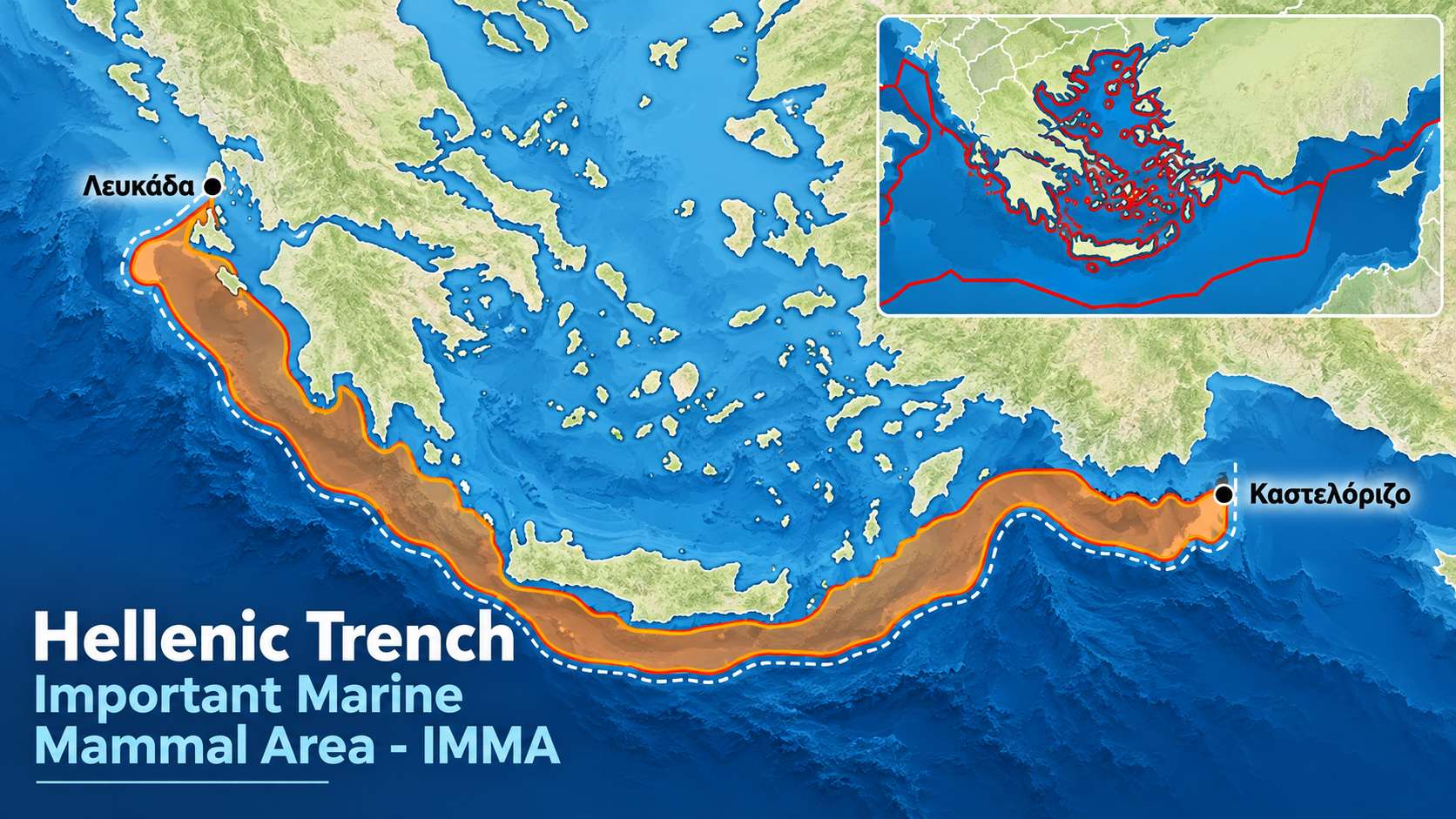
Ιδού πέντε θέματα που όφειλε να θέσει στον ομόλογό του, ο Έλληνας ΥΠΕΞ αλλά δεν το έπραξε. Εκτός από ένα, και κείνο, μισό και ανάλατο. Όπως μισό είναι και το “Φίλος της Ελλάδας”. Γιατί άλλο αυτό και άλλο το “Φίλος της Αρχαίας Ελλάδας”, όπως τονίστηκε από το Ρούμπιο στην πνύκα.
1. Ο Τούρκος ομόλογός τους στο “Σουνιτικό ΝΑΤΟ”, έκανε μνημόσυνο με ξένα κόλλυβα. Ο λόγος για την Ελληνική πυροβολαρχία patriot, στη Σαουδική Αραβία. Παρεμπιπτόντως η καυχησιολογία για την προστασία της Σούδας, που ούτε κατά διάνοια απαιτούνταν, πέραν του αδυνατίσματος της αμυντικής μας κάλυψης, θίγει και την καταγωγή του ίδιου, ως Καρπάθιου.
2. Όφειλε να επιδώσει στον Ρούμπιο, το χάρτη της ΙΜΜΑ, {βλέπετε εικόνα}, με την Ελληνική Τάφρο, προσθέτοντας δυο μόνο λόγια: “Επειδή στα Ανατολικά φτάνει έως το Καστελόριζο, πως είναι δυνατόν μέσα στην Ελληνική Τάφρο να εξαγγέλλεται Τουρκικό θαλάσσιο πάρκο; Όχι μόνο λόγω του ονόματος “Ελληνική” αλλά και λόγω της οικολογίας, με την αναγκαία υψηλή θαλάσσια προστασία”; Δεν είναι ακυρώσιμο;
Επιπλέον να του πει για τον καθορισμό της Ελληνικής τάφρου, αυτό το φαλαινάριο του Θεού, ως συνορεύουσας ζώνης 24 μιλίων, στην Ανατολική Μεσόγειο, με τα 12 μίλια να αφορούν και το καθέτως και το οριζοντίως, και άρα δημιουργία έξι νομικών Ελλήσποντων, μεταξύ των θαλασσίων στενών, Δυτικά και Ανατολικά της Πελαγόεσσας Κρήτης. Και να τον ρωτήσει το πως βλέπει την ανάληψη από Ελλάδα και Κύπρο, της θαλάσσιας τηλεδιοίκησης για την Ανατολική Μεσόγειο.
3. Επίσης να του εγχειρήσει το χάρτη του οικολογικού τομέα του ΟΗΕ, της 20/12/19, για τις ΑΟΖ, στην Ανατολική Μεσόγειο, ρωτώντας τη γνώμη του Ρούμπιο, 1. Για τις όμορες ες αεί ΑΟΖ Ελλάδας και Κύπρου που έχουν κοινή γραμμή επαφής μήκους 24 μιλίων! Όνομα και πράγμα συνορεύουσα δηλαδή ζώνη. Και 2. Ως προς το παράνομο μνημόνιο Τουρκίας Λιβύης που είχε υπογραφεί στις 27/11/19. Ο συγκεκριμένος χάρτης του ΟΗΕ, που είναι copy paste του χάρτη της Σεβίλλης, βάσει της UNCLOS, ως επίσημο έγγραφο, αποτελεί ή όχι πράξη ακύρωσης του μνημονίου;
4. Η ιερή Λέξη επανένωση έχει τη μέγιστη αξία για το θαλάσσιο Ελληνισμό, με κλειδί τις δυο ΑΟΖ, Ελλάδας και Κύπρου, εν όψει και της υποδοχής των δυο θαλάσσιων διαδρόμων, BRI και IMEC, ο οποίος μάλιστα εν πολλοίς είναι και made in USA. Πόσο μάλλον όταν μαζί με το καλώδιο GSI, η χώρα προχωράει στην ανάδειξή της σε κεντρική πλατεία του πλανήτη! Με κοινό τόπο όλων των διαδρόμων, το bypass της Τουρκίας! Εξ ων και το προερχόμενο από την Ιστορία και τη Γεωγραφία νεότερο Ανατολικό Ζήτημα.
Οπότε η δήλωση Ρούμπιο περί ιδιωτικής Διπλωματίας, επιζητούσε να του πει μια παλιά ατάκα: “Φίλοι και σύμμαχοι είμαστε, όμως δεν είμαστε Αμερικανάκια”.
Κατά τα άλλα, καλή είναι και η λέξη επανένωση της Κύπρου, αρκεί να μην την λες για να την πεις. Γιατί ούτε Ομοσπονδίες χρειάζεται η Κύπρος, ούτε νέα σχέδια Ανάν, ούτε ψευδοκράτη και παρακράτη. Ούτε αυτές τις άτυπες διασκέψεις «5+1», σαν αυτή που ξαναείπε ο απερχόμενος από την Κύπρο και τον ΟΗΕ Γενικός Γραμματέας. Ο Ελληνισμός καρτερεί την Κυπριακή Δημοκρατία, με μια δημοκρατική κοινωνία πλήρως ισότιμων πολιτών. Οι οποίοι εύκολα πλέον θα ξαναβρούν τη χαρά της συνύπαρξης του ειρηνισμού με τον ανθρωπισμό και την ευμάρεια.
5. Και τέλος το πως βλέπουν οι ΗΠΑ τη θαλάσσια Διώρυγα Αλεξανδρούπολης Μπουργκάς, μια και κάποιο think tank στην πατρίδα του μελετά τη συγκεκριμένη ιδέα εδώ και καιρό. Και επειδή θα αλλάξει το χάρτη της Γεωγραφίας και της Ιστορίας, όσο και της Γεωπολιτικής και Γεωοικονομίας. Με τον ενεργειακό διάδρομο και τα Στεριανά Δαρδανέλια να γίνονται ολόκληρη δέσμη. Θέματα για τα οποία γράφω σαράντα χρόνια, προτείνοντας τελευταία να πάρει το όνομα: “Μιχάλης Χαραλαμπίδης”. Άλλο τώρα που οι εν Αθήναις άνωθεν καμώνονται ότι ανακάλυψαν την Αμερική. Στα μυαλά είναι πολύ κάτωθεν. Άλλωστε ένας πρέσβης των ΗΠΑ στη γειτονική Τουρκία, ονόματι Μοργκεντάου, είχε πει ακόμη από το έτος 1920, ότι τα Δαρδανέλια της ξηράς είναι στον Έβρο!
Τέτοιοι Αμερικανοί και τέτοιοι Ισπανοί σαν τον Ανδαλουσιανό καθηγητή της Σεβίλλης Vivero, συντάκτη του ομώνυμου χάρτη, επιβεβαιώνουν τον Ισοκράτη, για τους μετέχοντες της ημετέρας παιδείας.
_______________
Διδυμότειχο, Οκτώβριος 2026,

Ο Ινδός πιλότος που έσωσε 182 ζωές από τρομοκρατική επίθεση στον αέρα – Η μάχη στο πιλοτήριο με το τσεκούρι και η ελληνική σύνδεση
Παγκόσμια αναγνώριση για τον Ινδό κυβερνήτη Smit Machchhar, ο οποίος, παρά τα σοβαρά τραύματα που υπέστη από επίθεση του συγκυβερνήτη...

Χτίζεται ισχυρός αμυντικός άξονας μεταξύ Ελλάδας και Ινδίας! Η κίνηση Δένδια και η γεωπολιτική απάντηση στη συνεργασία Τουρκίας–Πακιστάν
Η Αθήνα ανοίγει νέα σελίδα στη στρατηγική συνεργασία με το Νέο Δελχί, επενδύοντας στην αμυντική βιομηχανία, τις κοινές στρατιωτικές ασκήσεις...


Φαραντούρης: Ναυάγιο IMEC όπως EastMed; Η απάντηση της Κομισιόν
Προειδοποίηση για τον κίνδυνο να ναυαγήσει το πρότζεκτ εμπορικής σύνδεσης Ινδίας – Ευρώπης μέσω Ελλάδας (ΙΜΕC), απηύθυνε σήμερα απ’ το...

Μαυρίδης προς ΕΕ: Επιβολή κυρώσεων στον επιδρομέα αντί για “θετική ατζέντα”
Παρέμβαση του Ευρωβουλευτή Κώστα Μαυρίδη ενώπιον του Ραφαέλε Φίτο, Ειδικού Εκπροσώπου της Ευρ. Επιτροπής για το Κυπριακό και Εκτελεστικού Αντιπροέδρου...


Κεραυνοί Παυλόπουλου για Ρούμπιο: Ύμνοι στην Ελλάδα, σιωπή για casus belli και κατοχή της Κύπρου
Αιχμηρή κριτική του πρώην Προέδρου της Δημοκρατίας στον Αμερικανό υπουργό Εξωτερικών για την ομιλία του στην Πνύκα. Ο Προκόπης Παυλόπουλος...
-
 Αναλύσεις3 εβδομάδες πριν
Το τελεσίγραφο Καλίν την ώρα που η Τουρκία προετοιμάζεται για πόλεμο!
-
 Άμυνα3 μήνες πριν
Ρωσσικό ΜΜΕ: Ελληνικό «μπλόκο» στην απαίτηση για Patriot – Πώς γνωρίζει το Κίεβο απόρρητα στοιχεία για τους πυραύλους μας;
-

 ΑΝΑΡΤΗΣΕΙΣ ΜΕ ΣΗΜΑΣΙΑ2 μήνες πριν
Πακιστανός με καναδική υπηκοότητα ο υπαίτιος της πυρκαγιάς στον Έβρο! Πιθανόν να μετέφερε μετανάστες
-

 GEOPOLITICO1 μήνα πριν
Το διέρρευσε ο Παπαχελάς! Έφεραν τον Καλίν στο Μαξίμου – Τί συζήτησε με τον Μητσοτάκη;
-
 Αναλύσεις1 μήνα πριν
Καραγκιούλ: «Αν Ελλάδα, Κύπρος και Ισραήλ επιτεθούν στην Τουρκία, ο χάρτης του Αιγαίου θα αλλάξει»
-

 ΑΝΑΡΤΗΣΕΙΣ ΜΕ ΣΗΜΑΣΙΑ2 μήνες πριν
Ξέσπασμα της μητέρας της Μυρτούς για την υπόθεση Τζαβέντ Ασλάμ: «Δεν ξεχνώ ποτέ» – «Δήμαρχος των Πακιστανών ο Δούκας»
-
 GEOPOLITICO3 εβδομάδες πριν
Τί λέει Τούρκος δημοσιογράφος για Σάββα Καλεντερίδη; «Έκανε πολύ καλά τη δουλειά του για τη χώρα του – Δεν μπορούσε να τον στριμώξει η ΜİΤ»
-

 Αναλύσεις3 μήνες πριν
Εάν η Τουρκία απορρίψει τη συμφωνία αποχώρησης από την Κύπρο θα απομακρυνθεί δια της βίας