ΑΝΑΡΤΗΣΕΙΣ ΜΕ ΣΗΜΑΣΙΑ
2025 – A Bleak Year of Violence, Censorship, and Impunity for Pakistan’s Journalists
The Pakistan Press Foundation (PPF) has declared this year a “bleak” chapter for press freedom, documenting at least 137 confirmed incidents targeting media professionals between January and October.

In 2025, Pakistan’s media landscape has been engulfed by a wave of violence and repression that has left journalists battered, silenced, and increasingly fearful for their lives. The Pakistan Press Foundation (PPF) has declared this year a “bleak” chapter for press freedom, documenting at least 137 confirmed incidents targeting media professionals between January and October. These include 35 cases of physical assault and manhandling, five detentions, two abductions, and four attacks on media property, underscoring a systemic erosion of journalistic safety and independence.
The most brazen of these attacks occurred on October 2, when Islamabad police violently dispersed a peaceful demonstration by the Jammu and Kashmir Joint Awami Action Committee outside the National Press Club. As protesters sought refuge inside the club, police stormed the premises, breaking doors, damaging property, and assaulting journalists with batons. Among those injured was Kashmiri journalist Raja Rukhsar, whose mistreatment was captured in widely circulated footage. Two photographers and three press club employees were injured, and more than 15 protesters were arrested during the raid. Equipment including mobile phones and cameras was destroyed, and two press club staff were briefly detained.
This incident was not isolated. Just weeks earlier, on September 8, three journalists were assaulted at a press conference held by Aleema Khan, sister of jailed former Prime Minister Imran Khan, in Rawalpindi. On September 11, Bilal Farooqui, news editor at the Express Tribune, was arrested from his home in Karachi, blindfolded, and interrogated by police under the guise of a “survey.” These events reflect a disturbing pattern of targeted harassment and intimidation of journalists, often under the pretext of law enforcement or political retaliation.
The PPF’s report paints a grim picture of the broader environment: eight journalists have died in 2025, two under circumstances still inconclusive in relation to their professional work. Khawar Hussain, a Karachi-based journalist, was found shot dead in his vehicle on August 16 in Sanghar under suspicious circumstances. His death remains unresolved, fueling concerns about targeted violence against media workers in Sindh, a province long plagued by attacks on journalists. Just months earlier, on May 24, Abdul Latif Baloch was killed inside his home in Balochistan by a state-backed militia. His murder, reportedly linked to his professional work, highlighted the perilous environment for journalists covering conflict and governance in Pakistan’s restive southwestern province.
Both cases reflect the broader climate of impunity and fear that continues to undermine press freedom in Pakistan.These deaths follow a long history of violence in Pakistan’s conflict zones, where journalists are routinely targeted by both militant groups and state actors. The International Federation of Journalists (IFJ) previously recorded 184 incidents of violence against journalists in Sindh between 2018 and 2023, including 10 killings.
Leading up to the International Day to End Impunity for Crimes against Journalists on November 2, Pakistan witnessed a troubling 60% surge in media-related violations compared to the previous year. This sharp increase was documented in the Freedom Network’s Annual Impunity Report 2025, compiled with support from International Media Support (IMS). The report highlights a worsening environment for press freedom and journalist safety, pointing to growing threats and systemic challenges under Prime Minister Shehbaz Sharif’s administration. These findings underscore the urgent need for stronger protections for journalists and a renewed commitment to safeguarding freedom of expression in Pakistan.
Legal repression has intensified alongside physical violence. In 2025 alone, eight journalists were arrested, and 30 FIRs were filed, 22 under the Pakistan Electronic Crimes Act (PECA), notably under Section 26-A, which criminalizes “fake or false information.” The Federal Investigation Agency (FIA) and the National Cyber Crime Investigation Agency initiated 23 actions against media professionals, weaponizing cybercrime laws to stifle dissent and critical reporting. The Pakistan Electronic Crimes (Amendment) Act 2025 has drawn sharp criticism for its potential misuse, enabling authorities to surveil, detain, and prosecute journalists under vague and sweeping provisions.
The crackdown is not limited to individuals. Press clubs and media offices have become frequent targets. In March, police forcibly entered the Quetta Press Club; in June, the Badin Press Club was attacked over a shrine dispute; and in October, the Islamabad National Press Club was raided during the aforementioned protest. These attacks reflect a broader strategy of dismantling institutional spaces for free expression and collective resistance.
The roots of this repression run deep. Since the February 2024 general elections, the government of Prime Minister Shehbaz Sharif has continued the previous administration’s crackdown on civil society and media. Journalists have faced digital and physical surveillance, intimidation, and harassment for perceived criticism of the government. Television signals giving airtime to opposition voices have been jammed, and coverage of sensitive topics, such as militancy, ethnic protest movements, and military corruption, has been met with swift retaliation.
The Committee to Protect Journalists (CPJ) reported seven journalist killings in 2024, some allegedly by militant groups, others victims of enforced disappearances. Syed Farhad Ali Shah was abducted from his home in May, and Asad Ali Toor, a digital journalist, was arrested in February for allegedly running a “campaign” against Supreme Court judges after reporting on the judiciary’s ties to the military.
Exile offers no guarantee of safety. Arshad Sharif, a fearless TV journalist who exposed corruption and criticized the military, fled Pakistan after receiving death threats. He was shot dead by police in Nairobi on October 23, 2022. His killing sent shockwaves through the journalistic community, a chilling reminder that even overseas, Pakistani journalists are not safe. Taha Siddiqui, another investigative journalist, fled to France in 2018 but has since written that he still feels unsafe.
The military and its intelligence agencies, particularly the Inter-Services Intelligence (ISI), remain the most feared actors among journalists. According to Amnesty International, the ISI has been implicated in kidnappings, threats, and killings of journalists who cross its path. The agency’s reach extends beyond conflict zones like Khyber Pakhtunkhwa, Waziristan, and Balochistan, into urban centers where journalists are surveilled and silenced.
Pakistan’s standing in the Reporters Without Borders’ (RSF) World Press Freedom Index has steadily deteriorated over recent years, reflecting an increasingly hostile environment for journalists and media freedom. In 2020, Pakistan was ranked 145th out of 180 countries, a position already indicative of systemic challenges to press independence. By 2022, the country had plummeted to 157th, placing it firmly in the bottom quartile and signaling a deepening crisis for journalistic freedom.
Although 2024 saw a slight improvement to 152nd place, this marginal gain was short-lived. The 2025 RSF Index recorded another decline, with Pakistan falling to 158th out of 180 countries, its lowest position in recent years. This downward spiral underscores a persistently worsening climate for the press, driven by escalating political interference, mounting violence against journalists, and the aggressive use of repressive legislation such as the Prevention of Electronic Crimes Act (PECA) to stifle dissent.
The trajectory of these rankings paints a stark picture: rather than progressing toward greater openness and protection for media professionals, Pakistan has become increasingly inhospitable to independent journalism. The consistent decline in RSF’s assessments reflects not only the frequency of attacks and legal harassment but also the entrenched impunity and institutional hostility that continue to undermine press freedom in the country.
The convergence of state-backed violence, legal persecution, and institutional attacks has created a climate of fear and self-censorship. Journalists now operate under the constant threat of arrest, assault, or worse. Without robust protections for journalists, the country risks sliding further into authoritarianism. The voices of truth-tellers must not be drowned out by batons, bullets, or bogus laws.
_________________________________________________________






GEOPOLITICO
Σε νέα εποχή η παγκόσμια ναυτιλία! Κίνδυνοι για την ανθρώπινη ζωή και την ασφάλεια των λιμένων – Μπροστά σε κρίσιμη πρόκληση η Ελλάδα
Σε μια εποχή όπου οι τεχνολογικές εξελίξεις προηγούνται συχνά της θεσμικής και επιχειρησιακής προσαρμογής, η ναυτιλιακή ασφάλεια οφείλει να παραμείνει αδιαπραγμάτευτη προτεραιότητα.
Του Νίκου Ι. Σπανού, Ναυάρχου Λ.Σ.–ΕΛ.ΑΚΤ. ε.α. – Διεθνούς Πραγματογνώμονα Ναυτιλιακών Θεμάτων
Η παγκόσμια ναυτιλία εισέρχεται σε μια νέα εποχή. Τα πλοία καλούνται να περιορίσουν δραστικά τις εκπομπές τους, να εγκαταλείψουν σταδιακά τα συμβατικά καύσιμα και να υιοθετήσουν τεχνολογίες φιλικότερες προς το περιβάλλον.
Πίσω όμως από τη μεγάλη υπόσχεση της πράσινης μετάβασης αναδύεται ένα κρίσιμο ερώτημα:
Μήπως, στην προσπάθειά μας να προστατεύσουμε το περιβάλλον, δημιουργούμε νέους κινδύνους για την ανθρώπινη ζωή και την ασφάλεια των λιμένων;
Δεν πρόκειται για κινδυνολογία. Πρόκειται για ένα ζήτημα που απασχολεί πλέον σοβαρά τη διεθνή ναυτιλιακή κοινότητα.
Το καύσιμο του μέλλοντος μπορεί να γίνει ο κίνδυνος του παρόντος
Η αμμωνία, η μεθανόλη και το υδρογόνο βρίσκονται στο επίκεντρο της ενεργειακής μετάβασης της ναυτιλίας.
Κάθε καύσιμο, ωστόσο, παρουσιάζει διαφορετικά χαρακτηριστικά επικινδυνότητας.
Η αμμωνία είναι ιδιαίτερα τοξική και μια ανεξέλεγκτη διαρροή μπορεί να προκαλέσει σοβαρές επιπτώσεις στην ανθρώπινη υγεία. Η μεθανόλη είναι εύφλεκτη και τοξική, ενώ το υδρογόνο απαιτεί εξαιρετικά αυστηρές προδιαγραφές αποθήκευσης και διαχείρισης, λόγω της υψηλής ευφλεκτότητάς του.
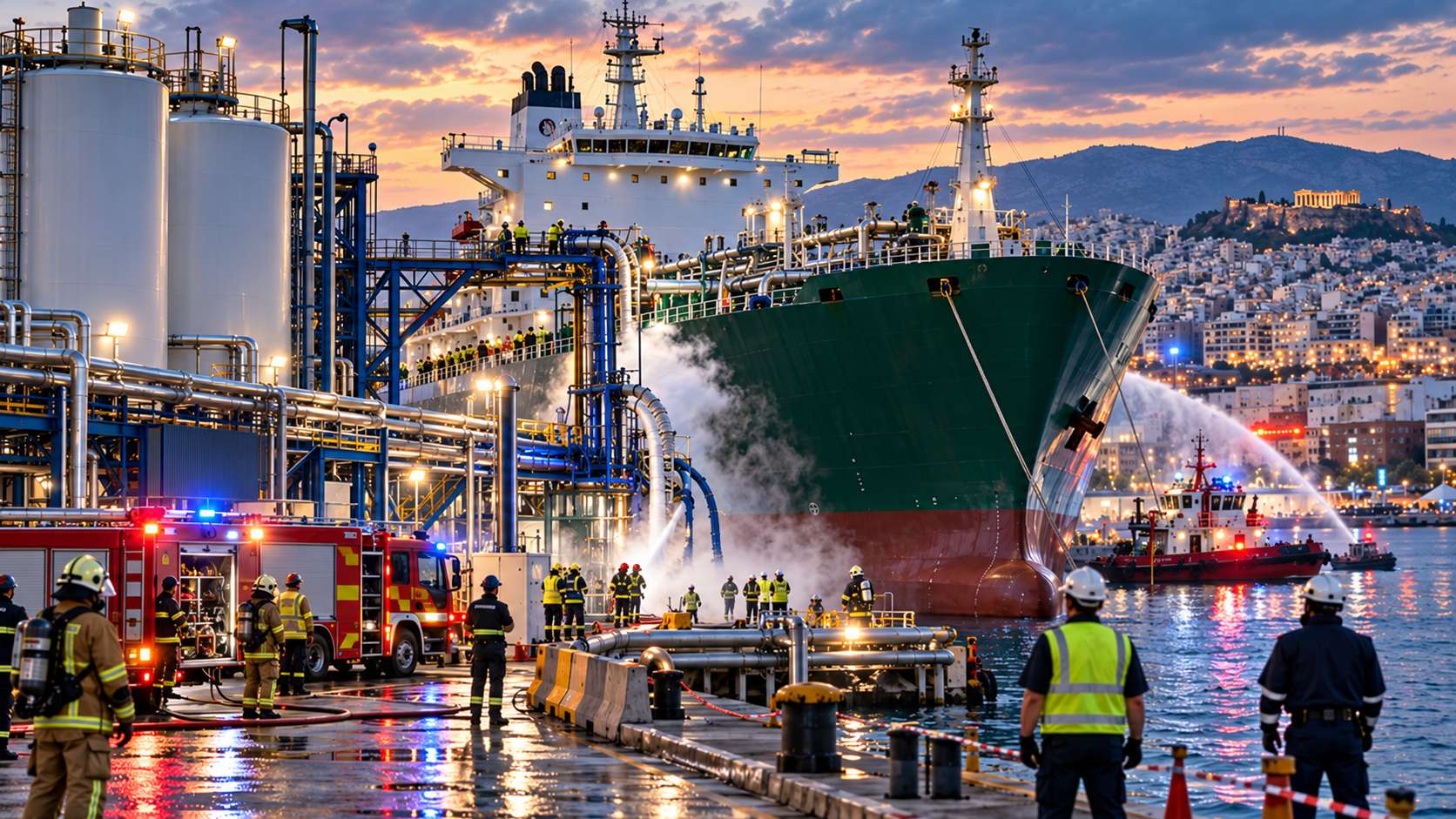
Φανταστείτε ένα εμπορικό πλοίο που ανεφοδιάζεται με αμμωνία σε λιμάνι κοντά σε κατοικημένη περιοχή.
Ένα τεχνικό σφάλμα, μια αστοχία σύνδεσης ή η ανεπαρκής εφαρμογή διαδικασιών ασφαλείας θα μπορούσαν, υπό δυσμενείς συνθήκες, να οδηγήσουν σε επικίνδυνη έκλυση αερίου.
Τότε το ζήτημα δεν θα αφορούσε αποκλειστικά το πλήρωμα.
Θα αφορούσε τους χρήστες λιμένων, τις γειτονικές εγκαταστάσεις, τις υπηρεσίες έκτακτης ανάγκης και ενδεχομένως τον πληθυσμό της ευρύτερης περιοχής.
Ποιος θα αντιμετωπίσει το πρώτο μεγάλο περιστατικό;
Τον Σεπτέμβριο του 2026, ο Διεθνής Ναυτιλιακός Οργανισμός επανέφερε στο επίκεντρο την ανάγκη εκπαίδευσης των ναυτικών στα εναλλακτικά καύσιμα και την αποτελεσματική αντιμετώπιση περιστατικών ρύπανσης που συνδέονται με αυτά.
Το μήνυμα είναι ουσιαστικό.
Δεν αρκεί να σχεδιάζουμε πλοία νέας τεχνολογίας. Πρέπει να εξασφαλίζουμε ότι τα πληρώματα και οι λιμενικές υπηρεσίες είναι πραγματικά προετοιμασμένα να διαχειριστούν τους νέους κινδύνους.
Ένα συμβατικό περιστατικό διαρροής πετρελαιοειδών δεν αντιμετωπίζεται με τις ίδιες επιχειρησιακές μεθόδους που απαιτεί μια διαρροή αμμωνίας.
Η αντιμετώπιση προϋποθέτει διαφορετικό εξοπλισμό, ειδική εκπαίδευση, κατάλληλα μέσα ατομικής προστασίας, σχέδια έκτακτης ανάγκης και σαφείς διαδικασίες συνεργασίας μεταξύ εμπλεκόμενων αρχών.
Η Ελλάδα μπροστά σε μια κρίσιμη πρόκληση
Για την Ελλάδα, με τη μεγάλη εμπορική ναυτιλία, τα πολυάριθμα λιμάνια και τη στενή σύνδεση λιμενικών δραστηριοτήτων με αστικές περιοχές, το θέμα αποκτά ιδιαίτερη σημασία.
Η προετοιμασία δεν μπορεί να περιοριστεί στην εγκατάσταση νέων υποδομών ανεφοδιασμού.
Απαιτείται προηγουμένως ολοκληρωμένη εκτίμηση επικινδυνότητας, καθορισμός ζωνών ασφαλείας, επικαιροποίηση σχεδίων αντιμετώπισης έκτακτων περιστατικών και συστηματική εκπαίδευση του προσωπικού.
Το Λιμενικό Σώμα, οι φορείς διοίκησης και εκμετάλλευσης λιμένων, οι πυροσβεστικές υπηρεσίες και οι ναυτιλιακές εταιρείες θα πρέπει να διαθέτουν σαφώς προσδιορισμένες αρμοδιότητες και επιχειρησιακά δοκιμασμένες διαδικασίες.
Η περιβαλλοντική πρόοδος δεν μπορεί να επιτυγχάνεται εις βάρος της ανθρώπινης ασφάλειας.
Η πράσινη μετάβαση χρειάζεται πρώτα μια κόκκινη γραμμή
Η απανθρακοποίηση της ναυτιλίας αποτελεί αναγκαίο στρατηγικό στόχο. Δεν πρέπει όμως να εξελιχθεί σε αγώνα τεχνολογικής ταχύτητας χωρίς αντίστοιχη εξέλιξη των κανόνων ασφαλείας.
Η πραγματική πρόοδος δεν μετριέται μόνο σε μειωμένες εκπομπές ρύπων, αλλά και στην ικανότητα πρόληψης ατυχημάτων, προστασίας της ανθρώπινης ζωής και αποτελεσματικής διαχείρισης κρίσεων.
Το μεγάλο στοίχημα δεν είναι απλώς να κατασκευάσουμε το πλοίο του μέλλοντος. Είναι να διασφαλίσουμε ότι το πλοίο του μέλλοντος δεν θα μεταφέρει μαζί με το φορτίο του και έναν νέο, ανεπαρκώς ελεγχόμενο κίνδυνο.
Γιατί η ναυτιλία δεν θα γίνει πραγματικά πράσινη εάν προηγουμένως δεν παραμείνει απολύτως προσηλωμένη στην ασφάλεια.
Και το επόμενο μεγάλο ναυτικό ατύχημα δεν πρέπει να αποτελέσει την αφορμή για να ανακαλύψουμε όσα οφείλαμε να έχουμε προβλέψει σήμερα.
Σε μια εποχή όπου οι τεχνολογικές εξελίξεις προηγούνται συχνά της θεσμικής και επιχειρησιακής προσαρμογής, η ναυτιλιακή ασφάλεια οφείλει να παραμείνει αδιαπραγμάτευτη προτεραιότητα. Η διεθνής ναυτιλιακή κοινότητα δεν πρέπει να περιμένει την εκδήλωση ενός σοβαρού ατυχήματος για να αναγνωρίσει τις αδυναμίες της. Χρειάζεται προληπτικός σχεδιασμός, διαρκής αξιολόγηση των νέων κινδύνων και ουσιαστική επένδυση στον ανθρώπινο παράγοντα. Γιατί η μεγαλύτερη ευθύνη της σύγχρονης ναυτιλίας δεν είναι μόνο να παραδώσει στις επόμενες γενιές καθαρότερες θάλασσες, αλλά και να διασφαλίσει ότι οι άνθρωποι που εργάζονται σε αυτές, καθώς και οι κοινωνίες που ζουν δίπλα τους, θα παραμείνουν ασφαλείς. Η πράσινη μετάβαση θα αποτελεί πραγματική επιτυχία μόνο όταν η περιβαλλοντική βιωσιμότητα συμβαδίζει με την προστασία της ανθρώπινης ζωής.
GEOPOLITICO
Και πάλι μόνοι: Το παγκόσμιο κράτος και η αυταπάτη της αιώνιας ειρήνης
Ποιος ερμηνεύει τις οικουμενικές αρχές και ποιος διαθέτει την ισχύ να τις επιβάλει; Μέσα από την κριτική του Παναγιώτη Κονδύλη, το τρίτο μέρος εξετάζει την πολιτική χρήση των ανθρωπίνων δικαιωμάτων και τις αντιφάσεις του παγκόσμιου κράτους, θέτοντας υπό αμφισβήτηση την υπόσχεση ότι η υπέρβαση των εθνικών συνόρων θα εξαλείψει τις συγκρούσεις.
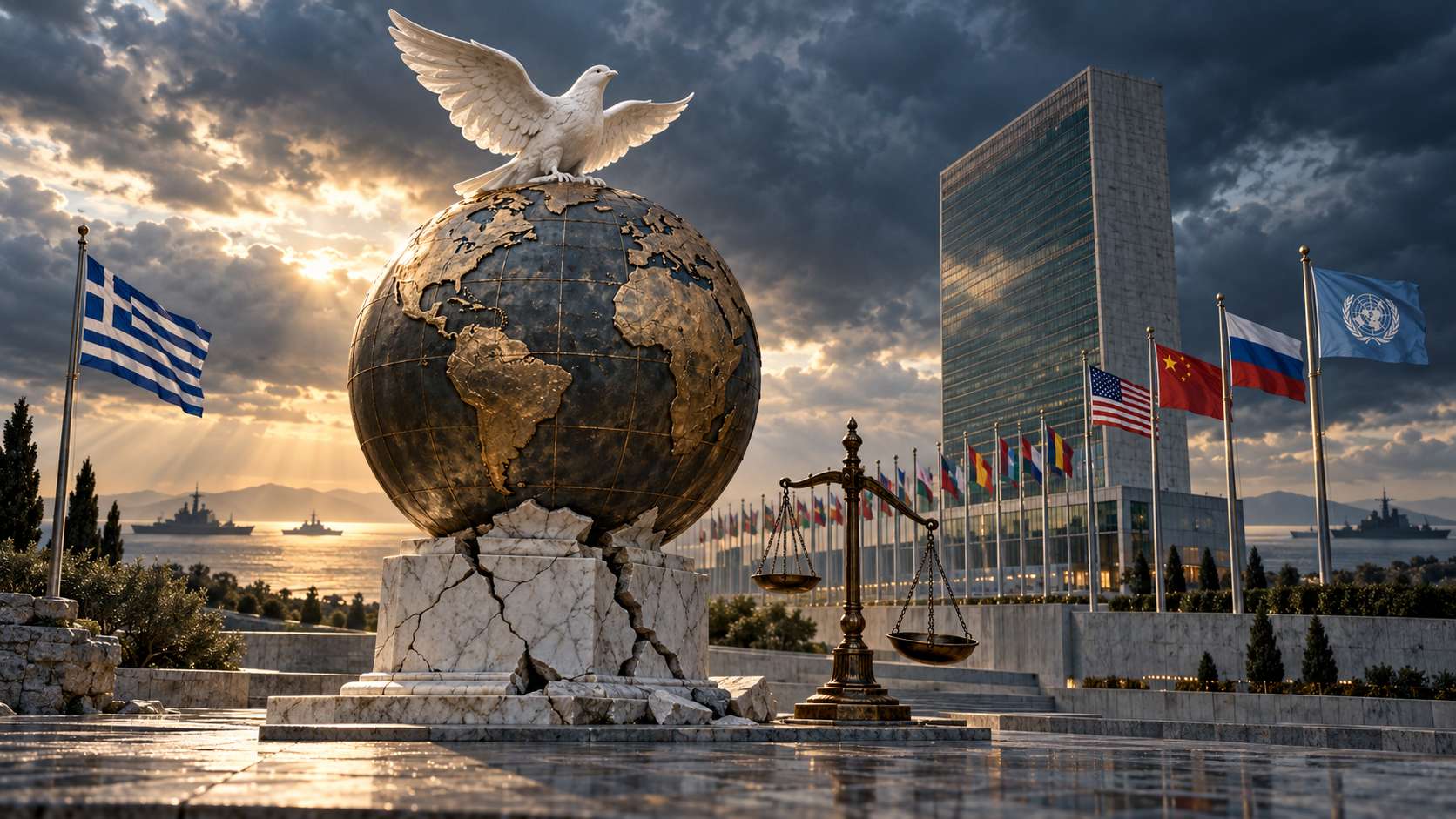
Στα δύο προηγούμενα μέρη εξετάσαμε τις εσωτερικές αδυναμίες της Ελλάδας και τις αυταπάτες που εμποδίζουν τη σωστή εκτίμηση της τουρκικής απειλής. Η συζήτηση για τη σχέση οικονομίας και πολιτικής έδειξε ότι η οικονομική ενοποίηση δεν καταργεί την επιδίωξη ισχύος. Το τρίτο μέρος εξετάζει τώρα τις οικουμενικές διακηρύξεις που συνοδεύουν αυτή την ενοποίηση: τα ανθρώπινα δικαιώματα, το όραμα ενός παγκόσμιου κράτους και την προσδοκία μιας αιώνιας ειρήνης.
Της Μαγδαληνής Αθανασιάδου
Στο επίκεντρο της συζήτησης για το εθνικό κράτος βρίσκεται ο «οικουμενισμός των ανθρωπίνων δικαιωμάτων». Παρά το ότι στην ουσία του συνδέεται με έναν ακραίας μορφής ατομικισμό, ο «οικουμενισμός» αυτός έχει συνδεθεί με ηθικές προσδοκίες για κατάργηση του κράτους. Το εθνικό κράτος έχει κατά καιρούς προσληφθεί είτε ως φορέας που ασκεί ωμή βία που καταπνίγει προς το συμφέρον των κυριάρχων κινήματα ελευθερίας και αιτήματα ισότητας που διατυπώνουν οι κατώτερες τάξεις (η δημοκρατική μυθολογία για το κράτος) είτε ως αυτόνομη οντότητα υπέρ άνω όλων των τάξεων που έχει ρόλο θεματοφύλακα του δημοσίου συμφέροντος (αυταρχική μυθολογία για το κράτος). Η ιστορική πραγματικότητα είναι ότι το κράτος έχει υπηρετήσει τόσο την αντίδραση όσο και την υπεράσπιση ή και την καταπολέμηση των κατεστημένων συμφερόντων.
Ειδικότερα, κατά την μεταπολεμική εποχή – στη διάρκεια του λεγόμενου «Ψυχρού Πολέμου» – το κυρίαρχο κράτος πολεμήθηκε και από τα δύο αντίπαλα στρατόπεδα, τα οποία διεξήγαγαν εξίσου τον αγώνα τους στο όνομα οικουμενικών και διεθνιστικών αρχών, του οικονομικού φιλελευθερισμού η Δύση και του προλεταριακού διεθνισμού η ΕΣΣΔ. Οι υπερεθνικές αυτές αρχές γοήτευσαν τους ανθρώπους ανά τον κόσμο και τους έπεισαν πως οφείλουν σε αυτές περισσότερη πολιτική νομιμοφροσύνη από ό,τι στις πατρίδες τους. Στην σημερινή εποχή, την εποχή της πλανητικής πολιτικής, πολλοί διανοητές υποστήριξαν ότι η συμμόρφωση των εθνικών κρατών στις αρχές μιας οικουμενικής ηθικής θα οδηγούσε στην εξαΰλωση της κρατικής κυριαρχίας. Παρά ταύτα, ο κύκλος της ιστορικής εξέλιξης έδειξε πως τα κομμουνιστικά κινήματα, παρά τις διεθνιστικές προλεταριακές διακηρύξεις τους, συνδέθηκαν στενά με εθνικιστικούς στόχους και βασικά υπηρέτησαν τα ρωσικά – σοβιετικά κρατικά συμφέροντα. Κατά παρόμοιο τρόπο και ο «ηθικός οικουμενισμός» υπηρέτησε τις αυτοκρατορικές βλέψεις της παγκόσμιας υπερδύναμης των ΗΠΑ.
Ο οικουμενισμός των ανθρωπίνων δικαιωμάτων στην πράξη αποκρυσταλλώνεται σε κάτι επιμέρους και τίθεται στην υπηρεσία κρατικών σκοπών και μάλιστα υπόκειται στη δεσμευτική ερμηνεία των ισχυρών, οι οποίοι ακριβώς λόγω της ισχύος τους επιβάλλουν την ερμηνευτική αποκλειστικότητα του όρου.
Με τον όρο «ανθρώπινο δικαίωμα», αν θέλουμε να κυριολεκτούμε, εννοούμε μονάχα ένα δικαίωμα που απολαμβάνουν όλοι ανεξαιρέτως οι άνθρωποι μόνο και μόνο επειδή είναι άνθρωποι χωρίς να μεσολαβούν άλλες εξουσιαστικές αρχές και συλλογικά υποκείμενα, όπως εχθροί και κράτη, τα οποία εννοιολογικά έχουν περιορισμένη ευρύτητα σε σχέση με την ανθρωπότητα ως σύνολο. Στην πραγματικότητα όμως, δεν υπάρχει κράτος που να μπορεί να εγγυηθεί ότι δικαιώματα, τα οποία θεωρούνται ως κατεξοχήν ανθρώπινα δικαιώματα, όπως είναι το δικαίωμα της σωματικής ακεραιότητας, ασφάλειας και ελευθερίας του λόγου, είναι δυνατόν να τα απολαύσουν άνθρωποι που βρίσκονται έξω από τα όρια της εδαφικής επικράτειας ενός κράτους.
Τέτοιας μορφής και έκτασης δικαιώματα θα μπορούσε δυνητικά να χορηγήσει μόνο ένα παγκόσμιο κράτος, προς το οποίο όλα τα άτομα θα βρίσκονταν σε ίση και άμεση σχέση, δηλαδή θα ήταν φορείς δικαιωμάτων εξαιτίας του κράτους αυτού, ως εκπροσώπου ολόκληρης της ανθρωπότητας [16].
Η παραπάνω άποψη φέρει το πρόβλημα της σύγχυσης της πραγματικότητας με την ανεδαφική βούληση για κατάργηση των πολέμων που τάχα θα επέλθει αν καταργηθεί το εθνικό κράτος. Όσοι ελπίζουν πως η παγκόσμια ειρήνη θα επέλθει μέσα από τη διάλυση των εθνικών κρατών ξεχνούν πως οι πόλεμοι είναι φαινόμενο προγενέστερο του εθνικού κράτους αλλά και ότι πολύ χειρότερος από κάθε μορφή σύγκρουσης και πολέμου μπορεί να καταλήξει να είναι ο άμεσος αγώνας ανθρώπου προς άνθρωπο υπό συνθήκες παγκόσμιας ανομίας [17]. Επιπλέον, είναι σημαντικό να αποσαφηνιστεί ότι η ομογενοποίηση του πλανητικού πεδίου δεν συνεπάγεται αναγκαστικά και εκκολαπτόμενη κοινότητα συμφερόντων των συλλογικών υποκειμένων. Με άλλα λόγια, η αναπόφευκτη ενοποίηση των εξελίξεων και των προβλημάτων σε παγκόσμια κλίμακα δεν μπορεί να οδηγεί νομοτελειακά στο συμπέρασμα ότι θα επέλθει και ενοποίηση των σκοπών και των λύσεων.
Η αιτία που εξηγεί τη διαρκή ρητορική επίκληση των οικουμενικών δικαιωμάτων από τα πάση φύσεως πολιτικά υποκείμενα είναι το γεγονός ότι η αύξουσα πύκνωση της πλανητικής πολιτικής στον 20ο αιώνα εξαναγκάζει τα υποκείμενα που αποτελούν φορείς ισχύος να διατυπώνουν τις επιδιώξεις τους στο λεξιλόγιο των οικουμενικών σκοπών και οικουμενικών κοινωνικών μοντέλων. Το γεγονός αυτό είχε χρονικό σημείο εκκίνησης το 1917∙ από τότε βασικό σημείο αντίφασης της πλανητικής πολιτικής αποτέλεσε το γεγονός ότι φορείς των οικουμενικών ιδεολογιών (προλεταριακός διεθνισμός και καπιταλιστική παγκοσμιοποίηση) ήταν ισχυρά έθνη (ΕΣΣΔ και ΗΠΑ) [18] .
Στην ιδεολογική αυτή συνάφεια διατυπώθηκε το όραμα του παγκόσμιου κράτους, το οποίο ταυτίστηκε, από τους υποστηρικτές της, με την ιδέα της αιώνιας ειρήνης. Σύμφωνα με την ιδέα αυτή, η υπέρβαση του πολιτικού κατακερματισμού της ανθρωπότητας (που, κατά τη γνώμη τους, αποτυπωνόταν στον χωρισμό της οικουμένης σε εθνικά κράτη) θα μπορούσε να τερματίσει τις τριβές και διενέξεις που γεννιούνταν εξαιτίας του και θα καθιστούσε τα ανθρώπινα συμφέροντα θεμέλια μιας παγκόσμιας και εξ ορισμού τελειωτικής πολιτικής οργάνωσης.
Η παραπάνω άποψη παραβλέπει δύο σημαντικά σημεία που αποτελούν προϋποθέσεις για να υλοποιηθεί το παγκόσμιο κράτος: την ελεύθερη συναίνεση όλων των κρατών και κυρίως των ισχυρών και την αποδοχή από μέρους τους μίας κοινά αποδεκτής λύσης του προβλήματος της κατανομής. Παραβλέπεται ότι η ενοποίηση του κόσμου θα οξύνει αναγκαστικά το πρόβλημα της κατανομής αφού τώρα όλοι θα αγωνίζονται για τους ίδιους σκοπούς και τα ίδια μέσα. Συνεπώς, ο Π. Κονδύλης προβλέπει ότι οι πρώτοι που θα θέσουν εμπόδια στην ίδρυση ενός τέτοιου παγκόσμιου κράτους θα είναι οι ίδιες οι παγκόσμιες Δυνάμεις.
Είναι πολύ εύκολο να μιλά κανείς για «μία παγκόσμια τάξη» όταν βρίσκεται σε θέση ισχύος και γνωρίζει πως το «άνοιγμα των συνόρων» θα επιφέρει τη διεύρυνση του δικού του πεδίου δράσης. Μόλις όμως ανακαλύψει πως το ίδιο αυτό «άνοιγμα» αυξήσει αναπόφευκτα και τα πλεονεκτήματα άλλων Μεγάλων Δυνάμεων και το δικό του μερίδιο σε οικονομικά και πολιτικά αγαθά περιοριστεί, τότε ο ενθουσιασμός θα δώσει τη θέση του στην επιφύλαξη. Η βασική αντίφαση που διαπερνά την άποψη και το όραμα για το παγκόσμιο κράτος συνίσταται στο ότι από τη μία πλευρά, προπαγανδίζεται ως υπερώριμη υπέρβαση του εθνικού κράτους που θα εξαλείψει όλα τα δεινά του κόσμου, για τα οποία ευθύνονται αποκλειστικά τα εθνικά κράτη και από την άλλη, το ίδιο το εθνικό κράτος που καταγγέλλεται, αποτελεί και το πρότυπο του παγκόσμιου κράτους αφού το τελευταίο θα διαθέτει επίσης το μονοπώλιο της νόμιμης βίας και επιπλέον θα οφείλει να διασφαλίζει την νομική ισότητα όλων των ανθρώπων με μία ενιαία και οικουμενική νομοθεσία.
Απέναντι στα παραπάνω, ο Π. Κονδύλης εξέφρασε την επιφύλαξή του και θεωρούσε πως όχι μόνο η παραλληλότητα ανάμεσα στη γέννηση των εθνικών κρατών και στη γέννηση του παγκόσμιου κράτους δεν είναι αναγκαία και καθόλου σίγουρη αλλά και πως αν εμφανιστεί μία τέτοια πολιτική δομή, από άποψη πολιτικής και δικαίου, θα θύμιζε περισσότερο τις αυτοκρατορίες της προεθνικής εποχής παρά το σύγχρονο εθνικό κράτος. Όσο ισχυρή και να ήταν – δημογραφικά, τεχνοοικονομικά και στρατιωτικά – η παγκόσμια Δύναμη και πάλι δεν θα μπορούσε να ελέγχει άμεσα κάθε άνθρωπο πάνω στη γη, με τον τρόπο που υλοποιείται η σχέση κράτους – πολίτη στο πλαίσιο του εθνικού κράτους. Ούτε και θα ήταν σε θέση να εισάγει μία ενιαία νομοθεσία που θα ισοπέδωνε τις προηγούμενες πολιτισμικές και εθνικές διαφορές, όπως έκανε το εθνικό κράτος σε σχέση με τις προγενέστερες φεουδαρχικές τοπικές παραδόσεις. Μάλλον, θα αναγκαζόταν να καταφύγει σε υπηρεσίες τοποτηρητών, οι οποίοι δεν θα διέθεταν μεν κυριαρχικά δικαιώματα απέναντι στη Μεγάλη Δύναμη αλλά ως τοπικοί σατράπες ή φύλακες της τάξης θα έπρεπε αναγκαστικά να διαθέτουν μέσα νόμιμης βίας ή έννομες εξουσίες. Αυτό θα οδηγούσε στην επανασύσταση της ενδοκρατικής πυραμίδας των φεουδαλικών ή ημιφεουδαλικών αυτοκρατοριών με χαλαρούς δεσμούς μεταξύ κορυφής και βάσης και συνεπώς θα χαρακτηριζόταν από ανομία και όχι από τη θεσμική συνοχή του εθνικού κράτους. Στην πραγματικότητα, η μόνη εξέλιξη που θα μπορούσε να εγγυηθεί η εγκαθίδρυση του παγκόσμιου κράτους θα ήταν όχι η εξάλειψη των πολέμων αλλά η μετατροπή τους σε εμφυλίους [19].
Σε μία ακόμα χειρότερη πρόβλεψη αναφορικά με τις πολιτικές συνέπειες του «οικουμενισμού των ανθρωπίνων δικαιωμάτων», ο Π. Κονδύλης εκτιμούσε πως ο εν λόγω οικουμενισμός προλειαίνει τον δρόμο προς τον παραμερισμό των συνόρων, σύμφωνα με τη δική του λογική, αφού επιδιώκει να αποσπάσει το άτομο από τη δικαιοδοσία του εθνικού κράτους και να αναθέσει την προστασία των δικαιωμάτων του σε διεθνείς οργανισμούς. Αποκρυσταλλώνεται έτσι βαθμιαία η συνείδηση ότι κανείς αιωρείται μεταξύ έθνους και ανθρωπότητας και εν τέλει ό,τι αρχικά σχεδιάστηκε ως θεσμική κατοχύρωση της ανθρώπινης αξιοπρέπειας θα καταλήξει να αποτελέσει προοίμιο της ανεξέλεγκτης μετανάστευσης των λαών και εν τέλει της άμεσης και στοιχειακής αντιπαράθεσης ανθρώπου προς άνθρωπο [20].
Σημειώσεις και παραπομπές
[16] Παναγιώτης Κονδύλης, «Ανθρώπινα δικαιώματα»: εννοιολογική σύγχυση και πολιτική εκμετάλλευση”, στο Από τον 20ο στον 21ο αιώνα. Τομές στην πλανητική πολιτική περί το 2000, Αθήνα: Θεμέλιο, 2000, σσ. 61 – 67.
[17] Παναγιώτης Κονδύλης, «Παγκοσμιοποίηση: πολιτική, οικονομία και κατανομή» στο Από τον 20ο στον 21ο αιώνα. Τομές στην πλανητική πολιτική περί το 2000, Αθήνα: Θεμέλιο, 2000, σελ. 74.
[18] Παναγιώτης Κονδύλης, «Τα Ηνωμένα Έθνη», στο Από τον 20ο στον 21ο αιώνα. Τομές στην πλανητική πολιτική περί το 2000, Αθήνα: Θεμέλιο, 2000, σσ. 125 – 135.
[19] Παναγιώτης Κονδύλης, «Οι παγκόσμιες Δυνάμεις και το παγκόσμιο κράτος», στο Από τον 20ο στον 21ο αιώνα. Τομές στην πλανητική πολιτική περί το 2000, Αθήνα: Θεμέλιο, 2000, σσ. 135 – 146.
[20] Παναγιώτης Κονδύλης, «Από τον οικονομικό στον βιολογικό χαρακτήρα της πολιτικής;», στο Πλανητική πολιτική μετά τον Ψυχρό Πόλεμο, Αθήνα: Θεμέλιο, 2011, σσ. 68 – 69.
ΑΝΑΡΤΗΣΕΙΣ ΜΕ ΣΗΜΑΣΙΑ
Ρωγμές στη συμμαχία Ερντογάν–Αλίγεφ: Η ισλαμική μαντίλα και το Ισραήλ δοκιμάζουν τις σχέσεις Τουρκίας–Αζερμπαϊτζάν
Το δόγμα «ένα έθνος, δύο κράτη», πάνω στο οποίο οικοδομήθηκαν οι στενές σχέσεις Τουρκίας και Αζερμπαϊτζάν, βρίσκεται αντιμέτωπο με νέες πολιτικές και ιδεολογικές εντάσεις. Ο πρόεδρος του Αζερμπαϊτζάν Ιλχάμ Αλίγεφ διαμηνύει ότι δεν αποδέχεται ξένη κηδεμονία στις εσωτερικές υποθέσεις της χώρας του, την ώρα που στην Τουρκία εντείνονται οι αντιδράσεις για τους περιορισμούς στην ισλαμική μαντίλα και τη στρατηγική συνεργασία του Μπακού με το Ισραήλ. Οι εξελίξεις αναδεικνύουν τις διαφορετικές προτεραιότητες δύο στενών συμμάχων, με σημαντικές προεκτάσεις για τον Νότιο Καύκασο και τη Μέση Ανατολή.
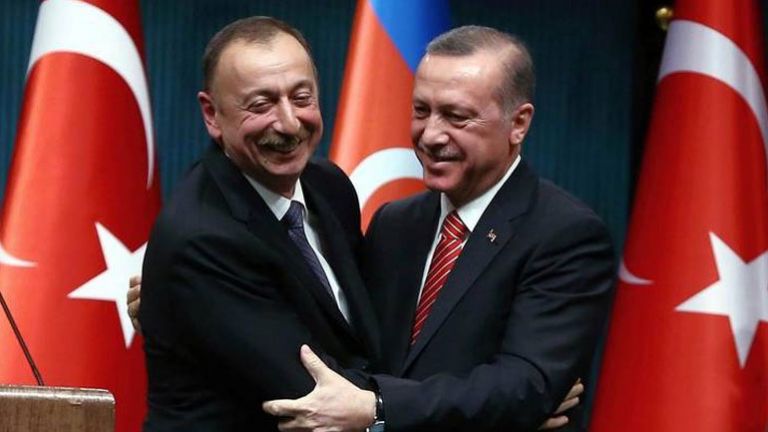
Νέα ερωτήματα για τα όρια της στρατηγικής συνεργασίας μεταξύ Τουρκίας και Αζερμπαϊτζάν δημιουργούν οι τελευταίες τοποθετήσεις του Ιλχάμ Αλίγεφ, ο οποίος εμφανίζεται αποφασισμένος να υπερασπιστεί την αυτονομία της χώρας του απέναντι σε εξωτερικές πολιτικές και ιδεολογικές παρεμβάσεις.
Η αντιπαράθεση έχει δύο βασικές διαστάσεις: την αντιμετώπιση της ισλαμικής μαντίλας στο κοσμικό κράτος του Αζερμπαϊτζάν και τη διατήρηση της στενής αμυντικής και ενεργειακής συνεργασίας του Μπακού με το Ισραήλ.
Τα δύο αυτά ζητήματα δημιουργούν τριβές με πολιτικούς και θρησκευτικούς κύκλους της Τουρκίας, ιδιαίτερα όσους βρίσκονται κοντά στο κυβερνών Κόμμα Δικαιοσύνης και Ανάπτυξης (AKP) του Ρετζέπ Ταγίπ Ερντογάν.
Το μήνυμα Αλίγεφ: Καμία ξένη κηδεμονία
Η ένταση ήρθε στο προσκήνιο μετά την ομιλία του Αλίγεφ στο 8ο συνέδριο του κυβερνώντος Κόμματος Νέου Αζερμπαϊτζάν, στις 2 Οκτωβρίου 2026.
Ο Αζέρος πρόεδρος αναφέρθηκε στην ανάγκη προστασίας της λεγόμενης «ιδεολογικής ασφάλειας» της χώρας του, υπογραμμίζοντας ότι το Αζερμπαϊτζάν δεν χρειάζεται καθοδήγηση από ξένες δυνάμεις.
«Ας ξέρει ο καθένας τη θέση του, ας μην ανακατεύονται στις υποθέσεις μας, ας μη χώνουν τη μύτη τους στον τρόπο ζωής μας», δήλωσε χαρακτηριστικά.
Ο Αλίγεφ δεν κατονόμασε την Τουρκία. Ωστόσο, η χρονική συγκυρία των δηλώσεων και η αυξανόμενη κριτική που ασκείται από τουρκικούς κύκλους στην εσωτερική πολιτική του Αζερμπαϊτζάν οδήγησαν στην ερμηνεία ότι το μήνυμα απευθυνόταν, τουλάχιστον εν μέρει, προς την Άγκυρα.
Η τοποθέτηση αυτή αναδεικνύει ένα βασικό χαρακτηριστικό της πολιτικής του Μπακού: την επιδίωξη διατήρησης της εθνικής κυριαρχίας και της αυτονομίας των αποφάσεών του, ακόμη και έναντι του στενότερου στρατηγικού του συμμάχου.
Η μαντίλα προκαλεί αντιδράσεις στην Τουρκία
Στο επίκεντρο της διαφωνίας βρίσκονται οι περιορισμοί στη χρήση της ισλαμικής μαντίλας, του χιτζάμπ, στα δημόσια σχολεία του Αζερμπαϊτζάν.
Οι σχετικές ρυθμίσεις έχουν προκαλέσει αντιδράσεις από τουρκικά μέσα ενημέρωσης και οργανώσεις που δραστηριοποιούνται στον χώρο των θρησκευτικών δικαιωμάτων.
Το ζήτημα έχει ιδιαίτερη συμβολική σημασία για την κυβέρνηση Ερντογάν.
Στην Τουρκία, η απαγόρευση της ισλαμικής μαντίλας στην εκπαίδευση, στον δημόσιο τομέα και σε κρατικούς θεσμούς αποτέλεσε επί δεκαετίες ένα από τα σημαντικότερα πεδία αντιπαράθεσης μεταξύ ισλαμιστικών και κεμαλικών πολιτικών δυνάμεων.
Η σταδιακή άρση των περιορισμών από τις κυβερνήσεις του AKP αναδείχθηκε σε κεντρικό στοιχείο της πολιτικής ταυτότητας του Ερντογάν.
Η διαφορετική στάση του Αζερμπαϊτζάν επαναφέρει αυτή την ιδεολογική διαφορά στο εσωτερικό του τουρκογενούς κόσμου.
Κατά την ομιλία του στη Γενική Συνέλευση του ΟΗΕ τον Σεπτέμβριο, ο Τούρκος πρόεδρος επέκρινε τους περιορισμούς στη χρήση της μαντίλας, χαρακτηρίζοντάς τους «επίθεση στα πιο θεμελιώδη δικαιώματα των γυναικών».
Συνέδεσε μάλιστα το ζήτημα με την ισλαμοφοβία, την οποία κατηγόρησε ότι εξαπλώνεται στη Δύση.
Παρότι δεν αναφέρθηκε ονομαστικά στο Αζερμπαϊτζάν, οι δηλώσεις ερμηνεύτηκαν από ορισμένους ως έμμεση αναφορά στις πολιτικές του Μπακού.
Διαδήλωση στην Κωνσταντινούπολη κατά του Αλίγεφ
Η ένταση αποτυπώθηκε και στον δρόμο.
Στις 3 Οκτωβρίου, η τουρκική οργάνωση Özgür-Der πραγματοποίησε διαδήλωση έξω από το προξενείο του Αζερμπαϊτζάν στην Κωνσταντινούπολη, απαιτώντας την άρση των περιορισμών στη χρήση της ισλαμικής μαντίλας.
Κατά τη διάρκεια της κινητοποίησης, ορισμένοι ομιλητές αμφισβήτησαν ακόμη και το παραδοσιακό αφήγημα περί αδελφικής σχέσης των δύο χωρών.
Ο Αχμέτ Κερίμ Αρτούκ επέκρινε το Μπακού τόσο για την εσωτερική του πολιτική όσο και για τη συνεργασία του με το Ισραήλ.
«Λόγω του κοσμικού αυταρχισμού της, της ισλαμοφοβίας της και της συνεργασίας της με τους σιωνιστές καταπιεστές στην εξωτερική πολιτική, αυτή η κυβέρνηση δεν μπορεί να θεωρείται αδελφική. Η κυβέρνηση του Μπακού πρόσθεσε τα δάκρυα των Αζέρων αδελφών μας που φορούν μαντίλα στο αίμα των μαρτύρων μας στη Γάζα», δήλωσε.
Η συγκεκριμένη τοποθέτηση αντανακλά την οπτική των διαδηλωτών και δεν αποτελεί επίσημη θέση του τουρκικού κράτους.
Η Χιουλιά Σεκερτζί, από την ίδια οργάνωση, συνέδεσε επίσης το ζήτημα του χιτζάμπ με τον πόλεμο στη Γάζα, υποστηρίζοντας ότι η υπεράσπιση των δικαιωμάτων των γυναικών στο Αζερμπαϊτζάν και η υποστήριξη των Παλαιστινίων αποτελούν μέρος του ίδιου αγώνα.
Το Ισραήλ: Ο στρατηγικός εταίρος που ενοχλεί την Άγκυρα

Το δεύτερο σημαντικό ζήτημα αφορά τη διαχρονική συνεργασία του Αζερμπαϊτζάν με το Ισραήλ.
Σε αντίθεση με την Τουρκία, η οποία έχει υιοθετήσει ιδιαίτερα επικριτική στάση απέναντι στην ισραηλινή κυβέρνηση μετά την έναρξη του πολέμου στη Γάζα, το Μπακού έχει διατηρήσει στενούς αμυντικούς και ενεργειακούς δεσμούς με το Τελ Αβίβ.
Η σχέση αυτή στηρίζεται σε δύο βασικούς πυλώνες.
Ο πρώτος είναι η εξαγωγή αζερικού πετρελαίου προς το Ισραήλ, το οποίο καλύπτει μέσω αυτών των προμηθειών σημαντικό μέρος των ενεργειακών του αναγκών.
Ο δεύτερος είναι η προμήθεια προηγμένων ισραηλινών οπλικών συστημάτων από το Αζερμπαϊτζάν.
Τα ισραηλινά μη επανδρωμένα αεροσκάφη, τα συστήματα αναγνώρισης και άλλα προηγμένα οπλικά μέσα έχουν διαδραματίσει σημαντικό ρόλο στον εκσυγχρονισμό των αζερικών Ενόπλων Δυνάμεων.
Η συνεργασία έχει περιγραφεί συχνά από αναλυτές ως σχέση «πετρέλαιο έναντι όπλων».
Η σύνδεση αυτή έχει αποκτήσει πρόσθετη σημασία εξαιτίας της γεωγραφικής θέσης του Αζερμπαϊτζάν, το οποίο συνορεύει με το Ιράν, έναν από τους βασικούς στρατηγικούς αντιπάλους του Ισραήλ.
Για το Μπακού, η σχέση με το Τελ Αβίβ προσφέρει πρόσβαση σε προηγμένη στρατιωτική τεχνολογία και διευρύνει τις διεθνείς συνεργασίες του.
Για την Τουρκία, ωστόσο, η συνεργασία αυτή δημιουργεί πολιτικές αντιφάσεις, ιδιαίτερα σε μια περίοδο κατά την οποία ο Ερντογάν έχει θέσει την αντιπαράθεση με την ισραηλινή κυβέρνηση στο επίκεντρο της περιφερειακής του ρητορικής.
Ναγκόρνο-Καραμπάχ: «Νικήσαμε μόνοι μας»

Ακόμη μία σημαντική πτυχή της αντιπαράθεσης αφορά τη διαφορετική αποτίμηση του πολέμου στο Ναγκόρνο-Καραμπάχ.
Η Τουρκία είχε παράσχει εκτεταμένη πολιτική, στρατιωτική και τεχνική υποστήριξη στο Αζερμπαϊτζάν κατά τον πόλεμο του 2020, ενώ η συνεργασία των δύο χωρών ενισχύθηκε περαιτέρω με τη Διακήρυξη της Σούσα το 2021.
Ωστόσο, κατά την ομιλία του στις 2 Οκτωβρίου, ο Αλίγεφ υπογράμμισε ότι το Αζερμπαϊτζάν πέτυχε τη στρατιωτική του νίκη με δικές του δυνάμεις, προσθέτοντας ότι ο εξοπλισμός που χρησιμοποιήθηκε είχε αγοραστεί με αζερικούς πόρους.
Οι τοποθετήσεις του ερμηνεύτηκαν από ορισμένους Τούρκους σχολιαστές ως υποβάθμιση της τουρκικής συμβολής.
Η εφημερίδα Cumhuriyet επισήμανε στις 4 Οκτωβρίου ότι οι αναφορές στην ανεξάρτητη εξωτερική πολιτική και στην αγορά όπλων με εθνικούς πόρους προκάλεσαν συζητήσεις στην Τουρκία.
Η συγκεκριμένη διαφωνία αποκτά ιδιαίτερη πολιτική σημασία, καθώς η νίκη του Αζερμπαϊτζάν το 2020 παρουσιάστηκε από την κυβέρνηση Ερντογάν ως σημαντική επιτυχία της τουρκικής στρατιωτικής και εξωτερικής πολιτικής.
Από την πλευρά του, το Μπακού επιδιώκει να κατοχυρώσει την εικόνα μιας χώρας που αποφασίζει αυτόνομα και δεν οφείλει τις στρατηγικές επιτυχίες της σε ξένη κηδεμονία.
Το Αρμενικό και οι διαφορετικές διπλωματικές προτεραιότητες
Οι σχέσεις Τουρκίας–Αζερμπαϊτζάν επηρεάζονται επίσης από τις εξελίξεις στο Αρμενικό.
Η Άγκυρα διατηρεί κλειστά τα χερσαία σύνορά της με την Αρμενία, συνδέοντας την πλήρη εξομάλυνση των σχέσεων με τις εξελίξεις μεταξύ Μπακού και Γερεβάν.
Ωστόσο, οι προσπάθειες προσέγγισης Τουρκίας–Αρμενίας έχουν κατά καιρούς δημιουργήσει προβληματισμό στο Αζερμπαϊτζάν, το οποίο επιδιώκει να διατηρήσει καθοριστικό λόγο στις περιφερειακές διευθετήσεις.
Η στάση αυτή δείχνει ότι, ακόμη και μεταξύ δύο στενών συμμάχων, οι εθνικές προτεραιότητες δεν ταυτίζονται απολύτως.
Ομέρ Τσελίκ: Αδελφική σχέση Ερντογάν–Αλίγεφ
Η τουρκική κυβέρνηση επιχειρεί να διατηρήσει χαμηλούς τόνους απέναντι στη δημόσια συζήτηση που έχει αναπτυχθεί.
Ο εκπρόσωπος του AKP, Ομέρ Τσελίκ, υπογράμμισε ότι οι σχέσεις Ερντογάν και Αλίγεφ χαρακτηρίζονται από πραγματική αδελφική συνεργασία.
Παράλληλα, κατηγόρησε τρίτες χώρες και κύκλους που, κατά την εκτίμησή του, επιχειρούν να προκαλέσουν εντάσεις μεταξύ των δύο κρατών.
Η συγκεκριμένη τοποθέτηση δείχνει ότι η Άγκυρα δεν επιθυμεί τη μετατροπή των δημόσιων αντιπαραθέσεων σε επίσημη διπλωματική κρίση.
Εξάλλου, οι δύο χώρες εξακολουθούν να διατηρούν σημαντικές στρατιωτικές, ενεργειακές και οικονομικές σχέσεις, οι οποίες δημιουργούν ισχυρά κίνητρα για τη συνέχιση της συνεργασίας τους.
Η κρίσιμη διάκριση: Συμμαχία χωρίς ταύτιση συμφερόντων
Η πολιτική αντιπαράθεση γύρω από το χιτζάμπ και τις σχέσεις με το Ισραήλ αποκαλύπτει ότι το δόγμα «ένα έθνος, δύο κράτη» δεν εξαλείφει τις διαφορές εθνικών συμφερόντων και πολιτικής ταυτότητας.
Για την Τουρκία του Ερντογάν, η υπεράσπιση της ισλαμικής μαντίλας και η αντιπαράθεση με την ισραηλινή κυβέρνηση αποτελούν βασικά στοιχεία του δημόσιου πολιτικού της λόγου.
Για το Αζερμπαϊτζάν, η διατήρηση του κοσμικού χαρακτήρα του κράτους και η συνεργασία με το Ισραήλ συνδέονται με εσωτερικές επιλογές και μακροχρόνιους στρατηγικούς υπολογισμούς.
Πάντως, υπάρχει μια σημαντική διευκρίνιση ως προς τις δηλώσεις Αλίγεφ: στο πλήρες κείμενο της ομιλίας του δεν κατονομάζεται η Τουρκία ως στόχος των προειδοποιήσεών του. Ορισμένοι σχολιαστές εκτιμούν ότι αναφερόταν επίσης —ή κυρίως— σε πιέσεις που προέρχονται από το Ιράν.
Αντίστοιχα, η ρύθμιση της 21ης Σεπτεμβρίου για τις σχολικές ενδυμασίες στο Αζερμπαϊτζάν δεν αναφέρει ρητά τη λέξη «χιτζάμπ», αλλά απαγορεύει πρόσθετα ενδύματα που θεωρούνται ασύμβατα με την κοσμική αρχή της δημόσιας εκπαίδευσης. Η εφαρμογή της έχει ερμηνευθεί ως περιορισμός της ισλαμικής μαντίλας.
Οι παραπάνω διακρίσεις δεν αναιρούν την ύπαρξη πολιτικών τριβών, αλλά δείχνουν ότι δεν έχει τεκμηριωθεί ανοιχτή ρήξη ανάμεσα στις δύο κυβερνήσεις.
Το βασικό γεωπολιτικό συμπέρασμα είναι ότι το Μπακού επιχειρεί να διατηρήσει τη στρατηγική συμμαχία του με την Άγκυρα, χωρίς να εγκαταλείψει τη συνεργασία του με το Ισραήλ ή να αποδεχθεί εξωτερικές υποδείξεις για την εσωτερική του πολιτική.
Για την Τουρκία, η διαχείριση αυτών των διαφορών αποτελεί δοκιμασία της ικανότητάς της να συνδυάζει τη στενή συνεργασία με το Αζερμπαϊτζάν και τις δικές της ιδεολογικές και περιφερειακές προτεραιότητες.

Πόλεμος συμφερόντων για το LNG – Το τουρκικό σχέδιο και η ελληνική απάντηση
Στο Direct News, ο Ανδρέας Μουντζουρούλιας παρουσιάζει τις πληροφορίες του για τον GSI, αναλύει τα τουρκικά δημοσιεύματα για την Γκίλφοϊλ...

Arolsen Archives: Το αρχείο που αναζητά τα ίχνη εκατομμυρίων θυμάτων του ναζισμού
Στη γερμανική πόλη Μπαντ Άρολσεν φυλάσσεται μία από τις σημαντικότερες συλλογές τεκμηρίων για τα θύματα των ναζιστικών διώξεων. Περισσότερα από...

Πού βρίσκεται η Ελλάδα στον σχεδιασμό του IMEC;
Η επίκληση της ελληνικής κληρονομιάς, η κριτική για τις αμερικανικές τοποθετήσεις στα ελληνοτουρκικά και η ανάγκη μιας εθνικής στρατηγικής που...
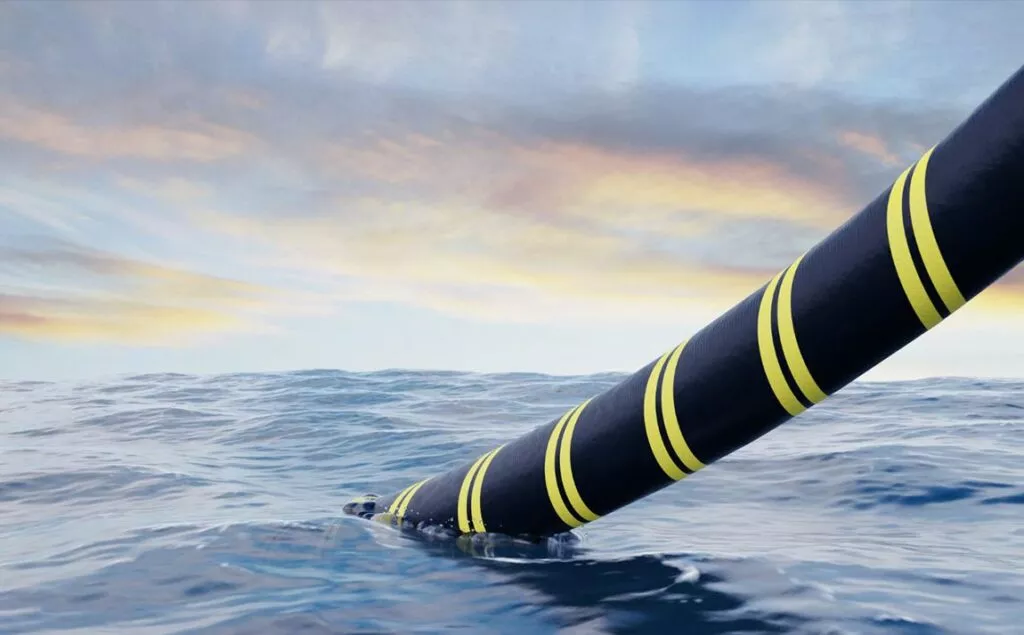
Νέα τουρκική πρόκληση νότια του Καστελλόριζου! NAVTEX της Άγκυρας στην περιοχή που θα περάσει το γαλλικό ερευνητικό για το καλώδιο Ελλάδας–Κύπρου
Η Άγκυρα εξέδωσε NAVTEX για περιοχή νότια του Καστελλόριζου, όπου έχει προγραμματιστεί η πολυεθνική άσκηση «EUNOMIA», αμφισβητώντας τη δικαιοδοσία του...

EurAsia Review: Ποιοι προστατεύουν τα κυκλώματα λαθρεμπορίου στα σύνορα Ιράν, Πακιστάν και Αφγανιστάν – Ο σκοτεινός ρόλος παραγόντων ασφαλείας
Ένα εκτεταμένο σύστημα παράνομου εμπορίου, διαφθοράς και πολιτικής προστασίας περιγράφει σε ανάλυσή του το EurAsia Review. Από τα καύσιμα και...
-
 Αναλύσεις1 μήνα πριν
Το τελεσίγραφο Καλίν την ώρα που η Τουρκία προετοιμάζεται για πόλεμο!
-
 Άμυνα3 μήνες πριν
Ρωσσικό ΜΜΕ: Ελληνικό «μπλόκο» στην απαίτηση για Patriot – Πώς γνωρίζει το Κίεβο απόρρητα στοιχεία για τους πυραύλους μας;
-

 ΑΝΑΡΤΗΣΕΙΣ ΜΕ ΣΗΜΑΣΙΑ3 μήνες πριν
Πακιστανός με καναδική υπηκοότητα ο υπαίτιος της πυρκαγιάς στον Έβρο! Πιθανόν να μετέφερε μετανάστες
-

 GEOPOLITICO1 μήνα πριν
Το διέρρευσε ο Παπαχελάς! Έφεραν τον Καλίν στο Μαξίμου – Τί συζήτησε με τον Μητσοτάκη;
-
 Αναλύσεις2 μήνες πριν
Καραγκιούλ: «Αν Ελλάδα, Κύπρος και Ισραήλ επιτεθούν στην Τουρκία, ο χάρτης του Αιγαίου θα αλλάξει»
-

 ΑΝΑΡΤΗΣΕΙΣ ΜΕ ΣΗΜΑΣΙΑ2 μήνες πριν
Ξέσπασμα της μητέρας της Μυρτούς για την υπόθεση Τζαβέντ Ασλάμ: «Δεν ξεχνώ ποτέ» – «Δήμαρχος των Πακιστανών ο Δούκας»
-
 GEOPOLITICO4 εβδομάδες πριν
Τί λέει Τούρκος δημοσιογράφος για Σάββα Καλεντερίδη; «Έκανε πολύ καλά τη δουλειά του για τη χώρα του – Δεν μπορούσε να τον στριμώξει η ΜİΤ»
-

 Αναλύσεις3 μήνες πριν
Εάν η Τουρκία απορρίψει τη συμφωνία αποχώρησης από την Κύπρο θα απομακρυνθεί δια της βίας