Ακολουθήστε μας

Διεθνή

Reuters: Three weeks that changed the world: How Trump turned against Ukraine and Europe

Behind the scenes and on-camera, combustible personalities and shifting politics in the U.S. and Europe resulted in decisions on security that could echo for years – including reopening the debate on nuclear weapons.

Δημοσιεύτηκε στις

It took Europe just three weeks and a contentious Oval Office meeting to realize that its 75-year-old alliance with the United States was coming apart.
And when the Trump administration last week froze first the flow of American weapons to Ukraine and then the intelligence that warned of Russia’s impending missile launches and troop movements, a theoretical vulnerability became tangible.
The understanding that the American-led global order was over began dawning in Munich in mid-February, when U.S. Vice President JD Vance harangued America’s closest allies at a conference usually known for displays of transatlantic unity.
Two weeks later it was cemented in the Oval Office, when a Ukrainian leader who had received little but standing ovations for three years was accused by Vance and U.S. President Donald Trump of disrespectful warmongering and expelled from the White House, his lunch untouched.
These were just two in a dizzying series of diplomatic events that played out on both sides of the Atlantic and which promise to reverberate across the globe for years to come.
In a blizzard of meetings and decisions, multiple European countries discussed forming a “coalition of the willing” to help Ukraine, France offered to consider extending its nuclear umbrella to European allies, shares of European arms manufacturers rose 20%, and hushed speculation about the death of NATO became an openly discussed probability.
Reuters spoke to more than two dozen European and U.S. political advisers and government officials for this story. Some described the backchannel jockeying by the Americans and Europeans as their alliance unraveled. Others recounted how shell-shocked European leaders first tried to mollify Trump, then publicly planned how to prop up Ukraine and defend themselves without the United States.
The reporting lays bare how American officials tried and failed to persuade Ukrainian President Volodymyr Zelenskiy to sign a crucial minerals deal and how their boiling frustration with the Ukrainian leader led to a disastrous White House encounter. Zelenskiy, for his part, said publicly he feared the deal was trying to force him to “sell our country.”
Relations had frayed badly even before the rancorous Feb. 28 Oval Office meeting between Trump and Vance on the one side and Zelenskiy on the other. Trump publicly had called Zelenskiy a dictator and falsely accused him of starting the war with Russia. The Ukrainian leader responded that Trump was living in a Russian-created “disinformation space.”
By early March, Trump appeared to dash any hopes that he might relent: The U.S. first froze weapons supplies to Ukraine, then suspended intelligence sharing, crucial for warning Ukraine of Russia’s impending missile launches and troop movements.
Reuters White House correspondent Jeff Mason talks about what made the series of White House meetings so remarkable.
Ukraine’s battlefield situation has deteriorated in recent weeks. Open-source maps reviewed by Reuters show thousands of Ukrainian troops who stormed into Russia’s Kursk region last summer are nearly surrounded by Russian forces. Russia, meanwhile, has ramped up drone and missile strikes, according to data collected by the Institute for the Study of War.
The phrase “peace through strength” that Trump claimed as his foreign policy mantra when he took office in his first term in 2017 has been invoked routinely on both sides of the Atlantic since the start of his second term.
But by the time Vance took the stage at the Munich Security Conference, those words were being used in vastly different ways.
Feb. 14
The Munich Security Conference is a place where, for six decades, world leaders have mixed grand public policy speeches with private deals in briefing rooms. For Europeans, the biggest issue for the third year running was Russia’s war on Ukraine – and how the new Trump administration planned to respond.
Vance was in Munich for the Friday keynote, with an entourage that included Secretary of State Marco Rubio, Keith Kellogg, the special envoy for Ukraine and Russia, and Republican Senator Lindsey Graham, one of Ukraine’s most consistent congressional supporters. Zelenskiy was there, and the expectation, both U.S. and Ukrainian officials say, was he would negotiate – and perhaps even sign – a deal to share Ukraine’s mineral wealth with the United States.
In the audience, NATO allies say they knew full well that Trump was skeptical of European military outlays during wartime, deeming them too low and demanding they spend 5% of GDP on defense, far above the 2% they’d previously agreed to. They braced for Vance’s policy address.
U.S. Vice President Vance and Ukrainian President Zelenskiy attend a bilateral meeting, in Munich
On one side of the table in Munich sat the Ukrainian team, including President Volodymyr Zelenskiy and his chief aide, Andriy Yermak. REUTERS/Leah Millis
U.S. Vice President Vance and Ukrainian President Zelenskiy attend a bilateral meeting, in Munich
The Americans were on the other side of the table, including U.S. Vice President JD Vance and Secretary of State Marco Rubio. The meeting ultimately satisfied no one. REUTERS/Leah Millis
“It was well-known that his policy speech was going to be about the vision of European security and we expected it to be about defense spending and all these things, including maybe some harsh language,” said a Western diplomat with knowledge of the meetings between U.S. and European officials in Munich that preceded Vance’s speech.
They were unprepared for what came next.
“Europe faces many challenges, but the crisis this continent faces right now, the crisis I believe we all face together, is one of our own making,” Vance said. He went on to say he believed Europe should fear Russia and China far less than its own – and especially Germany’s – reluctance to “being more responsive to the voices of your citizens.”
Germany’s election was just a week away, and support for the far-right AfD was rising. Europeans say they viewed Vance’s remark as a sharp jab against mainstream parties.
Later that evening, Vance and the other Americans sat across a long table from Zelenskiy and his advisors. The Ukrainians wanted security guarantees. The Americans just wanted him to agree to the mineral deal. No deal was struck. Everyone left the table dissatisfied, people on both sides say.
Many of the Europeans departed Munich shaken enough that they organized a high-level meeting the very next day to discuss the way forward. They had just learned that the Trump administration had organized peace talks with Russia in Saudi Arabia that excluded both European allies and Ukraine.

Feb. 17

As the Munich conference ended, British Prime Minister Keir Starmer wrote in Britain’s Telegraph he was ready to send British soldiers to Ukraine as peacekeepers. Then he hopped on a plane for Paris and what France described as an “informal meeting” of eight European leaders, as well as two top European Union officials and the NATO secretary-general.
As they converged on the presidential Elysee Palace, Trump reached out to French President Emmanuel Macron in what a White House official described as “a friendly call.”
Trump was regularly contacting Macron in impromptu communications and peppering him with questions about Ukraine, according to a French diplomatic official. The men rarely agreed, but the attitude from Macron was “talk to him as much as possible,” said the official, who spoke on condition of anonymity to disclose internal discussions.
French President Macron hosts a meeting of European leaders on Ukraine in Paris
Italian Prime Minister Giorgia Meloni said she objected to a meeting with European leaders in Paris that felt like an “anti-Trump” gathering. REUTERS/Gonzalo Fuentes
Italian Prime Minister Giorgia Meloni, who was the only European leader invited to Trump’s inauguration, arrived an hour late. She said nothing as she exited the Elysee and later told Italian media she objected to a gathering that had the appearance of an “anti-Trump” meeting.
German Chancellor Olaf Scholz left early and declared it was “completely premature and completely the wrong time to have this discussion” about troop deployments in Ukraine. European Commission President Ursula von der Leyen repeated the mantra of “peace through strength” for Ukraine.
Starmer’s offer to send peacekeepers would not be matched that night by any other country.

Feb. 18

The next day brought a 4½-hour meeting in Riyadh whose stated aim was to discuss ending the war in Ukraine. The participants were American and Russian, with Saudis mediating. The Ukrainians weren’t invited.
The Biden administration slogan – “nothing about Ukraine without Ukraine” – had reached its expiration date.
Rubio, the U.S. secretary of state who met with his Russian counterpart, described the meeting as a chance to identify “the extraordinary opportunities that exist should this conflict come to an acceptable end.” He did not detail the opportunities, but both Ukraine and Russia have dangled the possibility of mineral riches for the United States.
U.S. Secretary of State Rubio visits Saudi Arabia
U.S. Middle East envoy Steve Witkoff, U.S. Secretary of State Marco Rubioand U.S. National Security Advisor Mike Waltz discuss their meeting with top Russian officials to discuss ending the war in Ukraine. REUTERS/Evelyn Hockstein/Pool
Russia reiterated that its red line was NATO membership for Ukraine.
Zelenskiy, who had cancelled a scheduled trip to Saudi Arabia to avoid what he called “coincidences,” was furious at being excluded.
“No decision can be made without Ukraine on how to end the war in Ukraine,” he said from a stop in Turkey.
The comeback from Trump, at his Mar-a-Lago base, astounded Europeans and especially Ukrainians: He blamed the Ukrainians for starting the war, which was launched by Russia with its full-scale invasion on Feb. 24, 2022.
“I think I have the power to end this war and I think it’s going very well. But today I heard, ‘Oh, well, we weren’t invited.’ Well, you’ve been there for three years,” Trump said, referring to the Ukrainian complaint. “You should have never started it. You could have made a deal.”

Feb. 19

Kellogg, the U.S. envoy to Ukraine, also was not present at the Saudi talks. He headed instead to Kyiv to again press the minerals deal and understand Zelenskiy’s concerns, a U.S. official and another person familiar with the matter said.
The meetings degenerated quickly, the two people said.
Zelenskiy’s top advisor, Andriy Yermak, initiated a separate communications channel with Commerce Secretary Howard Lutnik to circumvent Kellogg and get an Oval Office meeting with Trump against the advice of Kellogg, who wanted them not to wait to sign, the two people said.
By the time Kellogg learned about the call to Lutnik, a trip to Washington had been agreed, they said.
Ukrainian President Volodymyr Zelenskiy meets U.S. Special Envoy to Ukraine and Russia Keith Kellogg, amid Russia's attack on Ukraine, in Kyiv
Talks in Kyiv between Ukrainian President Volodymyr Zelenskiy and U.S. Special Envoy to Ukraine and Russia Keith Kellogg ended without agreement. REUTERS/Thomas Peter
Multiple American officials told Reuters that Yermak has tried to play Trump allies off each other before. That dynamic, they said, added to growing frustration in the Trump administration.
But Zelenskiy had been emphasizing publicly for weeks that it was crucial for him to meet with Trump. Trump was asking for $500 billion in Ukrainian rare earth minerals to secure U.S. assistance – a deal Zelenskiy said was far more than the United States had supplied without any specific security guarantees in return.
“I defend Ukraine, I can’t sell our country. I said OK, give us some sort of positive. You write some sort of guarantees, and we will write a memorandum,” he said.
Yermak told Reuters that he believed at the time that the discussions with Kellogg were productive.
“At no point did we perceive the negotiation process to be at an impasse,” he wrote in a message. He said he suggested involving Lutnik, whom he knew from a previous meeting, “to enhance the scope of the discussions and ensure that teams started working together effectively.”
Kellogg expected to leave Kyiv with a signed deal, people familiar with his thinking say. Instead he headed to the station to catch a train for Poland and the plane awaiting him in Rzeszow, the Polish city that has become a critical crossroads in the supply of Western arms to Ukraine.

Feb. 24

It was the third anniversary of Russia’s full-scale invasion, marked in Ukraine by visits from von der Leyen, European Council President Antonio Costa and the leaders of Canada, Denmark, Iceland, Latvia, Lithuania, Finland, Norway, Spain and Sweden. No American officials publicly marked the day in Kyiv.
In Washington, the French president was scheduled to join Trump at the White House.
On the flight across the Atlantic, Macron had called Friedrich Merz to congratulate him on his party’s victory in the German elections, according to people on the plane who declined to be named to discuss the off-record journey. Macron also called Starmer to coordinate how to present Trump with a joint plan they’d crafted to deploy European peacekeepers to Ukraine.
Macron was guarded when he talked on the plane about how to play the encounter with Trump. He made a point of saying he’d even prepared a punchline in case it went badly, though he refused to tip his hand. The Elysee declined to comment on this and other details of the trip.
During 30 minutes of on-camera conversation ahead of their closed-door meeting, Macron interrupted Trump, gently putting his hand on the American’s forearm when Trump falsely said Europe had only loaned money to Ukraine, and that it was only fair for the U.S. to also get money back.
“We paid 60% of the total effort,” Macron said. “We provided real money to be clear.”
“If you believe that, it’s okay with me,” Trump retorted.
U.S. President Trump meets with French President Macron, in Washington
French President Emmanuel Macron was cautious after his White House meeting with U.S. President Donald Trump. REUTERS/Brian Snyder
Europe has been the biggest provider of aid to Ukraine, allocating 132 billion euros ($138.75 billion) of financial, military and humanitarian assistance since January 2022, just before Russia’s invasion, while the United States has provided 114 billion euros in total, according to the Kiel Institute for the World Economy.
During the post-lunch press conference, Trump called on Brian Glenn, a journalist for the conservative Real America’s Voice network, for the coveted first question. Glenn asked the president to comment on a poll that showed him with a high approval rating.
The French advisers and ministers in the front row shifted around to see who had spoken, puzzled at a question of so little consequence that was clearly intended to please Trump, according to one staffer present at the meeting who described the interaction on condition of anonymity.
With the meeting over between the two presidents, all eyes turned to the United Nations, where Ukraine and the European Union were hoping to pass a draft resolution marking the third anniversary of the war.
The draft repeated a long-held U.N. demand that Russia withdraw its troops from Ukraine and halt hostilities. The Trump administration pushed Ukraine and the EU to withdraw the draft.
The showdown had been brewing for days. The U.S. had put forward its own brief version, which used the word “conflict” rather than “war” and urged “lasting peace between Ukraine and Russia.”
“We encouraged Ukraine not to put forward its draft, which impedes progress toward a sustainable peace agreement,” Washington had said in a February 21 lobbying message sent to capital cities around the world and seen by Reuters. “We plan to vote against Ukraine’s draft resolution, and we are pursuing a short simple text that we believe ALL member states, including Ukraine and Russia, can agree to.”
European countries put forward amendments to the U.S. draft that proposed describing the conflict as “the full-scale invasion of Ukraine by the Russian Federation,” backing Ukraine’s sovereignty and territorial integrity and calling for a “just, lasting and comprehensive peace.”
The votes in both the General Assembly and the Security Council surprised many diplomats: The assembly stood firm in backing Ukraine despite the U.S. push for a more neutral stance, but then in the smaller Security Council, Washington managed to rally the support needed.
The assembly adopted the resolution drafted by Ukraine and European countries with 93 votes in favor, 65 abstentions and 18 no votes. Washington voted no, along with Russia, North Korea and Israel. America had switched sides against its longtime European allies.
The world body also agreed to the European amendments to the U.S. text, which was then adopted with 93 votes in favor, 73 abstentions and 8 no votes. The U.S. abstained from voting on its own resolution.
The focus then shifted to the Security Council, where it was unclear if the U.S. had enough support. A council resolution or any amendments can only pass with at least nine votes in favor and no vetoes by the U.S., Russia, China, France or Britain.
The Security Council adopted the original U.S. text with 10 votes in favor – including Washington, China and Russia. France, Britain, Denmark, Greece and Slovenia abstained.
Ahead of Macron’s trip, Paris had gamed out scenarios in case the meeting with Trump went badly. One option he considered was using France’s Security Council veto against the U.S. resolution, according to the people who accompanied him. But the French didn’t use their veto in the end and Macron publicly called the White House meeting “a turning point.” On the flight home, asked to assess the trip, Macron told reporters: “I’m cautious.”

Feb. 27

The British prime minister prepared extensively for his visit to Washington, to the point of specific suggestions to place his hands on Trump’s back when they met just outside the White House, according to people close to Starmer who described the planning. Among his papers was a crucial envelope, hand addressed to the American president.
Starmer appeared to initially forget his cue, video of the televised encounter shows, and fiddled uncomfortably with his cuffs as Trump greeted him. But then, once Trump’s left arm wrapped around his shoulders, he remembered, reciprocating with the back-touch.
U.S. President Donald Trump meets British Prime Minister Keir Starmer, in Washington, D.C.
British Prime Minister Keir Starmer prepared extensively for his White House meeting with U.S. President Donald Trump. REUTERS/Brian Snyder
Inside, Starmer thanked Trump for his hospitality, leadership and for “changing the conversation” to one about peace. With a flourish, he handed over a letter from King Charles, saying the monarch sent Trump “his best wishes and his regards.” For 16 seconds, Trump read silently, then looked up.
“That’s quite a signature, how beautiful.” He handed the paper back to Starmer and asked the prime minister to read aloud the “very important paragraph” – one containing an invitation to visit the king.
U.S. President Donald Trump meets British Prime Minister Keir Starmer, in Washington, D.C.
U.S. President Donald Trump said he was impressed by the signed letter from Britain’s King Charles. REUTERS/Kevin Lamarque
Starmer emphasized that it was a “really special” and “unprecedented” invitation that makes Trump the only U.S. president in modern times to have been invited to two state visits by a British monarch. Starmer’s office did not respond to a request for comment on his visit or the broader issues involving the Trump administration’s policies toward Europe.
Trump later said he’d updated Starmer on his plan to end the war in Ukraine and confirmed he’d meet the next morning with Zelenskiy. The short visit was quickly deemed a success even by some of Starmer’s sharpest critics at home.

Feb. 28

The most visible of Zelenskiy’s trademarks is his informal military clothing, which he explains as solidarity with his nation’s soldiers during wartime. Winston Churchill, many have noted, did the same during World War II, wearing a powder-blue jumpsuit even when he visited the White House to ask for American support.
But it is a sartorial choice that has drawn criticism since the start of the war from many American conservatives, who say a suit shows more appropriate respect for authority in Washington.
Kellogg and Graham had warned the Ukrainian president for days that it was not the time for stubbornness when it came to attire, according to a U.S. official and another person familiar with the discussions.
Zelenskiy showed up at the White House in black military wear – a henley-style shirt emblazoned with the Ukrainian trident.
“You’re all dressed up today,” Trump commented sarcastically as the two men met that morning.
It went downhill from there.
Ukrainian President Volodymyr Zelenskiy visits Washington, D.C.
The gathering of U.S. President Donald Trump and Ukrainian President Volodymyr Zelenskiy was tense from the beginning and unraveled on-camera. REUTERS/Brian Snyder
Before the meeting started, it opened up for questions from reporters. Among the first called was Glenn, the White House correspondent who had been at the Macron meeting earlier in the week.
“Why don’t you wear a suit?” Glenn asked. “You’re at the highest level in this country’s office, and you refuse to wear a suit. Do you own a suit?”
Glenn did not respond to requests for comment on his questions during the meeting with Zelenskiy or the earlier one with Macron.
The already-tense meeting blew up when Vance stressed the need for diplomacy to end the war. His arms folded, Zelenskiy told Vance that Russian leader Vladimir Putin could not be trusted and cited a decade of failed diplomatic efforts with Moscow.
“What kind of diplomacy are you talking about, JD?” Zelenskiy asked.
“I’m talking about the kind of diplomacy that’s going to end the destruction of your country,” Vance replied.
Zelenskiy struggled to break into the conversation at this point, with both Vance and Trump speaking sharply to him.
“You’re gambling with World War III,” Trump said. “And what you’re doing is very disrespectful to the country, this country that’s backed you far more than a lot of people said they should have.”
Trump soon ended the meeting abruptly, asking Zelenskiy to leave.
“All right, I think we’ve seen enough,” Trump said. “What do you think? This is going to be great television. I will say that.”
Outside the Oval Office, White House kitchen staff waited patiently to serve a lunch of chicken, salad, and creme brulee.
Around an hour later, Rubio and national security adviser Mike Waltz told the Ukrainians, who had been waiting in a holding room, to leave.
In Europe, a WhatsApp group of EU foreign ministers was inundated with messages about the Oval Office meltdown, according to a diplomat with access to the group. It was quickly decided to show solidarity with Zelenskiy.
Macron was on the second day of a state visit in Portugal and about to enter an interview when news broke about the clash. Asked by the interviewer about what happened, Macron replied, “It was Putin who gambled with World War III.”
That evening, EU leaders offered their support for Ukraine one by one in messages on X, as did politicians from outside Europe. Zelenskiy retweeted each one, sending 38 messages over 15 hours thanking them for their support.
U.S. Senator Lindsey Graham (R-S.C.) speaks outside the White House following the Oval Office meeting between Ukrainian President Volodymyr Zelenskiy and U.S. President Donald Trump
U.S. Senator Lindsey Graham, a longtime champion of Ukraine, harshly criticized the Ukrainian president after the Oval Office clash. REUTERS/Nathan Howard
Lindsey Graham, speaking to reporters, described the meeting as “a disaster.” Graham didn’t respond to a request for comment.
“What I saw in the Oval Office was disrespectful and I don’t know if we can ever do business with Zelenskiy again,” he said. “He either needs to resign and send somebody over that we can do business with or he needs to change.”

March 1

Kellogg advised Zelenskiy to apologize to the president, setting a deadline of March 4, when Trump was due to address Congress, a U.S. official with knowledge of the interaction said.
So did some of Ukraine’s European supporters, including NATO chief Mark Rutte, who said he spoke to Zelenskiy by phone.
“I said: I think you have to find a way, dear Volodymyr, to restore your relationship with Donald Trump and the American administration,” Rutte told the BBC. “That is important going forward.”
The Ukrainian president stopped in London on his way home, receiving a warm embrace from Starmer and an immediate invitation to visit King Charles at the monarch’s Sandringham estate.
Before leaving, Zelenskiy expressed gratitude for the welcome he received from the king.
“He’s met our warriors here, being trained in the UK, and we’re very thankful to the Royal Family for their support,” Zelenskiy said.

March 3

The Kremlin, gleeful over the dressing down of Zelenskiy by Trump and Vance, said the White House clash showed how difficult peace would be to achieve.
“The Kyiv regime and Zelenskiy do not want peace. They want the war to continue,” Kremlin spokesman Dmitry Peskov said. “It is very important that someone forces Zelenskiy himself to change his position.”
He suggested the Europeans might be able to do it. The Kremlin didn’t respond to a request for comment.
Germany’s likely next chancellor, Christian Democratic Union leader Merz, said he believed the entire Oval Office meeting was an ambush, which Reuters was unable to confirm independently.
“In my estimation, it was not a spontaneous reaction to interventions by Zelenskiy, but obviously a manufactured escalation of this meeting in the Oval Office,” said Merz, who did not respond to a request for comment.
Hours later, news broke that Trump had ordered a freeze on military aid to Ukraine.

March 4

Parties in talks to form Germany’s new government agreed to vastly ramp up military spending, a shift in mentality unprecedented since the end of the Cold War.
Merz had already questioned whether NATO could remain in its “current form” by mid-year, given the Trump administration’s actions.
Christian Democratic Union (CDU) party candidate for chancellor Friedrich Merz campaigns in Oberhausen
Friedrich Merz, who is on track to become chancellor of Germany, has questioned whether NATO can continue to exist in its current form. REUTERS/Teresa Kroeger
“It is clear that this government does not care much about the fate of Europe,” he said.
Peskov described the U.S. decision to stop arming Ukraine as probably “the best contribution to the cause of peace.”
The White House did not respond to a request for comment on the major European policy shifts or the questions surrounding how the meeting with Zelenskiy unfolded.
Despite the sea-change in German military policy, a chastened Zelenskiy said he was ready to come to the negotiating table.
“Our meeting in Washington, at the White House on Friday, did not go the way it was supposed to be. It is regrettable that it happened this way. It is time to make things right,” Zelenskiy posted on X.

March 5

Two days after the weapons freeze, the United States announced it had cut off intelligence sharing with Ukraine.
Macron, in a grave national address, responded to the days of upheaval by making a dramatic offer: He said France was open to extending the protection offered by its nuclear arsenal to European allies, as requested by Germany, and he warned that Europe must face up to the threat from Russia.
For decades, the United States had shielded NATO allies from Russia under the U.S. nuclear umbrella. Macron said that he wanted to believe that the United States “will remain at our side,” while adding that Europe had to be ready if that was no longer the case.
“Russia has become a threat for France and Europe,” he said, adding that “to watch and do nothing would be madness.”

March 6

Cezary Tomczyk, Poland’s deputy defence minister, said the last scheduled American deliveries of weapons to Rzeszow airport had been warehoused.
“They are under the jurisdiction of American forces, because until this equipment is transferred to Ukraine, the United States government is its owner. Until there is a change in the decision of the Trump administration, this equipment will stay in Rzeszow,” he told TVN24.
A U.S. Army MIM-104 Patriot system launcher is pictured at Rzeszow-Jasionka airport
A Patriot missile system stands at the ready at Poland’s Rzeszow-Jasionka airport, which has been a hub for weapons to Ukraine since the start of the war. REUTERS/Fabrizio Bensch
Tomczyk said about half the military hardware for Ukraine came from the U.S. The rest, from Europe, was still flowing. A U.S. official, speaking on condition of anonymity to describe the deliveries, said American weapons owned by Europeans were still headed to Ukraine.
Kellogg, hours before, defended the administration’s decision to block aid and intelligence to the Ukrainians.
“Very candidly, they brought it on themselves,” he said at a Council on Foreign Relations panel.
Later that day, in Brussels, European leaders backed plans to massively increase military spending and repeated their support for Ukraine.
“Europe must take up this challenge, this arms race,” said Polish Prime Minister Donald Tusk. “And it must win it.”

March 7

Overnight, Ukraine’s air force said Russia fired a salvo of 67 missiles and 194 drones at Ukraine, hitting energy and gas infrastructure in the first large-scale assault since the U.S. suspension of aid and intelligence. Ukraine said it downed about half the incoming explosives.
Trump proclaimed he would consider new sanctions on Russia, “based on the fact that Russia is absolutely ‘pounding’ Ukraine on the battlefield right now.”
“To Russia and Ukraine, get to the table right now, before it is too late,” he wrote on his social media platform. Neither side responded publicly.
By then, Tusk had issued his own warning: Poland, he said, should “reach for opportunities related to nuclear weapons.”

Είναι ο άγνωστος Χ, αλλά φυσικό πρόσωπο που βοηθάει στην παραγωγή ειδήσεων στο Geopolitico.gr, αλλά και τη δημιουργία βίντεο στο κανάλι του Σάββα Καλεντερίδη. Πολλοί τον χαρακτηρίζουν ως ανθρώπινο αλγόριθμο λόγω του όγκου των δεδομένων και πληροφοριών που αφομοιώνει καθημερινώς. Είναι καταδρομέας με ειδικότητα Χειριστή Ασυρμάτων Μέσων.

Αναλύσεις

Η Κίνα βρίσκει δρόμο που παρακάμπτει το Πακιστάν – Ο διάδρομος Ουαχάν αλλάζει τις γεωπολιτικές ισορροπίες

Μία νέα οδική αρτηρία μήκους 121 χιλιομέτρων στο βορειοανατολικό Αφγανιστάν δημιουργεί τις προϋποθέσεις για απευθείας χερσαία σύνδεση με την Κίνα, χωρίς διέλευση από το Πακιστάν. Η ολοκλήρωση του δρόμου στον ιστορικό διάδρομο Ουαχάν αποκτά ιδιαίτερη γεωπολιτική σημασία, καθώς το Πεκίνο αντιμετωπίζει σοβαρά προβλήματα ασφαλείας με τις επενδύσεις του στο Πακιστάν, ενώ η Καμπούλ επιδιώκει να μειώσει την εξάρτησή της από το Ισλαμαμπάντ.
Δημοσιεύτηκε

στις

από τον

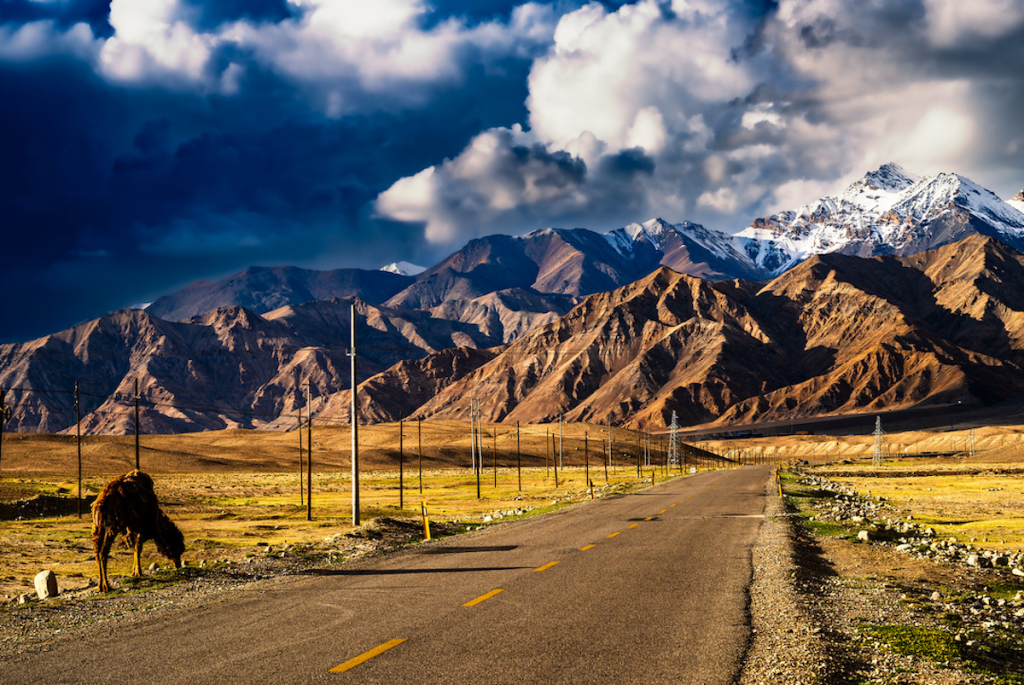
Μία σημαντική εξέλιξη στις χερσαίες μεταφορές και στις γεωπολιτικές ισορροπίες της Κεντρικής Ασίας καταγράφεται στο Αφγανιστάν, με την ολοκλήρωση νέου δρόμου στον στρατηγικής σημασίας διάδρομο Ουαχάν.

Σύμφωνα με ανάλυση του Imran Khurshid που δημοσιεύθηκε στις 9 Οκτωβρίου 2026 στο Asia Times, οι αφγανικές αρχές εγκαινίασαν οδική διαδρομή 121 χιλιομέτρων, η οποία εκτείνεται από την περιοχή Μπρογκίλ έως τα σύνορα με την Κίνα, στην επαρχία Μπανταχσάν.

Το έργο κόστισε περίπου 365 εκατομμύρια αφγάνι, ποσό που αντιστοιχεί σε περίπου 5,5 εκατομμύρια δολάρια.

Κατά τις αφγανικές ανακοινώσεις, κατασκευάστηκε από ντόπιους μηχανικούς και εργαζομένους, χωρίς τη συμμετοχή ξένων τεχνικών συμβούλων.

Η νέα διαδρομή φθάνει στα σινοαφγανικά σύνορα. Αυτό, ωστόσο, δεν σημαίνει ότι λειτουργεί ήδη πλήρης διεθνής εμπορευματικός διάδρομος, καθώς εξακολουθούν να υπάρχουν σημαντικοί τεχνικοί και συνοριακοί περιορισμοί.

Γιατί ο διάδρομος Ουαχάν έχει στρατηγική σημασία

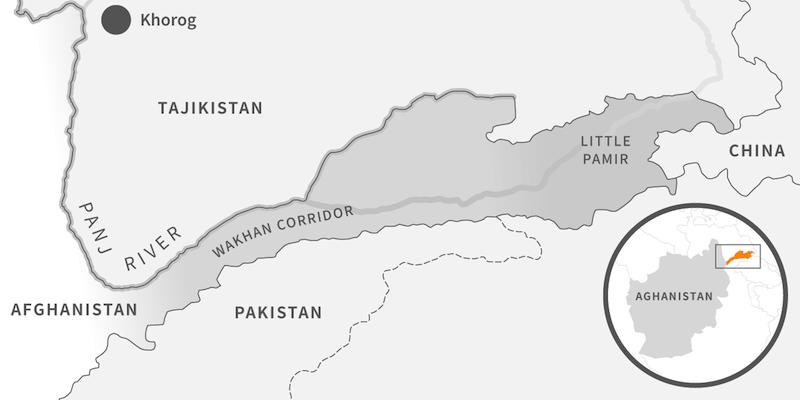
Ο διάδρομος Ουαχάν αποτελεί μια στενή λωρίδα αφγανικού εδάφους ανάμεσα στο Τατζικιστάν, το Πακιστάν και την Κίνα.

Η γεωγραφική του διαμόρφωση συνδέεται με τον ανταγωνισμό της Βρετανικής και της Ρωσικής Αυτοκρατορίας κατά τον 19ο αιώνα.

Η περιοχή διατηρήθηκε ως ζώνη διαχωρισμού των δύο αυτοκρατορικών σφαιρών επιρροής, αποτελώντας ένα από τα χαρακτηριστικότερα γεωγραφικά κατάλοιπα του λεγόμενου «Μεγάλου Παιχνιδιού».

Σήμερα, η ίδια περιοχή αποκτά νέα σημασία, αυτή τη φορά λόγω της προσπάθειας σύνδεσης της Κίνας με το Αφγανιστάν και ευρύτερα με την Κεντρική Ασία.

Ο δρόμος ανοίγει τη δυνατότητα δημιουργίας μιας εναλλακτικής οδού μεταφορών, περιορίζοντας δυνητικά την ανάγκη διέλευσης από το πακιστανικό έδαφος.
Το πρόβλημα της Κίνας με τον οικονομικό διάδρομο CPEC

Το ενδιαφέρον της εξέλιξης εντοπίζεται κυρίως στην προσπάθεια του Πεκίνου να περιορίσει την εξάρτησή του από ευάλωτες υποδομές.

Ο Οικονομικός Διάδρομος Κίνας–Πακιστάν, γνωστός ως CPEC, αποτελεί ένα από τα σημαντικότερα προγράμματα της κινεζικής πρωτοβουλίας Belt and Road.

Μέσω του συγκεκριμένου σχεδίου, η Κίνα επιχειρεί να ενισχύσει τις εμπορικές και ενεργειακές συνδέσεις της με τη Νότια Ασία και την Αραβική Θάλασσα.

Ωστόσο, η υλοποίηση των έργων έχει αντιμετωπίσει σοβαρές δυσκολίες.

Στην επαρχία Μπαλουχιστάν, οργανώσεις αυτονομιστών έχουν πραγματοποιήσει επανειλημμένες επιθέσεις εναντίον κινεζικών συμφερόντων, εγκαταστάσεων και εργαζομένων.

Οι επιθέσεις αυτές έχουν επιβαρύνει την ασφάλεια των υποδομών και έχουν αυξήσει το κόστος προστασίας των κινεζικών επενδύσεων.

Παράλληλα, έχουν διατυπωθεί καταγγελίες για καθυστερήσεις, κακοδιαχείριση και προβλήματα διαφάνειας σε επιμέρους προγράμματα του CPEC.

Η εδαφική διαμάχη με την Ινδία

Μια επιπλέον γεωπολιτική δυσκολία συνδέεται με τη διέλευση του CPEC από το Γκιλγκίτ–Μπαλτιστάν.

Η περιοχή διοικείται από το Πακιστάν, αλλά διεκδικείται από την Ινδία, στο πλαίσιο της ευρύτερης διαμάχης για το Κασμίρ.

Το Νέο Δελχί έχει αντιταχθεί επανειλημμένα σε έργα που διέρχονται από εδάφη τα οποία θεωρεί τμήμα της δικής του επικράτειας.

Αυτό σημαίνει ότι ο οικονομικός διάδρομος Κίνας–Πακιστάν δεν αποτελεί μόνο αναπτυξιακό πρόγραμμα, αλλά συνδέεται με μία από τις πιο ευαίσθητες εδαφικές αντιπαραθέσεις της Ασίας.

Η δημιουργία εναλλακτικών διαδρομών μέσω του Αφγανιστάν θα μπορούσε μακροπρόθεσμα να προσφέρει στο Πεκίνο μεγαλύτερη ευελιξία.

Δεν υπάρχει, πάντως, ένδειξη ότι ο δρόμος του Ουαχάν μπορεί σήμερα να αντικαταστήσει τις μεγάλες μεταφορικές υποδομές του CPEC.

Η Καμπούλ επιχειρεί να μειώσει την εξάρτησή της από το Ισλαμαμπάντ

Για την κυβέρνηση των Ταλιμπάν, το έργο έχει και μία σαφή πολιτική διάσταση.

Το Αφγανιστάν εξαρτάται σε σημαντικό βαθμό από συνοριακές διαβάσεις και μεταφορικούς άξονες που περνούν από το Πακιστάν.

Οι επανειλημμένες εντάσεις ανάμεσα στις δύο χώρες έχουν προκαλέσει κλείσιμο συνοριακών περασμάτων, διακοπές εμπορικών ροών και επιβάρυνση της αφγανικής οικονομίας.

Μια εναλλακτική χερσαία διέξοδος προς την Κίνα θα μπορούσε, εφόσον αναπτυχθεί και καταστεί λειτουργική, να μειώσει τη δυνατότητα του Πακιστάν να χρησιμοποιεί τη γεωγραφική του θέση ως μέσο πίεσης προς την Καμπούλ.

Η αφγανική πλευρά αντιμετωπίζει το έργο ως σημαντική υποδομή οικονομικής και στρατηγικής αυτονομίας.

Η στάση της Κίνας και της Ρωσίας

Παρά την προοπτική άμεσης σύνδεσης, το Πεκίνο δεν έχει εγκαταλείψει τον οικονομικό διάδρομο CPEC ούτε έχει ανακοινώσει ότι ο Ουαχάν θα τον αντικαταστήσει.

Η Κίνα εξακολουθεί να διατηρεί σημαντικά οικονομικά και στρατηγικά συμφέροντα στο Πακιστάν.

Αντίστοιχα, η Ρωσία ενδιαφέρεται για τη σταθερότητα του Αφγανιστάν και για την ανάπτυξη νέων δικτύων επικοινωνίας στην Κεντρική Ασία.

Η δημιουργία περισσότερων επιλογών διασύνδεσης ενδέχεται να περιορίσει την αποκλειστική σημασία ορισμένων παραδοσιακών μεταφορικών διαδρομών.

Η πραγματική αξία του Ουαχάν θα εξαρτηθεί από τη βελτίωση των οδικών υποδομών, τη λειτουργία συνοριακών και τελωνειακών εγκαταστάσεων, τις καιρικές συνθήκες και τις πολιτικές αποφάσεις της Κίνας.

Το μήνυμα προς το Πακιστάν

Η νέα διαδρομή αναδεικνύει μια σημαντική γεωπολιτική πραγματικότητα: η γεωγραφική θέση ενός κράτους προσφέρει στρατηγικά πλεονεκτήματα, αλλά η αξιοποίησή τους εξαρτάται από την ασφάλεια και την αξιοπιστία των μεταφορικών του δικτύων.

Το Πακιστάν εξακολουθεί να αποτελεί κρίσιμο εταίρο της Κίνας, ιδιαίτερα στο πλαίσιο του CPEC.

Ταυτόχρονα, όμως, η αστάθεια, οι επιθέσεις σε κινεζικά συμφέροντα και οι αντιπαραθέσεις με το Αφγανιστάν δημιουργούν κίνητρα αναζήτησης εναλλακτικών επιλογών.

Ο διάδρομος Ουαχάν δεν έχει ακόμη μετατραπεί σε μεγάλο εμπορικό πέρασμα. Η κατασκευή του δρόμου, ωστόσο, καταδεικνύει ότι το Αφγανιστάν επιχειρεί να αποκτήσει πρόσθετες διεθνείς συνδέσεις και ότι η αποκλειστική εξάρτηση από το Πακιστάν δεν αποτελεί πλέον τη μοναδική γεωγραφική επιλογή.

Για το Ισλαμαμπάντ, η εξέλιξη αποτελεί μια νέα στρατηγική παράμετρο που θα πρέπει να συνυπολογίσει στις σχέσεις του με το Πεκίνο και την Καμπούλ.

Συνέχεια ανάγνωσης

Διεθνή

Γερμανία: Το ρωσικό φυσικό αέριο επιστρέφει έμμεσα μέσω των λιπασμάτων, παρά τους ευρωπαϊκούς δασμούς
Δημοσιεύτηκε

στις

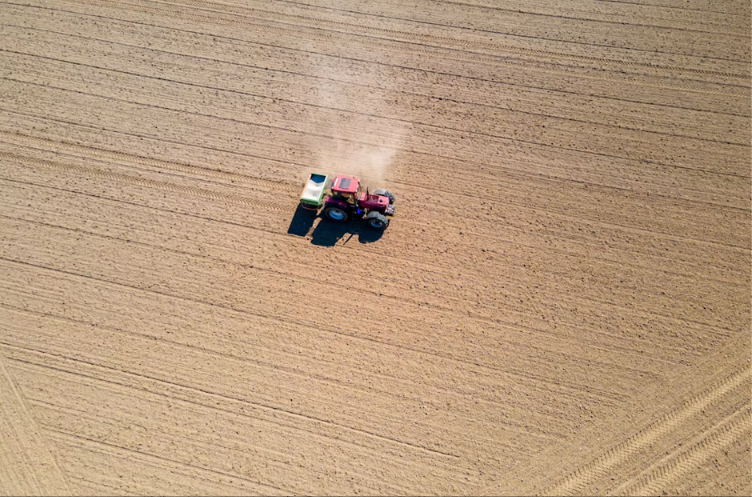
Οι εισαγωγές ρωσικών αζωτούχων λιπασμάτων μειώθηκαν κατά 66% το 2025-2026, αλλά παραμένουν 53% υψηλότερες από τα επίπεδα πριν από τον πόλεμο στην Ουκρανία.

Το υψηλό ενεργειακό κόστος στη Γερμανία διατηρεί ανταγωνιστικά τα ρωσικά προϊόντα, σύμφωνα με στοιχεία που δημοσίευσε η Berliner Zeitung. Η Γερμανία εξακολουθεί να συνδέεται εμπορικά με το ρωσικό φυσικό αέριο, παρά τις ευρωπαϊκές προσπάθειες περιορισμού της ενεργειακής εξάρτησης από τη Μόσχα.

Αυτή τη φορά, η σύνδεση δεν αφορά αποκλειστικά την άμεση προμήθεια φυσικού αερίου, αλλά τις εισαγωγές λιπασμάτων που παράγονται με τη χρήση ρωσικού αερίου ως πρώτης ύλης και πηγής ενέργειας. Σύμφωνα με δημοσίευμα της γερμανικής εφημερίδας, που βασίζεται σε στοιχεία του Γερμανικού Ομοσπονδιακού Στατιστικού Γραφείου και του Συνδέσμου Αγροτικής Βιομηχανίας (IVA), οι εισαγωγές αζώτου μέσω ρωσικών λιπασμάτων μειώθηκαν σημαντικά κατά το 2025-2026. Ωστόσο, εξακολουθούν να βρίσκονται πάνω από τα επίπεδα που καταγράφονταν πριν από τη ρωσική εισβολή στην Ουκρανία.

Τα στοιχεία των εισαγωγών και η σύγκριση με την προπολεμική περίοδο

Το 2025-2026, η Γερμανία εισήγαγε 48.800 τόνους αζώτου μέσω λιπασμάτων ρωσικής προέλευσης. Η ποσότητα αυτή είναι μειωμένη κατά περίπου 66% σε σύγκριση με το προηγούμενο έτος, αλλά παραμένει κατά 53% υψηλότερη από τους 31.800 τόνους που είχαν καταγραφεί το 2020-2021, πριν από τον πόλεμο.

Η εξέλιξη των εισαγωγών δείχνει πόσο έντονη ήταν η αύξηση μετά το 2022. Το 2021-2022 οι εισαγωγές έφτασαν τους 56.800 τόνους αζώτου, ενώ το 2022-2023 εκτοξεύθηκαν στους 185.100 τόνους. Στη συνέχεια καταγράφηκαν 140.200 τόνοι το 2023-2024 και 143.800 τόνοι το 2024-2025, προτού σημειωθεί η μεγάλη υποχώρηση της τελευταίας περιόδου. Τα στοιχεία αφορούν την ποσότητα του αζώτου που περιέχεται στα εισαγόμενα λιπάσματα και όχι το συνολικό βάρος των προϊόντων.

Τα λιπασματικά έτη υπολογίζονται από τον Ιούλιο έως τον Ιούνιο. Η ποσότητα αζώτου που εισήχθη στη Γερμανία μέσω ρωσικής ουρίας μειώθηκε από 71.600 τόνους σε 27.600 τόνους, καταγράφοντας πτώση άνω του 61%. Παρά τη μείωση, η ποσότητα εξακολουθεί να είναι σχεδόν τριπλάσια από τους 9.900 τόνους του 2020-2021. Η συγκεκριμένη εξέλιξη αναδεικνύει το βασικό πρόβλημα της ευρωπαϊκής πολιτικής περιορισμού των εμπορικών δεσμών με τη Ρωσία. Ακόμη και όταν περιορίζονται οι εισαγωγές συγκεκριμένων προϊόντων, οι οικονομικές σχέσεις μπορούν να διατηρούνται μέσω άλλων κατηγοριών αγαθών, ιδιαίτερα όταν αυτά έχουν χαμηλότερο κόστος παραγωγής.

Γιατί οι ρωσικές εισαγωγές παραμένουν ανταγωνιστικές

Καθοριστικός παράγοντας είναι το υψηλό ενεργειακό κόστος στη Γερμανία και στην υπόλοιπη Ευρώπη. Η παραγωγή αζωτούχων λιπασμάτων απαιτεί μεγάλες ποσότητες φυσικού αερίου, το οποίο χρησιμοποιείται τόσο ως πρώτη ύλη όσο και ως πηγή ενέργειας. Σύμφωνα με τον Σύνδεσμο Αγροτικής Βιομηχανίας (IVA), οι ευρωπαϊκοί δασμοί, που τέθηκαν σε ισχύ τον Ιούλιο του 2025, περιόρισαν σημαντικά τις εισαγωγές ρωσικών λιπασμάτων. Ωστόσο, δεν εξάλειψαν το ανταγωνιστικό πλεονέκτημα των ρωσικών προϊόντων. Ο σύνδεσμος επισημαίνει ότι οι υψηλές τιμές ενέργειας δυσκολεύουν τις ευρωπαϊκές επιχειρήσεις να αυξήσουν την εγχώρια παραγωγή και να καλύψουν μεγαλύτερο μέρος των αναγκών της αγοράς. Ως αποτέλεσμα, τα ρωσικά λιπάσματα εξακολουθούν να παραμένουν ελκυστικά, ακόμη και μετά την επιβολή πρόσθετων δασμών.

Παράλληλα, σύμφωνα με τον IVA, είναι πιθανό ορισμένες ποσότητες ρωσικών προϊόντων να φτάνουν στη γερμανική αγορά μέσω άλλων κρατών-μελών της Ευρωπαϊκής Ένωσης. Το μέγεθος αυτών των έμμεσων εισαγωγών, ωστόσο, δεν μπορεί να προσδιοριστεί με ακρίβεια από τα διαθέσιμα στοιχεία.

Δεν αποδίδονται οι αυξήσεις των τιμών αποκλειστικά στους δασμούς

Το ζήτημα έχει άμεση σημασία για τους Γερμανούς αγρότες, καθώς το κόστος των λιπασμάτων επηρεάζει την παραγωγή και, τελικά, την οικονομική βιωσιμότητα των καλλιεργειών. Ο IVA υποστηρίζει ότι η μείωση των ρωσικών εισαγωγών δεν έχει προκαλέσει μέχρι στιγμής σαφή αύξηση των τιμών εξαιτίας των δασμών. Σύμφωνα με τον σύνδεσμο, η εγχώρια παραγωγική δυναμικότητα και οι εισαγωγές από άλλες χώρες, μεταξύ των οποίων η Αίγυπτος, επαρκούν για την κάλυψη των αναγκών της αγοράς. Την ίδια στιγμή, ο σύνδεσμος αποδίδει τις υψηλές τιμές των λιπασμάτων το 2026 στις διεθνείς ενεργειακές αναταράξεις, στον πόλεμο με το Ιράν και στην κρίση γύρω από τα Στενά του Ορμούζ, παράγοντες που επηρεάζουν το κόστος μεταφοράς και τις παγκόσμιες τιμές ενέργειας και λιπασμάτων.

Οι εκτιμήσεις αυτές αποτελούν τις θέσεις του κλαδικού συνδέσμου και δεν συνιστούν από μόνες τους ανεξάρτητη αξιολόγηση όλων των παραγόντων που διαμορφώνουν τις τιμές.

Νέες πιέσεις για περιορισμό των ρωσικών εισαγωγών

Με αφορμή τα στοιχεία, ο IVA ζητά να εξεταστεί η επιβολή πρόσθετων δασμών στις εισαγωγές καλιούχων λιπασμάτων από τη Ρωσία και τη Λευκορωσία. Το κάλιο αποτελεί βασικό θρεπτικό στοιχείο για τις καλλιέργειες και αντιπροσωπεύει μια ακόμη κατηγορία προϊόντων στην οποία η ευρωπαϊκή αγορά διατηρεί εμπορικές σχέσεις με τις δύο χώρες.

Ο σύνδεσμος εκτιμά ότι η ευρωπαϊκή βιομηχανία μπορεί να καλύψει τις ανάγκες της γεωργίας χωρίς να εξαρτάται από τις συγκεκριμένες εισαγωγές και υποστηρίζει ότι πρόσθετοι δασμοί δεν θα πρέπει να οδηγήσουν αναγκαστικά σε αυξήσεις τιμών. Η συζήτηση, ωστόσο, αποτυπώνει το ευρύτερο δίλημμα της ευρωπαϊκής οικονομικής πολιτικής. Η μείωση της εξάρτησης από τη Ρωσία απαιτεί όχι μόνο εμπορικούς περιορισμούς, αλλά και ανταγωνιστική εγχώρια παραγωγή, προσιτό ενεργειακό κόστος και εναλλακτικές πηγές προμήθειας.

Τα δεδομένα της γερμανικής αγοράς δείχνουν ότι οι δασμοί μπορούν να περιορίσουν σημαντικά τις εισαγωγές, χωρίς όμως να εξαλείψουν αυτομάτως τις οικονομικές σχέσεις που στηρίζονται σε διαφορές κόστους παραγωγής. Για τη Γερμανία και την Ευρωπαϊκή Ένωση, η πρόκληση παραμένει η εξισορρόπηση τριών στόχων: της ενεργειακής και οικονομικής ασφάλειας, της στήριξης της εγχώριας βιομηχανίας και της διατήρησης προσιτού κόστους για τον αγροτικό τομέα.

Με πληροφορίες του Συνδέσμου Αγροτικής Βιομηχανίας (IVA) και του Γερμανικού Ομοσπονδιακού Στατιστικού Γραφείου.

Συνέχεια ανάγνωσης

Αναλύσεις

Πακιστάν: Μειώθηκαν οι τρομοκρατικές επιθέσεις, αλλά αυξάνονται οι απειλές – Αντάρτικες οργανώσεις αναπτύσσουν νέες τακτικές και στρατολογούν γυναίκες

Η νέα έκθεση του Pakistan Institute for Conflict and Security Studies (PICSS) αποκαλύπτει ένα αντιφατικό περιβάλλον ασφαλείας: Λιγότερες επιθέσεις και θύματα, αλλά αναδιοργάνωση ένοπλων ομάδων, χρήση drones, εσωτερικές συγκρούσεις και αυξανόμενη αστάθεια στο Μπαλουχιστάν. Η πολιτική κρίση επιβαρύνει την προσπάθεια αντιμετώπισης της τρομοκρατίας.
Δημοσιεύτηκε

στις

από τον

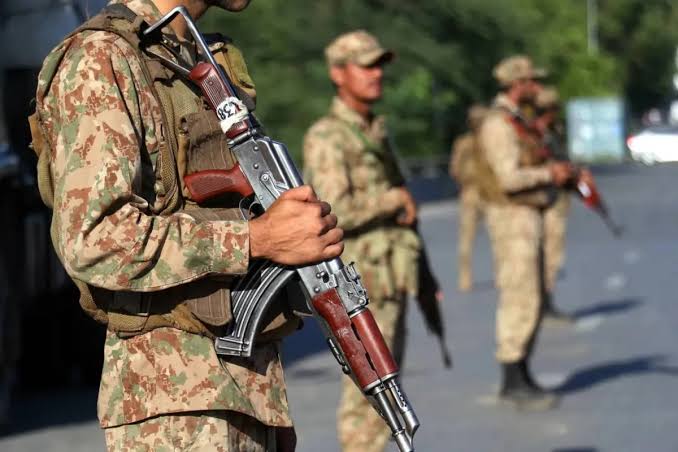
Μια εξαιρετικά σύνθετη εικόνα για την ασφάλεια στο Πακιστάν αποτυπώνει η νέα εβδομαδιαία ανάλυση του Pakistan Institute for Conflict and Security Studies (PICSS), η οποία δημοσιεύθηκε στις 10 Οκτωβρίου 2026. Παρά τη μείωση των επιθέσεων από ένοπλες οργανώσεις κατά την πρώτη εβδομάδα του μήνα, οι εξελίξεις στο εσωτερικό των εξτρεμιστικών και αυτονομιστικών ομάδων δημιουργούν σοβαρά ερωτήματα για την πραγματική αποτελεσματικότητα των επιχειρήσεων ασφαλείας.

Η έκθεση με τίτλο «Pakistan’s Security Paradox: Militant Attacks Decline as Militant Groups Signal New Developments» καταγράφει υποχώρηση των επιθέσεων, αλλά παράλληλα εντοπίζει ενδείξεις οργανωτικής αναδιάρθρωσης, νέων επιχειρησιακών μεθόδων και εντατικοποίησης της προπαγανδιστικής δραστηριότητας.

Μείωση 18% στις επιθέσεις – Παραμένει σοβαρή η απειλή

Σύμφωνα με το PICSS, από τις 2 έως τις 8 Οκτωβρίου καταγράφηκαν συνολικά 46 επιθέσεις ενόπλων οργανώσεων στο Πακιστάν, έναντι 56 την αμέσως προηγούμενη εβδομάδα.

Η μείωση ανέρχεται στο 18%, ενώ αισθητή είναι και η υποχώρηση του αριθμού των θυμάτων.

Οι νεκροί μειώθηκαν από 52 σε 42 και οι τραυματίες από 53 σε 23.

Ωστόσο, η εικόνα δεν είναι ομοιόμορφη σε ολόκληρη τη χώρα.

Στην επαρχία Μπαλουχιστάν, όπου δραστηριοποιούνται ιδιαίτερα ενεργές αυτονομιστικές οργανώσεις, οι απώλειες αυξήθηκαν παρά τη μείωση του αριθμού των επιθέσεων.

Το στοιχείο αυτό δημιουργεί προβληματισμό για το κατά πόσον οι ένοπλες ομάδες μεταβάλλουν τις τακτικές τους, πραγματοποιώντας λιγότερες αλλά δυνητικά πιο φονικές επιχειρήσεις.

Οι Πακιστανοί Ταλιμπάν αλλάζουν τακτική – Drones και ελεύθεροι σκοπευτές

Ιδιαίτερο ενδιαφέρον παρουσιάζουν οι εξελίξεις στο εσωτερικό της Tehrik-i-Taliban Pakistan (TTP), της οργάνωσης που είναι γνωστή ως Πακιστανοί Ταλιμπάν.

Σύμφωνα με την ανάλυση, η TTP επέβαλε περιορισμούς στη χρήση των μέσων κοινωνικής δικτύωσης από τα μέλη της.

Η συγκεκριμένη απόφαση αποκτά σημασία σε μια περίοδο κατά την οποία οι ένοπλες οργανώσεις χρησιμοποιούν τις ψηφιακές πλατφόρμες τόσο για προπαγάνδα όσο και για την προβολή των επιχειρησιακών τους δυνατοτήτων.

Την ίδια στιγμή, η TTP δημοσιοποίησε οπτικό υλικό στο οποίο υποστηρίζει ότι καταγράφονται επιθέσεις με τετρακόπτερα μη επανδρωμένα αεροσκάφη και ενέργειες ελεύθερων σκοπευτών.

Οι ισχυρισμοί αυτοί δεν συνιστούν ανεξάρτητη επιβεβαίωση της αποτελεσματικότητας ή της έκτασης χρήσης των συγκεκριμένων μέσων.

Παρ’ όλα αυτά, η προβολή τέτοιων επιχειρήσεων εντάσσεται σε μια ευρύτερη προσπάθεια των οργανώσεων να παρουσιάσουν εικόνα τεχνολογικής προσαρμογής και να ενισχύσουν την επιρροή τους.

Εσωτερικές συγκρούσεις στις ένοπλες οργανώσεις

Την ίδια περίοδο, η Jamaat-ul-Ahrar, οργάνωση που έχει συνδεθεί με το δίκτυο των Πακιστανών Ταλιμπάν, ανακοίνωσε ότι πραγματοποίησε 122 επιθέσεις κατά τη διάρκεια του Σεπτεμβρίου.

Πρόκειται για αριθμό που προέρχεται από τους ισχυρισμούς της ίδιας της οργάνωσης και δεν πρέπει να συγχέεται με τα ανεξάρτητα καταγεγραμμένα περιστατικά του PICSS.

Παράλληλα, αναφέρθηκαν αιματηρές συγκρούσεις ανάμεσα σε μαχητές της Jamaat-ul-Ahrar και αντίπαλης φράξιας της TTP στην περιοχή Ορακζάι.

Οι πληροφορίες αυτές αναδεικνύουν ένα επιπλέον πρόβλημα για την ασφάλεια του Πακιστάν: τον κατακερματισμό του περιβάλλοντος των ενόπλων οργανώσεων.

Οι εσωτερικές συγκρούσεις ενδέχεται να αποδυναμώνουν προσωρινά ορισμένα δίκτυα, αλλά μπορούν επίσης να προκαλέσουν νέες αντιπαραθέσεις, ανακατατάξεις και αποσχίσεις.

Μπαλουχιστάν: Ένοπλη γυναικεία μονάδα και κλιμάκωση της προπαγάνδας

Σημαντικές εξελίξεις καταγράφονται και στο Μπαλουχιστάν, την επαρχία του νοτιοδυτικού Πακιστάν που συνορεύει με το Ιράν και το Αφγανιστάν και έχει στρατηγική σημασία λόγω των φυσικών πόρων και της πρόσβασής της στην Αραβική Θάλασσα.

Το Balochistan Liberation Front (BLF), μία από τις οργανώσεις που επιδιώκουν την ανεξαρτησία του Μπαλουχιστάν, δημοσιοποίησε υλικό για τη συγκρότηση νέου γυναικείου ένοπλου σχηματισμού.

Η συγκεκριμένη κίνηση προβάλλεται από την οργάνωση ως οργανωτική εξέλιξη. Δεν υπάρχουν, ωστόσο, επαρκή ανεξάρτητα στοιχεία στο δημόσιο απόσπασμα της έκθεσης για τον αριθμό των μελών ή τις πραγματικές επιχειρησιακές δυνατότητες της νέας μονάδας.

Παράλληλα, ο Balochistan Liberation Army (BLA), άλλη σημαντική αυτονομιστική ένοπλη οργάνωση, απέρριψε κατηγορίες περί συνεργασίας με την TTP.

Ο BLA δημοσιοποίησε επίσης οπτικό υλικό από επιχειρήσεις που ισχυρίζεται ότι πραγματοποίησαν μέλη του.

Άλλες οργανώσεις των Μπαλούχων προχώρησαν σε ανάλογες κινήσεις, προβάλλοντας τη δράση τους και διατυπώνοντας ισχυρισμούς για δραστηριότητες συλλογής πληροφοριών.

Οι εξελίξεις καταδεικνύουν ότι η σύγκρουση στο Μπαλουχιστάν δεν περιορίζεται στις ένοπλες επιθέσεις, αλλά περιλαμβάνει και έναν παράλληλο αγώνα επιρροής, επικοινωνίας και πολιτικής νομιμοποίησης.

Πολιτική κρίση και αντιτρομοκρατία

Πέρα από την ένοπλη βία, η έκθεση του PICSS επισημαίνει ότι η εσωτερική πολιτική αστάθεια δυσχεραίνει τη διαμόρφωση αποτελεσματικής πολιτικής ασφαλείας.

Η κατάρρευση των διαπραγματεύσεων μεταξύ της κυβέρνησης και του Pakistan Tehreek-e-Insaf (PTI), του κόμματος που ίδρυσε ο πρώην πρωθυπουργός Ιμράν Χαν, περιπλέκει τις προσπάθειες συντονισμού στην επαρχία Χάιμπερ Παχτούνχβα.

Η περιοχή αποτελεί ένα από τα σημαντικότερα μέτωπα της δράσης των Πακιστανών Ταλιμπάν, λόγω της εγγύτητάς της με το Αφγανιστάν και της μακρόχρονης παρουσίας ένοπλων δικτύων.

Οι πολιτικές αντιπαραθέσεις μεταξύ κεντρικής κυβέρνησης και αντιπολίτευσης μπορούν να δυσχεράνουν τον συντονισμό, τη διοικητική συνεργασία και τη διαμόρφωση κοινής στρατηγικής για την αντιμετώπιση της τρομοκρατίας.

Το πρόβλημα αποκτά ιδιαίτερη σημασία όταν συνδυάζεται με την ανάγκη προστασίας παραμεθόριων περιοχών και αντιμετώπισης οργανώσεων με διασυνοριακές διασυνδέσεις.

Αφγανιστάν, Ινδία και περιφερειακές αμυντικές συμφωνίες

Οι προκλήσεις που αντιμετωπίζει το Ισλαμαμπάντ δεν περιορίζονται στο εσωτερικό της χώρας.

Οι σχέσεις με το Αφγανιστάν παραμένουν κρίσιμος παράγοντας ασφαλείας, καθώς το Πακιστάν αποδίδει σε ένοπλα δίκτυα που δρουν από αφγανικό έδαφος σημαντικό μέρος των επιθέσεων εναντίον του.

Την ίδια στιγμή, η αντιπαράθεση με την Ινδία εξακολουθεί να επηρεάζει τον στρατηγικό σχεδιασμό των πακιστανικών ενόπλων δυνάμεων.

Στο περιφερειακό περιβάλλον προστίθενται οι νέες αμυντικές διευθετήσεις και οι προσπάθειες του Πακιστάν να διατηρήσει ή να ενισχύσει τις στρατηγικές του συνεργασίες.

Η συνύπαρξη εσωτερικών απειλών, πολιτικής αβεβαιότητας και εξωτερικών δεσμεύσεων δημιουργεί αυξημένες απαιτήσεις για τον στρατιωτικό μηχανισμό και τις υπηρεσίες ασφαλείας.

Οι αριθμοί δεν λένε ολόκληρη την ιστορία

Η εβδομαδιαία έκθεση του PICSS θέτει ένα ουσιαστικό ερώτημα: αποτελεί η μείωση των τρομοκρατικών επιθέσεων ένδειξη βελτίωσης της ασφάλειας ή πρόκειται για προσωρινή υποχώρηση της βίας, ενώ οι οργανώσεις αναπροσαρμόζουν τις τακτικές και τις δομές τους;

Η απάντηση δεν μπορεί να προκύψει αποκλειστικά από την καταμέτρηση των επιθέσεων.

Η χρήση νέων επιχειρησιακών μέσων, οι εσωτερικές διαμάχες, η συγκρότηση νέων ένοπλων σχηματισμών και η αυξημένη προπαγανδιστική δραστηριότητα συνθέτουν μια εικόνα που απαιτεί διαρκή παρακολούθηση.

Άλλωστε, τα στοιχεία του PICSS για ολόκληρο τον Σεπτέμβριο είχαν καταγράψει 225 επιθέσεις, τον υψηλότερο μηνιαίο αριθμό εδώ και δώδεκα χρόνια, γεγονός που αναδεικνύει τη σοβαρότητα της κατάστασης παρά την πρόσφατη εβδομαδιαία υποχώρηση.

Το Πακιστάν βρίσκεται αντιμέτωπο με μια πολυεπίπεδη κρίση ασφαλείας, στην οποία αλληλεπιδρούν τζιχαντιστικές οργανώσεις, αυτονομιστικά κινήματα, πολιτικές αντιπαραθέσεις και περιφερειακοί ανταγωνισμοί.

Η μείωση της συχνότητας των επιθέσεων αποτελεί θετική ένδειξη σε επίπεδο εβδομαδιαίων στατιστικών. Δεν αρκεί, όμως, από μόνη της για να αποδείξει ότι οι απειλές περιορίζονται σε βάθος χρόνου.

Το κρίσιμο ζήτημα για το Ισλαμαμπάντ δεν είναι μόνο πόσες επιθέσεις καταγράφονται, αλλά κατά πόσον το κράτος μπορεί να αντιμετωπίσει τις οργανώσεις που εξακολουθούν να διαθέτουν δυνατότητα στρατολόγησης, προσαρμογής και πραγματοποίησης νέων επιχειρήσεων.

Συνέχεια ανάγνωσης

ΡΟΗ ΕΙΔΗΣΕΩΝ

GEOPOLITICO12 ώρες πριν

Πόλεμος συμφερόντων για το LNG – Το τουρκικό σχέδιο και η ελληνική απάντηση

Στο Direct News, ο Ανδρέας Μουντζουρούλιας παρουσιάζει τις πληροφορίες του για τον GSI, αναλύει τα τουρκικά δημοσιεύματα για την Γκίλφοϊλ...

Ιστορία - Πολιτισμός13 ώρες πριν

Arolsen Archives: Το αρχείο που αναζητά τα ίχνη εκατομμυρίων θυμάτων του ναζισμού

Στη γερμανική πόλη Μπαντ Άρολσεν φυλάσσεται μία από τις σημαντικότερες συλλογές τεκμηρίων για τα θύματα των ναζιστικών διώξεων. Περισσότερα από...

Αναλύσεις13 ώρες πριν

Πού βρίσκεται η Ελλάδα στον σχεδιασμό του IMEC;

Η επίκληση της ελληνικής κληρονομιάς, η κριτική για τις αμερικανικές τοποθετήσεις στα ελληνοτουρκικά και η ανάγκη μιας εθνικής στρατηγικής που...

GEOPOLITICO13 ώρες πριν

Νέα τουρκική πρόκληση νότια του Καστελλόριζου! NAVTEX της Άγκυρας στην περιοχή που θα περάσει το γαλλικό ερευνητικό για το καλώδιο Ελλάδας–Κύπρου

Η Άγκυρα εξέδωσε NAVTEX για περιοχή νότια του Καστελλόριζου, όπου έχει προγραμματιστεί η πολυεθνική άσκηση «EUNOMIA», αμφισβητώντας τη δικαιοδοσία του...

GEOPOLITICO13 ώρες πριν

EurAsia Review: Ποιοι προστατεύουν τα κυκλώματα λαθρεμπορίου στα σύνορα Ιράν, Πακιστάν και Αφγανιστάν – Ο σκοτεινός ρόλος παραγόντων ασφαλείας

Ένα εκτεταμένο σύστημα παράνομου εμπορίου, διαφθοράς και πολιτικής προστασίας περιγράφει σε ανάλυσή του το EurAsia Review. Από τα καύσιμα και...

Δημοφιλή