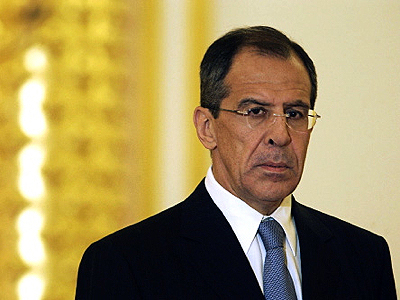
 Western propaganda continues to distort Russia’s position in respect of the Syrian crisis. It accuses Moscow of supporting Damascus for profit motives, or even criminal solidarity. In this piece, Sergey Lavrov does not expound on his country’s strategic choices, but rather on the principles that underpin his diplomacy. He responds imperturbably to the inanities spouted by Western media, underscoring Moscow’s commitment to international law and its pledge to support people. Lavrov counterpoints the massive popular support enjoyed by President al-Assad and the illegitimacy of the sectarian armed opposition, sponsored from abroad.
Διεθνή
RUSSIA’S STANCE ON THE SYRIAN CRISIS. On the Right Side of History
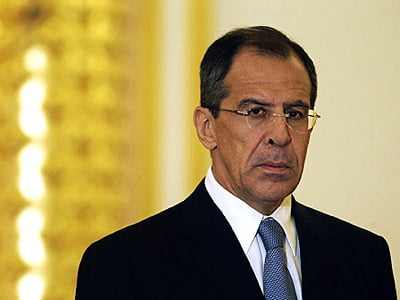
by Sergey Lavrov
Western propaganda continues to distort Russia’s position in respect of the Syrian crisis. It accuses Moscow of supporting Damascus for profit motives, or even criminal solidarity. In this piece, Sergey Lavrov does not expound on his country’s strategic choices, but rather on the principles that underpin his diplomacy. He responds imperturbably to the inanities spouted by Western media, underscoring Moscow’s commitment to international law and its pledge to support people. Lavrov counterpoints the massive popular support enjoyed by President al-Assad and the illegitimacy of the sectarian armed opposition, sponsored from abroad.
Over the last year or a year and a half, the events unfolding in North Africa and the Middle East have come to the forefront of the global political agenda. They are frequently referred to as the most remarkable episode in the international life of the new 21st century. Experts have long spoken about the fragility of authoritarian regimes in Arab countries and possible social and political shocks.
However, it was difficult to predict the scale and pace with which the wave of change would sweep over the region. Alongside the manifestations of crisis in the world economy, these events have clearly proved that the process leading to the emergence of a new international system has entered a zone of turbulence.
The more large-scale social movements appeared in the countries of the region, the more urgent became the issue of what policy should be pursued by external actors and the entire international community. Numerous expert discussions on that matter and subsequent practical actions of States and international organizations have outlined two main approaches: either to help the Arab peoples determine their own future by themselves, or to try to shape a new political reality to one’s taste while taking advantage of the softening of state structures that had long been too rigid. The situation continues to evolve rapidly, which makes it important for those who have the biggest say in the matters of the region to finally consolidate their efforts rather than continue to pull in different directions like the characters of a fable by Ivan Krylov.
Let me sum up the points that I have repeatedly made in relation to the evolving situation in the Middle East. First of all, Russia, in common with the majority of countries in the world, encourages the aspirations of the Arab peoples for a better life, democracy and prosperity, and stands ready to support these efforts. This is why we welcomed the Deauville Partnership initiative at the G8 summit in France. We firmly oppose the use of violence in the course of current transformations in Arab States, especially against civilians. We are well aware of the fact that the transformation of a society is a complex and generally long process which rarely goes smoothly.
Russia probably knows the true cost of revolutions better than most other countries. We are fully aware that revolutionary changes are always accompanied by social and economic setbacks as well as by loss of human life and suffering. This is exactly why we support an evolutionary and peaceful way of enacting long-awaited changes in the Middle East and North Africa.
The point is, what should be done if the showdown between the authorities and the opposition does assume the form of violent, armed confrontation? The answer seems obvious -external actors should do their best to stop the bloodshed and support a compromise involving all parties to the conflict. When deciding to support UN Security Council Resolution 1970 and making no objection to Resolution 1973 on Libya, we believed that these decisions would help limit the excessive use of force and pave the way for a political settlement. Unfortunately, the actions undertaken by NATO countries under these resolutions led to their grave violation and support for one of the parties to the civil war, with the goal of ousting the existing regime – damaging in the process the authority of the Security Council.
People versed in politics need not be told that the devil is in the detail, and tough solutions implying the use of force cannot produce a lasting long-term settlement. And in the current circumstances, when the complexity of international relations has increased manifold, it becomes obvious that using force to resolve conflicts has no chance of success. Examples are abundant. They include the complicated situation in Iraq and the crisis in Afghanistan, which is far from being over. There are many indications that things are far from being good in Libya after the ousting of Muammar Gaddafi. Instability has spread further to the Sahara and Sahel region, and the situation in Mali was dramatically aggravated
Another example is Egypt, which is still far from the safe shore even though regime change was not accompanied by large outbreaks of violence and Hosni Mubarak, who had ruled the country for more than thirty years, left the presidential palace voluntarily shortly after public protests began. We cannot but be concerned, among other issues, with the reports of growing religious clashes and abuse of the rights of the Christian minority.
Thus, there are more than enough reasons for taking the most balanced approach to the Syrian crisis that represents the most acute situation in the region today. It is clear that after what had happened in Libya it was impossible to go along with the UN Security Council taking decisions that would not be adequately explicit and would allow those responsible for their implementation to act at their own discretion. Any mandate given on behalf of the entire international community should be as clear and precise as possible in order to avoid ambiguity. It is therefore important to understand what is really happening in Syria and how to help that country to pass though this painful stage of its history.
Unfortunately, qualified and honest analysis of developments in Syria and their potential consequences is still in short supply. Quite often it is replaced by primitive images and black-and-white propaganda clichés. For several months major international media outlets have been reproducing reports about the corrupt dictatorial regime ruthlessly suppressing the aspiration of its own people to freedom and democracy.
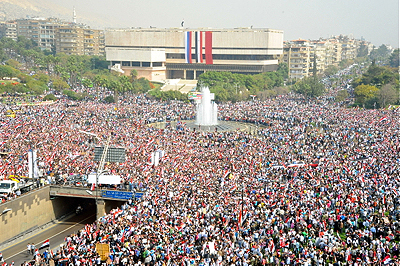
It seems, however, that the authors of those reports did not bother asking themselves how the government could manage to stay in power without public support for more than a year, despite the extensive sanctions imposed by its main economic partners. Why did the majority of people vote for the draft constitution proposed by the authorities? Why, after all, have most Syrian soldiers remained loyal to their commanders? If fear is the only explanation, then why did it fail to help other authoritarian rulers?
We have stated many times that Russia is not a defender of the current regime in Damascus and has no political, economic or other reasons for becoming one. We have never been a major trade and economic partner of that country, the government of which has communicated mostly with the capitals of Western European countries.
It is no less clear to us than to others that the main responsibility for the crisis that has swept over the country lies with the Syrian government, that has failed to take the course of reform in due time or draw conclusions from the deep changes unfolding in international relations. This is all true. Yet, there are other facts as well. Syria is a multi-confessional state: in addition to Sunni and Shia Muslims there are Alawites, Orthodox and other Christian confessions, Druzes, and Kurds. Over the last few decades of the secular rule of the Ba’ath party, freedom of conscience has been practiced in Syria, and religious minorities fear that if the regime is broken down this tradition may be interrupted.
When we say that these concerns should be heard and addressed, we are sometimes accused of taking positions amounting to an anti-Sunni and, more generally, anti-Islamic stance. Nothing could be further from the truth. In Russia, people of various confessions, most numerous among them being Orthodox Christians and Muslims, have lived together peacefully for centuries. Our country has never waged colonial wars in the Arab world but has on the contrary continuously supported the independence of Arab nations and their right to independent development. And Russia bears no responsibility for the consequences of colonial rule marked by the changes in social structures that brought about the tensions which still persist.
The point I want to make is different. If some members of society are concerned about potential discrimination on the grounds of religion and national origin, then necessary guarantees should be provided to those people in accordance with generally accepted international humanitarian standards.
Respect for human rights and fundamental freedoms has traditionally been, and continues to be, a major problem for the States of the Middle East, and was one of the main causes of the “Arab revolutions”.
However, Syria has never ranked low on that list, with its level of civil freedoms immeasurably higher than that of some of the countries who are now trying to give lessons in democracy to Damascus. In one of its recent issues, the French magazine Le Monde Diplomatique presented a chronology of human rights abuses by a big State in the Middle East, which contained, inter alia, the execution of 76 death sentences in 2011 alone, including for those accused of witchcraft. If we truly wish to promote respect for human rights in the Middle East, we must state this goal openly. If we proclaim ending the bloodshed as our primary concern, we should focus precisely on that; in other words, we must press for a ceasefire in the first place, and promote the start of an inclusive all-Syrian dialogue aimed at negotiating a peaceful crisis settlement formula by the Syrians themselves.
Russia has been sending these messages since the first days of unrest in Syria. It was quite clear to us and, I guess, to everyone who has sufficient information on that country, that pressing for an immediate ousting of Bashar al-Assad, contrary to the aspirations of a considerable segment of Syrian society that still relies on this regime for its security and well-being, would mean plunging Syria into a protracted and bloody civil war. Responsible external actors should help Syrians avoid that scenario and bring about evolutionary rather than revolutionary reform of the Syrian political system through a national dialogue rather than by means of coercion from the outside.
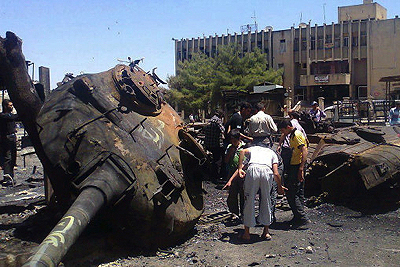
Taking into account today’s realities in Syria, reliance on one-sided support for the opposition, particularly for its most belligerent part, will not lead to peace in that country anytime soon and will therefore run counter to the goal of protecting the civilian population. What seems to prevail in that option are attempts to bring about regime change in Damascus as an element of a larger regional geopolitical game. These schemes are undoubtedly targeting Iran, since a large group of States including the USA and NATO countries, Israel, Turkey and some States of the region appear to be interested in weakening that country’s regional positions.
The possibility of a military strike against Iran is a much-debated topic today. I have repeatedly stressed that such an option would lead to grave, catastrophic consequences. An attempt to cut the Gordian knot of long-standing problems is doomed to failure. We may recall in this regard that the US military invasion in Iraq was once considered to be a “golden chance” to change the political and economic realities of the “greater Middle East” in a quick and decisive manner, thus turning it into a region which would follow the “European pattern” of development.
Irrespective of the situation concerning Iran, however, it is evident that fuelling intra-Syrian strife may trigger processes that would affect the situation in the vast territory surrounding Syria in the most negative way, having a devastating impact on both regional and international security. Risk factors include loss of control over the Syrian-Israeli border, a worsening of the situation in Lebanon and other countries in the region, weapons falling into the “wrong hands,” including those of terrorist organizations, and, perhaps the most dangerous of all, an aggravation of inter-faith tensions and contradictions inside the Islamic world.
* * *
Back in the 1990s in his book The Clash of Civilisations, Samuel Huntington outlined the trend of the increasing importance of identity based on civilisation and religion in the age of globalization; he also convincingly demonstrated the relative reduction in the abilities of the historic West to spread its influence. It would definitely be an overstatement if we tried to build a model of the modern international relations solely on the basis of such assumptions. However, today it is impossible to ignore such a trend. It is caused by an array of different factors, including more transparent national borders, the information revolution which has highlighted blatant socio-economic inequality, and the growing desire of people to preserve their identity in such circumstances and to avoid falling into the endangered species list of history.
The Arab revolutions clearly show a willingness to go back to the roots of civilisation that reveals itself in broad public support for the parties and movements acting under the flag of Islam. This trend is apparent not only in the Arab world. Let us mention Turkey, which is more actively positioning itself as a major player in the Islamic space and the surrounding region. Asian states, including Japan, are more boldly declaring their identity.
Such a situation is further proof that the simple (if not simplistic) binary construction of the Cold War period, described in the paradigms of East-West, capitalism-socialism, North-South, is being replaced by a multidimensional geopolitical reality that does not allow for the identification of a single dominating factor. The global financial and economic crisis drew a line under discussions on whether one system can dominate in any area whatsoever, be it economy, politics or ideology.
There is no doubt left that within the broad framework that defines the development of most States and is characterized by democratic governance and a market economy, each country will independently choose its own political and economic model with due regard to its own traditions, culture and history. This is likely to result in a greater impact on international affairs of the factor of identity based on civilisation.
In terms of practical politics, these conclusions can only suggest one thing: attempts to impose one’s own set of values are totally futile and may only lead to a dangerous aggravation of tensions between civilisations. This certainly does not imply that we must completely renounce influencing each other and promoting the right image of our country in the international arena.
However, this should be done employing honest, transparent methods that will foster the export of national culture, education and science while showing full respect for the values of other peoples’ civilisations as a safeguard for the world’s diversity and esteem for pluralism in international affairs.
It seems evident that hopes to apply cutting edge information dissemination and communications technologies, including social networks, in order to change the mentality of other peoples, thus creating a new political reality, are bound to fail in the long run. The current market for ideas is far too manifold, and virtual methods would only bring about a virtual reality – provided, of course, that we do not resort to George Orwell’s Big Brother mentality, in which case we can give up on the whole idea of democracy, not only in countries that are subjected to such influence but also in those that are exercising it.
Developing a universal scale of values and morals becomes a big political issue. Such a scale could serve as the foundation for a respectful and fruitful dialogue between civilisations based on a common interest in reducing the instability which accompanies the creation of a new international system and aimed at eventually establishing a solid, efficient, polycentric world order. And here, we can only ensure success if we rule out black-and-white approaches, whether we tackle exaggerated concern for the rights of sexual minorities or, on the contrary, attempts to elevate to the political level narrow concepts of morale that would satisfy one group and violate the natural rights of other citizens, particularly of those who belong to other confessions.
* * *
There is a certain limit reached by crises in international relations that cannot be overstepped without causing damage to global stability. That is why work aimed at putting out regional fires, including intrastate conflicts, should be carried out as considerately as possible, with no double standards applied. Using a ’sanctions bat’ leads to dead-end at all times. All parties involved in internal conflicts should be convinced that the international community will form a united front and act in accordance with strict principles in order to stop violence as soon as possible and to reach a mutually acceptable solution through comprehensive dialogue.
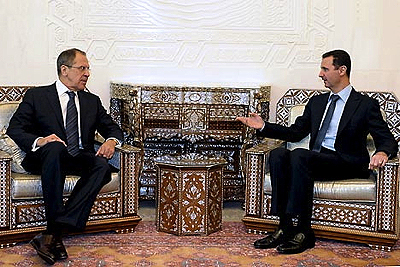
Russia is guided only by such principles with regard to intrastate crises, which explains our position on what is happening in Syria. That is why we have offered full and sincere support for the mission of the UN/Arab League Special Envoy Kofi Annan, aimed at finding a mutually acceptable compromise as soon as possible. UN Security Council Presidential Statements and UN Security Council Resolutions in this regard reflect the approaches that we have promoted from the very beginning of the unrest in Syria; these ideas are also reflected in our joint statement with the League of Arab States adopted on March 10, 2012.
If we were successful in making these approaches work in Syria, they could become a model for international assistance in resolving future crises.
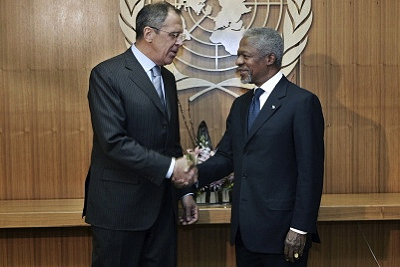
The essence of Kofi Annan’s “six principles” is to ensure an end to violence regardless of where it comes from and to start a Syrian-led political dialogue which should address the legitimate concerns and aspirations of the Syrian people. It should result in a new political configuration in Syria that will take into account the interests of all groups in its multi-confessional society.
It is necessary to encourage the preparation and implementation of agreements aimed at settling the conflict without taking sides, to reward those who respect them and to clearly name those who oppose the peace process. To achieve this, an unbiased monitoring mechanism is needed, and such a mechanism was set up in accordance with UN Security Council Resolutions 2042 and 2043. Russian military observers are part of the international monitoring team.
Unfortunately, the process of implementing Kofi Annan’s plan in Syria is proceeding with great difficulty. The world was appalled by massacres of unarmed civilians, including the tragedy that happened in the village of Houla on May 25, 2012 and the subsequent bloody violence in the vicinity of Hama. It is necessary to clarify who is responsible for this and to punish the perpetrators. No one has the right to usurp the role of judge and to use these tragic events to achieve their own geopolitical goals. Abandoning such attempts will make it possible to stop the spiral of violence in Syria.
Those who say that Russia “is saving” Bashar al-Assad are wrong. I would like to reiterate that it is the Syrian people themselves who choose the political system and leadership of their country. We are not trying to whitewash the multiple mistakes and miscalculations made by Damascus, including the use of force against peaceful demonstrations at the beginning of the crisis.
For us, the issue of who is in power in Syria is not the major one; it is important to put an end to civilian deaths and to start a political dialogue in a situation where the sovereignty, independence and territorial integrity of the country will be respected by all external actors. No violence can be justified. The shelling of residential areas by government troops is unacceptable, but it cannot be viewed as an indulgence for terrorist acts in Syrian cities, for murders conducted by insurgents opposed to the regime, including those of Al-Qaida.
The logic that dictates the need to break the vicious circle of violence has manifested itself in the unilateral support that members of the UN Security Council have given to the Annan Plan. We are upset by the claims and actions of some actors involved in the Syrian situation that manifest their stake on the failure of the Special Envoy’s efforts. Among them, are the calls of the Syrian National Council (SNC) leadership for foreign intervention. It is unclear how such claims would help SNC sponsors to unite the Syrian opposition under its umbrella. We stand for the integration of the Syrian opposition only on the platform of preparedness for political dialogue with the government – in exact accordance with the Annan Plan.
Russia keeps working with the Syrian authorities almost every day urging them to fully comply with the six points proposed by Kofi Annan and to resolutely abandon their delusion that the internal political crisis in Syria will somehow go away. We also work with representatives of almost all branches of the Syrian opposition. We are sure that if all our partners work in the same concentrated manner without any hidden motives or double standards, there is a chance for a peaceful settlement of the situation in Syria. We need to bring all the weight to bear on both the regime and the opposition and make them cease fighting and meet at the negotiating table. We consider it important to urgently take collective effort to this end and to convene an international conference of the States directly involved in the crisis in Syria. With that goal in mind, we maintain close contacts with Kofi Annan and other partners.
Only by acting in this way we can keep the Middle East from sliding into the abyss of wars and anarchy and thus stay, as it has become fashionable to say, on the right side of history. We are sure that other formulas that involve external intervention in Syria – ranging from blocking TV channels that do not satisfy someone, to increasing arms supplies to opposition groups, to airstrikes – will not bring peace either to that country or to the region as a whole. And that means that those formulas will not be justified by history.
Sergey Lavrov
var _wau = _wau || []; _wau.push([“small”, “wvg1ie6mi5ta”, “m3y”]);
(function() {var s=document.createElement(“script”); s.async=true;
s.src=”http://widgets.amung.us/small.js”;
document.getElementsByTagName(“head”)[0].appendChild(s);
})();









Αναλύσεις
Η Κίνα βρίσκει δρόμο που παρακάμπτει το Πακιστάν – Ο διάδρομος Ουαχάν αλλάζει τις γεωπολιτικές ισορροπίες
Μία νέα οδική αρτηρία μήκους 121 χιλιομέτρων στο βορειοανατολικό Αφγανιστάν δημιουργεί τις προϋποθέσεις για απευθείας χερσαία σύνδεση με την Κίνα, χωρίς διέλευση από το Πακιστάν. Η ολοκλήρωση του δρόμου στον ιστορικό διάδρομο Ουαχάν αποκτά ιδιαίτερη γεωπολιτική σημασία, καθώς το Πεκίνο αντιμετωπίζει σοβαρά προβλήματα ασφαλείας με τις επενδύσεις του στο Πακιστάν, ενώ η Καμπούλ επιδιώκει να μειώσει την εξάρτησή της από το Ισλαμαμπάντ.
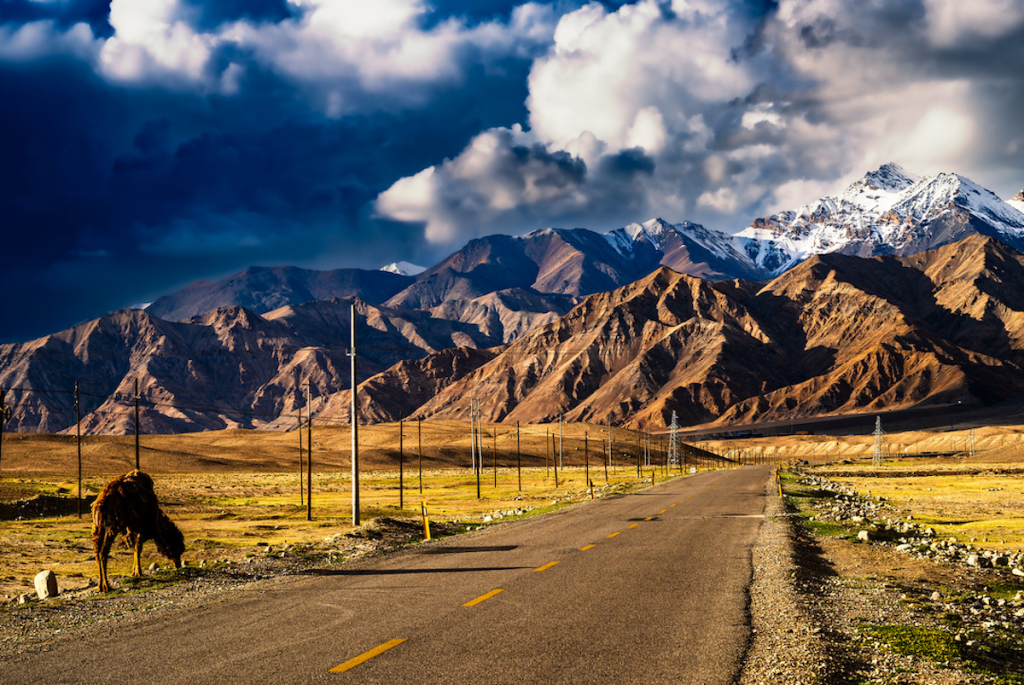
Μία σημαντική εξέλιξη στις χερσαίες μεταφορές και στις γεωπολιτικές ισορροπίες της Κεντρικής Ασίας καταγράφεται στο Αφγανιστάν, με την ολοκλήρωση νέου δρόμου στον στρατηγικής σημασίας διάδρομο Ουαχάν.
Σύμφωνα με ανάλυση του Imran Khurshid που δημοσιεύθηκε στις 9 Οκτωβρίου 2026 στο Asia Times, οι αφγανικές αρχές εγκαινίασαν οδική διαδρομή 121 χιλιομέτρων, η οποία εκτείνεται από την περιοχή Μπρογκίλ έως τα σύνορα με την Κίνα, στην επαρχία Μπανταχσάν.
Το έργο κόστισε περίπου 365 εκατομμύρια αφγάνι, ποσό που αντιστοιχεί σε περίπου 5,5 εκατομμύρια δολάρια.
Κατά τις αφγανικές ανακοινώσεις, κατασκευάστηκε από ντόπιους μηχανικούς και εργαζομένους, χωρίς τη συμμετοχή ξένων τεχνικών συμβούλων.
Η νέα διαδρομή φθάνει στα σινοαφγανικά σύνορα. Αυτό, ωστόσο, δεν σημαίνει ότι λειτουργεί ήδη πλήρης διεθνής εμπορευματικός διάδρομος, καθώς εξακολουθούν να υπάρχουν σημαντικοί τεχνικοί και συνοριακοί περιορισμοί.
Γιατί ο διάδρομος Ουαχάν έχει στρατηγική σημασία
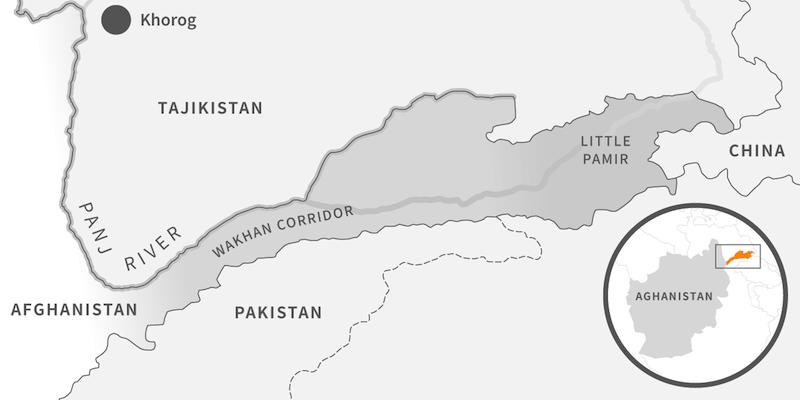
Ο διάδρομος Ουαχάν αποτελεί μια στενή λωρίδα αφγανικού εδάφους ανάμεσα στο Τατζικιστάν, το Πακιστάν και την Κίνα.
Η γεωγραφική του διαμόρφωση συνδέεται με τον ανταγωνισμό της Βρετανικής και της Ρωσικής Αυτοκρατορίας κατά τον 19ο αιώνα.
Η περιοχή διατηρήθηκε ως ζώνη διαχωρισμού των δύο αυτοκρατορικών σφαιρών επιρροής, αποτελώντας ένα από τα χαρακτηριστικότερα γεωγραφικά κατάλοιπα του λεγόμενου «Μεγάλου Παιχνιδιού».
Σήμερα, η ίδια περιοχή αποκτά νέα σημασία, αυτή τη φορά λόγω της προσπάθειας σύνδεσης της Κίνας με το Αφγανιστάν και ευρύτερα με την Κεντρική Ασία.
Ο δρόμος ανοίγει τη δυνατότητα δημιουργίας μιας εναλλακτικής οδού μεταφορών, περιορίζοντας δυνητικά την ανάγκη διέλευσης από το πακιστανικό έδαφος.
Το πρόβλημα της Κίνας με τον οικονομικό διάδρομο CPEC
Το ενδιαφέρον της εξέλιξης εντοπίζεται κυρίως στην προσπάθεια του Πεκίνου να περιορίσει την εξάρτησή του από ευάλωτες υποδομές.
Ο Οικονομικός Διάδρομος Κίνας–Πακιστάν, γνωστός ως CPEC, αποτελεί ένα από τα σημαντικότερα προγράμματα της κινεζικής πρωτοβουλίας Belt and Road.
Μέσω του συγκεκριμένου σχεδίου, η Κίνα επιχειρεί να ενισχύσει τις εμπορικές και ενεργειακές συνδέσεις της με τη Νότια Ασία και την Αραβική Θάλασσα.
Ωστόσο, η υλοποίηση των έργων έχει αντιμετωπίσει σοβαρές δυσκολίες.
Στην επαρχία Μπαλουχιστάν, οργανώσεις αυτονομιστών έχουν πραγματοποιήσει επανειλημμένες επιθέσεις εναντίον κινεζικών συμφερόντων, εγκαταστάσεων και εργαζομένων.
Οι επιθέσεις αυτές έχουν επιβαρύνει την ασφάλεια των υποδομών και έχουν αυξήσει το κόστος προστασίας των κινεζικών επενδύσεων.
Παράλληλα, έχουν διατυπωθεί καταγγελίες για καθυστερήσεις, κακοδιαχείριση και προβλήματα διαφάνειας σε επιμέρους προγράμματα του CPEC.
Η εδαφική διαμάχη με την Ινδία
Μια επιπλέον γεωπολιτική δυσκολία συνδέεται με τη διέλευση του CPEC από το Γκιλγκίτ–Μπαλτιστάν.
Η περιοχή διοικείται από το Πακιστάν, αλλά διεκδικείται από την Ινδία, στο πλαίσιο της ευρύτερης διαμάχης για το Κασμίρ.
Το Νέο Δελχί έχει αντιταχθεί επανειλημμένα σε έργα που διέρχονται από εδάφη τα οποία θεωρεί τμήμα της δικής του επικράτειας.
Αυτό σημαίνει ότι ο οικονομικός διάδρομος Κίνας–Πακιστάν δεν αποτελεί μόνο αναπτυξιακό πρόγραμμα, αλλά συνδέεται με μία από τις πιο ευαίσθητες εδαφικές αντιπαραθέσεις της Ασίας.
Η δημιουργία εναλλακτικών διαδρομών μέσω του Αφγανιστάν θα μπορούσε μακροπρόθεσμα να προσφέρει στο Πεκίνο μεγαλύτερη ευελιξία.
Δεν υπάρχει, πάντως, ένδειξη ότι ο δρόμος του Ουαχάν μπορεί σήμερα να αντικαταστήσει τις μεγάλες μεταφορικές υποδομές του CPEC.
Η Καμπούλ επιχειρεί να μειώσει την εξάρτησή της από το Ισλαμαμπάντ
Για την κυβέρνηση των Ταλιμπάν, το έργο έχει και μία σαφή πολιτική διάσταση.
Το Αφγανιστάν εξαρτάται σε σημαντικό βαθμό από συνοριακές διαβάσεις και μεταφορικούς άξονες που περνούν από το Πακιστάν.
Οι επανειλημμένες εντάσεις ανάμεσα στις δύο χώρες έχουν προκαλέσει κλείσιμο συνοριακών περασμάτων, διακοπές εμπορικών ροών και επιβάρυνση της αφγανικής οικονομίας.
Μια εναλλακτική χερσαία διέξοδος προς την Κίνα θα μπορούσε, εφόσον αναπτυχθεί και καταστεί λειτουργική, να μειώσει τη δυνατότητα του Πακιστάν να χρησιμοποιεί τη γεωγραφική του θέση ως μέσο πίεσης προς την Καμπούλ.
Η αφγανική πλευρά αντιμετωπίζει το έργο ως σημαντική υποδομή οικονομικής και στρατηγικής αυτονομίας.
Η στάση της Κίνας και της Ρωσίας
Παρά την προοπτική άμεσης σύνδεσης, το Πεκίνο δεν έχει εγκαταλείψει τον οικονομικό διάδρομο CPEC ούτε έχει ανακοινώσει ότι ο Ουαχάν θα τον αντικαταστήσει.
Η Κίνα εξακολουθεί να διατηρεί σημαντικά οικονομικά και στρατηγικά συμφέροντα στο Πακιστάν.
Αντίστοιχα, η Ρωσία ενδιαφέρεται για τη σταθερότητα του Αφγανιστάν και για την ανάπτυξη νέων δικτύων επικοινωνίας στην Κεντρική Ασία.
Η δημιουργία περισσότερων επιλογών διασύνδεσης ενδέχεται να περιορίσει την αποκλειστική σημασία ορισμένων παραδοσιακών μεταφορικών διαδρομών.
Η πραγματική αξία του Ουαχάν θα εξαρτηθεί από τη βελτίωση των οδικών υποδομών, τη λειτουργία συνοριακών και τελωνειακών εγκαταστάσεων, τις καιρικές συνθήκες και τις πολιτικές αποφάσεις της Κίνας.
Το μήνυμα προς το Πακιστάν
Η νέα διαδρομή αναδεικνύει μια σημαντική γεωπολιτική πραγματικότητα: η γεωγραφική θέση ενός κράτους προσφέρει στρατηγικά πλεονεκτήματα, αλλά η αξιοποίησή τους εξαρτάται από την ασφάλεια και την αξιοπιστία των μεταφορικών του δικτύων.
Το Πακιστάν εξακολουθεί να αποτελεί κρίσιμο εταίρο της Κίνας, ιδιαίτερα στο πλαίσιο του CPEC.
Ταυτόχρονα, όμως, η αστάθεια, οι επιθέσεις σε κινεζικά συμφέροντα και οι αντιπαραθέσεις με το Αφγανιστάν δημιουργούν κίνητρα αναζήτησης εναλλακτικών επιλογών.
Ο διάδρομος Ουαχάν δεν έχει ακόμη μετατραπεί σε μεγάλο εμπορικό πέρασμα. Η κατασκευή του δρόμου, ωστόσο, καταδεικνύει ότι το Αφγανιστάν επιχειρεί να αποκτήσει πρόσθετες διεθνείς συνδέσεις και ότι η αποκλειστική εξάρτηση από το Πακιστάν δεν αποτελεί πλέον τη μοναδική γεωγραφική επιλογή.
Για το Ισλαμαμπάντ, η εξέλιξη αποτελεί μια νέα στρατηγική παράμετρο που θα πρέπει να συνυπολογίσει στις σχέσεις του με το Πεκίνο και την Καμπούλ.
Διεθνή
Γερμανία: Το ρωσικό φυσικό αέριο επιστρέφει έμμεσα μέσω των λιπασμάτων, παρά τους ευρωπαϊκούς δασμούς
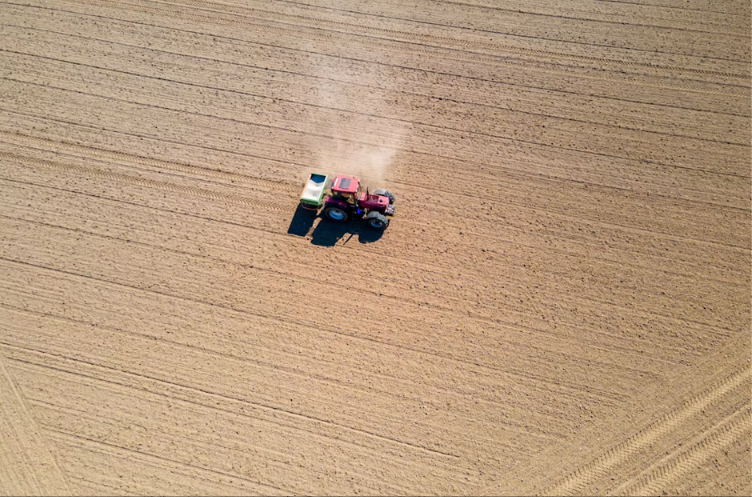
Οι εισαγωγές ρωσικών αζωτούχων λιπασμάτων μειώθηκαν κατά 66% το 2025-2026, αλλά παραμένουν 53% υψηλότερες από τα επίπεδα πριν από τον πόλεμο στην Ουκρανία.
Το υψηλό ενεργειακό κόστος στη Γερμανία διατηρεί ανταγωνιστικά τα ρωσικά προϊόντα, σύμφωνα με στοιχεία που δημοσίευσε η Berliner Zeitung. Η Γερμανία εξακολουθεί να συνδέεται εμπορικά με το ρωσικό φυσικό αέριο, παρά τις ευρωπαϊκές προσπάθειες περιορισμού της ενεργειακής εξάρτησης από τη Μόσχα.
Αυτή τη φορά, η σύνδεση δεν αφορά αποκλειστικά την άμεση προμήθεια φυσικού αερίου, αλλά τις εισαγωγές λιπασμάτων που παράγονται με τη χρήση ρωσικού αερίου ως πρώτης ύλης και πηγής ενέργειας. Σύμφωνα με δημοσίευμα της γερμανικής εφημερίδας, που βασίζεται σε στοιχεία του Γερμανικού Ομοσπονδιακού Στατιστικού Γραφείου και του Συνδέσμου Αγροτικής Βιομηχανίας (IVA), οι εισαγωγές αζώτου μέσω ρωσικών λιπασμάτων μειώθηκαν σημαντικά κατά το 2025-2026. Ωστόσο, εξακολουθούν να βρίσκονται πάνω από τα επίπεδα που καταγράφονταν πριν από τη ρωσική εισβολή στην Ουκρανία.
Τα στοιχεία των εισαγωγών και η σύγκριση με την προπολεμική περίοδο
Το 2025-2026, η Γερμανία εισήγαγε 48.800 τόνους αζώτου μέσω λιπασμάτων ρωσικής προέλευσης. Η ποσότητα αυτή είναι μειωμένη κατά περίπου 66% σε σύγκριση με το προηγούμενο έτος, αλλά παραμένει κατά 53% υψηλότερη από τους 31.800 τόνους που είχαν καταγραφεί το 2020-2021, πριν από τον πόλεμο.
Η εξέλιξη των εισαγωγών δείχνει πόσο έντονη ήταν η αύξηση μετά το 2022. Το 2021-2022 οι εισαγωγές έφτασαν τους 56.800 τόνους αζώτου, ενώ το 2022-2023 εκτοξεύθηκαν στους 185.100 τόνους. Στη συνέχεια καταγράφηκαν 140.200 τόνοι το 2023-2024 και 143.800 τόνοι το 2024-2025, προτού σημειωθεί η μεγάλη υποχώρηση της τελευταίας περιόδου. Τα στοιχεία αφορούν την ποσότητα του αζώτου που περιέχεται στα εισαγόμενα λιπάσματα και όχι το συνολικό βάρος των προϊόντων.
Τα λιπασματικά έτη υπολογίζονται από τον Ιούλιο έως τον Ιούνιο. Η ποσότητα αζώτου που εισήχθη στη Γερμανία μέσω ρωσικής ουρίας μειώθηκε από 71.600 τόνους σε 27.600 τόνους, καταγράφοντας πτώση άνω του 61%. Παρά τη μείωση, η ποσότητα εξακολουθεί να είναι σχεδόν τριπλάσια από τους 9.900 τόνους του 2020-2021. Η συγκεκριμένη εξέλιξη αναδεικνύει το βασικό πρόβλημα της ευρωπαϊκής πολιτικής περιορισμού των εμπορικών δεσμών με τη Ρωσία. Ακόμη και όταν περιορίζονται οι εισαγωγές συγκεκριμένων προϊόντων, οι οικονομικές σχέσεις μπορούν να διατηρούνται μέσω άλλων κατηγοριών αγαθών, ιδιαίτερα όταν αυτά έχουν χαμηλότερο κόστος παραγωγής.
Γιατί οι ρωσικές εισαγωγές παραμένουν ανταγωνιστικές
Καθοριστικός παράγοντας είναι το υψηλό ενεργειακό κόστος στη Γερμανία και στην υπόλοιπη Ευρώπη. Η παραγωγή αζωτούχων λιπασμάτων απαιτεί μεγάλες ποσότητες φυσικού αερίου, το οποίο χρησιμοποιείται τόσο ως πρώτη ύλη όσο και ως πηγή ενέργειας. Σύμφωνα με τον Σύνδεσμο Αγροτικής Βιομηχανίας (IVA), οι ευρωπαϊκοί δασμοί, που τέθηκαν σε ισχύ τον Ιούλιο του 2025, περιόρισαν σημαντικά τις εισαγωγές ρωσικών λιπασμάτων. Ωστόσο, δεν εξάλειψαν το ανταγωνιστικό πλεονέκτημα των ρωσικών προϊόντων. Ο σύνδεσμος επισημαίνει ότι οι υψηλές τιμές ενέργειας δυσκολεύουν τις ευρωπαϊκές επιχειρήσεις να αυξήσουν την εγχώρια παραγωγή και να καλύψουν μεγαλύτερο μέρος των αναγκών της αγοράς. Ως αποτέλεσμα, τα ρωσικά λιπάσματα εξακολουθούν να παραμένουν ελκυστικά, ακόμη και μετά την επιβολή πρόσθετων δασμών.
Παράλληλα, σύμφωνα με τον IVA, είναι πιθανό ορισμένες ποσότητες ρωσικών προϊόντων να φτάνουν στη γερμανική αγορά μέσω άλλων κρατών-μελών της Ευρωπαϊκής Ένωσης. Το μέγεθος αυτών των έμμεσων εισαγωγών, ωστόσο, δεν μπορεί να προσδιοριστεί με ακρίβεια από τα διαθέσιμα στοιχεία.
Δεν αποδίδονται οι αυξήσεις των τιμών αποκλειστικά στους δασμούς
Το ζήτημα έχει άμεση σημασία για τους Γερμανούς αγρότες, καθώς το κόστος των λιπασμάτων επηρεάζει την παραγωγή και, τελικά, την οικονομική βιωσιμότητα των καλλιεργειών. Ο IVA υποστηρίζει ότι η μείωση των ρωσικών εισαγωγών δεν έχει προκαλέσει μέχρι στιγμής σαφή αύξηση των τιμών εξαιτίας των δασμών. Σύμφωνα με τον σύνδεσμο, η εγχώρια παραγωγική δυναμικότητα και οι εισαγωγές από άλλες χώρες, μεταξύ των οποίων η Αίγυπτος, επαρκούν για την κάλυψη των αναγκών της αγοράς. Την ίδια στιγμή, ο σύνδεσμος αποδίδει τις υψηλές τιμές των λιπασμάτων το 2026 στις διεθνείς ενεργειακές αναταράξεις, στον πόλεμο με το Ιράν και στην κρίση γύρω από τα Στενά του Ορμούζ, παράγοντες που επηρεάζουν το κόστος μεταφοράς και τις παγκόσμιες τιμές ενέργειας και λιπασμάτων.
Οι εκτιμήσεις αυτές αποτελούν τις θέσεις του κλαδικού συνδέσμου και δεν συνιστούν από μόνες τους ανεξάρτητη αξιολόγηση όλων των παραγόντων που διαμορφώνουν τις τιμές.
Νέες πιέσεις για περιορισμό των ρωσικών εισαγωγών
Με αφορμή τα στοιχεία, ο IVA ζητά να εξεταστεί η επιβολή πρόσθετων δασμών στις εισαγωγές καλιούχων λιπασμάτων από τη Ρωσία και τη Λευκορωσία. Το κάλιο αποτελεί βασικό θρεπτικό στοιχείο για τις καλλιέργειες και αντιπροσωπεύει μια ακόμη κατηγορία προϊόντων στην οποία η ευρωπαϊκή αγορά διατηρεί εμπορικές σχέσεις με τις δύο χώρες.
Ο σύνδεσμος εκτιμά ότι η ευρωπαϊκή βιομηχανία μπορεί να καλύψει τις ανάγκες της γεωργίας χωρίς να εξαρτάται από τις συγκεκριμένες εισαγωγές και υποστηρίζει ότι πρόσθετοι δασμοί δεν θα πρέπει να οδηγήσουν αναγκαστικά σε αυξήσεις τιμών. Η συζήτηση, ωστόσο, αποτυπώνει το ευρύτερο δίλημμα της ευρωπαϊκής οικονομικής πολιτικής. Η μείωση της εξάρτησης από τη Ρωσία απαιτεί όχι μόνο εμπορικούς περιορισμούς, αλλά και ανταγωνιστική εγχώρια παραγωγή, προσιτό ενεργειακό κόστος και εναλλακτικές πηγές προμήθειας.
Τα δεδομένα της γερμανικής αγοράς δείχνουν ότι οι δασμοί μπορούν να περιορίσουν σημαντικά τις εισαγωγές, χωρίς όμως να εξαλείψουν αυτομάτως τις οικονομικές σχέσεις που στηρίζονται σε διαφορές κόστους παραγωγής. Για τη Γερμανία και την Ευρωπαϊκή Ένωση, η πρόκληση παραμένει η εξισορρόπηση τριών στόχων: της ενεργειακής και οικονομικής ασφάλειας, της στήριξης της εγχώριας βιομηχανίας και της διατήρησης προσιτού κόστους για τον αγροτικό τομέα.
Με πληροφορίες του Συνδέσμου Αγροτικής Βιομηχανίας (IVA) και του Γερμανικού Ομοσπονδιακού Στατιστικού Γραφείου.
Αναλύσεις
Πακιστάν: Μειώθηκαν οι τρομοκρατικές επιθέσεις, αλλά αυξάνονται οι απειλές – Αντάρτικες οργανώσεις αναπτύσσουν νέες τακτικές και στρατολογούν γυναίκες
Η νέα έκθεση του Pakistan Institute for Conflict and Security Studies (PICSS) αποκαλύπτει ένα αντιφατικό περιβάλλον ασφαλείας: Λιγότερες επιθέσεις και θύματα, αλλά αναδιοργάνωση ένοπλων ομάδων, χρήση drones, εσωτερικές συγκρούσεις και αυξανόμενη αστάθεια στο Μπαλουχιστάν. Η πολιτική κρίση επιβαρύνει την προσπάθεια αντιμετώπισης της τρομοκρατίας.
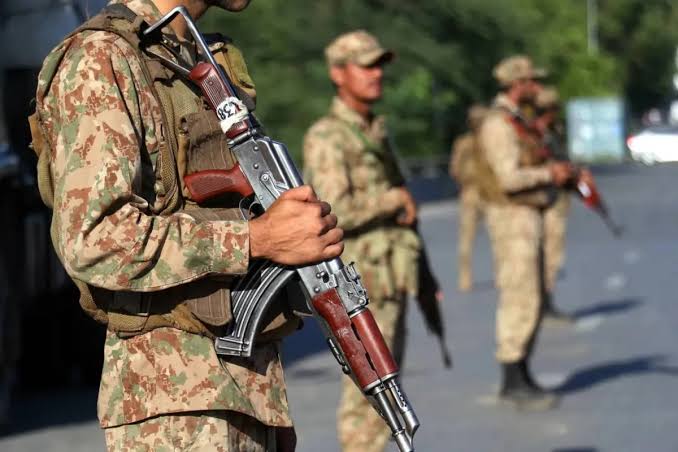
Μια εξαιρετικά σύνθετη εικόνα για την ασφάλεια στο Πακιστάν αποτυπώνει η νέα εβδομαδιαία ανάλυση του Pakistan Institute for Conflict and Security Studies (PICSS), η οποία δημοσιεύθηκε στις 10 Οκτωβρίου 2026. Παρά τη μείωση των επιθέσεων από ένοπλες οργανώσεις κατά την πρώτη εβδομάδα του μήνα, οι εξελίξεις στο εσωτερικό των εξτρεμιστικών και αυτονομιστικών ομάδων δημιουργούν σοβαρά ερωτήματα για την πραγματική αποτελεσματικότητα των επιχειρήσεων ασφαλείας.
Η έκθεση με τίτλο «Pakistan’s Security Paradox: Militant Attacks Decline as Militant Groups Signal New Developments» καταγράφει υποχώρηση των επιθέσεων, αλλά παράλληλα εντοπίζει ενδείξεις οργανωτικής αναδιάρθρωσης, νέων επιχειρησιακών μεθόδων και εντατικοποίησης της προπαγανδιστικής δραστηριότητας.
Μείωση 18% στις επιθέσεις – Παραμένει σοβαρή η απειλή
Σύμφωνα με το PICSS, από τις 2 έως τις 8 Οκτωβρίου καταγράφηκαν συνολικά 46 επιθέσεις ενόπλων οργανώσεων στο Πακιστάν, έναντι 56 την αμέσως προηγούμενη εβδομάδα.
Η μείωση ανέρχεται στο 18%, ενώ αισθητή είναι και η υποχώρηση του αριθμού των θυμάτων.
Οι νεκροί μειώθηκαν από 52 σε 42 και οι τραυματίες από 53 σε 23.
Ωστόσο, η εικόνα δεν είναι ομοιόμορφη σε ολόκληρη τη χώρα.
Στην επαρχία Μπαλουχιστάν, όπου δραστηριοποιούνται ιδιαίτερα ενεργές αυτονομιστικές οργανώσεις, οι απώλειες αυξήθηκαν παρά τη μείωση του αριθμού των επιθέσεων.
Το στοιχείο αυτό δημιουργεί προβληματισμό για το κατά πόσον οι ένοπλες ομάδες μεταβάλλουν τις τακτικές τους, πραγματοποιώντας λιγότερες αλλά δυνητικά πιο φονικές επιχειρήσεις.
Οι Πακιστανοί Ταλιμπάν αλλάζουν τακτική – Drones και ελεύθεροι σκοπευτές
Ιδιαίτερο ενδιαφέρον παρουσιάζουν οι εξελίξεις στο εσωτερικό της Tehrik-i-Taliban Pakistan (TTP), της οργάνωσης που είναι γνωστή ως Πακιστανοί Ταλιμπάν.
Σύμφωνα με την ανάλυση, η TTP επέβαλε περιορισμούς στη χρήση των μέσων κοινωνικής δικτύωσης από τα μέλη της.
Η συγκεκριμένη απόφαση αποκτά σημασία σε μια περίοδο κατά την οποία οι ένοπλες οργανώσεις χρησιμοποιούν τις ψηφιακές πλατφόρμες τόσο για προπαγάνδα όσο και για την προβολή των επιχειρησιακών τους δυνατοτήτων.
Την ίδια στιγμή, η TTP δημοσιοποίησε οπτικό υλικό στο οποίο υποστηρίζει ότι καταγράφονται επιθέσεις με τετρακόπτερα μη επανδρωμένα αεροσκάφη και ενέργειες ελεύθερων σκοπευτών.
Οι ισχυρισμοί αυτοί δεν συνιστούν ανεξάρτητη επιβεβαίωση της αποτελεσματικότητας ή της έκτασης χρήσης των συγκεκριμένων μέσων.
Παρ’ όλα αυτά, η προβολή τέτοιων επιχειρήσεων εντάσσεται σε μια ευρύτερη προσπάθεια των οργανώσεων να παρουσιάσουν εικόνα τεχνολογικής προσαρμογής και να ενισχύσουν την επιρροή τους.
Εσωτερικές συγκρούσεις στις ένοπλες οργανώσεις
Την ίδια περίοδο, η Jamaat-ul-Ahrar, οργάνωση που έχει συνδεθεί με το δίκτυο των Πακιστανών Ταλιμπάν, ανακοίνωσε ότι πραγματοποίησε 122 επιθέσεις κατά τη διάρκεια του Σεπτεμβρίου.
Πρόκειται για αριθμό που προέρχεται από τους ισχυρισμούς της ίδιας της οργάνωσης και δεν πρέπει να συγχέεται με τα ανεξάρτητα καταγεγραμμένα περιστατικά του PICSS.
Παράλληλα, αναφέρθηκαν αιματηρές συγκρούσεις ανάμεσα σε μαχητές της Jamaat-ul-Ahrar και αντίπαλης φράξιας της TTP στην περιοχή Ορακζάι.
Οι πληροφορίες αυτές αναδεικνύουν ένα επιπλέον πρόβλημα για την ασφάλεια του Πακιστάν: τον κατακερματισμό του περιβάλλοντος των ενόπλων οργανώσεων.
Οι εσωτερικές συγκρούσεις ενδέχεται να αποδυναμώνουν προσωρινά ορισμένα δίκτυα, αλλά μπορούν επίσης να προκαλέσουν νέες αντιπαραθέσεις, ανακατατάξεις και αποσχίσεις.
Μπαλουχιστάν: Ένοπλη γυναικεία μονάδα και κλιμάκωση της προπαγάνδας
Σημαντικές εξελίξεις καταγράφονται και στο Μπαλουχιστάν, την επαρχία του νοτιοδυτικού Πακιστάν που συνορεύει με το Ιράν και το Αφγανιστάν και έχει στρατηγική σημασία λόγω των φυσικών πόρων και της πρόσβασής της στην Αραβική Θάλασσα.
Το Balochistan Liberation Front (BLF), μία από τις οργανώσεις που επιδιώκουν την ανεξαρτησία του Μπαλουχιστάν, δημοσιοποίησε υλικό για τη συγκρότηση νέου γυναικείου ένοπλου σχηματισμού.
Η συγκεκριμένη κίνηση προβάλλεται από την οργάνωση ως οργανωτική εξέλιξη. Δεν υπάρχουν, ωστόσο, επαρκή ανεξάρτητα στοιχεία στο δημόσιο απόσπασμα της έκθεσης για τον αριθμό των μελών ή τις πραγματικές επιχειρησιακές δυνατότητες της νέας μονάδας.
Παράλληλα, ο Balochistan Liberation Army (BLA), άλλη σημαντική αυτονομιστική ένοπλη οργάνωση, απέρριψε κατηγορίες περί συνεργασίας με την TTP.
Ο BLA δημοσιοποίησε επίσης οπτικό υλικό από επιχειρήσεις που ισχυρίζεται ότι πραγματοποίησαν μέλη του.
Άλλες οργανώσεις των Μπαλούχων προχώρησαν σε ανάλογες κινήσεις, προβάλλοντας τη δράση τους και διατυπώνοντας ισχυρισμούς για δραστηριότητες συλλογής πληροφοριών.
Οι εξελίξεις καταδεικνύουν ότι η σύγκρουση στο Μπαλουχιστάν δεν περιορίζεται στις ένοπλες επιθέσεις, αλλά περιλαμβάνει και έναν παράλληλο αγώνα επιρροής, επικοινωνίας και πολιτικής νομιμοποίησης.
Πολιτική κρίση και αντιτρομοκρατία
Πέρα από την ένοπλη βία, η έκθεση του PICSS επισημαίνει ότι η εσωτερική πολιτική αστάθεια δυσχεραίνει τη διαμόρφωση αποτελεσματικής πολιτικής ασφαλείας.
Η κατάρρευση των διαπραγματεύσεων μεταξύ της κυβέρνησης και του Pakistan Tehreek-e-Insaf (PTI), του κόμματος που ίδρυσε ο πρώην πρωθυπουργός Ιμράν Χαν, περιπλέκει τις προσπάθειες συντονισμού στην επαρχία Χάιμπερ Παχτούνχβα.
Η περιοχή αποτελεί ένα από τα σημαντικότερα μέτωπα της δράσης των Πακιστανών Ταλιμπάν, λόγω της εγγύτητάς της με το Αφγανιστάν και της μακρόχρονης παρουσίας ένοπλων δικτύων.
Οι πολιτικές αντιπαραθέσεις μεταξύ κεντρικής κυβέρνησης και αντιπολίτευσης μπορούν να δυσχεράνουν τον συντονισμό, τη διοικητική συνεργασία και τη διαμόρφωση κοινής στρατηγικής για την αντιμετώπιση της τρομοκρατίας.
Το πρόβλημα αποκτά ιδιαίτερη σημασία όταν συνδυάζεται με την ανάγκη προστασίας παραμεθόριων περιοχών και αντιμετώπισης οργανώσεων με διασυνοριακές διασυνδέσεις.
Αφγανιστάν, Ινδία και περιφερειακές αμυντικές συμφωνίες
Οι προκλήσεις που αντιμετωπίζει το Ισλαμαμπάντ δεν περιορίζονται στο εσωτερικό της χώρας.
Οι σχέσεις με το Αφγανιστάν παραμένουν κρίσιμος παράγοντας ασφαλείας, καθώς το Πακιστάν αποδίδει σε ένοπλα δίκτυα που δρουν από αφγανικό έδαφος σημαντικό μέρος των επιθέσεων εναντίον του.
Την ίδια στιγμή, η αντιπαράθεση με την Ινδία εξακολουθεί να επηρεάζει τον στρατηγικό σχεδιασμό των πακιστανικών ενόπλων δυνάμεων.
Στο περιφερειακό περιβάλλον προστίθενται οι νέες αμυντικές διευθετήσεις και οι προσπάθειες του Πακιστάν να διατηρήσει ή να ενισχύσει τις στρατηγικές του συνεργασίες.
Η συνύπαρξη εσωτερικών απειλών, πολιτικής αβεβαιότητας και εξωτερικών δεσμεύσεων δημιουργεί αυξημένες απαιτήσεις για τον στρατιωτικό μηχανισμό και τις υπηρεσίες ασφαλείας.
Οι αριθμοί δεν λένε ολόκληρη την ιστορία
Η εβδομαδιαία έκθεση του PICSS θέτει ένα ουσιαστικό ερώτημα: αποτελεί η μείωση των τρομοκρατικών επιθέσεων ένδειξη βελτίωσης της ασφάλειας ή πρόκειται για προσωρινή υποχώρηση της βίας, ενώ οι οργανώσεις αναπροσαρμόζουν τις τακτικές και τις δομές τους;
Η απάντηση δεν μπορεί να προκύψει αποκλειστικά από την καταμέτρηση των επιθέσεων.
Η χρήση νέων επιχειρησιακών μέσων, οι εσωτερικές διαμάχες, η συγκρότηση νέων ένοπλων σχηματισμών και η αυξημένη προπαγανδιστική δραστηριότητα συνθέτουν μια εικόνα που απαιτεί διαρκή παρακολούθηση.
Άλλωστε, τα στοιχεία του PICSS για ολόκληρο τον Σεπτέμβριο είχαν καταγράψει 225 επιθέσεις, τον υψηλότερο μηνιαίο αριθμό εδώ και δώδεκα χρόνια, γεγονός που αναδεικνύει τη σοβαρότητα της κατάστασης παρά την πρόσφατη εβδομαδιαία υποχώρηση.
Το Πακιστάν βρίσκεται αντιμέτωπο με μια πολυεπίπεδη κρίση ασφαλείας, στην οποία αλληλεπιδρούν τζιχαντιστικές οργανώσεις, αυτονομιστικά κινήματα, πολιτικές αντιπαραθέσεις και περιφερειακοί ανταγωνισμοί.
Η μείωση της συχνότητας των επιθέσεων αποτελεί θετική ένδειξη σε επίπεδο εβδομαδιαίων στατιστικών. Δεν αρκεί, όμως, από μόνη της για να αποδείξει ότι οι απειλές περιορίζονται σε βάθος χρόνου.
Το κρίσιμο ζήτημα για το Ισλαμαμπάντ δεν είναι μόνο πόσες επιθέσεις καταγράφονται, αλλά κατά πόσον το κράτος μπορεί να αντιμετωπίσει τις οργανώσεις που εξακολουθούν να διαθέτουν δυνατότητα στρατολόγησης, προσαρμογής και πραγματοποίησης νέων επιχειρήσεων.


GEOPOLITICO4 ώρες πριν
Πόλεμος συμφερόντων για το LNG – Το τουρκικό σχέδιο και η ελληνική απάντηση
Στο Direct News, ο Ανδρέας Μουντζουρούλιας παρουσιάζει τις πληροφορίες του για τον GSI, αναλύει τα τουρκικά δημοσιεύματα για την Γκίλφοϊλ...


Ιστορία - Πολιτισμός4 ώρες πριν
Arolsen Archives: Το αρχείο που αναζητά τα ίχνη εκατομμυρίων θυμάτων του ναζισμού
Στη γερμανική πόλη Μπαντ Άρολσεν φυλάσσεται μία από τις σημαντικότερες συλλογές τεκμηρίων για τα θύματα των ναζιστικών διώξεων. Περισσότερα από...


Αναλύσεις5 ώρες πριν
Πού βρίσκεται η Ελλάδα στον σχεδιασμό του IMEC;
Η επίκληση της ελληνικής κληρονομιάς, η κριτική για τις αμερικανικές τοποθετήσεις στα ελληνοτουρκικά και η ανάγκη μιας εθνικής στρατηγικής που...

GEOPOLITICO5 ώρες πριν
Νέα τουρκική πρόκληση νότια του Καστελλόριζου! NAVTEX της Άγκυρας στην περιοχή που θα περάσει το γαλλικό ερευνητικό για το καλώδιο Ελλάδας–Κύπρου
Η Άγκυρα εξέδωσε NAVTEX για περιοχή νότια του Καστελλόριζου, όπου έχει προγραμματιστεί η πολυεθνική άσκηση «EUNOMIA», αμφισβητώντας τη δικαιοδοσία του...


GEOPOLITICO5 ώρες πριν
EurAsia Review: Ποιοι προστατεύουν τα κυκλώματα λαθρεμπορίου στα σύνορα Ιράν, Πακιστάν και Αφγανιστάν – Ο σκοτεινός ρόλος παραγόντων ασφαλείας
Ένα εκτεταμένο σύστημα παράνομου εμπορίου, διαφθοράς και πολιτικής προστασίας περιγράφει σε ανάλυσή του το EurAsia Review. Από τα καύσιμα και...
-
 Αναλύσεις4 εβδομάδες πριν
Το τελεσίγραφο Καλίν την ώρα που η Τουρκία προετοιμάζεται για πόλεμο!
-
 Άμυνα3 μήνες πριν
Ρωσσικό ΜΜΕ: Ελληνικό «μπλόκο» στην απαίτηση για Patriot – Πώς γνωρίζει το Κίεβο απόρρητα στοιχεία για τους πυραύλους μας;
-

 ΑΝΑΡΤΗΣΕΙΣ ΜΕ ΣΗΜΑΣΙΑ3 μήνες πριν
Πακιστανός με καναδική υπηκοότητα ο υπαίτιος της πυρκαγιάς στον Έβρο! Πιθανόν να μετέφερε μετανάστες
-

 GEOPOLITICO1 μήνα πριν
Το διέρρευσε ο Παπαχελάς! Έφεραν τον Καλίν στο Μαξίμου – Τί συζήτησε με τον Μητσοτάκη;
-
 Αναλύσεις2 μήνες πριν
Καραγκιούλ: «Αν Ελλάδα, Κύπρος και Ισραήλ επιτεθούν στην Τουρκία, ο χάρτης του Αιγαίου θα αλλάξει»
-

 ΑΝΑΡΤΗΣΕΙΣ ΜΕ ΣΗΜΑΣΙΑ2 μήνες πριν
Ξέσπασμα της μητέρας της Μυρτούς για την υπόθεση Τζαβέντ Ασλάμ: «Δεν ξεχνώ ποτέ» – «Δήμαρχος των Πακιστανών ο Δούκας»
-

 GEOPOLITICO4 εβδομάδες πριν
Τί λέει Τούρκος δημοσιογράφος για Σάββα Καλεντερίδη; «Έκανε πολύ καλά τη δουλειά του για τη χώρα του – Δεν μπορούσε να τον στριμώξει η ΜİΤ»
-

 Αναλύσεις3 μήνες πριν
Εάν η Τουρκία απορρίψει τη συμφωνία αποχώρησης από την Κύπρο θα απομακρυνθεί δια της βίας