 Western propaganda continues to distort Russia’s position in respect of the Syrian crisis. It accuses Moscow of supporting Damascus for profit motives, or even criminal solidarity. In this piece, Sergey Lavrov does not expound on his country’s strategic choices, but rather on the principles that underpin his diplomacy. He responds imperturbably to the inanities spouted by Western media, underscoring Moscow’s commitment to international law and its pledge to support people. Lavrov counterpoints the massive popular support enjoyed by President al-Assad and the illegitimacy of the sectarian armed opposition, sponsored from abroad.
Διεθνή
RUSSIA’S STANCE ON THE SYRIAN CRISIS. On the Right Side of History
by Sergey Lavrov
Western propaganda continues to distort Russia’s position in respect of the Syrian crisis. It accuses Moscow of supporting Damascus for profit motives, or even criminal solidarity. In this piece, Sergey Lavrov does not expound on his country’s strategic choices, but rather on the principles that underpin his diplomacy. He responds imperturbably to the inanities spouted by Western media, underscoring Moscow’s commitment to international law and its pledge to support people. Lavrov counterpoints the massive popular support enjoyed by President al-Assad and the illegitimacy of the sectarian armed opposition, sponsored from abroad.
Over the last year or a year and a half, the events unfolding in North Africa and the Middle East have come to the forefront of the global political agenda. They are frequently referred to as the most remarkable episode in the international life of the new 21st century. Experts have long spoken about the fragility of authoritarian regimes in Arab countries and possible social and political shocks.
However, it was difficult to predict the scale and pace with which the wave of change would sweep over the region. Alongside the manifestations of crisis in the world economy, these events have clearly proved that the process leading to the emergence of a new international system has entered a zone of turbulence.
The more large-scale social movements appeared in the countries of the region, the more urgent became the issue of what policy should be pursued by external actors and the entire international community. Numerous expert discussions on that matter and subsequent practical actions of States and international organizations have outlined two main approaches: either to help the Arab peoples determine their own future by themselves, or to try to shape a new political reality to one’s taste while taking advantage of the softening of state structures that had long been too rigid. The situation continues to evolve rapidly, which makes it important for those who have the biggest say in the matters of the region to finally consolidate their efforts rather than continue to pull in different directions like the characters of a fable by Ivan Krylov.
Let me sum up the points that I have repeatedly made in relation to the evolving situation in the Middle East. First of all, Russia, in common with the majority of countries in the world, encourages the aspirations of the Arab peoples for a better life, democracy and prosperity, and stands ready to support these efforts. This is why we welcomed the Deauville Partnership initiative at the G8 summit in France. We firmly oppose the use of violence in the course of current transformations in Arab States, especially against civilians. We are well aware of the fact that the transformation of a society is a complex and generally long process which rarely goes smoothly.
Russia probably knows the true cost of revolutions better than most other countries. We are fully aware that revolutionary changes are always accompanied by social and economic setbacks as well as by loss of human life and suffering. This is exactly why we support an evolutionary and peaceful way of enacting long-awaited changes in the Middle East and North Africa.
The point is, what should be done if the showdown between the authorities and the opposition does assume the form of violent, armed confrontation? The answer seems obvious -external actors should do their best to stop the bloodshed and support a compromise involving all parties to the conflict. When deciding to support UN Security Council Resolution 1970 and making no objection to Resolution 1973 on Libya, we believed that these decisions would help limit the excessive use of force and pave the way for a political settlement. Unfortunately, the actions undertaken by NATO countries under these resolutions led to their grave violation and support for one of the parties to the civil war, with the goal of ousting the existing regime – damaging in the process the authority of the Security Council.
People versed in politics need not be told that the devil is in the detail, and tough solutions implying the use of force cannot produce a lasting long-term settlement. And in the current circumstances, when the complexity of international relations has increased manifold, it becomes obvious that using force to resolve conflicts has no chance of success. Examples are abundant. They include the complicated situation in Iraq and the crisis in Afghanistan, which is far from being over. There are many indications that things are far from being good in Libya after the ousting of Muammar Gaddafi. Instability has spread further to the Sahara and Sahel region, and the situation in Mali was dramatically aggravated
Another example is Egypt, which is still far from the safe shore even though regime change was not accompanied by large outbreaks of violence and Hosni Mubarak, who had ruled the country for more than thirty years, left the presidential palace voluntarily shortly after public protests began. We cannot but be concerned, among other issues, with the reports of growing religious clashes and abuse of the rights of the Christian minority.
Thus, there are more than enough reasons for taking the most balanced approach to the Syrian crisis that represents the most acute situation in the region today. It is clear that after what had happened in Libya it was impossible to go along with the UN Security Council taking decisions that would not be adequately explicit and would allow those responsible for their implementation to act at their own discretion. Any mandate given on behalf of the entire international community should be as clear and precise as possible in order to avoid ambiguity. It is therefore important to understand what is really happening in Syria and how to help that country to pass though this painful stage of its history.
Unfortunately, qualified and honest analysis of developments in Syria and their potential consequences is still in short supply. Quite often it is replaced by primitive images and black-and-white propaganda clichés. For several months major international media outlets have been reproducing reports about the corrupt dictatorial regime ruthlessly suppressing the aspiration of its own people to freedom and democracy.
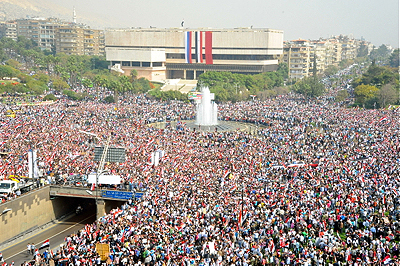
It seems, however, that the authors of those reports did not bother asking themselves how the government could manage to stay in power without public support for more than a year, despite the extensive sanctions imposed by its main economic partners. Why did the majority of people vote for the draft constitution proposed by the authorities? Why, after all, have most Syrian soldiers remained loyal to their commanders? If fear is the only explanation, then why did it fail to help other authoritarian rulers?
We have stated many times that Russia is not a defender of the current regime in Damascus and has no political, economic or other reasons for becoming one. We have never been a major trade and economic partner of that country, the government of which has communicated mostly with the capitals of Western European countries.
It is no less clear to us than to others that the main responsibility for the crisis that has swept over the country lies with the Syrian government, that has failed to take the course of reform in due time or draw conclusions from the deep changes unfolding in international relations. This is all true. Yet, there are other facts as well. Syria is a multi-confessional state: in addition to Sunni and Shia Muslims there are Alawites, Orthodox and other Christian confessions, Druzes, and Kurds. Over the last few decades of the secular rule of the Ba’ath party, freedom of conscience has been practiced in Syria, and religious minorities fear that if the regime is broken down this tradition may be interrupted.
When we say that these concerns should be heard and addressed, we are sometimes accused of taking positions amounting to an anti-Sunni and, more generally, anti-Islamic stance. Nothing could be further from the truth. In Russia, people of various confessions, most numerous among them being Orthodox Christians and Muslims, have lived together peacefully for centuries. Our country has never waged colonial wars in the Arab world but has on the contrary continuously supported the independence of Arab nations and their right to independent development. And Russia bears no responsibility for the consequences of colonial rule marked by the changes in social structures that brought about the tensions which still persist.
The point I want to make is different. If some members of society are concerned about potential discrimination on the grounds of religion and national origin, then necessary guarantees should be provided to those people in accordance with generally accepted international humanitarian standards.
Respect for human rights and fundamental freedoms has traditionally been, and continues to be, a major problem for the States of the Middle East, and was one of the main causes of the “Arab revolutions”.
However, Syria has never ranked low on that list, with its level of civil freedoms immeasurably higher than that of some of the countries who are now trying to give lessons in democracy to Damascus. In one of its recent issues, the French magazine Le Monde Diplomatique presented a chronology of human rights abuses by a big State in the Middle East, which contained, inter alia, the execution of 76 death sentences in 2011 alone, including for those accused of witchcraft. If we truly wish to promote respect for human rights in the Middle East, we must state this goal openly. If we proclaim ending the bloodshed as our primary concern, we should focus precisely on that; in other words, we must press for a ceasefire in the first place, and promote the start of an inclusive all-Syrian dialogue aimed at negotiating a peaceful crisis settlement formula by the Syrians themselves.
Russia has been sending these messages since the first days of unrest in Syria. It was quite clear to us and, I guess, to everyone who has sufficient information on that country, that pressing for an immediate ousting of Bashar al-Assad, contrary to the aspirations of a considerable segment of Syrian society that still relies on this regime for its security and well-being, would mean plunging Syria into a protracted and bloody civil war. Responsible external actors should help Syrians avoid that scenario and bring about evolutionary rather than revolutionary reform of the Syrian political system through a national dialogue rather than by means of coercion from the outside.
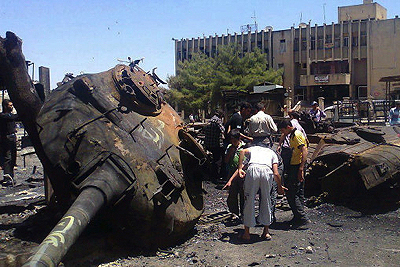
Taking into account today’s realities in Syria, reliance on one-sided support for the opposition, particularly for its most belligerent part, will not lead to peace in that country anytime soon and will therefore run counter to the goal of protecting the civilian population. What seems to prevail in that option are attempts to bring about regime change in Damascus as an element of a larger regional geopolitical game. These schemes are undoubtedly targeting Iran, since a large group of States including the USA and NATO countries, Israel, Turkey and some States of the region appear to be interested in weakening that country’s regional positions.
The possibility of a military strike against Iran is a much-debated topic today. I have repeatedly stressed that such an option would lead to grave, catastrophic consequences. An attempt to cut the Gordian knot of long-standing problems is doomed to failure. We may recall in this regard that the US military invasion in Iraq was once considered to be a “golden chance” to change the political and economic realities of the “greater Middle East” in a quick and decisive manner, thus turning it into a region which would follow the “European pattern” of development.
Irrespective of the situation concerning Iran, however, it is evident that fuelling intra-Syrian strife may trigger processes that would affect the situation in the vast territory surrounding Syria in the most negative way, having a devastating impact on both regional and international security. Risk factors include loss of control over the Syrian-Israeli border, a worsening of the situation in Lebanon and other countries in the region, weapons falling into the “wrong hands,” including those of terrorist organizations, and, perhaps the most dangerous of all, an aggravation of inter-faith tensions and contradictions inside the Islamic world.
* * *
Back in the 1990s in his book The Clash of Civilisations, Samuel Huntington outlined the trend of the increasing importance of identity based on civilisation and religion in the age of globalization; he also convincingly demonstrated the relative reduction in the abilities of the historic West to spread its influence. It would definitely be an overstatement if we tried to build a model of the modern international relations solely on the basis of such assumptions. However, today it is impossible to ignore such a trend. It is caused by an array of different factors, including more transparent national borders, the information revolution which has highlighted blatant socio-economic inequality, and the growing desire of people to preserve their identity in such circumstances and to avoid falling into the endangered species list of history.
The Arab revolutions clearly show a willingness to go back to the roots of civilisation that reveals itself in broad public support for the parties and movements acting under the flag of Islam. This trend is apparent not only in the Arab world. Let us mention Turkey, which is more actively positioning itself as a major player in the Islamic space and the surrounding region. Asian states, including Japan, are more boldly declaring their identity.
Such a situation is further proof that the simple (if not simplistic) binary construction of the Cold War period, described in the paradigms of East-West, capitalism-socialism, North-South, is being replaced by a multidimensional geopolitical reality that does not allow for the identification of a single dominating factor. The global financial and economic crisis drew a line under discussions on whether one system can dominate in any area whatsoever, be it economy, politics or ideology.
There is no doubt left that within the broad framework that defines the development of most States and is characterized by democratic governance and a market economy, each country will independently choose its own political and economic model with due regard to its own traditions, culture and history. This is likely to result in a greater impact on international affairs of the factor of identity based on civilisation.
In terms of practical politics, these conclusions can only suggest one thing: attempts to impose one’s own set of values are totally futile and may only lead to a dangerous aggravation of tensions between civilisations. This certainly does not imply that we must completely renounce influencing each other and promoting the right image of our country in the international arena.
However, this should be done employing honest, transparent methods that will foster the export of national culture, education and science while showing full respect for the values of other peoples’ civilisations as a safeguard for the world’s diversity and esteem for pluralism in international affairs.
It seems evident that hopes to apply cutting edge information dissemination and communications technologies, including social networks, in order to change the mentality of other peoples, thus creating a new political reality, are bound to fail in the long run. The current market for ideas is far too manifold, and virtual methods would only bring about a virtual reality – provided, of course, that we do not resort to George Orwell’s Big Brother mentality, in which case we can give up on the whole idea of democracy, not only in countries that are subjected to such influence but also in those that are exercising it.
Developing a universal scale of values and morals becomes a big political issue. Such a scale could serve as the foundation for a respectful and fruitful dialogue between civilisations based on a common interest in reducing the instability which accompanies the creation of a new international system and aimed at eventually establishing a solid, efficient, polycentric world order. And here, we can only ensure success if we rule out black-and-white approaches, whether we tackle exaggerated concern for the rights of sexual minorities or, on the contrary, attempts to elevate to the political level narrow concepts of morale that would satisfy one group and violate the natural rights of other citizens, particularly of those who belong to other confessions.
* * *
There is a certain limit reached by crises in international relations that cannot be overstepped without causing damage to global stability. That is why work aimed at putting out regional fires, including intrastate conflicts, should be carried out as considerately as possible, with no double standards applied. Using a ’sanctions bat’ leads to dead-end at all times. All parties involved in internal conflicts should be convinced that the international community will form a united front and act in accordance with strict principles in order to stop violence as soon as possible and to reach a mutually acceptable solution through comprehensive dialogue.
Russia is guided only by such principles with regard to intrastate crises, which explains our position on what is happening in Syria. That is why we have offered full and sincere support for the mission of the UN/Arab League Special Envoy Kofi Annan, aimed at finding a mutually acceptable compromise as soon as possible. UN Security Council Presidential Statements and UN Security Council Resolutions in this regard reflect the approaches that we have promoted from the very beginning of the unrest in Syria; these ideas are also reflected in our joint statement with the League of Arab States adopted on March 10, 2012.
If we were successful in making these approaches work in Syria, they could become a model for international assistance in resolving future crises.
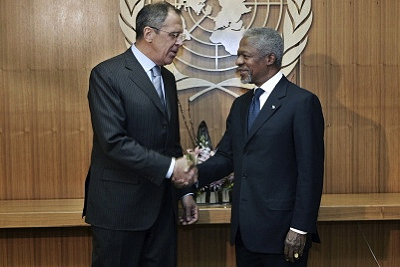
The essence of Kofi Annan’s “six principles” is to ensure an end to violence regardless of where it comes from and to start a Syrian-led political dialogue which should address the legitimate concerns and aspirations of the Syrian people. It should result in a new political configuration in Syria that will take into account the interests of all groups in its multi-confessional society.
It is necessary to encourage the preparation and implementation of agreements aimed at settling the conflict without taking sides, to reward those who respect them and to clearly name those who oppose the peace process. To achieve this, an unbiased monitoring mechanism is needed, and such a mechanism was set up in accordance with UN Security Council Resolutions 2042 and 2043. Russian military observers are part of the international monitoring team.
Unfortunately, the process of implementing Kofi Annan’s plan in Syria is proceeding with great difficulty. The world was appalled by massacres of unarmed civilians, including the tragedy that happened in the village of Houla on May 25, 2012 and the subsequent bloody violence in the vicinity of Hama. It is necessary to clarify who is responsible for this and to punish the perpetrators. No one has the right to usurp the role of judge and to use these tragic events to achieve their own geopolitical goals. Abandoning such attempts will make it possible to stop the spiral of violence in Syria.
Those who say that Russia “is saving” Bashar al-Assad are wrong. I would like to reiterate that it is the Syrian people themselves who choose the political system and leadership of their country. We are not trying to whitewash the multiple mistakes and miscalculations made by Damascus, including the use of force against peaceful demonstrations at the beginning of the crisis.
For us, the issue of who is in power in Syria is not the major one; it is important to put an end to civilian deaths and to start a political dialogue in a situation where the sovereignty, independence and territorial integrity of the country will be respected by all external actors. No violence can be justified. The shelling of residential areas by government troops is unacceptable, but it cannot be viewed as an indulgence for terrorist acts in Syrian cities, for murders conducted by insurgents opposed to the regime, including those of Al-Qaida.
The logic that dictates the need to break the vicious circle of violence has manifested itself in the unilateral support that members of the UN Security Council have given to the Annan Plan. We are upset by the claims and actions of some actors involved in the Syrian situation that manifest their stake on the failure of the Special Envoy’s efforts. Among them, are the calls of the Syrian National Council (SNC) leadership for foreign intervention. It is unclear how such claims would help SNC sponsors to unite the Syrian opposition under its umbrella. We stand for the integration of the Syrian opposition only on the platform of preparedness for political dialogue with the government – in exact accordance with the Annan Plan.
Russia keeps working with the Syrian authorities almost every day urging them to fully comply with the six points proposed by Kofi Annan and to resolutely abandon their delusion that the internal political crisis in Syria will somehow go away. We also work with representatives of almost all branches of the Syrian opposition. We are sure that if all our partners work in the same concentrated manner without any hidden motives or double standards, there is a chance for a peaceful settlement of the situation in Syria. We need to bring all the weight to bear on both the regime and the opposition and make them cease fighting and meet at the negotiating table. We consider it important to urgently take collective effort to this end and to convene an international conference of the States directly involved in the crisis in Syria. With that goal in mind, we maintain close contacts with Kofi Annan and other partners.
Only by acting in this way we can keep the Middle East from sliding into the abyss of wars and anarchy and thus stay, as it has become fashionable to say, on the right side of history. We are sure that other formulas that involve external intervention in Syria – ranging from blocking TV channels that do not satisfy someone, to increasing arms supplies to opposition groups, to airstrikes – will not bring peace either to that country or to the region as a whole. And that means that those formulas will not be justified by history.
Sergey Lavrov
var _wau = _wau || []; _wau.push([“small”, “wvg1ie6mi5ta”, “m3y”]);
(function() {var s=document.createElement(“script”); s.async=true;
s.src=”http://widgets.amung.us/small.js”;
document.getElementsByTagName(“head”)[0].appendChild(s);
})();







Διεθνή
Ένοπλος Αζέρος πέρασε στην Αρμενία και πυροβόλησε μητέρα μπροστά στα παιδιά της! Σε πόλη αδελφοποιημένη με τη Νέα Σμύρνη το περιστατικό
Απαγγέλθηκαν συνολικά πέντε κατηγορίες, μεταξύ των οποίων παράνομη διέλευση των κρατικών συνόρων της Αρμενίας, λαθρεμπόριο στρατιωτικού υλικού, πυροβόλων όπλων και πυρομαχικών, παράνομη διακίνηση όπλων και πυρομαχικών, παράνομη είσοδος σε κατοικία παρά τη θέληση του ιδιοκτήτη και πρόκληση βαριάς σωματικής βλάβης υπό επιβαρυντικές περιστάσεις, μεταξύ άλλων με τη χρήση πυροβόλου όπλου.
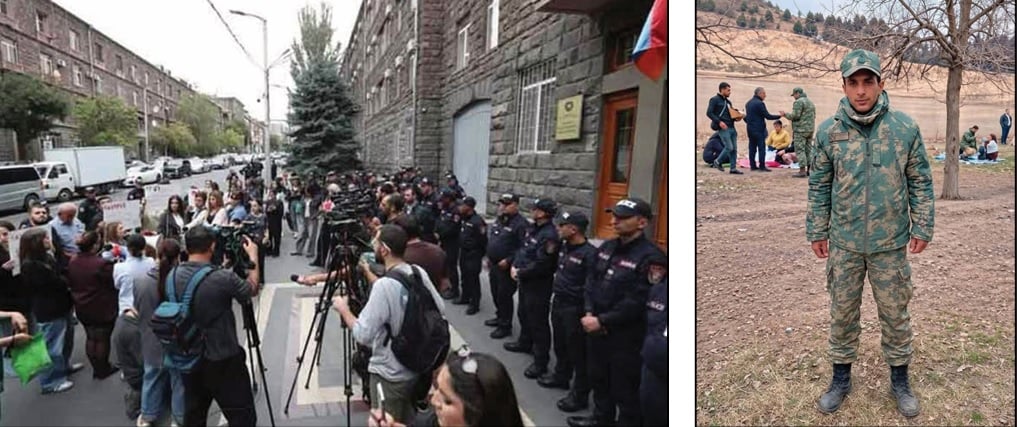
Αρμενικό δικαστήριο διέταξε την προφυλάκιση, για διάστημα δύο μηνών, του Αζέρου στρατιωτικού Νασίμ Ογλού Ραχίμ Μουσάγιεβ, ο οποίος κατηγορείται ότι πέρασε παράνομα στην Αρμενία και πυροβόλησε μια γυναίκα μέσα στο σπίτι της, στον οικισμό Σάκι της επαρχίας Σιουνίκ. Η πόλη απέχει 15 χιλιόμετρα από τα σύνορα και 3 χιλιόμετρα από την πόλη Σισιάν που είναι πόλη αδελφοποιημένη με την Νέα Σμύρνη.
Σε βάρος του Μουσάγιεβ έχουν απαγγελθεί συνολικά πέντε κατηγορίες, μεταξύ των οποίων παράνομη διέλευση των κρατικών συνόρων της Αρμενίας, λαθρεμπόριο στρατιωτικού υλικού, πυροβόλων όπλων και πυρομαχικών, παράνομη διακίνηση όπλων και πυρομαχικών, παράνομη είσοδος σε κατοικία παρά τη θέληση του ιδιοκτήτη και πρόκληση βαριάς σωματικής βλάβης υπό επιβαρυντικές περιστάσεις, μεταξύ άλλων με τη χρήση πυροβόλου όπλου.
Δύο από τις κατηγορίες προστέθηκαν την Παρασκευή. Αρχικά, η Γενική Εισαγγελία είχε ανακοινώσει κατηγορίες για πρόκληση βαριάς σωματικής βλάβης με τη χρήση όπλου, παράνομη κατοχή πυροβόλου όπλου και παραβίαση του απαραβίαστου της κατοικίας. Η παράνομη διέλευση των συνόρων δεν περιλαμβανόταν αρχικά, παρά το γεγονός ότι το ίδιο το Αζερμπαϊτζάν είχε επιβεβαιώσει πως ο στρατιωτικός είχε περάσει στην Αρμενία.
Την Παρασκευή οι εισαγγελικές αρχές ξεκίνησαν ξεχωριστή ποινική διαδικασία για την παράνομη διέλευση των συνόρων και το λαθρεμπόριο όπλων, η οποία στη συνέχεια συγχωνεύθηκε με την κύρια υπόθεση.
Σύμφωνα με τις αρμενικές αρχές, ο Μουσάγιεβ πέρασε παράνομα τα σύνορα και εισήλθε σε κατοικία στον οικισμό Σάκι την Πέμπτη 1η Οκτωβρίου. Όταν έγινε αντιληπτός, άνοιξε πυρ. Η 39χρονη ιδιοκτήτρια του σπιτιού τραυματίστηκε από σφαίρα στο πόδι, μπροστά στα τρία παιδιά της. Η γυναίκα διακομίστηκε αρχικά στο Ιατρικό Κέντρο Σισιάν και στη συνέχεια μεταφέρθηκε στο Γερεβάν. Η κατάστασή της είναι σταθερή και η ζωή της δεν διατρέχει κίνδυνο.
Κατά τη διάρκεια του περιστατικού τραυματίστηκαν επίσης δύο από τα παιδιά της. Σύμφωνα με το Armenpress, πρόκειται για ένα 15χρονο παιδί, το οποίο υπέστη κάταγμα στον δεξιό καρπό, και ένα 12χρονο, που υπέστη κάκωση μαλακών μορίων. Η κατάσταση της υγείας τους χαρακτηρίζεται ικανοποιητική, ενώ τα παιδιά έλαβαν ιατρική και ψυχολογική υποστήριξη.
Μετά το περιστατικό, ο Μουσάγιεβ διέφυγε από το σπίτι. Εντοπίστηκε αργότερα σε άλλη διεύθυνση στον ίδιο οικισμό και συνελήφθη. Σύμφωνα με τις τοπικές αρχές, όταν εντοπίστηκε δεν φορούσε στρατιωτική στολή. Οι αστυνομικοί ακολούθησαν ίχνη αίματος που είχε αφήσει πίσω του, καθώς και ο ίδιος είχε τραυματιστεί. Μετά τη σύλληψή του μεταφέρθηκε με ασθενοφόρο υπό αστυνομική φρουρά.
Ιδιαίτερη σημασία έχει το γεγονός ότι το περιστατικό σημειώθηκε μόλις δύο ημέρες μετά την επίσημη ενημέρωση της αρμενικής πλευράς από την Υπηρεσία Κρατικής Ασφάλειας του Αζερμπαϊτζάν. Στις 29 Σεπτεμβρίου, το Μπακού είχε ενημερώσει την Εθνική Υπηρεσία Ασφάλειας της Αρμενίας ότι ένας στρατιώτης είχε εγκαταλείψει τη μονάδα του υπό άγνωστες συνθήκες και ότι δεν μπορούσε να αποκλειστεί το ενδεχόμενο να είχε περάσει στην Αρμενία.
Μετά την ενημέρωση αυτή, αρμενικές και αζερικές υπηρεσίες ξεκίνησαν επιχειρήσεις για τον εντοπισμό του. Ωστόσο, ο Μουσάγιεβ κατάφερε να φτάσει σε κατοικημένη περιοχή του Σιουνίκ και να εισέλθει σε σπίτι, όπου άνοιξε πυρ εναντίον μιας οικογένειας.
Η εξέλιξη αυτή δημιουργεί ερωτήματα για το πώς ένας ένοπλος στρατιωτικός, για την παρουσία του οποίου είχε ήδη ενημερωθεί το Γερεβάν, κατάφερε να φτάσει μέχρι κατοικημένη περιοχή χωρίς να εντοπιστεί. Παραμένει επίσης άγνωστο εάν οι κάτοικοι του Σάκι και των γειτονικών κοινοτήτων είχαν ενημερωθεί για την πιθανή παρουσία ένοπλου Αζέρου στρατιωτικού στην περιοχή.
Η υπόθεση έχει προκαλέσει αντιδράσεις στην Αρμενία. Την Παρασκευή, η νεολαία της Αρμενικής Επαναστατικής Ομοσπονδίας (ARF) πραγματοποίησε συγκέντρωση διαμαρτυρίας έξω από το κτίριο της Εθνικής Υπηρεσίας Ασφάλειας στο Γερεβάν. Οι διαδηλωτές ζήτησαν να μην παραδοθεί ο Μουσάγιεβ στο Αζερμπαϊτζάν χωρίς όρους και προϋποθέσεις και να εξεταστεί το ενδεχόμενο ανταλλαγής του με Αρμένιους που κρατούνται στο Αζερμπαϊτζάν.
Η Γενική Εισαγγελία του Αζερμπαϊτζάν ανακοίνωσε το βράδυ της Πέμπτης ότι ξεκίνησε δική της ποινική έρευνα σχετικά με την παράνομη είσοδο του στρατιωτικού στην Αρμενία. Το υπουργείο Άμυνας του Αζερμπαϊτζάν, ωστόσο, δεν έχει μέχρι στιγμής προβεί σε επίσημη δήλωση για την υπόθεση.
Το περιστατικό θυμίζει ανάλογη υπόθεση που σημειώθηκε στο Σιουνίκ τον Απρίλιο του 2023, όταν δύο Αζέροι στρατιωτικοί εγκατέλειψαν τις θέσεις τους και πέρασαν στην Αρμενία. Ο ένας, ο Χουσεΐν Αχούντοφ, καταδικάστηκε αργότερα σε ισόβια κάθειρξη για τη δολοφονία Αρμένιου φρουρού ασφαλείας, ενώ ο δεύτερος καταδικάστηκε σε 11 χρόνια φυλάκισης. Τον Δεκέμβριο του 2023, και οι δύο επέστρεψαν στο Αζερμπαϊτζάν στο πλαίσιο ανταλλαγής κρατουμένων, κατά την οποία το Μπακού απελευθέρωσε 32 Αρμένιους κρατουμένους.
Πηγή: Εφημερίδα Αζάτ Ορ
GEOPOLITICO
Ο Αλίγιεφ αποκαλεί τους πρώην ηγέτες της Αρμενίας και του Αρτσάχ «εγκληματίες πολέμου» και δηλώνει ότι το Αζερμπαϊτζάν πρέπει να είναι «δέκα φορές ισχυρότερο»
Ο Αλίγιεφ έχει δικαίωμα να υπερασπίζεται τα συμφέροντα του Αζερμπαϊτζάν. Δεν έχει, όμως, το δικαίωμα να μετατρέπει την ισχύ των όπλων σε μέτρο δικαιοσύνης, να αποδίδει συλλογική ενοχή σε έναν ολόκληρο λαό και ταυτόχρονα να ζητά από τον κόσμο να πιστέψει ότι η στρατιωτική υπεροχή αποτελεί εγγύηση ειρήνης.
του Αρντασές Γιαγουπιάν
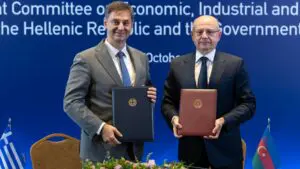
Ενώ στην Αθήνα πραγματοποιούνταν η 6η Σύνοδος της Μικτής Διυπουργικής Επιτροπής Ελλάδας–Αζερμπαϊτζάν και το Επιχειρηματικό Συνέδριο Ελλάδας–Αζερμπαϊτζάν, με τη συμμετοχή του Χάρη Θεοχάρη και του Αζέρου υπουργού Ενέργειας για την διεύρυνση της διμερούς συνεργασίας, ο Αλίγιεφ την ίδια ημέρα εκφωνούσε μια ιδιαίτερα σκληρή ομιλία για την Αρμενία, μιλώντας για στρατιωτική υπεροχή «δέκα φορές μεγαλύτερη»
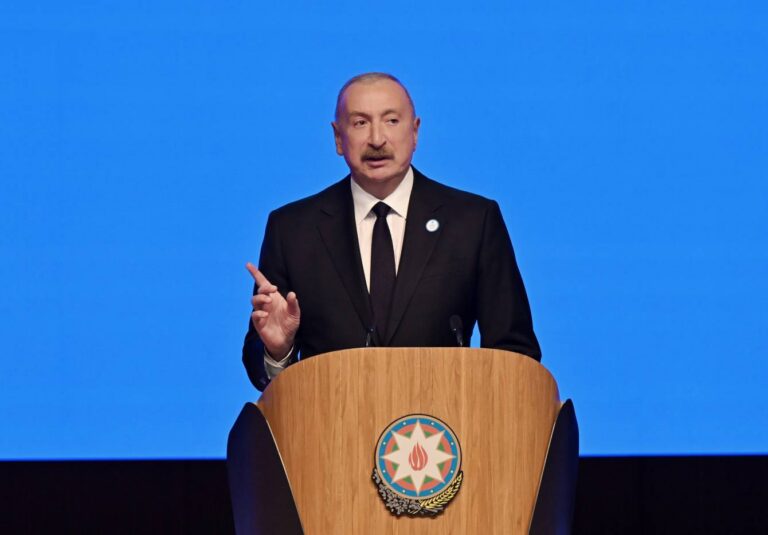
Σε μια ακόμη επιθετική και αποκαλυπτική ομιλία του, στις 2 Οκτωβρίου στο Μπακού, ο Ιλχάμ Αλίγιεφ αποκάλεσε συλλήβδην τους πρώην ηγέτες της Αρμενίας «εγκληματίες πολέμου» και δήλωσε ότι «πρέπει να εκτίσουν τις ποινές τους», χωρίς να αναφέρει συγκεκριμένες δικαστικές καταδίκες ή να εξετάζει ατομικές ευθύνες.
Παράλληλα, παρουσίασε τον πόλεμο του 2020 και την επίθεση του Αζερμπαϊτζάν στο Αρτσάχ τον Σεπτέμβριο του 2023 ως «στρατιωτικές νίκες» και ως αποκατάσταση της εδαφικής ακεραιότητας της χώρας του. Ωστόσο, στην ίδια ομιλία παραδέχθηκε ότι το Μπακού πραγματοποίησε ενδιάμεσες στρατιωτικές επιχειρήσεις προκειμένου να αλλάξει τις συνθήκες επί του πεδίου και να προετοιμάσει την τελική επίθεση του 2023.
Η επίθεση της 19ης Σεπτεμβρίου 2023, μετά από εννέα μήνες αποκλεισμού του Αρτσάχ, κατέληξε στην κατάλυση της de facto αρμενικής διοίκησης και στη μαζική εκτόπιση του αρμενικού πληθυσμού. Ο Αλίγιεφ εξακολουθεί να την αποκαλεί «αντιτρομοκρατική επιχείρηση» και να πανηγυρίζει την έκβασή της.
Την ίδια στιγμή, ενώ δηλώνει ότι «δεν υπάρχει πλέον σύγκρουση» και ότι υπάρχει ειρήνη στα σύνορα, ανακοινώνει ότι το Αζερμπαϊτζάν πρέπει «πάντα να είναι δέκα φορές ισχυρότερο» από την Αρμενία. Περίπου 9 δισεκατομμύρια μανάτ, σύμφωνα με τον ίδιο, θα κατευθυνθούν σε ζητήματα άμυνας και ασφάλειας.
Ο Αλίγιεφ δεν περιορίστηκε στην αναφορά του παρελθόντος. Καθιέρωσε ουσιαστικά την 8η Νοεμβρίου 2020 και την 20ή Σεπτεμβρίου 2023 ως δύο κεντρικές ημερομηνίες της κρατικής αφήγησης του Αζερμπαϊτζάν. Την πρώτη ως «ημέρα νίκης» του πολέμου των 44 ημερών και τη δεύτερη ως την ημέρα κατά την οποία, σύμφωνα με την επίσημη αζερική αφήγηση, αποκαταστάθηκε πλήρως η κυριαρχία του Μπακού στο Αρτσάχ. Και ενώ μιλά για ειρήνη, ο ίδιος ο Αλίγιεφ δηλώνει ότι η χώρα του πρέπει να είναι «δέκα φορές ισχυρότερη» από την Αρμενία και αφήνει να εννοηθεί ότι, αν το Αζερμπαϊτζάν δεν είχε «σταματήσει εγκαίρως», μια τρίτη Αψίδα του Θριάμβου θα μπορούσε να βρίσκεται σήμερα στο κέντρο του Γερεβάν. Πρόκειται για μια ευθεία υπενθύμιση ότι, πίσω από τη σημερινή ρητορική περί ειρήνης, το Μπακού εξακολουθεί να αντιλαμβάνεται τη στρατιωτική ισχύ και την επιβολή ως βασικά εργαλεία της πολιτικής του. Παράλληλα, κατηγόρησε τους Αρμενίους για «αχαριστία» και υποστήριξε ότι «μας μαχαίρωσαν πισώπλατα», επαναφέροντας γνωστά μοτίβα της τουρκοαζερικής ρητορικής περί αρμενικής «προδοσίας».
Οι δηλώσεις αυτές αποκαλύπτουν μια σοβαρή αντίφαση. Από τη μία πλευρά το Μπακού μιλά για ειρήνη, εμπόριο και τέλος της σύγκρουσης και από την άλλη, ο πρόεδρός του μιλά για μόνιμη στρατιωτική υπεροχή, χαρακτηρίζει ολόκληρες πολιτικές ηγεσίες «εγκληματίες πολέμου» και αφήνει ανοιχτές απειλητικές αναφορές ακόμη και για το Γερεβάν.
Η ειρήνη δεν οικοδομείται με το «να είμαστε δέκα φορές ισχυρότεροι», ούτε με απειλές, ιστορικούς συμψηφισμούς και συλλογικές κατηγορίες. Και ασφαλώς δεν οικοδομείται όταν η στρατιωτική κατάκτηση μιας περιοχής και η εκδίωξη του γηγενούς πληθυσμού παρουσιάζονται ως λόγος εθνικής υπερηφάνειας.
Ο Αλίγιεφ έχει δικαίωμα να υπερασπίζεται τα συμφέροντα του Αζερμπαϊτζάν. Δεν έχει, όμως, το δικαίωμα να μετατρέπει την ισχύ των όπλων σε μέτρο δικαιοσύνης, να αποδίδει συλλογική ενοχή σε έναν ολόκληρο λαό και ταυτόχρονα να ζητά από τον κόσμο να πιστέψει ότι η στρατιωτική υπεροχή αποτελεί εγγύηση ειρήνης.
Η πραγματική ειρήνη δεν χρειάζεται δέκα φορές περισσότερα όπλα. Χρειάζεται σεβασμό, αυτοσυγκράτηση, δικαιοσύνη και κυρίως εγκατάλειψη της λογικής ότι ο ισχυρότερος έχει πάντα δίκιο.
Και η Ελλάδα δεν πρέπει να είναι συμμέτοχη σε αυτή την λογική.
Διεθνή
Οι πρέσβεις των χωρών της ΕΕ στο Σουνίκ της Αρμενίας
Σύμφωνα με την πρεσβεία της Ολλανδίας στην Αρμενία, «αυτές οι συναντήσεις αποτελούν μια σημαντική πλατφόρμα όχι μόνο για την αποτίμηση των αποτελεσμάτων, αλλά και για τον από κοινού καθορισμό των μελλοντικών κατευθύνσεων της συνεργασίας μας.
Από την Αρμενική εφημερίδα Αζάτ Ορ
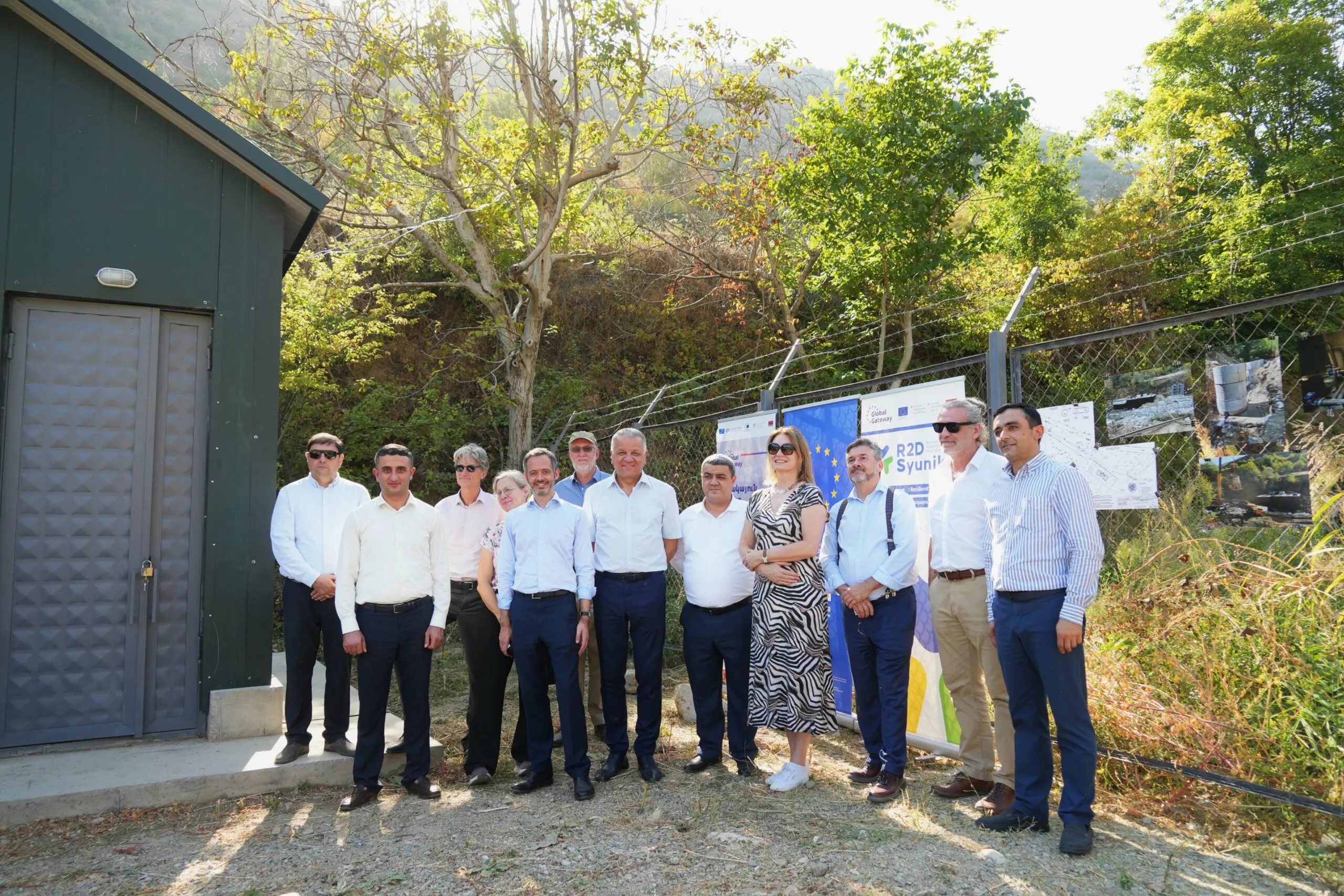
Οι πρέσβεις των κρατών μελών της ΕΕ με τον πρέσβη της ΕΕ στη Αρμενία Βασίλη Μαραγκό συνόψισαν τα αποτελέσματα του έργου που πραγματοποιήθηκε στο πλαίσιο της πρωτοβουλίας «Βιώσιμο Σουνίκ — Ομάδα της Ευρώπης» και συζήτησαν τις μελλοντικές προτεραιότητες της διοίκησης της περιφέρειας Σουνίκ.
Σύμφωνα με την πρεσβεία της Ολλανδίας στην Αρμενία, «αυτές οι συναντήσεις αποτελούν μια σημαντική πλατφόρμα όχι μόνο για την αποτίμηση των αποτελεσμάτων, αλλά και για τον από κοινού καθορισμό των μελλοντικών κατευθύνσεων της συνεργασίας μας.
Ήταν ιδιαίτερα πολύτιμο να ακούσουμε την άποψη της περιφερειακής διοίκησης σχετικά με αυτό το θέμα», σημείωσε η πρέσβης της Ολλανδίας Μαρίκε ΜονρόιΒίντερ.
Κατά τη διάρκεια της επίσκεψης, τα μέλη της αντιπροσωπείας επισκέφθηκαν γαλακτοκομείο στο Καπάν, ενημερώθηκαν για τις εργασίες βελτίωσης της πρόσβασης σε πόσιμο νερό στο Λεχβάζ και επισκέφθηκαν την εταιρεία MeghriFruits.
Με την υποστήριξη του οργανισμού «Ομάδα Ευρώπη», η εταιρεία MeghriFruits επέκτεινε την παραγωγή της, δημιούργησε νέες θέσεις εργασίας και εισήλθε σε νέες εξαγωγικές αγορές.
Διαβάστε τα υπόλοιπα άρθρα της εφημερίδας στο PDF

GEOPOLITICO2 ώρες πριν
Συμπτώματα Παρακμής…
Η Τουρκία διεκδικεί ξανά πρόσβαση στη δυτική αμυντική αγορά, ενώ η Ελλάδα καλείται να μετατρέψει τους εξοπλισμούς και τις συμμαχίες...

Αναλύσεις4 ώρες πριν
Επιπτώσεις συνεχών παρατάσεων επαναφοράς ελέγχου εσωτερικών συνόρων στη λειτουργία του Σένγκεν
Οι διαδοχικές παρατάσεις των γερμανικών συνοριακών ελέγχων δοκιμάζουν στην πράξη την ελεύθερη κυκλοφορία στον χώρο Σένγκεν. Με το Βερολίνο να...

GEOPOLITICO7 ώρες πριν
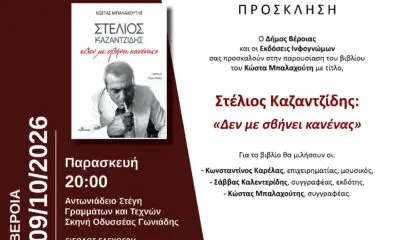
Παρουσίαση του βιβλίου «Στέλιος Καζαντζίδης: Δεν με σβήνει κανένας» στη Βέροια την Παρασκευή 9 Οκτωβρίου
Η παρουσίαση θα πραγματοποιηθεί στην Αντωνιάδειο Στέγη Γραμμάτων και Τεχνών, στη Σκηνή «Οδυσσέας Γωνιάδης», με ελεύθερη είσοδο για το κοινό.

GEOPOLITICO8 ώρες πριν
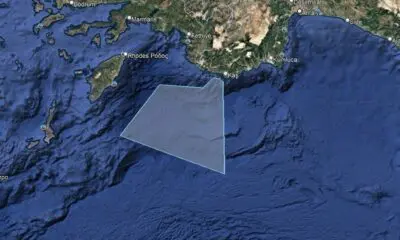
Ελληνική NAVTEX για αεροναυτική άσκηση στη θάλασσα του Καστελλόριζου
Αεροναυτική άσκηση χωρίς πυρά, νοτιοανατολικά της Ρόδου και στις θαλάσσιες προσβάσεις του συμπλέγματος του Καστελλόριζου

Πολιτική9 ώρες πριν
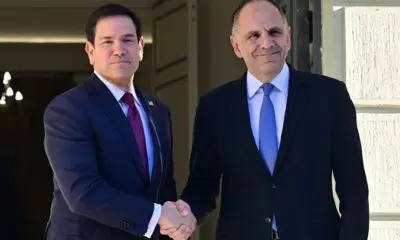
Η αναφορά του Γεραπετρίτη στην Κύπρο μπροστά στον Ρούμπιο! “Αναγκαία η λύση επανένωσης”
Ο κ. Γεραπετρίτης υπογράμμισε ιδιαίτερα τη σημασία της Κύπρου για την περιφερειακή ασφάλεια, τονίζοντας την ανάγκη επανένωσης της νήσου με...
-
 Αναλύσεις3 εβδομάδες πριν
Το τελεσίγραφο Καλίν την ώρα που η Τουρκία προετοιμάζεται για πόλεμο!
-
 Άμυνα3 μήνες πριν
Ρωσσικό ΜΜΕ: Ελληνικό «μπλόκο» στην απαίτηση για Patriot – Πώς γνωρίζει το Κίεβο απόρρητα στοιχεία για τους πυραύλους μας;
-

 ΑΝΑΡΤΗΣΕΙΣ ΜΕ ΣΗΜΑΣΙΑ2 μήνες πριν
Πακιστανός με καναδική υπηκοότητα ο υπαίτιος της πυρκαγιάς στον Έβρο! Πιθανόν να μετέφερε μετανάστες
-

 GEOPOLITICO1 μήνα πριν
Το διέρρευσε ο Παπαχελάς! Έφεραν τον Καλίν στο Μαξίμου – Τί συζήτησε με τον Μητσοτάκη;
-
 Αναλύσεις1 μήνα πριν
Καραγκιούλ: «Αν Ελλάδα, Κύπρος και Ισραήλ επιτεθούν στην Τουρκία, ο χάρτης του Αιγαίου θα αλλάξει»
-

 ΑΝΑΡΤΗΣΕΙΣ ΜΕ ΣΗΜΑΣΙΑ2 μήνες πριν
Ξέσπασμα της μητέρας της Μυρτούς για την υπόθεση Τζαβέντ Ασλάμ: «Δεν ξεχνώ ποτέ» – «Δήμαρχος των Πακιστανών ο Δούκας»
-

 GEOPOLITICO3 εβδομάδες πριν
Τί λέει Τούρκος δημοσιογράφος για Σάββα Καλεντερίδη; «Έκανε πολύ καλά τη δουλειά του για τη χώρα του – Δεν μπορούσε να τον στριμώξει η ΜİΤ»
-

 Αναλύσεις3 μήνες πριν
Εάν η Τουρκία απορρίψει τη συμφωνία αποχώρησης από την Κύπρο θα απομακρυνθεί δια της βίας