Πολιτική
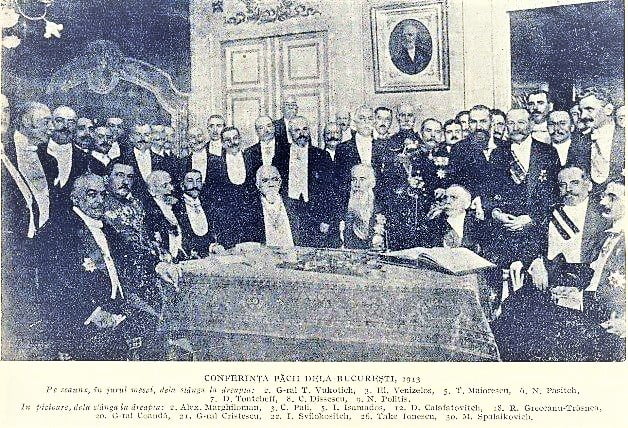
Ολόκληρη η Συνθήκη Βουκουρεστίου 1913 – πουθενά ο όρος «Μακεδονία»! ψεύδη τα ποσοστά…

Αυτό δεν λένε;
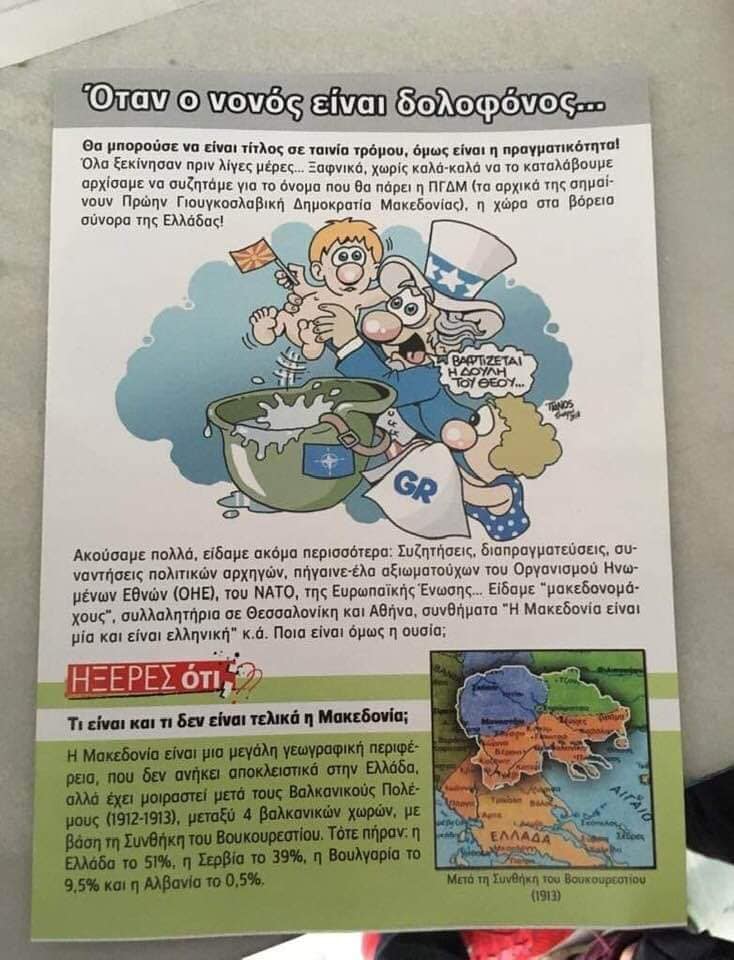
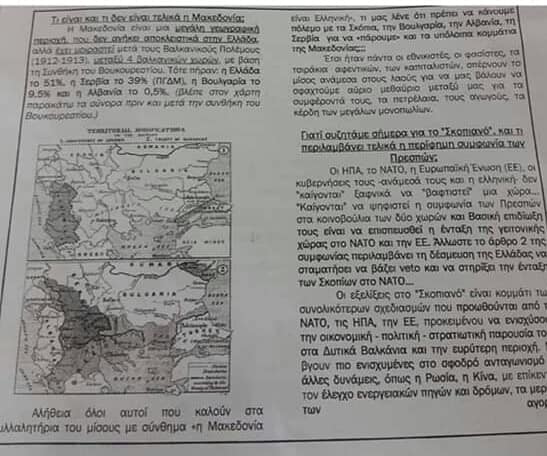
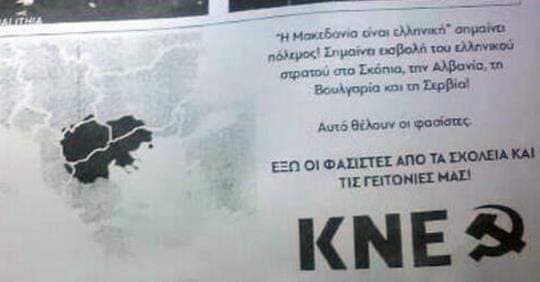
Το λέει ο (τέως) υπουργός εξωτερικών Νίκος Κοτζιάς, το λέει ο πρωθυπουργός Αλέξης Τσίπρας (μαζί με την Μπακογιάννη και τον Μπουτάρη), το λέει ο Τζανακόπουλος, το λένε υπουργοί του ΣΥΡΙΖΑ (εδώ και εδώ), το λέει ο Ριζοσπάστης, το λέει ο 902, o Μπογιόπουλος, το λέει το ΚΚΕ στα φυλλάδια που μοιράζει στα σχολεία (φωτο 1, φωτο 2, φωτο 3), το λέει η Εφημερίδα των Συντακτών, to Documento, το λέει ο Μαυρίδης του liberal.gr, το λέει η Καθημερινή (ως εφημερίδα), το γράφει σε blog του Πρώτου Θέματος, το λένε καθηγητές πανεπιστημίου (στην Αυγή, στο Στο Κόκκινο, στο Κουτί της Πανδώρας), το γράφουν στα ελληνικά πανεπιστήμια (Μάστερ στο Παν. Μακεδονίας), το λέει η εγγονή του Τίτο, διάφοροι (εδώ, εδώ, εδώ, εδώ, εδώ). Το λέει εμμέσως και ο υπ. εξ. των Σκοπίων Δημητρώφ. Το λένε λίγο-πολύ όλοι.
Εμείς, στο Αντίβαρο, το αμφισβητούμε. Το ίδιο κάνουν και οι εξής: ο Σάββας Καλεντερίδης, ο Γιώργος Ρωμανός, οι Ακτίνες, οι Χρονογραφίες, και άλλοι.
Παραθέτουμε ολόκληρη την Συνθήκη Ειρήνης του Βουκουρεστίου στα ελληνικά (από τον ιστοχώρο του ΓΕΕΘΑ). Στον ακόλουθο σύνδεσμο θα την βρείτε και στα αγγλικά (στο scribd). Κατεβάστε την στα ελληνικά από εδώ

- ψεύδος ότι η Συνθήκη του Βουκουρεστίου αναφέρεται στην Μακεδονία
- ψεύδος ότι η Συνθήκη του Βουκουρεστίου μοίρασε την Μακεδονία σε 3 ή 4 χώρες
- ψεύδη τα ποσοστά που αναφέρονται συνήθως
- ψεύδος ότι η περιοχή της πΓΔΜ ανήκει σε κάποια έννοια μίας ευρείας περιοχής της Μακεδονίας. Ουδέποτε υπήρξε τέτοια διοικητική περιοχή επί Οθωμανικής Αυτοκρατορίας. Έναν χάρτη με Οθωμανική διοίκηση περί «Μακεδονίας» δεν έχουν βρει ακόμη.
- μόνο το πολύ νότιο τμήμα της πΓΔΜ, δηλαδή η περιοχή γύρω από το Μοναστήρι και τις πόλεις Αχρίδα, Αντιγόνεια, Δίβρη και Άστιβος. Μόνο αυτές οι πόλεις, οι οποίες μάλιστα φέρουν και ελληνικά ονόματα, ανήκαν στην περιοχή της Μακεδονίας. Σημειώνεται ότι βάσει της Συμφωνίας των Πρεσπών, υποχρεωνόμαστε να παύσουμε να χρησιμοποιούμε τα ελληνικά ονόματα γι’ αυτές τις πόλεις! Θα πρέπει να χρησιμοποιούμε τα «μακεδονικά» (κατά την Συμφωνία) ονόματα, δηλαδή Μπίτολα, Οχρίντ, Νεγκότινο, Ντέμπαρ, Στιπ.
- Η Ελλάδα από το 1912-13 που απελευθέρωσε τα εδάφη της Μακεδονίας, αμέσως τα ονόμασε επισήμως Μακεδονία, όπως και ήταν. Η Γιουγκοσλαβία για 30 χρόνια δεν χρησιμοποιούσε αυτό το όνομα. Μόνο το 1943-44 άρχισε να το χρησιμοποιεί. Η Βουλγαρία δε καθόλου, ούτε και σήμερα.
Peace Treaty between Roumania, Greece, Montenegro, Serbia and Bulgaria.THEIR MAJESTIES the King of Roumania, the King of the Hellenes, the King of Montenegro, and the King of Serbia, on the one part, and His Majesty the King of the Bulgarians, on the other part, animated by the desire to put an end to the state of war at present existing between their respective countries and wishing, for the sake of order, to establish peace between their long-suffering peoples, have resolved to conclude a definitive treaty of peace. Their said Majesties have, therefore, appointed as their plenipotentiaries, namely:His Majesty the King of Roumania: His Excellency Titus Maioresco, President of his Council of Ministers, Minister of Foreign Affairs; His Excellency Alexander Marghiloman, his Minister of Finance; His Excellency Take Jonesco, his Minister of the Interior; His Excellency Constantin G. Dissesco, his Minister of Public Worship and Public Instruction; Major-General C. Coanda, Aide-de-camp, Inspector-General of Artillery; Colonel C. Christesco, Assistant Chief of the General Staff of his Army;His Majesty the King of the Hellenes: His Excellency Elefterios Venizelos, President of his Council of Ministers, Minister of War; His Excellency Demetre Panas, Minister Plenipotentiary; M. Nicolas Politis, Professor of International Law in the University of Paris; Captain Ath. Exadactylos; Captain C. Pali;His Majesty the King of Montenegro: His Excellency General Serdar Yanko Voukotitch, President of his Council of Ministers, Minister of War; M. Jean Matanovitch, formerly Charge d’Affaires of Montenegro at Constantinople;His Majesty the King of Serbia: His Excellency Nicolas P. Pasitch, President of his Council of Ministers, Minister of Foreign Affairs; His Excellency Milhailo G. Ristitch, his Envoy Extraordinary and Minister Plenipotentiary at Bucharest; His Excellency Dr. Miroslaw Spalaikovitch, Envoy Extraordinary and Minister Plenipotentiary; Colonel K. Smilianitch; Lieutenant-Colonel D. Kalafatovitch;His Majesty the King of the Bulgarians: His Excellency Dimitri Tontcheff, his Minister of Finances; Major-General Ivan Fitcheff, Chief of Staff of his Army; M. Sawa Ivantchoff, Doctor of Laws, formerly Vice-President of the Sobranje; M. Simeon Radeff; Lieutenant-Colonel Constantin Stancioff of the General Staff;Who, in accordance with the proposal of the Royal Government of Roumania, have assembled in conference at Bucharest, with full powers, which were found to be in good and due form, and who having happily reached an accord, have agreed upon the following stipulations:-I.From the day on which the ratifications of the present treaty are exchanged there shall be peace and amity between His Majesty the King of Roumania, His Majesty the King of the Bulgarians, His Majesty the King of the Hellenes, His Majesty the King of Montenegro, and His Majesty the King of Serbia, as well as between their heirs and successors, their respective States and subjects.II.The former frontier between the Kingdom of Bulgaria and the Kingdom of Roumania, from the Danube to the Black Sea, is, in conformity with the proces-verbal drawn up by the respective military delegates and annexed to Protocol No.5 of July 22 (August 4), 1913, of the Conference of Bucharest, rectified in the following manner:-The new frontier shall begin at the Danube above Turtukaia and terminate at the Black Sea to the south of Ekrene.Between these two extreme points the frontier line shall follow the line indicated on the I/ 100,000 and I/200,000 maps of the Roumanian General Staff, and according to the description annexed to the present article.It is formally understood that within a maximum delay of two years Bulgaria shall dismantle the existing fortifications and shall not construct others at Rustchuk, at Shumla, in the intervening country, and in a zone of twenty kilometres around Baltchik.A mixed commission, composed of an equal number of representatives of each of the two High Contracting Parties, shall be charged, within fifteen days from the signing of the present treaty, with delimiting the new frontier in conformity with the preceding stipulations. This commission shall supervise the division of the lands and funds which up to the present time may have belonged in common to districts, communes, or communities separated by the new frontier. In case of disagreement as to the line or as to the method of marking it, the two High Contracting Parties agree to request a friendly Government to appoint an arbitrator, whose decision upon the points at issue shall be considered final.III.The frontier between the Kingdom of Bulgaria and the Kingdom of Serbia shall follow, conformably to the proces-verbal drawn up by the respective military delegates, which is annexed to Protocol No.9 of July 25 (August 7), 1913, of the Conference of Bucharest, the following line:-The frontier line shall begin at the old frontier, from the summit of Patarica, follow the old Turco-Bulgarian frontier and the dividing line of the waters between the Vardar and the Struma, with the exception of the upper valley of the Strumitza, which shall remain Serbian territory; the line shall terminate at the Belasica Mountain, where it will bend back to the Greco-Bulgarian frontier. A detailed description of this frontier and the I/200,000 map of the Austrian General Staff, on which it is indicated, are annexed to the present article.A mixed commission, composed of an equal number of representatives of each of the two High Contracting Powers, shall be charged, within fifteen days from the signing of the present treaty, with delimiting the new frontier, in conformity with the preceding stipulation.This commission shall supervise the division of the lands and funds, which up to the present time may have belonged in common to the districts, communes, or communities separated by the new frontier. In case of disagreement as to the line or as to the method of marking it, the two High Contracting Parties agree to request a friendly Government to appoint an arbitrator, whose decision upon the points at issue shall be considered final.IV.Questions relating to the old Serbo-Bulgarian frontier shall be settled according to the understanding reached by the two High Contracting Parties, as stated in the protocol annexed to the present article.V.The frontier between the Kingdom of Greece and the Kingdom of Bulgaria shall follow, conformably to the proces-verbal drawn up by the respective military delegates and annexed to Protocol No.9 of July 25 (August 7), 1913, of the Conference of Bucharest, the following line:-The frontier line shall start from the new Serbo-Bulgarian frontier on the summit of Belasica Planina and terminate at the mouth of the Mesta on the Aegean Sea.Between these two extreme points the frontier line shall follow the line indicated on the I/200,000 map of the Austrian General Staff, in accordance with the description annexed to the present article.A mixed commission, composed of an equal number of representatives of each of the two High Contracting Parties, shall be charged, within fifteen days from the signing of the present treaty, with delimiting the frontier in conformity with the preceding stipulations.This commission shall supervise the division of the lands and funds, which up to the present time may have belonged in common to the districts, communes, or communities separated by the new frontier. In case of disagreement as to the line or as to the method of marking it, the two High Contracting Parties engage to request a friendly Government to appoint an arbitrator, whose decision upon the points at issue shall be considered final.It is formally understood that Bulgaria renounces from henceforth all claim to the island of Crete.VI.The headquarters of the respective armies shall be immediately informed of the signing of the present treaty. The Bulgarian Government engages to begin to reduce its army to a peace footing on the day after such notification. It shall order its troops to their garrisons, whence, with the least possible delay, the various reserves shall be returned to their homes.If the garrison of any troops is situated in the zone occupied by the army of one of the High Contracting Parties, such troops shall be ordered to some other point in the old Bulgarian territory and may not return to their regular garrisons until after the evacuation of the above- mentioned occupied zone.VII. The evacuation of Bulgarian territory, both old and new, shall begin immediately after the demobilization of the Bulgarian army and shall be completed within a period of not more than fifteen days.During this period the zone of demarcation for the Roumanian army of operations shall be determined by a line running as follows: Sistov-Lovcea-Turski-Isvor-Glozene-Zlatitza- Mirkovo-Araba-Konak-Orchania-Mezdra-Vratza-Berkovitza-Lom-Danube.VIII.During the occupation of the Bulgarian territories the various armies shall retain the right of requisition in consideration of cash payment.Such armies shall have free use of the railways for the transportation of troops and of provisions of all kinds, without compensation to the local authority.The sick and wounded shall be under the protection of the said armies.IX.As soon as possible after the exchange of ratifications of the present treaty all prisoners of war shall be mutually restored.The Governments of the High Contracting Parties shall each appoint special commissioners to receive the prisoners.All prisoners in the hands of any of the Governments shall be delivered to the commissioner of the Government to which they belong, or to his duly authorized representative, at the place which shall be determined upon by the interested parties.The Governments of the High Contracting Parties shall present to each other, respectively, as soon as possible after all the prisoners have been returned, a statement of the direct expenses incurred through the care and maintenance of the prisoners from the date of their capture or surrender to the date of their death or return. The sums due by Bulgaria to each one of the other High Contracting Parties shall be set off against the sums due by each of the other High Contracting Parties to Bulgaria, and the difference shall be paid to the creditor Government in each case as soon as possible after the exchange of the above-mentioned statements of expense.X.The present treaty shall be ratified, and the ratifications thereof shall be exchanged at Bucharest within fifteen days, or sooner if it be possible. [1]In witness whereof the respective plenipotentiaries have hereunto affixed their names and seals.Done at Bucharest the twenty-eighth day of the month of July (tenth day of the month of August) in the year one thousand nine hundred and thirteen.(Here follow signatures and seals.)[1] The ratifications were exchanged August 30, 1913.PROTOCOL appended to Article II of the Treaty of Bucharest of 28th July (10th August), 1913.Description and Marking of the Route of the new Bulgaro-Romanian BorderThe route of the border as marked on the map at 1:200,000 follows the lines or points that are characteristic of the ground, such as: valleys, dells, peaks, saddles, etc. Between the villages, it follows the centre of the intervening space following, as much as possible, the natural lines.1. The general RouteThe general route starts from the Danube at the level of the intervening space separating the two islands located to the north-east of the Iezer Kalimok.(Please refer to the map at 1:200,000.)
[Click here for map]
It leaves to Bulgaria It leaves to Romania The villages: Breslen Turk Smil Kutuklii Sjanovo Guvedze Hadzifaklar Nastradin Kovandzilar Kascilar Mesim Mahle Kaslakoj Kara Mehmerler Dzeferler Salihler Kara Kodzalar Kose Abdi Junuzlar Kanipe Seremetkoj At Serman Jeni Balabanlar Over Serman Eski Balabanlar Omurdza Salladin Taslimah Kadir Rabman Asiklar Jukli Ibrjam Mahle Ferhatlar Cijrekci Saltiklar Kara Kadilar Coban Nasuf Kili Kadi Sarvi Trubcular Mahmuzli Ehisee Kucuk Ahmed Vladimirovo (Deli Osmanlar) Bestepe Serdimen Peceli Kadijevo Burhanlar Novo Botjovo Kizildzilar Semiz Ali Gokce Dolluk Saridza Kapudzi Mahle Balidza Korkut Kujudzue Canlar Mustafa-Bejler Emirovo Causkjoj Semat Ekrene Botjovo (Jusenli) Kara Bunar Ermenli Krumovo (Kumludza grn). Jeni Mahle Vlahar Klimentovo (Kapakti) Dis Budac Bel Monastir (Mon Aladza).
[Click here for map]The line of the border starts to the north of the old Bulgaro-Serbian border, from Patarica point, follows the old Bulgaro-Turkish border up to Dixderica, then follows the water catchment divide between the Vardar and the Strouma passing by Lukov vrh (1297), Obel. Poljana, the hill 1458, hill 1495, Zanoga (1415), Ponorica, Kadica, hill 1900, hill 1453, Cingane Kalessi, the crest of Klepalo, hill 1530, the crest of Males planina (1445), turns to the west toward hills 1514 and 1300, passes by the crest of Draganeva dag, Kadi mesar tepesi, Kale tepesi, crosses the river Novicanska to the south of the village of Rajanci, passes between the villages of Oslovci and Susevo, crosses the river Stroumica between Radicevo and Vladovic and goes up toward hill 850, again follows the water catchment divide between the Vardar and the Strouma by hills 957, 571, 750, 895 and 850 and reaches the crest of the Belasica mountain, where it joins the Bulgaro-Greek border.Signed in Bucharest, on 28th July (10th August) 1913.For Romania:T. MAIORESCO.AL. MARGHILOMAN.TAKE IONESCO.C.G. DISSESCO.GENERAL AIDE-DE-CAMP COANDA.COLONEL C. CHRISTESCO.For Greece:E. K. VENISELOS.D. PANAS.N. POLITIS.CAPTAIN A. EXADACTYLOS.CAPTAIN PALI.For Montenegro:General SERDAR I. VOUKOTITCH.I. MATANOVITCH.For Serbia:NIK. P. PACHITCH.M. G. RISTITCH.M. SPALAIKOVITCH.COLONEL K. SMILIANITCH.LIEUTENANT-COLONEL D. KALAFATO-VITCH.For Bulgaria:D. TONTCHEFF.GENERAL FITCHEFF.DR. S. IVANTCHOFF.S. RADEFF.LIEUTENANT-COLONEL STANCIOFF.PROTOCOL appended to Article IV of the Treaty of Bucharest of 28th July (10th August) 1913, regarding the Questions in relation to the former Serbo-Bulgarian Border.A mixed Serbo-Bulgarian Commission, which will be established within a period of one year with effect from the date of ratification of the peace treaty, shall govern the questions in relation to the former Serbo-Bulgarian border, taking the thalweg of Timek as a principle, insofar as this river serves as the border between Serbia and Bulgaria, and the line from the summit of the heights of Batchichte to Ivanova Livada.At the latest within a period of three years with effect from the date of ratification of the peace treaty, the two contracting high parties shall be bound to mark the entire route of the former Serbo-Bulgarian border by permanent signs.All the existing Mills on Timok, as this serves as the border between Serbia and Bulgaria, shall be removed within a period of three years from the date of ratification of the peace treaty and henceforth no installation of this type shall be permitted on this part of the river.It is also understood that it will no longer henceforth be permissible for the subject of the two contracting high parties to own real estate divided by the border line (the property known as “dvodlassna”). As regards the ownerships of this type currently in existence, each of the two governments hereby undertake to proceed with the expropriation, by means of a just prior compensation fixed by the local procedure, of the parcels located on its side of the border. The same rule shall apply to the properties located in the enclave of Roglievo-Koilovo and in that of Halovo-Vregeogrotzi, their legal situation with regard to the citizens of the two neighbouring States having been settled by Protocol No. 11 of the mixed Serbo-Bulgarian Commission of 1912. The aforementioned expropriations shall be performed within the deadline of three years at the latest, with effect from the date of ratification of the peace treaty.Signed in Bucharest, on 28th July (10th August) 1913.For Romania:T. MAIORESCO.AL. MARGHILOMAN.TAKE IONESCO.C.G. DISSESCO.GENERAL AIDE-DE-CAMP COANDA.COLONEL C. CHRISTESCO.For Greece:E. K. VENISELOS.D. PANAS.N. POLITIS.CAPTAIN A. EXADACTYLOS.CAPTAIN PALI.For Montenegro:GENERAL SERDAR I. VOUKOTITCH.I. MATANOVITCH.For Serbia:NIK. P. PACHITCH.M. G. RISTITCH.M. SPALAIKOVITCH.COLONEL K. SMILIANITCH.LIEUTENANT-COLONEL D. KALAFATO-VITCH.For Bulgaria:D. TONTCHEFF.GENERAL FITCHEFF.DR. S. IVANTCHOFF.S. RADEFF.LIEUTENANT-COLONEL STANCIOFF.PROTOCOL appended to Article V of the Treaty of Bucharest of 28th July (10th August), 1913Definitive border between Bulgaria and Greece(Austrian map 1:200,000)
[Click here for map]The border line starts on the crest of the Belasica planina from the Bulgaro-Serbian border; follows this crest, then descends along the crest located to the north of Iurukleri and goes to the confluence of the Strouma and the Bistrica, goes up the Bistrica and then goes toward the east at Cengane Kalesi (1500). From there it reaches the crest of Ali Butus (hill 1650) and follows the line of the water catchment divide, between the hills 1820, 1800, 713 and Stragac. From there, still following the water catchment divide it goes toward the north and then toward the north-east, to follow the water catchment divide between the hills 715, 660 and reaches the hills 1150 and 1152, from where, by following the crest to the east of the village of Rakistan it crosses the Mesta, goes toward the summit of Rusa and Zeleza, crosses the Despat (Rana) suju and reaches Cuka. From this point it re-takes the water catchment divide and passes by Sibkova, Cadirkaya (1750), Avlika dag (1517), Kajin Cal (1811), Debikli (1587), descends toward the south at hill 985, to turn to the east at the south of the village of Karovo, from where it goes toward the east, passes to the north of the village of Kajbova, goes toward the north and passes by the hills, 1450, 1588, 1850 and 1845. From there it descends toward the south passing by Cigla (1750), Kuslar (2177). From Kuslar, the border line follows the water catchment divide of the Mesta and the Iassi Evren dere by Rujan pl. and reaches Achlat dagi (1300), follows the crest that goes toward the railway station at Okeilar (41) and from this point follows the course of the Mesta to end in the Aegean Sea.Signed in Bucharest, on 28th July (10th August) 1913.For Romania:T. MAIORESCO.AL. MARGHILOMAN.TAKE IONESCO.C.G. DISSESCO.GENERAL AIDE-DE-CAMP COANDA.COLONEL C. CHRISTESCO.For Greece:E. K. VENISELOS.D. PANAS.N. POLITIS.CAPTAIN A. EXADACTYLOS.CAPTAIN PALI.For Montenegro:GENERAL SERDAR I. VOUKOTITCH.I. MATANOVITCH.For Serbia:NIK. P. PACHITCH.M. G. RISTITCH.M. SPALAIKOVITCH.COLONEL K. SMILIANITCH.LIEUTENANT-COLONEL D. KALAFATO-VITCH.For Bulgaria:D. TONTCHEFF.GENERAL FITCHEFF.DR. S. IVANTCHOFF.S. RADEFF.LIEUTENANT-COLONEL STANCIOFF.Certified copy of the original:A. PISOSKI.FILITTI.(No. 1.) – Mr. Maioresco, Minister of Foreign Affairs of Romania, to Mr. Tontcheff, First Delegate of the Royal Government of Bulgaria to the Conference of Bucharest.Bucharest, 22nd July (4th August), 1913DEAR MINISTERAs was agreed during our negotiations, with a view to the establishment of a durable peace between our two countries, I have the honour to request your Excellency to confirm, in reply to my note, that:In accordance with the declaration made by Bulgaria in the protocol signed in London on 16th (29th) January 1913, and Article IV of the protocol of the Conference of Saint Petersburg of 26th April (9th May) of the same year, Bulgaria consents to give autonomy to the schools and churches of Koutzo-Valaques located in future Bulgarian possessions and to permit the creation of an Episcopate for the same Koutzo-Valaques, with the facility for the Romanian Government to subsidise, under the supervision of the Bulgarian Government, the aforementioned present cultural institutions and those to come,Yours sincerely, etc.T. MAIORESCO(No. 2) – Mr. Tontcheff, First Delegate of the Royal Government of Bulgaria to the Conference of Bucharest, to Mr. T. Maioresco, President of the Council, Minister of Foreign Affairs.Bucharest, 22nd July 1913.DEAR MINISTER,In response to your Excellency’s note of 22nd July 1913 I have the honour to confirm to you that:In accordance with the declaration made by Bulgaria in the protocol signed in London on 16th (29th) January 1913, and Article IV of the protocol of the Conference of Saint Petersburg of 26th April (9th May) of the same year, Bulgaria consents to give autonomy to the schools and churches of Koutzo-Valaques located in future Bulgarian possessions and to permit the creation of an Episcopate for the same Koutzo-Valaques, with the facility for the Romanian Government to subsidise, under the supervision of the Bulgarian Government, the aforementioned present cultural institutions and those to come,Yours sincerely, etc.TONTCHEFF(No. 3) – Mr. Maioresco, Minister of Foreign Affairs of Romania, to Mr. E. Veniselos, President of the Council of Ministers of Greece, First Delegate of the Royal Hellenic Government to the Conference of Bucharest.Bucharest, 23rd July (5th August) 1913DEAR PRESIDENT OF THE COUNCILAs was agreed during our negotiations, I have the honour to request your Excellency to confirm, in reply to my note, that:Greece consents to give autonomy to the schools and churches of Koutzo-Valaques located in future Greek possessions and to permit the creation of an Episcopate for the same Koutzo-Valaques, with the facility for the Romanian Government to subsidise, under the supervision of the Hellenic Government, the aforementioned present cultural institutions and those to come,Yours sincerely, etc.T. MAIORESCO(No. 4) – Mr. E. K. Veniselos, First Delegate of the Royal Hellenic Government to the Conference of Bucharest, to Mr. T. Maioresco, President of the Council of Ministers, Minister for Foreign Affairs of Romania.Bucharest, 23rd July (5th August) 1913DEAR PRESIDENT OF THE COUNCIL,In response to the note, of today’s date, which your Excellency sent to me, I have the honour to confirm to your Excellency that:Greece consents to give autonomy to the schools and churches of Koutzo-Valaques located in future Greek possessions and to permit the creation of an Episcopate for the same Koutzo-Valaques, with the facility for the Romanian Government to subsidise, under the supervision of the Hellenic Government, the aforementioned present cultural institutions and those to come,Yours sincerely, etc.R. K. VENISELOS(No. 5.) – Mr. Maioresco, Minister for Foreign Affairs of Romania, to Mr. N. Pachitch, President of the Council of Ministers of Serbia, First Delegate of the Royal Government of Serbia to the Conference of Bucharest.Bucharest, 23rd July (5th August) 1913DEAR PRESIDENT OF THE COUNCIL,As was agreed during our negotiations, I have the honour to request your Excellency to confirm, in reply to my note, that:Serbia consents to give autonomy to the schools and churches of Koutzo-Valaques located in future Serbian possessions and to permit the creation of an Episcopate for the same Koutzo-Valaques, with the facility for the Romanian Government to subsidise, under the supervision of the Serbian Government, the aforementioned present cultural institutions and those to come,Yours sincerely, etc.T. MAIORESCO(No. 6.) Mr. Pachitch, First Delegate of the Royal Government of Serbia to the Conference of Bucharest, to Mr. T. Maioresco, President of the Council of Ministers, Minister for Foreign Affairs of Romania.Bucharest, 23rd July (5th August) 1913DEAR PRESIDENT OF THE COUNCIL,In response to the note that your Excellency sent to me on the 23rd of this month, I have the honour to confirm to you that Serbia consents to give autonomy to the schools and churches of Koutzo-Valaques located in future Serbian possessions and to permit the creation of an Episcopate for the same Koutzo-Valaques, with the facility for the Romanian Government to subsidise, under the supervision of the Serbian Government, the aforementioned present cultural institutions and those to come,Yours sincerely, etc.NIK. P. PACHITCHCertified copy of the original:A. PISOSKI.FILITTI.Sources: Main Treaty Text: Major Peace Treaties of Modern History, 1648-1967, Vol. II, Editor Fred L Israel, New York: Chelsea House in association with McGraw Hill, 1967. Treaty Protocols: Based on French Version from Consolidated Treaty Series Volume 218, 1913, Parry, published by Oceana Publications Inc NIC, Dobbs Ferry, New York. This translation from the French was commissioned by Pollitecon Publications. Translation Copyright Pollitecon Publications. Permission to reprint granted when these Sources are acknowledged in full.



![[Click here for map]](http://infognomonpolitics.gr/wp-content/uploads/2018/12/Treaty_of_Bucharest_Map_3_1-200000.jpg)
![[Click here for map 1]](http://infognomonpolitics.gr/wp-content/uploads/2018/12/Treaty_of_Bucharest_Map_1_1-100000.jpg)
![[Click here for map 2]](http://infognomonpolitics.gr/wp-content/uploads/2018/12/Treaty_of_Bucharest_Map_2_1-100000.jpg)
![[Click here for map]](http://infognomonpolitics.gr/wp-content/uploads/2018/12/Treaty_of_Bucharest_Map_4_1-200000.jpg)
![[Click here for map]](http://infognomonpolitics.gr/wp-content/uploads/2018/12/Treaty_of_Bucharest_Map_5_1-200000.jpg)
Πολιτική
Στην Ελλάδα συνελήφθη καταζητούμενος για το σκάνδαλο στον Δήμο Κωνσταντινούπολης – Η Τουρκία ζητά την έκδοσή του
Νέα εξέλιξη στην πολύκροτη δικαστική υπόθεση που αφορά τον Μητροπολιτικό Δήμο Κωνσταντινούπολης και συνδέεται με τον Εκρέμ Ιμάμογλου. Σύμφωνα με τουρκικά δημοσιεύματα, ο επιχειρηματίας Μουράτ Γκιουλιμπραΐμογλου (Murat Gülibrahimoğlu), ο οποίος καταζητούνταν από τις τουρκικές αρχές, συνελήφθη στην Ελλάδα στις 2 Οκτωβρίου 2026. Η Άγκυρα έχει κινήσει τις διαδικασίες για την έκδοσή του, ζητώντας προσωρινή κράτηση διάρκειας έως 40 ημερών, προκειμένου να ολοκληρωθεί η διαβίβαση του σχετικού δικαστικού φακέλου.
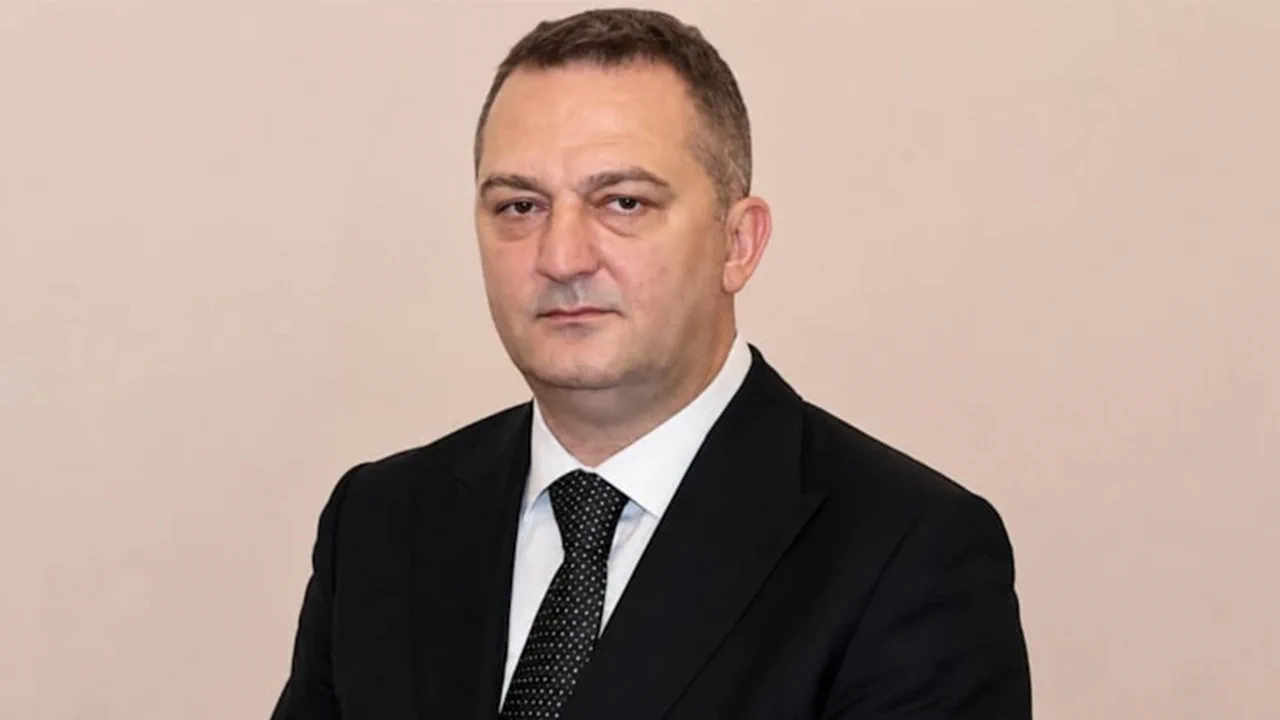
Στις ελληνικές δικαστικές αρχές μεταφέρεται πλέον ένα ακόμη επεισόδιο της ευρύτερης δικαστικής υπόθεσης που αφορά τον Μητροπολιτικό Δήμο Κωνσταντινούπολης (İBB), με επίκεντρο τον επιχειρηματία Μουράτ Γκιουλιμπραΐμογλου, ο οποίος περιλαμβάνεται στους κατηγορουμένους της έρευνας για φερόμενες οικονομικές παρατυπίες.
Σύμφωνα με πληροφορίες που δημοσιεύθηκαν στον τουρκικό Τύπο την Παρασκευή 9 Οκτωβρίου, ο καταζητούμενος εντοπίστηκε στην Ελλάδα στις 2 Οκτωβρίου και τέθηκε υπό κράτηση.
Η υπόθεσή του σχετίζεται με την ευρύτερη δικαστική διαδικασία που έχει αναπτυχθεί γύρω από τη διοίκηση του Δήμου Κωνσταντινούπολης, στο πλαίσιο της οποίας έχουν απαγγελθεί κατηγορίες σε μεγάλο αριθμό προσώπων.
Το δικαστήριο της Κωνσταντινούπολης αποφάσισε να ζητήσει από την Ελλάδα την έκδοση του επιχειρηματία, ενεργοποιώντας τις διαδικασίες διεθνούς δικαστικής συνεργασίας.
Αίτημα έκδοσης από το 33ο Κακουργιοδικείο Κωνσταντινούπολης
Σύμφωνα με τα τουρκικά δημοσιεύματα, το 33ο Κακουργιοδικείο Κωνσταντινούπολης αποφάσισε να κινηθεί η διαδικασία έκδοσης του Γκιουλιμπραΐμογλου στην Τουρκία.
Μετά τη σχετική απόφαση, η Γενική Διεύθυνση Εξωτερικών Σχέσεων και Υποθέσεων Ευρωπαϊκής Ένωσης του τουρκικού υπουργείου Δικαιοσύνης απέστειλε έγγραφα στα υπουργεία Εσωτερικών και Εξωτερικών της χώρας.
Σκοπός είναι να προωθηθεί επίσημο αίτημα προς τις αρμόδιες ελληνικές αρχές.
Σύμφωνα με τα στοιχεία που μεταδίδονται από την Τουρκία, σε βάρος του επιχειρηματία εκκρεμούν εντάλματα σύλληψης για αδικήματα που περιλαμβάνουν τη συμμετοχή σε εγκληματική οργάνωση και την απόκρυψη της παράνομης προέλευσης περιουσιακών στοιχείων.
Ο ίδιος φέρεται να εμπλέκεται σε οικονομικές δραστηριότητες που αποτελούν αντικείμενο της έρευνας για τον Μητροπολιτικό Δήμο Κωνσταντινούπολης.
Πρόκειται για κατηγορίες που αποδίδονται από τις τουρκικές διωκτικές αρχές και δεν συνιστούν αποδεδειγμένη ενοχή.
Προσωρινή κράτηση 40 ημερών ζητά η Άγκυρα
Κεντρικό στοιχείο της διαδικασίας αποτελεί το τουρκικό αίτημα για προσωρινή κράτηση του Γκιουλιμπραΐμογλου για χρονικό διάστημα έως 40 ημερών.
Η τουρκική πλευρά επικαλείται το άρθρο 16, παράγραφος 4, της Ευρωπαϊκής Σύμβασης Έκδοσης.
Η συγκεκριμένη διαδικασία επιτρέπει, υπό τις προβλεπόμενες προϋποθέσεις, την προσωρινή κράτηση καταζητούμενου πριν από την παραλαβή του πλήρους φακέλου έκδοσης.
Στόχος είναι να εξασφαλιστεί η παρουσία του προσώπου έως την ολοκλήρωση των αναγκαίων διατυπώσεων.
Η Σύμβαση προβλέπει ότι η προσωρινή κράτηση μπορεί να παύσει εάν δεν υποβληθεί το αίτημα έκδοσης και τα απαιτούμενα έγγραφα εντός των σχετικών χρονικών ορίων, ενώ σε κάθε περίπτωση δεν μπορεί να υπερβεί τις 40 ημέρες μόνο βάσει της συγκεκριμένης διάταξης.
Η υποβολή αιτήματος προσωρινής κράτησης δεν ισοδυναμεί με έγκριση της έκδοσης.
Η τελική κρίση θα γίνει με βάση την εφαρμοστέα νομοθεσία και τις προβλεπόμενες δικαστικές διαδικασίες στην Ελλάδα.
Έγγραφα μέσω διπλωματικών διαύλων και Ιντερπόλ
Οι τουρκικές αρχές προχωρούν παράλληλα στη συγκέντρωση και μετάφραση των εγγράφων που απαιτούνται για την υποβολή του αιτήματος έκδοσης.
Σύμφωνα με τις πληροφορίες, ο φάκελος προβλέπεται να διαβιβαστεί στις ελληνικές αρχές μέσω διπλωματικών διαύλων, με αξιοποίηση και της Ιντερπόλ.
Η σχετική διαδικασία περιλαμβάνει την αποστολή των δικαστικών αποφάσεων, των στοιχείων ταυτοποίησης και των πληροφοριών που τεκμηριώνουν το αίτημα της Τουρκίας.
Στη συνέχεια, η ελληνική Δικαιοσύνη θα εξετάσει εάν συντρέχουν οι νόμιμες προϋποθέσεις έκδοσης.
Ιδιαίτερη σημασία έχει η διάκριση μεταξύ του εντάλματος σύλληψης που έχει εκδοθεί στην Τουρκία και της απόφασης των ελληνικών δικαστικών αρχών επί του αιτήματος.
Η ύπαρξη του πρώτου δεν συνεπάγεται αυτόματη αποδοχή του δεύτερου.
Ποιος είναι ο Μουράτ Γκιουλιμπραΐμογλου
Ο Μουράτ Γκιουλιμπραΐμογλου είναι επιχειρηματίας που εμφανίζεται μεταξύ των κατηγορουμένων της υπόθεσης του Μητροπολιτικού Δήμου Κωνσταντινούπολης.
Σύμφωνα με το τουρκικό πρακτορείο ειδήσεων TRT Haber και άλλα δημοσιεύματα, οι εισαγγελικές αρχές τον συνδέουν με υποθέσεις διαχείρισης χώρων απόθεσης προϊόντων εκσκαφών στην περιοχή Τζεμπετζί (Cebeci) της Κωνσταντινούπολης.
Οι τουρκικές διωκτικές αρχές υποστηρίζουν ότι μέσω των συγκεκριμένων δραστηριοτήτων προέκυψαν μεγάλης κλίμακας παράνομα οικονομικά οφέλη.
Σε ορισμένα τουρκικά δημοσιεύματα αναφέρονται ισχυρισμοί για οικονομικές παρατυπίες που φθάνουν συνολικά τα 180 δισ. τουρκικές λίρες.
Οι ισχυρισμοί αυτοί αποτελούν μέρος του κατηγορητηρίου και δεν έχει αποδειχθεί δικαστικά ότι τα συγκεκριμένα ποσά συνιστούν παράνομο όφελος του επιχειρηματία.
Σύμφωνα με το Habertürk, ο Γκιουλιμπραΐμογλου βρισκόταν εκτός Τουρκίας από τον Μάρτιο του 2025 και καταζητούνταν επί περίπου ενάμιση χρόνο.
Η σύνδεση με την υπόθεση Εκρέμ Ιμάμογλου
Η εξέλιξη αποκτά πρόσθετη πολιτική σημασία επειδή αφορά τη μεγάλη δικαστική έρευνα γύρω από τη διοίκηση του Μητροπολιτικού Δήμου Κωνσταντινούπολης, υπόθεση με την οποία συνδέεται και ο Εκρέμ Ιμάμογλου.
Ο πρώην δήμαρχος Κωνσταντινούπολης αποτελεί μια από τις σημαντικότερες προσωπικότητες της τουρκικής αντιπολίτευσης και βασικό πολιτικό αντίπαλο του Ρετζέπ Ταγίπ Ερντογάν.
Η δικαστική του περιπέτεια έχει αποτελέσει πεδίο έντονης αντιπαράθεσης μεταξύ της τουρκικής κυβέρνησης και της αντιπολίτευσης.
Οι κυβερνητικές αρχές υποστηρίζουν ότι οι διαδικασίες αφορούν ποινικές υποθέσεις και διεξάγονται από τη Δικαιοσύνη.
Η αντιπολίτευση, από την πλευρά της, έχει κατ’ επανάληψη καταγγείλει πολιτική σκοπιμότητα στην αντιμετώπιση του Ιμάμογλου και συνεργατών του.
Υπό αυτό το πρίσμα, η σύλληψη και η ενδεχόμενη έκδοση ενός προσώπου που περιλαμβάνεται στη συγκεκριμένη δικογραφία αναμένεται να συγκεντρώσει σημαντικό ενδιαφέρον στην Τουρκία.
Η ελληνική Δικαιοσύνη θα κρίνει το αίτημα
Από ελληνικής πλευράς, το βασικό ζήτημα αφορά την εφαρμογή των διεθνών συμβάσεων και των εγγυήσεων που διέπουν τις διαδικασίες έκδοσης.
Η Ελλάδα και η Τουρκία είναι συμβαλλόμενα κράτη στην Ευρωπαϊκή Σύμβαση Έκδοσης, η οποία προβλέπει μηχανισμούς συνεργασίας για την παράδοση προσώπων που καταζητούνται για ποινικά αδικήματα.
Παράλληλα, η εξέταση ενός αιτήματος έκδοσης περιλαμβάνει την αξιολόγηση των προβλεπόμενων νομικών προϋποθέσεων και τυχόν λόγων άρνησης.
Σε υποθέσεις με πιθανές πολιτικές προεκτάσεις, ιδιαίτερη σημασία μπορεί να αποκτήσουν ζητήματα όπως ο χαρακτήρας των αποδιδόμενων πράξεων και οι εγγυήσεις θεμελιωδών δικαιωμάτων.
Δεν προκύπτει, πάντως, από τις διαθέσιμες πληροφορίες ότι ο Γκιουλιμπραΐμογλου έχει ήδη προβάλει συγκεκριμένους ισχυρισμούς ενώπιον των ελληνικών δικαστηρίων ή ότι έχει ληφθεί οριστική απόφαση για την έκδοσή του.
Το επόμενο βήμα
Η σύλληψη του Μουράτ Γκιουλιμπραΐμογλου στην Ελλάδα, όπως αναφέρεται από τα τουρκικά μέσα ενημέρωσης, δημιουργεί ένα νέο πεδίο δικαστικής συνεργασίας μεταξύ Αθήνας και Άγκυρας.
Η Τουρκία επιδιώκει την ταχεία ολοκλήρωση της διαδικασίας, ενώ η ελληνική πλευρά καλείται να εξετάσει τον φάκελο με βάση το ισχύον νομικό πλαίσιο.
Το κρίσιμο επόμενο βήμα είναι η επίσημη διαβίβαση του πλήρους αιτήματος έκδοσης και η απόφαση των αρμόδιων ελληνικών δικαστικών αρχών.
Η υπόθεση αποκτά ιδιαίτερη δημοσιότητα λόγω της σύνδεσής της με τις έρευνες για τον Δήμο Κωνσταντινούπολης και τον Εκρέμ Ιμάμογλου, χωρίς αυτό να προδικάζει τη δικαστική της κατάληξη στην Ελλάδα.
GEOPOLITICO
Αρχιεπίσκοπος Κύπρου Γεώργιος: «Οι εξελίξεις στο Κυπριακό δεν οδηγούν πουθενά» – Ζητά αλλαγή στρατηγικής και αξιοποίηση της ΕΕ
Σαφές μήνυμα για την ανάγκη επαναξιολόγησης της στρατηγικής στο Κυπριακό έστειλε ο Αρχιεπίσκοπος Κύπρου Γεώργιος, υποστηρίζοντας ότι οι μέχρι σήμερα υποχωρήσεις δεν έχουν αποφέρει ουσιαστικά αποτελέσματα. Μιλώντας στο Ραδιοφωνικό Ίδρυμα Κύπρου (ΡΙΚ), εξέφρασε έντονο προβληματισμό για την πορεία των συνομιλιών, προειδοποίησε για τον κίνδυνο παγίωσης των τετελεσμένων της κατοχής και κάλεσε τον Ελληνισμό να αξιοποιήσει τις διεθνείς συμμαχίες και τη συμμετοχή Ελλάδας και Κύπρου στην Ευρωπαϊκή Ένωση. Παράλληλα, αναφέρθηκε στη σημασία της διπλωματικής στήριξης του Βατικανού, υπερασπίστηκε τον διάλογο με τη Ρωμαιοκαθολική Εκκλησία και τοποθετήθηκε για την υπόθεση της Μονής Οσίου Αββακούμ.
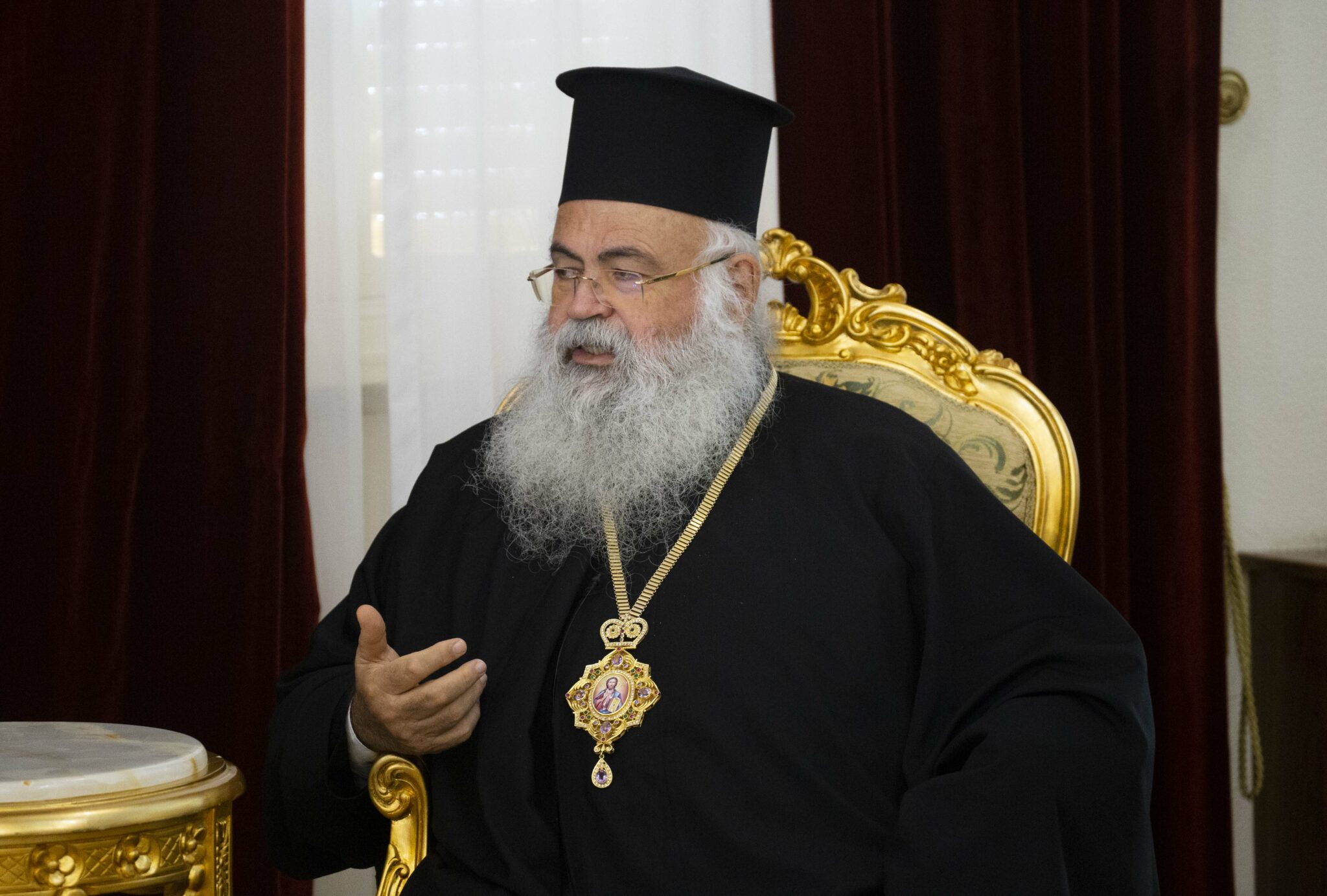
Την ανάγκη αλλαγής πορείας στη διεκδίκηση των δικαιωμάτων της Κυπριακής Δημοκρατίας υπογράμμισε ο Αρχιεπίσκοπος Κύπρου Γεώργιος, εκφράζοντας την εκτίμηση ότι η σημερινή κατάσταση στο Κυπριακό δεν δημιουργεί προοπτικές ουσιαστικής προόδου.
Σε συνέντευξή του στο ραδιόφωνο του ΡΙΚ, ο Προκαθήμενος της Εκκλησίας της Κύπρου εμφανίστηκε ιδιαίτερα επιφυλακτικός απέναντι στη μέχρι σήμερα διαχείριση του εθνικού ζητήματος, επισημαίνοντας ότι οι υποχωρήσεις της ελληνοκυπριακής πλευράς δεν έχουν οδηγήσει στην επιδιωκόμενη λύση.
Ο ίδιος υποστήριξε ότι απαιτείται αποτελεσματικότερη αξιοποίηση των διεθνών συμμαχιών, της ευρωπαϊκής ιδιότητας της Κυπριακής Δημοκρατίας και των δυνατοτήτων συντονισμένης δράσης του Ελληνισμού.
«Οι εξελίξεις δεν φαίνονται να οδηγούν πουθενά»
Ο Αρχιεπίσκοπος Γεώργιος εξέφρασε την ανησυχία του για τη στασιμότητα στο Κυπριακό, εκτιμώντας ότι η συνέχιση της υφιστάμενης πολιτικής δεν φαίνεται να οδηγεί σε ουσιαστική αλλαγή.
Κατά την άποψή του, οι παραχωρήσεις που έχουν πραγματοποιηθεί στο πλαίσιο της προσπάθειας επίτευξης συμφωνίας δεν απέδωσαν τα προσδοκώμενα αποτελέσματα.
Ιδιαίτερη αναφορά έκανε στο ζήτημα της διάνοιξης νέων οδοφραγμάτων, υπογραμμίζοντας ότι η διευκόλυνση της μετακίνησης μεταξύ των ελεύθερων και των κατεχόμενων περιοχών δεν μπορεί να ταυτίζεται με την επίλυση του Κυπριακού.
Η τοποθέτησή του επικεντρώθηκε στην ανάγκη να μη μετατοπιστεί το ενδιαφέρον από τη βασική διάσταση του προβλήματος, την οποία προσδιόρισε ως ζήτημα εισβολής, κατοχής και παραβίασης ανθρωπίνων δικαιωμάτων.
Ο Μακαριώτατος προειδοποίησε ότι η διατήρηση της σημερινής κατάστασης ενέχει τον κίνδυνο περαιτέρω παγίωσης των τετελεσμένων.
Κατά την εκτίμησή του, η παράταση της εκκρεμότητας μπορεί να δημιουργήσει ευνοϊκότερες συνθήκες για μελλοντικές τουρκικές ενέργειες.
Μήνυμα σε Αθήνα, Λευκωσία και Διασπορά: Συντονισμός και αξιοποίηση της Ευρωπαϊκής Ένωσης
Ο Προκαθήμενος της κυπριακής Εκκλησίας κάλεσε τον Ελληνισμό να αντιμετωπίσει το Κυπριακό μέσα από μια περισσότερο συντονισμένη προσπάθεια.
Αναφέρθηκε ιδιαίτερα στη δυνατότητα κινητοποίησης της Ελλάδας, της Κύπρου και των ελληνικών κοινοτήτων του εξωτερικού, επισημαίνοντας ότι υπάρχουν διπλωματικά και πολιτικά εργαλεία τα οποία μπορούν να αξιοποιηθούν.
Στο επίκεντρο της επιχειρηματολογίας του βρέθηκε η ιδιότητα της Ελλάδας και της Κυπριακής Δημοκρατίας ως κρατών μελών της Ευρωπαϊκής Ένωσης.
Ο Αρχιεπίσκοπος υποστήριξε ότι η συμμετοχή στην ευρωπαϊκή οικογένεια πρέπει να μεταφράζεται σε ουσιαστική προστασία των δικαιωμάτων των Κυπρίων πολιτών.
«Ό,τι απολαμβάνουν οι άλλοι Ευρωπαίοι, να το απολαύσουμε και εμείς», ανέφερε χαρακτηριστικά.
Η τοποθέτηση αυτή αποτυπώνει την επιθυμία του να αναδειχθεί εντονότερα η ευρωπαϊκή διάσταση του Κυπριακού, με έμφαση στην προστασία των ανθρωπίνων δικαιωμάτων και στην άρση των συνεπειών της τουρκικής εισβολής.
Κατεχόμενα: «Αποκαθιστούμε εκκλησίες, αλλά δεν επιστρέφουν στη λατρεία»
Ιδιαίτερη σημασία απέδωσε ο Αρχιεπίσκοπος στην προστασία της θρησκευτικής και πολιτιστικής κληρονομιάς στις κατεχόμενες περιοχές.
Αναφερόμενος στις προσπάθειες συντήρησης και αποκατάστασης εκκλησιαστικών μνημείων, σημείωσε ότι η Εκκλησία της Κύπρου στηρίζει τις σχετικές εργασίες, ώστε να αποφευχθεί η καταστροφή ιστορικών ναών.
Όπως εξήγησε, η χρηματοδότηση των παρεμβάσεων προέρχεται, σε ορισμένες περιπτώσεις, τόσο από την κυπριακή πλευρά όσο και από την Ευρωπαϊκή Ένωση.
Ωστόσο, εξέφρασε προβληματισμό για το γεγονός ότι η αποκατάσταση ενός εκκλησιαστικού κτιρίου δεν συνεπάγεται απαραίτητα την επαναφορά του στην αρχική του θρησκευτική χρήση.
Υπάρχουν, όπως ανέφερε, περιπτώσεις ναών που εξακολουθούν να χρησιμοποιούνται για διαφορετικούς σκοπούς, ακόμη και μετά την ολοκλήρωση των εργασιών συντήρησης.
Ο Αρχιεπίσκοπος ξεκαθάρισε ότι η διατήρηση των μνημείων είναι απαραίτητη, καθώς προστατεύει ένα σημαντικό μέρος της ιστορίας και της ταυτότητας της Κύπρου για τις επόμενες γενιές.
Επισήμανε, ωστόσο, ότι ζητούμενο δεν πρέπει να είναι μόνο η διάσωση των κτιρίων, αλλά και η δυνατότητα να χρησιμοποιούνται εκ νέου για τη λατρεία για την οποία κατασκευάστηκαν.
Διπλωματική στήριξη από το Βατικανό στο Κυπριακό
Ξεχωριστή αναφορά έκανε ο Αρχιεπίσκοπος Γεώργιος στον ρόλο της Αγίας Έδρας και στις δυνατότητες που δημιουργούν οι επαφές της Εκκλησίας της Κύπρου με τη Ρωμαιοκαθολική Εκκλησία.
Ο ίδιος εξήγησε ότι ο διάλογος δεν περιορίζεται αποκλειστικά σε θεολογικά και εκκλησιαστικά θέματα, αλλά συνδέεται και με την προσπάθεια διεθνούς προβολής του Κυπριακού.
«Και στο εθνικό θέμα ζητούμε συμπαράσταση της Αγίας Έδρας, η οποία έχει πολλούς πρέσβεις, νουντσίους, διαπιστευμένους σε όλο τον κόσμο», δήλωσε.
Η αναφορά αφορά το διεθνές διπλωματικό δίκτυο του Βατικανού, το οποίο διαθέτει αποστολικούς νουντσίους σε πολλές χώρες.
Σύμφωνα με τον Αρχιεπίσκοπο, το δίκτυο αυτό μπορεί να συμβάλει στην προβολή των κυπριακών θέσεων και στην ευαισθητοποίηση της διεθνούς κοινότητας.
Η επιδίωξη αυτή εντάσσεται στην ευρύτερη αντίληψή του ότι η επίλυση του Κυπριακού απαιτεί διεθνή κινητοποίηση και αξιοποίηση όλων των διαθέσιμων διπλωματικών διαύλων.
«Δεν κάναμε καμία υποχώρηση, δεν κάναμε κανένα συλλείτουργο»
Ο Αρχιεπίσκοπος απάντησε και στις επικρίσεις που διατυπώθηκαν για τις επαφές με τη Ρωμαιοκαθολική Εκκλησία.
Υπερασπίστηκε τον θεολογικό διάλογο, τονίζοντας ότι η επιδίωξη επικοινωνίας μεταξύ των Χριστιανικών Εκκλησιών δεν συνεπάγεται εγκατάλειψη των ορθόδοξων δογματικών θέσεων.
«Δεν κάναμε καμία υποχώρηση. Δεν κάναμε κανένα συλλείτουργο», ανέφερε κατηγορηματικά.
Όπως εξήγησε, ο διάλογος αποσκοπεί στην αναζήτηση της κοινής χριστιανικής παράδοσης της πρώτης χιλιετίας, πριν από τη διάσπαση της εκκλησιαστικής ενότητας μεταξύ Ανατολής και Δύσης.
Ο Προκαθήμενος της Εκκλησίας της Κύπρου υποστήριξε ότι οι θεολογικές διαφορές δεν μπορούν να αντιμετωπιστούν με την άρνηση της επικοινωνίας.
Ερωτηθείς για τις αντιρρήσεις που διατυπώνονται ακόμη και στο εσωτερικό της Ιεράς Συνόδου, διερωτήθηκε πώς είναι δυνατόν να αναζητηθεί η αλήθεια χωρίς διάλογο.
Παράλληλα, επέκρινε τον θρησκευτικό φανατισμό, σημειώνοντας ότι τέτοιες συμπεριφορές στρέφονται όχι μόνο εναντίον ετεροδόξων, αλλά και εναντίον Ορθοδόξων.
Κατά τον Αρχιεπίσκοπο, οι Χριστιανοί οφείλουν να αναζητούν τρόπους συνεργασίας για την αντιμετώπιση σύγχρονων προκλήσεων, χωρίς να παραιτούνται από τις εκκλησιαστικές και δογματικές τους αρχές.
Ανησυχία για τους Χριστιανούς της Μέσης Ανατολής
Η συζήτηση για τη συνεργασία μεταξύ των Εκκλησιών επεκτάθηκε και στην κατάσταση των χριστιανικών κοινοτήτων στη Μέση Ανατολή.
Ο Αρχιεπίσκοπος Γεώργιος εξέφρασε ανησυχία για τις συνθήκες που αντιμετωπίζουν χριστιανικοί πληθυσμοί σε περιοχές οι οποίες έχουν πληγεί από πολεμικές συγκρούσεις, διώξεις και πολιτική αστάθεια.
Υποστήριξε ότι οι θρησκευτικοί ηγέτες έχουν ευθύνη να συνεργάζονται με τις πολιτικές αρχές, ώστε να εξασφαλίζονται συνθήκες ασφάλειας και αξιοπρεπούς διαβίωσης.
Στόχος, όπως εξήγησε, πρέπει να είναι η δυνατότητα των Χριστιανών να παραμείνουν στις πατρογονικές τους εστίες.
Η τοποθέτησή του συνδέεται και με τον ιδιαίτερο ιστορικό ρόλο της Κύπρου ως σημείου επαφής μεταξύ της Ευρώπης και των χριστιανικών κοινοτήτων της Ανατολής.
Μονή Οσίου Αββακούμ: Προειδοποίηση προς τους πιστούς
Ο Αρχιεπίσκοπος αναφέρθηκε, τέλος, στην υπόθεση της Μονής Οσίου Αββακούμ και στις εκκλησιαστικές αποφάσεις που έχουν ληφθεί.
Επανέλαβε τη θέση της Εκκλησίας της Κύπρου ότι η καθαίρεση κληρικών συνεπάγεται την απώλεια της δυνατότητάς τους να ασκούν ιερατικά καθήκοντα.
Σύμφωνα με όσα εξήγησε, οι καθαιρεθέντες δεν μπορούν πλέον να τελούν έγκυρες αγιαστικές πράξεις βάσει της εκκλησιαστικής διδασκαλίας και της κανονικής τάξης.
Ο Αρχιεπίσκοπος κάλεσε τους πιστούς να ενημερώνονται για το περιεχόμενο και τις συνέπειες των εκκλησιαστικών αποφάσεων και να μην παρασύρονται από πρόσωπα που έχουν απομακρυνθεί από την ιεροσύνη.
Η παρέμβασή του εντάσσεται στην προσπάθεια της εκκλησιαστικής ηγεσίας να αποσαφηνίσει τη θέση της γύρω από μια υπόθεση που έχει προκαλέσει έντονο δημόσιο ενδιαφέρον στην Κύπρο.
Το μήνυμα της παρέμβασης
Οι τοποθετήσεις του Αρχιεπισκόπου Γεωργίου ανέδειξαν δύο βασικές προτεραιότητες της Εκκλησίας της Κύπρου.
Η πρώτη αφορά τη διατήρηση ενεργού ρόλου στο Κυπριακό, με έμφαση στην ανάγκη αλλαγής στρατηγικής, στον συντονισμό Ελλάδας και Κύπρου και στην αξιοποίηση της διεθνούς διπλωματίας.
Η δεύτερη αφορά τη διατήρηση του θεολογικού διαλόγου και των διεθνών εκκλησιαστικών σχέσεων, τις οποίες ο Αρχιεπίσκοπος αντιμετωπίζει ως δυνατότητα συνεργασίας και υποστήριξης κοινών επιδιώξεων.
Το κεντρικό πολιτικό μήνυμα της συνέντευξης είναι ότι, κατά τον Αρχιεπίσκοπο, η διαχείριση του Κυπριακού δεν πρέπει να εξαντλείται σε επιμέρους κινήσεις, όπως το άνοιγμα οδοφραγμάτων, αλλά να επανέλθει στο επίκεντρο η ουσιαστική διεκδίκηση των δικαιωμάτων της Κυπριακής Δημοκρατίας και των πολιτών της.
Παράλληλα, η αναφορά στη διπλωματική επιρροή της Αγίας Έδρας αποτυπώνει την πρόθεση της Εκκλησίας της Κύπρου να αναζητήσει πρόσθετα διεθνή ερείσματα για την ανάδειξη του εθνικού ζητήματος.
GEOPOLITICO
Μαυρίδης: Ο Ερντογάν προστάτης των φονιάδων «Χαμάς» και «Αδελφών Μουσουλμάνων»
«Γνωρίζουμε ποιος στηρίζει και προωθεί τη Χαμάς και τη Μουσουλμανική Αδελφότητα», ανέφερε με νόημα στην ολομέλεια του Ευρωκοινοβουλίου ο Κύπριος Ευρωβουλευτής.

Τη δράση της «Μουσουλμανικής Αδελφότητας» στην ΕΕ με την στήριξη της Τουρκίας και την ανάγκη για ευρωπαϊκή αντιμετώπισή της, ανέδειξε ο Ευρωβουλευτής Κώστας Μαυρίδης (ΔΗΚΟ – S&D) στην συζήτηση με θέμα την ανάγκη για μια στρατηγική της ΕΕ για την αντιμετώπιση της ισλαμιστικής επιρροής και του δικτύου της «Μουσουλμανικής Αδελφότητας», ενώπιον του αρμόδιου Ευρ. Επιτρόπου, στην ολομέλεια του Ευρ. Κοινοβουλίου στο Στρασβούργο.
Στην παρέμβασή του ο κ. Μαυρίδης ανέφερε τα εξής: «Τέτοια μέρα πριν από τρία χρόνια, οι τρομοκράτες της Χαμάς διέπραξαν ανείπωτα εγκλήματα σε βάρος ανδρών, γυναικών και παιδιών. Κανένας πολιτισμένος άνθρωπος δεν μπορεί να παραμείνει σιωπηλός απέναντι σε τέτοιες φρικαλεότητες. Όσον αφορά, όμως, συγκεκριμένα τη «Μουσουλμανική Αδελφότητα», η δράση της δεν περιορίζεται πλέον στη βία ή σε εξτρεμιστικούς πυρήνες. Σήμερα χρηματοδοτεί τζαμιά, συλλόγους, σχολεία, φιλανθρωπικές οργανώσεις και δίκτυα, μέσω των οποίων προωθεί το ριζοσπαστικό πολιτικό Ισλάμ. Αυτό, κύριε Επίτροπε, δεν είναι ζήτημα ιδεολογίας, είναι μια πραγματικότητα.»
Στη συνέχεια αναφέρθηκε σε εκείνους που βρίσκονται πίσω από την δράση της τονίζοντας χαρακτηριστικά: «Ωστόσο, όλοι γνωρίζουμε ποιος είναι «ο ελέφαντας στο δωμάτιο». Γνωρίζουμε ποιος είναι το πραγματικό αφεντικό. Γνωρίζουμε ποιος στηρίζει και προωθεί τη Χαμάς και τη Μουσουλμανική Αδελφότητα. Έχει όνομα. Είναι εκείνος που ορισμένοι στο Ευρωκοινοβούλιο, αλλά και εκτός αυτού -και ίσως, κύριε Επίτροπε, ακόμη και εσείς- θεωρούν σήμερα στρατηγικό εταίρο της Ευρωπαϊκής Ένωσης.
Ποιος είναι αυτός ο επικεφαλής; Ο νέος σουλτάνος της Άγκυρας: ο Ρετζέπ Ταγίπ Ερντογάν.»

Στην Ελλάδα συνελήφθη καταζητούμενος για το σκάνδαλο στον Δήμο Κωνσταντινούπολης – Η Τουρκία ζητά την έκδοσή του
Νέα εξέλιξη στην πολύκροτη δικαστική υπόθεση που αφορά τον Μητροπολιτικό Δήμο Κωνσταντινούπολης και συνδέεται με τον Εκρέμ Ιμάμογλου. Σύμφωνα με...
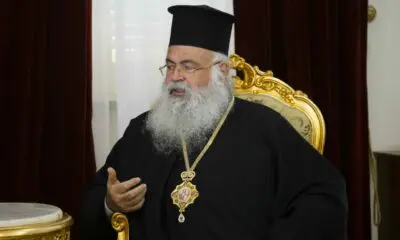

Αρχιεπίσκοπος Κύπρου Γεώργιος: «Οι εξελίξεις στο Κυπριακό δεν οδηγούν πουθενά» – Ζητά αλλαγή στρατηγικής και αξιοποίηση της ΕΕ
Σαφές μήνυμα για την ανάγκη επαναξιολόγησης της στρατηγικής στο Κυπριακό έστειλε ο Αρχιεπίσκοπος Κύπρου Γεώργιος, υποστηρίζοντας ότι οι μέχρι σήμερα...
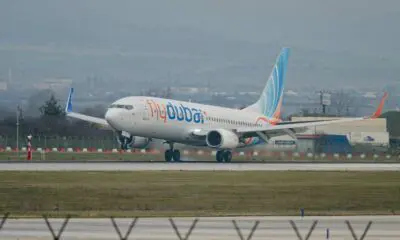

Flydubai: Επίθεση αυτοκτονίας στο Τελ Αβίβ ετοίμαζε ο συγκυβερνήτης της πτήσης
Ο δράστης, που κατάγεται από το Ομάν, σκόπευε να πραγματοποιήσει επίθεση αυτοκτονίας, εμπνευσμένος από τις επιθέσεις της 11ης Σεπτεμβρίου 2002...


Reuters: Στο μικροσκόπιο ο Τομ Μπάρακ – Οι επιχειρηματικοί δεσμοί και ο αγωγός των 15 δισ. δολαρίων
Σοβαρά ερωτήματα για τις επιχειρηματικές διασυνδέσεις του Αμερικανού πρέσβη στην Τουρκία και ειδικού απεσταλμένου του Ντόναλντ Τραμπ σε Ιράκ και...
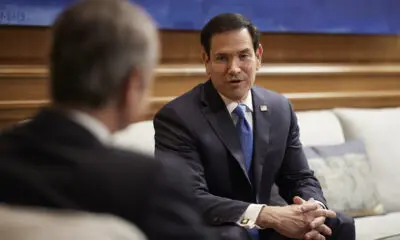

Hürriyet: «Διπλωματική απογοήτευση για την Αθήνα» – Η τουρκική ανάγνωση της επίσκεψης Ρούμπιο και τα μηνύματα για τα F-35
Ως διπλωματική απογοήτευση για την Ελλάδα επιχειρεί να παρουσιάσει η τουρκική εφημερίδα Hürriyet την επίσκεψη του Αμερικανού υπουργού Εξωτερικών Μάρκο...
-
 Αναλύσεις3 εβδομάδες πριν
Το τελεσίγραφο Καλίν την ώρα που η Τουρκία προετοιμάζεται για πόλεμο!
-
 Άμυνα3 μήνες πριν
Ρωσσικό ΜΜΕ: Ελληνικό «μπλόκο» στην απαίτηση για Patriot – Πώς γνωρίζει το Κίεβο απόρρητα στοιχεία για τους πυραύλους μας;
-

 ΑΝΑΡΤΗΣΕΙΣ ΜΕ ΣΗΜΑΣΙΑ2 μήνες πριν
Πακιστανός με καναδική υπηκοότητα ο υπαίτιος της πυρκαγιάς στον Έβρο! Πιθανόν να μετέφερε μετανάστες
-

 GEOPOLITICO1 μήνα πριν
Το διέρρευσε ο Παπαχελάς! Έφεραν τον Καλίν στο Μαξίμου – Τί συζήτησε με τον Μητσοτάκη;
-
 Αναλύσεις2 μήνες πριν
Καραγκιούλ: «Αν Ελλάδα, Κύπρος και Ισραήλ επιτεθούν στην Τουρκία, ο χάρτης του Αιγαίου θα αλλάξει»
-

 ΑΝΑΡΤΗΣΕΙΣ ΜΕ ΣΗΜΑΣΙΑ2 μήνες πριν
Ξέσπασμα της μητέρας της Μυρτούς για την υπόθεση Τζαβέντ Ασλάμ: «Δεν ξεχνώ ποτέ» – «Δήμαρχος των Πακιστανών ο Δούκας»
-

 GEOPOLITICO3 εβδομάδες πριν
Τί λέει Τούρκος δημοσιογράφος για Σάββα Καλεντερίδη; «Έκανε πολύ καλά τη δουλειά του για τη χώρα του – Δεν μπορούσε να τον στριμώξει η ΜİΤ»
-

 Αναλύσεις3 μήνες πριν
Εάν η Τουρκία απορρίψει τη συμφωνία αποχώρησης από την Κύπρο θα απομακρυνθεί δια της βίας