Διεθνή
The Autonomous Hellenic Republic of Pontus – A Historical Perspective
On January 8, 1918 President Woodrow Wilson presented his ‘Fourteen Points’ to a joint session of the United States Congress. President Wilson’s ‘Fourteen Points’ was a blueprint designed to convince the Germans to cease World War I hostilities and that leniency would be assured in the subsequent peace treaties, thus bringing an end to the Great War. The decaying Ottoman Empire had sided with Germany and the Central Powers during WWI and Wilson’s Point Twelve addressed the Ottomans’ fate:
XII. The Turkish portion of the present Ottoman Empire should be assured a secure sovereignty, but the other nationalities which are now under Turkish rule should be assured an undoubted security of life and an absolutely unmolested opportunity of autonomous development, and the Dardanelles should be permanently opened as a free passage to the ships and commerce of all nations under international guarantees.
http://wwi.lib.byu.edu/index.php/President_Wilson%27s_Fourteen_Points
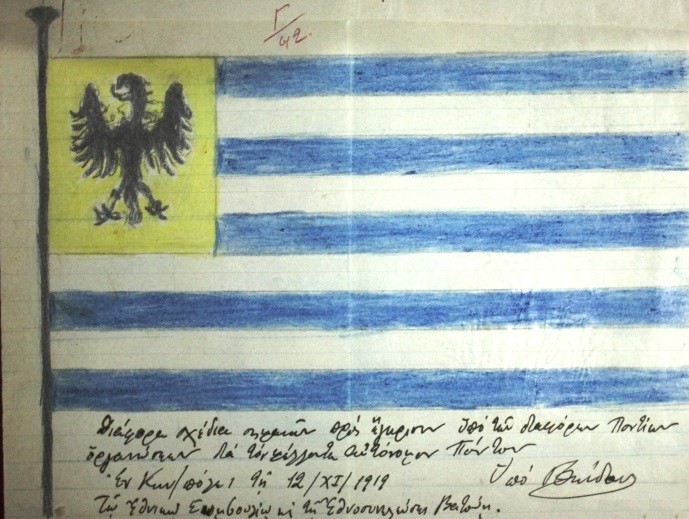
President Wilson had called for the right to self-determination and autonomy for the various ethnic groups of the Ottoman Empire, including Greeks, Armenians, Assyrians, and others. Inspired by Wilson’s Point Twelve, Pontian Greeks of the Diaspora who had already organized a Pontian Movement assembled in Marseilles, France, in February of the same year for the First World Pan-Pontian Convention. There, they promoted their vision of an Autonomous Hellenic Republic of Pontus.


pontusquestion.pdf (enosipodiondrosias.gr)https://pontosworld.com/images/History/biographies/kkonstantinidis.jpg

The two major treaties ratified as a result of the Paris Peace Conference were the Treaty of Versailles and the Treaty of Sevres, which punished the Germans and Turks, respectively, for their hostilities during the War.
The Treaty of Sevres, signed on August 10, 1920 but never ratified, is considered a diplomatic triumph in modern Greek history. Greek Premier Eleftherios Venizelos secured Greek sovereignty over Smyrna and Eastern Thrace. But the treaty was abandoned six months later, on February 25, 1921. Despite countless pleas from the Pontian Greeks, Pontus was not in Venizelos’ vision of the Megali Idea. As the Premier’s remarks reflected on p. 219 of Bonsal’s memoir (above) may shed some light as to his position regarding Pontus, to his credit Venizelos secured a large portion of Thrace, despite Bulgarian efforts in Versailles to take Thrace and access to the Aegean.
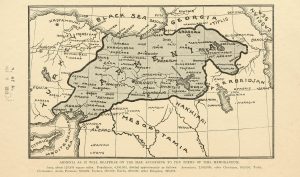
In addition to opposing the creation of an Autonomous Hellenic Republic of Pontus, the Armenians were actively collaborating with the Bulgarians after suffering half a million deaths at the hands of the Ottomans in the Hamidian massacres. Armenian-American academic Garabet K. Moumdjian, in his study titled Rebels with a Cause: Armenian-Macedonian (sic) Relations and Their Bulgarian Connection, 1895-1913, Dr. Moumdjian analyzes the collaboration’s conception in Bulgaria, where sizable Armenian communities existed in Sofia, Varna, and Philippoupolis. The Bulgarians, using a pseudo-Macedonian identity, were trying to take over the Macedonian territory from the Ottomans while the Armenian Revolutionary Federation (ARF) advocated a reformist agenda in the eastern provinces of the empire.
In the 19th century, the entire region of Macedonia was still under Ottoman occupation. Numerous demographic studies, covering the entire Macedonian region and beyond, had been conducted in the vilayets of Monastir and Thessaloniki as late as the 19th century by both Ottoman authorities and European institutions. Not even one of these ethnic surveys references the existence of a Macedonian ethnicity.
Just as the Treaty of Versailles infuriated a young Adolf Hitler as he perceived the terms of the Treaty unjust, so did the Treaty of Sevres infuriate Mustafa Kemal Pasha and his nationalist movement. Despite valiant efforts from the heroic Pontian Resistance fighters, an ethno-catharsis perpetuated years earlier was now spreading all over Asia Minor and Thrace with such unimaginable savagery and brutal force it could only be described by one word – Genocide: slaughter, deportations, slave labor, death marches. Death chambers disguised as work battalions. Humanity is in a wasteland of inhumanity.Kemal managed something that Hitler could not: to overturn his respective Treaty. The subsequent Treaty of Lausanne signed, sealed, and delivered modern Turkey’s birth certificate, and at the same time, the treaty’s population exchange clause clinched the demise of three thousand years of Greek presence in Anatolia.
One of the original visionaries of the Autonomous Hellenic Republic of Pontus was Philon Ktenidis.
https://pontosworld.com/images/History/biographies/filon-ktenidis.jpg

H Σημαία του Πόντου – The Flag of Pontus

Georgios Gialtouridis

Διεθνή
Ένοπλος Αζέρος πέρασε στην Αρμενία και πυροβόλησε μητέρα μπροστά στα παιδιά της! Σε πόλη αδελφοποιημένη με τη Νέα Σμύρνη το περιστατικό
Απαγγέλθηκαν συνολικά πέντε κατηγορίες, μεταξύ των οποίων παράνομη διέλευση των κρατικών συνόρων της Αρμενίας, λαθρεμπόριο στρατιωτικού υλικού, πυροβόλων όπλων και πυρομαχικών, παράνομη διακίνηση όπλων και πυρομαχικών, παράνομη είσοδος σε κατοικία παρά τη θέληση του ιδιοκτήτη και πρόκληση βαριάς σωματικής βλάβης υπό επιβαρυντικές περιστάσεις, μεταξύ άλλων με τη χρήση πυροβόλου όπλου.
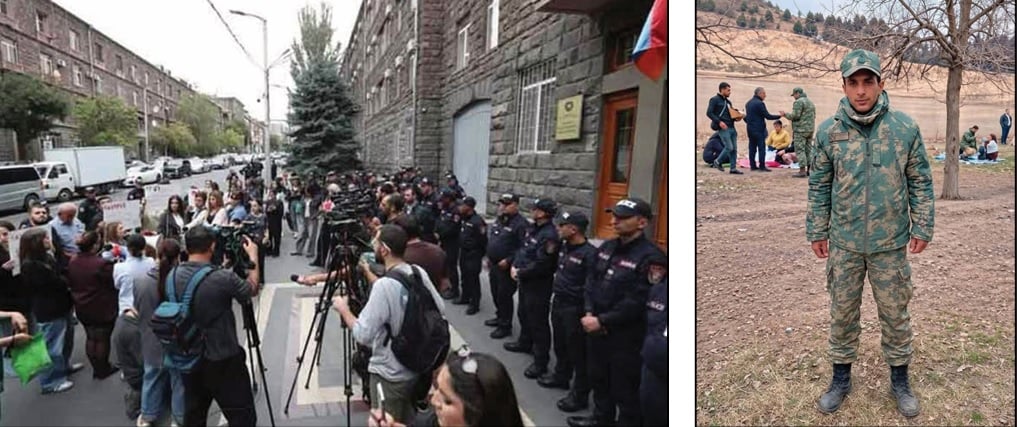
Αρμενικό δικαστήριο διέταξε την προφυλάκιση, για διάστημα δύο μηνών, του Αζέρου στρατιωτικού Νασίμ Ογλού Ραχίμ Μουσάγιεβ, ο οποίος κατηγορείται ότι πέρασε παράνομα στην Αρμενία και πυροβόλησε μια γυναίκα μέσα στο σπίτι της, στον οικισμό Σάκι της επαρχίας Σιουνίκ. Η πόλη απέχει 15 χιλιόμετρα από τα σύνορα και 3 χιλιόμετρα από την πόλη Σισιάν που είναι πόλη αδελφοποιημένη με την Νέα Σμύρνη.
Σε βάρος του Μουσάγιεβ έχουν απαγγελθεί συνολικά πέντε κατηγορίες, μεταξύ των οποίων παράνομη διέλευση των κρατικών συνόρων της Αρμενίας, λαθρεμπόριο στρατιωτικού υλικού, πυροβόλων όπλων και πυρομαχικών, παράνομη διακίνηση όπλων και πυρομαχικών, παράνομη είσοδος σε κατοικία παρά τη θέληση του ιδιοκτήτη και πρόκληση βαριάς σωματικής βλάβης υπό επιβαρυντικές περιστάσεις, μεταξύ άλλων με τη χρήση πυροβόλου όπλου.
Δύο από τις κατηγορίες προστέθηκαν την Παρασκευή. Αρχικά, η Γενική Εισαγγελία είχε ανακοινώσει κατηγορίες για πρόκληση βαριάς σωματικής βλάβης με τη χρήση όπλου, παράνομη κατοχή πυροβόλου όπλου και παραβίαση του απαραβίαστου της κατοικίας. Η παράνομη διέλευση των συνόρων δεν περιλαμβανόταν αρχικά, παρά το γεγονός ότι το ίδιο το Αζερμπαϊτζάν είχε επιβεβαιώσει πως ο στρατιωτικός είχε περάσει στην Αρμενία.
Την Παρασκευή οι εισαγγελικές αρχές ξεκίνησαν ξεχωριστή ποινική διαδικασία για την παράνομη διέλευση των συνόρων και το λαθρεμπόριο όπλων, η οποία στη συνέχεια συγχωνεύθηκε με την κύρια υπόθεση.
Σύμφωνα με τις αρμενικές αρχές, ο Μουσάγιεβ πέρασε παράνομα τα σύνορα και εισήλθε σε κατοικία στον οικισμό Σάκι την Πέμπτη 1η Οκτωβρίου. Όταν έγινε αντιληπτός, άνοιξε πυρ. Η 39χρονη ιδιοκτήτρια του σπιτιού τραυματίστηκε από σφαίρα στο πόδι, μπροστά στα τρία παιδιά της. Η γυναίκα διακομίστηκε αρχικά στο Ιατρικό Κέντρο Σισιάν και στη συνέχεια μεταφέρθηκε στο Γερεβάν. Η κατάστασή της είναι σταθερή και η ζωή της δεν διατρέχει κίνδυνο.
Κατά τη διάρκεια του περιστατικού τραυματίστηκαν επίσης δύο από τα παιδιά της. Σύμφωνα με το Armenpress, πρόκειται για ένα 15χρονο παιδί, το οποίο υπέστη κάταγμα στον δεξιό καρπό, και ένα 12χρονο, που υπέστη κάκωση μαλακών μορίων. Η κατάσταση της υγείας τους χαρακτηρίζεται ικανοποιητική, ενώ τα παιδιά έλαβαν ιατρική και ψυχολογική υποστήριξη.
Μετά το περιστατικό, ο Μουσάγιεβ διέφυγε από το σπίτι. Εντοπίστηκε αργότερα σε άλλη διεύθυνση στον ίδιο οικισμό και συνελήφθη. Σύμφωνα με τις τοπικές αρχές, όταν εντοπίστηκε δεν φορούσε στρατιωτική στολή. Οι αστυνομικοί ακολούθησαν ίχνη αίματος που είχε αφήσει πίσω του, καθώς και ο ίδιος είχε τραυματιστεί. Μετά τη σύλληψή του μεταφέρθηκε με ασθενοφόρο υπό αστυνομική φρουρά.
Ιδιαίτερη σημασία έχει το γεγονός ότι το περιστατικό σημειώθηκε μόλις δύο ημέρες μετά την επίσημη ενημέρωση της αρμενικής πλευράς από την Υπηρεσία Κρατικής Ασφάλειας του Αζερμπαϊτζάν. Στις 29 Σεπτεμβρίου, το Μπακού είχε ενημερώσει την Εθνική Υπηρεσία Ασφάλειας της Αρμενίας ότι ένας στρατιώτης είχε εγκαταλείψει τη μονάδα του υπό άγνωστες συνθήκες και ότι δεν μπορούσε να αποκλειστεί το ενδεχόμενο να είχε περάσει στην Αρμενία.
Μετά την ενημέρωση αυτή, αρμενικές και αζερικές υπηρεσίες ξεκίνησαν επιχειρήσεις για τον εντοπισμό του. Ωστόσο, ο Μουσάγιεβ κατάφερε να φτάσει σε κατοικημένη περιοχή του Σιουνίκ και να εισέλθει σε σπίτι, όπου άνοιξε πυρ εναντίον μιας οικογένειας.
Η εξέλιξη αυτή δημιουργεί ερωτήματα για το πώς ένας ένοπλος στρατιωτικός, για την παρουσία του οποίου είχε ήδη ενημερωθεί το Γερεβάν, κατάφερε να φτάσει μέχρι κατοικημένη περιοχή χωρίς να εντοπιστεί. Παραμένει επίσης άγνωστο εάν οι κάτοικοι του Σάκι και των γειτονικών κοινοτήτων είχαν ενημερωθεί για την πιθανή παρουσία ένοπλου Αζέρου στρατιωτικού στην περιοχή.
Η υπόθεση έχει προκαλέσει αντιδράσεις στην Αρμενία. Την Παρασκευή, η νεολαία της Αρμενικής Επαναστατικής Ομοσπονδίας (ARF) πραγματοποίησε συγκέντρωση διαμαρτυρίας έξω από το κτίριο της Εθνικής Υπηρεσίας Ασφάλειας στο Γερεβάν. Οι διαδηλωτές ζήτησαν να μην παραδοθεί ο Μουσάγιεβ στο Αζερμπαϊτζάν χωρίς όρους και προϋποθέσεις και να εξεταστεί το ενδεχόμενο ανταλλαγής του με Αρμένιους που κρατούνται στο Αζερμπαϊτζάν.
Η Γενική Εισαγγελία του Αζερμπαϊτζάν ανακοίνωσε το βράδυ της Πέμπτης ότι ξεκίνησε δική της ποινική έρευνα σχετικά με την παράνομη είσοδο του στρατιωτικού στην Αρμενία. Το υπουργείο Άμυνας του Αζερμπαϊτζάν, ωστόσο, δεν έχει μέχρι στιγμής προβεί σε επίσημη δήλωση για την υπόθεση.
Το περιστατικό θυμίζει ανάλογη υπόθεση που σημειώθηκε στο Σιουνίκ τον Απρίλιο του 2023, όταν δύο Αζέροι στρατιωτικοί εγκατέλειψαν τις θέσεις τους και πέρασαν στην Αρμενία. Ο ένας, ο Χουσεΐν Αχούντοφ, καταδικάστηκε αργότερα σε ισόβια κάθειρξη για τη δολοφονία Αρμένιου φρουρού ασφαλείας, ενώ ο δεύτερος καταδικάστηκε σε 11 χρόνια φυλάκισης. Τον Δεκέμβριο του 2023, και οι δύο επέστρεψαν στο Αζερμπαϊτζάν στο πλαίσιο ανταλλαγής κρατουμένων, κατά την οποία το Μπακού απελευθέρωσε 32 Αρμένιους κρατουμένους.
Πηγή: Εφημερίδα Αζάτ Ορ
GEOPOLITICO
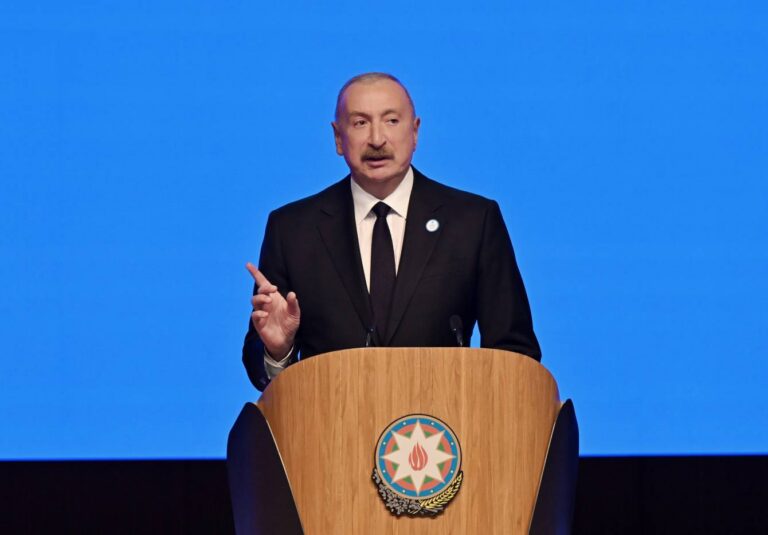
Ο Αλίγιεφ αποκαλεί τους πρώην ηγέτες της Αρμενίας και του Αρτσάχ «εγκληματίες πολέμου» και δηλώνει ότι το Αζερμπαϊτζάν πρέπει να είναι «δέκα φορές ισχυρότερο»
Ο Αλίγιεφ έχει δικαίωμα να υπερασπίζεται τα συμφέροντα του Αζερμπαϊτζάν. Δεν έχει, όμως, το δικαίωμα να μετατρέπει την ισχύ των όπλων σε μέτρο δικαιοσύνης, να αποδίδει συλλογική ενοχή σε έναν ολόκληρο λαό και ταυτόχρονα να ζητά από τον κόσμο να πιστέψει ότι η στρατιωτική υπεροχή αποτελεί εγγύηση ειρήνης.
του Αρντασές Γιαγουπιάν
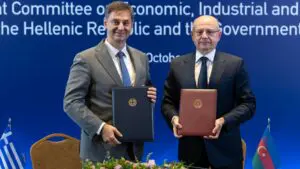
Ενώ στην Αθήνα πραγματοποιούνταν η 6η Σύνοδος της Μικτής Διυπουργικής Επιτροπής Ελλάδας–Αζερμπαϊτζάν και το Επιχειρηματικό Συνέδριο Ελλάδας–Αζερμπαϊτζάν, με τη συμμετοχή του Χάρη Θεοχάρη και του Αζέρου υπουργού Ενέργειας για την διεύρυνση της διμερούς συνεργασίας, ο Αλίγιεφ την ίδια ημέρα εκφωνούσε μια ιδιαίτερα σκληρή ομιλία για την Αρμενία, μιλώντας για στρατιωτική υπεροχή «δέκα φορές μεγαλύτερη»
Σε μια ακόμη επιθετική και αποκαλυπτική ομιλία του, στις 2 Οκτωβρίου στο Μπακού, ο Ιλχάμ Αλίγιεφ αποκάλεσε συλλήβδην τους πρώην ηγέτες της Αρμενίας «εγκληματίες πολέμου» και δήλωσε ότι «πρέπει να εκτίσουν τις ποινές τους», χωρίς να αναφέρει συγκεκριμένες δικαστικές καταδίκες ή να εξετάζει ατομικές ευθύνες.
Παράλληλα, παρουσίασε τον πόλεμο του 2020 και την επίθεση του Αζερμπαϊτζάν στο Αρτσάχ τον Σεπτέμβριο του 2023 ως «στρατιωτικές νίκες» και ως αποκατάσταση της εδαφικής ακεραιότητας της χώρας του. Ωστόσο, στην ίδια ομιλία παραδέχθηκε ότι το Μπακού πραγματοποίησε ενδιάμεσες στρατιωτικές επιχειρήσεις προκειμένου να αλλάξει τις συνθήκες επί του πεδίου και να προετοιμάσει την τελική επίθεση του 2023.
Η επίθεση της 19ης Σεπτεμβρίου 2023, μετά από εννέα μήνες αποκλεισμού του Αρτσάχ, κατέληξε στην κατάλυση της de facto αρμενικής διοίκησης και στη μαζική εκτόπιση του αρμενικού πληθυσμού. Ο Αλίγιεφ εξακολουθεί να την αποκαλεί «αντιτρομοκρατική επιχείρηση» και να πανηγυρίζει την έκβασή της.
Την ίδια στιγμή, ενώ δηλώνει ότι «δεν υπάρχει πλέον σύγκρουση» και ότι υπάρχει ειρήνη στα σύνορα, ανακοινώνει ότι το Αζερμπαϊτζάν πρέπει «πάντα να είναι δέκα φορές ισχυρότερο» από την Αρμενία. Περίπου 9 δισεκατομμύρια μανάτ, σύμφωνα με τον ίδιο, θα κατευθυνθούν σε ζητήματα άμυνας και ασφάλειας.
Ο Αλίγιεφ δεν περιορίστηκε στην αναφορά του παρελθόντος. Καθιέρωσε ουσιαστικά την 8η Νοεμβρίου 2020 και την 20ή Σεπτεμβρίου 2023 ως δύο κεντρικές ημερομηνίες της κρατικής αφήγησης του Αζερμπαϊτζάν. Την πρώτη ως «ημέρα νίκης» του πολέμου των 44 ημερών και τη δεύτερη ως την ημέρα κατά την οποία, σύμφωνα με την επίσημη αζερική αφήγηση, αποκαταστάθηκε πλήρως η κυριαρχία του Μπακού στο Αρτσάχ. Και ενώ μιλά για ειρήνη, ο ίδιος ο Αλίγιεφ δηλώνει ότι η χώρα του πρέπει να είναι «δέκα φορές ισχυρότερη» από την Αρμενία και αφήνει να εννοηθεί ότι, αν το Αζερμπαϊτζάν δεν είχε «σταματήσει εγκαίρως», μια τρίτη Αψίδα του Θριάμβου θα μπορούσε να βρίσκεται σήμερα στο κέντρο του Γερεβάν. Πρόκειται για μια ευθεία υπενθύμιση ότι, πίσω από τη σημερινή ρητορική περί ειρήνης, το Μπακού εξακολουθεί να αντιλαμβάνεται τη στρατιωτική ισχύ και την επιβολή ως βασικά εργαλεία της πολιτικής του. Παράλληλα, κατηγόρησε τους Αρμενίους για «αχαριστία» και υποστήριξε ότι «μας μαχαίρωσαν πισώπλατα», επαναφέροντας γνωστά μοτίβα της τουρκοαζερικής ρητορικής περί αρμενικής «προδοσίας».
Οι δηλώσεις αυτές αποκαλύπτουν μια σοβαρή αντίφαση. Από τη μία πλευρά το Μπακού μιλά για ειρήνη, εμπόριο και τέλος της σύγκρουσης και από την άλλη, ο πρόεδρός του μιλά για μόνιμη στρατιωτική υπεροχή, χαρακτηρίζει ολόκληρες πολιτικές ηγεσίες «εγκληματίες πολέμου» και αφήνει ανοιχτές απειλητικές αναφορές ακόμη και για το Γερεβάν.
Η ειρήνη δεν οικοδομείται με το «να είμαστε δέκα φορές ισχυρότεροι», ούτε με απειλές, ιστορικούς συμψηφισμούς και συλλογικές κατηγορίες. Και ασφαλώς δεν οικοδομείται όταν η στρατιωτική κατάκτηση μιας περιοχής και η εκδίωξη του γηγενούς πληθυσμού παρουσιάζονται ως λόγος εθνικής υπερηφάνειας.
Ο Αλίγιεφ έχει δικαίωμα να υπερασπίζεται τα συμφέροντα του Αζερμπαϊτζάν. Δεν έχει, όμως, το δικαίωμα να μετατρέπει την ισχύ των όπλων σε μέτρο δικαιοσύνης, να αποδίδει συλλογική ενοχή σε έναν ολόκληρο λαό και ταυτόχρονα να ζητά από τον κόσμο να πιστέψει ότι η στρατιωτική υπεροχή αποτελεί εγγύηση ειρήνης.
Η πραγματική ειρήνη δεν χρειάζεται δέκα φορές περισσότερα όπλα. Χρειάζεται σεβασμό, αυτοσυγκράτηση, δικαιοσύνη και κυρίως εγκατάλειψη της λογικής ότι ο ισχυρότερος έχει πάντα δίκιο.
Και η Ελλάδα δεν πρέπει να είναι συμμέτοχη σε αυτή την λογική.
Διεθνή
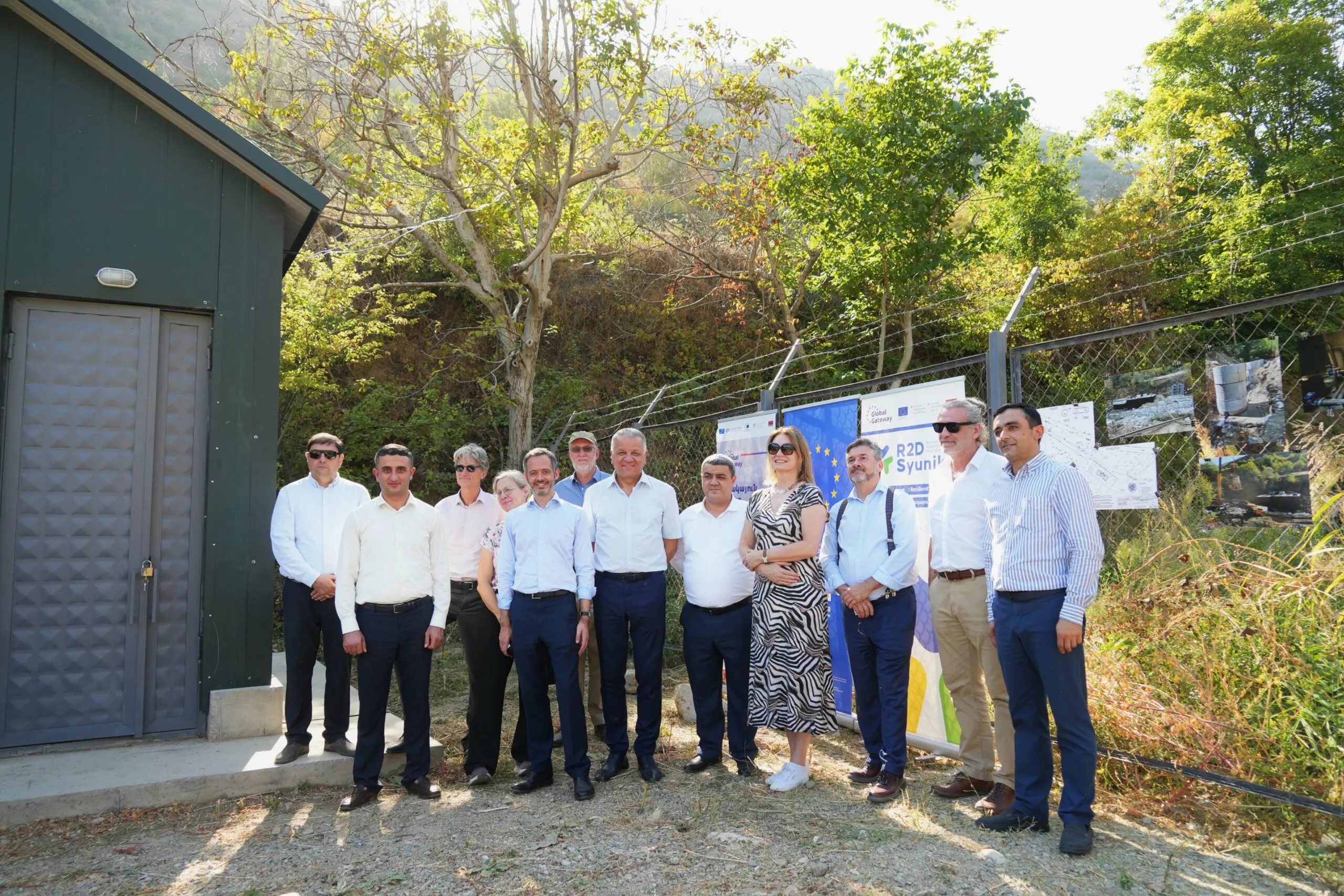
Οι πρέσβεις των χωρών της ΕΕ στο Σουνίκ της Αρμενίας
Σύμφωνα με την πρεσβεία της Ολλανδίας στην Αρμενία, «αυτές οι συναντήσεις αποτελούν μια σημαντική πλατφόρμα όχι μόνο για την αποτίμηση των αποτελεσμάτων, αλλά και για τον από κοινού καθορισμό των μελλοντικών κατευθύνσεων της συνεργασίας μας.
Από την Αρμενική εφημερίδα Αζάτ Ορ
Οι πρέσβεις των κρατών μελών της ΕΕ με τον πρέσβη της ΕΕ στη Αρμενία Βασίλη Μαραγκό συνόψισαν τα αποτελέσματα του έργου που πραγματοποιήθηκε στο πλαίσιο της πρωτοβουλίας «Βιώσιμο Σουνίκ — Ομάδα της Ευρώπης» και συζήτησαν τις μελλοντικές προτεραιότητες της διοίκησης της περιφέρειας Σουνίκ.
Σύμφωνα με την πρεσβεία της Ολλανδίας στην Αρμενία, «αυτές οι συναντήσεις αποτελούν μια σημαντική πλατφόρμα όχι μόνο για την αποτίμηση των αποτελεσμάτων, αλλά και για τον από κοινού καθορισμό των μελλοντικών κατευθύνσεων της συνεργασίας μας.
Ήταν ιδιαίτερα πολύτιμο να ακούσουμε την άποψη της περιφερειακής διοίκησης σχετικά με αυτό το θέμα», σημείωσε η πρέσβης της Ολλανδίας Μαρίκε ΜονρόιΒίντερ.
Κατά τη διάρκεια της επίσκεψης, τα μέλη της αντιπροσωπείας επισκέφθηκαν γαλακτοκομείο στο Καπάν, ενημερώθηκαν για τις εργασίες βελτίωσης της πρόσβασης σε πόσιμο νερό στο Λεχβάζ και επισκέφθηκαν την εταιρεία MeghriFruits.
Με την υποστήριξη του οργανισμού «Ομάδα Ευρώπη», η εταιρεία MeghriFruits επέκτεινε την παραγωγή της, δημιούργησε νέες θέσεις εργασίας και εισήλθε σε νέες εξαγωγικές αγορές.
Διαβάστε τα υπόλοιπα άρθρα της εφημερίδας στο PDF

Συμπτώματα Παρακμής…
Η Τουρκία διεκδικεί ξανά πρόσβαση στη δυτική αμυντική αγορά, ενώ η Ελλάδα καλείται να μετατρέψει τους εξοπλισμούς και τις συμμαχίες...
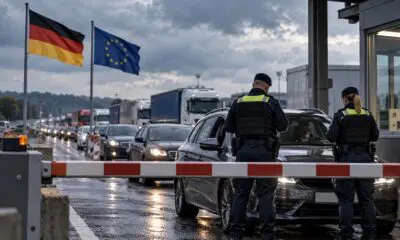

Επιπτώσεις συνεχών παρατάσεων επαναφοράς ελέγχου εσωτερικών συνόρων στη λειτουργία του Σένγκεν
Οι διαδοχικές παρατάσεις των γερμανικών συνοριακών ελέγχων δοκιμάζουν στην πράξη την ελεύθερη κυκλοφορία στον χώρο Σένγκεν. Με το Βερολίνο να...
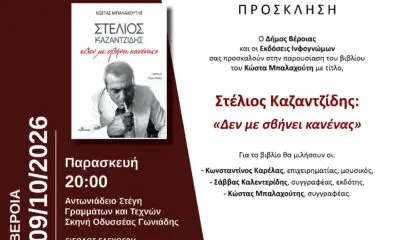

Παρουσίαση του βιβλίου «Στέλιος Καζαντζίδης: Δεν με σβήνει κανένας» στη Βέροια την Παρασκευή 9 Οκτωβρίου
Η παρουσίαση θα πραγματοποιηθεί στην Αντωνιάδειο Στέγη Γραμμάτων και Τεχνών, στη Σκηνή «Οδυσσέας Γωνιάδης», με ελεύθερη είσοδο για το κοινό.
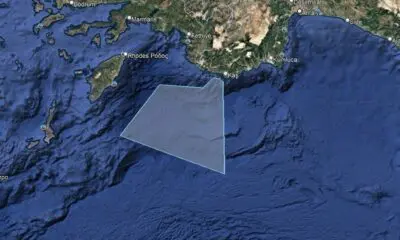

Ελληνική NAVTEX για αεροναυτική άσκηση στη θάλασσα του Καστελλόριζου
Αεροναυτική άσκηση χωρίς πυρά, νοτιοανατολικά της Ρόδου και στις θαλάσσιες προσβάσεις του συμπλέγματος του Καστελλόριζου
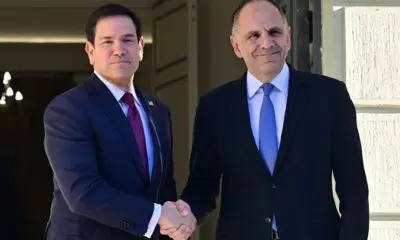

Η αναφορά του Γεραπετρίτη στην Κύπρο μπροστά στον Ρούμπιο! “Αναγκαία η λύση επανένωσης”
Ο κ. Γεραπετρίτης υπογράμμισε ιδιαίτερα τη σημασία της Κύπρου για την περιφερειακή ασφάλεια, τονίζοντας την ανάγκη επανένωσης της νήσου με...
-
 Αναλύσεις3 εβδομάδες πριν
Το τελεσίγραφο Καλίν την ώρα που η Τουρκία προετοιμάζεται για πόλεμο!
-
 Άμυνα3 μήνες πριν
Ρωσσικό ΜΜΕ: Ελληνικό «μπλόκο» στην απαίτηση για Patriot – Πώς γνωρίζει το Κίεβο απόρρητα στοιχεία για τους πυραύλους μας;
-

 ΑΝΑΡΤΗΣΕΙΣ ΜΕ ΣΗΜΑΣΙΑ2 μήνες πριν
Πακιστανός με καναδική υπηκοότητα ο υπαίτιος της πυρκαγιάς στον Έβρο! Πιθανόν να μετέφερε μετανάστες
-

 GEOPOLITICO1 μήνα πριν
Το διέρρευσε ο Παπαχελάς! Έφεραν τον Καλίν στο Μαξίμου – Τί συζήτησε με τον Μητσοτάκη;
-
 Αναλύσεις1 μήνα πριν
Καραγκιούλ: «Αν Ελλάδα, Κύπρος και Ισραήλ επιτεθούν στην Τουρκία, ο χάρτης του Αιγαίου θα αλλάξει»
-

 ΑΝΑΡΤΗΣΕΙΣ ΜΕ ΣΗΜΑΣΙΑ2 μήνες πριν
Ξέσπασμα της μητέρας της Μυρτούς για την υπόθεση Τζαβέντ Ασλάμ: «Δεν ξεχνώ ποτέ» – «Δήμαρχος των Πακιστανών ο Δούκας»
-

 GEOPOLITICO3 εβδομάδες πριν
Τί λέει Τούρκος δημοσιογράφος για Σάββα Καλεντερίδη; «Έκανε πολύ καλά τη δουλειά του για τη χώρα του – Δεν μπορούσε να τον στριμώξει η ΜİΤ»
-

 Αναλύσεις3 μήνες πριν
Εάν η Τουρκία απορρίψει τη συμφωνία αποχώρησης από την Κύπρο θα απομακρυνθεί δια της βίας