Οικονομία
US finalizes rule to restrict investments in sensitive technology development in China
These include semiconductors, quantum computing, and artificial intelligence, areas that have become crucial in the global technology race.

In a significant move to safeguard national security, the US Department of Treasury has rolled out a final rule that restricts outbound American investments in Chinese companies engaged in the development of advanced technologies.
These include semiconductors, quantum computing, and artificial intelligence, areas that have become crucial in the global technology race.
“The Biden-Harris Administration is committed to keeping America safe by preventing countries of concern—namely the People’s Republic of China—from advancing in key technologies that are critical to their military modernization,” the US government said in a press statement days ago announcing the new rule.
This decision marks a continuation of the US government’s stance on containing China’s technological rise, focusing on areas that could potentially enhance China’s military and intelligence capabilities.
The measure, aimed at curbing capital flow to sensitive sectors, has broad implications for the tech industry, financial markets, and global geopolitics.
The Epoch Times reported, quoting senior administration officials previewing the rule, that the White House was particularly focused on technological advancements being pursued by the Chinese Communist Party (CCP).
“The People’s Republic of China has a stated goal, as you know, to develop key sensitive technologies that will directly support the PRC’s military modernization and related activities, including weapons development, and has exploited U.S. investments to develop domestic military and intelligence capabilities,” one senior administration told The Epoch Times earlier this week.
According to the report, a second senior administration official said the new rule is particularly focused on transactions involving semiconductors, quantum computing, and artificial intelligence technologies.
“The final rule has clear thresholds and definitions to implement the executive order and provides detailed explanatory discussion regarding its intent and application to assist investors and other stakeholders to help them navigate this new program,” the second administration official was quoted as saying by the publication.
The Treasury Department’s rule stems from growing concerns over China’s strategic ambitions in technology and the potential national security risks posed by the unchecked flow of US investments.
As technologies like artificial intelligence and quantum computing advance, they can have dual-use applications, serving both civilian and military functions.
The US government, therefore, is increasingly cautious of investing in Chinese firms that contribute to sectors critical to defense and intelligence.
Washington’s primary objective is to ensure that American capital, technology, and know-how do not inadvertently aid in the development of systems that could challenge US interests or endanger its allies.
The rule also reflects bipartisan consensus in Washington, where lawmakers across the political spectrum recognize the risks associated with allowing adversarial nations to dominate emerging technologies.
Additionally, the rule signals to allies and other global investors the need to exercise caution when engaging with China’s high-tech sector.
The Treasury Dept’s regulation introduces several key restrictions, specifically targeting investments in three primary sectors: semiconductors and microelectronics, quantum computing, and artificial intelligence.
Semiconductors and Microelectronics: Semiconductors are at the core of virtually all modern technology, from smartphones to defense systems.
By restricting US investment in China’s semiconductor sector, the Treasury aims to limit China’s capacity to advance in this field, which is essential for developing autonomous systems, high-performance computing, and other critical applications.
Quantum Computing: This emerging technology promises computational power far beyond what is possible today, potentially enabling breakthroughs in cryptography and complex problem-solving.
The Treasury’s restriction on quantum computing investments in China reflects concerns that advancements in this field could disrupt global cybersecurity and defence.
Artificial Intelligence (AI): Artificial Intelligence (AI) is an increasingly transformative technology with wide-reaching implications across industries.
From surveillance and autonomous weapons to cyber operations, AI could significantly impact national security if leveraged by adversaries.
US policymakers are thus keen to prevent investments that could enhance China’s AI capabilities, particularly in applications with military or intelligence potential.
The new rule places certain restrictions on US investors, including private equity and venture capital firms that have previously seen lucrative opportunities in China’s booming technology sector.
Under the rule, these firms will face prohibitions or limitations on investing in Chinese companies focused on sensitive technologies.
This shift may cause US investors to reassess their portfolios, seeking safer opportunities outside of China or in less sensitive sectors.
While it remains possible for US investors to pursue opportunities in less-restricted areas, the rule is expected to significantly reduce the attractiveness of China’s high-tech sector for American capital.
Moreover, US companies operating globally may need to adapt to the new regulations, especially those with subsidiaries or business units that operate independently in foreign markets.
Compliance teams in these companies will need to closely monitor joint ventures, partnerships, and supplier relationships in China to ensure they adhere to the new rules.
Violating the restrictions could result in penalties, increased scrutiny, and reputational damage.
Unsurprisingly, the new rule has sparked criticism from Chinese officials, who have labeled it as an attempt to stifle China’s growth and innovation capabilities.
Beijing views the rule as part of a broader strategy by the US to contain its technological development and reduce its competitiveness on the global stage.
The Chinese government has repeatedly called for greater cooperation and open investment channels, arguing that such restrictions hinder global innovation and economic growth.
The impact on global financial markets is also noteworthy.
Investors in Asia and Europe, along with multinational corporations, are keeping a close eye on the potential repercussions for their own business strategies.
As the US continues to impose tighter restrictions on China, other countries may feel pressured to adopt similar measures or, conversely, increase their investments in Chinese tech firms to gain a strategic edge.
This situation could lead to increased market volatility and force investors to reevaluate their exposure to Chinese tech stocks.
The US Treasury Department has faced the challenge of balancing national security concerns with the interests of American companies and investors who are keen to tap into the high-growth Chinese market.
Advanced technologies, particularly in the sectors of AI and semiconductors, represent enormous revenue potential.
Restricting investment flows to China may come at a financial cost to US investors, particularly venture capital and private equity firms that have benefitted from China’s tech boom.
In response, the Treasury has included certain exemptions in the rule to mitigate potential economic fallout.
However, the Treasury has indicated it will remain vigilant and adapt the rule if necessary to address new national security threats as they emerge.
The Treasury’s rule could accelerate existing trends towards technological decoupling between the US and China, encouraging both countries to rely less on each other for critical technologies, according to geopolitics experts.
China has already launched initiatives to become self-sufficient in high-tech industries, investing heavily in domestic innovation and supply chains.
This restriction may further fuel those efforts, potentially pushing China to ramp up development in semiconductor manufacturing, quantum computing, and AI.
Meanwhile, countries around the world are likely to watch these developments closely.
As technological competition intensifies, some nations may align with the US on stricter investment protocols, while others may seek to fill the investment void left by US firms in China.
This landscape could lead to a fragmented global tech ecosystem, with separate standards, supply chains, and regulatory frameworks in the West and China.
The Treasury Department’s latest rule represents a pivotal step in the ongoing technological rivalry between the US and China.
As both countries vie for supremacy in advanced technologies, national security considerations are reshaping global investment strategies, partnerships, and trade relations.











GEOPOLITICO
Freedom of Press: Λιγνίτης, αμερικανικό LNG και η μάχη για την ενεργειακή ασφάλεια
Το κλείσιμο των λιγνιτικών μονάδων, οι συμφωνίες για αμερικανικό LNG και η προσφυγή πολιτών στο ΣτΕ βρέθηκαν στο μικροσκόπιο της εκπομπής «Freedom of Press» του Μπάμπη Πολυχρονιάδη. Με αιχμή τις καταγγελίες Πολάκη και τις παρεμβάσεις για τον ΑΗΣ Αγίου Δημητρίου, τίθεται το κρίσιμο ερώτημα: ποιος εγγυάται την ενεργειακή ασφάλεια της Ελλάδας όταν αποξηλώνονται εγχώριες παραγωγικές υποδομές;
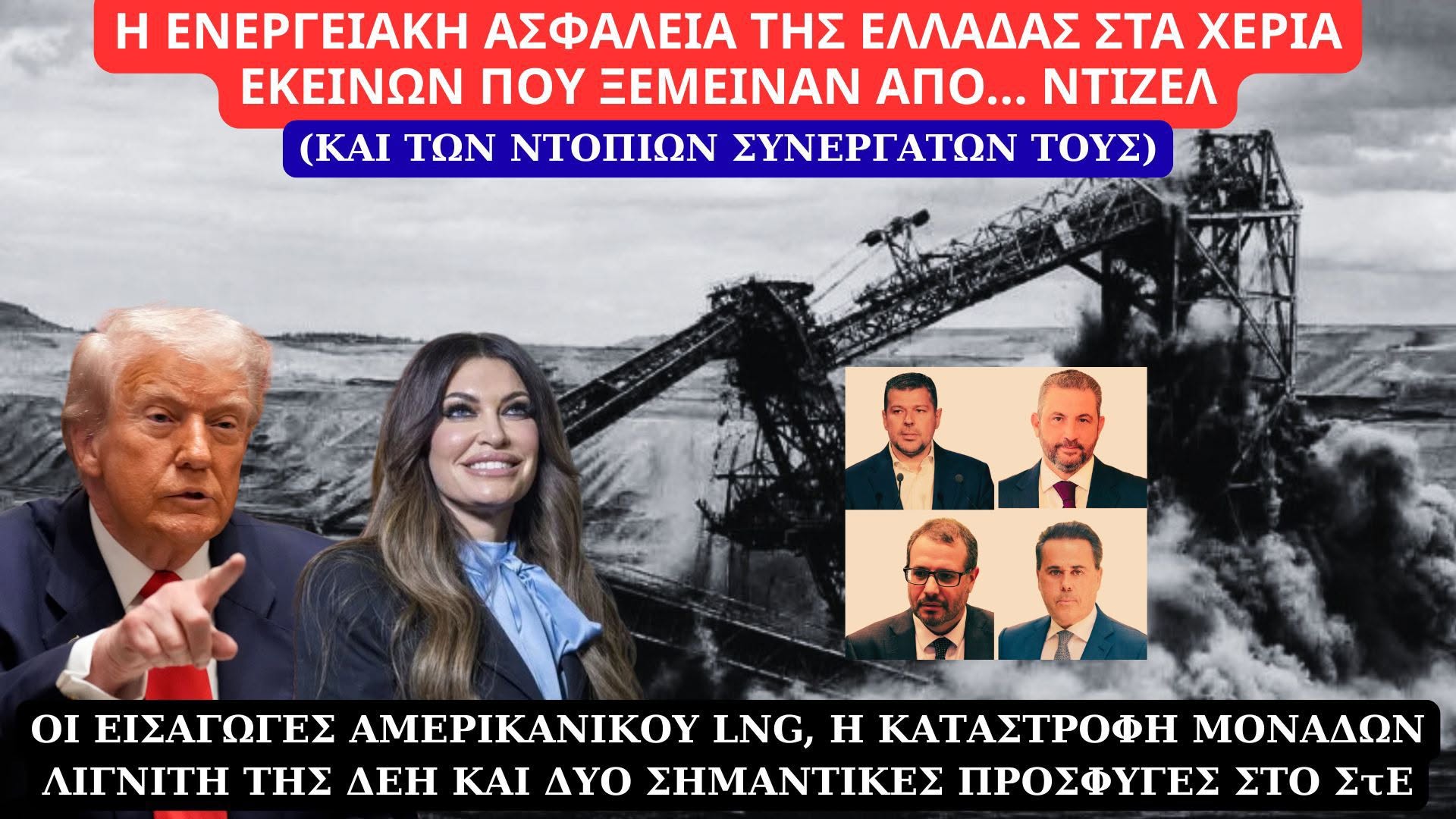
Το ερώτημα ποιος αποφασίζει για την ενεργειακή ασφάλεια της Ελλάδας και με ποια κριτήρια βρέθηκε στο επίκεντρο της εκπομπής «Freedom of Press» του Μπάμπη Πολυχρονιάδη. Με αφετηρία τις καταγγελίες του Παύλου Πολάκη στη Βουλή, ο δημοσιογράφος συνέδεσε την απολιγνιτοποίηση με τις συμφωνίες εισαγωγής αμερικανικού LNG, αναδεικνύοντας παράλληλα τη δικαστική διεκδίκηση πολιτών που ζητούν να αποτραπεί η αποξήλωση κρίσιμων εγκαταστάσεων της ΔΕΗ. Κεντρικό ζήτημα της εκπομπής ήταν κατά πόσο η χώρα μπορεί να εγκαταλείπει οριστικά εγχώριες ενεργειακές υποδομές μέσα σε συνθήκες διεθνούς αστάθειας.
Η εκπομπή άνοιξε με απόσπασμα κοινοβουλευτικής παρέμβασης του Πολάκη, ο οποίος κατηγόρησε ευθέως τον Νίκο Τσάφο για υπονόμευση της ενεργειακής ασφάλειας. Ο βουλευτής υποστήριξε ότι, σε σύσκεψη με δεκαεπτά ανώτερα τεχνικά στελέχη της ΔΕΗ, ανακοινώθηκε πως οι λιγνιτικές μονάδες θα κλείσουν «με τρόπο που δεν θα μπορούν να ξανανοίξουν ποτέ ξανά». Η αναφορά παρουσιάστηκε ως καταγγελία του Πολάκη, με τον Πολυχρονιάδη να την εντάσσει στην κριτική του για τον κυβερνητικό ενεργειακό σχεδιασμό.
Ιδιαίτερη έμφαση δόθηκε στην Πτολεμαΐδα 5. Ο Πολάκης ανέφερε ότι πρόκειται για σύγχρονη μονάδα, για την οποία δαπανήθηκαν περίπου 1,5 δισ. ευρώ, και αμφισβήτησε την επιλογή οριστικής εγκατάλειψης της λιγνιτικής λειτουργίας της. Έθεσε, μάλιστα, το ενδεχόμενο επέκτασης πολεμικών συγκρούσεων ή διακοπής της τροφοδοσίας με πετρέλαιο και φυσικό αέριο, ζητώντας να διατηρηθεί η δυνατότητα αξιοποίησης του λιγνίτη ως εγχώριου καυσίμου. Παράλληλα, απέδωσε τις κυβερνητικές επιλογές στην προώθηση συμφωνιών με εταιρείες αμερικανικού LNG.
Ο Πολυχρονιάδης παρουσίασε στη συνέχεια τις αμφιβολίες που, σύμφωνα με δημοσίευμα της «Wall Street Journal» το οποίο επικαλέστηκε, εκφράζονται για την οικονομική βιωσιμότητα σχετικών συμφωνιών. Όπως μετέφερε, το υπουργείο Ενέργειας της Αλβανίας δεν εμφανίζεται πλήρως πεπεισμένο για τη βιωσιμότητα της συμφωνίας, η ουκρανική Naftogaz έχει διακόψει τις σχετικές διαπραγματεύσεις, ενώ η ρουμανική Transgaz αναφέρει ότι το μνημόνιο κατανόησης που είχε υπογράψει έχει λήξει. Οι αναφορές αυτές αξιοποιήθηκαν στην εκπομπή για να αμφισβητηθεί η εικόνα μιας εξασφαλισμένης εμπορικής επιτυχίας.
Στο ίδιο πλαίσιο παρουσιάστηκε ο ρόλος της Atlantic SEE LNG Trade, με μετόχους τη ΔΕΠΑ Εμπορίου και την AKTOR Energy, καθώς και του Αλέξανδρου Εξάρχου. Ο δημοσιογράφος αναφέρθηκε στην ανακοίνωση με την οποία ο Εξάρχου εξήρε τη συμβολή της Κίμπερλι Γκίλφοϊλ στην προώθηση του Κάθετου Διαδρόμου, χαρακτηρίζοντας την πρωτοβουλία στρατηγικής σημασίας για την ενεργειακή ασφάλεια της Νοτιοανατολικής Ευρώπης. Αντιπαρέβαλε αυτήν την επιχειρηματολογία με τις επιφυλάξεις για το κόστος του αμερικανικού φυσικού αερίου και την πορεία των διαπραγματεύσεων.
Το δεύτερο σκέλος της εκπομπής επικεντρώθηκε στις αλλαγές στις εγκαταστάσεις της ΔΕΗ. Σύμφωνα με τα στοιχεία που παρουσίασε ο Πολυχρονιάδης, στις 18 Μαΐου 2026 υπογράφηκε υπουργική απόφαση τροποποίησης περιβαλλοντικών όρων για τη μετατροπή της Πτολεμαΐδας 5 σε μονάδα φυσικού αερίου.
Επικαλούμενος δημοσιεύματα, ανέφερε κόστος περίπου 400 εκατ. ευρώ και ανάληψη του έργου από τη ΓΕΚ ΤΕΡΝΑ. Προβλήθηκε επίσης η καταγγελία Πολάκη ότι η χωροθέτηση νέας μονάδας στον χώρο απόθεσης λιγνίτη θα εμποδίσει τη μελλοντική επαναχρησιμοποίηση της υπάρχουσας υποδομής.
Παράλληλα, ο παρουσιαστής αναφέρθηκε σε μνημόνιο συνεργασίας της ΔΕΗ με την Amazon Web Services για δημιουργία μεγάλου κέντρου δεδομένων στον ΑΗΣ Αγίου Δημητρίου. Υπογράμμισε ότι οι πληροφορίες για την ηλεκτροδότησή του δεν συγκλίνουν: κυβερνητικοί κύκλοι, όπως είπε, παραπέμπουν στη νέα μονάδα φυσικού αερίου, ενώ πηγές της ΔΕΗ μιλούν για ανανεώσιμες πηγές ενέργειας. Κατά την εκπομπή, αυτή η διαφορετική ενημέρωση αφήνει αναπάντητα ουσιώδη ερωτήματα για τον σχεδιασμό, τις υποδομές και τον τρόπο κάλυψης των ενεργειακών αναγκών.
Ξεχωριστή θέση είχε η αναφορά στην παράταση λειτουργίας της Πτολεμαΐδας 5 μέχρι τις 31 Μαρτίου 2027. Ο Πολυχρονιάδης απέδωσε την παράταση στην ανάγκη διασφάλισης της επάρκειας του ηλεκτρικού συστήματος εν μέσω ενεργειακής κρίσης και πολεμικών αναταράξεων. Η συγκεκριμένη εξέλιξη παρουσιάστηκε ως στοιχείο που ενισχύει τη συζήτηση για τη διατήρηση διαθέσιμων λιγνιτικών υποδομών, ιδιαίτερα κατά τη χειμερινή περίοδο. Το βάρος της επιχειρηματολογίας του ήταν ότι η επάρκεια πρέπει να εξετάζεται πριν ληφθούν αποφάσεις που δυσκολεύουν την επιστροφή σε προηγούμενες δυνατότητες παραγωγής.
Η δικαστική διάσταση αφορά προσφυγή πενήντα πολιτών, η οποία, σύμφωνα με την εκπομπή, αναμένεται να συζητηθεί στο Συμβούλιο της Επικρατείας στις 20 Οκτωβρίου. Αντικείμενό της είναι η αποξήλωση πέντε πύργων ψύξης στον ΑΗΣ Αγίου Δημητρίου. Σε συνέντευξη Τύπου, από την οποία προβλήθηκαν αποσπάσματα, ο πρώην πρόεδρος της ΔΕΗ Μανώλης Παναγιωτάκης υποστήριξε ότι η ασφάλεια εφοδιασμού υπερβαίνει τις επιδιώξεις μιας ανώνυμης εταιρείας, αλλά και τη θητεία μιας κυβέρνησης. Ζήτησε συγκεκριμένες θεσμικές διαδικασίες και αρμόδια όργανα για τη διαμόρφωση αυτής της πολιτικής.
Η δικηγόρος Μαρία Μαγαλιού προανήγγειλε νέα προσφυγή κατά διοικητικής πράξης της 21ης Σεπτεμβρίου, που αφορά έγκριση πρόδρομων εργασιών καθαίρεσης και απομάκρυνσης εξοπλισμού και κτιριακών εγκαταστάσεων. Εξήγησε ότι η προσβολή της πράξης δημιουργεί στέρεη νομική βάση για αίτημα αναστολής, εφόσον ξεκινήσουν κατεδαφίσεις, αντιμετωπίζοντας το επιχείρημα ότι η προκήρυξη της ΔΕΗ αποτελεί ιδιωτική πράξη. Οι προσφεύγοντες επιδιώκουν, όπως προκύπτει από τις τοποθετήσεις τους, να παραμείνει ανοιχτή η δυνατότητα επαναλειτουργίας εγκαταστάσεων, μέχρι να κριθούν οι αποφάσεις και οι συνέπειές τους εθνικά. Μέσα από αυτές τις παρεμβάσεις, η εκπομπή ανέδειξε ένα συγκεκριμένο διακύβευμα: αν οι αποφάσεις για την ενεργειακή μετάβαση διατηρούν περιθώρια ασφάλειας ή οδηγούν σε μη αναστρέψιμη απώλεια παραγωγικών υποδομών.
GEOPOLITICO
Ακρίβεια στα καύσιμα: Η πρόταση Καλόγηρου για άμεση φορολογική ανάσα
Ο Αντώνης Καλόγηρος, επικεφαλής της Θεματικής Ομάδας Οικονομίας της ΝΙΚΗΣ, παρεμβαίνει στο Ionian για την ακρίβεια, τις τιμές των καυσίμων και το ενεργειακό κόστος.
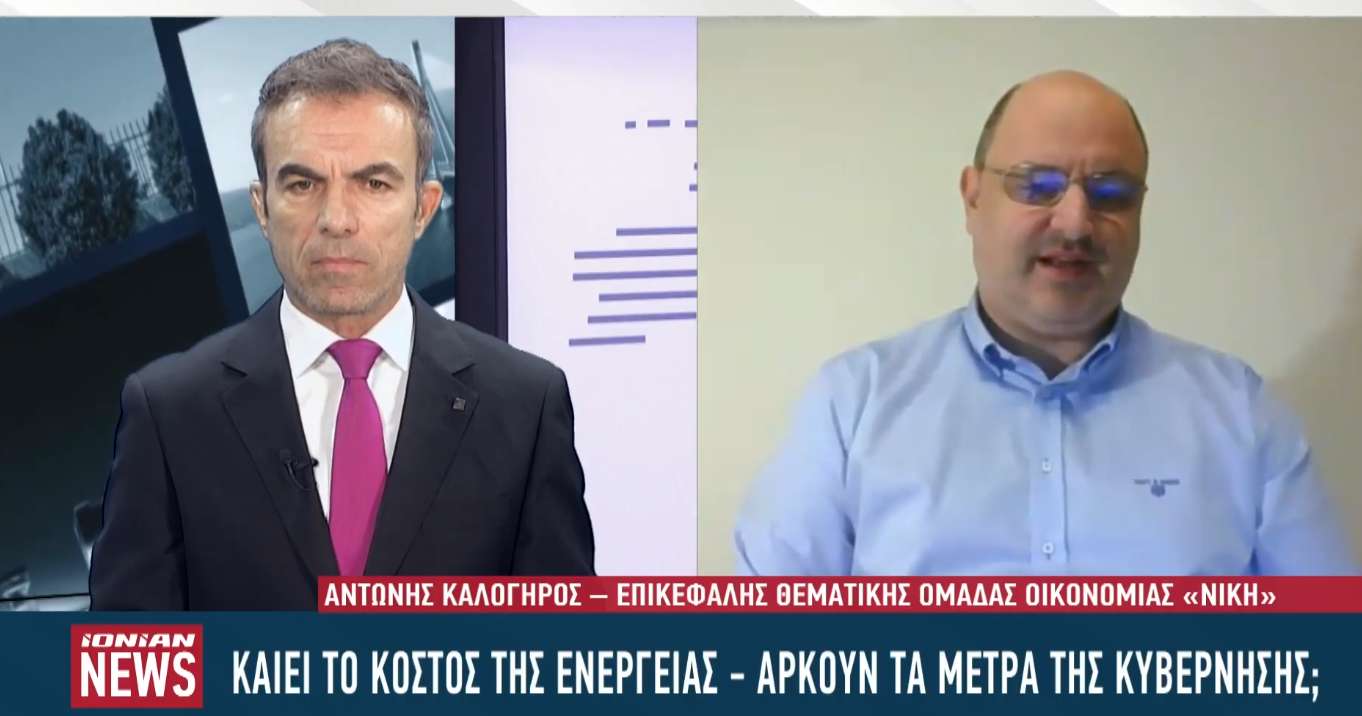
Την ανάγκη άμεσης μείωσης της φορολογικής επιβάρυνσης στα καύσιμα υπογράμμισε ο επικεφαλής της Θεματικής Ομάδας Οικονομίας της ΝΙΚΗΣ, Αντώνης Καλόγηρος, μιλώντας στο Ionian για το ενεργειακό κόστος και τις πιέσεις που δέχονται νοικοκυριά και μικρομεσαίες επιχειρήσεις.
Ο κ. Καλόγηρος αμφισβήτησε τον ισχυρισμό ότι οι ευρωπαϊκοί κανόνες δεν επιτρέπουν τη μείωση του Ειδικού Φόρου Κατανάλωσης και του ΦΠΑ. Όπως ανέφερε, περισσότερες από δέκα ευρωπαϊκές χώρες έχουν ήδη προχωρήσει σε αντίστοιχες παρεμβάσεις, επικαλούμενος τα παραδείγματα της Γερμανίας, της Ιταλίας, της Σουηδίας και της Μάλτας.
Ιδιαίτερη αναφορά έκανε στην αμόλυβδη βενζίνη, σημειώνοντας ότι ο Ειδικός Φόρος Κατανάλωσης φτάνει περίπου τα 70 λεπτά ανά λίτρο, ενώ επάνω στη συνολική τιμή επιβάλλεται και ΦΠΑ 24%. Κατά τον ίδιο, το βάρος για τους Έλληνες καταναλωτές γίνεται ακόμη μεγαλύτερο εξαιτίας της σημαντικής απόστασης που χωρίζει το μέσο ελληνικό εισόδημα από εκείνο άλλων ευρωπαϊκών χωρών.
«Η ακρίβεια πρέπει πάντοτε να εξετάζεται σε συνάρτηση με τους μισθούς», τόνισε, υποστηρίζοντας ότι η κυβέρνηση διαθέτει τα περιθώρια για ουσιαστικές φορολογικές ελαφρύνσεις, αλλά δεν επιδεικνύει την απαιτούμενη πολιτική βούληση.
Ο επικεφαλής της Θεματικής Ομάδας Οικονομίας της ΝΙΚΗΣ επικαλέστηκε επίσης τα στοιχεία εκτέλεσης του προϋπολογισμού, τα οποία, σύμφωνα με όσα παρουσίασε, καταγράφουν έσοδα υψηλότερα από τον στόχο. Υποστήριξε ότι ο διαθέσιμος δημοσιονομικός χώρος προέρχεται σε μεγάλο βαθμό από την υπερφορολόγηση και πρέπει να επιστρέψει στην κοινωνία μέσω χαμηλότερων φορολογικών συντελεστών για πολίτες και μικρομεσαίες επιχειρήσεις.
Παρουσιάζοντας τις προτάσεις της ΝΙΚΗΣ, ο κ. Καλόγηρος εισηγήθηκε:
- μείωση του ΦΠΑ και του Ειδικού Φόρου Κατανάλωσης στα καύσιμα,
- αύξηση της φορολόγησης των μερισμάτων,
- εντατικότερους ελέγχους για εικονικά τιμολόγια και εταιρείες,
- σταδιακή κατάργηση του αναβαλλόμενου φόρου των τραπεζών,
- έκτακτη εισφορά στα υπερκέρδη των ενεργειακών ομίλων.
Κλείνοντας, έστρεψε το ενδιαφέρον στην κερδοφορία των διυλιστηρίων, υποστηρίζοντας ότι η μεγάλη αύξηση των κερδών τους ενισχύει το αίτημα για έκτακτη φορολόγηση. Το κεντρικό μήνυμα της παρέμβασής του ήταν ότι η ελάφρυνση της κοινωνίας είναι οικονομικά εφικτή, εφόσον υπάρξει διαφορετική κατανομή των φορολογικών βαρών.
GEOPOLITICO
Η ενεργειακή συμφωνία ΗΠΑ–Ρωσίας και η νέα γεωπολιτική εξίσωση: Οι επιπτώσεις στην Ευρώπη, οι κερδισμένοι και οι χαμένοι και η παράμετρος των ενδιάμεσων εκλογών
Η Ουάσιγκτον ανοίγει ενεργειακό δίαυλο με τη Μόσχα, την ώρα που ο πόλεμος στην Ουκρανία συνεχίζεται και η Ευρώπη αναζητά στρατηγική αυτονομία. Ποιος κερδίζει από τη χαλάρωση των περιορισμών στο ρωσικό ντίζελ, τι κρύβουν οι διερευνητικές συζητήσεις για τον Nord Stream και γιατί οι αμερικανικές ενδιάμεσες εκλογές αποτελούν κρίσιμο παράγοντα; Μια ανάλυση για την επιστροφή της ενεργειακής διπλωματίας και τον κίνδυνο η Ευρωπαϊκή Ένωση να βρεθεί ξανά εγκλωβισμένη ανάμεσα στις επιλογές Ουάσιγκτον και Μόσχας.
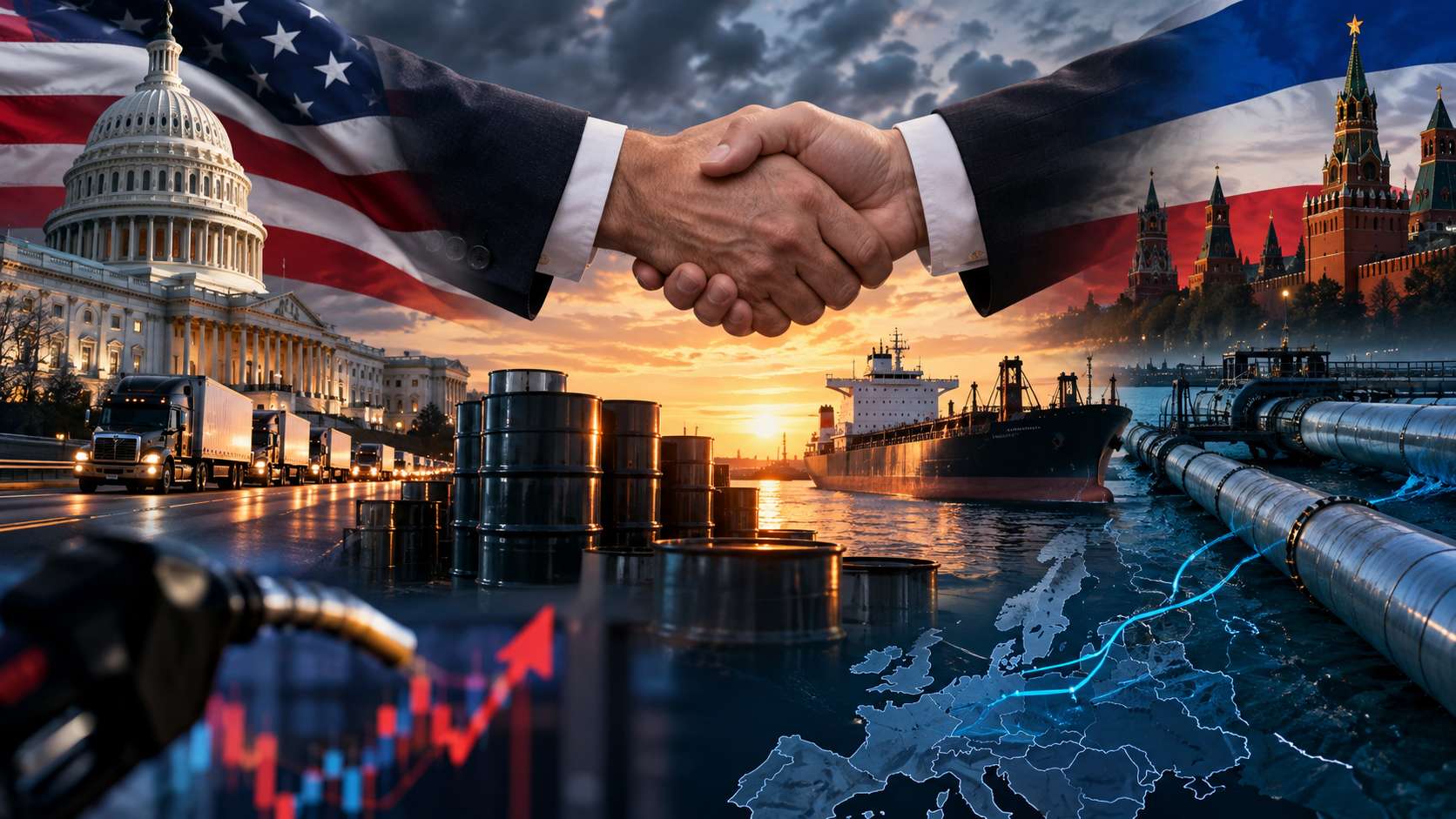
Η γεωπολιτική δεν γνωρίζει μόνιμες φιλίες και εχθρότητες. Γνωρίζει, πρωτίστως, συμφέροντα. Και όταν η ενεργειακή ασφάλεια μιας υπερδύναμης συναντά τις οικονομικές ανάγκες ενός στρατηγικού αντιπάλου, ακόμη και οι πιο ισχυρές πολιτικές διαχωριστικές γραμμές μπορούν να γίνουν αντικείμενο διαπραγμάτευσης.
Η ενεργειακή προσέγγιση Ουάσιγκτον και Μόσχας, με φόντο τον συνεχιζόμενο πόλεμο στην Ουκρανία, την πίεση στις διεθνείς αγορές καυσίμων και τις επικείμενες αμερικανικές ενδιάμεσες εκλογές, αποκαλύπτει μια σύνθετη πραγματικότητα. Οι Ηνωμένες Πολιτείες αναζητούν τρόπους περιορισμού του ενεργειακού κόστους, η Ρωσία επιδιώκει οικονομική και διπλωματική ανάσα, ενώ η Ευρώπη αντιμετωπίζει το ενδεχόμενο να επηρεαστεί καθοριστικά από αποφάσεις στις οποίες δεν έχει πρωταγωνιστικό ρόλο.
Πρόκειται για μια περιορισμένη συναλλαγή υπαγορευμένη από την οικονομική συγκυρία ή για την απαρχή μιας βαθύτερης γεωπολιτικής αναδιάταξης; Η απάντηση δεν αφορά μόνο το πετρέλαιο, το φυσικό αέριο και τους αγωγούς. Αφορά το μέλλον των κυρώσεων, την ευρωπαϊκή στρατηγική αυτονομία και τις ισορροπίες ισχύος ανάμεσα στις μεγάλες δυνάμεις.
Του Δημήτρη Παπαδογιάννη
Εισαγωγή: Όταν η ενέργεια μετατρέπεται σε εργαλείο γεωπολιτικής
Η πρόσφατη ενεργειακή προσέγγιση μεταξύ των Ηνωμένων Πολιτειών και της Ρωσίας επαναφέρει στο προσκήνιο ένα από τα κεντρικά ζητήματα της σύγχρονης διεθνούς πολιτικής: τη σχέση μεταξύ οικονομικών συμφερόντων, ενεργειακής ασφάλειας και στρατηγικού ανταγωνισμού. Σε μια περίοδο κατά την οποία ο πόλεμος στην Ουκρανία μαίνεται και επιβαρύνει την αλληλεπίδραση Ρωσίας-Δύσης σε όλα τα πεδία, η απόφαση της κυβέρνησης του Ντόναλντ Τραμπ να άρει de facto τον οικονομικό αποκλεισμό στη Ρωσική Ομοσπονδία και να διευκολύνει την προμήθεια ρωσικού ντίζελ προς τις αμερικανικές και διεθνείς αγορές συνιστά αξιοσημείωτη μεταβολή στην εφαρμογή της αμερικανικής πολιτικής των κυρώσεων.
Στις 9 Οκτωβρίου 2026, ο Αμερικανός πρόεδρος ανακοίνωσε ότι η Ρωσία θα προμηθεύσει τις διεθνείς αγορές με περισσότερους από 300.000 τόνους ντίζελ αρχικά, ενώ προανήγγειλε πρόσθετες ποσότητες κατά τους επόμενους μήνες. Παράλληλα, η αμερικανική κυβέρνηση προχώρησε σε προσωρινή χαλάρωση συγκεκριμένων περιορισμών για τις σχετικές συναλλαγές. Η ανακοίνωση έγινε σε μια περίοδο κατά την οποία οι τιμές των καυσίμων στις ΗΠΑ είχαν εκτιναχθεί, εν μέρει εξαιτίας του πολέμου με το Ιράν και των διαταραχών στην παγκόσμια ενεργειακή προσφορά. Σύμφωνα με το Reuters, η τιμή του ντίζελ στις ΗΠΑ είχε αυξηθεί περίπου κατά 70% από την έναρξη του πολέμου με το Ιράν τον Φεβρουάριο του 2026. Η αποτελεσματικότητα της συμφωνίας στην αποκλιμάκωση των τιμών, ωστόσο, παραμένει αβέβαιη. (Reuters, 9 Οκτωβρίου 2026).
Η εξέλιξη αποκτά ακόμη μεγαλύτερη σημασία επειδή δεν περιορίζεται στην προμήθεια καυσίμων. Παράλληλα, έχουν πραγματοποιηθεί διερευνητικές επαφές μεταξύ Αμερικανών και Ρώσων αξιωματούχων σχετικά με πιθανή συμμετοχή αμερικανικών επενδυτικών κεφαλαίων στις υποδομές των αγωγών Nord Stream και με την αξιοποίηση ρωσικών ενεργειακών περιουσιακών στοιχείων. Πρόκειται, όμως, για ξεχωριστές συζητήσεις, οι οποίες δεν έχουν οδηγήσει σε επιβεβαιωμένη συμφωνία επαναλειτουργίας των αγωγών. (Reuters, 8 Οκτωβρίου 2026).
Το κεντρικό ερώτημα, επομένως, δεν είναι απλώς αν οι δύο χώρες μπορούν να συνεργαστούν στον ενεργειακό τομέα. Ο κεντρικός προβληματισμός έγκειται στο γιατί επιλέγουν τη δεδομένη χρονική φάση, ποιά συμφέροντα εξυπηρετούνται, ποιές συνέπειες προκύπτουν για την Ευρώπη και κατά πόσο η συγκεκριμένη εξέλιξη προαναγγέλλει μια ευρύτερη αναδιάταξη των διεθνών σχέσεων, ενεργειακών και στρατηγικών.
Η σημασία της χρονικότητας. Η ενεργειακή κρίση και η πολιτική πίεση στο εσωτερικό των ΗΠΑ
Η χρονική συγκυρία της συμφωνίας δεν μπορεί να εξεταστεί ανεξάρτητα από τις αμερικανικές ενδιάμεσες εκλογές της 3ης Νοεμβρίου 2026. Η κυβέρνηση Τραμπ βρίσκεται αντιμέτωπη με την ανάγκη να περιορίσει το κόστος ζωής και να παρουσιάσει αποτελέσματα σε ένα ζήτημα που επηρεάζει άμεσα την καθημερινότητα των πολιτών.
Το ντίζελ αποτελεί κρίσιμο παράγοντα της αμερικανικής οικονομίας. Χρησιμοποιείται στις εμπορευματικές μεταφορές, στη γεωργία, στις κατασκευές και σε ένα ευρύ μέρος της εφοδιαστικής αλυσίδας. Η αύξηση της τιμής του, επιβαρύνει το κόστος παραγωγής και μεταφοράς, παράγωντας πρόσθετες πληθωριστικές πιέσεις. Επομένως, η μείωση της τιμής των καυσίμων έχει ιδιαίτερη σημασία για τις αγροτικές περιοχές, τους επαγγελματίες οδηγούς, τις μικρές επιχειρήσεις και τα νοικοκυριά.
Η προεκλογική διάσταση είναι σαφής. Το Reuters και το Associated Press συνδέουν την ενεργειακή πρωτοβουλία με την προσπάθεια της κυβέρνησης να αντιμετωπίσει τις υψηλές τιμές πριν από τις εκλογές, από τις οποίες θα κριθεί κατά πολύ ο έλεγχος της Βουλής των Αντιπροσώπων και της Γερουσίας. (Reuters, Associated Press).
Η συμφωνία εξυπηρετεί, συνεπώς, δύο παράλληλους στόχους. Ο πρώτος είναι οικονομικός: η αύξηση της προσφοράς καυσίμων και η προσπάθεια αποκλιμάκωσης των τιμών. Ο δεύτερος είναι πολιτικός: η δυνατότητα του Αμερικανού προέδρου να παρουσιάσει μια άμεση πρωτοβουλία που ανταποκρίνεται στις επισφάλεια των ψηφοφόρων.
Υπάρχει, ωστόσο, μία ειδοποιός διαφορά μεταξύ της πολιτικής ανακοίνωσης και του πραγματικού αποτελέσματος. Οι διεθνείς τιμές εξαρτώνται από το σύνολο της προσφοράς και της ζήτησης, τη διαθεσιμότητα διυλιστηριακής παραγωγής, τα αποθέματα, το κόστος μεταφοράς και τη γεωπολιτική κατάσταση. Ακόμη και μια σημαντική συμφωνία προμήθειας δε λειτουργεί ως εχέγγυο για την αισθητή μείωση στις τιμές λιανικής.
Επιπλέον, η συμφωνία δεν αποτελεί τη μοναδική παρέμβαση της Ουάσιγκτον. Στις αρχές Οκτωβρίου, η κυβέρνηση είχε ήδη πιέσει τις χώρες της G7 για αποδέσμευση στρατηγικών αποθεμάτων πετρελαίου και καυσίμων, με στόχο την αύξηση της προσφοράς. (Reuters, 2 Οκτωβρίου 2026).
Αυτό υποδηλώνει ότι η αμερικανική πολιτική δεν στηρίζεται σε μία μόνο κίνηση, αλλά σε μια προσπάθεια συνδυασμού διαφορετικών εργαλείων για τον περιορισμό της ενεργειακής πίεσης. Η συνεργασία με τη Ρωσία αποτελεί μέρος αυτής της προσπάθειας, ενώ ταυτόχρονα δημιουργεί ένα πολιτικό μήνυμα ότι η Ουάσιγκτον είναι διατεθειμένη να διαπραγματευτεί ακόμη και με έναν στρατηγικό αντίπαλο, όταν το θεωρεί οικονομικά αναγκαίο, στα πλαίσια της άσκησης μίας ρεαλιστικής εξωτερικής πολιτικής.
Η σύνδεση με τις εκλογές είναι, επομένως, ισχυρή και τεκμηριωμένη. Δεν αρκεί, όμως, για να εξηγήσει από μόνη της το σύνολο των εξελίξεων, ιδίως τις παράλληλες συζητήσεις για τις ενεργειακές υποδομές και τις πιθανές επενδύσεις σε ρωσικά περιουσιακά στοιχεία.
Τα στρατηγικά κίνητρα της Ρωσίας: Έσοδα, αγορές και διπλωματική επαναπροσέγγιση
Για τη Μόσχα από την άλλη, η ενεργειακή συνεργασία προσφέρει περισσότερα από τα έσοδα που μπορούν να προκύψουν από την πώληση συγκεκριμένων ποσοτήτων ντίζελ. Δημιουργεί τη δυνατότητα επανασύνδεσης με αγορές από τις οποίες οι συναλλαγές περιορίστηκαν σημαντικά μετά τη ρωσική εισβολή στην Ουκρανία το 2022.
Οι κυρώσεις στοχεύουν στον περιορισμό των εσόδων που χρηματοδοτούν τη ρωσική πολεμική προσπάθεια και να αυξήσουν το κόστος της παράτασης του πολέμου. Η προσωρινή χαλάρωση ορισμένων περιορισμών για τις εξαγωγές καυσίμων προκαλεί, επομένως, μια διαφορετική οικονομική συνθήκη για τη Ρωσία.
Η Μόσχα αποκτά δυνητικά τρία οφέλη.
Πρώτον, μπορεί να ενισχύσει τα έσοδα από τις ενεργειακές εξαγωγές, εφόσον οι ανακοινωθείσες ποσότητες παραδοθούν και οι συναλλαγές υλοποιηθούν.
Δεύτερον, θα βρίσκεται σε θέση να διευρύνει τις εμπορικές της διεξόδους και να μειώσει την εξάρτησή της από περιορισμένο αριθμό αγοραστών.
Τρίτον, αποκτά διπλωματικό πλεονέκτημα, καθώς η συνεργασία με την Ουάσιγκτον δείχνει ότι η ενεργειακή της ισχύς εξακολουθεί να αποτελεί υπολογίσιμο παράγοντα που για τις αμερικανικές αποφάσεις.
Το τρίτο στοιχείο είναι ιδιαίτερα μείζον. Η Μόσχα επιδιώκει εδώ και χρόνια να διαχωρίσει την οικονομική συνεργασία από τη συνολική πολιτική αντιπαράθεση με τη Δύση. Μια επιλεκτική ενεργειακή συμφωνία μπορεί να ενισχύσει αυτή την επιδίωξη, χωρίς να σημαίνει ότι έχουν επιλυθεί οι διαφωνίες για την Ουκρανία ή ότι έχουν αρθεί συνολικά οι κυρώσεις.
Ωστόσο υπάρχουν προϋποθέσεις. Η πραγματική εξαγωγική δυνατότητα της Ρωσίας εξαρτάται από την κατάσταση των διυλιστηρίων της, τις εγχώριες ανάγκες και την ασφάλεια των ενεργειακών υποδομών. Οι επιθέσεις της Ουκρανίας σε ρωσικά διυλιστήρια έχουν περιορίσει την παραγωγική ικανότητα, ενώ οι ανάγκες της ρωσικής αγοράς επηρεάζουν την ποσότητα των καυσίμων που μπορούν να διατεθούν στο εξωτερικό.
Η ανακοίνωση της συμφωνίας δεν αποδεικνύει, συνεπώς, ότι όλες οι προβλεπόμενες ποσότητες θα παραδοθούν στον προβλεπόμενο χρόνο. Το πραγματικό οικονομικό όφελος της Ρωσίας θα εξαρτηθεί από την εφαρμογή της συμφωνίας και όχι μόνο από την πολιτική της ανακοίνωση.
Οι ΗΠΑ: Οικονομική αναγκαιότητα ή αλλαγή στρατηγικής;
Η ενεργειακή προσέγγιση με τη Ρωσία αναδεικνύει μια αντίφαση της αμερικανικής πολιτικής. Από το 2022, οι Ηνωμένες Πολιτείες έχουν στηρίξει ένα ευρύ πλαίσιο κυρώσεων με στόχο τον περιορισμό της ρωσικής οικονομικής και ενεργειακής ισχύος. Η τρέχουσα όμως κυβέρνηση, εφαρμόζοντας μία περισσότερο πολυδιάστατη πολιτική, εδραζόμενη εν μέρει στην καλή πίστη, επιτρέπει μια επιλεκτική εξαίρεση, επικαλούμενη την ανάγκη αντιμετώπισης των υψηλών τιμών καυσίμων.
Η εξέλιξη μπορεί να ερμηνευθεί ως εφαρμογή μιας περισσότερο συναλλακτικής προσέγγισης στην εξωτερική πολιτική: η οικονομική συνεργασία δεν αποκλείεται a priori, ακόμη και όταν οι δύο χώρες παραμένουν αντίπαλες σε άλλα πεδία.
Από αμερικανικής πλευράς, η επιδίωξη είναι κατανοητή. Η αύξηση της προσφοράς καυσίμων μπορεί να συμβάλει στη μείωση των πιέσεων στην αγορά, ενώ η απευθείας διαπραγμάτευση με τη Μόσχα προσφέρει έναν πρόσθετο δίαυλο επικοινωνίας.
Πάρα ταύτα η κίνηση δημιουργεί τρία προβλήματα.
Το πρώτο αφορά την αποτελεσματικότητα. Οι ανακοινωθείσες ποσότητες ενδέχεται να μην επαρκούν για να μεταβάλουν ουσιαστικά τις διεθνείς τιμές, ιδίως όταν οι διαταραχές προέρχονται από ευρύτερες γεωπολιτικές εξελίξεις.
Το δεύτερο αφορά τη συνέπεια των κυρώσεων. Εάν οι περιορισμοί χαλαρώνουν κάθε φορά που προκύπτει οικονομική πίεση, η προβλεψιμότητα της αμερικανικής πολιτικής μειώνεται και οι άλλες χώρες ενδέχεται να αμφισβητήσουν τη σταθερότητά της.
Το τρίτο αφορά την Ουκρανία. Η παροχή πρόσθετων εσόδων στη Ρωσία, χωρίς αντίστοιχες πολιτικές δεσμεύσεις, πιθανότατα θα αποδυναμώσει την πίεση που επιδιώκει να ασκήσει η Δύση στη Μόσχα.
Η αμερικανική κυβέρνηση, από την πλευρά της, μπορεί να υποστηρίξει ότι η ενεργειακή ασφάλεια και η προστασία των καταναλωτών αποτελούν άμεσες προτεραιότητες. Το ουσιαστικό ζήτημα είναι εάν η εξαίρεση θα παραμείνει περιορισμένη ή θα εξελιχθεί σε ευρύτερη αναθεώρηση της πολιτικής κυρώσεων.
Προς ώρας, δεν υπάρχουν επαρκή στοιχεία για να θεωρήσουμε ότι η συμφωνία σηματοδοτεί μία θεμελιακή μεταβολή της αμερικανικής στρατηγικής απέναντι στη Ρωσία. Δείχνει, ωστόσο, ότι οι οικονομικές ανάγκες μπορούν να επηρεάσουν άμεσα την εφαρμογή της εξωτερικής πολιτικής και πως στο τέλος της ημέρας έκαστο κράτος θα προτεραιοποιήσει τα προσωπικά του συμφέροντα.
Η Ευρώπη αντιμέτωπη με ένα νέο ενεργειακό δίλημμα
Για την Ευρωπαϊκή Ένωση, η εξέλιξη είναι περισσότερο σύνθετη. Μετά το 2022, η ευρωπαϊκή ενεργειακή στρατηγική στηρίχθηκε στη διαφοροποίηση των προμηθευτών, στην ανάπτυξη υποδομών υγροποιημένου φυσικού αερίου και στη μείωση της εξάρτησης από τη Ρωσία.
Η κατεύθυνση αυτή δεν ήταν αποκλειστικά πολιτική επιλογή. Συνδέθηκε με την εμπειρία της ενεργειακής πίεσης που ακολούθησε τη ρωσική εισβολή, με τις διακοπές και τις μειώσεις στις ροές φυσικού αερίου και με την εκτίμηση ότι η υπερβολική εξάρτηση από έναν προμηθευτή μπορεί να δημιουργήσει στρατηγικούς κινδύνους.
Η πρόσφατη αμερικανορωσική προσέγγιση επαναφέρει το δίλημμα ανάμεσα στο κόστος και στην ασφάλεια.
Από τη μία πλευρά, μια αύξηση της παγκόσμιας προσφοράς καυσίμων θα μπορούσε να ωφελήσει τις ευρωπαϊκές επιχειρήσεις, εφόσον μεταφραστεί σε χαμηλότερες τιμές. Οι μεταφορές, η βιομηχανία, η γεωργία και οι ενεργοβόρες επιχειρήσεις θα μπορούσαν να επωφεληθούν από τη μείωση του κόστους.
Από την άλλη, η πιθανότητα επανεμφάνισης ρωσικών ποσοτήτων φυσικού αερίου στην ευρωπαϊκή αγορά δημιουργεί νέα πολιτικά και στρατηγικά ερωτήματα. Η Ευρώπη μπορεί να αποκτήσει πρόσβαση σε πρόσθετες ποσότητες ενέργειας, αλλά κάτι τέτοιο επισύει τον κίνδυνο να επαναφέρει μορφές εξάρτησης που επιδίωξε να περιορίσει.
Σύμφωνα με το Reuters, οι συζητήσεις για το Nord Stream περιλαμβάνουν το ενδεχόμενο συμμετοχής Αμερικανών επενδυτών στις σχετικές υποδομές. Ωστόσο, οι αγωγοί υπόκεινται σε κυρώσεις, ενώ η γερμανική κυβέρνηση έχει δηλώσει ότι δεν επιθυμεί την επαναλειτουργία τους υπό τις παρούσες συνθήκες. Συνεπώς, η επανέναρξη των ροών δεν αποτελεί άμεσο ή εξασφαλισμένο αποτέλεσμα.
Το σημαντικότερο ζήτημα για την Ευρώπη είναι ότι οι συζητήσεις φαίνεται να διεξάγονται πρωτίστως μεταξύ αμερικανικών και ρωσικών διπλωματικών διαύλων, ενώ οι συνέπειες αφορούν άμεσα την ευρωπαϊκή αγορά. Εάν οι δύο χώρες καταλήξουν σε ένα επενδυτικό ή εμπορικό πλαίσιο χωρίς ουσιαστική συμμετοχή της Ευρωπαϊκής Ένωσης, η τελευταία θα βρεθεί αντιμέτωπη με αποφάσεις που μπορούν να επηρεάσουν την ενεργειακή της ασφάλεια χωρίς να έχει διαμορφώσει η ίδια τους βασικούς όρους. Συνεπώς σε ενεργειακό εγκλωβισμό
Οι κερδισμένοι και οι χαμένοι;
Η κατανομή των ωφελειών και των κινδύνων δεν είναι ομοιόμορφη. Διαφέρει ανάλογα με το αν εξετάζουμε το βραχυπρόθεσμο οικονομικό αποτέλεσμα ή τη μακροπρόθεσμη γεωπολιτική ισορροπία.
Η Ρωσία: οικονομικό και διπλωματικό όφελος
Η Ρωσία είναι ένας από τους βασικούς δυνητικούς ωφελημένους. Η δυνατότητα εξαγωγής πρόσθετων ποσοτήτων καυσίμων μπορεί να ενισχύσει τα έσοδά της, ενώ η επιλεκτική χαλάρωση των κυρώσεων προλειαίνει το έδαφος για περαιτέρω διαπραγματεύσεις.
Το σημαντικότερο κέρδος, όμως, μπορεί να είναι πολιτικό: η αποδοχή ότι η ενεργειακή συνεργασία με τη Μόσχα μπορεί να θεωρηθεί αναγκαία ακόμη και από την Ουάσιγκτον, παρά τη συνεχιζόμενη σύγκρουση στην Ουκρανία.
Η αμερικανική κυβέρνηση: πολιτικό όφελος με αβέβαιο οικονομικό αποτέλεσμα
Η κυβέρνηση Τραμπ αποκτά ένα εργαλείο για να αντιμετωπίσει την πίεση γύρω από το κόστος ζωής και να εμφανίσει μια ενεργειακή πρωτοβουλία παράλληλη και με την αποκλιμάκωση ενός πολεμικού μετώπου, ενόψει των midterms.
Το πολιτικό όφελος θα εξαρτηθεί, ωστόσο, από το αν οι πολίτες διαπιστώσουν πραγματική μείωση στις τιμές. Εάν οι τιμές παραμείνουν υψηλές, η συμφωνία μπορεί να μην αποδώσει το αποτέλεσμα που επιδιώκεται.
Η Ουκρανία: κίνδυνος ακύρωσης της πολιτικής των κυρώσεων
Για την Ουκρανία, η ενεργειακή συμφωνία δημιουργεί τον κίνδυνο να αυξηθούν τα έσοδα της Ρωσίας χωρίς να έχει προηγηθεί αντίστοιχη πολιτική ή στρατιωτική αποκλιμάκωση.
Στις 11 Οκτωβρίου, ο Βολοντίμιρ Ζελένσκι δήλωσε ότι η Ουκρανία είναι διατεθειμένη να σταματήσει τις επιθέσεις σε ρωσικά διυλιστήρια, εφόσον η Ρωσία σταματήσει τις επιθέσεις κατά της ουκρανικών ενεργειακών υποδομών. Η θέση αυτή υπογραμμίζει τη διαφορά μεταξύ μιας μονομερούς παραχώρησης και μιας αμοιβαίας, επαληθεύσιμης αποκλιμάκωσης. (Reuters, 11 Οκτωβρίου 2026).
Η Ευρωπαϊκή Ένωση: ενδεχόμενο οικονομικό όφελος αλλά και στρατηγικός κίνδυνος.
Η Ευρώπη μπορεί να ωφεληθεί από χαμηλότερες τιμές ενέργειας, αλλά αντιμετωπίζει τον κίνδυνο νέων διαφορών μεταξύ των κρατών-μελών σχετικά με την επιστροφή στις ρωσικές προμήθειες.
Οι χώρες που δίνουν προτεραιότητα στο χαμηλότερο ενεργειακό κόστος μπορεί να αντιμετωπίσουν θετικότερα μια πιθανή επανέναρξη ροών. Άλλες, ιδίως στην ανατολική Ευρώπη, ενδέχεται να τη θεωρήσουν απειλή για τη μακροπρόθεσμη ασφάλεια.
Η πιθανότητα αυτή δημιουργεί τον κίνδυνο να αποδυναμωθεί η ευρωπαϊκή συνοχή, εάν δεν υπάρξει κοινή προσέγγιση.
Οι ενδιάμεσες εκλογές και η επόμενη ημέρα
Οι ενδιάμεσες εκλογές της 3ης Νοεμβρίου αποτελούν κρίσιμο χρονικό ορόσημο, αλλά δεν πρέπει να θεωρηθούν αυτόματα το τέλος ή η αρχή μιας νέας ενεργειακής στρατηγικής.
Εάν η κυβέρνηση Τραμπ καταφέρει να περιορίσει τις τιμές καυσίμων, θα μπορεί να παρουσιάσει τη συμφωνία ως ένδειξη αποτελεσματικότητας. Εάν οι τιμές παραμείνουν υψηλές, η πολιτική αξία της εν λόγω στρατηγικής κίνησης θα μειωθεί.
Μετά τις εκλογές, το αποτέλεσμα θα επηρεάσει το πολιτικό περιβάλλον μέσα στο οποίο θα λειτουργήσει η κυβέρνηση. Εάν μεταβληθεί ο έλεγχος του Κογκρέσου, ενδέχεται να δυσκολέψει η προώθηση ορισμένων επιλογών εξωτερικής πολιτικής ή η αναδιαμόρφωση του πλαισίου των κυρώσεων. Ωστόσο, δεν θα υπάρξει αυτομάτως τροποποίηση της ενεργειακής πολιτικής μόνο και μόνο λόγω του εκλογικού αποτελέσματος.
Εξίσου σημαντική θα είναι η εξέλιξη των διαπραγματεύσεων για την Ουκρανία. Εάν υπάρξει ουσιαστική πρόοδος προς μια συμφωνία αποκλιμάκωσης, η ενεργειακή συνεργασία θα μπορούσε να ενταχθεί σε ένα ευρύτερο πλαίσιο πολιτικών ανταλλαγμάτων. Εάν δεν υπάρξει τέτοια πρόοδος, οι ενεργειακές συναλλαγές ενδέχεται να παραμείνουν αποσπασματικές, ενώ η σύγκρουση και οι κυρώσεις θα συνεχίσουν να περιορίζουν τις δυνατότητες συνεργασίας.
Η χρονική συγκυρία, κατά συνέπεια, ερμηνεύεται από τη σύγκλιση τριών παραγόντων: της ενεργειακής κρίσης, της προεκλογικής πίεσης στις ΗΠΑ και της προσπάθειας να διερευνηθούν οι οικονομικές συναλλαγές με τη Ρωσία. Δεν υπάρχει, ωστόσο, επαρκής βάση για να θεωρηθεί ότι η συμφωνία αποτελεί ήδη μέρος μιας ολοκληρωμένης ειρηνευτικής διευθέτησης.
Ποια είναι η πιθανότερη κατάληξη;
Η εξέλιξη μπορεί να κινηθεί προς τρεις κατευθύνσεις.
Το πρώτο ενδεχόμενο είναι η διατήρηση μιας περιορισμένης, επιλεκτικής ενεργειακής συνεργασίας. Η προσωρινή χαλάρωση των περιορισμών επιτρέπει ορισμένες συναλλαγές, χωρίς να οδηγεί σε συνολική άρση των κυρώσεων ή σε άμεση επαναλειτουργία του Nord Stream.
Το δεύτερο ενδεχόμενο είναι η σταδιακή επέκταση της συνεργασίας σε επενδύσεις και ενεργειακές υποδομές. Για να επιτευχθεί μία τέτοια πρόοδος, θα χρειαστούν συγκεκριμένες συμφωνίες, σαφείς όροι για τις κυρώσεις και σημαντικές πολιτικές αποφάσεις. Μια τέτοια εξέλιξη θα μπορούσε να μεταβάλει τις ισορροπίες στην ευρωπαϊκή ενεργειακή αγορά, αλλά δεν είναι δεδομένη.
Το τρίτο ενδεχόμενο είναι η περιορισμένη εφαρμογή της συμφωνίας. Εάν οι παραδόσεις αποδειχθούν ποσοτικά χαμηλότερες από τις ανακοινωθείσες ή οι τιμές παραμείνουν υψηλές, η συμφωνία μπορεί να αποδώσει περιορισμένα οικονομικά αποτελέσματα, ενώ θα διατηρηθούν οι πολιτικές αντιδράσεις.
Κατά τη δική μου εκτίμηση δε θα ήταν ασφαλές να υποθέσουμε πως πρόκειται για πλήρη επαναπροσέγγισητων δύο ενεργειακών παικτών ούτε την άμεση επαναφορά του ρωσικού φυσικού αερίου στην Ευρώπη ως προδιαγεγραμμένες εξελίξεις. Η πιο επισταμένη ανάγνωση είναι ότι η Ουάσιγκτον και η Μόσχα διερευνούν τη δυνατότητα επιλεκτικής οικονομικής συνεργασίας, με την ενέργεια να λειτουργεί ως πιθανό μέσο διαπραγμάτευσης.
Το εάν αυτή η προσέγγιση θα εξελιχθεί σε ευρύτερη συμφωνία θα εξαρτηθεί από την πορεία του πολέμου στην Ουκρανία, τις αμερικανικές πολιτικές εξελίξεις, την εφαρμογή των κυρώσεων και την αντίδραση των ευρωπαϊκών κυβερνήσεων.
Συμπερασματικά, η ενεργειακή προσέγγιση ΗΠΑ–Ρωσίας καταδεικνύει ότι οι οικονομικές ανάγκες μπορούν να ανοίξουν παράθυαρα συνεργασίας ακόμη και μεταξύ κρατών που βρίσκονται σε στρατηγική αντιπαράθεση.
Για τις Ηνωμένες Πολιτείες, η συμφωνία συνδέεται με την προσπάθεια περιορισμού των τιμών καυσίμων και με την πολιτική πίεση πριν από τις ενδιάμεσες εκλογές. Για τη Ρωσία, προσφέρει τη δυνατότητα πρόσθετων εσόδων, εμπορικής πρόσβασης και διπλωματικής αναβάθμισης. Για την Ουκρανία, δημιουργεί τον κίνδυνο αποδυνάμωσης της οικονομικής πίεσης προς τη Μόσχα και για την Ευρωπαϊκή Ένωση, ανοίγει ένα νέο πεδίο αντιπαράθεσης ανάμεσα στο βραχυπρόθεσμο ενεργειακό όφελος και στη μακροπρόθεσμη στρατηγική αυτονομία.
Η πιο αξιοσημείωτη συνέπεια, ωστόσο, δεν θα κριθεί από τα πρώτα φορτία ντίζελ. Αλλά από το εάν η ενεργειακή συναλλαγή θα παραμείνει ένα περιορισμένο μέτρο διαχείρισης της αγοράς ή θα αποτελέσει την αφετηρία μιας ευρύτερης συμφωνίας για τις κυρώσεις, τις επενδύσεις, τις ενεργειακές υποδομές και τον πόλεμο στην Ουκρανία.
Εάν παραμείνει μεμονωμένη συναλλαγή, οι επιπτώσεις θα είναι κυρίως οικονομικές και βραχυπρόθεσμες. Εάν ενταχθεί σε ένα ευρύτερο πολιτικό πλαίσιο, μπορεί να επηρεάσει ουσιαστικά την ευρωπαϊκή ενεργειακή αρχιτεκτονική και τις σχέσεις μεταξύ των μεγάλων δυνάμεων.
Για την Ευρώπη, η κρίσιμη επιλογή είναι να μην αντιμετωπίσει τις εξελίξεις μόνο ως ευκαιρία για φθηνότερη ενέργεια. Οφείλει να διασφαλίσει ότι οι αποφάσεις για την ενεργειακή της τροφοδοσία θα λαμβάνουν υπόψη την οικονομική ανταγωνιστικότητα, την ασφάλεια και τη δυνατότητα ανεξάρτητων στρατηγικών επιλογών.
Η παράμετρος της ενέργειας ενίοτε αποτελεί γέφυρα διαπραγμάτευσης μεταξύ αντιπάλων όχι όμως εγγύηση ειρήνης από μόνη της. Επιπρόσθετα η μείωση του ενεργειακού κόστους δεν εξασφαλίζει αυτομάτως μακροπρόθεσμη ασφάλεια.
Η πραγματική δοκιμασία για την Ουάσιγκτον, τη Μόσχα και τις ευρωπαϊκές πρωτεύουσες εναπόκειται στο αν θα κατορθώσουν να μετατρέψουν τα βραχυπρόθεσμα οικονομικά συμφέροντα σε μια σταθερότερη πολιτική διευθέτηση, χωρίς να δημιουργήσουν νέες εξαρτήσεις και νέες εστίες έντασης.

Πόλεμος συμφερόντων για το LNG – Το τουρκικό σχέδιο και η ελληνική απάντηση
Στο Direct News, ο Ανδρέας Μουντζουρούλιας παρουσιάζει τις πληροφορίες του για τον GSI, αναλύει τα τουρκικά δημοσιεύματα για την Γκίλφοϊλ...


Arolsen Archives: Το αρχείο που αναζητά τα ίχνη εκατομμυρίων θυμάτων του ναζισμού
Στη γερμανική πόλη Μπαντ Άρολσεν φυλάσσεται μία από τις σημαντικότερες συλλογές τεκμηρίων για τα θύματα των ναζιστικών διώξεων. Περισσότερα από...

Πού βρίσκεται η Ελλάδα στον σχεδιασμό του IMEC;
Η επίκληση της ελληνικής κληρονομιάς, η κριτική για τις αμερικανικές τοποθετήσεις στα ελληνοτουρκικά και η ανάγκη μιας εθνικής στρατηγικής που...

Νέα τουρκική πρόκληση νότια του Καστελλόριζου! NAVTEX της Άγκυρας στην περιοχή που θα περάσει το γαλλικό ερευνητικό για το καλώδιο Ελλάδας–Κύπρου
Η Άγκυρα εξέδωσε NAVTEX για περιοχή νότια του Καστελλόριζου, όπου έχει προγραμματιστεί η πολυεθνική άσκηση «EUNOMIA», αμφισβητώντας τη δικαιοδοσία του...
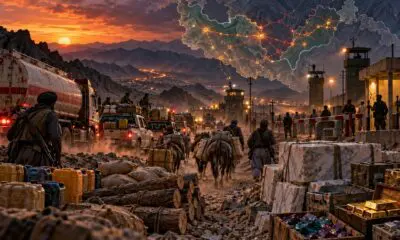

EurAsia Review: Ποιοι προστατεύουν τα κυκλώματα λαθρεμπορίου στα σύνορα Ιράν, Πακιστάν και Αφγανιστάν – Ο σκοτεινός ρόλος παραγόντων ασφαλείας
Ένα εκτεταμένο σύστημα παράνομου εμπορίου, διαφθοράς και πολιτικής προστασίας περιγράφει σε ανάλυσή του το EurAsia Review. Από τα καύσιμα και...
-
 Αναλύσεις4 εβδομάδες πριν
Το τελεσίγραφο Καλίν την ώρα που η Τουρκία προετοιμάζεται για πόλεμο!
-
 Άμυνα3 μήνες πριν
Ρωσσικό ΜΜΕ: Ελληνικό «μπλόκο» στην απαίτηση για Patriot – Πώς γνωρίζει το Κίεβο απόρρητα στοιχεία για τους πυραύλους μας;
-

 ΑΝΑΡΤΗΣΕΙΣ ΜΕ ΣΗΜΑΣΙΑ3 μήνες πριν
Πακιστανός με καναδική υπηκοότητα ο υπαίτιος της πυρκαγιάς στον Έβρο! Πιθανόν να μετέφερε μετανάστες
-

 GEOPOLITICO1 μήνα πριν
Το διέρρευσε ο Παπαχελάς! Έφεραν τον Καλίν στο Μαξίμου – Τί συζήτησε με τον Μητσοτάκη;
-
 Αναλύσεις2 μήνες πριν
Καραγκιούλ: «Αν Ελλάδα, Κύπρος και Ισραήλ επιτεθούν στην Τουρκία, ο χάρτης του Αιγαίου θα αλλάξει»
-

 ΑΝΑΡΤΗΣΕΙΣ ΜΕ ΣΗΜΑΣΙΑ2 μήνες πριν
Ξέσπασμα της μητέρας της Μυρτούς για την υπόθεση Τζαβέντ Ασλάμ: «Δεν ξεχνώ ποτέ» – «Δήμαρχος των Πακιστανών ο Δούκας»
-
 GEOPOLITICO4 εβδομάδες πριν
Τί λέει Τούρκος δημοσιογράφος για Σάββα Καλεντερίδη; «Έκανε πολύ καλά τη δουλειά του για τη χώρα του – Δεν μπορούσε να τον στριμώξει η ΜİΤ»
-

 Αναλύσεις3 μήνες πριν
Εάν η Τουρκία απορρίψει τη συμφωνία αποχώρησης από την Κύπρο θα απομακρυνθεί δια της βίας